
Book 1 of 14 on the shelf
Romans
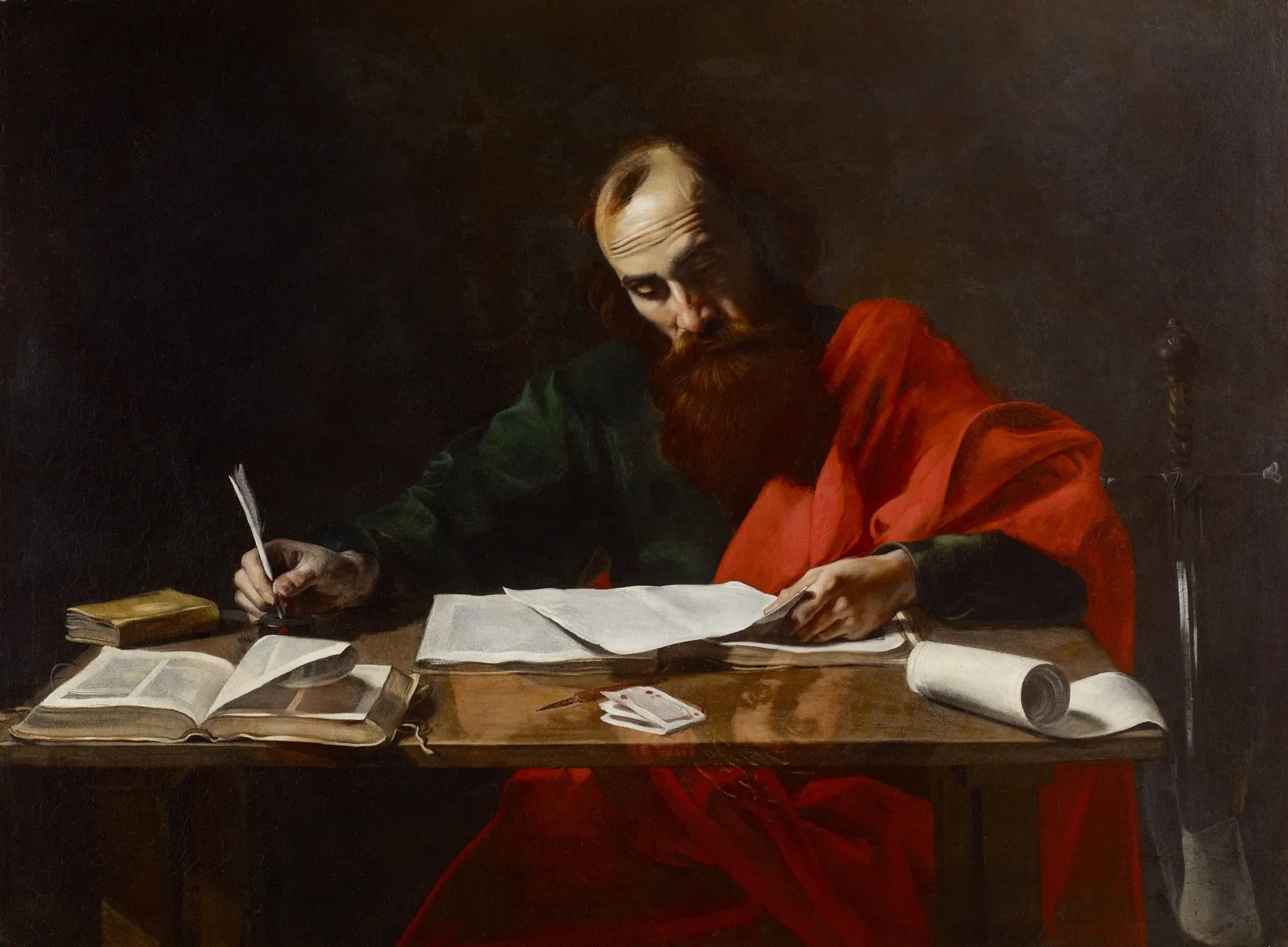
Paul AD 56 or 57 To all in Rome who are loved by God and called to be saints (Romans 1:7) 16 chapters
Paul writes from Corinth to a church he has never visited, because he hopes to stop in Rome on his way to Spain. He opens with the good news that God's power saves everyone who believes, the Jew first and also the Greek. Then he shows the whole world guilty, the nations who traded God for idols and the Jews who had the law and broke it.
God's answer is a righteousness that comes by faith in Jesus Christ, and Abraham is the proof, counted righteous before he was circumcised. Chapters 5 to 8 trace the new life in Christ, from Adam's ruin to the freedom of the Spirit, and end with nothing able to separate believers from the love of God. Chapters 9 to 11 ask what becomes of Israel. Chapters 12 to 16 teach the church how to live, and the letter closes with Phoebe commended and a long roll of greetings.
Feature pages on Romans28
Studies1
Places1
Doctrines24
- Baptism in the Holy Spirit (the Acts Evidence)
- Elders and Deacons
- Israel and the Olive Tree
- Justification by Faith: the Verdict of the Cross
- Names of God
- No Condemnation, the Arc of Romans 8
Show the next 6 titles
Books of the Bible1