
Deuteronomy 32:15
in Deuteronomy 32But Jeshurun grew fat and kicked—becoming fat, bloated, and gorged. He abandoned the God who made him and scorned the Rock of his salvation.
BSB
The same verse in ASV and KJV ▾
ASV
But Jeshurun waxed fat, and kicked: Thou art waxed fat, thou art grown thick, thou art become sleek; Then he forsook God who made him, And lightly esteemed the Rock of his salvation.
KJV
But Jeshurun waxed fat, and kicked: thou art waxen fat, thou art grown thick, thou art covered with fatness; then he forsook God which made him, and lightly esteemed the Rock of his salvation.
⋯
This verse in Deuteronomy 32
Commentary
3 notes on this verseA commentator
Clement of RomeClement's First Letter to the Corinthians, Chapters 3-4 · Written before 99.
Every kind of honour and happiness was bestowed upon you, and then was fulfilled that which is written, "My beloved ate and drank, and was enlarged and became fat, and kicked." [Deuteronomy 32:15] Hence flowed emulation and envy, strife and sedition, persecution and disorder, war and captivity. So the worthless rose up against the honoured, those of no reputation against such as were renowned, the foolish against the wise, the young against those advanced in years.
This site's exposition
But Jeshurun waxed fat, and kicked
on Deuteronomy 32:15-16
Jeshurun stands four times in Scripture, here and at 33:5 and 33:26 and again at Isaiah 44:2, and commentators take it from the root for upright, which makes the name affectionate and its use here bitter. What ruins Jeshurun is the danger 6:10-12 and 8:11-14 already named, which is having enough. Lightly esteemed the Rock of his salvation sets the failure directly against the name given at verse 4.
The record, by era
The Nineteenth Century1 voice
Jeshurun - ישרון the upright. This appellative is here put for Israel, and as it comes from ישר yashar, he was right, straight, may be intended to show that the people who once not only promised fair, but were really upright, walking in the paths of righteousness, should, in the time signified by the prophet, not only revolt from God, but actually fight against him; like a full fed horse, who not only will not bear the harness, but breaks away from his master, and endeavors to kick him as he struggles to get loose.
The words behind it
12 Hebrew wordsEvery Hebrew word of this verse in the order it stands, with what it means and the door to its own study. The last column counts the times a word stands in the whole Bible: the rarer the word, the more the places it appears belong together.
| Hebrew | Sound | Meaning | Word study | In the Bible |
|---|---|---|---|---|
| וַיִּשְׁמַ֤ן | vaiyishman | and he grew fat | H8080 → | |
| יְשֻׁרוּן֙ | yeshurun | Jeshurun | H3484 → | 4 times |
| וַיִּבְעָ֔ט | vaiyivat | and he kicked | H1163 → | |
| שָׁמַ֖נְתָּ | shamanta | you have grown fat | H8080 → | |
| עָבִ֣יתָ | ʾavita | you have become bloated | H5666 → | |
| כָּשִׂ֑יתָ | kasita | you have become gorged | H3780 → | |
| וַיִּטֹּשׁ֙ | vaiyitosh | and he abandoned | H5203 → | |
| אֱל֣וֹהַ | ʾeloha | God | H433 → | |
| עָשָׂ֔הוּ | ʾasahu | [who] he made him | H6213 → | 2628 times |
| וַיְנַבֵּ֖ל | vaynabel | and he treated with contempt | H5034 → | |
| צ֥וּר | tzur | [the] rock of | H6697 → | 78 times |
| יְשֻׁעָתֽוֹ׃ | yeshuato | salvation his | H3444 → |
וַיִּשְׁמַ֤ןand he grew fat
vaiyishmanH8080 →
יְשֻׁרוּן֙Jeshurun
yeshurunH3484 →4 times
וַיִּבְעָ֔טand he kicked
vaiyivatH1163 →
שָׁמַ֖נְתָּyou have grown fat
shamantaH8080 →
עָבִ֣יתָyou have become bloated
ʾavitaH5666 →
כָּשִׂ֑יתָyou have become gorged
kasitaH3780 →
וַיִּטֹּשׁ֙and he abandoned
vaiyitoshH5203 →
אֱל֣וֹהַGod
ʾelohaH433 →
עָשָׂ֔הוּ[who] he made him
ʾasahuH6213 →2628 times
וַיְנַבֵּ֖לand he treated with contempt
vaynabelH5034 →
צ֥וּר[the] rock of
tzurH6697 →78 times
יְשֻׁעָתֽוֹ׃salvation his
yeshuatoH3444 →
A shaded row is a word that stands 400 times or fewer in the Bible.
The walk
8 stopsEach card is a verse this one points to, and under it the verses that one points to in turn. Where several paths arrive at the same place, that place is listed first: the text keeps returning to it.
Through
Acts 28:27For this people’s heart has grown callous; they hardly hear with their ears, and they have closed their eyes. Otherwise they might see with their eyes, hear with their ears, understand with their hearts,…
it leads to
- Isaiah 6:10
Make the hearts of this people calloused; deafen their ears and close their eyes. Otherwise they might see with their eyes, hear with their ears, understand with their hearts, and turn and be healed.”
- Isaiah 6:10
Through
Deuteronomy 31:20When I have brought them into the land that I swore to give their fathers, a land flowing with milk and honey, they will eat their fill and prosper. Then they will turn to…
it leads to
- Deuteronomy 6:10–12
And when the LORD your God brings you into the land He swore to your fathers, to Abraham, Isaac, and Jacob, that He would give you—a land with great and splendid cities that you…
Reached by 2 separate paths from here.
- Hosea 13:6
When they had pasture, they became satisfied; when they were satisfied, their hearts became proud, and as a result they forgot Me.
- Nehemiah 9:25–26
They captured fortified cities and fertile land and took houses full of all goods, wells already dug, vineyards, olive groves, and fruit trees in abundance. So they ate and were filled; they grew fat…
- Exodus 3:8
I have come down to rescue them from the hand of the Egyptians and to bring them up out of that land to a good and spacious land, a land flowing with milk and…
- Deuteronomy 6:10–12
Through
1 Samuel 2:29Why then do you kick at My sacrifice and offering that I have prescribed for My dwelling place? You have honored your sons more than Me by fattening yourselves with the best of all…
it leads to
- Matthew 10:37
Anyone who loves his father or mother more than Me is not worthy of Me; anyone who loves his son or daughter more than Me is not worthy of Me;
- 1 Samuel 2:13–17
or for the custom of the priests with the people. When any man offered a sacrifice, the servant of the priest would come with a three-pronged meat fork while the meat was boiling
- Matthew 10:37
Through
Hosea 13:6When they had pasture, they became satisfied; when they were satisfied, their hearts became proud, and as a result they forgot Me.
it leads to
- Deuteronomy 32:13–15
He made him ride on the heights of the land and fed him the produce of the field. He nourished him with honey from the rock and oil from the flinty crag,
- Deuteronomy 32:13–15
Where this verse is studied
On this page
About Deuteronomy
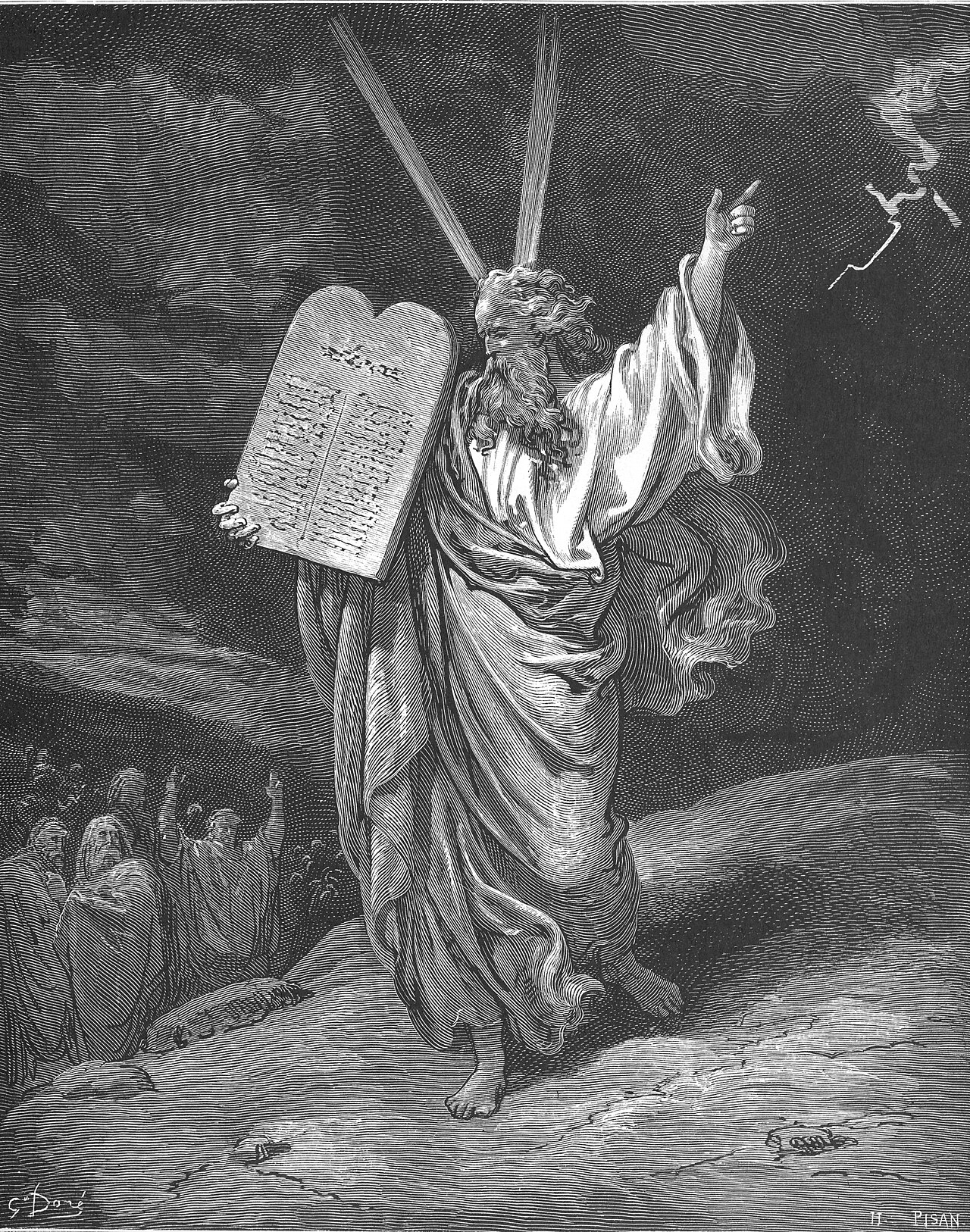
This page draws on Adam Clarke, Commentary on the Bible; Clement of Rome, Clement's First Letter to the Corinthians, Chapters 3-4; John Gill, Exposition of the Old Testament and Keil and Delitzsch, Biblical Commentary on the Old Testament: The Pentateuch.