
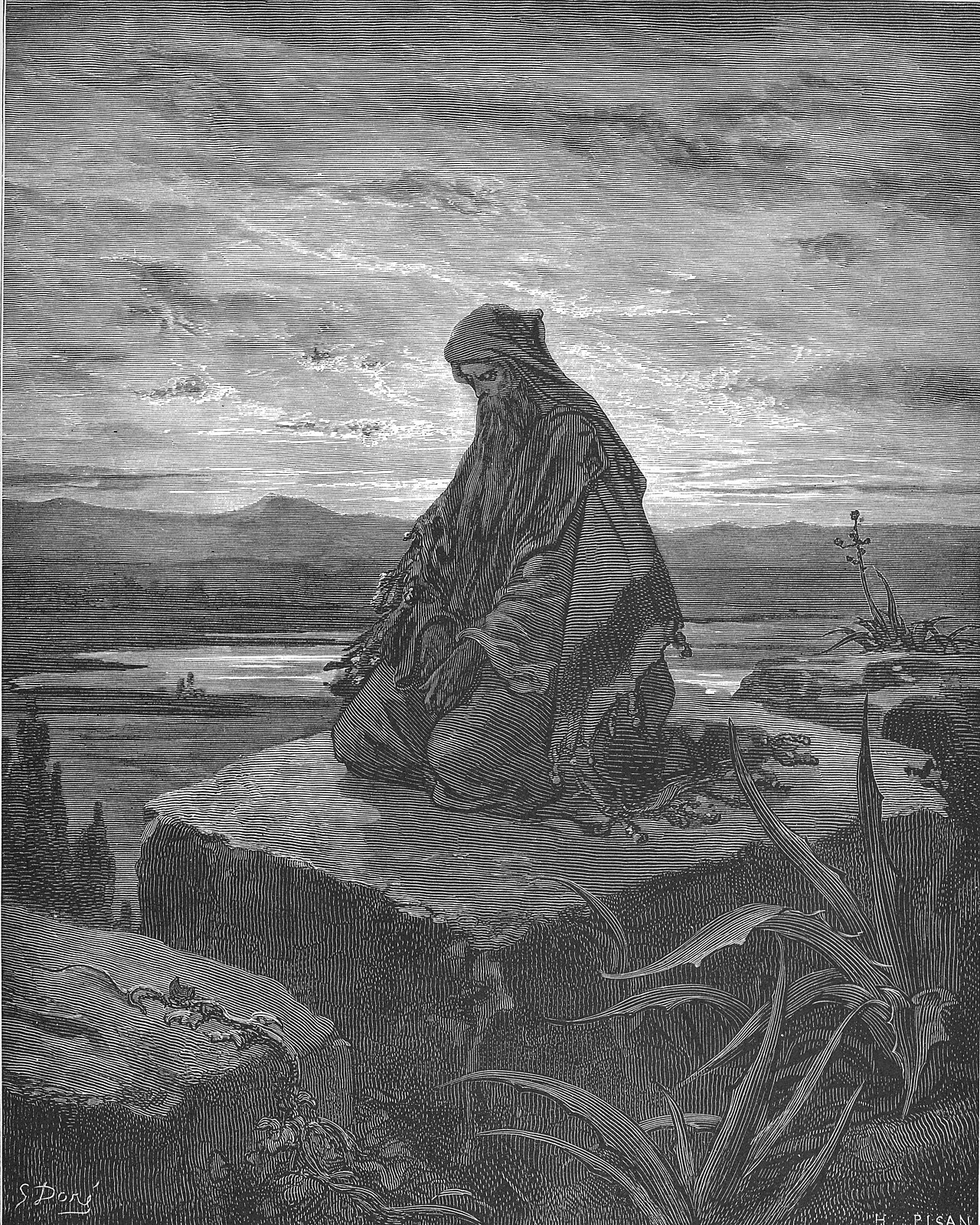
The Prophet Isaiah, Gustave Doré, 1866. Public domain.
A movement of the canon
Prophets
Seventeen books of God's messengers, from Isaiah to Malachi. They warned, they pleaded, and they promised a King who was still coming.
- 17Books
- 250Chapters
- 81Studies
The books
Isaiah
66 ch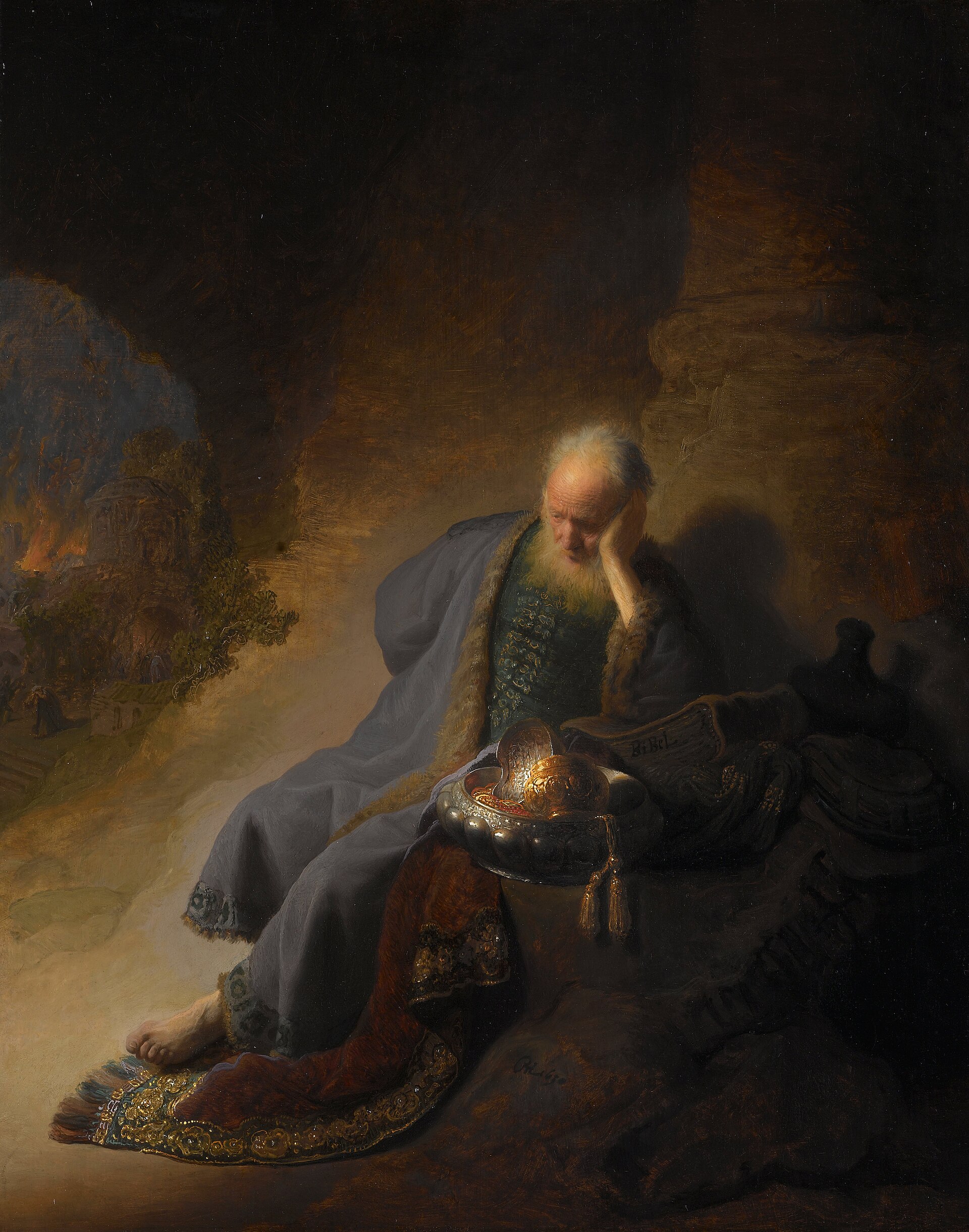
Jeremiah
52 chThe weeping prophet of Judah's final generation. Seventy-year exile announced; new covenant glimpsed.
Lamentations
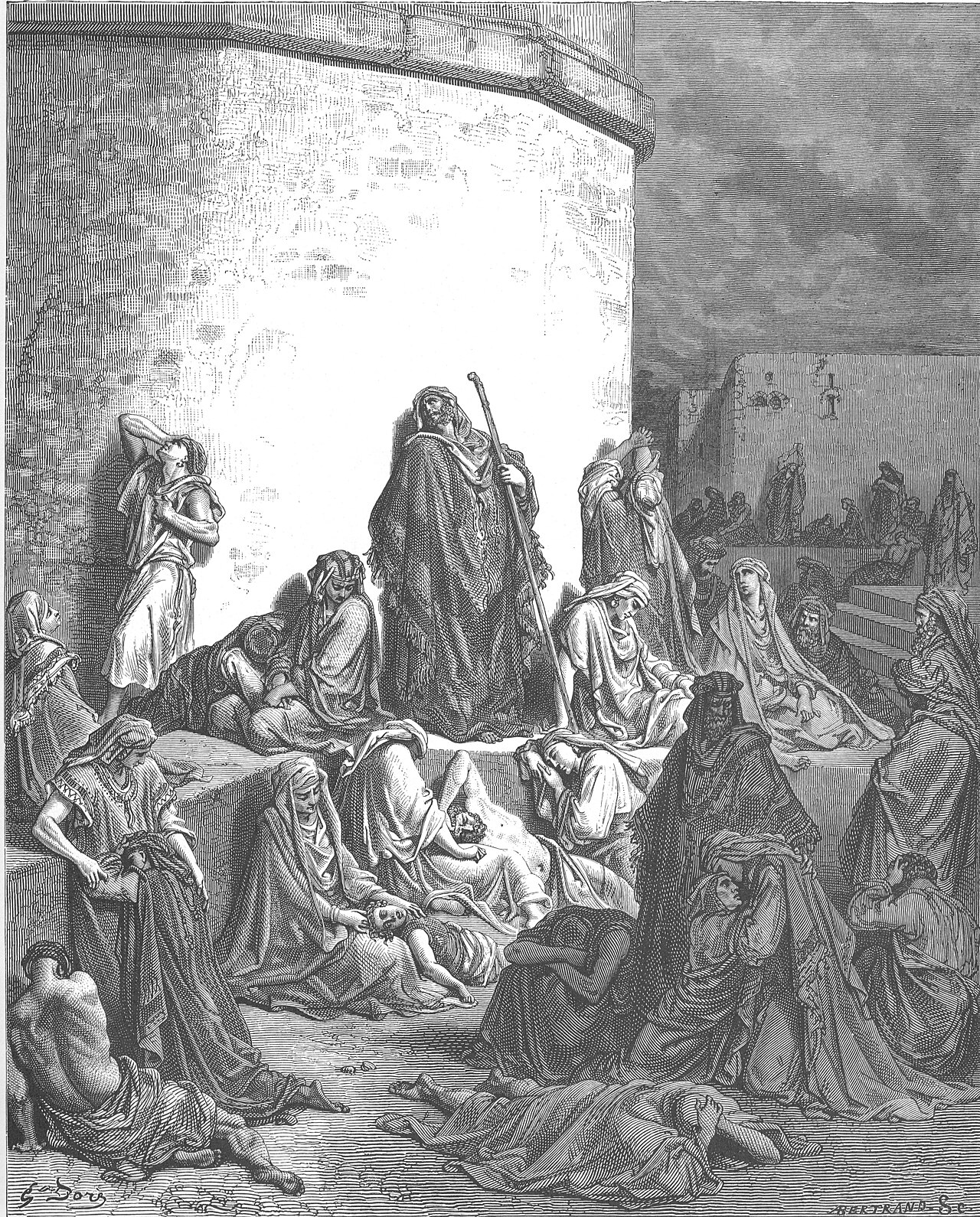
5 chFive poems over Jerusalem's ruin. Four acrostics; mercy new every morning at the centre.
Ezekiel
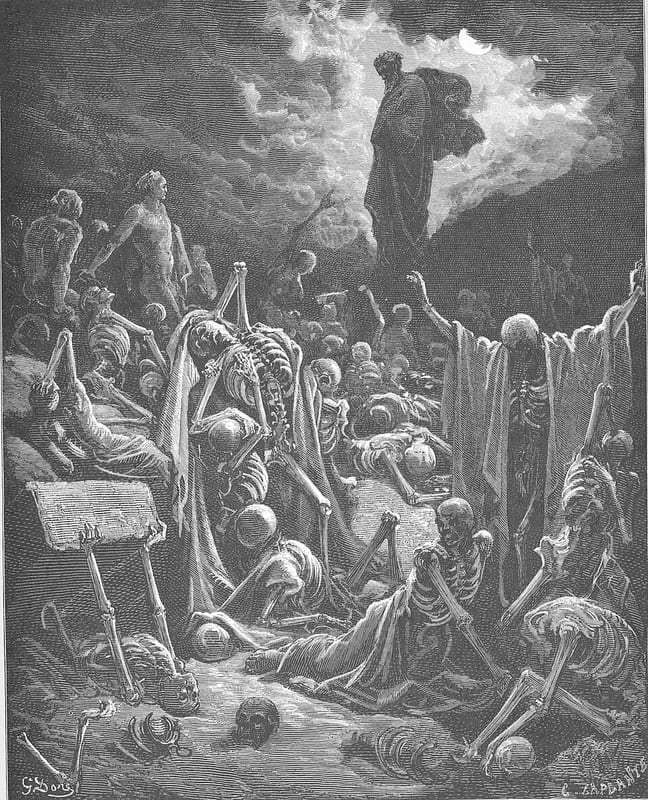
48 chThe exile priest's visions: wheels, glory departing, dry bones, and the city named YHWH Shammah.
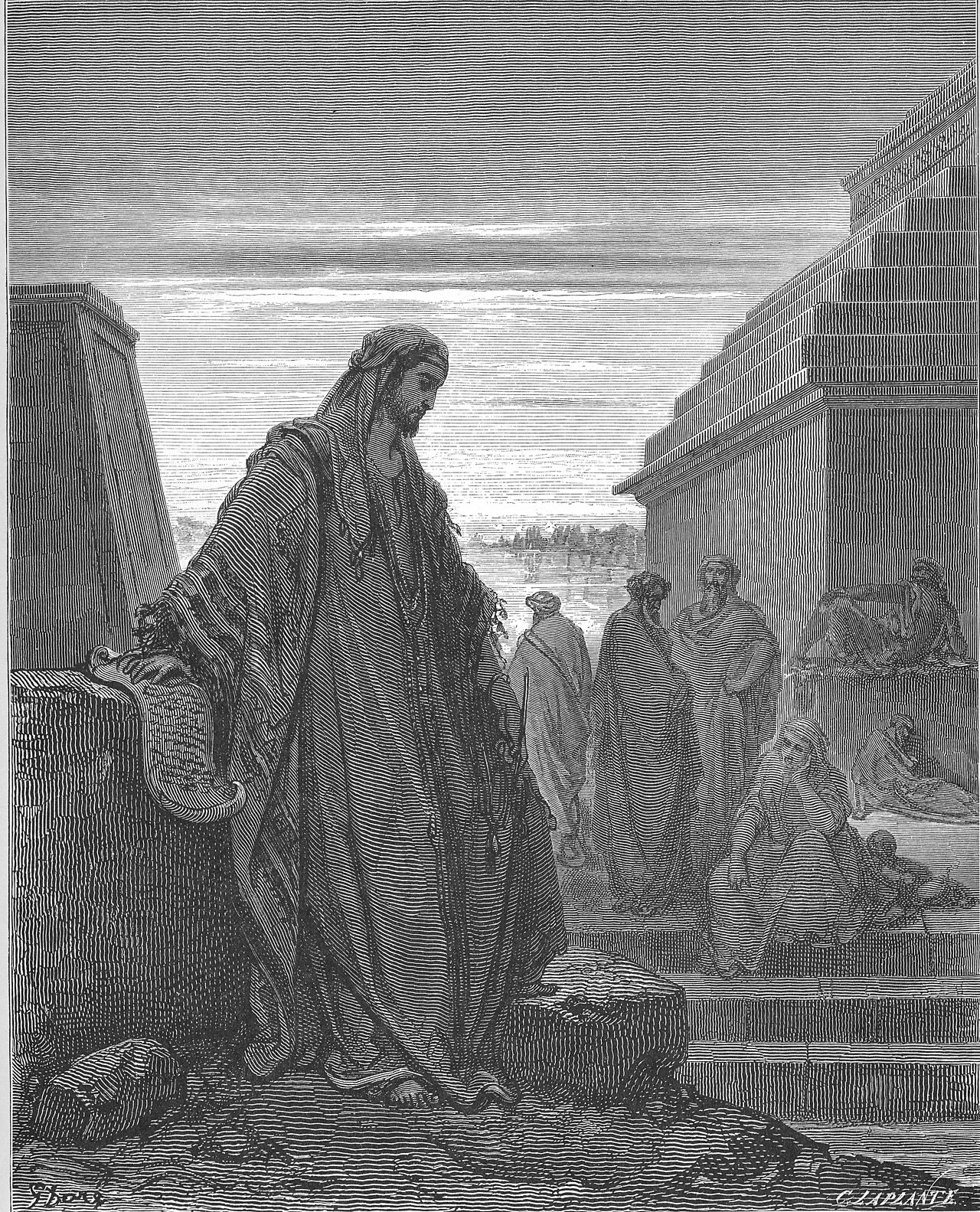
Daniel
12 chCourt narratives and apocalyptic visions. Son of Man, seventy weeks; four interpretive schools surveyed.
Hosea
14 chA marriage as a sermon: covenant love and spiritual adultery. ‘I desired mercy, and not sacrifice.’
Joel
3 chLocust plague, call to return, and the Spirit poured out on all flesh. Peter's Pentecost text.
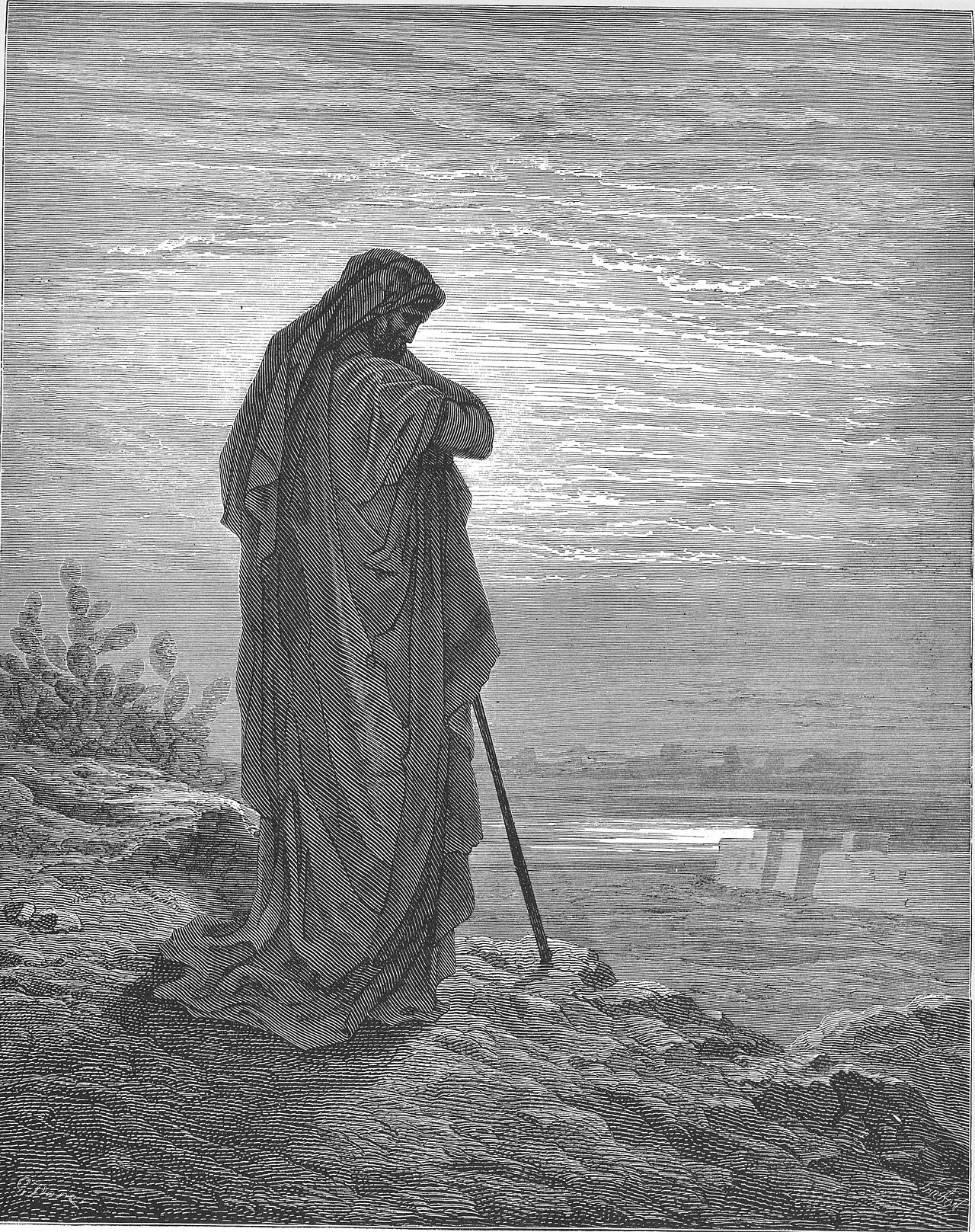
Amos
9 chA herdsman from Tekoa sent north to Bethel. ‘Let justice run down as waters.’
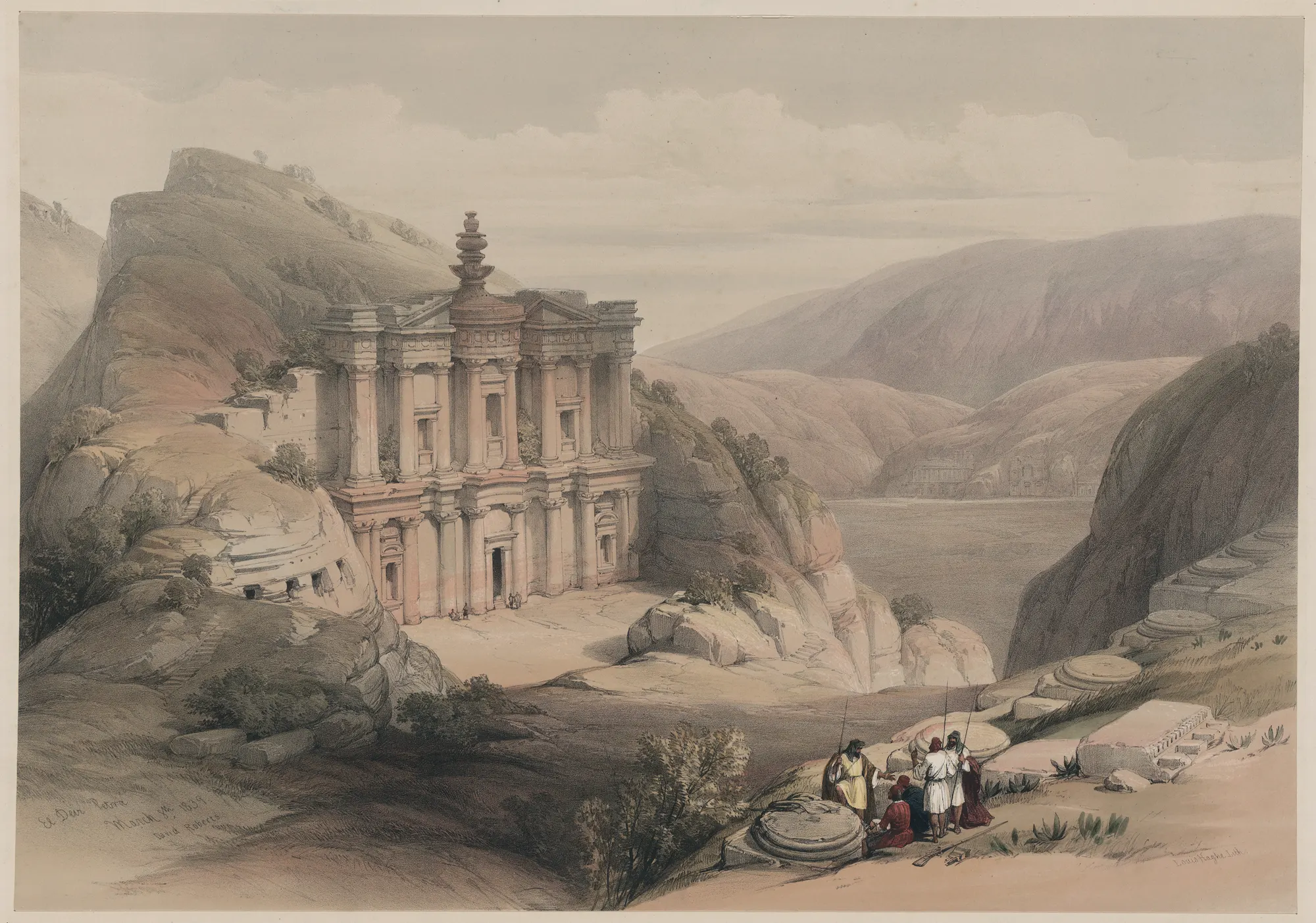
Obadiah
1 chThe OT's shortest book: twenty-one verses against Edom's gloating over Jerusalem's fall.
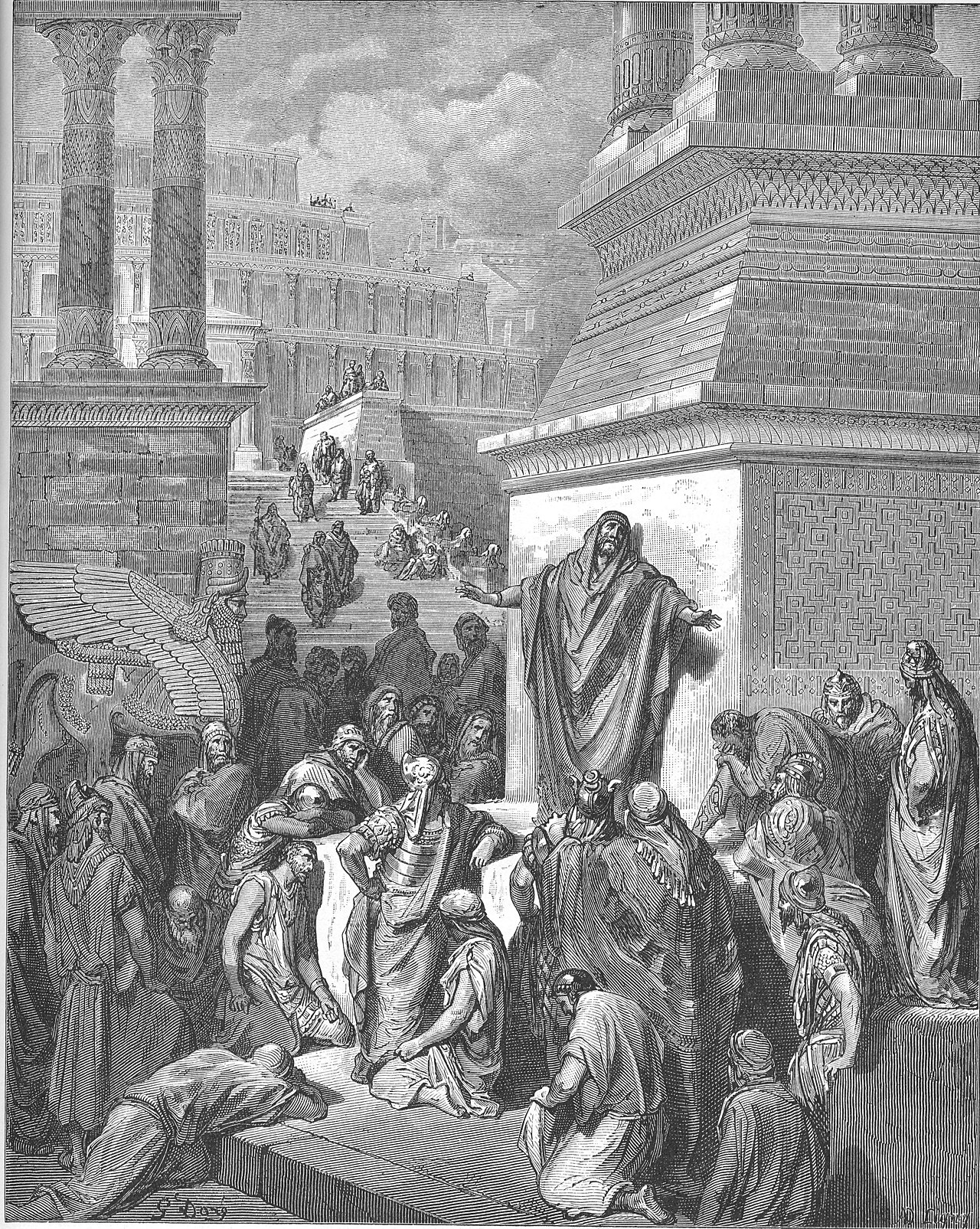
Jonah
4 chA reluctant prophet, a storm, a fish, a repentant city: and a complaint about God's mercy.
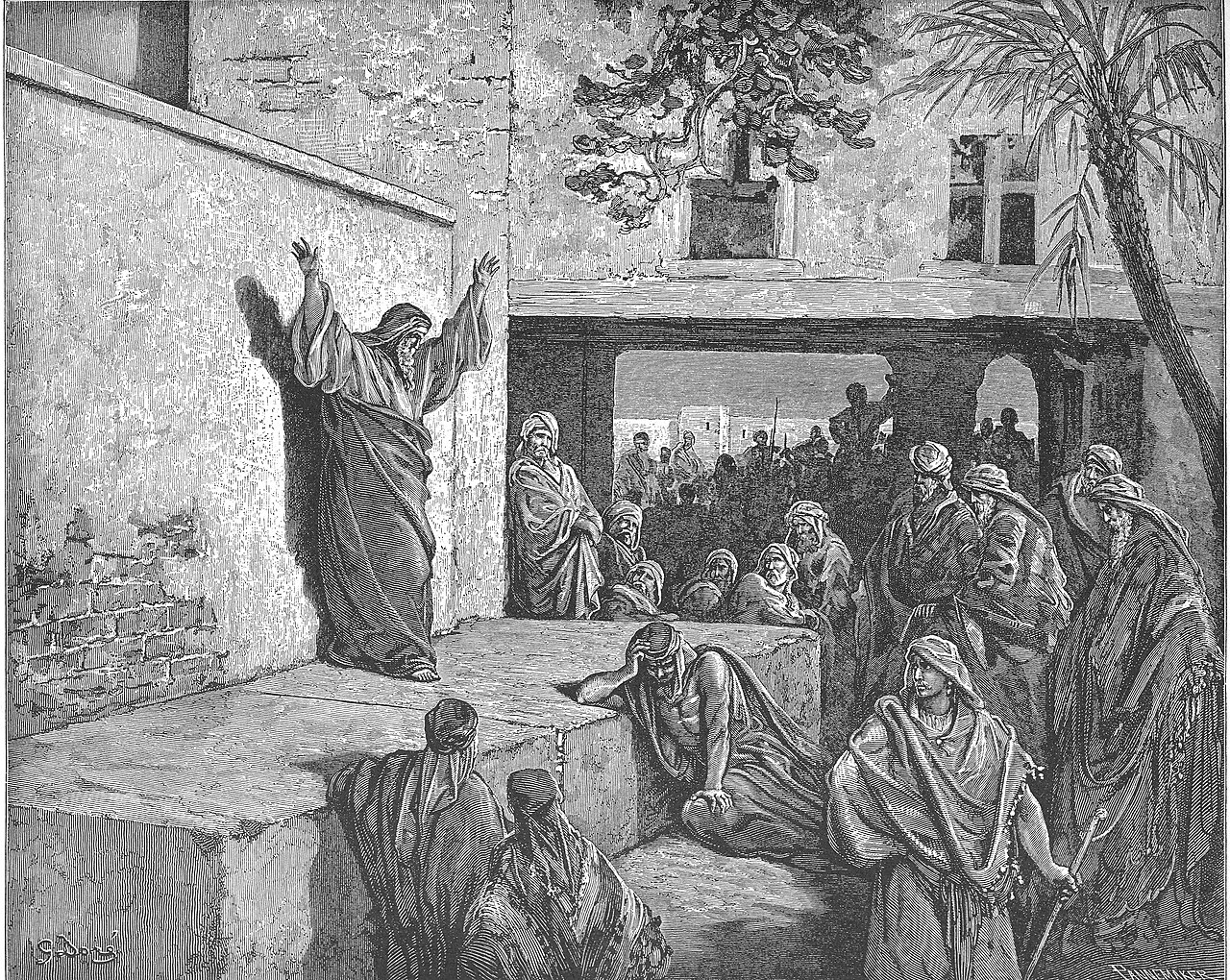
Micah
7 chContemporary of Isaiah. Bethlehem named; ‘do justly, love mercy, walk humbly with thy God.’
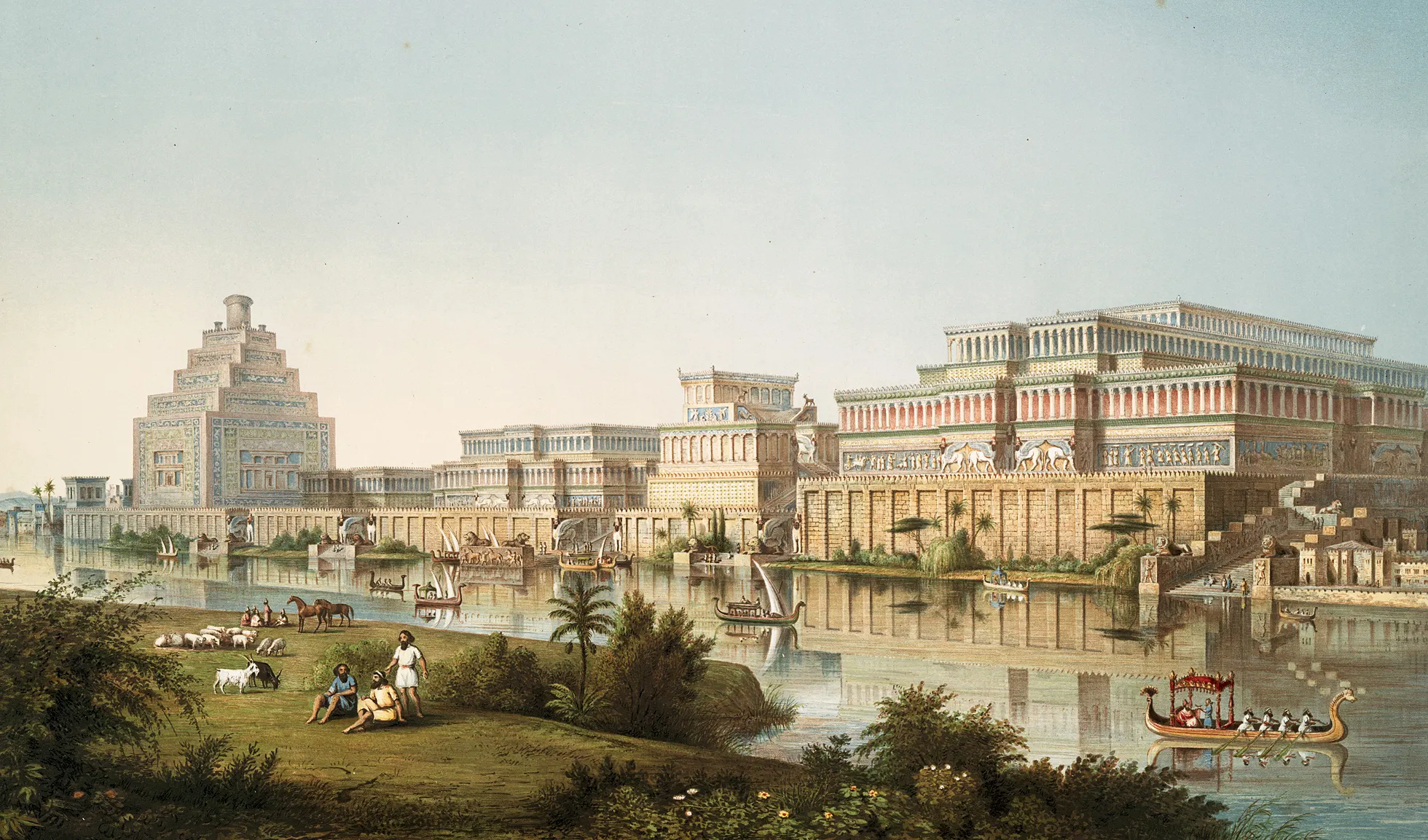
Nahum
3 chBreathtaking poetry on Nineveh's fall. ‘The LORD is good, a strong hold in the day of trouble.’
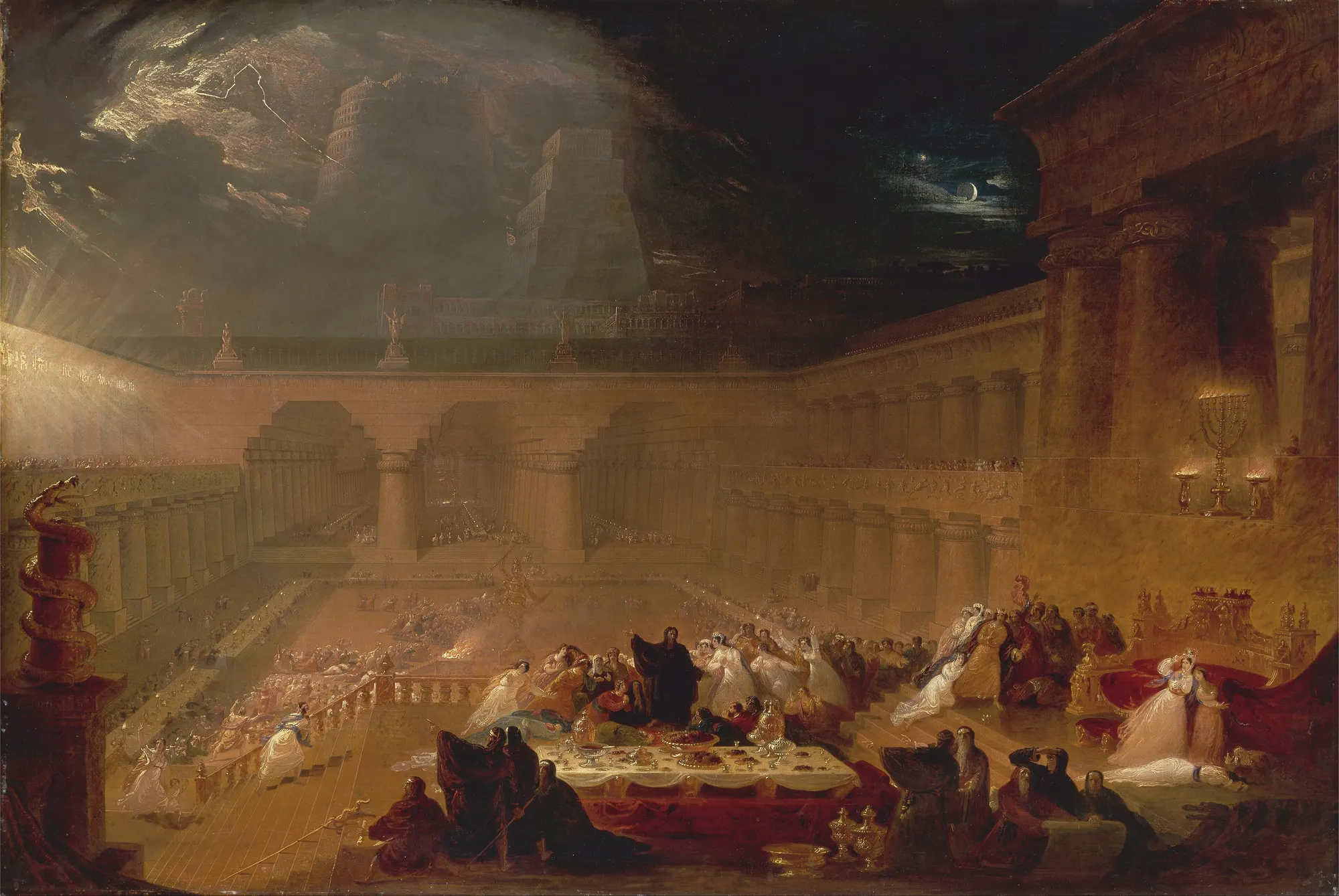
Habakkuk
3 chTwo complaints, two answers, a psalm. ‘The just shall live by his faith’: cited thrice in the NT.
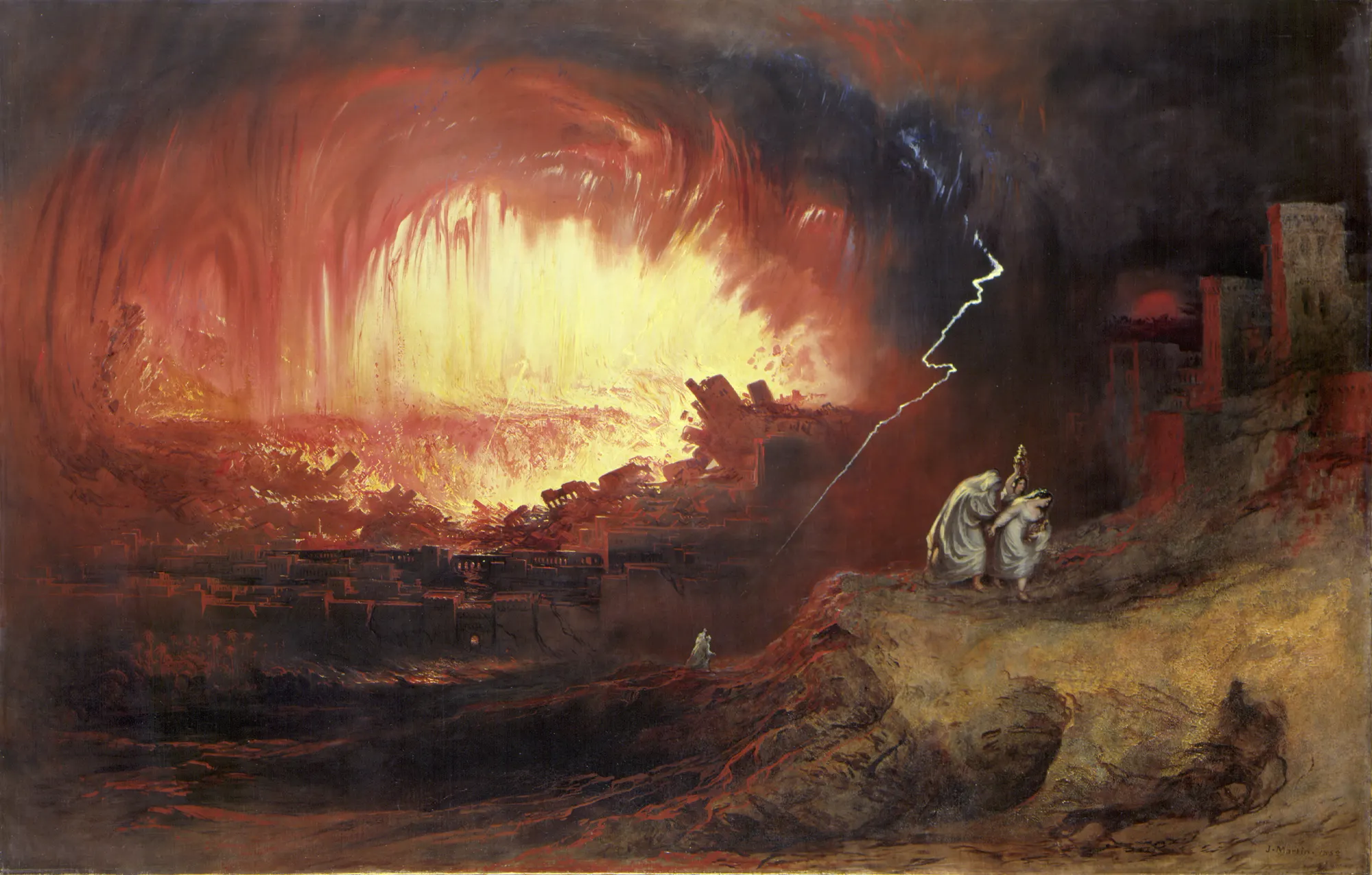
Zephaniah
3 chJosiah's day. ‘The LORD thy God … will joy over thee with singing.’
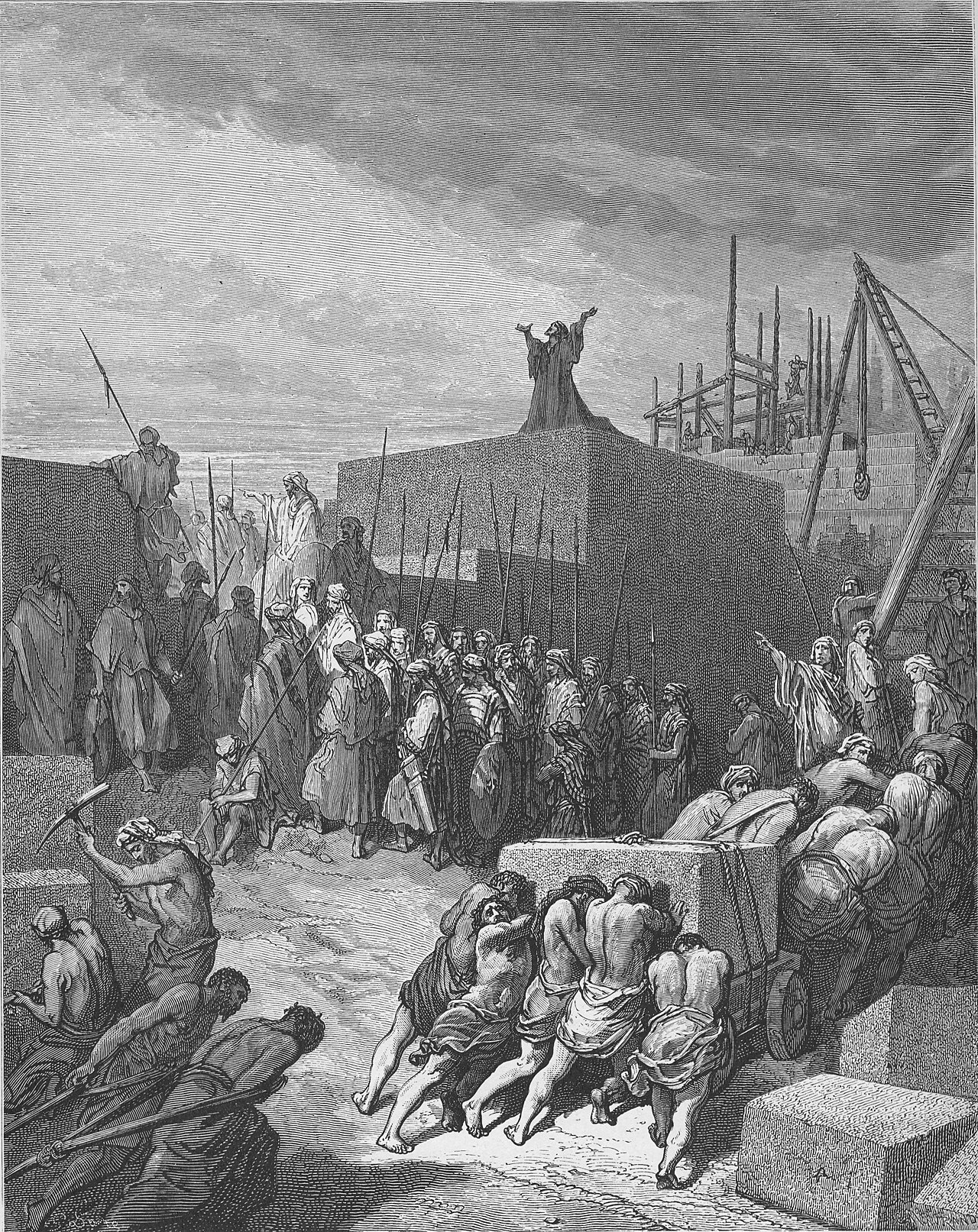
Haggai
2 chFour dated oracles in 520 BC prodding the returned exiles back to the Temple project.
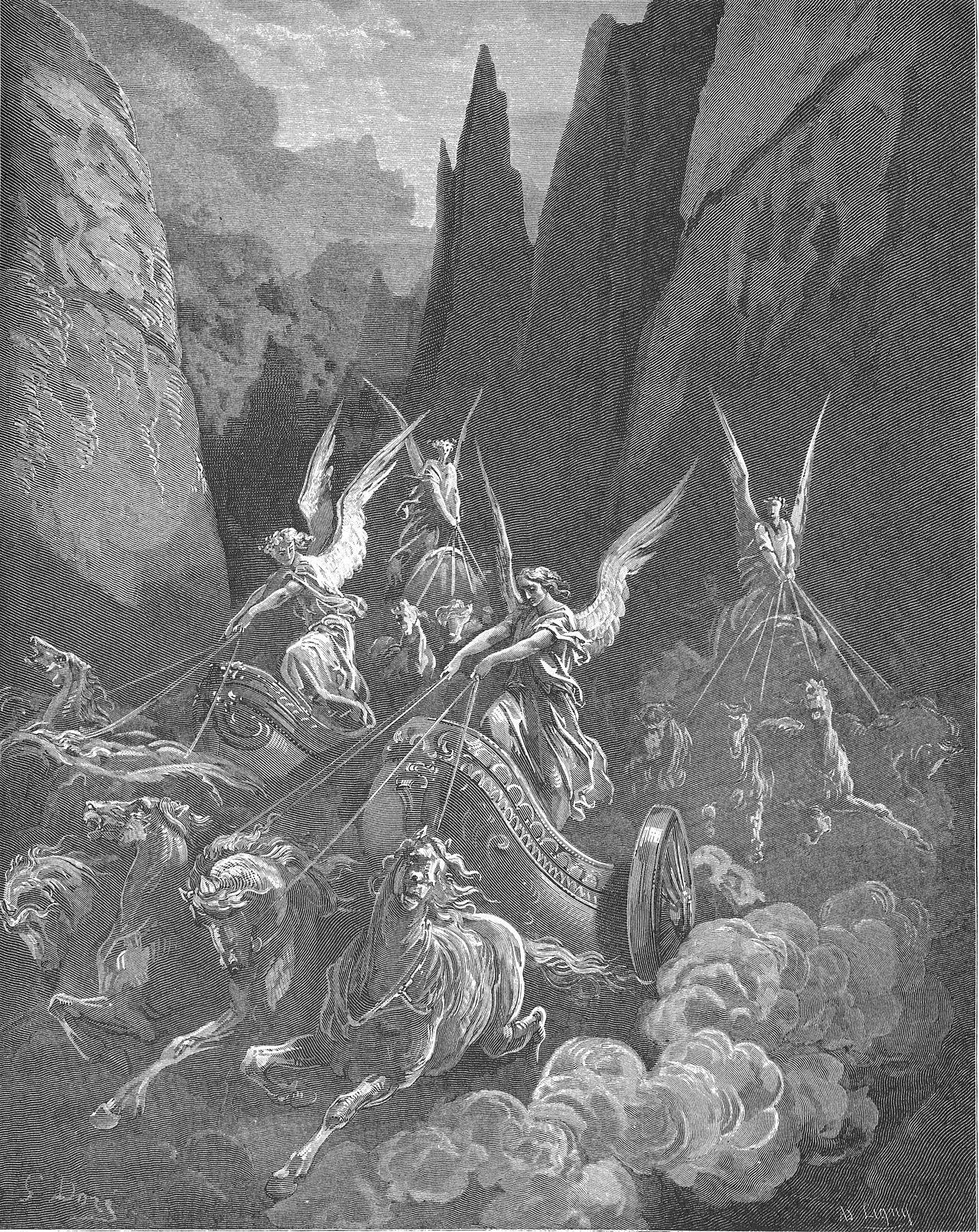
Zechariah
14 chEight night visions and the pierced one. ‘Thy King cometh, lowly, riding on an ass.’
Malachi
4 chThe OT's last voice: six disputations and Elijah promised before the great day.
Card plates: Gustave Doré — Doré’s English Bible (1866) and the Doré New Testament engravings. Public domain.
›Go deeper: how these books work together
Israel's prophets are the LORD's voice to a covenant people who would not hear. Seventeen books across roughly four centuries (from Isaiah in Uzziah's reign to Malachi four centuries later) cover the arc from the northern kingdom's last decades (Hosea, Amos) to the southern kingdom's collapse (Jeremiah, Lamentations), through the Babylonian exile (Ezekiel, Daniel), into the post-exilic rebuilding (Haggai, Zechariah) and the prophetic silence that follows Malachi.
The canonical division is conventional rather than chronological: the ‘Major Prophets’ (Isaiah, Jeremiah, Lamentations, Ezekiel, Daniel) are simply the longer books, and the ‘Minor Prophets’ or Book of the Twelve (Hosea through Malachi) are a deliberately-arranged anthology of shorter ones. The prophets preach judgment and they preach hope; they confront idolatry, injustice, and alliance-making; they announce the day of the LORD and the new covenant; they foresee the Messiah in dozens of forms: the Branch, the Servant, the Son of Man, the pierced one, the king riding on a donkey.
Isaiah stays at its own hub and retains its Mini-Bible feature-page treatment; the other sixteen books ship here in Wave C. Three receive Tier 1 bespoke visuals (Jeremiah's weeping-prophet + seventy-year frame, Ezekiel's wheels-and-watchman, Daniel's seventy-weeks timeline); Lamentations and the twelve Minor Prophets ship at uniform Tier 2. On every contested interpretive question (Daniel's seventy weeks, Ezekiel's millennial Temple, the identity of Gog and Magog) the site presents the schools without adjudicating.
Studies that walk through these books
The numeral is how many passages of Prophets each study touches.