
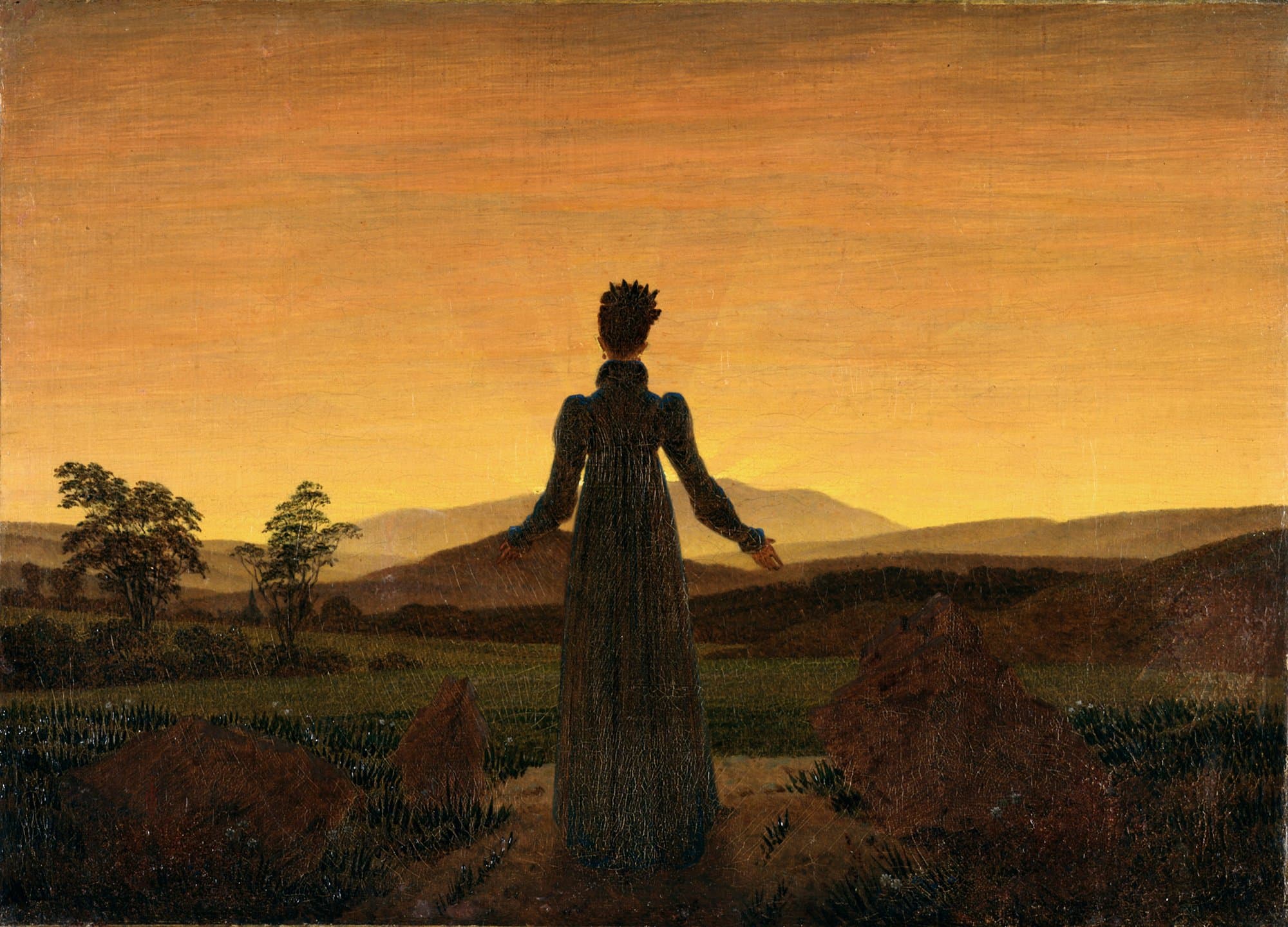
Psalm 27 · Trial 13 of 21 · Featured Study
Waiting
Waiting is the long time between a prayer and its answer, and Scripture shows God keeping His promises at His own appointed time.
The psalmist prayed, “My eyes fail, looking for Your promise; I ask, ‘When will You comfort me?’” (Psalm 119:82).
Wait patiently for the LORD; be strong and courageous. Wait patiently for the LORD!
- Anchor text
- Psalm 27:14 “Wait patiently for the LORD; be strong and…”
- The lament
- Psalm 13:1 to 6 “How long, O LORD? Will You forget me…”
- Hold in memory
- Psalm 27:14, Psalm 40:1, Lamentations 3:26
Summary
Many people in the Bible waited a long time for God to act. Abraham waited for a son. Joseph waited in prison, and Hannah prayed for a child for years. Simeon and Anna waited for the Christ. The Psalms give the one who waits words to pray, both the cry of complaint and the vow of trust. God rarely tells anyone why He delays. He does promise that He hears, that He has set the time, and that those who wait for Him are blessed.
- The Old Testament's main verb for waiting on the LORD is qavah, and the New Testament adds prosdechomai.
- Scripture names more than one cause of delay: a creation still waiting to be set free, an enemy who resists, and a people's own unbelief.
- Christ also waited for His Father's time, so the one who waits follows a Saviour who bore the same trial.
- Waiting in Scripture is active: the one who waits prays, keeps watch and hopes in God's word.
What Scripture Says to the One Who Waits
Five Hebrew and Greek words name waiting, keeping silent and looking for what God has promised.
Waiting fills the Bible. This study asks why God's people wait, what God says to them while they wait, and what He gives them to do. It gathers the words for waiting and the causes Scripture gives for delay. It sets out Christ, who waited for His hour and waits still, the laments, the people and stories of waiting, the voices of the church and the practices Scripture commands. Its own studies take up Anna in the temple, the Hebrew and Greek words, the women who waited for a child and the question of why God delays.
Qavah, to wait for
49 uses in the canon
The Hebrew verb qavah (H6960) means to await. Lamentations uses it of the LORD's goodness: “The LORD is good to those who wait for Him, to the soul who seeks Him.”
Yachal, to wait
41 uses in the canon
The Hebrew verb yachal (H3176) means to wait. Micah uses it in a vow of trust: “I will wait for the God of my salvation. My God will hear me.”
Damam, to be still
30 uses in the canon
The Hebrew verb damam (H1826) means to be silent or still. The psalmist speaks to himself: “Rest in God alone, O my soul, for my hope comes from Him.”
Prosdechomai, to wait for
14 uses in the canon
The Greek verb prosdechomai (G4327) means to wait for, and also to welcome. Paul uses it of the church's hope: “as we await the blessed hope and glorious appearance of our great God and Savior Jesus Christ.”
Apekdechomai, to wait eagerly
8 uses in the canon
The Greek verb apekdechomai (G553) means to expect fully. Paul uses it of hope: “But if we hope for what we do not yet see, we wait for it patiently.”
Qavah, to wait for, Yachal, to wait, Damam, to be still, Prosdechomai, to wait for, Apekdechomai, to wait eagerly, The Words Qavah and Prosdechomai, the study in brief
The Key Texts on Waiting
Three laments ask God how long, and four promises answer with His faithfulness.
Laments
My soul is deeply distressed. How long, O LORD, how long?
The psalmist's cry stands first because it gives the one who waits the plainest words of complaint.
Psalm 6:3BSB
How long, O LORD, must I call for help but You do not hear, or cry out to You, “Violence!” but You do not save?
The prophet's question shows that a servant of God may ask why help is slow in coming.
Habakkuk 1:2BSB
And they cried out in a loud voice, “How long, O Lord, holy and true, until You avenge our blood and judge those who dwell upon the earth?”
The martyrs in heaven still ask how long, so waiting does not end with death.
Promises
I waited patiently for the LORD; He inclined to me and heard my cry.
The psalmist's testimony shows that God answered a long wait by turning to hear him.
Psalm 40:1BSB
I wait for the LORD; my soul does wait, and in His word I put my hope. My soul waits for the Lord more than watchmen wait for the morning— more than watchmen wait for the morning.
The watchman waiting for the morning pictures a wait that is sure to end.
From ancient times no one has heard, no ear has perceived, no eye has seen any God besides You, who acts on behalf of those who wait for Him.
Isaiah sets this promise inside his prayer for God to come down, so the promise is held while the prayer is still unanswered.
Isaiah 64:4BSB
For the vision awaits an appointed time; it testifies of the end and does not lie. Though it lingers, wait for it, since it will surely come and will not delay.
The vision that lingers will still come at its appointed time, which is the answer to the lament.
Habakkuk 2:3BSB
Psalm 40:1, Psalm 130:5 to 6, Isaiah 64:4, Habakkuk 2:3
Why the Wait Comes, and Christ Who Waited
Romans, Daniel, Numbers and the Psalms each give a cause of delay, Acts sets the times under God's rule, and the Gospels, Galatians and Hebrews show Christ waiting.
Paul sets every human wait inside a larger one that began with the fall.
The creation waits in eager expectation for the revelation of the sons of God. For the creation was subjected to futility, not by its own will, but because of the One who subjected it, in hope that the creation itself will be set free from its bondage to decay and brought into the glorious freedom of the children of God.The verses stand first because every later wait in Scripture is lived in a creation that is itself waiting.
Some delay comes from the enemy. An angel told Daniel that his words were heard on the first day he prayed, and then explained why he came late.
However, the prince of the kingdom of Persia opposed me for twenty-one days. Then Michael, one of the chief princes, came to help me, for I had been left there with the kings of Persia.The verse shows that an answer God has already given can be resisted for a time by spiritual powers.
Some waiting is the fruit of sin. When Israel refused to enter the land, the LORD set forty years in the wilderness.
In keeping with the forty days you spied out the land, you shall bear your guilt forty years—a year for each day—and you will experience My alienation.The verse ties a whole generation's wait to its own unbelief, a year for each day the spies had spent in the land.
Over every delay stands the God who holds the times.
My times are in Your hands; deliver me from my enemies and from those who pursue me.David trusts God with the length of his trouble before he sees it end, and that is the trust a delay asks for.
Jesus replied, “It is not for you to know times or seasons that the Father has fixed by His own authority.The answer to the disciples' question about the kingdom puts the length of every wait under God's decision.
Christ Himself waited, both before His hour came and since He sat down in heaven.
His hour had not yet comeJohn 2
At a wedding in Cana, “When the wine ran out, Jesus’ mother said to Him, ‘They have no more wine’” (John 2:3).
“Woman, why does this concern us?” Jesus replied. “My hour has not yet come.”
John 2:4BSB Jesus' answer shows that He kept to His Father's timing even when He was asked to act at once.
Read the page on Jesus 33 sections, 41 verses set out
Sent when the time had fully comeGalatians 4
Paul wrote that God sent His Son “to redeem those under the law, that we might receive our adoption as sons” (Galatians 4:5).
But when the time had fully come, God sent His Son, born of a woman, born under the law,
Galatians 4:4BSB The verse shows that the coming of the Saviour itself waited for the time God had set.
Read the study of the Incarnation 7 sections, 28 verses set out
He waits at God's right handHebrews 10
Hebrews says that this Priest offered one sacrifice for sins for all time and “sat down at the right hand of God” (Hebrews 10:12).
Since that time, He waits for His enemies to be made a footstool for His feet,
Hebrews 10:13BSB The risen Christ waits for the end God has promised, so His people do not wait alone.
He will appear to those who wait for HimHebrews 9
Hebrews closes its teaching on Christ's one offering with His second appearing.
Just as man is appointed to die once, and after that to face judgment, so also Christ was offered once to bear the sins of many; and He will appear a second time, not to bear sin, but to bring salvation to those who eagerly await Him.
Hebrews 9:27 to 28BSB The verses join the cross and the return, so the one who waits for Christ rests on what He has already done.
He sympathizes as High PriestHebrews 4
Hebrews calls the reader to “approach the throne of grace with confidence” and find “grace to help us in our time of need” (Hebrews 4:16).
For we do not have a high priest who is unable to sympathize with our weaknesses, but we have one who was tempted in every way that we are, yet was without sin.
Hebrews 4:15BSB The verse tells those who wait that their High Priest knows human weakness from within.
Sent when the time had fully come (Galatians 4), He waits at God's right hand (Hebrews 10), He will appear to those who wait for Him (Hebrews 9), He sympathizes as High Priest (Hebrews 4)
Numbers 14:34, Psalm 31:15, Acts 1:7, John 2:4, Galatians 4:4, Hebrews 10:13, Hebrews 9:27 to 28, Hebrews 4:15
The Fall & the Protoevangelium, the study in brief, Daniel 10:13, Angelology, the study in brief, Numbers 14:34, Psalm 31:15, Acts 1:7, Providence, the study in brief, a paragraph and 5 more
People Who Waited on God
Five people of the Bible waited years for freedom, for a child, for a throne, for healing and for the Christ.
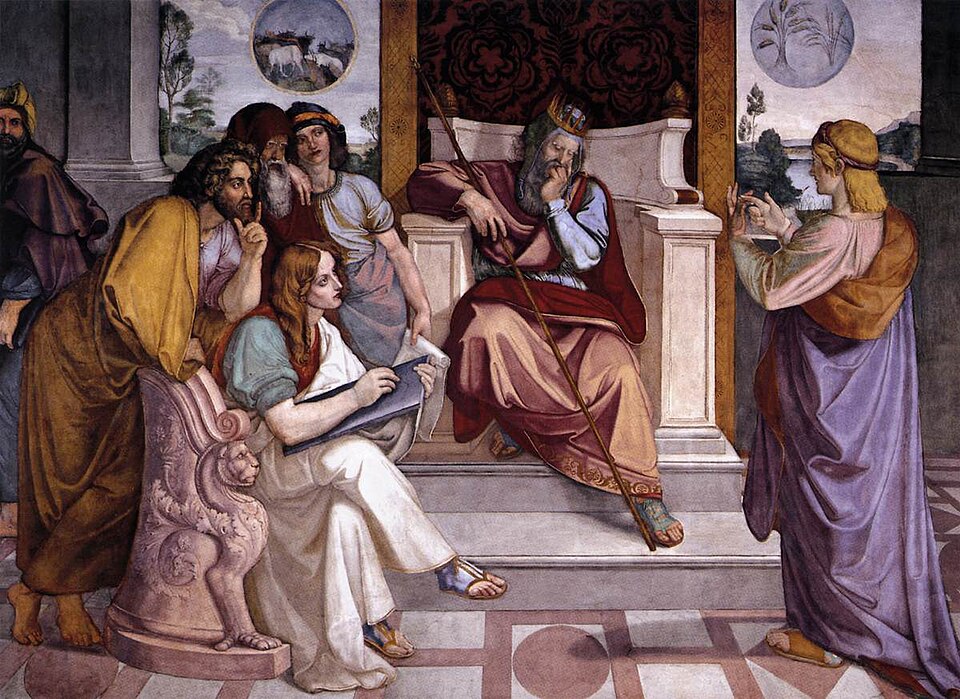
After Joseph read the cupbearer's dream in prison, “The chief cupbearer, however, did not remember Joseph; he forgot all about him.”
Genesis 40:23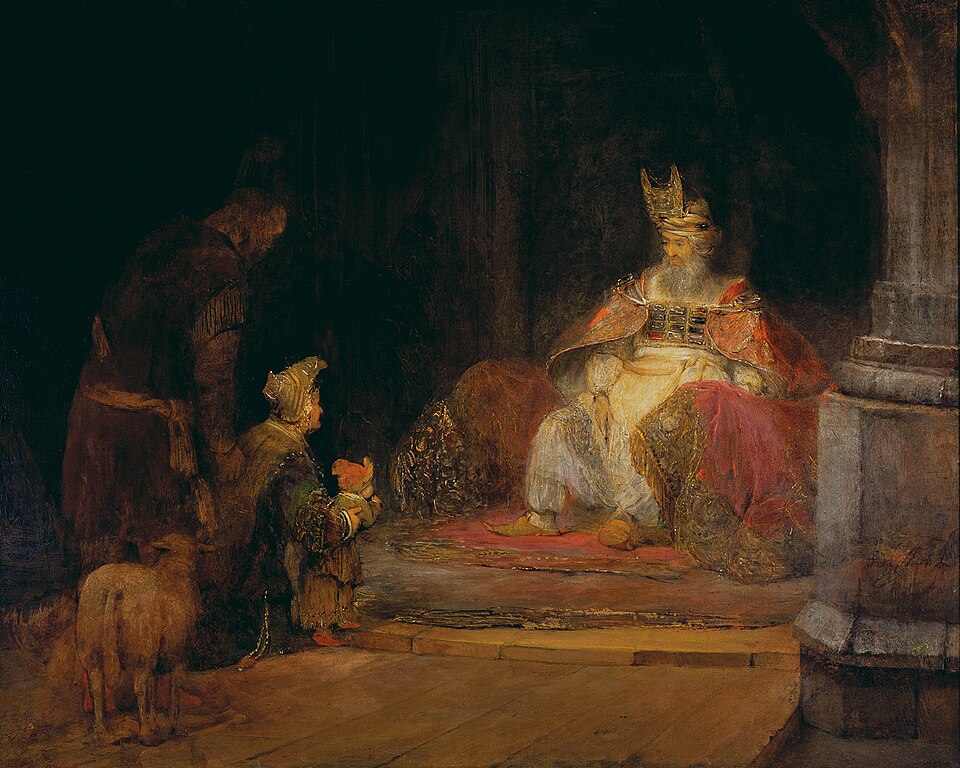
Samuel anointed him “in the presence of his brothers,” long before he took the throne.
1 Samuel 16:13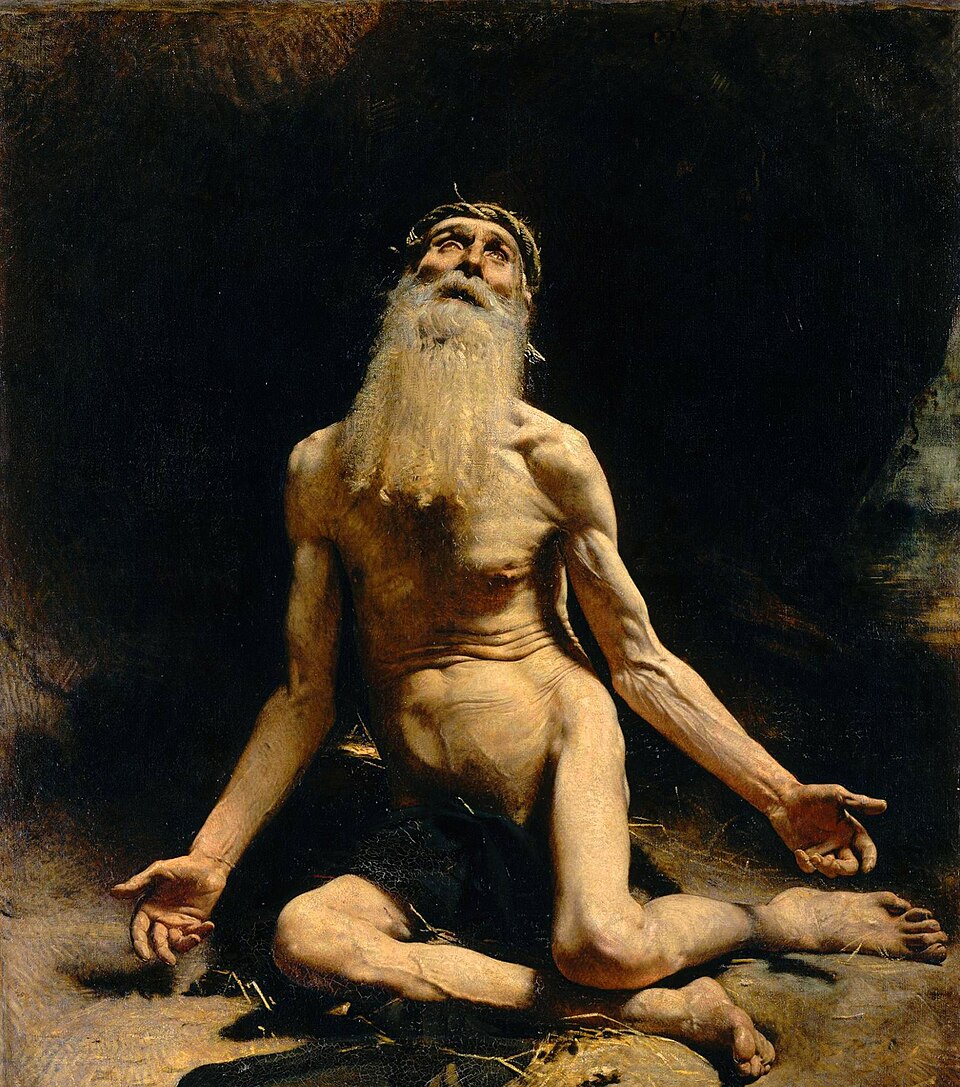
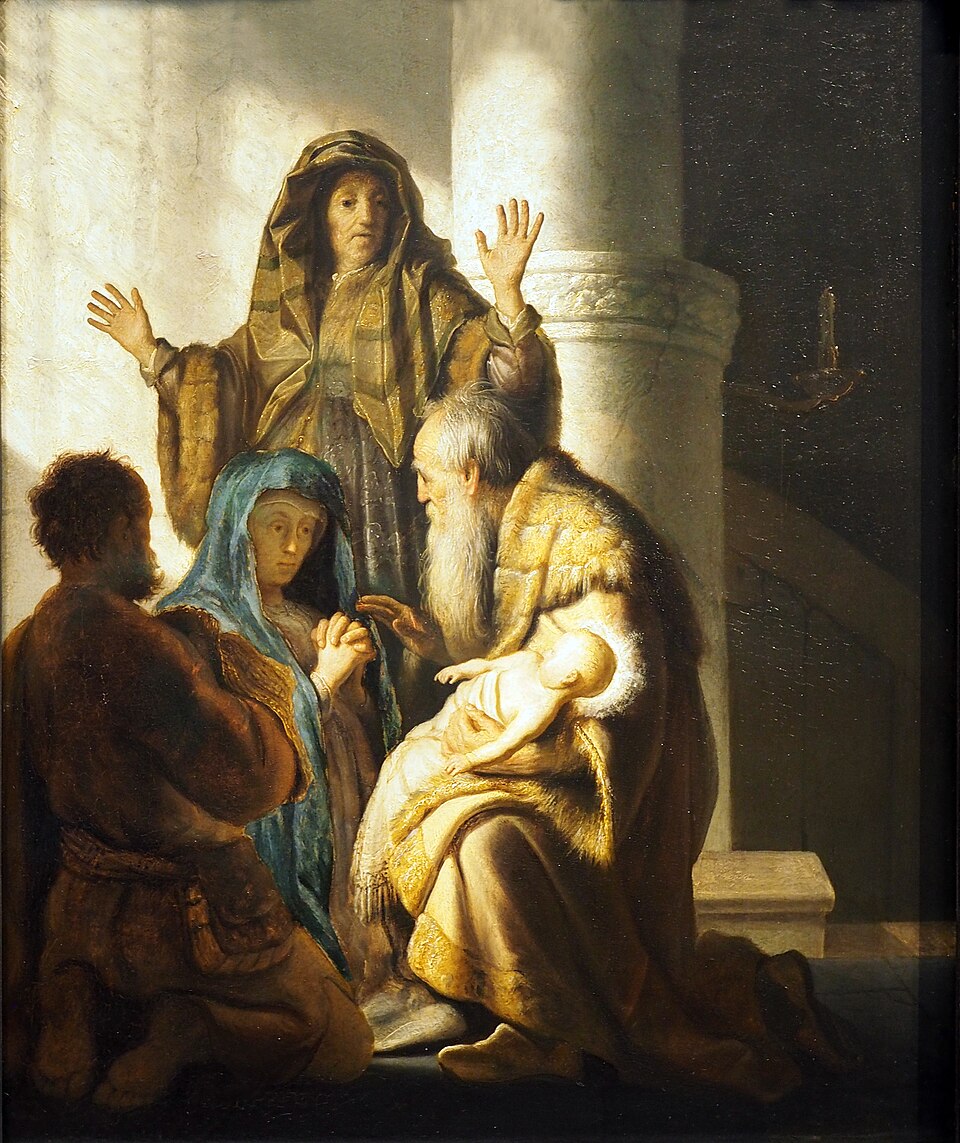
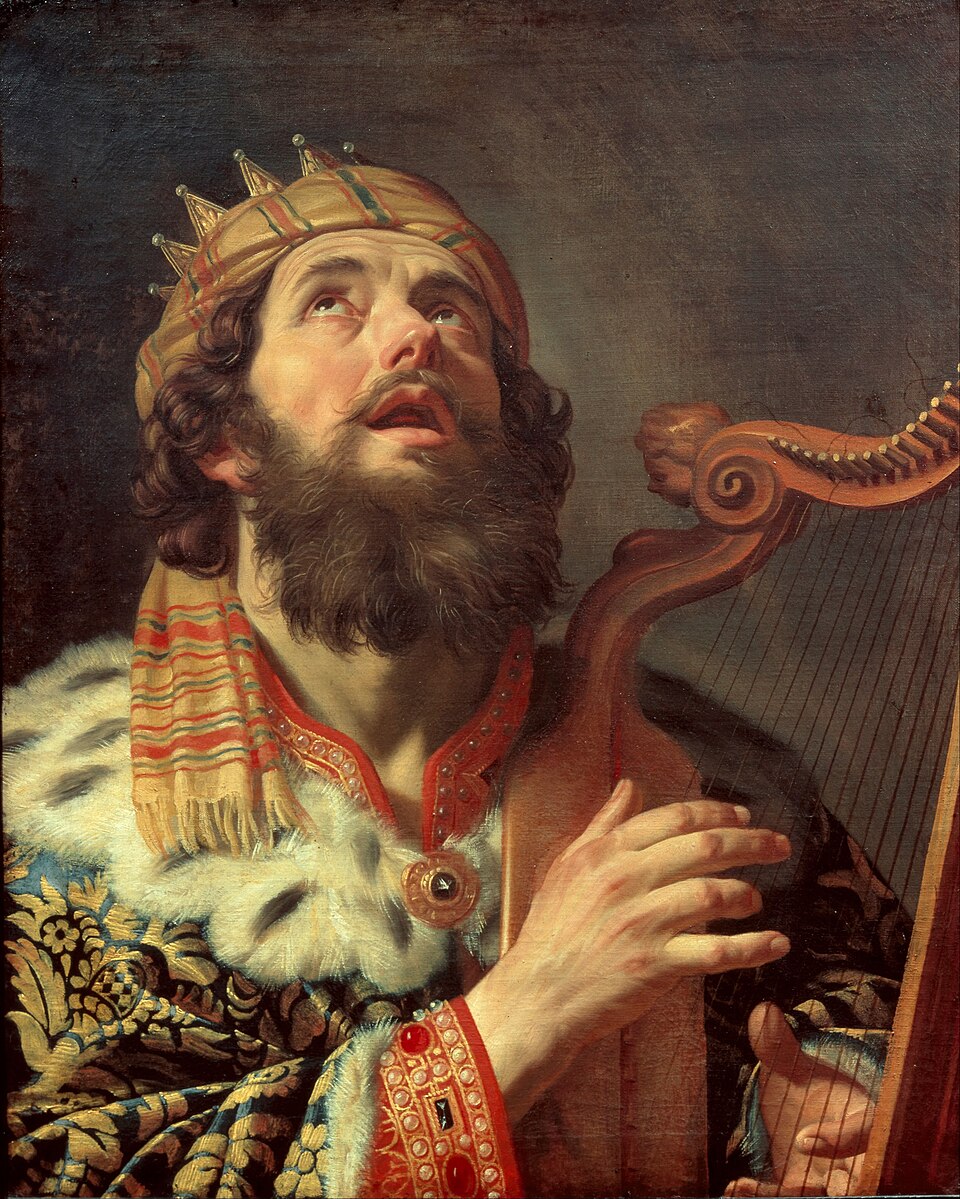
David, Job, Simeon
What Scripture Gives the One Who Waits to Do
Scripture names six things to do while the answer is delayed, each in the words of the verse that gives it.
- 1Pour out your heart“Trust in Him at all times, O people; pour out your hearts before Him.”Psalm 62:8
- 2Be still before the LORD“Be still before the LORD and wait patiently for Him; do not fret when men prosper in their ways.”Psalm 37:7
- 3Wait quietly“It is good to wait quietly for the salvation of the LORD.”Lamentations 3:26
- 4Keep prayingJesus told a parable “about their need to pray at all times and not lose heart.”Luke 18:1
- 5Rejoice in hope“Be joyful in hope, patient in affliction, persistent in prayer.”Romans 12:12
- 6Strengthen your heart“You, too, be patient and strengthen your hearts, because the Lord’s coming is near.”James 5:8
Be still before the LORD, Wait quietly, Keep praying, Rejoice in hope, Strengthen your heart
The Lament of the One Who Waits
Psalm 13 asks God how long four times in two verses and closes in trust before any answer is recorded.
Psalm 13 is the lament of waiting.
How long, O LORD? Will You forget me forever? How long will You hide Your face from me? How long must I wrestle in my soul, with sorrow in my heart each day? How long will my enemy dominate me?The verses stand first in the lament because they give the one who waits honest words for the long delay.
But I have trusted in Your loving devotion; my heart will rejoice in Your salvation. I will sing to the LORD, for He has been good to me.The psalm ends in trust while the trouble still stands, which is how a lament moves from complaint to praise.
Psalm 13:1 to 2, Psalm 13:5 to 6, The Lament Form in the Psalter, the study in brief
Waiting in the Stories of the Bible
Four stories tell of a couple waiting for a son, a king who would not wait, a nation in slavery and disciples waiting for the Spirit.
Abraham and Sarah wait for IsaacGenesis 21
“Abram was seventy-five years old when he left Haran” (Genesis 12:4), carrying God's promise of offspring. “Abraham was a hundred years old when his son Isaac was born to him” (Genesis 21:5).
So Sarah conceived and bore a son to Abraham in his old age, at the very time God had promised.
Genesis 21:2BSB The verse closes those twenty-five years, so the story ends on God's faithfulness.
Read the study of Abraham and Sarah: The Twenty-Five Years 9 sections, 34 verses set out
Saul could not wait for Samuel1 Samuel 13
Samuel had set a time to come to Gilgal and offer the sacrifices. When the troops began to slip away, Saul offered the burnt offering himself, and Samuel arrived as he finished. Samuel told him, “You have acted foolishly” (1 Samuel 13:13).
And Saul waited seven days for the time appointed by Samuel, but Samuel did not come to Gilgal, and the troops began to desert Saul.
1 Samuel 13:8BSB Saul's seven days of waiting ended one step too soon, and his kingdom was lost for it.
Read the page on Saul 14 sections, 32 verses set out
Four hundred and thirty years in EgyptExodus 12
The LORD had told Abram that his descendants would be “strangers in a land that is not their own” (Genesis 15:13). Generations lived and died as slaves in Egypt before the night of the Passover.
At the end of the 430 years, to the very day, all the LORD’s divisions went out of the land of Egypt.
Exodus 12:41BSB The verse stands here because it is Scripture's own count of the wait, given on the night it ended.
Read the study of the Exodus 11 sections, 25 verses set out
The disciples wait for the SpiritActs 1
After the Ascension the apostles went back to Jerusalem. “With one accord they all continued in prayer” (Acts 1:14), and they waited until the day of Pentecost.
And while they were gathered together, He commanded them: “Do not leave Jerusalem, but wait for the gift the Father promised, which you have heard Me discuss.
Acts 1:4BSB Jesus' command shows that the first church began its work by waiting for a promise.
Saul could not wait for Samuel (1 Samuel 13), Four hundred and thirty years in Egypt (Exodus 12), The disciples wait for the Spirit (Acts 1)
Exodus 12:41, Acts 1:4
Waiting in the Church's History
Augustine's Confessions tell of a mother who prayed for her son through long years and of the day her prayer was answered.
Monica and the son of her tearsConfessions 3
Augustine of Hippo wrote in his Confessions that his mother Monica wept for him while he followed the Manichaeans. In the translation of J. G. Pilkington (1887), a bishop told her, “it is not possible that the son of these tears should perish.” Augustine wrote that “nearly nine years passed” in that error while she went on weeping and praying for him.
The day her prayer was answeredConfessions 8
At the end he lay weeping under a fig tree and cried, “How long, how long? Tomorrow, and tomorrow? Why not now?” When he and his friend told Monica of his conversion, he wrote that “she leaps for joy.”
Voices on Waiting, by Century
Three quotations from the sixteenth century to the nineteenth, each under the line it teaches.
1509 to 1564 · John Calvin
Commentaries
The longer the trial lasts, the plainer the proof of a faith that bears the delay calmly.
The quotation1 quotation
“He tells us, not merely that he had waited, but by the repetition of the same expression, he shows that he had been a long time in anxious suspense. In proportion then as his trial was prolonged, the evidence and proof of his faith in enduring the delay with calmness and equanimity of mind was so much the more apparent.”
John Calvin · Commentaries · on Psalm 40:1Reformed
1834 to 1892 · Charles Spurgeon
The Treasury of David, Vol. 5
God has His times, and a delayed blessing tests whether faith can endure the fire.
The quotation1 quotation
“Until the time that his word came. God has his times, and his children must wait till his ‘until’ is fulfilled. Joseph was tried as in a furnace, until the Lord's assaying work was fully accomplished. The word of the chief butler was nothing, he had to wait until God's word came, and meanwhile the word of the Lord tried him. He believed the promise, but his faith was sorely exercised. A delayed blessing tests men, and proves their metal, whether their faith is of that precious kind which can endure the fire.”
Charles Spurgeon · The Treasury of David, Vol. 5 · on Psalm 105:19
1802 to 1910 · Jamieson, Fausset & Brown
Commentary Critical and Explanatory on the Whole Bible
The church endures patiently because Christ Himself endures until the usurper is cast out.
The quotation1 quotation
“My endurance is the endurance which I require, and which I practice. Christ Himself now endures, patiently waiting until the usurper be cast out, and all ‘His enemies be made His footstool.’ So, too, His Church, for the joy before her of sharing His coming kingdom, endures patiently.”
Jamieson, Fausset & Brown · Commentary Critical and Explanatory on the Whole Bible · on Revelation 3:10Reformed
How Waiting Has Been Taught
Matthew Henry in the eighteenth century and Albert Barnes in the nineteenth taught on the long wait and the cry of how long.
Barnes taught that the waiting of Psalm 40 was continued prayer.1 paragraph
Albert Barnes noted that the Hebrew of Psalm 40:1 reads “In waiting I waited”. In his Notes he wrote, “It was not a single, momentary act of expectation or hope; it was continuous”. He applied the verse to Christ, who “persevered in calling on God” in His sorrows.
Henry taught that waiting on the Lord is faith, prayer and resignation to His will.1 paragraph
Matthew Henry read Psalm 27:14 in his Commentary on the Whole Bible as a call to “Wait on the Lord by faith, and prayer, and a humble resignation to his will”.
The Studies of Waiting
Each study takes one story, word, subject or question of waiting into more depth.
The texts
2 linked pages
- Passages and psalms · 22 verses set outThe Lament Form in the Psalter
Psalms 6, 13, 22, 44 and 88 show where a lament turns from complaint to trust, and where it never turns.
- Subjects · 14 verses set outThe Vision That Waits for Its Appointed Time
Habakkuk was told to write a vision on tablets and to wait for its appointed time.
- Passages and psalms · 22 verses set outThe Lament Form in the Psalter
The stories
2 studies
- Stories · 11 verses set outAnna in the Temple
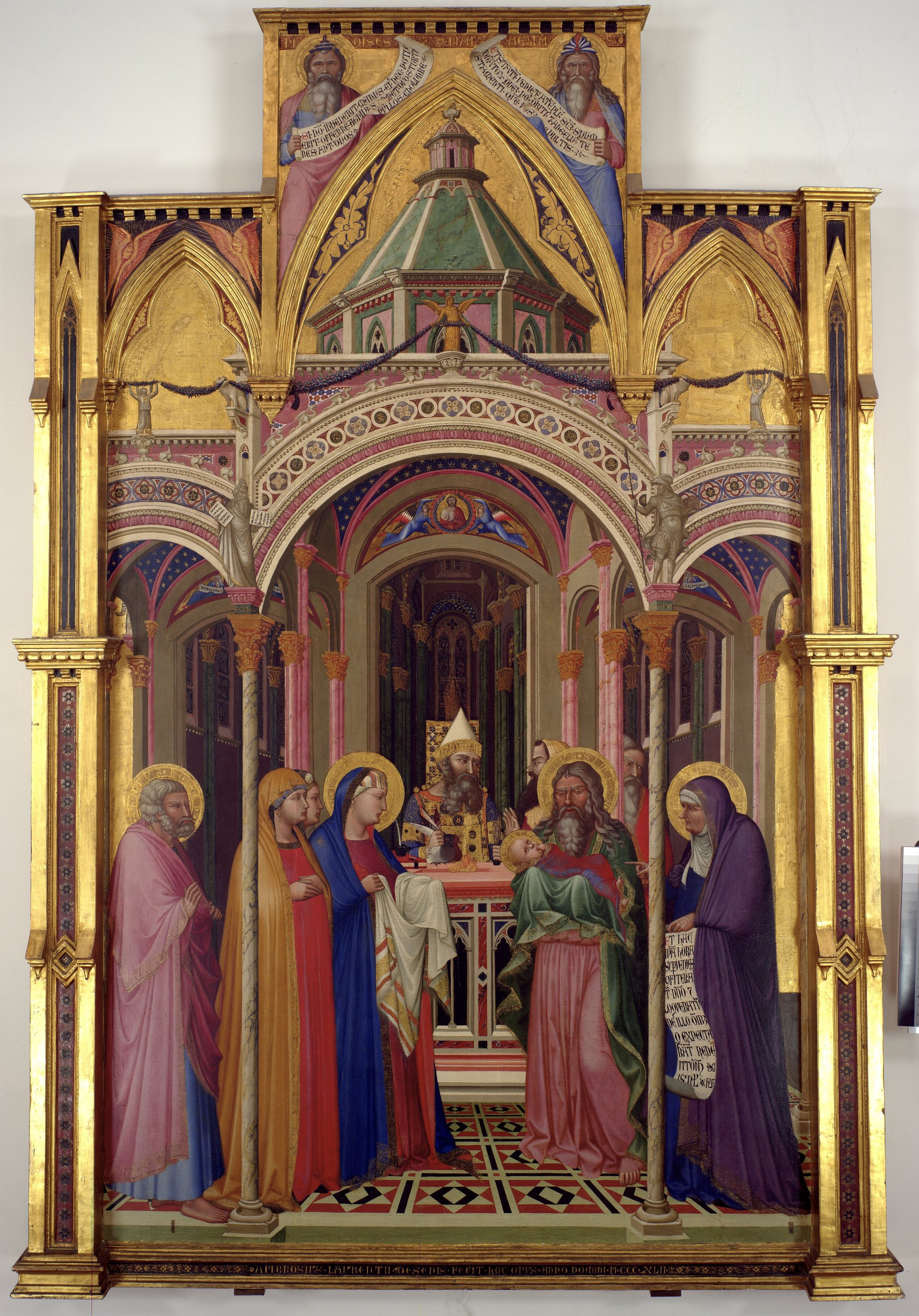
Anna, a prophetess of the tribe of Asher, gave thanks to God when Mary and Joseph brought the infant Jesus to the temple in Jerusalem.
- Subjects · 26 verses set outThe Closed Womb
Sarah, Rebekah, Rachel, the wife of Manoah, Hannah, the Shunammite and Elizabeth each waited for a child, and each in the end bore a son.
- Stories · 11 verses set outAnna in the Temple
The words
1 study
- Symbols and words · 12 verses set outThe Words Qavah and Prosdechomai
Seven Hebrew and Greek words carry the Bible's teaching on waiting for the LORD.
- Symbols and words · 12 verses set outThe Words Qavah and Prosdechomai
The practice
1 study
- Debates · 18 verses set outWhy Does God Delay?
Christian teachers have read God's delays as discipline, as timing and as mystery.
- Debates · 18 verses set outWhy Does God Delay?
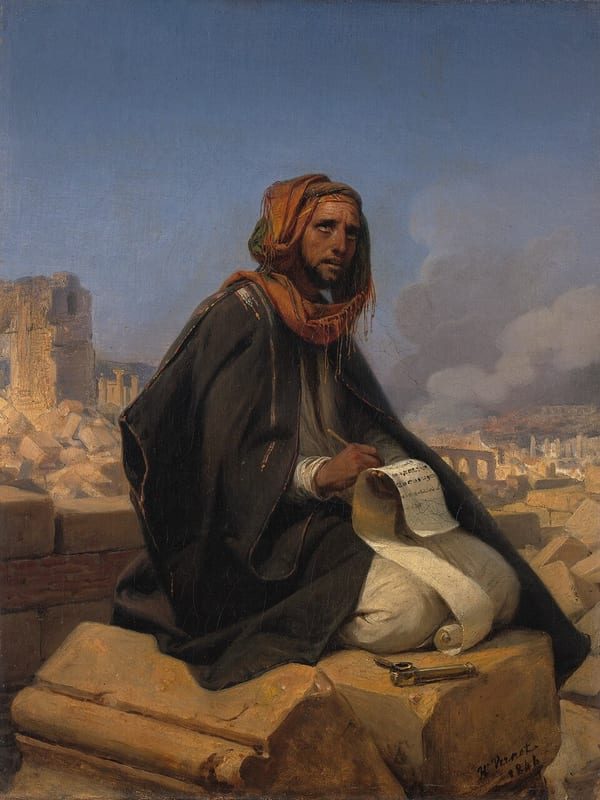
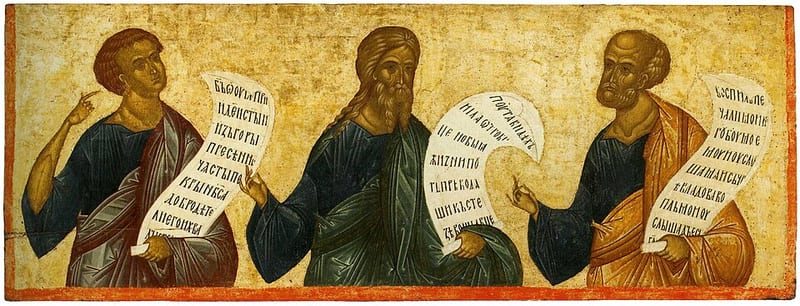
The Vision That Waits for Its Appointed Time, Anna in the Temple, The Closed Womb, The Words Qavah and Prosdechomai, Why Does God Delay?
Where Readers Disagree
Six readings answer three questions, each with its holders, the work that argues it and the objection raised against it.
Why God delays what His people wait for
Read the study of Why Does God Delay? 7 sections, 18 verses set out
| Reading | Held by | Work | Objection |
|---|---|---|---|
| The delay trains them as medicine heals | John Chrysostom (Greek church father) | John Chrysostom, Homily on Hebrews 30, on Hebrews 12:11 | Peter gives another reason for the delay, God's patience toward people who have not yet repented (2 Peter 3:9). |
| He is patient so that people may come to repentance | John Wesley; Albert Barnes (Methodist; American Presbyterian) | John Wesley, Explanatory Notes upon the New Testament, on 2 Peter 3:9; Albert Barnes, Notes, Explanatory and Practical, on 2 Peter 3:9 | The same delay lengthens the suffering of the faithful, as the martyrs' cry in Revelation 6:10 shows. |
What the cry of how long in Psalm 13 shows
Read the study of the Lament Form in the Psalter 10 sections, 22 verses set out
| Reading | Held by | Work | Objection |
|---|---|---|---|
| A weakness of faith that took God's delay for forgetting | Matthew Henry (English Nonconformist) | Matthew Henry, Commentary on the Whole Bible, on Psalm 13:1 to 2 | The psalm stands in Scripture as a prayer for God's people, and it turns to trust in its last two verses. |
| Deep dejection joined to earnest prayer | Adam Clarke (Methodist) | Adam Clarke, Commentary on the Bible, on Psalm 13:1 | The psalmist asks whether God will forget him forever, which goes further than earnest asking. |
When God answers the elect who cry to Him (Luke 18:7 to 8)
Read the study of the Persistent Widow 8 sections, 20 verses set out
| Reading | Held by | Work | Objection |
|---|---|---|---|
| He answers speedily, in the judgment that soon fell on Jerusalem, and again at the end of the world | John Gill; John Wesley (English Baptist; Methodist) | John Gill, Exposition of the New Testament, on Luke 18:8; John Wesley, Explanatory Notes upon the New Testament, on Luke 18:7 | Jesus ties the answer to the coming of the Son of Man in the same verse (Luke 18:8). |
| The answer will seem delayed until Christ comes, when faith is hard to find | Jamieson, Fausset and Brown (Scottish and Anglican commentators) | Jamieson, Fausset and Brown, Commentary Critical and Explanatory on the Whole Bible, on Luke 18:8 | Jesus says that God “will promptly carry out justice” for His elect (Luke 18:8). |
Every Text on Waiting
Three verses, two pages and two essays that the site's earlier waiting pages gathered.
Three verses from Genesis, Isaiah and James.3 verses
Noah waited seven more days and again sent out the dove from the ark.Noah's patience at the window of the ark shows a believer waiting on God's timing after the danger is past.
But those who wait upon the LORD will renew their strength; they will mount up with wings like eagles; they will run and not grow weary, they will walk and not faint.The verse ties the strength a believer needs to the waiting itself.
Be patient, then, brothers, until the Lord’s coming. See how the farmer awaits the precious fruit of the soil—how patient he is for the fall and spring rains.James draws his picture of patience from the harvest, so the church can measure its wait for Christ by a season it knows.
Two pages on long waits, from Genesis.
An essay and a summary, carried as they stood.11 paragraphs
The waiting page at /tag/waiting carried the essay that follows.
Much of the Bible takes place in the space between a promise and its answer. God speaks, and then, often, a long time passes before anything visibly happens. Waiting is not a side note in Scripture. It is one of the main places where faith is either tested or grown.
Noah offers one of the earliest pictures of this. After the flood, he did not step out of the ark the moment the rain stopped. He waited: releasing a dove, watching for a sign, letting the water recede at its own pace before God finally told him it was time to come out (Genesis 8:6-16). Faith did not mean rushing ahead of God. It meant trusting his timing, even while watching and hoping.
The Psalms are full of people waiting on God in the middle of real pain. One psalm describes waiting patiently for the Lord, who eventually inclines toward the sufferer and hears the cry (Psalm 40:1). Another simply says to rest in the Lord and wait patiently for him, resisting the urge to grow anxious when it looks like others are prospering while doing wrong (Psalm 37:7). Waiting, in these prayers, is not passive. It is an active choice to keep trusting God instead of taking matters into one's own hands.
Isaiah gives one of the most famous promises about waiting in all of Scripture: those who wait upon the Lord will renew their strength, rising up as if on eagles' wings, running without growing weary, walking without fainting (Isaiah 40:31). This promise does not remove the waiting. It reframes it; waiting becomes the very place where God supplies fresh strength, not despite the delay but through it.
The prophet Habakkuk had to learn this firsthand. He complained to God about injustice that seemed to go unanswered, and God's response was not an immediate fix but a promise for an appointed time still to come, along with the instruction that though it may seem slow, it will surely come and should be waited for (Habakkuk 2:3). Faith, for Habakkuk, meant living by trust in God's future action rather than being paralyzed by present frustration.
The New Testament shows waiting reaching its fullest meaning in the story of an old man named Simeon. He had spent years waiting for the consolation of Israel, and it had been revealed to him that he would not die before seeing the Lord's promised Messiah. When Mary and Joseph brought the infant Jesus to the temple, Simeon took him in his arms and recognized that his long wait was finally over (Luke 2:25-32). His entire life had been shaped by a single, patient hope, and it was not disappointed.
Paul later describes this same posture as the normal Christian life. Believers wait, with hope, for what they do not yet fully see, and this waiting itself is described as an expression of patience (Romans 8:24-25). James tells believers to be patient the way a farmer is patient for a harvest, watching for the precious fruit of the earth and waiting for the early and the latter rain (James 5:7).
Waiting, across all of Scripture, is not empty time. It is the space where trust is proven and character is formed, and it always ends the same way it began: with a God who keeps his promises, even when the answer takes longer than expected.
The waiting topic at /topics/waiting carried the summary that follows.
Waiting in Scripture is the posture of faith when God has promised but not yet delivered — Abraham 25 years for Isaac, Israel 430 in Egypt, David anointed-but-unthroned for years, Simeon and Anna for the consolation of Israel. The Psalms repeatedly command "wait on the LORD" and frame waiting as strength-renewal, not passivity.
Sources
Scripture is the Berean Standard Bible.
- STEP Bible brief lexicons of Extended Strongs for Hebrew and for Greek (Tyndale House, Cambridge), CC BY 4.0, with the Strong's glosses.
- Augustine of Hippo, Confessions, book 3, chapters 11 and 12, and book 8, chapter 12, translated by J. G. Pilkington, Nicene and Post-Nicene Fathers, first series, volume 1 (Buffalo: Christian Literature Publishing, 1887)
- John Chrysostom, Homily on Hebrews 30, on Hebrews 12:11.
- John Calvin, Commentaries, on Psalm 40:1.
- Matthew Henry, Commentary on the Whole Bible (1710), on Psalm 27:14 and Psalm 13:1 to 2.
- John Wesley, Explanatory Notes upon the New Testament (1755), on 2 Peter 3:9 and Luke 18:7.
- Adam Clarke, Commentary on the Bible (1832), on Psalm 27:14 and Psalm 13:1.
- Albert Barnes, Notes, Explanatory and Practical, on the Old and New Testaments (1832 to 1869), on Psalm 40:1 and 2 Peter 3:9.
- Charles Spurgeon, The Treasury of David, volume 5 (1878), on Psalm 105:19.
- John Gill, Exposition of the New Testament (1746 to 1748), on Luke 18:8.
- Robert Jamieson, A. R. Fausset and David Brown, Commentary Critical and Explanatory on the Whole Bible (1871), on Luke 18:8 and Revelation 3:10.
- The essay of /tag/waiting, as it stood.
- The summary of /topics/waiting, as it stood.
Keep Studying
Studies7
People and groups22
Show the next 6 titles
Symbols1
Doctrines9