
Joel 2 · Trial 21 of 21 · Featured Study
Failure and Restoration
Failure is the ruin that sin or loss brings on a person or a people, and restoration is God's work of bringing them back.
The psalm says of God, “The LORD upholds all who fall and lifts up all who are bowed down” (Psalm 145:14).
I will repay you for the years eaten by locusts—the swarming locust, the young locust, the destroying locust, and the devouring locust—My great army that I sent against you.
- Anchor text
- Joel 2:25 “I will repay you for the years eaten…”
- The lament
- Psalm 51:1 to 19 “Have mercy on me, O God, according to…”
- Hold in memory
- Joel 2:25, Psalm 51:12
Summary
Scripture records the failures of God's people openly. Adam disobeyed, David sinned with Bathsheba, Peter denied his Lord, John Mark deserted his work, and Israel was stripped by locusts and carried into exile. It records as plainly that God answered each of them, and what each of them was given back.
- God calls those who have fallen to return to Him, and He forgives the one who confesses.
- Christ bore the sins of His people on the cross, and the risen Lord restored the disciple who had denied Him.
- God gives back what failure took in His own way and time, and not always in the same form.
- The church is called to restore a fallen brother gently and to reaffirm its love for him.
- Some loss is no failure of the one who bears it, as Job lost everything without sinning and God restored him.
What Scripture Says to the One Who Has Failed
Five verbs of the Hebrew and Greek Bible name the trial and its cure, each with its count of uses.
This study asks what Scripture says to a person who has failed, where failure comes from, and how God restores. It gives the Hebrew and Greek words for falling, stumbling and restoring, and the key texts in their Berean words. It shows where Christ bore the failure of His people. It sets out the lament of Psalm 51, the people and stories of failure and restoration in the Bible and in the church, the voices of the church and three questions on which readers disagree. It keeps apart the kinds of failure Scripture records, from a person's own sin to God's discipline of a nation.
Naphal, to fall
435 uses in the canon
The Hebrew verb naphal (H5307) means to fall, in a great variety of uses. Proverbs says, “For though a righteous man may fall seven times, he still gets up”.
Kashal, to stumble
62 uses in the canon
The Hebrew verb kashal (H3782) means to totter or to stumble. Hosea calls a stumbling people home: “Return, O Israel, to the LORD your God, for you have stumbled by your iniquity.”
Ptaio, to stumble
5 uses in the canon
The Greek verb ptaio (G4417) means to trip, and so to err or to fail. James writes, “We all stumble in many ways.”
Shuv, to turn back and to restore
1056 uses in the canon
The Hebrew verb shuv (H7725) means to turn back or to return. It names a sinner's turning to God and God's bringing back of what was lost. David says of the LORD, “He restores my soul”.
Katartizo, to mend
13 uses in the canon
The Greek verb katartizo (G2675) means to complete thoroughly, to repair or to adjust, and the Gospels use it of fishermen mending their nets. Paul writes that “you who are spiritual should restore him with a spirit of gentleness.”
Naphal, to fall, Kashal, to stumble, Ptaio, to stumble, Shuv, to turn back and to restore, Katartizo, to mend, The Words Shuv and Katartizo, the study in brief
The Key Texts on Failure and Restoration
A psalm, three prophets, a Gospel and a letter speak to the one who has fallen.
Psalms
The steps of a man are ordered by the LORD who takes delight in his journey. Though he falls, he will not be overwhelmed, for the LORD is holding his hand.
It sets every step of a man under the LORD's ordering, even the step on which he falls.
Prophets
Do not gloat over me, my enemy! Though I have fallen, I will arise; though I sit in darkness, the LORD will be my light.
The prophet speaks for a fallen people who expect to rise, with the LORD as their light in the dark.
Micah 7:8BSB
Because of the loving devotion of the LORD we are not consumed, for His mercies never fail. They are new every morning; great is Your faithfulness!
Written over a ruined Jerusalem, it rests the hope of the fallen on mercies that are new every morning.
But I will restore your health and heal your wounds, declares the LORD, because they call you an outcast, Zion, for whom no one cares.”
The LORD promises to heal the wounds of the people others called an outcast.
Gospels
A bruised reed He will not break, and a smoldering wick He will not extinguish, till He leads justice to victory.
Matthew applies Isaiah's words to Jesus, who does not break the bruised or put out the faint.
Letters
And after you have suffered for a little while, the God of all grace, who has called you to His eternal glory in Christ, will Himself restore you, secure you, strengthen you, and establish you.
Peter, who had fallen and been restored, promises that God will Himself restore those who suffer.
1 Peter 5:10BSB
Micah 7:8, Lamentations 3:22 to 23, Jeremiah 30:17, Matthew 12:20, 1 Peter 5:10
Where Failure Comes From and Where Christ Bore It
Scripture traces failure to the fall, to a person's own sin, to God's discipline and to human frailty, and it shows Christ bearing it for His people.
Therefore the LORD God banished him from the Garden of Eden to work the ground from which he had been taken.Adam's disobedience cost him the garden, so the first failure brought the first ruin.
For I do not do the good I want to do. Instead, I keep on doing the evil I do not want to do.It shows that the struggle with failure is told even by an apostle.
“I struck you with blight and mildew in your growing gardens and vineyards; the locust devoured your fig and olive trees, yet you did not return to Me,” declares the LORD.Amos counts a ruined harvest among the warnings Israel did not heed.
Joel saw the same discipline in a plague of locusts, and he called the people to return to the LORD with all their heart (Joel 2:12 to 13). Human frailty stands beneath every failure, and God rules over it with a father's knowledge.
For He knows our frame; He is mindful that we are dust.God remembers that His people are dust, so He deals with their failures as one who knows their frame.
His warning and His prayer for SimonLuke 22
At the Last Supper Jesus warned Simon Peter of the night to come.
Simon, Simon, Satan has asked to sift each of you like wheat. But I have prayed for you, Simon, that your faith will not fail. And when you have turned back, strengthen your brothers.”
Luke 22:31 to 32BSB Jesus prayed before the fall that the disciple's faith would hold, and He gave the restored disciple a work to do.
The Shepherd struckMark 14
After the supper Jesus told the disciples that every one of them would fall away.
Then Jesus said to them, “You will all fall away, for it is written: ‘I will strike the Shepherd, and the sheep will be scattered.’ But after I have risen, I will go ahead of you into Galilee.”
Mark 14:27 to 28BSB Jesus foretold their failure and promised in the same breath to go ahead of them into Galilee.
The iniquity of us allIsaiah 53
Isaiah saw a servant who would carry the sins of others. Peter later wrote of Christ, “He Himself bore our sins in His body on the tree” (1 Peter 2:24).
We all like sheep have gone astray, each one has turned to his own way; and the LORD has laid upon Him the iniquity of us all.
Isaiah 53:6BSB The LORD laid the straying of His people on the Servant, so Christ bore their failure as their Saviour.
Read the story of The Crucifixion 12 sections, 17 verses set out
The message that named PeterMark 16
At the empty tomb a young man dressed in a white robe told the women that Jesus had risen.
But go, tell His disciples and Peter, ‘He is going ahead of you into Galilee. There you will see Him, just as He told you.’”
Mark 16:7BSB The risen Lord's message names Peter, the disciple who had denied Him three times.
Read the story of The Empty Tomb 12 sections, 17 verses set out
His sympathy as High PriestHebrews 4
Hebrews calls believers to hold firmly to what they profess, and it points them to their high priest in heaven.
For we do not have a high priest who is unable to sympathize with our weaknesses, but we have one who was tempted in every way that we are, yet was without sin.
Hebrews 4:15BSB It answers the fear that Christ cannot understand the weakness of the one who has failed.
The Shepherd struck (Mark 14), The iniquity of us all (Isaiah 53), The message that named Peter (Mark 16), His sympathy as High Priest (Hebrews 4)
Amos 4:9, Psalm 103:14, Luke 22:31 to 32, Mark 14:27 to 28, Isaiah 53:6, Mark 16:7, Hebrews 4:15
The Fall & the Protoevangelium, the study in brief, Romans 7:19, Amos 4:9, Psalm 103:14, The Years the Locusts Ate, the study in brief, His warning and His prayer for Simon (Luke 22), The Shepherd struck (Mark 14), The iniquity of us all (Isaiah 53) and 2 more
People Who Failed and Were Restored
Five people of the Bible failed God or others and were brought back.

He said to Nathan, “I have sinned against the LORD,” and Nathan replied, “The LORD has taken away your sin.”
2 Samuel 12:13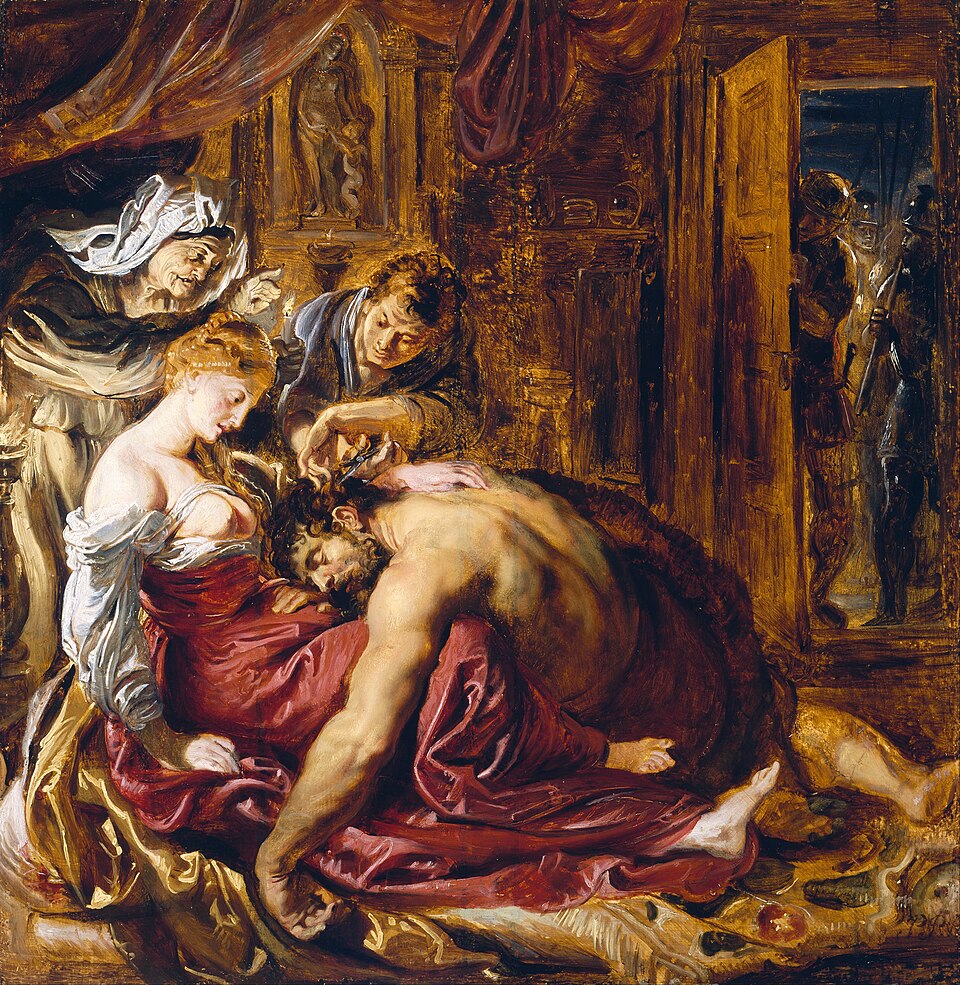
Blinded and bound in bronze shackles, he prayed, “O Lord GOD, please remember me. Strengthen me, O God, just once more”.
Judges 16:28
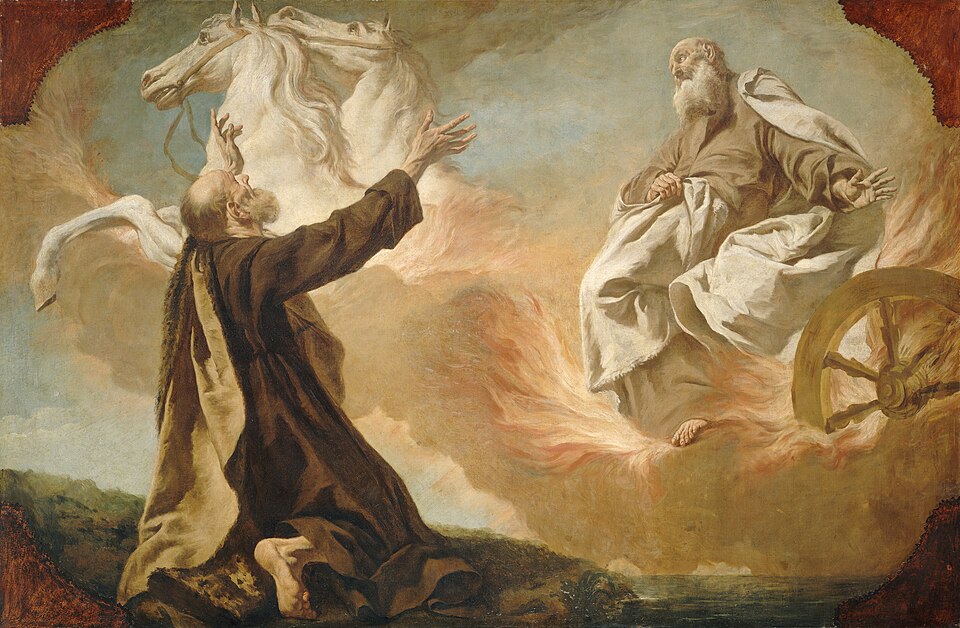
When he fled and prayed to die, the LORD sent him back to his work: “Go back by the way you came”.
1 Kings 19:15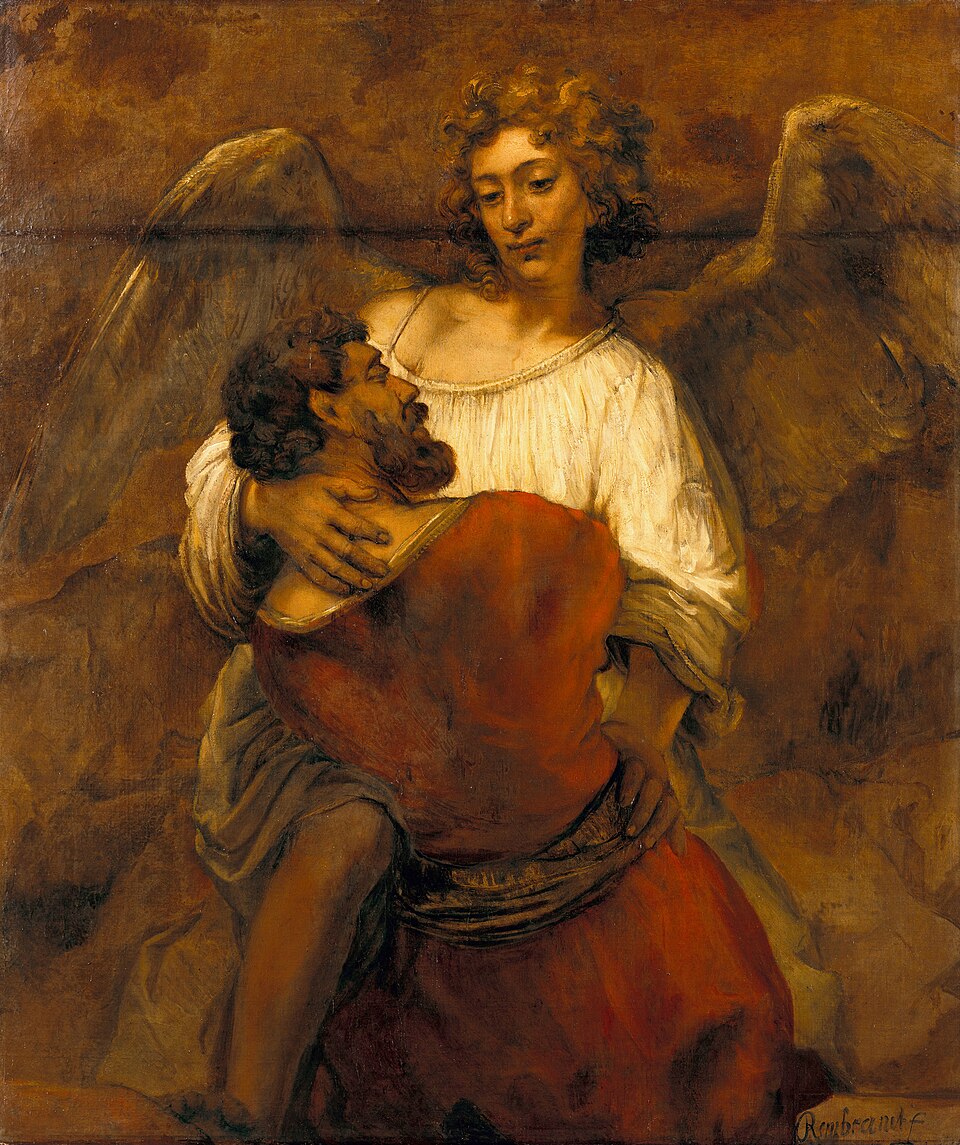
The man who had deceived his father heard at Peniel, “Your name will no longer be Jacob, but Israel”.
Genesis 32:28
Jonah, Elijah, Jacob
What Scripture Gives the One Who Has Failed to Do
Scripture names five things to do after failure, each in the words of the verse that gives it.
- 1Confess your sins to God“If we confess our sins, He is faithful and just to forgive us our sins and to cleanse us from all unrighteousness.”1 John 1:9
- 2Return to the LORD“Bring your confessions and return to the LORD.”Hosea 14:2
- 3Press on from what is behind“Forgetting what is behind and straining toward what is ahead, I press on toward the goal”Philippians 3:13 to 14
- 4Forgive and comfort the one who fell“So instead, you ought to forgive and comfort him, so that he will not be overwhelmed by excessive sorrow.”2 Corinthians 2:7 to 8
- 5Wait for the LORD“It is good to wait quietly for the salvation of the LORD.”Lamentations 3:25 to 26
Return to the LORD, Press on from what is behind, Forgive and comfort the one who fell, Wait for the LORD
Where the shame of a failure turns to despair, the care of a physician or a counsellor stands beside prayer and never in its place.
The Lament of Psalm 51
David's confession is set out here in three passages of the Berean text, from verse 1 to verse 17.
David prays for mercy and keeps nothing back: “For I know my transgressions, and my sin is always before me” (Psalm 51:3).
Have mercy on me, O God, according to Your loving devotion; according to Your great compassion, blot out my transgressions. Wash me clean of my iniquity and cleanse me from my sin.The psalm sets God's character first and names the sin after it.
Create in me a clean heart, O God, and renew a right spirit within me. Cast me not away from Your presence; take not Your Holy Spirit from me. Restore to me the joy of Your salvation, and sustain me with a willing spirit.David asks God to make his heart new and to keep His Spirit with him.
The sacrifices of God are a broken spirit; a broken and a contrite heart, O God, You will not despise.It shows what God accepts from one who has sinned against Him.
Psalm 51:1 to 2, Psalm 51:10 to 12, Psalm 51:17, Create in Me a Clean Heart, the study in brief
Failure and Restoration in the Stories of the Bible
Five stories tell of a son who came home, a nation brought back, a man restored after loss, a disciple restored by the sea and a deserter made useful.
The son who came homeLuke 15
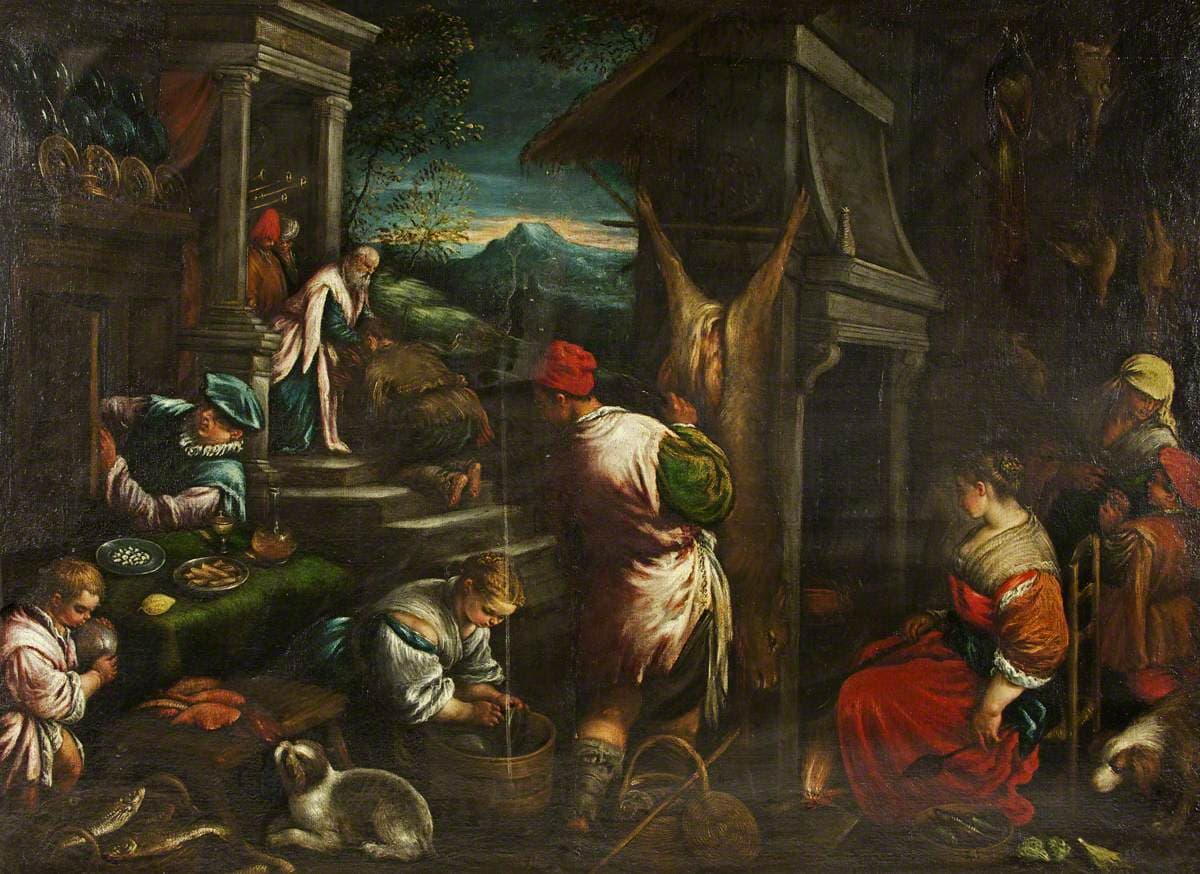
A younger son took his share of his father's estate and squandered it in a distant country. When famine came he hired himself out to feed pigs, and at last he came to his senses. He went home to say, “Father, I have sinned against heaven and against you” (Luke 15:21). While he was still far off, his father ran to him and kissed him, for his son “was lost and is found” (Luke 15:24).
Read the story of The Prodigal's Return 8 sections, 31 verses set out
The return from exileEzra 1
Nebuchadnezzar carried the people of Judah into exile in Babylon, and the land lay desolate until seventy years were completed (2 Chronicles 36:20 to 21). In the first year of Cyrus king of Persia the LORD stirred his spirit to send a proclamation. Whoever belonged to His people might “go to Jerusalem in Judah and build the house of the LORD” (Ezra 1:3).
Job's latter daysJob 42
Job lost his children in one day, and in all this he did not sin (Job 1:22). Then he was struck with boils (Job 2:7). His friends charged him with great wickedness (Job 22:5), and the LORD told them that they had not spoken accurately about Him as Job had (Job 42:8). After Job prayed for them, the LORD blessed his latter days more than his first (Job 42:12).
Read the story of The Latter Days of Job 7 sections, 7 verses set out
Peter restored by the seaJohn 21
Peter denied Jesus three times on the night of His arrest. After the resurrection Jesus revealed Himself to the disciples by the Sea of Tiberias and gave them breakfast. Then He asked Peter three times whether he loved Him. Each time Peter said that he did, and each time Jesus gave him a charge to feed or shepherd His flock (John 21:15 to 17).
Read the story of Feed My Sheep 7 sections, 10 verses set out
John Mark made usefulActs 15
John, also called Mark, left Paul and Barnabas at Perga in Pamphylia and went back to Jerusalem (Acts 13:13). When Barnabas wanted to take him on the next journey, Paul refused, and the two men parted company over it (Acts 15:37 to 39). Later, writing to Timothy, Paul asked for Mark, “because he is useful to me in the ministry” (2 Timothy 4:11).
Read the story of Useful to Me for Ministry 7 sections, 12 verses set out
The return from exile (Ezra 1), Job's latter days (Job 42), Peter restored by the sea (John 21), John Mark made useful (Acts 15)
Restoration in the Church's History
Two accounts tell of a church receiving those who had denied the faith and a slave trader who called himself restored.
Cyprian and the lapsedOn the Lapsed
Cyprian of Carthage wrote his treatise On the Lapsed when “peace is restored to the Church” after a persecution. He grieved that many had not waited to be arrested before they sacrificed to idols, but “ran to the market-place of their own accord.” He called the fallen to repentance with the words of Joel 2:13, and he wrote of the penitent that God “gives arms again whereby the vanquished may be armed”.
John Newton, preserved and restored1748
John Newton kept 21 March 1748 as “a day much to be remembered by me”, the day on which, he wrote, “the Lord sent from on high and delivered me out of deep waters.” He became curate of Olney in 1764, and in 1779 he published the Olney Hymns, which hold his hymn that begins “Amazing grace! (how sweet the sound)”. The epitaph he wrote for himself calls him “A servant of slaves in Africa” who was “Preserved, restored, pardoned”.
Read the story of John Newton and Amazing Grace 7 sections, 3 verses set out
Voices on Restoration, by Century
Four quotations in the order of their authors' deaths, from the second century to 1564, each under the line it teaches.
died 160 · Shepherd of Hermas
Shepherd of Hermas, Commandment 12
A second-century reading: God heals the former sins of those who return to Him with all their heart.
The quotation1 quotation
“I, the messenger of repentance, say unto you, Fear not the devil; for I was sent to be with you who repent with all your heart, and to make you strong in faith. Trust God, then, ye who on account of your sins have despaired of life, and who add to your sins and weigh down your life; for if ye return to the Lord with all your heart, and practise righteousness the rest of your days, and serve Him according to His will, He will heal your former sins, and you will have power to hold sway over the works of the devil.”
Shepherd of Hermas · Shepherd of Hermas, Commandment 12 · on Joel 2:12Patristic
died 407 · John Chrysostom
Homily on the Gospel of John 88
A fifth-century reading: Christ did not reproach Peter with his denial, and He gave him the care of his brothers.
The quotation1 quotation
“There are indeed many other things which are able to give us boldness towards God, and to show us bright and approved, but that which most of all brings good will from on high, is tender care for our neighbor. Which therefore Christ requireth of Peter. And why, having passed by the others, doth He speak with Peter on these matters? He was the chosen one of the Apostles, the mouth of the disciples, the leader of the band; on this account also Paul went up upon a time to enquire of him rather than the others. And at the same time to show him that he must now be of good cheer, since the denial was done away, Jesus putteth into his hands the chief authority among the brethren; and He bringeth not forward the denial, nor reproacheth him with what had taken place, but saith, ‘If thou lovest Me, preside over thy brethren, and the warm love which thou didst ever manifest, and in which thou didst rejoice, show thou now; and the life which thou saidst thou wouldest lay down for Me, now give for My sheep.’”
John Chrysostom · Homily on the Gospel of John 88 · on John 21:15Patristic
died 604 · Gregory the Dialogist
Morals on the Book of Job, Book XXXV
A seventh-century reading: the Lord turned to Job when Job repented and prayed for his friends.
The quotation1 quotation
“The Lord also was turned at the penitence of Job, when he prayed for his friends.”
Gregory the Dialogist · Morals on the Book of Job, Book XXXV · on Job 42:10Patristic
1509 to 1564 · John Calvin
Commentaries
A sixteenth-century reading: the return from Babylon was too wonderful to credit to fortune, and it fulfilled the seventy years Jeremiah had foretold.
The quotation1 quotation
“Now, whoever was the author of it, whether one of the Levites or one of the Prophets, he affirms that the manner of their deliverance was too wonderful to be attributed to fortune, in order to lead the faithful to the conclusion that the prophecy of Jeremiah, which had assigned seventy years as the term of the captivity, was truly fulfilled.”
John Calvin · Commentaries · on Psalm 126:1Reformed
Gregory the Dialogist, John Calvin
How Restoration Has Been Taught
Matthew Henry in 1710 and Charles Spurgeon in 1886 taught how God makes up what was lost.
Henry taught that God restores His people in compassion, as the father of the prodigal made up what his son had lost.1 paragraph
Matthew Henry commented on Joel 2:25 in his Commentary on the Whole Bible (1710). He wrote that God “did them no wrong, yet, in compassion, he makes restitution; as the father of the prodigal, upon his return, made up all he had lost by his sin and folly”.
Spurgeon taught that lost time never returns, but that God can give back to the repentant the fruits of wasted years.2 paragraphs
Charles Spurgeon preached on Joel 2:25 in sermon 2081 of The Metropolitan Tabernacle Pulpit (1886). He said, “Time once past is gone forever.” He went on, “You cannot have back your time. But there is a strange and wonderful way in which God can give back to you the wasted blessings, the unripened fruits of years over which you mourned.”
He told his hearers, “God alone can do for you what seems impossible.”
The Studies of Failure and Restoration
Each study takes one part of failure and restoration into more depth.
The texts
2 studies
- Passages and psalms · 10 verses set outThe God Who Restores
Psalm 126 and Jeremiah 30 speak of the LORD restoring Zion after the exile.
- Passages and psalms · 10 verses set outThe Years the Locusts Ate
Joel 2:18 to 27 is the LORD's answer to Judah after a plague of locusts stripped the land.
- Passages and psalms · 10 verses set outThe God Who Restores
The stories
3 studies
- Stories · 10 verses set outFeed My Sheep
John 21:15 to 19 records what the risen Jesus said to Peter after breakfast by the Sea of Tiberias.
- Stories · 7 verses set outThe Latter Days of Job
Job 42:7 to 17 records the end of Job's trial, from his friends' sacrifice to his death at a great age.
- Stories · 12 verses set outUseful to Me for Ministry
The New Testament names John Mark in Acts, in three letters of Paul and in 1 Peter.
- Stories · 10 verses set outFeed My Sheep
The words
1 study
- Symbols and words · 18 verses set outThe Words Shuv and Katartizo
Hebrew shuv means to turn back or return, and Greek katartizo means to put in order or mend.
- Symbols and words · 18 verses set outThe Words Shuv and Katartizo
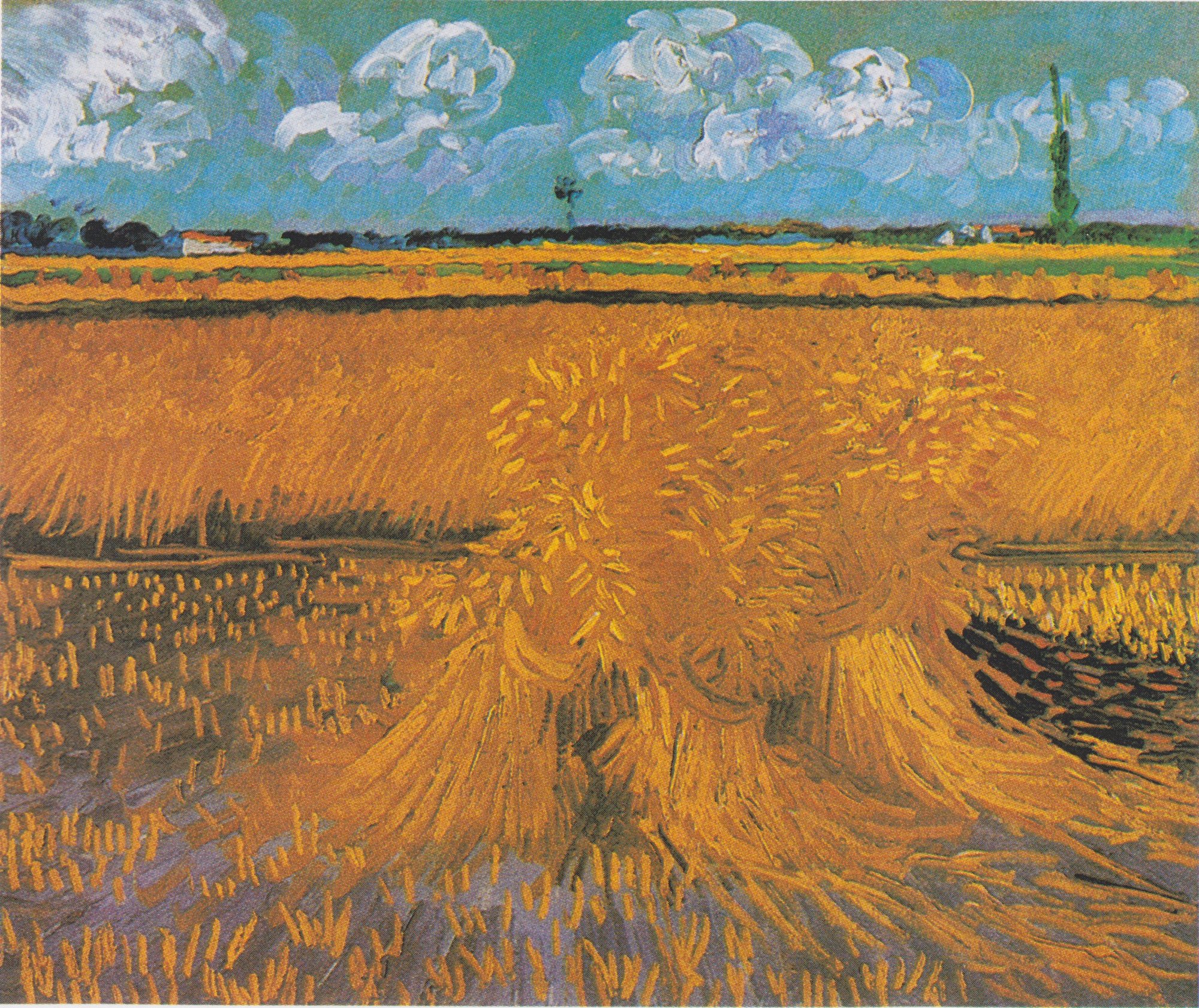
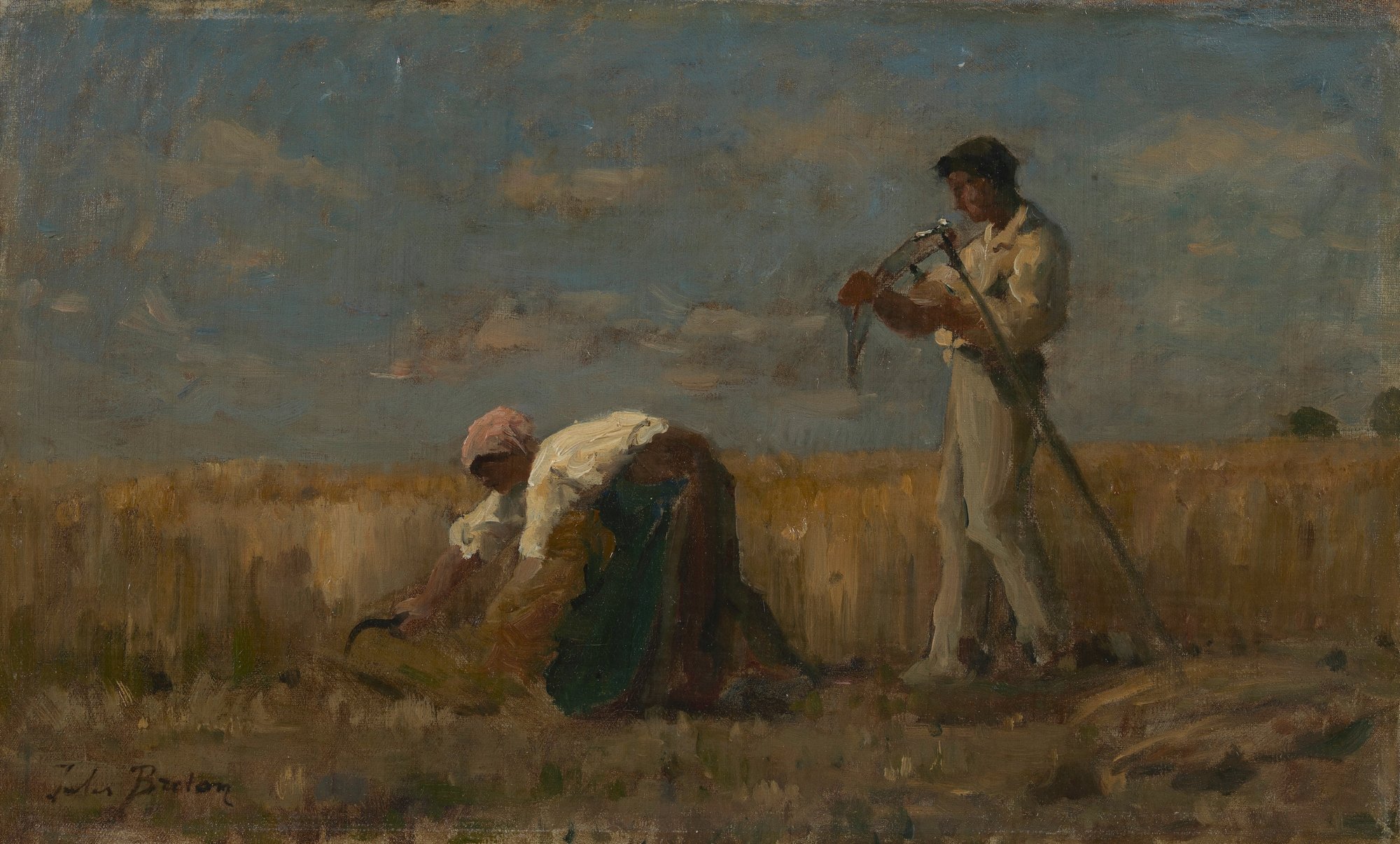

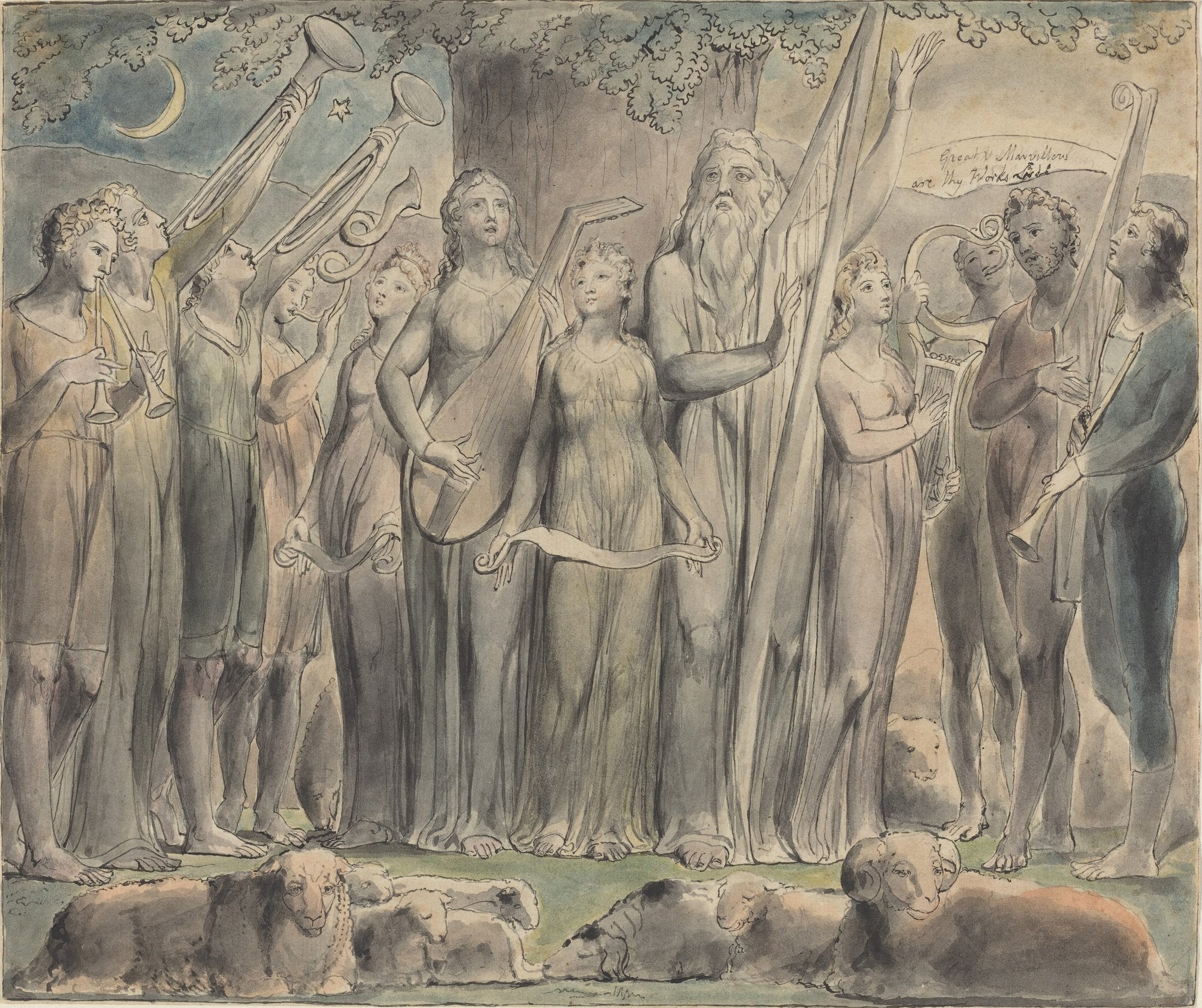
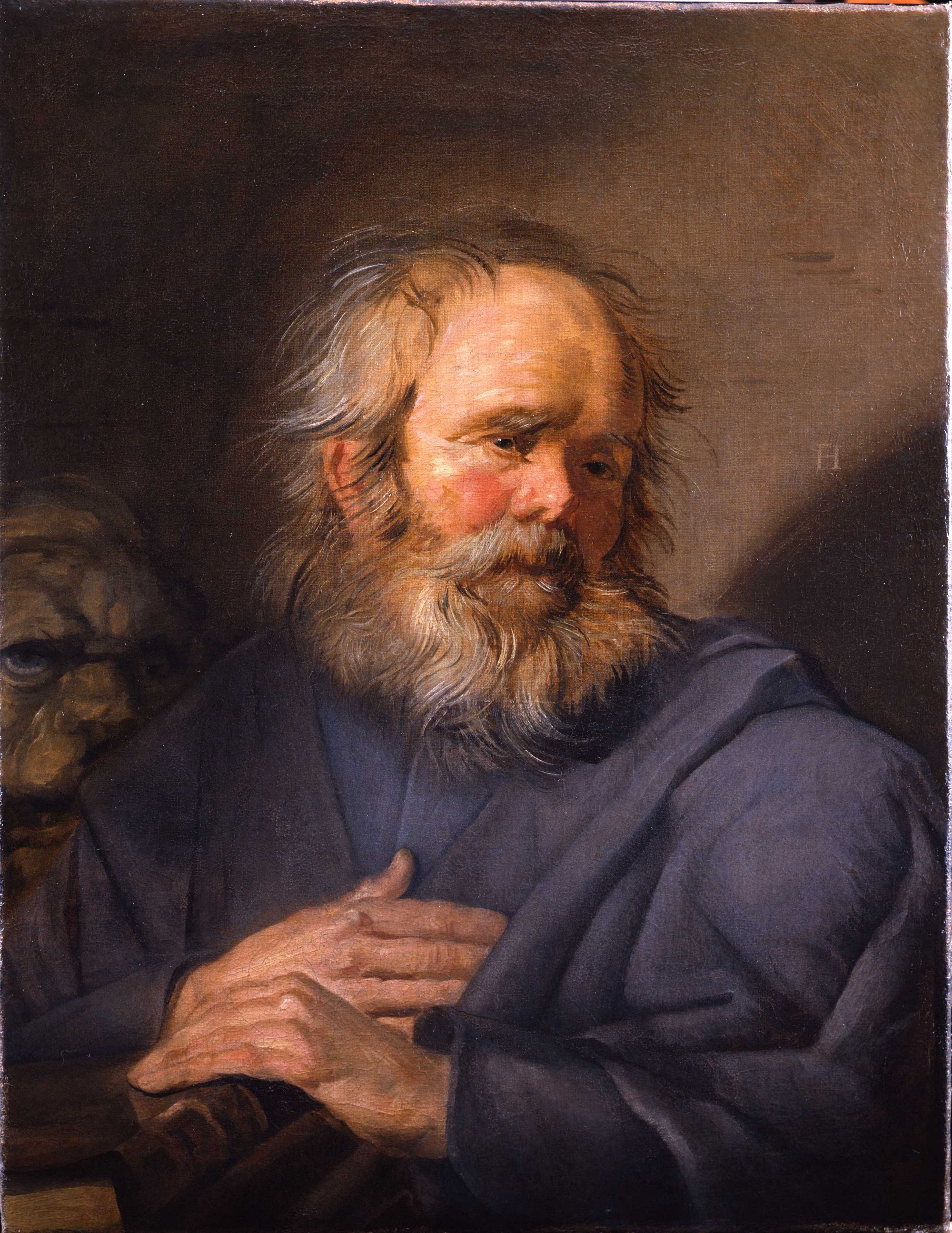
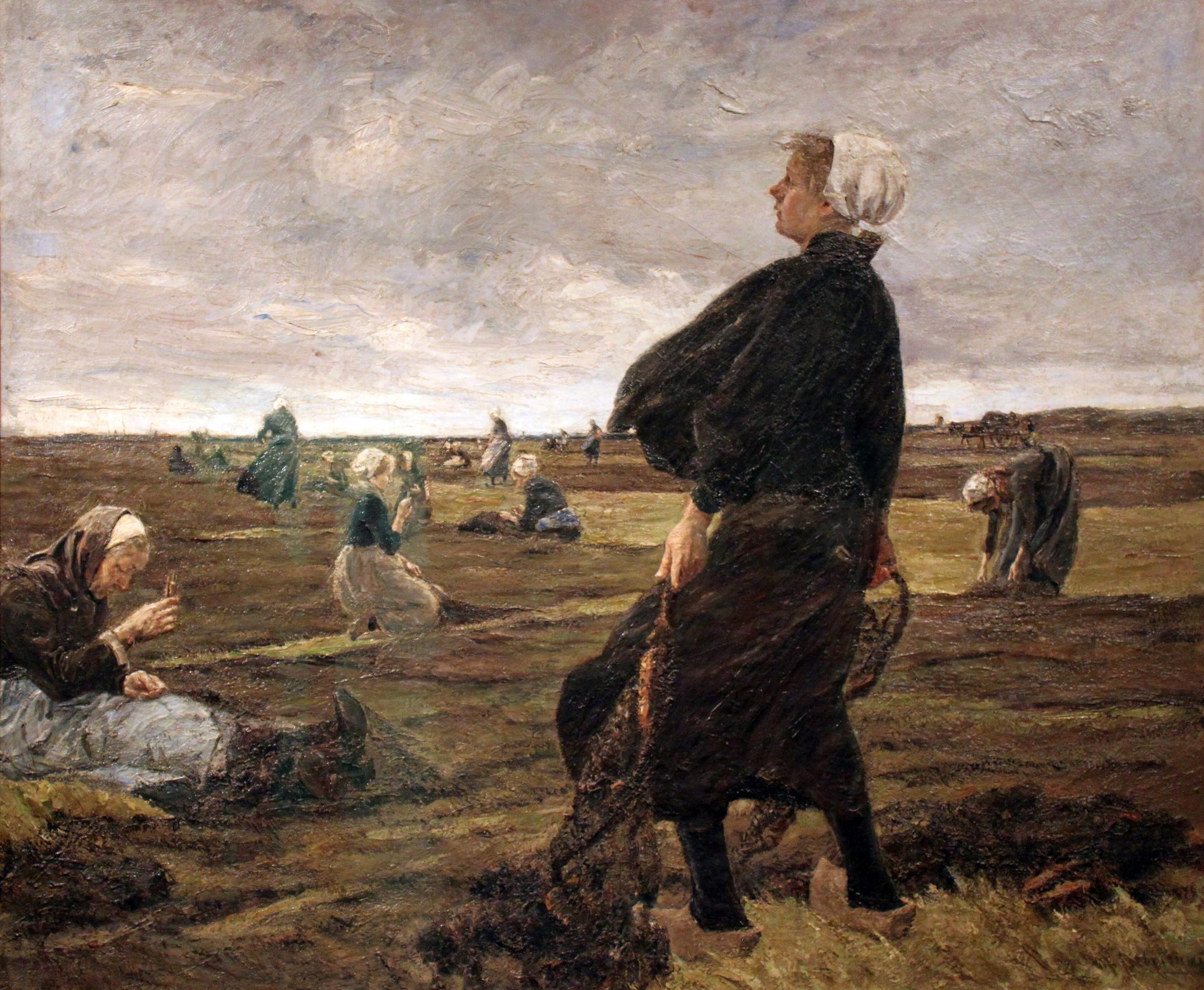
The Years the Locusts Ate, Feed My Sheep, The Latter Days of Job, Useful to Me for Ministry, The Words Shuv and Katartizo
Where Readers Disagree
Five readings answer three questions, each with its holders, the work that argues it and the objection raised against it.
What Joel 2:25 restores
Read the study The Years the Locusts Ate 6 sections, 10 verses set out
| Reading | Held by | Work | Objection |
|---|---|---|---|
| The harvests of the years the locusts ruined, since the plague left the trees bare for years | Adam Clarke (Methodist) | Adam Clarke, Commentary on the Bible (1832), on Joel 2:25 | Joel's promise reaches past the harvest: “My people will never again be put to shame” (Joel 2:26). |
Who was right about John Mark
Read the story Useful to Me for Ministry 7 sections, 12 verses set out
| Reading | Held by | Work | Objection |
|---|---|---|---|
| Paul, who had the right on his side and kept it with love | John Wesley (Methodist) | John Wesley, Explanatory Notes upon the New Testament (1755), on Acts 15:39 | Paul later sent greetings from Mark and told the Colossians, “If he comes to you, welcome him” (Colossians 4:10). |
| The sharp contention served a good end, so that Mark might receive a lesson | John Chrysostom (Greek patristic writing) | John Chrysostom, Homilies on the Acts of the Apostles, homily 34, on Acts 15:39 | Luke records that the brothers commended Paul and Silas to the grace of the Lord, and he says nothing of a lesson for Mark (Acts 15:40). |
Why Job was restored
Read the story The Latter Days of Job 7 sections, 7 verses set out
| Reading | Held by | Work | Objection |
|---|---|---|---|
| Job's own humility gave his prayer for the friends its force | Thomas Aquinas (Latin medieval writing) | Thomas Aquinas, Commentary on Job, on Job 42:10 | The reading follows the Latin Vulgate, which says the Lord turned Job to repentance, while the Hebrew speaks of the LORD restoring Job himself (Adam Clarke, on Job 42:10). |
| The words mark the time, and the prayer need not have caused the restoration | Albert Barnes (American Presbyterian) | Albert Barnes, Notes, Explanatory and Practical (1832 to 1869), on Job 42:10 | The LORD tied His acceptance of the friends to Job's prayer: “My servant Job will pray for you, for I will accept his prayer” (Job 42:8). |
Every Text on Restoration
Four of the eleven verses the subject page Restoration gathered stand here, with that page's essay and the topic page's description as they were written.
Four verses, from Job to Amos.4 verses
After Job had prayed for his friends, the LORD restored his prosperity and doubled his former possessions.It ends the long trial of a man who had not sinned with a double portion.
When the LORD restored the captives of Zion, we were like dreamers.It remembers the LORD's restoring of Zion's captives as a waking dream.
They will rebuild the ancient ruins; they will restore the places long devastated; they will renew the ruined cities, the desolations of many generations.It promises that ruins long devastated will be rebuilt and restored.
I will restore My people Israel from captivity; they will rebuild and inhabit the ruined cities. They will plant vineyards and drink their wine; they will make gardens and eat their fruit.It ends a book of judgment with a promise of homes and harvests.
The essay and the description, carried as they stood.11 paragraphs
The subject page at /tag/restoration carried the essay that follows.
Restoration is what happens after loss, when God does not merely comfort the wound but reverses it. Scripture begins with a garden broken by sin (Genesis 3:23-24) and ends with a garden-city where nothing is cursed any longer (Revelation 22:3). Between those two points sits the whole story of restoration.
Job lost everything in a single day: his children, his flocks, his health. He never received a full explanation. But at the end of the book, God gave him twice what he had before (Job 42:10). The doubling did not erase the grief of the children he had buried, but it showed that God's last word over a ruined life is not ruin.
The clearest picture of national restoration in the Old Testament is the return from exile. Jerusalem's walls lay broken for seventy years (Nehemiah 1:3). Then God stirred a pagan king's heart to send the people home, rebuild the temple, and raise the walls again in fifty-two days (Nehemiah 6:15). The prophet Joel promised something even more personal: God would restore the years the locust had eaten (Joel 2:25): not just future blessing, but the years themselves, given back.
David knew restoration from the inside. After his sin with Bathsheba, he did not ask God to erase his guilt and move on quietly. He asked for something specific: for the joy of salvation to be restored to him (Psalm 51:12). He had not lost his salvation; he had lost the joy of it. Restoration, in David's mouth, is God giving back what sin had stolen from a heart that was still His.
The New Testament tells the same story in miniature through a parable. A son takes his inheritance, wastes it, and comes home expecting nothing but a servant's job. His father runs to him instead. When the son is finally seated at the table, the father says it plainly: his son was dead, and is alive again; he was lost, and is found (Luke 15:24). That is restoration in one sentence: not a second chance earned, but a relationship given back whole.
Restoration is not only for the fallen; it is also for the ones who help them up. Paul tells the Galatian church that when a believer is caught in sin, the spiritual ones among them are to restore such a person in a spirit of gentleness (Galatians 6:1): not punish, not shame, but restore. Restoration is meant to move through God's people, not only from God directly.
None of this restoration work is automatic. It is always the LORD's own doing; the God who restores the soul (Psalm 23:3) is a shepherd, not a distant judge issuing pardons from a throne. He walks the sheep back onto the path himself.
All of it points forward to Christ. He is the one through whom everything broken gets put back together: not just souls, but eventually creation itself (Romans 8:21). The cross is where the cost of restoration was paid, and the empty tomb is the proof that what God restores, stays restored. Whatever a person has lost to sin, to sorrow, or to years that felt like locusts stripping a field bare, the God of Scripture is not finished with it yet. He restores.
The topic page at /topics/restoration carried the description that follows.
Restoration in Scripture is the undoing of Eden's loss — bringing back what was broken, raising what was dead, returning what was exiled. Joel 2:25 promises "the years that the locust hath eaten" restored; John 21 shows Peter restored by the risen Christ beside another charcoal fire; Revelation 21 ends where Genesis began — a garden, a river, a tree — but with nations walking in the light of the Lamb.
Sources
Scripture is the Berean Standard Bible.
- STEP Bible brief lexicons of Extended Strongs for Hebrew and for Greek (Tyndale House, Cambridge), CC BY 4.0, with the Strong's glosses.
- The Shepherd of Hermas, Commandment 12, on returning to the Lord.
- John Chrysostom, Homilies on the Gospel of John, homily 88, on John 21:15.
- John Calvin, Commentaries, on Psalm 126:1.
- John Wesley, Explanatory Notes upon the New Testament (1755), on Acts 15:39.
- Matthew Henry, Commentary on the Whole Bible (1710), on Joel 2:25.
- Charles Spurgeon, sermon on Joel 2:25, The Metropolitan Tabernacle Pulpit, sermon 2081 (1886)
- Adam Clarke, Commentary on the Bible (1832), on Joel 2:25.
- Adam Clarke, Commentary on the Bible (1832), on Job 42:10.
- John Chrysostom, Homilies on the Acts of the Apostles, homily 34, on Acts 15:39.
- Gregory the Dialogist, Morals on the Book of Job, book 35, on Job 42:10.
- Thomas Aquinas, Commentary on Job, on Job 42:10, in English translation.
- Albert Barnes, Notes, Explanatory and Practical, on the Old and New Testaments (1832 to 1869), on Job 42:10.
- Cyprian of Carthage, On the Lapsed (Treatise 3), sections 1, 8 and 36, translated by Robert Ernest Wallis, Ante-Nicene Fathers, volume 5, edited by Alexander Roberts, James Donaldson and A. Cleveland Coxe (Buffalo: Christian Literature Publishing Co., 1886)
- The Life of the Rev. John Newton, Rector of St. Mary Woolnoth, London (New York: American Tract Society, 1830), with An Authentic Narrative, Letter VIII, the account of Olney and the epitaph.
- John Newton and William Cowper, Olney Hymns, in Three Books (London: W. Oliver, 1779), Book I, Hymn 41.
Keep Studying
Studies9
In this trial6
People and groups25
Show the next 6 titles
Show the next 6 titles
Show the next 6 titles
Show the next 1 title
Places1
Symbols1
Values2
Trials of life1