
Amos 4:9
in Amos 4“I struck you with blight and mildew in your growing gardens and vineyards; the locust devoured your fig and olive trees, yet you did not return to Me,” declares the LORD.
BSB
The same verse in ASV and KJV ▾
ASV
I have smitten you with blasting and mildew: the multitude of your gardens and your vineyards and your fig-trees and your olive-trees hath the palmer-worm devoured: yet have ye not returned unto me, saith Jehovah.
KJV
I have smitten you with blasting and mildew: when your gardens and your vineyards and your fig trees and your olive trees increased, the palmerworm devoured them: yet have ye not returned unto me, saith the Lord.
⋯
This verse in Amos 4
Commentary
9 notes on this verseI have smitten you with blasting and mildew,.... "Blasting" is what we commonly call "blights", generally occasioned by an east wind; and so Kimchi interprets the word here used; and the Vulgate Latin version renders it, "a burning wind"; which causes the buds and leaves of trees to shrivel up as if they were burnt with fire.
This site's exposition
blasting and mildew
on Amos 4:9-11
Blasting and mildew take the crop the drought spared, the pestilence after the manner of Egypt takes the young men, and the last discipline is named outright: I have overthrown some of you, as God overthrew Sodom and Gomorrah, the nation's own history turned into its own warning. The firebrand plucked out of the burning is read by the bench as a rescue too narrow to notice, a remnant spared from a judgment that reached the rest, and the refrain closes each plague exactly as before, yet have ye not returned unto me. Five disciplines in a row and not one turned the nation back.
The record, by era
The Church Fathers1 voice
(Verse 9) I struck you with scorching wind and with blight. The abundance of your gardens, vineyards, olive groves, and fig trees were eaten by the locusts, yet you did not return to me, says the Lord. LXX: I struck you with burning heat and with blight. You multiplied your gardens, vineyards, fig trees, and olive groves, yet you did not even turn to me, says the Lord. It was not only the past that I did to correct you; but whatever remained of the drought, I struck with scorching wind and blight.
The Puritans and the Awakening2 voices
Their vineyards and gardens yielded their increase in great abundance, so did their fig-trees and olive-trees; but the palmer-worm devoured them before the fruits were ripe, and fit to be gathered in. This was either the same judgment with that which we read of Joel i. 4-6 , or a less judgment of the same nature, sent before to give warning of that.
They are invited yet at length to humble themselves before God, since it is impossible for them to make their part good against him,
The Nineteenth Century2 voices
A commentator
Albert Barnes1798–1870
Notes, Explanatory and Practical, on the Old and New Testaments (1832-1869)
I have smitten you with blasting - Literally, “an exceeding scorching,” such as the hot east wind produced, and “an exceeding mildew,” a blight, in which the ears turn untimely a pale yellow, and have no grain. Both words are doubly intensive. They stand together in the prophecy of Moses Deu 28:22, among the other scourges of disobedience; and the mention of these would awaken, in those who would hear, the memory of a long train of other warnings and other judgments.
A commentator
Jamieson, Fausset & Brown1802–1910
Commentary Critical and Explanatory on the Whole Bible (1871)
proposed
blasting--the blighting influence of the east wind on the corn (Ge 41:6). when . . . gardens . . . increased--In vain ye multiplied your gardens, &c., for I destroyed their produce. BOCHART supports Margin, "the multitude of your gardens." palmer worm--A species of locust is here meant, hurtful to fruits of trees, not to herbage or corn.
quarantine:debris (2026-07-29) — starts-lowercase
2 more voices on this verse
The Nineteenth Century2 voices
A commentator
Jamieson, Fausset & Brown1802–1910
Commentary Critical and Explanatory on the Whole Bible (1871)
proposed
Ho 7:10); the monotonous repetition of the same burden marking their pitiable obstinacy. cleanness of teeth--explained by the parallel, "want of bread." The famine alluded to is that mentioned in 2Ki 8:1 [GROTIUS]. Where there is no food to masticate, the teeth are free from uncleanness, but it is the cleanness of want.
quarantine:debris (2026-07-29) — unbalanced-parens
I have smitten you with blasting and mildew - He sent blasting and mildew on the crops, and the locust on the gardens, vineyards, and fields; and this in such a way as to show it was a Divine judgment. They saw this; “yet they did not return to the Lord!”
How the passage was read
What the Jewish commentators add
On the verses either side of this one
after the manner of Egypt —Just as I sent upon you in the desert when you left Egypt.
This section is reception history: how the passage was read and kept in the Jewish tradition. Where a reading parts from an essential of the Christian faith, the section says so at that point.
Texts and citation data: Sefaria; each excerpt follows its version’s licence. 4 further sources are cited on this chapter that carry no English text this site may quote or only restate the verse.
The words behind it
16 Hebrew wordsEvery Hebrew word of this verse in the order it stands, with what it means and the door to its own study. The last column counts the times a word stands in the whole Bible: the rarer the word, the more the places it appears belong together.
| Hebrew | Sound | Meaning | Word study | In the Bible |
|---|---|---|---|---|
| הִכֵּ֣יתִי | hikeiti | I struck | H5221 → | 499 times |
| אֶתְכֶם֮ | ʾetkhem | <obj.> you | H853 → | 10935 times |
| בַּשִּׁדָּפ֣וֹן | bashidafon | with <the> blight | H7711 → | |
| וּבַיֵּרָקוֹן֒ | uvaiyerakon | and with <the> mildew | H3420 → | |
| הַרְבּ֨וֹת | harbot | to make many | H7235 → | |
| גַּנּוֹתֵיכֶ֧ם | ganoteikhem | gardens your | H1593 → | |
| וְכַרְמֵיכֶ֛ם | vekharmeikhem | and vineyards your | H3754 → | 92 times |
| וּתְאֵנֵיכֶ֥ם | uteeneikhem | and fig trees your | H8384 → | |
| וְזֵיתֵיכֶ֖ם | vezeiteikhem | and olive trees your | H2132 → | |
| יֹאכַ֣ל | yokhal | it ate | H398 → | 810 times |
| הַגָּזָ֑ם | hagazam | the locust | H1501 → | |
| וְלֹֽא־ | velo'- | and not | H3808 → | 5168 times |
| שַׁבְתֶּ֥ם | shavtem | you returned | H7725 → | 1056 times |
| עָדַ֖י | ʾadai | to me | H5704 → | 1261 times |
| נְאֻם־ | neum- | [the] utterance of | H5002 → | 376 times |
| יְהוָֽה׃ ס | yahweh | Yahweh | H3068 → | 6520 times |
הִכֵּ֣יתִיI struck
hikeitiH5221 →499 times
אֶתְכֶם֮<obj.> you
ʾetkhemH853 →10935 times
בַּשִּׁדָּפ֣וֹןwith <the> blight
bashidafonH7711 →
וּבַיֵּרָקוֹן֒and with <the> mildew
uvaiyerakonH3420 →
הַרְבּ֨וֹתto make many
harbotH7235 →
גַּנּוֹתֵיכֶ֧םgardens your
ganoteikhemH1593 →
וְכַרְמֵיכֶ֛םand vineyards your
vekharmeikhemH3754 →92 times
וּתְאֵנֵיכֶ֥םand fig trees your
uteeneikhemH8384 →
וְזֵיתֵיכֶ֖םand olive trees your
vezeiteikhemH2132 →
יֹאכַ֣לit ate
yokhalH398 →810 times
הַגָּזָ֑םthe locust
hagazamH1501 →
וְלֹֽא־and not
velo'-H3808 →5168 times
שַׁבְתֶּ֥םyou returned
shavtemH7725 →1056 times
עָדַ֖יto me
ʾadaiH5704 →1261 times
נְאֻם־[the] utterance of
neum-H5002 →376 times
יְהוָֽה׃ סYahweh
yahwehH3068 →6520 times
A shaded row is a word that stands 400 times or fewer in the Bible.
The walk
8 stopsEach card is a verse this one points to, and under it the verses that one points to in turn. Where several paths arrive at the same place, that place is listed first: the text keeps returning to it.
Through
Joel 1:4What the devouring locust has left, the swarming locust has eaten; what the swarming locust has left, the young locust has eaten; and what the young locust has left, the destroying locust has eaten.
it leads to
- Joel 2:25
I will repay you for the years eaten by locusts—the swarming locust, the young locust, the destroying locust, and the devouring locust—My great army that I sent against you.
- Exodus 10:4
But if you refuse to let My people go, I will bring locusts into your territory tomorrow.
- Psalms 78:46
He gave their crops to the grasshopper, the fruit of their labor to the locust.
- Amos 7:1
This is what the Lord GOD showed me: He was preparing swarms of locusts just after the king’s harvest, as the late spring crop was coming up.
- Joel 2:25
Through
Amos 4:6“I beset all your cities with cleanness of teeth and all your towns with lack of bread, yet you did not return to Me,” declares the LORD.
it leads to
- Haggai 2:17
I struck you—all the work of your hands—with blight, mildew, and hail, but you did not turn to Me, declares the LORD.
Reached by 2 separate paths from here.
- Haggai 2:17
Through
Deuteronomy 28:22The LORD will strike you with wasting disease, with fever and inflammation, with scorching heat and drought, and with blight and mildew; these will pursue you until you perish.
it leads to
- 1 Kings 8:37
When famine or plague comes upon the land, or blight or mildew or locusts or grasshoppers, or when their enemy besieges them in their cities, whatever plague or sickness may come,
Reached by 2 separate paths from here.
- Leviticus 26:16
then this is what I will do to you: I will bring upon you sudden terror, wasting disease, and fever that will destroy your sight and drain your life. You will sow your seed…
- 1 Kings 8:37
Through
Haggai 2:17I struck you—all the work of your hands—with blight, mildew, and hail, but you did not turn to Me, declares the LORD.
it leads to
- Deuteronomy 28:22
The LORD will strike you with wasting disease, with fever and inflammation, with scorching heat and drought, and with blight and mildew; these will pursue you until you perish.
- Deuteronomy 28:22
About Amos
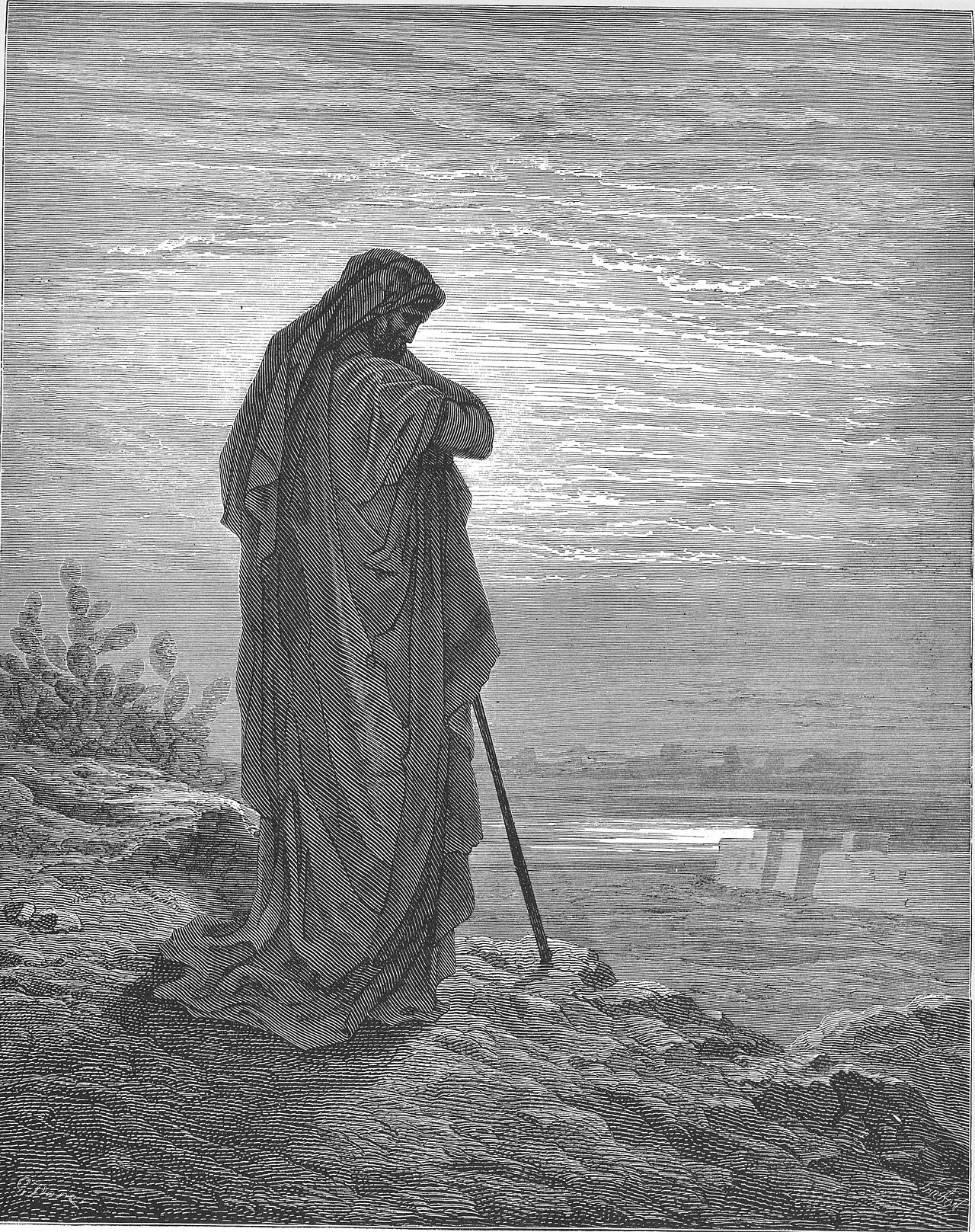
This page draws on Adam Clarke, Commentary on the Bible; Albert Barnes, Notes, Explanatory and Practical, on the Old and New Testaments (1832-1869); Jamieson, Fausset & Brown, Commentary Critical and Explanatory on the Whole Bible; Jerome, Commentary on Amos; John Gill, Exposition of the Old Testament (1748-1763); John Wesley, Explanatory Notes upon the Old Testament and Matthew Henry, Commentary on the Whole Bible.