

1 Corinthians 13 · Value 3 of 41 · Featured Study
Love
Love in Scripture is the self-giving goodwill God shows in Christ and commands of His people toward Him and toward one another.
On the night before He died, Jesus washed His disciples' feet and told them that everyone would know them as His disciples by their love for one another.
And now these three remain: faith, hope, and love; but the greatest of these is love.
- Anchor text
- 1 Corinthians 13:4 “Love is patient,…”
- Its opposite
- Hatred, love of self and love grown cold
- Hold in memory
- 1 Corinthians 13:13, 1 John 4:19
Summary
Love in Scripture begins with God, who chose Israel because He loved it and gave His Son for the world. The Law commands love for the LORD with the whole heart, and it commands love for the neighbor and the foreigner as for oneself. Jesus carried that love even to enemies.
- Every other command of the Law and the Prophets hangs on love for God and love for the neighbor.
- Love outlasts prophecy, tongues and knowledge.
- Love is shown in deeds: carrying burdens, sharing with the needy and forgiving.
What Love Is
Love is the goodwill God shows and commands, and four words of Hebrew and Greek carry its meaning.
What does Scripture mean by love, where does that love come from, and how is it lived toward God, toward the neighbor and toward an enemy? It opens with the four Hebrew and Greek words for love and the key texts from the Law to Revelation. It gives the commands to love, the ground of love in God's own love, and the love Jesus showed at the supper, in a parable and on the cross. It names the people who loved, the practice of love and what stands against it, the stories that show it, the church's witnesses and teachers, and what the science has found. Five studies take each part further, and three questions close it.
Ahavah, love
38 uses in the canon
The Hebrew noun ahavah (H160 in Strong's numbering of the Hebrew words) means love. It is the word of the Song of Solomon and of Jonathan's love for David.
Chesed, loving devotion
247 uses in the canon
The Hebrew noun chesed (H2617) is loyal love, and Psalm 136 sets it, as loving devotion, in every verse.
Agape, love
114 uses in the canon
The Greek noun agape (G26) is the word of 1 Corinthians 13 and of the fourth chapter of 1 John. Its verb is agapao (G25).
Phileo, to love as a friend
25 uses in the canon
The Greek verb phileo (G5368) means to love with the affection of a friend, and the crowd at the tomb of Lazarus used it of Jesus.
Ahavah, love, Chesed, loving devotion, Agape, love, Phileo, to love as a friend, The Words Agape, Philia, Chesed and Ahavah, the study in brief
The Key Texts of Love
Love is commanded and shown in every part of the canon, from the Shema to the praise of the One who loves us.
Law
And you shall love the LORD your God with all your heart and with all your soul and with all your strength.
Moses commands Israel to love the LORD with all the heart, soul and strength.
Law
Do not seek revenge or bear a grudge against any of your people, but love your neighbor as yourself. I am the LORD.
The Law puts love of the neighbor in the place of revenge and grudges.
Law
You must treat the foreigner living among you as native-born and love him as yourself, for you were foreigners in the land of Egypt. I am the LORD your God.
The Law gives the foreigner living in the land the love a native receives.
History
Therefore watch yourselves carefully, that you love the LORD your God.
Joshua's last charge to the leaders of Israel is to love the LORD their God.
Joshua 23:11BSB
Wisdom
Set me as a seal over your heart, as a seal upon your arm. For love is as strong as death, its jealousy as unrelenting as Sheol. Its sparks are fiery flames, the fiercest blaze of all.
The Song calls love as strong as death.
Prophets
The LORD appeared to us in the past, saying: “I have loved you with an everlasting love; therefore I have drawn you with loving devotion.
The LORD tells His people that He has loved them with an everlasting love.
Gospels
Jesus declared, “‘Love the Lord your God with all your heart and with all your soul and with all your mind.’ This is the first and greatest commandment. And the second is like it: ‘Love your neighbor as yourself.’
Jesus names love of God and love of neighbor the first and second commandments.
Gospels
For God so loved the world that He gave His one and only Son, that everyone who believes in Him shall not perish but have eternal life.
God's love for the world is measured by the gift of His Son.
John 3:16BSB
Acts and Epistles
But God proves His love for us in this: While we were still sinners, Christ died for us.
Paul says that God proves His love in Christ's death for sinners.
Romans 5:8BSB
Revelation
and from Jesus Christ, the faithful witness, the firstborn from the dead, and the ruler of the kings of the earth. To Him who loves us and has released us from our sins by His blood,
John praises the One who loves His people and released them from their sins by His blood.
Leviticus 19:18, Leviticus 19:34, Joshua 23:11, Song of Solomon 8:6, Jeremiah 31:3, Matthew 22:37 to 39, John 3:16, Romans 5:8 and 1 more
Where Scripture Commands Love
The Law, Jesus and the apostles command love for God, for the neighbor, for the foreigner and for the enemy.
The commands to love came through Moses as the heart of the Law, and they reached past Israel to the stranger living in the land.
When an expert in the law asked Jesus which commandment was the greatest, Jesus joined the two commands and said, "All the Law and the Prophets hang on these two commandments" (Matthew 22:40).
He widened the neighbor to include the enemy.
But I tell you, love your enemies and pray for those who persecute you,Jesus commands love for enemies and prayer for those who persecute.
On His last night He set His own love as the measure of theirs.
A new commandment I give you: Love one another. As I have loved you, so you also must love one another. By this everyone will know that you are My disciples, if you love one another.”Jesus gives a new commandment and makes love the mark of His disciples.
The apostles carry the same command. Paul writes that "love is the fulfillment of the law" (Romans 13:10), and John writes, "Whoever loves God must love his brother as well" (1 John 4:21).
The entire law is fulfilled in a single decree: “Love your neighbor as yourself.”Paul finds the entire law fulfilled in a single decree from Leviticus.
Matthew 5:44, John 13:34 to 35, Galatians 5:14
Love Rests on God's Own Love
Moses, the prophets, the prayer of Jesus and the first letter of John each speak of the love God has shown.
Scripture shows God loving before it asks love of His people. Moses told Israel that the LORD had not chosen them because they were many, "But because the LORD loved you and kept the oath He swore to your fathers" (Deuteronomy 7:8).
The prophets speak of that love as a father's. "When Israel was a child, I loved him, and out of Egypt I called My son" (Hosea 11:1). When Israel went after the Baals, the LORD would not give Ephraim up (Hosea 11:2 and Hosea 11:8).
Love stands within God Himself. Jesus said to the Father, "You loved Me before the foundation of the world" (John 17:24), and He prayed "that the love You have for Me may be in them" (John 17:26).
John states it in three words, "God is love" (1 John 4:8). He shows where that love was revealed: "God sent His one and only Son into the world, so that we might live through Him" (1 John 4:9). The command to love rests on that gift, for "We love because He first loved us" (1 John 4:19).
But because of His great love for us, God, who is rich in mercy, made us alive with Christ even when we were dead in our trespasses. It is by grace you have been saved!Paul ties God's great love to His making the dead alive with Christ.
For I am convinced that neither death nor life, neither angels nor principalities, neither the present nor the future, nor any powers, neither height nor depth, nor anything else in all creation, will be able to separate us from the love of God that is in Christ Jesus our Lord.Paul says that nothing in all creation can separate believers from God's love in Christ.
Ephesians 2:4 to 5, Romans 8:38 to 39, God Is Love, the study in brief
Jesus and Love
The Gospels show Jesus loving His own to the end, teaching love for the neighbor in a parable and laying down His life.
He washed His disciples' feetJohn 13
On the evening before the Passover, John writes, "Having loved His own who were in the world, He loved them to the very end" (John 13:1). Jesus rose from the supper, wrapped a towel around His waist and washed His disciples' feet.
I have set you an example so that you should do as I have done for you.
John 13:15BSB Jesus makes the washing an example for His disciples to follow.
He told of the Samaritan who showed mercyLuke 10
An expert in the law asked Jesus who his neighbor was (Luke 10:29), and Jesus told of a man beaten by robbers on the road. A priest and a Levite passed by on the other side, and a Samaritan bandaged his wounds and took him to an inn.
Which of these three do you think was a neighbor to the man who fell into the hands of robbers?” “The one who showed him mercy,” replied the expert in the law. Then Jesus told him, “Go and do likewise.”
Luke 10:36 to 37BSB Jesus turns the question from who is a neighbor to who showed mercy.
He laid down His lifeJohn 15
Jesus spoke to His disciples of His death on the night He was betrayed, and the next day He was crucified.
Greater love has no one than this, that he lay down his life for his friends.
John 15:13BSB Jesus names the giving of a life for friends as the greatest love.
Read the page on the Crucifixion 12 sections, 12 verses set out
He told of the Samaritan who showed mercy (Luke 10), He laid down His life (John 15)
Who Loved
Ten men, women and households of the Bible show love, from Abraham with his son to Paul spending himself for the churches.

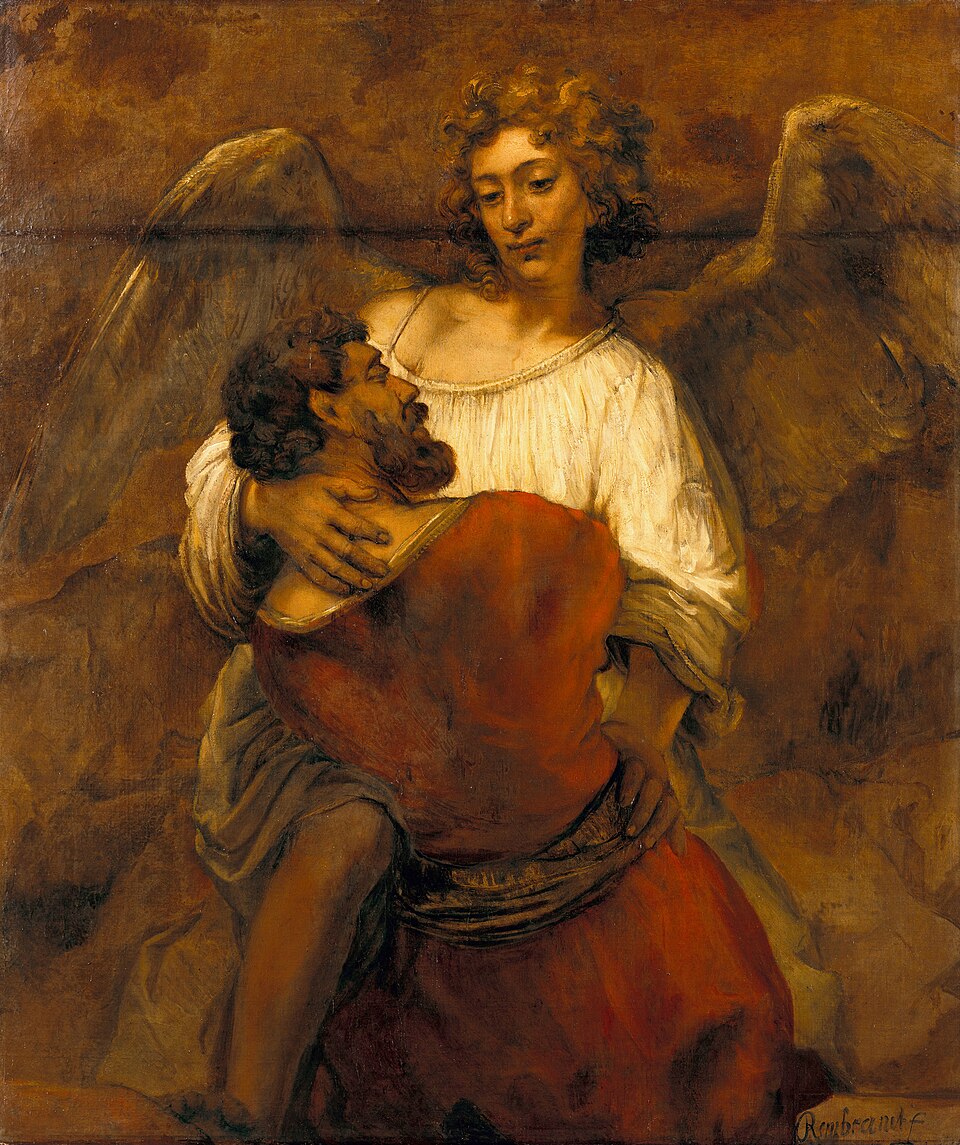
He served seven years for Rachel, and they seemed only a few days because of his love for her.
Genesis 29:20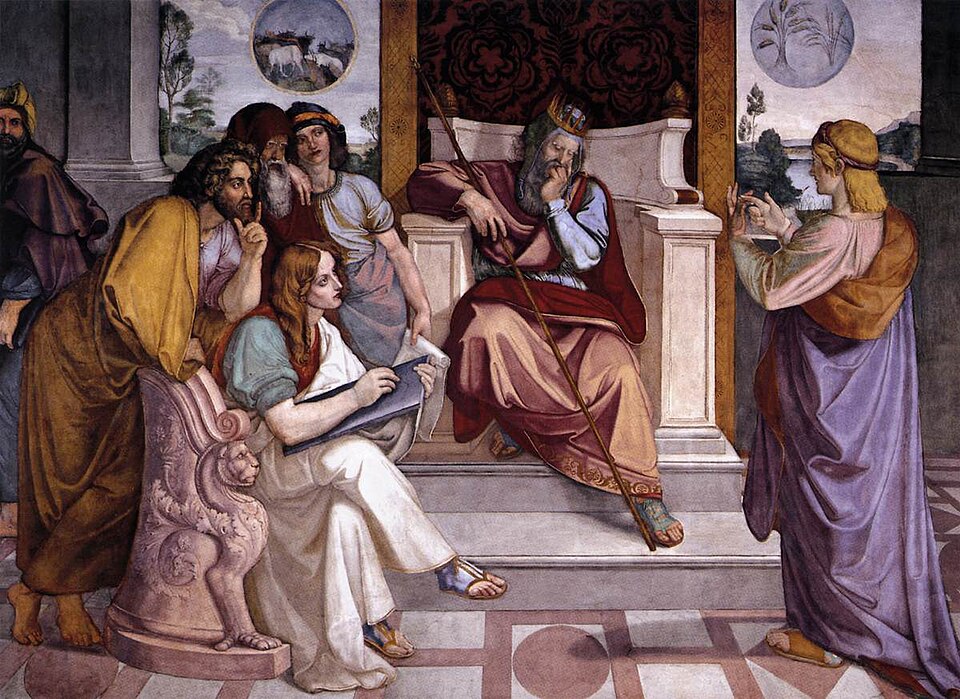
He told the brothers who had sold him that he would provide for them and their little ones, and he spoke kindly to them.
Genesis 50:21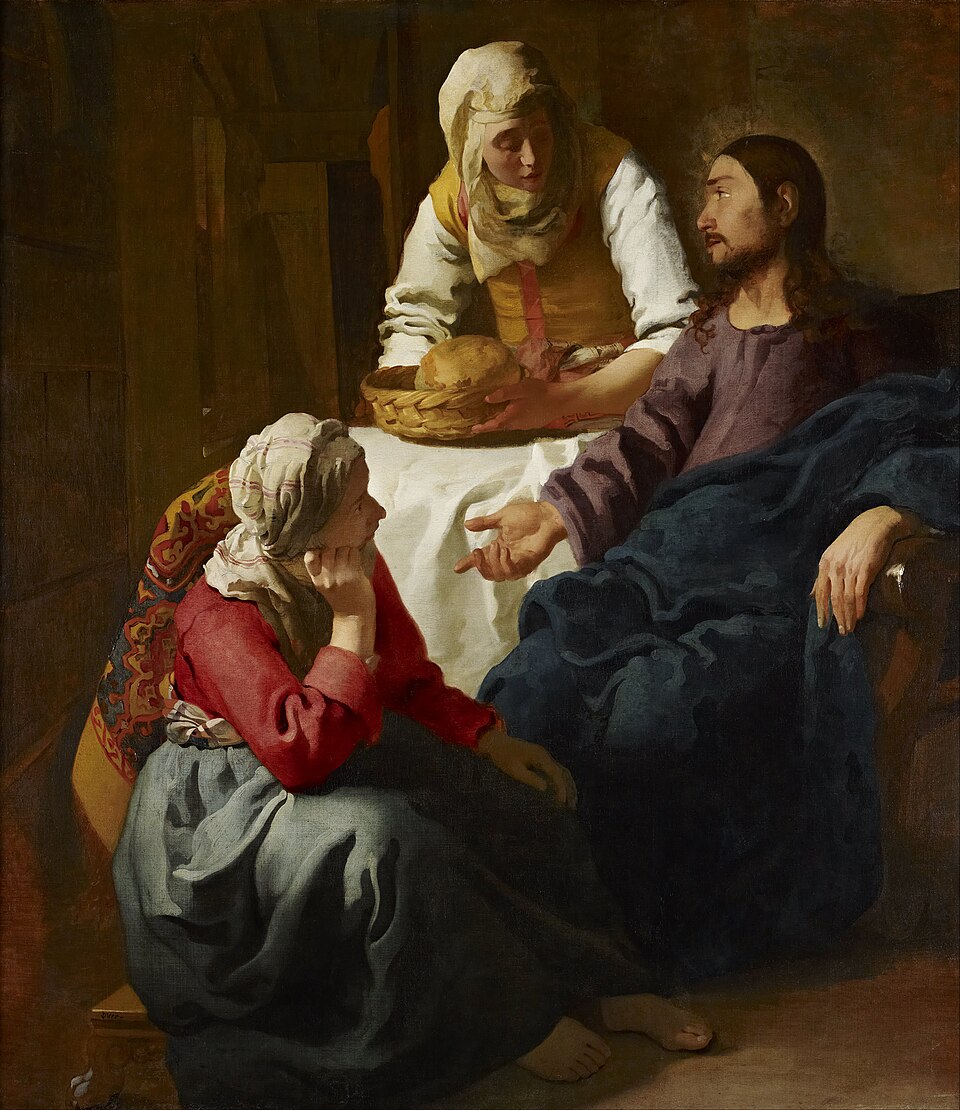
She anointed Jesus' feet with a pint of pure nard and wiped them with her hair.
John 12:3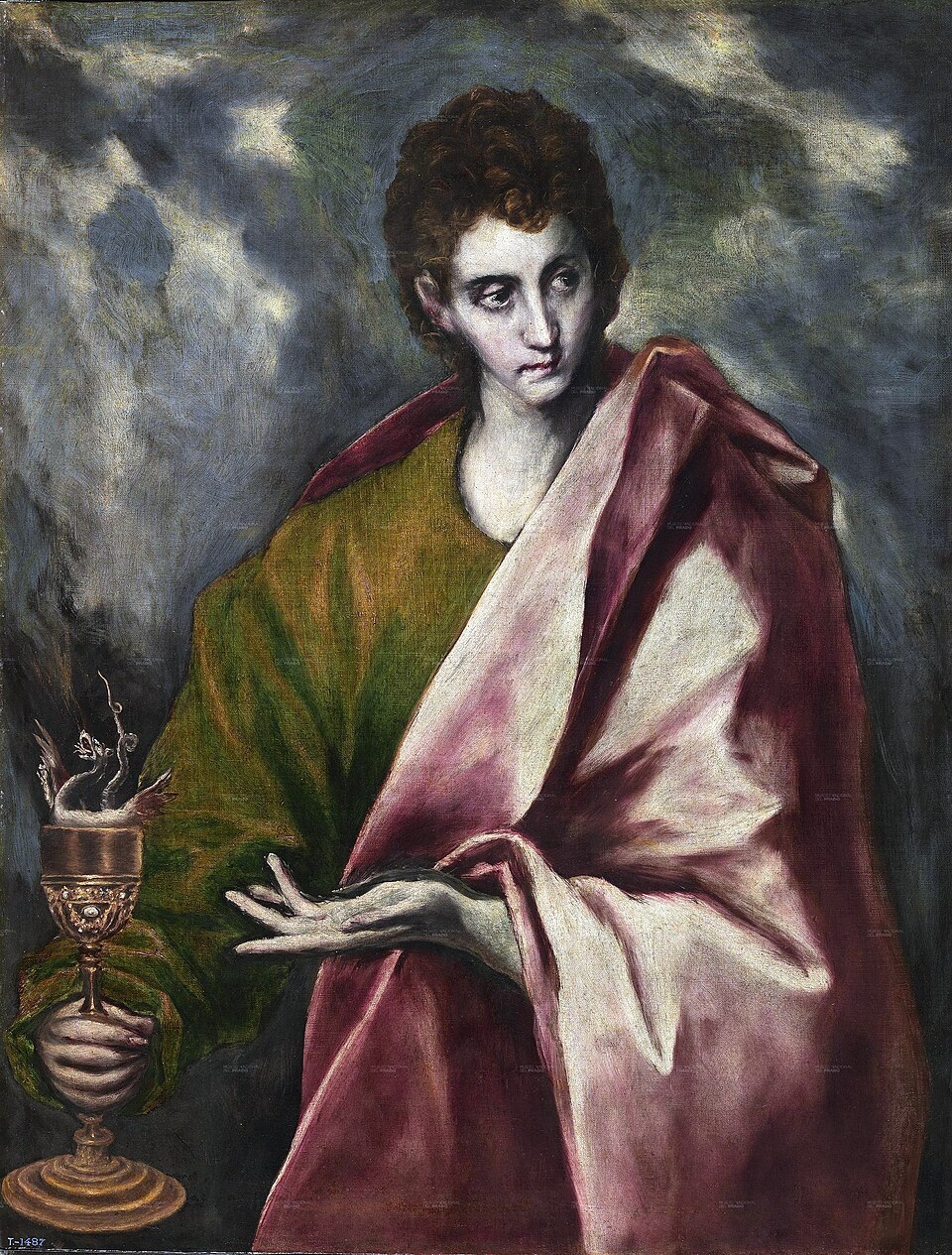
The disciple whom Jesus loved took Jesus' mother into his home from the hour of the cross.
John 19:27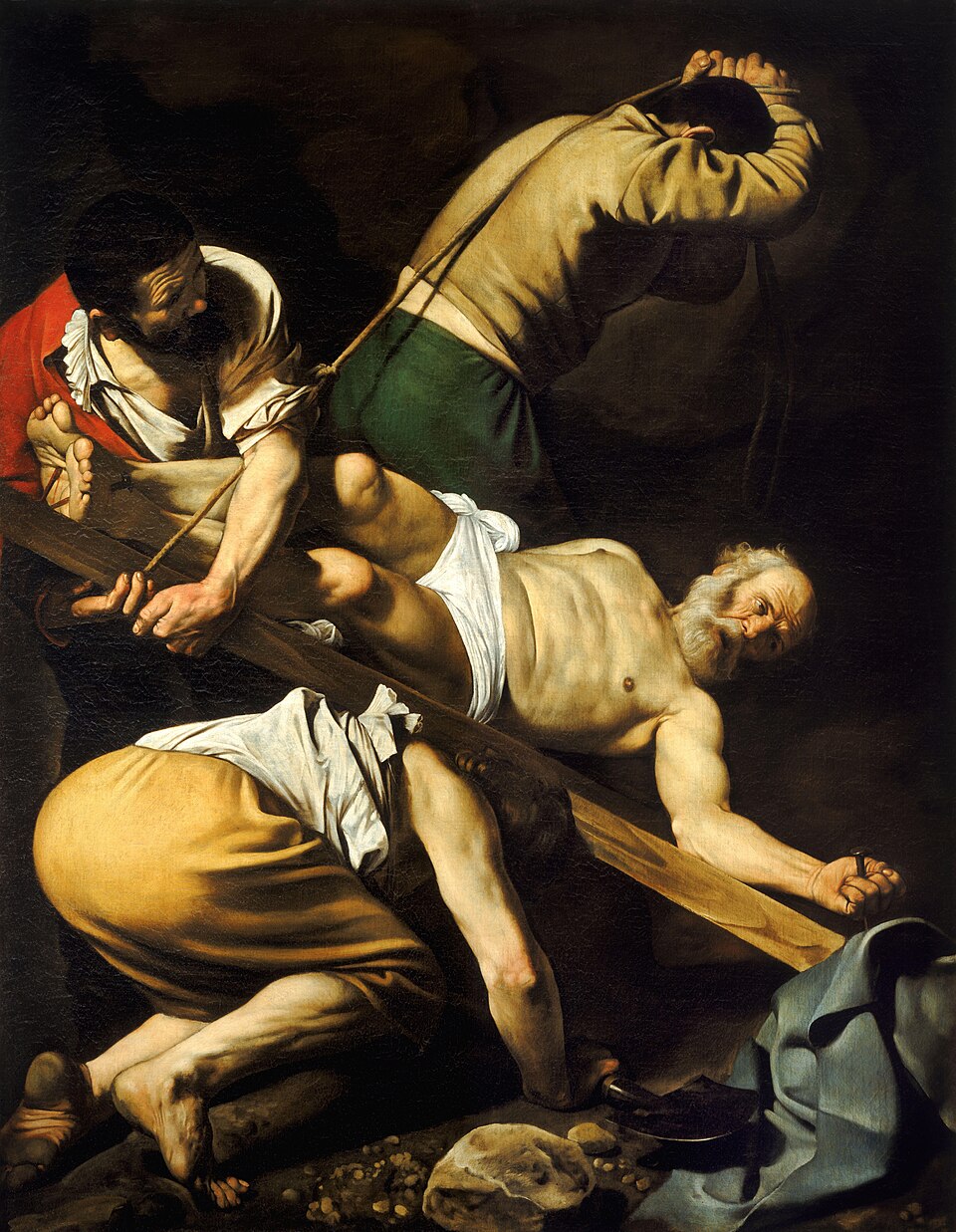
Asked three times by the risen Jesus, he answered that Jesus knew all things and knew that he loved Him.
John 21:17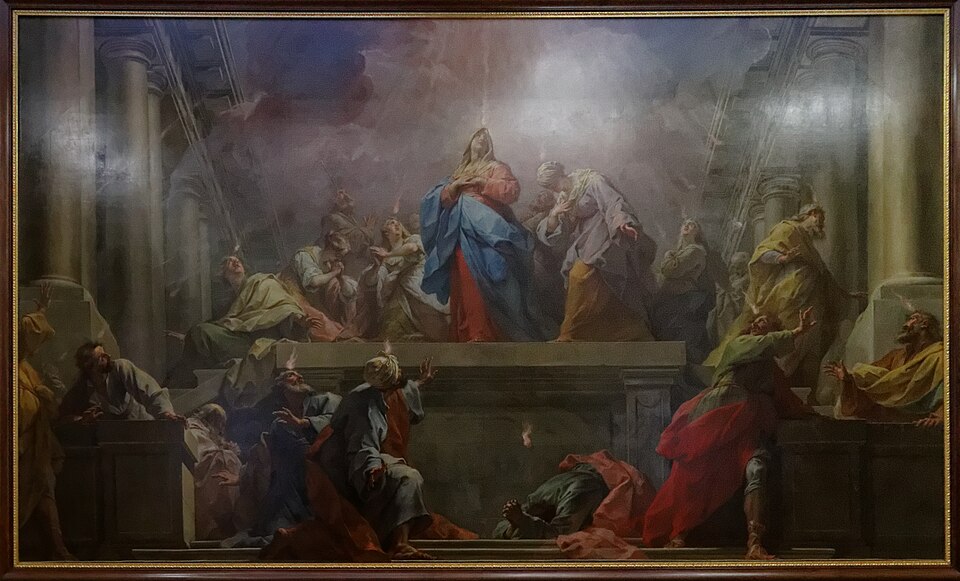
The believers were one in heart and soul and shared what they owned with anyone in need.
Acts 4:32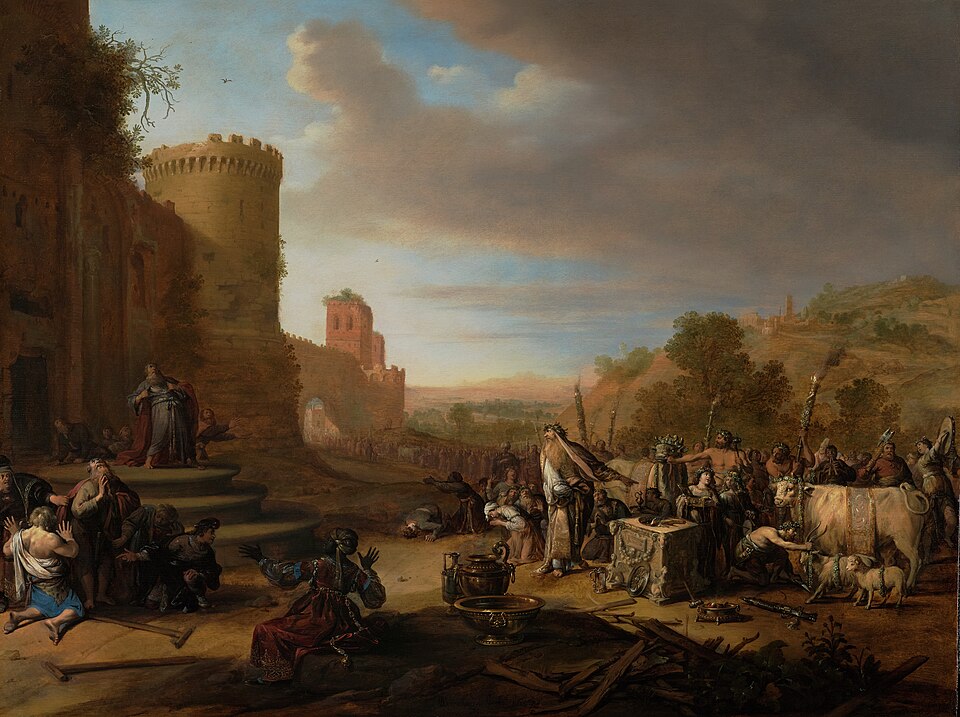
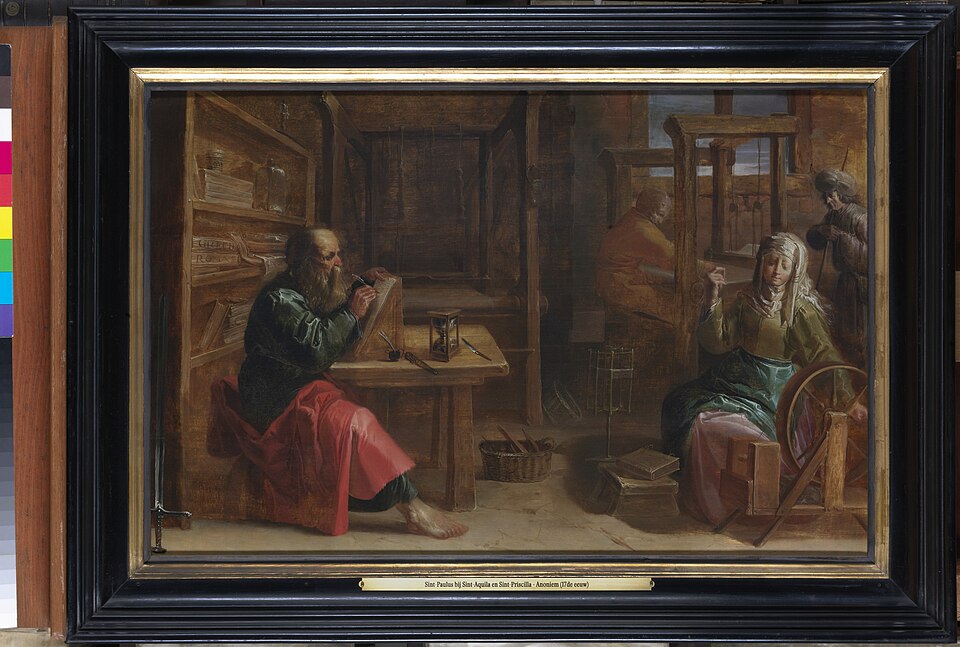

He wrote that he would gladly spend his money and himself for the souls of the Corinthians.
2 Corinthians 12:15
Joseph, Mary of Bethany, John the apostle, Peter, The church in Jerusalem, Barnabas, Priscilla and Aquila, Paul
The Practice of Love
Scripture names eight practices of love, each with the verse that gives it.
- 1Serve one anotherPaul tells those called to freedom to serve one another in love.Galatians 5:13
- 2Carry one another's burdensPaul writes that carrying one another's burdens fulfills the law of Christ.Galatians 6:2
- 3Share with those in needJohn asks how the love of God can abide in one who sees a brother in need and withholds compassion.1 John 3:17
- 4Practice hospitalityHebrews tells believers not to neglect hospitality to strangers.Hebrews 13:2
- 5Bless and pray for those who mistreat youJesus tells His hearers to bless those who curse them and to pray for those who mistreat them.Luke 6:28
- 6Feed a hungry enemyPaul tells believers to give food and drink to an enemy who is hungry and thirsty.Romans 12:20
- 7Cover sins with lovePeter puts deep love for one another above all, because love covers a multitude of sins.1 Peter 4:8
- 8Keep His commandmentsJesus says that those who love Him will keep His commandments.John 14:15
Carry one another's burdens, Share with those in need, Practice hospitality, Bless and pray for those who mistreat you, Feed a hungry enemy, Cover sins with love, Keep His commandments
What Stands Against Love
Hatred, love turned toward the wrong things and love grown cold stand against love in Scripture.
Scripture sets hatred against love from its first family, and John writes of the one who will not love, "The one who does not love remains in death" (1 John 3:14).
Paul sets love above knowledge and every gift: "Knowledge puffs up, but love builds up" (1 Corinthians 8:1).
Because of the multiplication of wickedness, the love of most will grow cold.
Jesus warns that the love of most will grow cold as wickedness multiplies.
For men will be lovers of themselves, lovers of money, boastful, arrogant, abusive, disobedient to their parents, ungrateful, unholy,
Paul names lovers of themselves and of money among the marks of the last days.
Do not love the world or anything in the world. If anyone loves the world, the love of the Father is not in him.
John sets love of the world against the love of the Father.
1 John 2:15BSB
But I have this against you: You have abandoned your first love.
The risen Christ tells a hard-working church that it has abandoned its first love.
2 Timothy 3:2, 1 John 2:15, Revelation 2:4
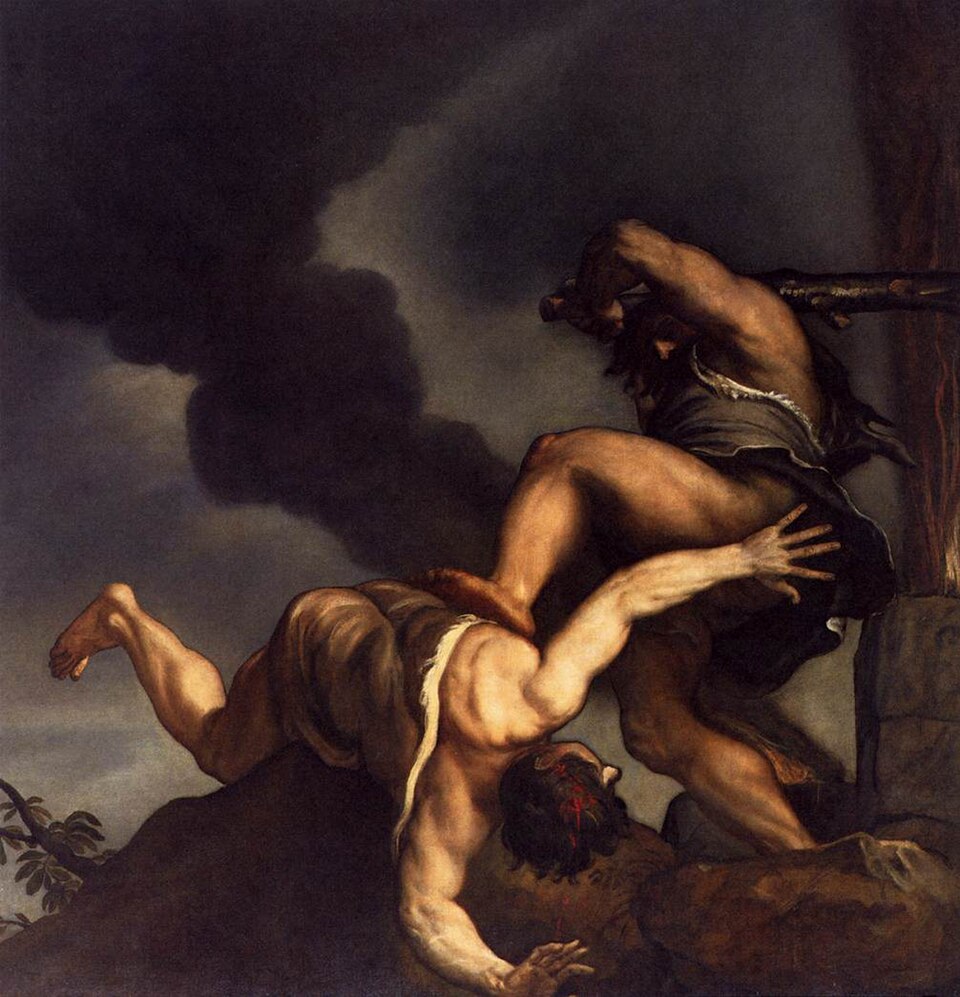
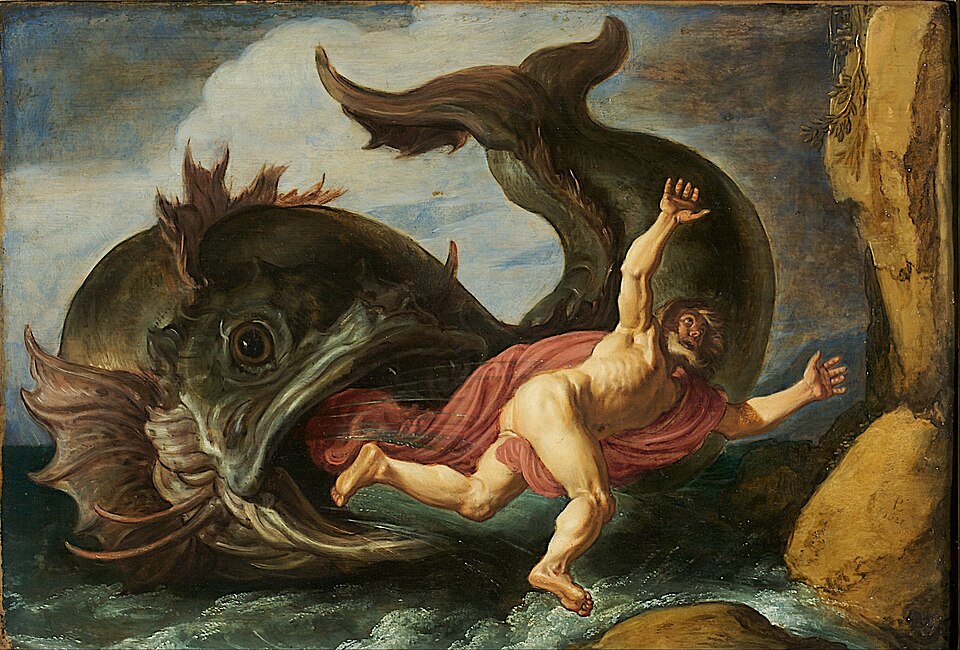
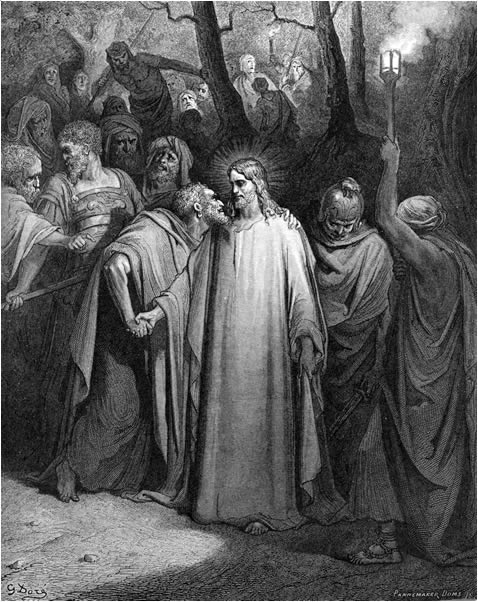
Matthew 24:12, 2 Timothy 3:2, 1 John 2:15, Revelation 2:4, Cain, Jonah, Judas Iscariot
Love in the Stories of the Bible
Four stories tell of love between two friends, a widow and her daughter-in-law, a prophet and his wife, and a forgiven woman and her Lord.
Jonathan and David1 Samuel 18
After David had finished speaking with Saul, "the souls of Jonathan and David were knit together, and Jonathan loved him as himself" (1 Samuel 18:1). Jonathan gave David his robe, his sword and his bow, and when Saul sought David's life he warned him and sent him away in peace. When Jonathan fell in battle, David lamented, "your love to me was extraordinary, surpassing the love of women" (2 Samuel 1:26).
Ruth and NaomiRuth 1
In Moab Naomi lost her husband and both her sons, and she urged her Moabite daughters-in-law to go back to their mothers' homes. Ruth clung to her and said, "your people will be my people, and your God will be my God" (Ruth 1:16). In Bethlehem the women told Naomi that her daughter-in-law loved her and was better to her than seven sons (Ruth 4:15).
Hosea and GomerHosea 3
The LORD told Hosea to take a wife of adultery as a sign of a land that had departed from Him, and Hosea married Gomer daughter of Diblaim (Hosea 1:2 to 3). Then the LORD sent him to love her again, "as the LORD loves the Israelites, though they turn to other gods" (Hosea 3:1). Hosea bought her back for fifteen shekels of silver and a homer and a lethech of barley (Hosea 3:2).
The woman who loved muchLuke 7
A Pharisee named Simon invited Jesus to eat with him, and a sinful woman of the town wet His feet with her tears, wiped them with her hair and anointed them. Jesus told Simon of two debtors, one forgiven five hundred denarii and the other fifty, and asked which would love the moneylender more. Of the woman He said, "because her many sins have been forgiven, she has loved much" (Luke 7:47).
Ruth and Naomi (Ruth 1), Hosea and Gomer (Hosea 3), The woman who loved much (Luke 7)
Love in the Church's History
Five accounts, from Tertullian to Julian, tell of a common fund, of nursing in the plagues, of a house for the sick and of a pagan emperor's complaint.
Tertullian197
Tertullian of Carthage described in his Apology how the church kept a common fund to support and bury the poor and to help orphans, the old, the shipwrecked and Christians in prison. He reported what pagans said of the Christians: "But it is mainly the deeds of a love so noble that lead many to put a brand upon us. See, they say, how they love one another" (chapter 39, translated by S. Thelwall, 1885).
Dionysius of Alexandriathe third century
Dionysius, bishop of Alexandria, wrote an Easter letter during a plague, and Eusebius kept it in his Church History (book 7, chapter 22). Of his people he wrote, "They held fast to each other and visited the sick fearlessly", and he wrote that many who nursed the sick died with them.
Cyprian and Pontius252
When plague reached Carthage in 252, its bishop Cyprian preached On the Mortality and asked whether "they who are in health tend the sick" (section 16). His deacon Pontius wrote that the good was done "to all men, not to those only who are of the household of faith" (Life of Cyprian, chapter 10).
Basil of Caesareadied 379
In his funeral oration for Basil, Gregory of Nazianzus described the house Basil built outside the city for the sick and for lepers, "the new city, the storehouse of piety" (Oration 43, section 63), and he called Basil the one "who kissed the lepers".
Julian362
The pagan emperor Julian wrote to Arsacius, high priest of Galatia, and ordered hostels in every city. He gave his reason: "the impious Galilaeans support not only their own poor but ours as well" (Letter 22, translated by W. C. Wright, 1923).
Dionysius of Alexandria (the third century), Cyprian and Pontius (252), Basil of Caesarea (died 379), Julian (362)
Voices on Love, by Century
Four voices, each quoted from a work in the public domain under the line that says what he teaches.
died 202 · Irenaeus
Against Heresies Book IV
Second and third centuries. Without love, knowledge, faith and prophecy avail nothing, and love makes a person perfect.
The quotation1 quotation
“And Paul in like manner declares, ‘Love is the fulfilling of the law:’ and [he declares] that when all other things have been destroyed, there shall remain ‘faith, hope, and love; but the greatest of all is love;’ and that apart from the love of God, neither knowledge avails anything, nor the understanding of mysteries, nor faith, nor prophecy, but that without love all are hollow and vain; moreover, that love makes man perfect; and that he who loves God is perfect, both in this world and in that which is to come.”
Irenaeus · Against Heresies Book IV · on 1 Corinthians 13:2Patristic
died 215 · Clement of Alexandria
The Stromata Book 4
Second and third centuries. Love does no ill to a neighbor, and so it fulfils the commands of the law.
The quotation1 quotation
“‘God,’ then, being good, ‘is love,’ it is said. Whose ‘love worketh no ill to his neighbour,’ neither injuring nor revenging ever, but, in a word, doing good to all according to the image of God. ‘Love is,’ then, ‘the fulfilling of the law;’ like as Christ, that is the presence of the Lord who loves us; and our loving teaching of, and discipline according to Christ. By love, then, the commands not to commit adultery, and not to covet one's neighbour's wife, are fulfilled.”
Clement of Alexandria · The Stromata Book 4 · on 1 John 4:8Patristic
died 397 · Ambrose of Milan
Letter 78, To Horontianus
Fourth century. Love that bears all things casts out fear, even the fear of martyrdom.
The quotation1 quotation
“He that has this charity fears nothing, for charity casteth out fear; and fear being thus banished and thrown aside, charity beareth all things, endureth all things. He who by charity endures all things, cannot fear martyrdom; and so in another place he speaks as a conqueror at the end of his course, The world is crucified unto me, and I unto the world.”
Ambrose of Milan · Letter 78, To Horontianus · on 1 Corinthians 13:7Patristic
1662 to 1714 · Matthew Henry
Commentary on the Whole Bible
Eighteenth century. A lavish hand can give alms out of pride with no true love to God or to people.
The quotation1 quotation
“There may be an open and lavish hand, where there is no liberal and charitable heart. The external act of giving alms may proceed from a very ill principle. Vain-glorious ostentation, or a proud conceit of merit, may put a man to large expense this way who has no true love to God nor men.”
Matthew Henry · Commentary on the Whole Bible · on 1 Corinthians 13:3Puritan
Ambrose of Milan, Matthew Henry
How Love Has Been Taught
Augustine, Bernard, Aquinas, Luther, the Westminster divines, Edwards, Wesley and Drummond taught love from the fifth century to the nineteenth.
Augustine set out the order of love1 paragraph
Augustine headed a chapter of On Christian Doctrine The Order of Love (book 1, chapter 27, translated by J. Shaw, 1887). There he wrote that the one who lives justly "neither loves what he ought not to love, nor fails to love what he ought to love".
Bernard measured love by God Himself1 paragraph
Bernard of Clairvaux opened On Loving God with the answer that "the reason for loving God is God Himself; and the measure of love due to Him is immeasurable love" (chapter 1). He counted four degrees of love, and in chapter 10 he wrote, "How blessed is he who reaches the fourth degree of love, wherein one loves himself only in God!"
Aquinas called charity friendship with God1 paragraph
Thomas Aquinas wrote that "charity is the friendship of man for God" (Summa Theologiae, second part of the second part, question 23, article 1, English Dominican translation, 1920). He also wrote that charity "gives the form to all other acts of virtue" (article 8).
Luther set faith toward Christ and love toward the neighbor1 paragraph
Martin Luther wrote in Concerning Christian Liberty (1520) that a Christian lives "in Christ by faith; in his neighbour by love."
The Westminster divines summed the second table in love1 paragraph
The Westminster Larger Catechism of 1648 gives one line as the sum of man's duty to man (question 122). It reads, "to love our neighbor as ourselves, and to do to others what we would have them do to us."
Edwards preached love as the sum of saving virtue1 paragraph
Jonathan Edwards preached on 1 Corinthians 13 at Northampton in 1738, and the sermons were printed in 1852 as Charity and Its Fruits. In the first lecture he taught that "all virtue that is saving or distinguishing of true Christians, is summed up in Christian love".
Wesley defined Christian perfection as pure love1 paragraph
John Wesley wrote in A Plain Account of Christian Perfection, "Scripture perfection is, pure love filling the heart, and governing all the words and actions."
Drummond held love greater than faith1 paragraph
Henry Drummond's address on 1 Corinthians 13, which D. L. Moody first heard in England in 1884, divided love into nine ingredients and taught that "Love is greater than faith, because the end is greater than the means" (The Greatest Thing in the World).
Where the Science Speaks
Studies of social ties, giving and volunteering find links with survival and happiness.
Holt-Lunstad, Smith and Layton (2010) combined 148 studies of 308,849 people and found a 50 percent greater likelihood of survival among those with stronger social relationships. The studies observed people and measured social connection, so they show a link and do not show the cause.
Dunn, Aknin and Norton (2008) found that people assigned to spend money on others reported more happiness than people assigned to spend it on themselves. A registered replication by Aknin and others (2020) found the effect in its first experiment and did not find it in its second, which tested 1,950 adults.
Okun, Yeung and Brown (2013) combined studies of volunteers aged 55 and over and found their risk of death 24 percent lower once other factors were allowed for. The studies agree with the Bible's picture of people made for love of neighbor, and they stand as later and smaller witnesses and never as the reason for it.
Five Studies of Love
Each study takes one part of love further, grouped by the texts, the stories and the words.
The texts
2 studies
- Passages and psalms · 12 verses set outLove Is Patient
Paul describes love in fifteen statements of what it does and does not do, written to a divided church at Corinth.
- Doctrines · 25 verses set outGod Is Love
Two verses of one chapter state it, and the texts behind it run from Exodus to Romans.
- Passages and psalms · 12 verses set outLove Is Patient
The stories
1 study
- Stories · 4 verses set outSee How They Love One Another
Tertullian reported the saying at Carthage, and the accounts of care for the sick come from Alexandria, Carthage and Caesarea in the third and fourth centuries.
- Stories · 4 verses set outSee How They Love One Another
The words
2 studies
- Symbols and words · 10 verses set outThe Words Agape, Philia, Chesed and Ahavah
Ahavah and chesed in Hebrew and agape and philia in Greek are four of Scripture's words for love, with 38, 247, 114 and 1 uses as the site's lexicon counts them.
- Doctrines · 17 verses set outHesed, the LORD's Loving Devotion
A Hebrew noun found in 241 verses of twenty-eight books of the Old Testament, 127 of them in the Psalms.
- Symbols and words · 10 verses set outThe Words Agape, Philia, Chesed and Ahavah

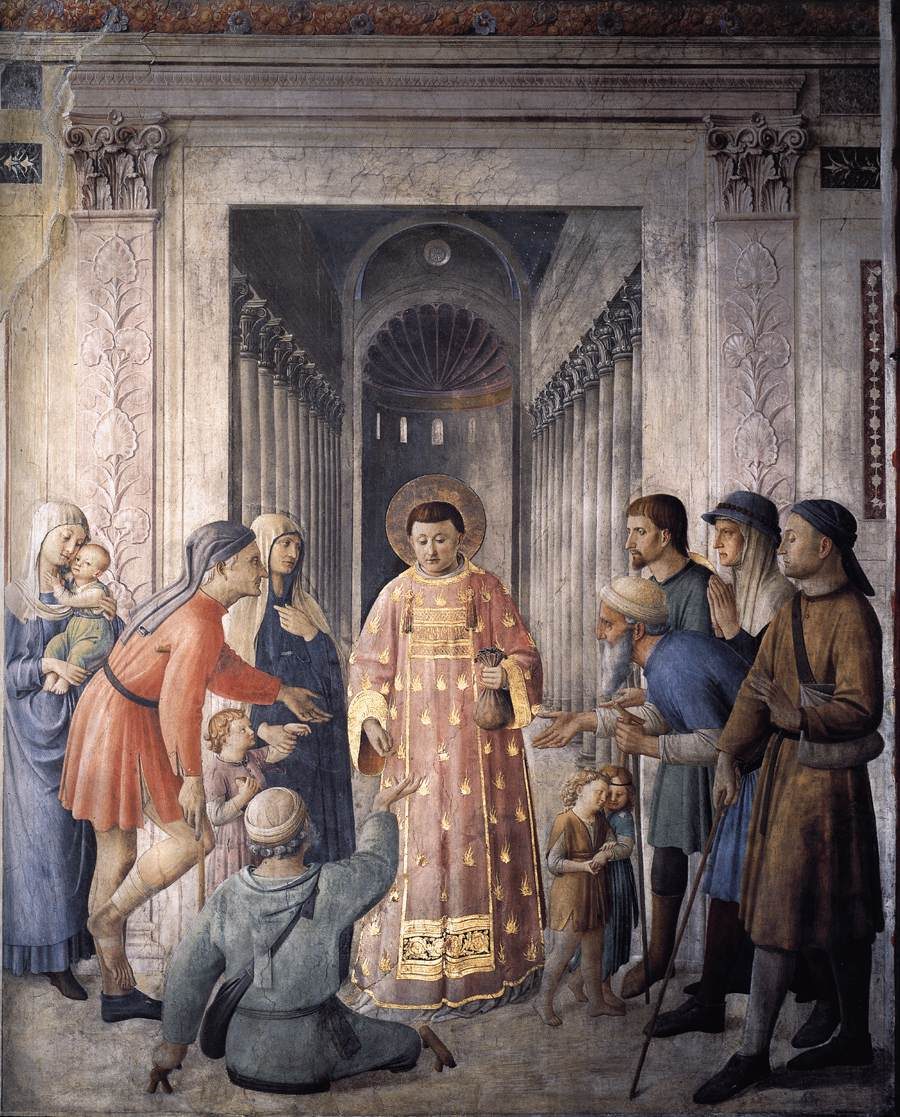
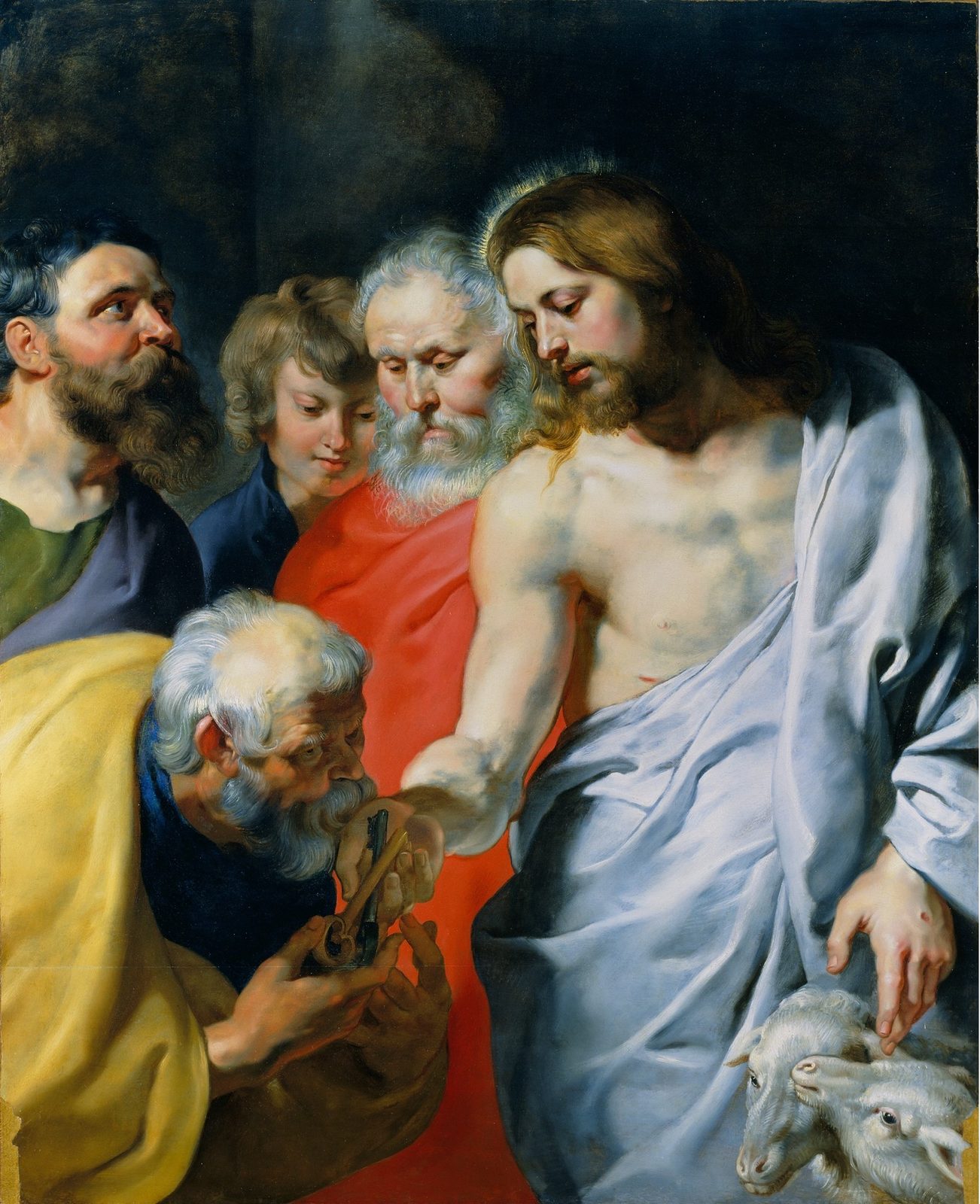
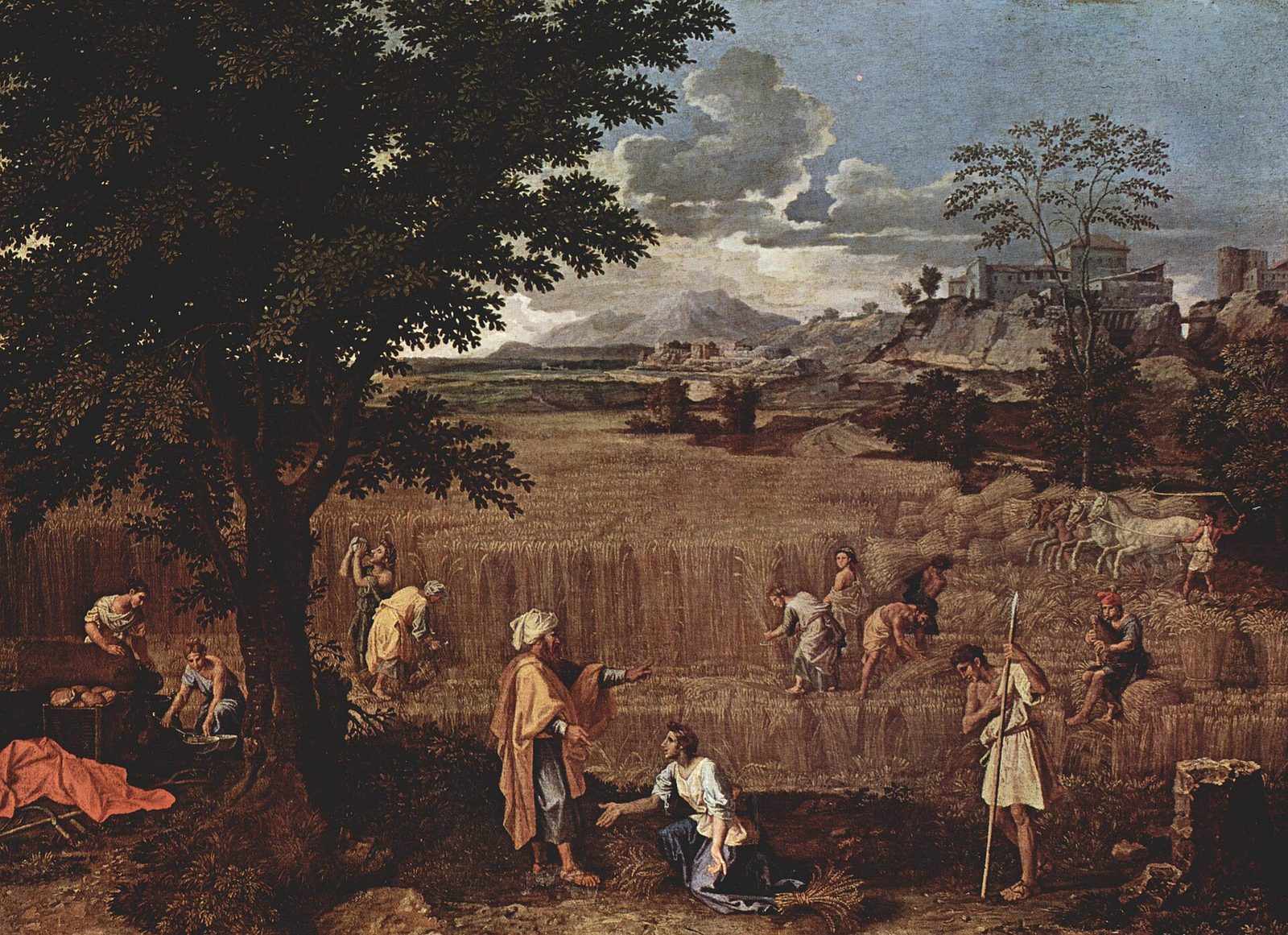
God Is Love, See How They Love One Another, The Words Agape, Philia, Chesed and Ahavah, Hesed, the LORD's Loving Devotion
Where Readers Disagree
Each reading names its holders, the work that argues it and the objection raised against it.
The two verbs of John 21 (John 21:15 to 17)
Read the study of the Words Agape, Philia, Chesed and Ahavah 9 sections, 10 verses set out
| Reading | Held by | Work | Objection |
|---|---|---|---|
| Two shades of love | Adam Clarke (Methodist) | Clarke, Commentary on the Bible (1832), on John 21:15 to 17 | John gives both verbs to the Father's love for the Son (John 3:35 and John 5:20), which suggests that he uses them as one love. |
| One love named by two words | Augustine of Hippo (Patristic) | Augustine, Tractates on John, tractate 123 | Jesus changes His verb at the third question while the answers keep theirs, and readers who hold the verbs distinct read the change as deliberate. |
As yourself (Leviticus 19:18)
Read the page on the Golden Rule
| Reading | Held by | Work | Objection |
|---|---|---|---|
| The measure of the one command to love the neighbor | Augustine of Hippo (Patristic) | Augustine, Letter 177 | Augustine's own order of love counts the self among the things to be loved rightly (On Christian Doctrine, book 1). |
| A right love of self, assumed and taught, ordered under the love of God | Bernard of Clairvaux (Cistercian) | Bernard, On Loving God, chapters 8 to 10 | Jesus counts two commandments and not three (Matthew 22:38 to 40), and Paul warns against lovers of themselves (2 Timothy 3:2). |
God is love (1 John 4:8)
Read the study of God Is Love 11 sections, 25 verses set out
| Reading | Held by | Work | Objection |
|---|---|---|---|
| Love as God's reigning attribute | John Wesley; Albert Barnes (Methodist; American Presbyterian) | Wesley, Explanatory Notes upon the New Testament (1755), on 1 John 4:8; Barnes, Notes on 1 John 4:8 | John writes in the same letter that God is light (1 John 1:5), so the use of a noun does not by itself set love above God's other perfections. |
| Love as an excellence named in human words | Clement of Alexandria (Alexandrian patristic) | Clement of Alexandria, Comments on the First Epistle of John, Latin translation of Cassiodorus | John ties the sentence to the sending of the Son (1 John 4:9 to 10), so the love it names is shown in God's own act and is more than a way of speaking. |
| Love and light held together | Matthew Henry (English Presbyterian) | Henry, Commentary on the Whole Bible (1710), on 1 John 4:8 | Henry grants that love is essential to God, the ground of the first reading, so his reading may be an emphasis within it. |
Love as an excellence named in human words, Love and light held together
Sources
Scripture is the Berean Standard Bible.
- STEP Bible, Translators Brief lexicon of Extended Strongs for Hebrew and for Greek (Tyndale House, Cambridge), CC BY 4.0, with the Greek brief lexicon based on Abbott-Smith (1922)
- Tertullian, Apology, chapter 39, translated by S. Thelwall, 1885.
- Eusebius, Church History, book 7, chapter 22 (the letter of Dionysius of Alexandria), translated by A. C. McGiffert, 1890.
- Cyprian, On the Mortality, sections 14 and 16, translated by R. E. Wallis, 1886.
- Pontius the Deacon, The Life and Passion of Cyprian, chapters 9 and 10, in the English of the same volume.
- Gregory of Nazianzus, Oration 43, the funeral oration on Basil the Great, sections 63 and 64, translated by C. G. Browne and J. E. Swallow, 1894.
- Julian, Letter 22, to Arsacius, high priest of Galatia, in The Works of the Emperor Julian, volume 3, translated by W. C. Wright, Loeb Classical Library (London: Heinemann, 1923)
- The Catholic Encyclopedia (New York: Robert Appleton, 1908 to 1912), the articles Tertullian, Saint Cyprian of Carthage, Saint Dionysius of Alexandria and Saint Basil the Great.
- Augustine of Hippo, On Christian Doctrine, book 1, chapter 27, translated by J. Shaw, 1887.
- Bernard of Clairvaux, On Loving God, chapters 1 and 8 to 10.
- Thomas Aquinas, Summa Theologiae, II-II question 23, articles 1 and 8, English Dominican translation, second edition (1920)
- Martin Luther, Concerning Christian Liberty (1520), the Project Gutenberg text.
- The Westminster Larger Catechism (1648), question 122.
- Jonathan Edwards, Charity and Its Fruits, lecture 1, edited by Tryon Edwards (New York: Robert Carter, 1852)
- John Wesley, A Plain Account of Christian Perfection (1777 edition)
- Henry Drummond, The Greatest Thing in the World and Other Addresses, with D. L. Moody's introduction.
- Adam Clarke, Commentary on the Bible (1832), on John 21:15 to 17.
- Augustine of Hippo, Tractates on the Gospel of John, tractate 123.
- Augustine of Hippo, Letter 177.
- Clement of Alexandria, The Stromata, book 4.
- Irenaeus, Against Heresies, book 4.
- Ambrose of Milan, Letter 78, to Horontianus.
- Matthew Henry, Commentary on the Whole Bible (1710), on 1 Corinthians 13:3.
- John Wesley, Explanatory Notes upon the New Testament (1755), on 1 John 4:8.
- Albert Barnes, Notes, Explanatory and Practical, on 1 John 4:8.
- Clement of Alexandria, Comments on the First Epistle of John, from the Latin translation of Cassiodorus, on 1 John 4:16.
- Matthew Henry, Commentary on the Whole Bible (1710), on 1 John 4:8.
- J. Holt-Lunstad, T. B. Smith and J. B. Layton, Social relationships and mortality risk: a meta-analytic review, PLoS Medicine 7(7): e1000316 (2010)
- E. W. Dunn, L. B. Aknin and M. I. Norton, Spending money on others promotes happiness, Science 319(5870): 1687 to 1688 (2008)
- L. B. Aknin and others, Does spending money on others promote happiness?: A registered replication report, Journal of Personality and Social Psychology 119(2): e15 to e26 (2020)
- M. A. Okun, E. W. Yeung and S. Brown, Volunteering by older adults and risk of mortality: a meta-analysis, Psychology and Aging 28(2): 564 to 577 (2013)
Keep Studying
Studies10
In this value5
People and groups31
Show the next 6 titles
Show the next 6 titles
Show the next 6 titles
Show the next 6 titles
Show the next 1 title
Doctrines5
Values14