
Malachi 2:16
in Malachi 2“For I hate divorce,” says the LORD, the God of Israel. “He who divorces his wife covers his garment with violence,” says the LORD of Hosts. So guard yourselves in your spirit and do not break faith.
BSB
The same verse in ASV and KJV ▾
ASV
For I hate putting away, saith Jehovah, the God of Israel, and him that covereth his garment with violence, saith Jehovah of hosts: therefore take heed to your spirit, that ye deal not treacherously.
KJV
For the Lord, the God of Israel, saith that he hateth putting away: for one covereth violence with his garment, saith the Lord of hosts: therefore take heed to your spirit, that ye deal not treacherously.
⋯
This verse in Malachi 2
Commentary
9 notes on this verse(v. 13 ff.) And you have done this again, covering the altar of the Lord with tears, weeping and groaning, so that I will no longer look upon your sacrifices or accept anything pleasing from your hands. Yet you ask, 'Why?' Because the Lord has been witness between you and the wife of your youth, whom you have despised, though she is your companion and your wife by covenant. Did not one God create us all? Did not one God give us life and breath? And what does one seek, except the seed of God?
This site's exposition
And did not he make one
on Malachi 2:15-16
Did not he make one? Yet had he the residue of the spirit is among the most disputed sentences in the Twelve, and the bench divides over its exact sense: some read it of Adam and Eve, one flesh made from one pair though the Lord had spirit enough to make many, in order that he might seek a godly seed from a stable home; others connect it to Abraham, one man richly endowed yet seeking godly offspring through Isaac rather than through a plurality of wives. Verse 16 carries its own translation crux, rendered by the King James as the Lord that hateth putting away, and by other readings as a warning that the man who divorces covers his garment with violence, positions the commentators name without settling between them. What both readings agree on is the conclusion, therefore take heed to your spirit, that ye deal not treacherously, marital faithfulness required regardless of which grammatical path leads there.
The record, by era
The Puritans and the Awakening4 voices
Note, Those that would be kept from sin must take heed to their spirits, for there all sin begins; they must keep their hearts with all diligence, must keep a jealous eye upon them and a strict hand, and must watch against the first risings of sin there.
They did not perform their promises to them, but defrauded them of their maintenance or dower, or took in concubines, to share in the affection that was due to their wives only. [3.] They put them away, gave them a bill of divorce, and turned them off, nay, perhaps they did it without the ceremony that the law of Moses prescribed,
It is common for those who do violence to advance some specious pretence or other wherewith to cover it as with a garment. (2.) Let us see the proof and aggravations of the charge. [1.] It is sufficiently proved by the testimony of God himself: " The Lord has been witness between thee and the wife of thy youth (
quarantine:debris (2026-07-29) — unbalanced-parens+odd-straight-quotes
For the Lord the God of Israel saith, that he hateth putting away,....
The Nineteenth Century1 voice
For the Lord - hateth putting away - He abominates all such divorces, and him that makes them. Covereth violence with his garment - And he also notes those who frame idle excuses to cover the violence they have done to the wives of their youth, by putting them away, and taking others in their place, whom they now happen to like better, when their own wives have been worn down in domestic services.
2 more voices on this verse
The Nineteenth Century2 voices
A commentator
Jamieson, Fausset & Brown1802–1910
Commentary Critical and Explanatory on the Whole Bible (1871)
proposed
Eze 16:8) with injury." The Hebrew favors "garment," being accusative of the thing covered. Compare with English Version, Ps 73:6, "violence covereth them as a garment." Their "violence" is the putting away of their wives; the "garment" with which they try to cover it is the plea of Moses' permission (De 24:1; compare Mt 19:6-9).
quarantine:debris (2026-07-29) — unbalanced-parens+odd-straight-quotes
A commentator
Albert Barnes1798–1870
Notes, Explanatory and Practical, on the Old and New Testaments (1832-1869)
proposed
He hateth putting away - o He had allowed it “for the hardness of their hearts,” yet only in the one case of some extreme bodily foulness discovered upon marriage, and which the woman, knowing the law, concealed at her own peril. Not subsequent illness or any consequences of it, however loathsome (as leprosy), were a ground of divorce, but only this concealed foulness, which the husband “found” upon marriage. The capricious tyrannical divorce, God saith, “He hateth:” a word Naturally used only as to sin, and so stamping such divorce as sin. One covereth violence with his garment - o or, “and violence covereth his garment,” or, it might be, in the same sense, “he covereth his garment with violence” , so that it cannot be hid, nor washed away, nor removed, but envelopes him and his garment; and that, to his shame and punishment. It was, as it were, an outer garment of violence, as Asaph says Psa 73:6, “violence covereth them as a garment;” or David Psa 109:18, “he clothed himself with cursing as with a garment.” It was like a garment with “fretting leprosy,” unclean and making unclean, to be burned with fire. Lev 13:47-58. Contrariwise, the redeemed saints had Rev 7:14 “washed their robes and made them white in the Blood of the Lamb.” Having declared God’s hatred of this their doing, he sums up in the same words, but more briefly; “and this being so, ye shall take heed to your spirit, and not deal treacherously.”
The words behind it
18 Hebrew wordsEvery Hebrew word of this verse in the order it stands, with what it means and the door to its own study. The last column counts the times a word stands in the whole Bible: the rarer the word, the more the places it appears belong together.
| Hebrew | Sound | Meaning | Word study | In the Bible |
|---|---|---|---|---|
| כִּֽי־ | ki- | for | H3588 → | 4482 times |
| שָׂנֵ֣א | sane' | he hates | H8130 → | |
| שַׁלַּ֗ח | shalach | sending away | H7971 → | 845 times |
| אָמַ֤ר | ʾamar | he says | H559 → | 5305 times |
| יְהוָה֙ | yahweh | Yahweh | H3068 → | 6520 times |
| אֱלֹהֵ֣י | ʾelohei | [the] God of | H430 → | 2601 times |
| יִשְׂרָאֵ֔ל | yisrael | Israel | H3478 → | 2507 times |
| וְכִסָּ֤ה | vekhisah | and he will cover | H3680 → | |
| חָמָס֙ | chamas | violence | H2555 → | |
| עַל־ | ʾal- | over | H5921 → | 5755 times |
| לְבוּשׁ֔וֹ | levusho | clothing his | H3830 → | |
| אָמַ֖ר | ʾamar | he says | H559 → | 5305 times |
| יְהוָ֣ה | yahweh | Yahweh | H3068 → | 6520 times |
| צְבָא֑וֹת | tzevaot | of hosts | H6635 → | 485 times |
| וְנִשְׁמַרְתֶּ֥ם | venishmartem | and you will take heed | H8104 → | 468 times |
| בְּרוּחֲכֶ֖ם | beruchakhem | in spirit your | H7307 → | 378 times |
| וְלֹ֥א | velo' | and not | H3808 → | 5168 times |
| תִבְגֹּֽדוּ׃ ס | tivgodu | you must act treacherously | H898 → | 49 times |
כִּֽי־for
ki-H3588 →4482 times
שָׂנֵ֣אhe hates
sane'H8130 →
שַׁלַּ֗חsending away
shalachH7971 →845 times
אָמַ֤רhe says
ʾamarH559 →5305 times
יְהוָה֙Yahweh
yahwehH3068 →6520 times
אֱלֹהֵ֣י[the] God of
ʾeloheiH430 →2601 times
יִשְׂרָאֵ֔לIsrael
yisraelH3478 →2507 times
וְכִסָּ֤הand he will cover
vekhisahH3680 →
חָמָס֙violence
chamasH2555 →
עַל־over
ʾal-H5921 →5755 times
לְבוּשׁ֔וֹclothing his
levushoH3830 →
אָמַ֖רhe says
ʾamarH559 →5305 times
יְהוָ֣הYahweh
yahwehH3068 →6520 times
צְבָא֑וֹתof hosts
tzevaotH6635 →485 times
וְנִשְׁמַרְתֶּ֥םand you will take heed
venishmartemH8104 →468 times
בְּרוּחֲכֶ֖םin spirit your
beruchakhemH7307 →378 times
וְלֹ֥אand not
velo'H3808 →5168 times
תִבְגֹּֽדוּ׃ סyou must act treacherously
tivgoduH898 →49 times
A shaded row is a word that stands 400 times or fewer in the Bible.
The walk
8 stopsEach card is a verse this one points to, and under it the verses that one points to in turn. Where several paths arrive at the same place, that place is listed first: the text keeps returning to it.
Through
Proverbs 28:13He who conceals his sins will not prosper, but whoever confesses and renounces them will find mercy.
it leads to
- 1 John 1:8–10
If we say we have no sin, we deceive ourselves, and the truth is not in us.
- Psalms 32:3–5
When I kept silent, my bones became brittle from my groaning all day long.
- Job 31:33
if I have covered my transgressions like Adam by hiding my guilt in my heart,
- Luke 15:18–24
I will get up and go back to my father and say to him, “Father, I have sinned against heaven and against you.
- Jeremiah 3:12–13
Go, proclaim this message toward the north: ‘Return, O faithless Israel,’ declares the LORD. ‘I will no longer look on you with anger, for I am merciful,’ declares the LORD. ‘I will not be…
- 1 John 1:8–10
Through
Luke 16:18Anyone who divorces his wife and marries another woman commits adultery, and he who marries a divorced woman commits adultery.
it leads to
- Matthew 19:9
Now I tell you that whoever divorces his wife, except for sexual immorality, and marries another woman, commits adultery.”
- Mark 10:11–12
So He told them, “Whoever divorces his wife and marries another woman commits adultery against her.
- Matthew 5:31–32
It has also been said, ‘Whoever divorces his wife must give her a certificate of divorce.’
- Matthew 19:9
Where this verse is studied
On this page
Studies1
About Malachi
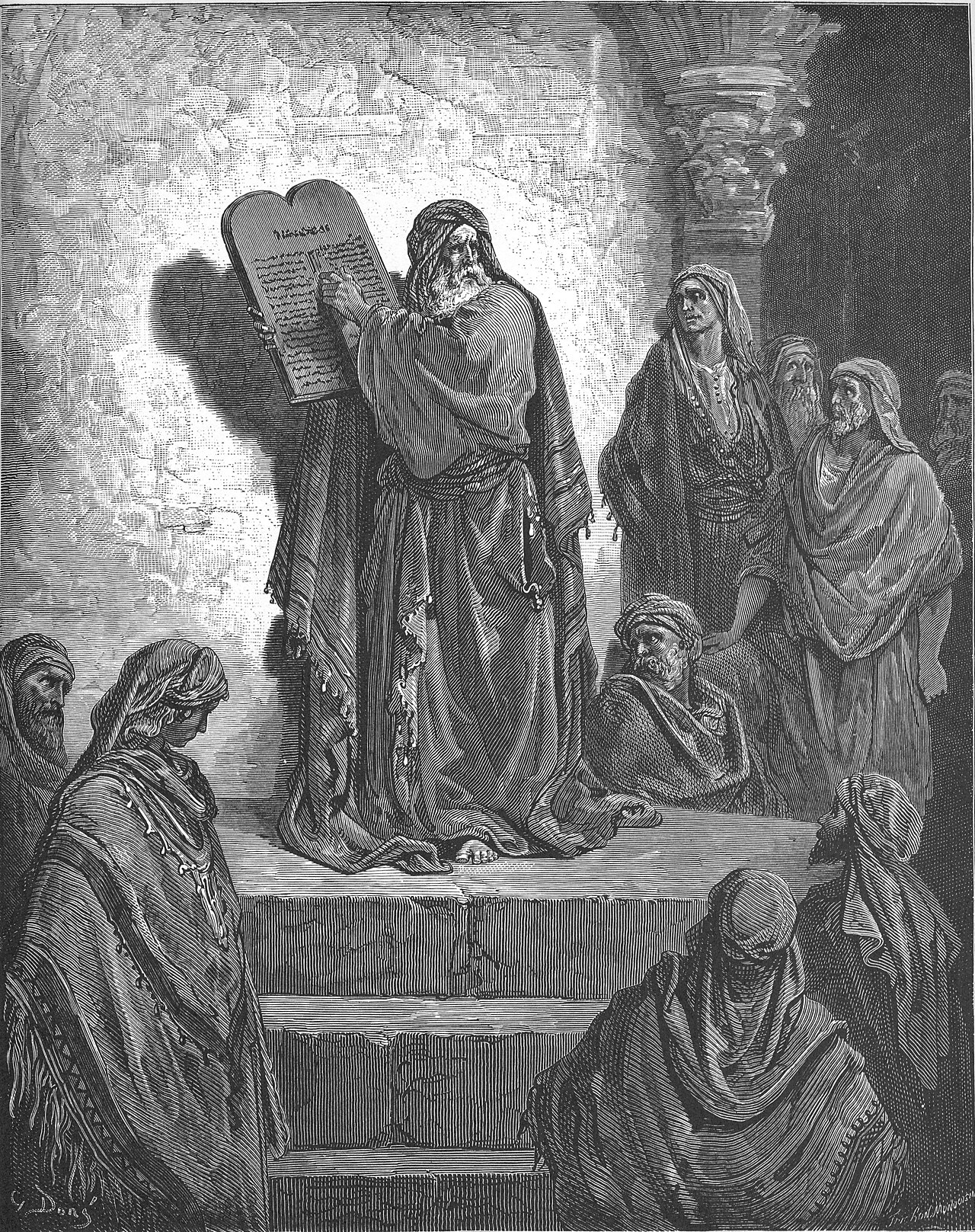
This page draws on Adam Clarke, Commentary on the Bible; Albert Barnes, Notes, Explanatory and Practical, on the Old and New Testaments (1832-1869); Carl Friedrich Keil, The Twelve Minor Prophets; Jamieson, Fausset & Brown, Commentary Critical and Explanatory on the Whole Bible; Jamieson, Fausset and Brown, Commentary Critical and Explanatory on the Whole Bible; Jerome, Commentary on Malachi; John Gill, Exposition of the Old Testament (1748-1763) and Matthew Henry, Commentary on the Whole Bible.