
Judges 11:37
in Judges 11She also said to her father, “Let me do this one thing: Let me wander for two months through the mountains with my friends and mourn my virginity.”
BSB
The same verse in ASV and KJV ▾
ASV
And she said unto her father, Let this thing be done for me: let me alone two months, that I may depart and go down upon the mountains, and bewail my virginity, I and my companions.
KJV
And she said unto her father, Let this thing be done for me: let me alone two months, that I may go up and down upon the mountains, and bewail my virginity, I and my fellows.
⋯
This verse in Judges 11
Commentary
8 notes on this verseMountains - Which she chose as a solitary place, and therefore fittest for lamentation. Bewail - That I shall die childless, which was esteemed both a curse and a disgrace for the Israelites, because such were excluded from that great privilege of increasing the holy seed, and contributing to the birth of the Messiah.
This site's exposition
mourn my virginity
on Judges 11:37-38
She asks for two months to "mourn my virginity," her virginity rather than her life, and that is the hinge of the dispute over her fate. Readers who hold that she died answer that a woman dying childless in Israel lost her name with her life, so the mourning fits either outcome. The mountains and friends are given no place name, and the text gives no reason for two months.
The record, by era
The Puritans and the Awakening3 voices
Besides, had she only been confined to a single life, she needed not to have desired these two months to bewail it in: she had her whole life before her to do that, if she saw cause. Nor needed she to take such a sad leave of her companions; for those that are of that opinion understand what is said in
And she said unto her father, let this thing be done for me,....
The enterprise was difficult, and it was fit that so great an encouragement as this should be proposed to him that would undertake it. Now all agreed that Jephthah, the Gileadite, was a mighty man of valour, and very fit for that purpose, none so fit as he, but he lay under three disadvantages:-- 1.
The Nineteenth Century2 voices
A commentator
Jamieson, Fausset & Brown1802–1910
Commentary Critical and Explanatory on the Whole Bible (1871)
proposed
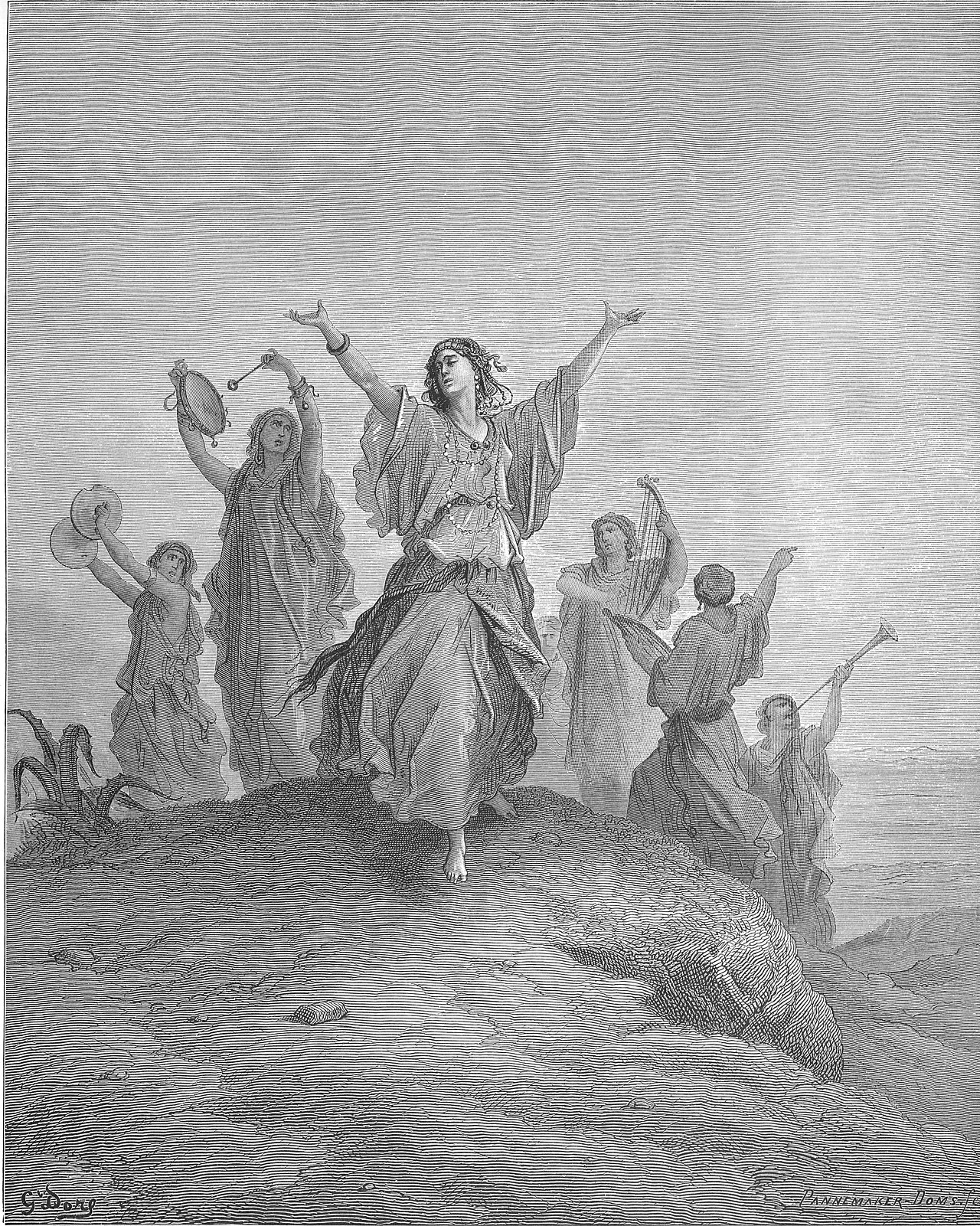
Jephthah came to Mizpeh unto his house, and, behold, his daughter came out to meet him with timbrels and with dances--The return of the victors was hailed, as usual, by the joyous acclaim of a female band (1Sa 18:6), the leader of whom was Jephthah's daughter.
I and my fellows - Whether she meant the young women of her own acquaintance, or those who had been consecrated to God in the same way, though on different accounts, is not quite clear; but it is likely she means her own companions: and her going up and down upon the mountains may signify no more than her paying each of them a visit at their own houses, previously to her being shut up at the tabernacle; and this visiting of each at their own home might require the space of two months. This I am inclined to think is the meaning of this difficult clause.
1 more voice on this verse
The Nineteenth Century1 voice
A commentator
Albert Barnes1798–1870
Notes, Explanatory and Practical, on the Old and New Testaments (1832-1869)
proposed
Bewail my virginity - To become a wife and a mother was the end of existence to an Israelite maiden. The premature death of Jephthah’s daughter was about to frustrate this end.
The words behind it
20 Hebrew wordsEvery Hebrew word of this verse in the order it stands, with what it means and the door to its own study. The last column counts the times a word stands in the whole Bible: the rarer the word, the more the places it appears belong together.
| Hebrew | Sound | Meaning | Word study | In the Bible |
|---|---|---|---|---|
| וַתֹּ֙אמֶר֙ | vatomer | and she said | H559 → | 5305 times |
| אֶל־ | ʾel- | to | H413 → | 5510 times |
| אָבִ֔יהָ | ʾaviha | father her | H1 → | 1212 times |
| יֵעָ֥שֶׂה | yeaseh | let it be done | H6213 → | 2628 times |
| לִּ֖י | li | for <the> me | ||
| הַדָּבָ֣ר | hadavar | the thing | H1697 → | 1440 times |
| הַזֶּ֑ה | hazeh | <the> this | H2088 → | 1180 times |
| הַרְפֵּ֨ה | harpeh | refrain | H7503 → | 46 times |
| מִמֶּ֜נִּי | mimeni | from me | H4480 → | 1188 times |
| שְׁנַ֣יִם | shenayim | two | H8147 → | 768 times |
| חֳדָשִׁ֗ים | chodashim | months | H2320 → | 284 times |
| וְאֵֽלְכָה֙ | veelekhah | so let me go | H1980 → | 1546 times |
| וְיָרַדְתִּ֣י | veyaradti | and I will go down | H3381 → | 381 times |
| עַל־ | ʾal- | on | H5921 → | 5755 times |
| הֶֽהָרִ֔ים | heharim | the mountains | H2022 → | 546 times |
| וְאֶבְכֶּה֙ | veevkeh | so I may weep | H1058 → | 114 times |
| עַל־ | ʾal- | on | H5921 → | 5755 times |
| בְּתוּלַ֔י | betulai | virginiti<es> my | H1331 → | |
| אָנֹכִ֖י | ʾanokhi | I | H595 → | 359 times |
| וְרֵעוֹתָֽי׃ | veraiti | and companions my | H7464 → |
וַתֹּ֙אמֶר֙and she said
vatomerH559 →5305 times
אֶל־to
ʾel-H413 →5510 times
אָבִ֔יהָfather her
ʾavihaH1 →1212 times
יֵעָ֥שֶׂהlet it be done
yeasehH6213 →2628 times
לִּ֖יfor <the> me
li
הַדָּבָ֣רthe thing
hadavarH1697 →1440 times
הַזֶּ֑ה<the> this
hazehH2088 →1180 times
הַרְפֵּ֨הrefrain
harpehH7503 →46 times
מִמֶּ֜נִּיfrom me
mimeniH4480 →1188 times
שְׁנַ֣יִםtwo
shenayimH8147 →768 times
חֳדָשִׁ֗יםmonths
chodashimH2320 →284 times
וְאֵֽלְכָה֙so let me go
veelekhahH1980 →1546 times
וְיָרַדְתִּ֣יand I will go down
veyaradtiH3381 →381 times
עַל־on
ʾal-H5921 →5755 times
הֶֽהָרִ֔יםthe mountains
heharimH2022 →546 times
וְאֶבְכֶּה֙so I may weep
veevkehH1058 →114 times
עַל־on
ʾal-H5921 →5755 times
בְּתוּלַ֔יvirginiti<es> my
betulaiH1331 →
אָנֹכִ֖יI
ʾanokhiH595 →359 times
וְרֵעוֹתָֽי׃and companions my
veraitiH7464 →
A shaded row is a word that stands 400 times or fewer in the Bible.
The walk
8 stopsEach card is a verse this one points to, and under it the verses that one points to in turn. Where several paths arrive at the same place, that place is listed first: the text keeps returning to it.
Through
Luke 1:25“The Lord has done this for me. In these days He has shown me favor and taken away my disgrace among the people.”
it leads to
- Genesis 30:22–23
Then God remembered Rachel. He listened to her and opened her womb,
- Isaiah 54:1–4
“Shout for joy, O barren woman, who bears no children; break forth in song and cry aloud, you who have never travailed; because more are the children of the desolate woman than of her…
- Isaiah 4:1
In that day seven women will take hold of one man and say, “We will eat our own bread and provide our own clothes. Just let us be called by your name. Take away…
- Genesis 21:1–2
Now the LORD attended to Sarah as He had said, and the LORD did for Sarah what He had promised.
- Genesis 25:21
Later, Isaac prayed to the LORD on behalf of his wife, because she was barren. And the LORD heard his prayer, and his wife Rebekah conceived.
- Genesis 30:22–23
Through
1 Samuel 1:6Because the LORD had closed Hannah’s womb, her rival would provoke her and taunt her viciously.
it leads to
- Job 6:14
A despairing man should have the kindness of his friend, even if he forsakes the fear of the Almighty.
- Job 24:21
They prey on the barren and childless, and show no kindness to the widow.
- Leviticus 18:18
You must not take your wife’s sister as a rival wife and have sexual relations with her while your wife is still alive.
- Job 6:14
About Judges
This page draws on Adam Clarke, Commentary on the Bible; Albert Barnes, Notes, Explanatory and Practical, on the Old and New Testaments (1832-1869); Jamieson, Fausset & Brown, Commentary Critical and Explanatory on the Whole Bible; John Gill, Exposition of the Old Testament; John Gill, Exposition of the Old Testament (1748-1763); John Wesley, Explanatory Notes upon the Old Testament; Keil and Delitzsch, Biblical Commentary on the Old Testament: Joshua, Judges, Ruth and Matthew Henry, Commentary on the Whole Bible.