
Judges 11:35
in Judges 11As soon as Jephthah saw her, he tore his clothes and said, “No! Not my daughter! You have brought me to my knees! You have brought great misery upon me, for I have given my word to the LORD and cannot take it back.”
BSB
The same verse in ASV and KJV ▾
ASV
And it came to pass, when he saw her, that he rent his clothes, and said, Alas, my daughter! thou hast brought me very low, and thou art one of them that trouble me; for I have opened my mouth unto Jehovah, and I cannot go back.
KJV
And it came to pass, when he saw her, that he rent his clothes, and said, Alas, my daughter! thou hast brought me very low, and thou art one of them that trouble me: for I have opened my mouth unto the Lord, and I cannot go back.
⋯
This verse in Judges 11
Commentary
12 notes on this verseA commentator
Albert Barnes1798–1870
Notes, Explanatory and Practical, on the Old and New Testaments (1832-1869)
Jephthah was right in not being deterred from keeping his vow by the loss and sorrow to himself (compare the marginal references), just as Abraham was right in not withholding his son, his only son, from God, when commanded to offer him up as a burnt-offering. But Jephthah was wholly wrong in that conception of the character of God which led to his making the rash vow. And he would have done right not to slay his child, though the guilt of making and of breaking such a vow would have remained.
This site's exposition
he tore his clothes
on Judges 11:35-36
He tears his clothes and says he "cannot take it back," standing on Numbers 30:2 and Deuteronomy 23:21-23. The chapter never mentions Leviticus 27:1-8, where a person vowed to the LORD is redeemed by a valuation. Her answer asks for no release, and the reason she gives is the victory.
The record, by era
The Church Fathers1 voice
A commentator
Origen of AlexandriaCOMMENTARY ON THE GOSPEL OF JOHN 6.276-78 · Written before 253.
proposed
The remaining sacrifices, of which those relating to the law are a symbol, are akin to this sacrifice. But in addition, the other sacrifices akin to this sacrifice seem to me to be the shedding of the blood of the noble martyrs. It was not in vain that the disciple John saw them standing beside the heavenly altar. "But who is wise, that he shall understand these things?
The Puritans and the Awakening4 voices
Trouble me - Before this, I was troubled by my brethren; and since, by the Ammonites; and now most of all, tho' but occasionally, by thee. Opened my mouth - That is, I have vowed. Cannot go back - That is, not retract my vow;
): " I have opened my mouth unto the Lord in a solemn vow, and I cannot go back, " that is, "I cannot recall the vow myself, it is too late, nor can any power on earth dispense with it, or give me up my bond." The thing was my own, and in my own power ( Acts
quarantine:debris (2026-07-29) — leading-punctuation
And it came to pass, when he saw her,....
The enterprise was difficult, and it was fit that so great an encouragement as this should be proposed to him that would undertake it. Now all agreed that Jephthah, the Gileadite, was a mighty man of valour, and very fit for that purpose, none so fit as he, but he lay under three disadvantages:-- 1.
5 more voices on this verse
The Puritans and the Awakening1 voice
She thinks it an honour to die, not as a sacrifice of atonement for the people's sins (that honour was reserved for Christ only), but as a sacrifice of acknowledgment for the people's mercies.
The Nineteenth Century4 voices
IN Jephtha case there were good reasons for going back. He had made a rash vow and such things are much better broken than kept. If a man makes a vow to commit a crime, his vow to do so is, in itself, a sin. The carrying out of his vow will be doubly sinful.
A commentator
Jamieson, Fausset & Brown1802–1910
Commentary Critical and Explanatory on the Whole Bible (1871)
proposed
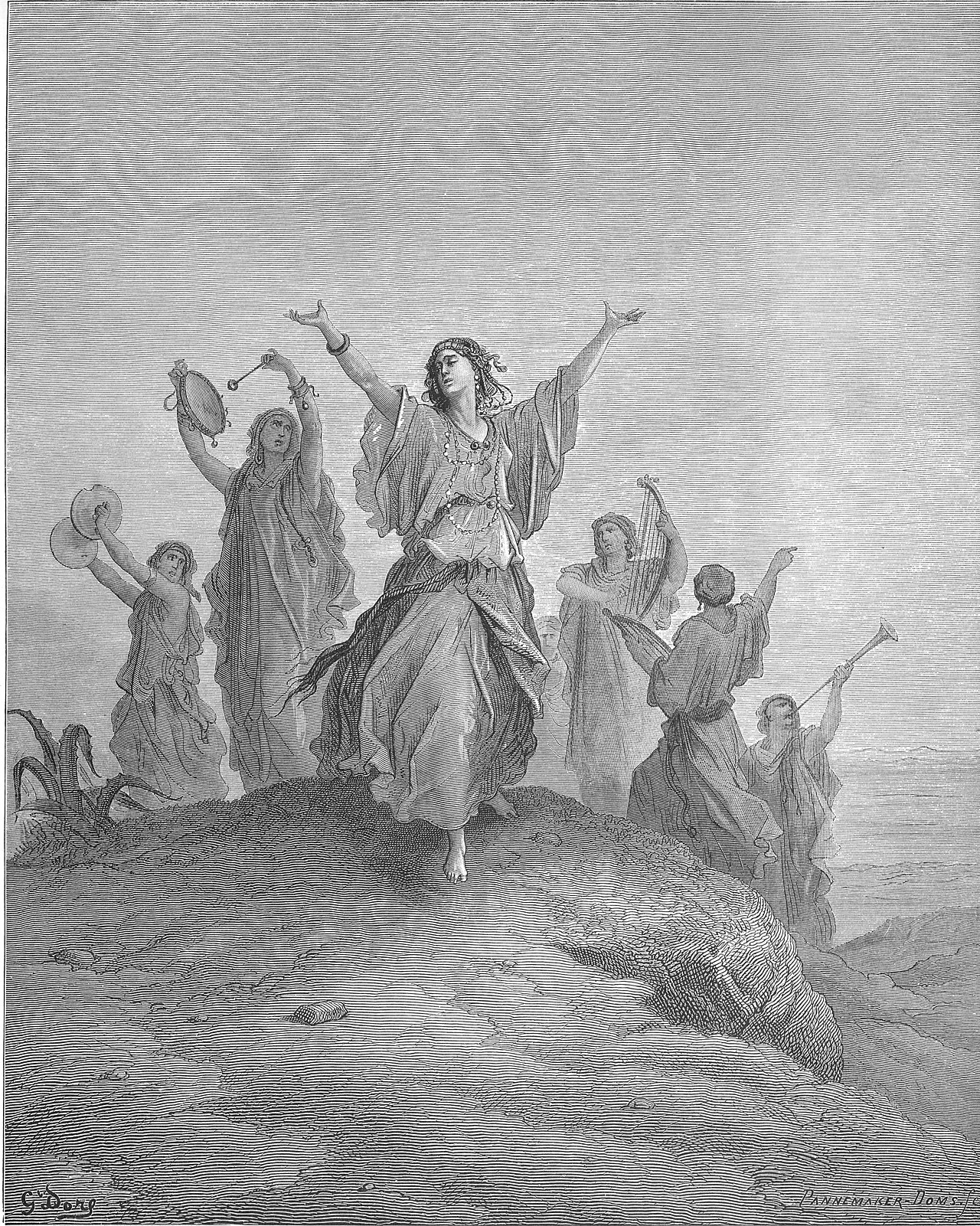
Jephthah came to Mizpeh unto his house, and, behold, his daughter came out to meet him with timbrels and with dances--The return of the victors was hailed, as usual, by the joyous acclaim of a female band (1Sa 18:6), the leader of whom was Jephthah's daughter.
IN Jephtha case there were good reasons for going back. He had made a rash vow and such things are much better broken than kept. If a man makes a vow to commit a crime, his vow to do so is, in itself, a sin. The carrying out of his vow will be doubly sinful. If a man's vowing to do a thing made it necessary and right for him to do it, then the whole moral law might be suspended by the mere act of vowing, for a man might vow to steal, to commit adultery, or to murder—and then say—"I was right in all those acts because I vowed to do them." This is self-evidently absurd and to admit such a principle would be to destroy all morality! You have, first of all, no right to promise to do what is wrong. And then, secondly, your promise, which is, in itself, wrong, cannot make a criminal act to be right. If you have come under a rash vow, you must not dare to keep it! You ought to go before God and repent that you have made a vow which involves sin—and as to keeping the sinful vow, that were to add sin to sin! "But," says one, "would it not be sin to break my vow?" I reply, there was great sin in making it and there will probably be some measure of sin connected with your breaking it, for few human actions are perfect. But to keep your evil vow would certainly be sin and you must not commit the greater sin to avoid the lesser which, perhaps, may be involved in the breach of your foolish promise. I think it would have been well if Jephtha, though he had opened his mouth before God, had gone back when it involved, as I think it did, so dreadful a necessity as that of sacrificing his own innocent, only child! His having sworn to do it did not make it right—it was just as wrong. If he really did slay her, it was a horrible action, dramatize or disguise it as you may! He had no right to make the dangerous promise.
Thou hast brought me very low - He was greatly distressed to think that his daughter, who was his only child, should be, in consequence of his vow, prevented from continuing his family in Israel; for it is evident that he had not any other child, for besides her, says the text, he had neither son nor daughter, Jdg 11:34. He might, therefore, well be grieved that thus his family was to become extinct in Israel.
The words behind it
22 Hebrew wordsEvery Hebrew word of this verse in the order it stands, with what it means and the door to its own study. The last column counts the times a word stands in the whole Bible: the rarer the word, the more the places it appears belong together.
| Hebrew | Sound | Meaning | Word study | In the Bible |
|---|---|---|---|---|
| וַיְהִי֩ | vayhi | and it was | H1961 → | 3559 times |
| כִרְאוֹת֨וֹ | khiroto | when saw he | H7200 → | 1300 times |
| אוֹתָ֜הּ | ʾotah | <obj.> her | H853 → | 10935 times |
| וַיִּקְרַ֣ע | vaiyikra' | and he tore | H7167 → | |
| אֶת־ | ʾet- | <obj.> | H853 → | 10935 times |
| בְּגָדָ֗יו | begadav | clothes his | H899 → | 217 times |
| וַיֹּ֙אמֶר֙ | vaiyomer | and he said | H559 → | 5305 times |
| אֲהָ֤הּ | ʾahah | alas! | H162 → | |
| בִּתִּי֙ | biti | O daughter my | H1323 → | 588 times |
| הַכְרֵ֣עַ | hakhrea' | certainly <to bring low> | H3766 → | 36 times |
| הִכְרַעְתִּ֔נִי | hikhra'tini | you have brought low me | H3766 → | 36 times |
| וְאַ֖תְּ | veat | and you | H859 → | 1094 times |
| הָיִ֣יתְ | hayit | you are | H1961 → | 3559 times |
| בְּעֹֽכְרָ֑י | beokherai | among [those who] trouble me | H5916 → | |
| וְאָנֹכִ֗י | veanokhi | and I | H595 → | 359 times |
| פָּצִ֤יתִי־ | patziti- | I have opened | H6475 → | |
| פִי֙ | fi | mouth my | H6310 → | 498 times |
| אֶל־ | ʾel- | to | H413 → | 5510 times |
| יְהוָ֔ה | yahweh | Yahweh | H3068 → | 6520 times |
| וְלֹ֥א | velo' | and not | H3808 → | 5168 times |
| אוּכַ֖ל | ʾukhal | I am able | H3201 → | 194 times |
| לָשֽׁוּב׃ | lashuv | to turn back | H7725 → | 1056 times |
וַיְהִי֩and it was
vayhiH1961 →3559 times
כִרְאוֹת֨וֹwhen saw he
khirotoH7200 →1300 times
אוֹתָ֜הּ<obj.> her
ʾotahH853 →10935 times
וַיִּקְרַ֣עand he tore
vaiyikra'H7167 →
אֶת־<obj.>
ʾet-H853 →10935 times
בְּגָדָ֗יוclothes his
begadavH899 →217 times
וַיֹּ֙אמֶר֙and he said
vaiyomerH559 →5305 times
אֲהָ֤הּalas!
ʾahahH162 →
בִּתִּי֙O daughter my
bitiH1323 →588 times
הַכְרֵ֣עַcertainly <to bring low>
hakhrea'H3766 →36 times
הִכְרַעְתִּ֔נִיyou have brought low me
hikhra'tiniH3766 →36 times
וְאַ֖תְּand you
veatH859 →1094 times
הָיִ֣יתְyou are
hayitH1961 →3559 times
בְּעֹֽכְרָ֑יamong [those who] trouble me
beokheraiH5916 →
וְאָנֹכִ֗יand I
veanokhiH595 →359 times
פָּצִ֤יתִי־I have opened
patziti-H6475 →
פִי֙mouth my
fiH6310 →498 times
אֶל־to
ʾel-H413 →5510 times
יְהוָ֔הYahweh
yahwehH3068 →6520 times
וְלֹ֥אand not
velo'H3808 →5168 times
אוּכַ֖לI am able
ʾukhalH3201 →194 times
לָשֽׁוּב׃to turn back
lashuvH7725 →1056 times
A shaded row is a word that stands 400 times or fewer in the Bible.
The walk
8 stopsEach card is a verse this one points to, and under it the verses that one points to in turn. Where several paths arrive at the same place, that place is listed first: the text keeps returning to it.
Through
Job 1:20Then Job stood up, tore his robe, and shaved his head. He fell to the ground and worshiped,
it leads to
- 1 Peter 5:6
Humble yourselves, therefore, under God’s mighty hand, so that in due time He may exalt you.
- 2 Samuel 12:16–20
David pleaded with God for the boy. He fasted and went into his house and spent the night lying in sackcloth on the ground.
- Genesis 37:34
Then Jacob tore his clothes, put sackcloth around his waist, and mourned for his son many days.
- Genesis 37:29
When Reuben returned to the pit and saw that Joseph was not there, he tore his clothes,
- Ezra 9:3
When I heard this report, I tore my tunic and cloak, pulled out some hair from my head and beard, and sat down in horror.
- 1 Peter 5:6
Through
2 Samuel 18:33The king was shaken and went up to the gate chamber and wept. And as he walked, he cried out, “O my son Absalom! My son, my son Absalom! If only I had died…
it leads to
- 2 Samuel 19:4
But the king covered his face and cried out at the top of his voice, “O my son Absalom! O Absalom, my son, my son!”
- Proverbs 17:25
A foolish son brings grief to his father and bitterness to her who bore him.
- Proverbs 10:1
The proverbs of Solomon: A wise son brings joy to his father, but a foolish son grief to his mother.
- 2 Samuel 19:4
Where this verse is studied
On this page
Studies10
On this verse
On this chapter
About Judges
This page draws on Adam Clarke, Commentary on the Bible; Albert Barnes, Notes, Explanatory and Practical, on the Old and New Testaments (1832-1869); Charles Spurgeon, The Metropolitan Tabernacle Pulpit, Sermon No. 1341: “Retreat Impossible” (lightly modernized text, CCEL edition); Jamieson, Fausset & Brown, Commentary Critical and Explanatory on the Whole Bible; John Gill, Exposition of the Old Testament (1748-1763); John Wesley, Explanatory Notes upon the Old Testament; Matthew Henry, Commentary on the Whole Bible and Origen of Alexandria, COMMENTARY ON THE GOSPEL OF JOHN 6.276-78.