
Deuteronomy 4:1
in Deuteronomy 4Hear now, O Israel, the statutes and ordinances I am teaching you to follow, so that you may live and may enter and take possession of the land that the LORD, the God of your fathers, is giving you.
BSB
The same verse in ASV and KJV ▾
ASV
And now, O Israel, hearken unto the statutes and unto the ordinances, which I teach you, to do them; that ye may live, and go in and possess the land which Jehovah, the God of your fathers, giveth you.
KJV
Now therefore hearken, O Israel, unto the statutes and unto the judgments, which I teach you, for to do them, that ye may live, and go in and possess the land which the Lord God of your fathers giveth you.
⋯
This verse in Deuteronomy 4
Commentary
7 notes on this verseThe statutes - The laws which concern the worship and service of God. The judgments - The laws concerning your duties to men. So these two comprehend both tables, and the whole law of God.
This site's exposition
Now therefore hearken, O Israel
on Deuteronomy 4:1-2
Verse 2 forbids adding to the word or taking from it, and Moses repeats the clause at 12:32. Proverbs 30:6 sets the same guard over the words of God, and Revelation 22:18-19 sets it over the book of the prophecy. A prohibition on altering the document is a standing feature of second millennium treaty texts, which is part of what Meredith Kline in Treaty of the Great King and Kenneth Kitchen in On the Reliability of the Old Testament build on when they read Deuteronomy on that pattern. The dating that follows from the correspondence is held one way by those two and another by readers who place the book in the seventh century.
The record, by era
The Puritans and the Awakening2 voices
Now therefore hearken, O Israel, unto the statutes and unto the judgments,....
(1.) He demands their diligent attention to the word of God, and to the statutes and judgments that were taught them: Hearken, O Israel. He means, not only that they must now give him the hearing, but that whenever the book of the law was read to them, or read by them, they should be attentive to it.
The Nineteenth Century3 voices
A commentator
Jamieson, Fausset & Brown1802–1910
Commentary Critical and Explanatory on the Whole Bible (1871)
proposed
hearken, O Israel, unto the statutes and unto the judgments, which I teach you--By statutes were meant all ordinances respecting religion and the rites of divine worship; and by judgments, all enactments relative to civil matters.
quarantine:debris (2026-07-29) — starts-lowercase
Hearken - unto the statutes - Every thing that concerned the rites and ceremonies of religion; judgments - all that concerned matters of civil right and wrong.
A commentator
Albert Barnes1798–1870
Notes, Explanatory and Practical, on the Old and New Testaments (1832-1869)
proposed
The general entreaty contained in this chapter is pointed by special mention and enforcement of the fundamental principles of the whole covenant Deut. 4:9-40, the spiritual nature of the Deity, His exclusive right to their allegiance, His abhorrence of idolatry in every form, His choice of them for His elect people. Compare further Moses’ third and last address, Deut. 27–30.
How the passage was read
What the Jewish commentators add
The main purpose of study is the observance of the commandments.
This section is reception history: how the passage was read and kept in the Jewish tradition. Where a reading parts from an essential of the Christian faith, the section says so at that point.
Texts and citation data: Sefaria; each excerpt follows its version’s licence. 4 further sources are cited on this chapter that carry no English text this site may quote or only restate the verse.
The words behind it
24 Hebrew wordsEvery Hebrew word of this verse in the order it stands, with what it means and the door to its own study. The last column counts the times a word stands in the whole Bible: the rarer the word, the more the places it appears belong together.
| Hebrew | Sound | Meaning | Word study | In the Bible |
|---|---|---|---|---|
| וְעַתָּ֣ה | veatah | and now | H6258 → | 433 times |
| יִשְׂרָאֵ֗ל | yisrael | O Israel | H3478 → | 2507 times |
| שְׁמַ֤ע | shema' | listen | H8085 → | 1159 times |
| אֶל־ | ʾel- | to | H413 → | 5510 times |
| הַֽחֻקִּים֙ | hachukim | the statutes | H2706 → | 127 times |
| וְאֶל־ | veel- | and to | H413 → | 5510 times |
| הַמִּשְׁפָּטִ֔ים | hamishpatim | the judgments | H4941 → | 422 times |
| אֲשֶׁ֧ר | ʾasher | which | H834 → | 5497 times |
| אָֽנֹכִ֛י | ʾanokhi | I | H595 → | 359 times |
| מְלַמֵּ֥ד | melamed | [am] about to teach | H3925 → | 85 times |
| אֶתְכֶ֖ם | ʾetkhem | <obj.> you | H853 → | 10935 times |
| לַעֲשׂ֑וֹת | laasot | to observe | H6213 → | 2628 times |
| לְמַ֣עַן | lemaan | so that | H4616 → | 272 times |
| תִּֽחְי֗וּ | tichyu | you may live | H2421 → | 282 times |
| וּבָאתֶם֙ | uvatem | and you will go | H935 → | 2568 times |
| וִֽירִשְׁתֶּ֣ם | virishtem | and you will take possession of | H3423 → | 231 times |
| אֶת־ | ʾet- | <obj.> | H853 → | 10935 times |
| הָאָ֔רֶץ | haaretz | the land | H776 → | 2504 times |
| אֲשֶׁ֧ר | ʾasher | which | H834 → | 5497 times |
| יְהוָ֛ה | yahweh | Yahweh | H3068 → | 6520 times |
| אֱלֹהֵ֥י | ʾelohei | [the] God of | H430 → | 2601 times |
| אֲבֹתֵיכֶ֖ם | ʾavoteikhem | ancestors your | H1 → | 1212 times |
| נֹתֵ֥ן | noten | [is] about to give | H5414 → | 2011 times |
| לָכֶֽם׃ | lakhem | to you |
וְעַתָּ֣הand now
veatahH6258 →433 times
יִשְׂרָאֵ֗לO Israel
yisraelH3478 →2507 times
שְׁמַ֤עlisten
shema'H8085 →1159 times
אֶל־to
ʾel-H413 →5510 times
הַֽחֻקִּים֙the statutes
hachukimH2706 →127 times
וְאֶל־and to
veel-H413 →5510 times
הַמִּשְׁפָּטִ֔יםthe judgments
hamishpatimH4941 →422 times
אֲשֶׁ֧רwhich
ʾasherH834 →5497 times
אָֽנֹכִ֛יI
ʾanokhiH595 →359 times
מְלַמֵּ֥ד[am] about to teach
melamedH3925 →85 times
אֶתְכֶ֖ם<obj.> you
ʾetkhemH853 →10935 times
לַעֲשׂ֑וֹתto observe
laasotH6213 →2628 times
לְמַ֣עַןso that
lemaanH4616 →272 times
תִּֽחְי֗וּyou may live
tichyuH2421 →282 times
וּבָאתֶם֙and you will go
uvatemH935 →2568 times
וִֽירִשְׁתֶּ֣םand you will take possession of
virishtemH3423 →231 times
אֶת־<obj.>
ʾet-H853 →10935 times
הָאָ֔רֶץthe land
haaretzH776 →2504 times
אֲשֶׁ֧רwhich
ʾasherH834 →5497 times
יְהוָ֛הYahweh
yahwehH3068 →6520 times
אֱלֹהֵ֥י[the] God of
ʾeloheiH430 →2601 times
אֲבֹתֵיכֶ֖םancestors your
ʾavoteikhemH1 →1212 times
נֹתֵ֥ן[is] about to give
notenH5414 →2011 times
לָכֶֽם׃to you
lakhem
A shaded row is a word that stands 400 times or fewer in the Bible.
The walk
8 stopsEach card is a verse this one points to, and under it the verses that one points to in turn. Where several paths arrive at the same place, that place is listed first: the text keeps returning to it.
Through
Romans 10:5For concerning the righteousness that is by the law, Moses writes: “The man who does these things will live by them.”
it leads to
- Leviticus 18:5
Keep My statutes and My judgments, for the man who does these things will live by them. I am the LORD.
Reached by 2 separate paths from here.
- Ezekiel 20:11
And I gave them My statutes and made known to them My ordinances—for the man who does these things will live by them.
Reached by 2 separate paths from here.
- Ezekiel 20:21
But the children rebelled against Me. They did not walk in My statutes or carefully observe My ordinances—though the man who does these things will live by them—and they profaned My Sabbaths. So I…
Reached by 2 separate paths from here.
- Ezekiel 20:13
Yet the house of Israel rebelled against Me in the wilderness. They did not follow My statutes and they rejected My ordinances—though the man who does these things will live by them—and they utterly…
Reached by 2 separate paths from here.
- Leviticus 18:5
Through
Leviticus 18:5Keep My statutes and My judgments, for the man who does these things will live by them. I am the LORD.
it leads to
- Galatians 3:12
The law, however, is not based on faith; on the contrary, “The man who does these things will live by them.”
Reached by 2 separate paths from here.
- Romans 10:5
For concerning the righteousness that is by the law, Moses writes: “The man who does these things will live by them.”
Reached by 2 separate paths from here.
- Galatians 3:12
Through
Deuteronomy 30:16For I am commanding you today to love the LORD your God, to walk in His ways, and to keep His commandments, statutes, and ordinances, so that you may live and increase, and the…
it leads to
- Deuteronomy 30:6
The LORD your God will circumcise your hearts and the hearts of your descendants, and you will love Him with all your heart and with all your soul, so that you may live.
- Matthew 22:37–38
Jesus declared, “‘Love the Lord your God with all your heart and with all your soul and with all your mind.’
- Deuteronomy 30:6
Where this verse is studied
On this page
About Deuteronomy
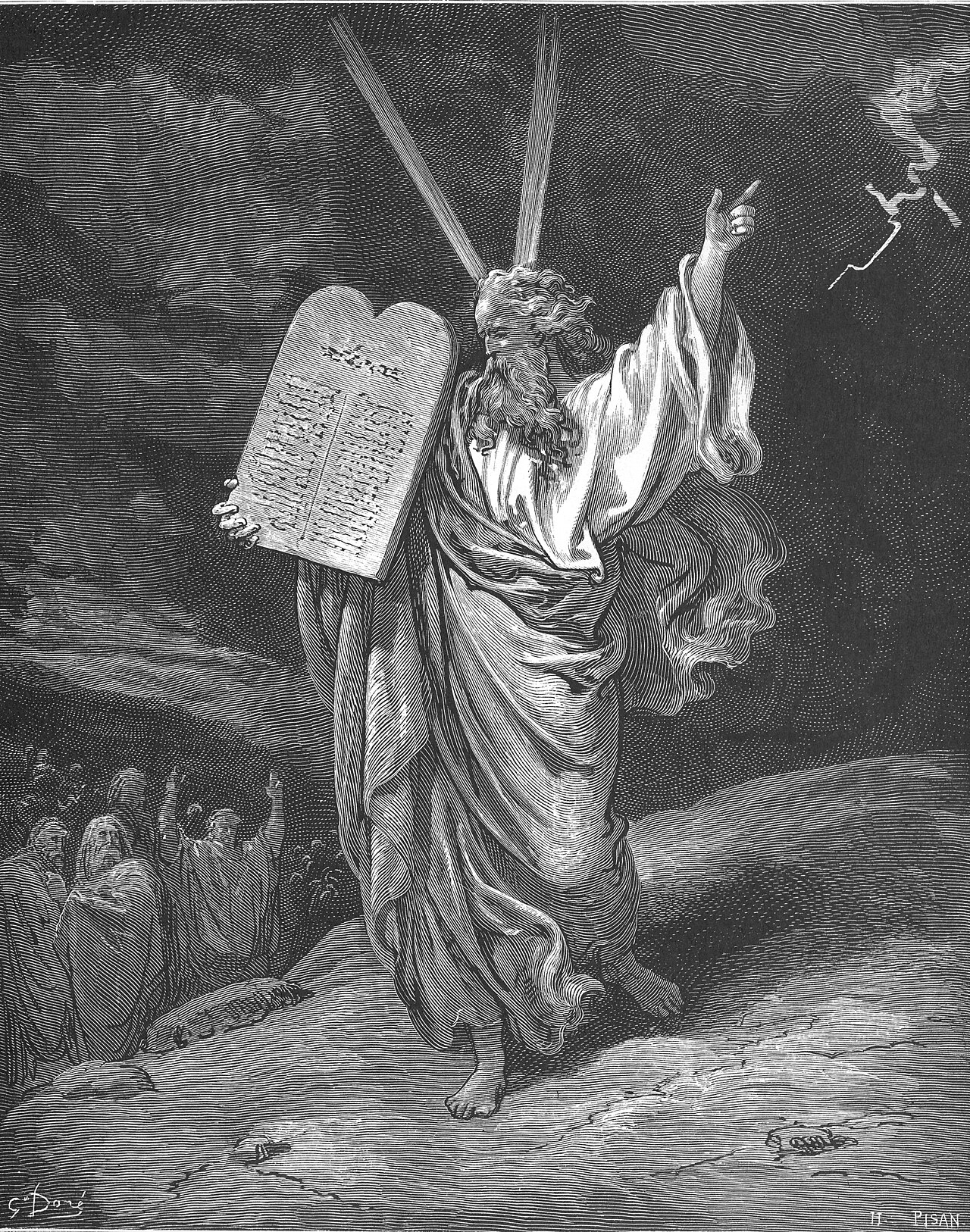
This page draws on Adam Clarke, Commentary on the Bible; Albert Barnes, Notes, Explanatory and Practical, on the Old and New Testaments (1832-1869); Jamieson, Fausset & Brown, Commentary Critical and Explanatory on the Whole Bible; John Gill, Exposition of the Old Testament (1748-1763); John Wesley, Explanatory Notes upon the Old Testament; Keil and Delitzsch, Biblical Commentary on the Old Testament: The Pentateuch and Matthew Henry, Commentary on the Whole Bible.