
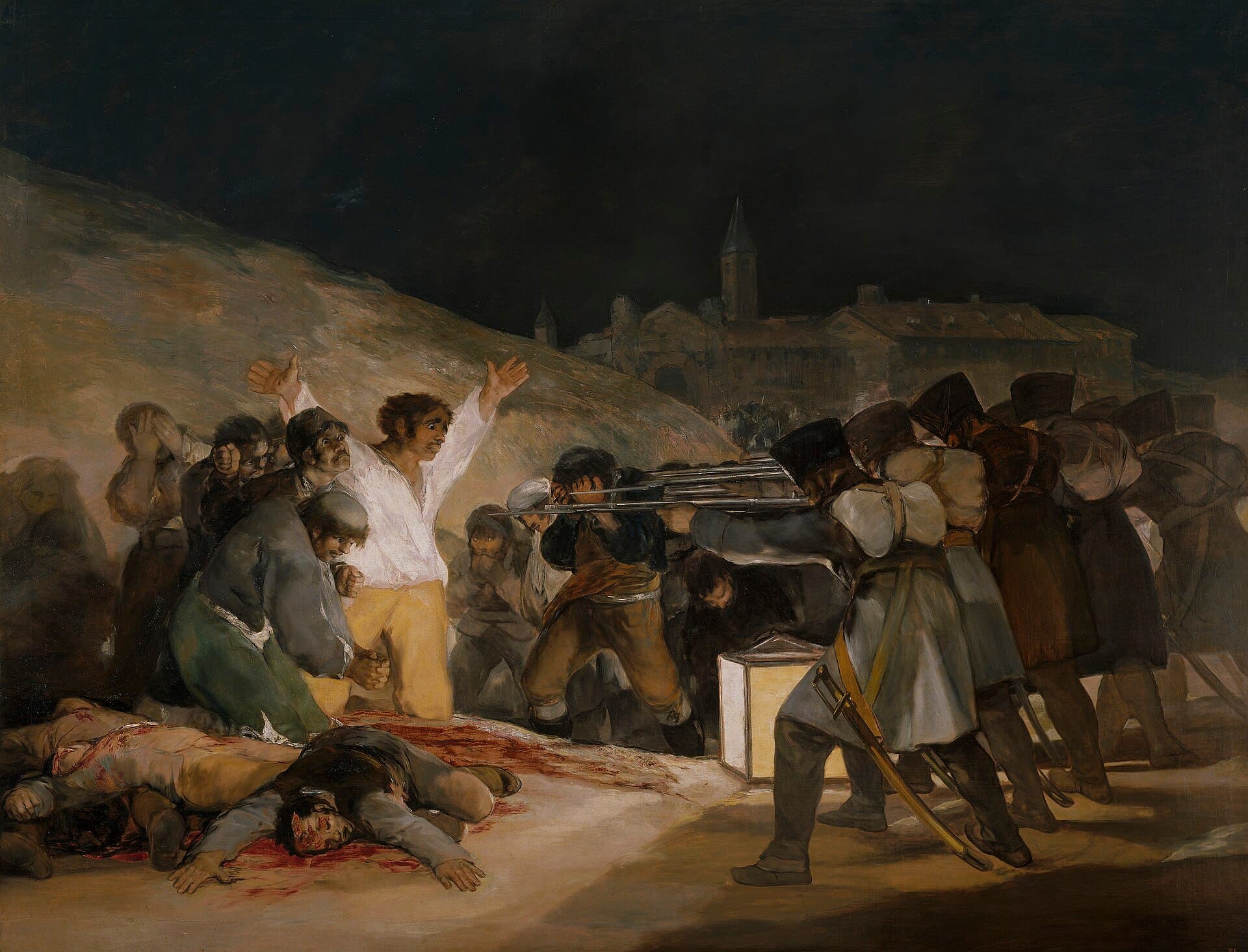
Habakkuk 1 · Trial 14 of 21 · Featured Study
Injustice
Scripture names the wrong done to a person by violence, fraud or a corrupt court, and it brings the cry of the wronged before God.
Habakkuk complained that “the law is paralyzed, and justice never goes forth” (Habakkuk 1:4).
For the vision awaits an appointed time; it testifies of the end and does not lie. Though it lingers, wait for it, since it will surely come and will not delay.
- Anchor text
- Habakkuk 1:2 “How long, O LORD, must I call for…”
- The lament
- Psalm 94:3 “How long will the wicked, O LORD, how…”
- Hold in memory
- Habakkuk 2:3
Summary
Injustice runs through Scripture from the first murder to the martyrs under the altar in Revelation. The wronged in the Bible are widows, orphans, the poor, prophets and the Son of God. The Law of Moses forbids anyone to mistreat a widow or an orphan. The prophets condemn the rulers and courts that oppress the poor.
- God's own ways are just. He sees every injustice and will judge it.
- Habakkuk, Job and the psalmists asked the LORD how long the wicked would prevail.
- Paul forbids the wronged to take revenge, because vengeance belongs to God.
- Jesus was condemned on false testimony, though He had done nothing wrong. He bore the wrong and left His cause with God.
- The hope of the wronged is the return of Christ, who will set every wrong right.
What Injustice Is
The Hebrew and Greek words name violence, oppression, moral wrong, unrighteousness and harm done to another.
Being wronged by others is one of the oldest griefs in the Bible. This study asks where injustice comes from in Scripture's own account and what God does about it. It asks what the wronged are given to do while the wrong stands. It gives the Hebrew and Greek words, the key texts and the laments. It also gives the place of Christ, the people who were wronged, the stories, the voices of the church and the questions on which Christians disagree.
Chamas, violence
60 uses in the canon
The Hebrew noun chamas (H2555) names violence and the wrong done by force. The psalm says of the king who cares for the poor, “He will redeem them from oppression and violence.”
Ashaq, to oppress
36 uses in the canon
The Hebrew verb ashaq (H6231) means to press upon, to oppress and to defraud. David sings, “The LORD executes righteousness and justice for all the oppressed.”
Evel, injustice
54 uses in the canon
The Hebrew noun evel (H5766) names moral wrong and injustice. Moses sings of the LORD, “A God of faithfulness without injustice.”
Adikia, unrighteousness
25 uses in the canon
The Greek noun adikia (G93) names injustice, both the quality and the act. Jesus calls the judge of His parable “the unjust judge.”
Adikeo, to do wrong
28 uses in the canon
The Greek verb adikeo (G91) means to do wrong and to harm. Stephen told how Moses saw an Israelite “being mistreated” and went to his defense.
Chamas, violence, Ashaq, to oppress, Evel, injustice, Adikia, unrighteousness, Adikeo, to do wrong, The Words Chamas and Adikia, the study in brief
The Key Texts of Injustice
The Law, the wisdom books, the prophets, the Gospels and the letters each speak to the wronged.
Law
The LORD said, “I have indeed seen the affliction of My people in Egypt. I have heard them crying out because of their oppressors, and I am aware of their sufferings.
The verse stands first because God tells Moses that He has seen the oppression of His people and heard their cry.
Exodus 3:7BSB
Wisdom
The LORD is a refuge for the oppressed, a stronghold in times of trouble.
The verse stands with the key texts because it gives the oppressed a place to go before any wrong is put right.
Psalm 9:9BSB
Furthermore, I saw under the sun that in the place of judgment there is wickedness, and in the place of righteousness there is wickedness.
The verse stands here because Scripture admits that the courts themselves can be the source of the wrong.
Prophets
But let justice roll on like a river, and righteousness like an ever-flowing stream.
Amos sets God's demand for justice against a people who kept their feasts and crushed the poor.
Amos 5:24BSB
Gospels
“The Spirit of the Lord is on Me, because He has anointed Me to preach good news to the poor. He has sent Me to proclaim liberty to the captives and recovery of sight to the blind, to release the oppressed,
Jesus opens His ministry at Nazareth by reading the prophet's promise to the oppressed as His own commission.
Luke 4:18BSB
Letters
After all, it is only right for God to repay with affliction those who afflict you, and to grant relief to you who are oppressed and to us as well. This will take place when the Lord Jesus is revealed from heaven with His mighty angels
The verses stand last because they name the day on which God repays those who afflict His people.
Psalm 9:9, Ecclesiastes 3:16, Amos 5:24, Luke 4:18, 2 Thessalonians 1:6 to 7
Where Injustice Comes From, and Christ Who Bore It
The fallen world, the enemy and the sin in human hearts each have their place in Scripture's account. Each stands under the rule of God.
We know that the whole creation has been groaning together in the pains of childbirth until the present time.Paul places every wrong of this age inside a creation that groans until the redemption comes.
Scripture traces violence to the human heart. James asks where quarrels come from and answers, “You crave what you do not have; you kill and covet” (James 4:2). Jesus calls the devil “a murderer from the beginning” and “the father of lies” (John 8:44).
What causes conflicts and quarrels among you? Don’t they come from the passions at war within you?The verse stands here because it places the root of strife inside people and not only in their circumstances.
To crush underfoot all the prisoners of the land, to deny a man justice before the Most High, to subvert a man in his lawsuit—of these the Lord does not approve.The verses stand here because they set God against the wrongs done in prisons and courts.
Over every wrong Scripture sets the rule of God, who governs the wicked and the wronged alike.
The prophets, the Gospels, the letters and Revelation show Jesus bearing injustice in His own trial and death. They show Him as the Judge who will come again.
He was oppressed and afflictedIsaiah 53
Isaiah wrote of the Servant that He was assigned a grave with the wicked, “although He had done no violence, nor was any deceit in His mouth” (Isaiah 53:9).
He was oppressed and afflicted, yet He did not open His mouth. He was led like a lamb to the slaughter, and as a sheep before her shearers is silent, so He did not open His mouth. By oppression and judgment He was taken away, and who can recount His descendants? For He was cut off from the land of the living; He was stricken for the transgression of My people.
Isaiah 53:7 to 8BSB The verses name oppression and a false judgment as the way the Servant was taken away.
He was betrayed by a friendMatthew 26
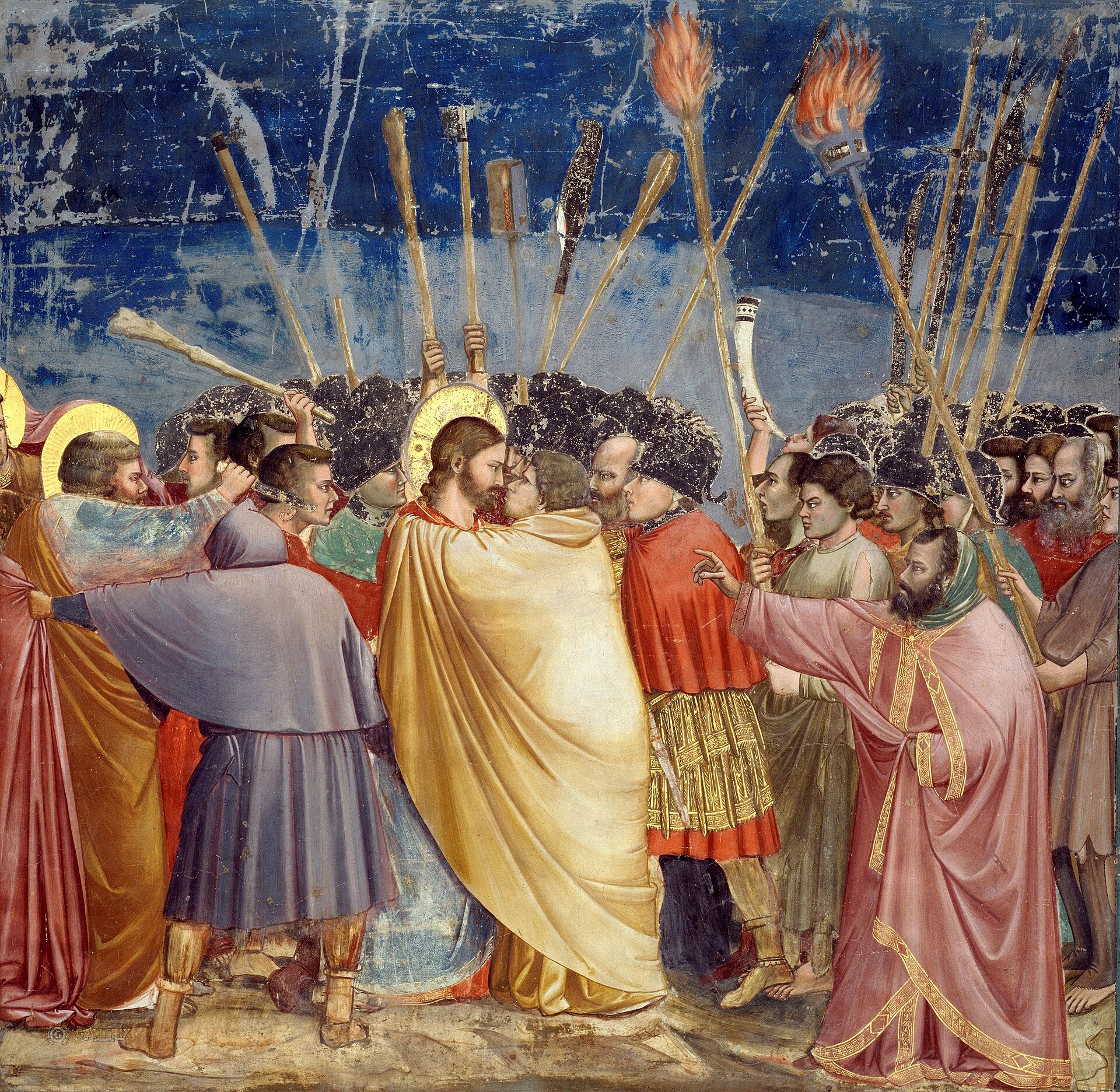
Judas, one of the Twelve, came to Jesus in the garden, greeted Him as Rabbi and kissed Him (Matthew 26:49).
“Friend,” Jesus replied, “do what you came for.” Then the men stepped forward, seized Jesus, and arrested Him.
Matthew 26:50BSB Jesus still calls His betrayer friend at the moment he hands Him over.
Read the study of Betrayed by a Friend 7 sections, 17 verses set out
The council sought false witnessesMatthew 26
Pilate told the chief priests and the crowds, “I find no basis for a charge against this man” (Luke 23:4). One of the criminals crucified with Jesus said, “this man has done nothing wrong” (Luke 23:41).
Now the chief priests and the whole Sanhedrin were seeking false testimony against Jesus in order to put Him to death. But they did not find any, though many false witnesses came forward. Finally two came forward
Matthew 26:59 to 60BSB The verses stand here because they show the highest court of Israel seeking a false charge against the innocent.
He bore abuse without threats1 Peter 2
Peter sets the suffering of Christ before servants who endure unjust suffering (1 Peter 2:19).
When they heaped abuse on Him, He did not retaliate; when He suffered, He made no threats, but entrusted Himself to Him who judges justly.
1 Peter 2:23BSB The verse names the place where Christ bore the wrong without returning it.
Read the study of Suffering as a Christian 11 sections, 21 verses set out
He endured hostility from sinnersHebrews 12
Hebrews calls Jesus the high priest who is able “to sympathize with our weaknesses” (Hebrews 4:15).
Consider Him who endured such hostility from sinners, so that you will not grow weary and lose heart.
Hebrews 12:3BSB The verse stands here because it turns the wronged from their own case to the One who endured more.
Read the page on Jesus 33 sections, 41 verses set out
He judges in righteousnessRevelation 19
Peter told the crowd in the temple, “You rejected the Holy and Righteous One and asked that a murderer be released to you” (Acts 3:14). The One they wronged returns as Judge.
Then I saw heaven standing open, and there before me was a white horse. And its rider is called Faithful and True. With righteousness He judges and wages war.
Revelation 19:11BSB The verse stands last because the One who was wronged at His trial is the One who judges at the end.
He was betrayed by a friend (Matthew 26), The council sought false witnesses (Matthew 26), He bore abuse without threats (1 Peter 2), He endured hostility from sinners (Hebrews 12), He judges in righteousness (Revelation 19)
Lamentations 3:34 to 36, Isaiah 53:7 to 8, Matthew 26:50, Matthew 26:59 to 60, 1 Peter 2:23, Hebrews 12:3, Revelation 19:11
the study in brief, James 4:1, Lamentations 3:34 to 36, a paragraph, How Long Must I Call for Help?, the study in brief, Providence, the study in brief, a paragraph, He was oppressed and afflicted (Isaiah 53) and 5 more
Who Was Wronged
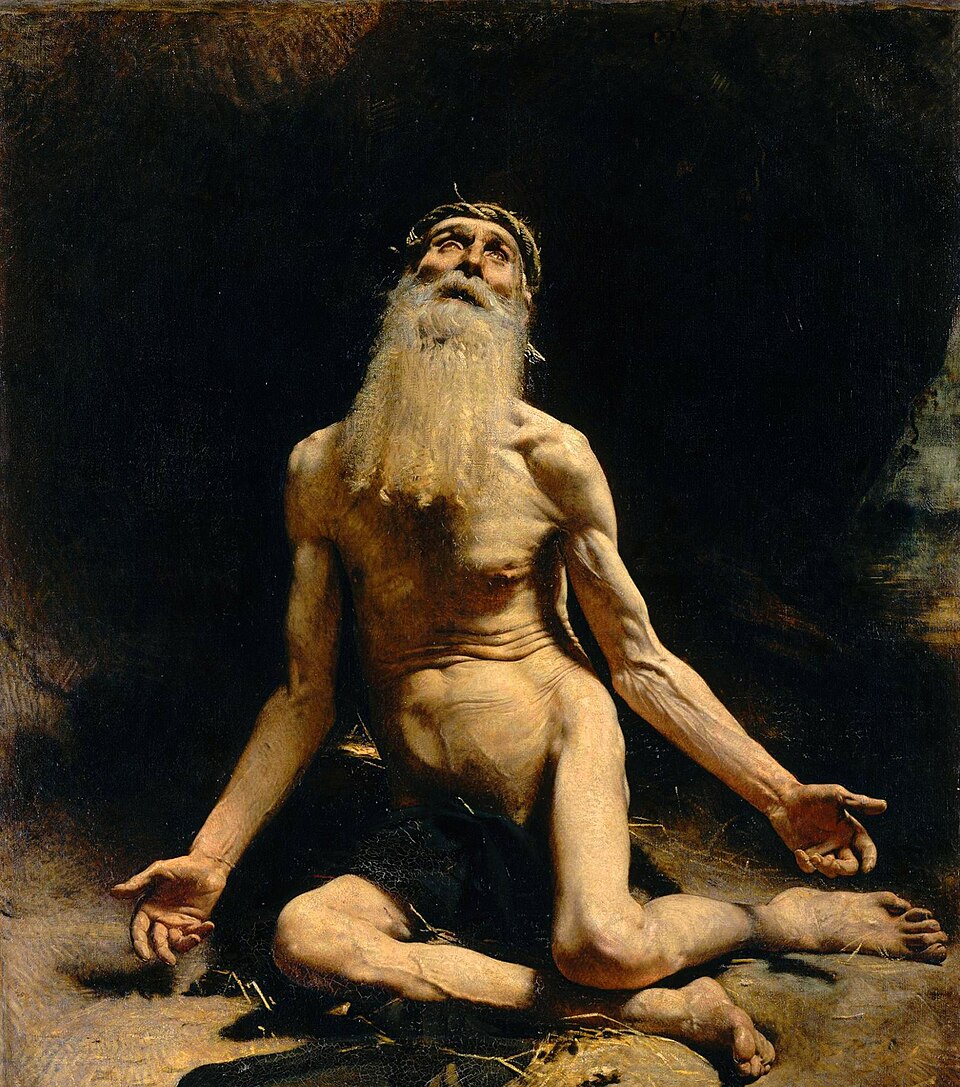
Five people of the Bible were wronged. They are a righteous sufferer, two prophets, the first martyr of the church and an apostle.
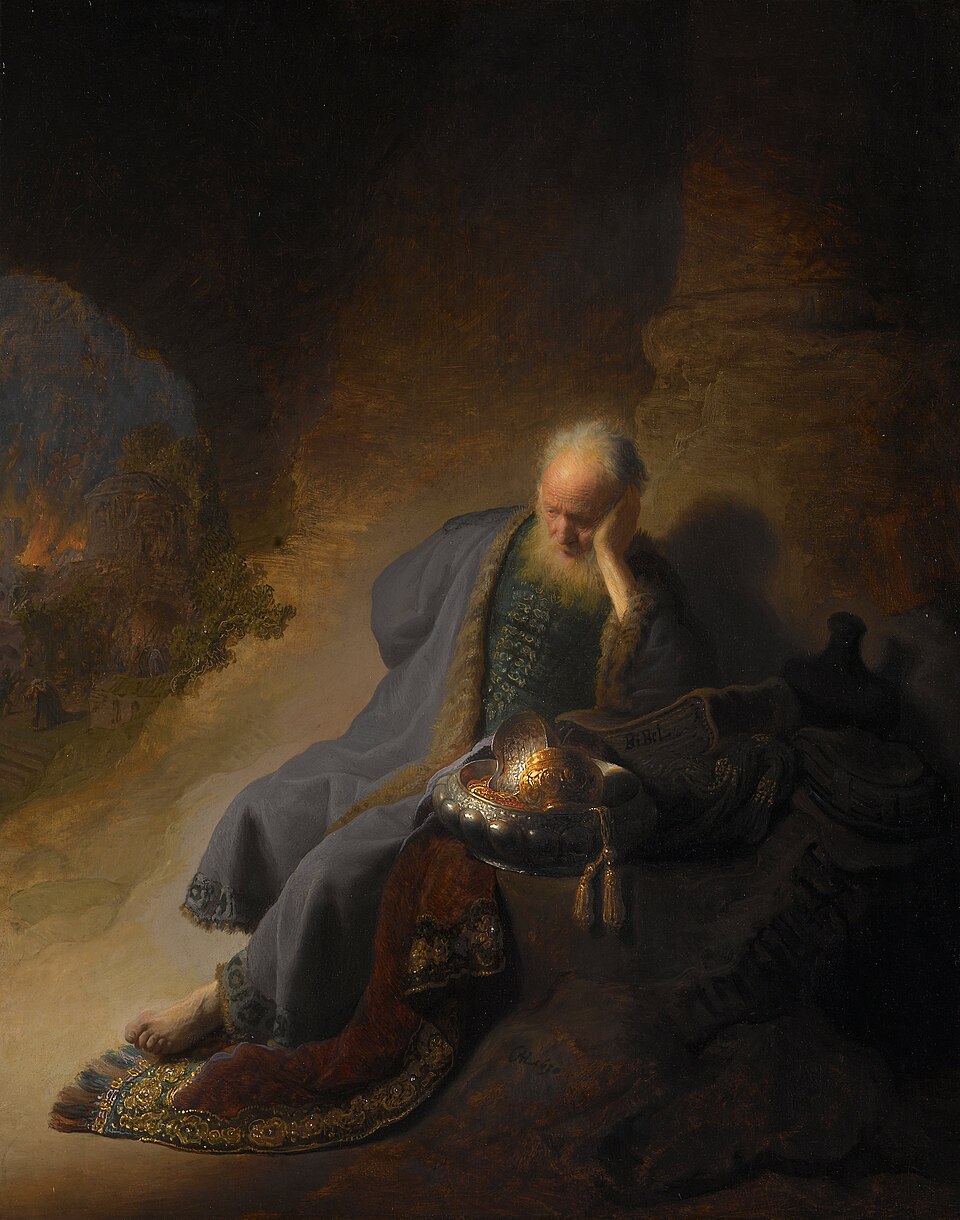
The officials “beat him and placed him in jail in the house of Jonathan the scribe.”
Jeremiah 37:15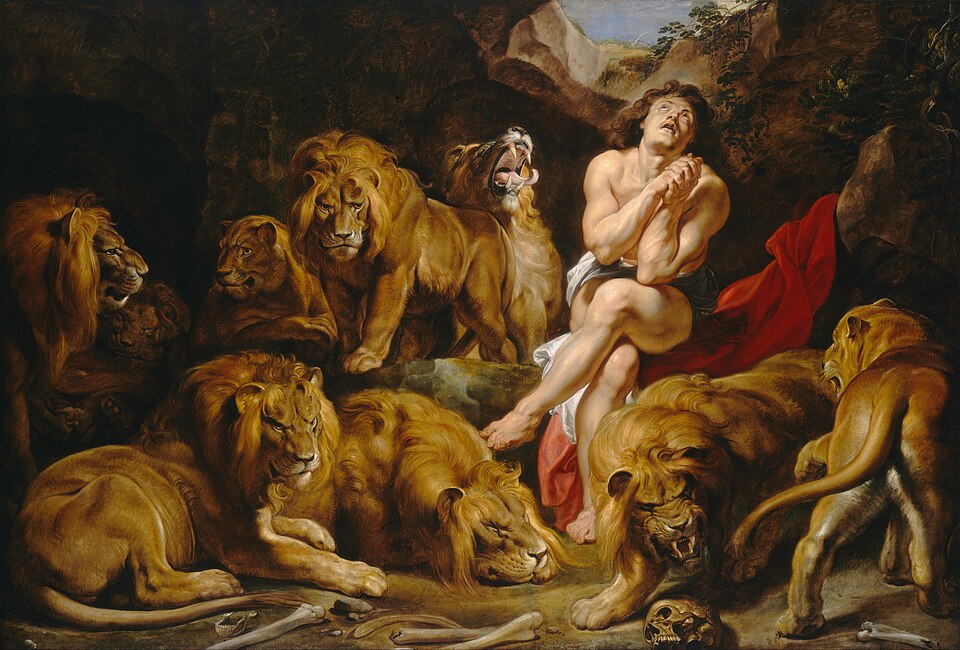
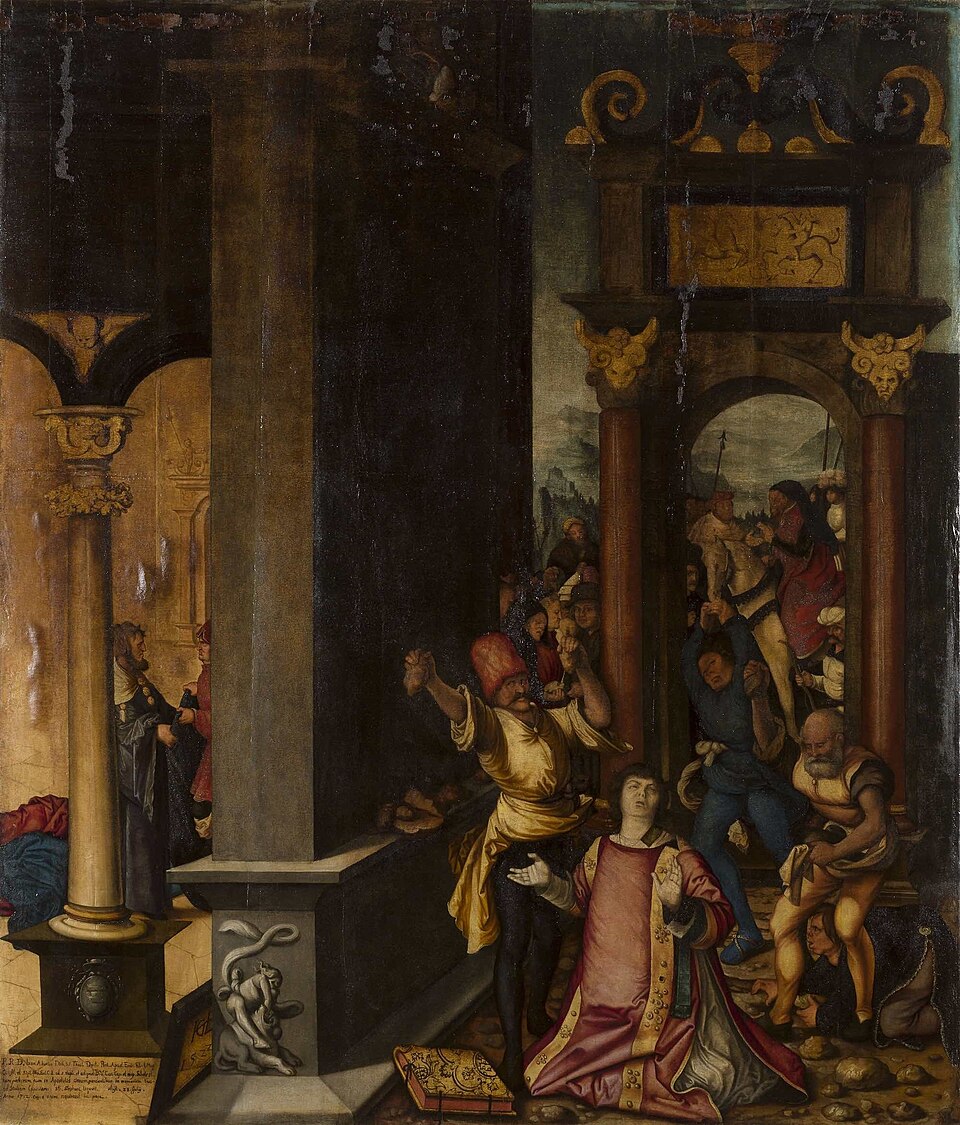
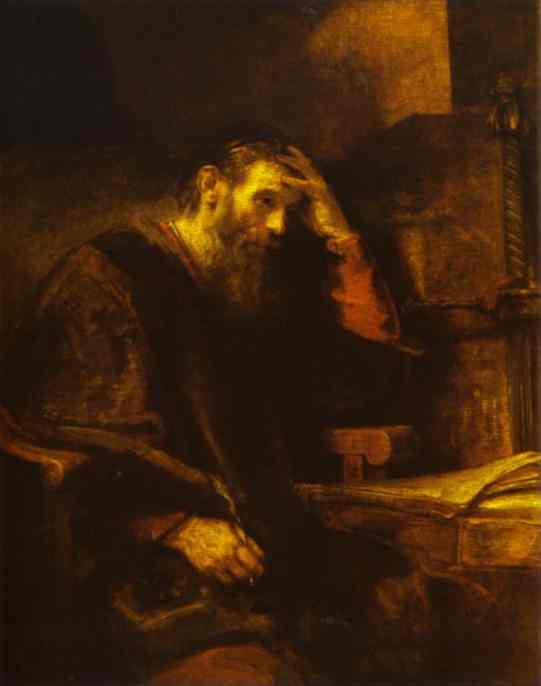
He told the officers at Philippi, “They beat us publicly without a trial and threw us into prison.”
Acts 16:37
Daniel, Stephen, Paul
What to Do When You Are Wronged
Scripture gives the wronged seven things to do, each with the verse it rests on.
- 1Pour out your heart to God“Trust in Him at all times, O people; pour out your hearts before Him. God is our refuge.”Psalm 62:8
- 2Commit your cause to HimJeremiah prayed to the LORD “who judges righteously” and said, “to You I have committed my cause.”Jeremiah 11:20
- 3Wait for the LORD“Be still before the LORD and wait patiently for Him; do not fret when men prosper in their ways.”Psalm 37:7
- 4Do not take revenge“Do not avenge yourselves, beloved, but leave room for God’s wrath.”Romans 12:19
- 5Pray for those who wrong youJesus said, “love your enemies and pray for those who persecute you.”Matthew 5:44
- 6Seek justice by lawful meansPaul used his right of appeal before the governor Festus: “I appeal to Caesar!”Acts 25:11
- 7Defend others who are wronged“Seek justice and correct the oppressor. Defend the fatherless and plead the case of the widow.”Isaiah 1:17
Commit your cause to Him, Wait for the LORD, Do not take revenge, Pray for those who wrong you, Seek justice by lawful means, Defend others who are wronged
The call to leave vengeance to God stands beside the ruler God appoints to punish abuse and crime (Romans 13:4).
The Lament of the Wronged
Psalm 94, Psalm 10 and the cry of the martyrs in Revelation give the wronged words to bring their case to God.
O LORD, God of vengeance, O God of vengeance, shine forth. Rise up, O Judge of the earth; render a reward to the proud. How long will the wicked, O LORD, how long will the wicked exult?The psalm stands first because it asks the question every wronged person asks of God, how long.
Why, O LORD, do You stand far off? Why do You hide in times of trouble? In pride the wicked pursue the needy; let them be caught in the schemes they devise.The verses give the wronged leave to ask God why He seems far away.
You have heard, O LORD, the desire of the humble; You will strengthen their hearts. You will incline Your ear, to vindicate the fatherless and oppressed, that the men of the earth may strike terror no more.The verses stand here because the psalm that began in complaint ends in confidence.
And they cried out in a loud voice, “How long, O Lord, holy and true, until You avenge our blood and judge those who dwell upon the earth?”The souls of the slain in Revelation still ask how long, so the lament of the wronged reaches to the end of the canon.
Psalm 10:17 to 18, Revelation 6:10
Injustice in the Stories of the Bible
Four stories tell of a brother murdered, a vineyard seized, a slave imprisoned on a false charge and a widow who kept asking for justice.
Cain and AbelGenesis 4
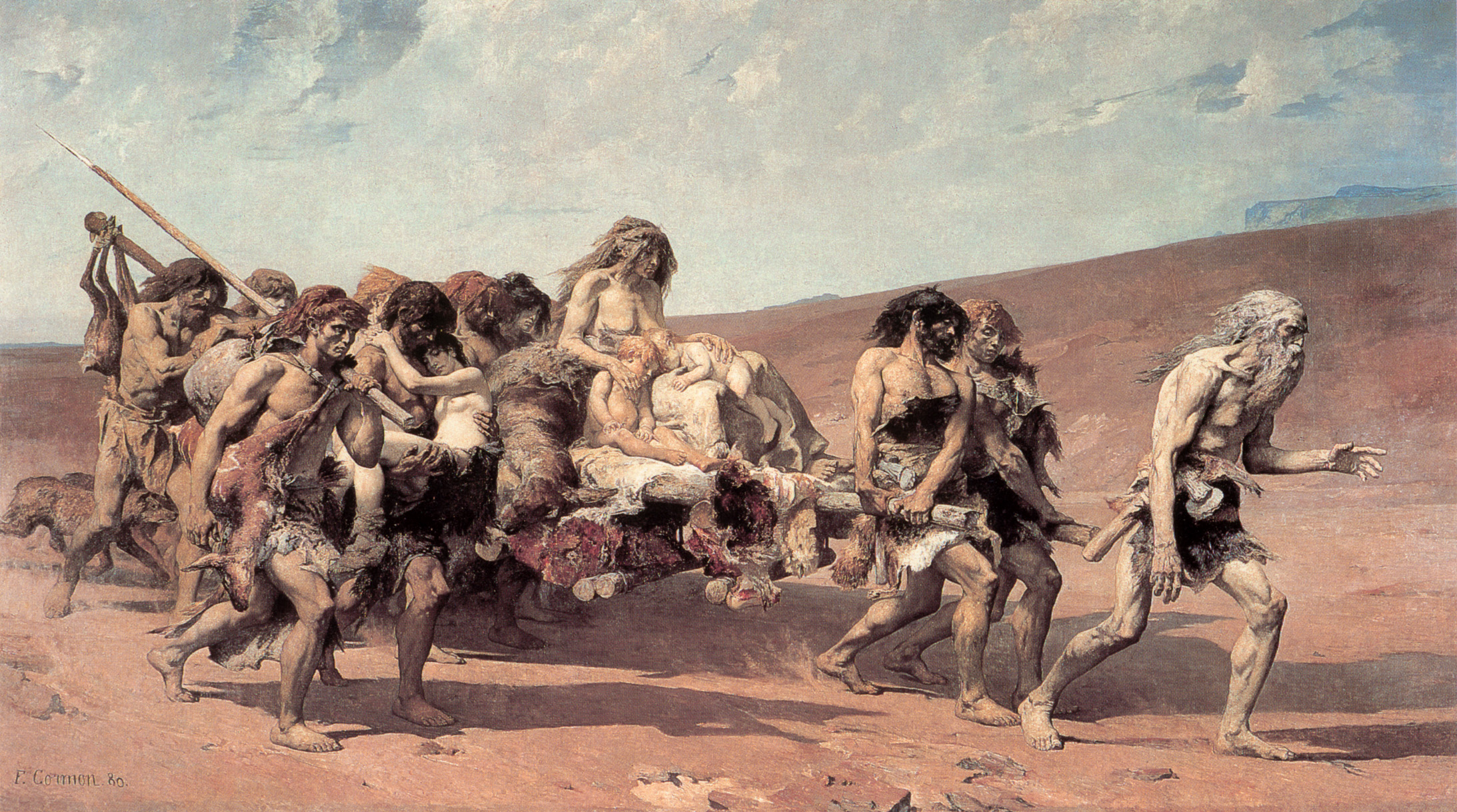
The LORD looked with favor on Abel and his offering and had no regard for Cain's, and Cain became very angry. Cain called his brother out to the field and killed him there (Genesis 4:8). When the LORD asked where Abel was, Cain answered, “Am I my brother’s keeper?”
“What have you done?” replied the LORD. “The voice of your brother’s blood cries out to Me from the ground.
Genesis 4:10BSB God hears the wrong done to Abel when no one else is there to plead his case.
Read the story of Cain and Abel 11 sections, 15 verses set out
Naboth's vineyard1 Kings 21
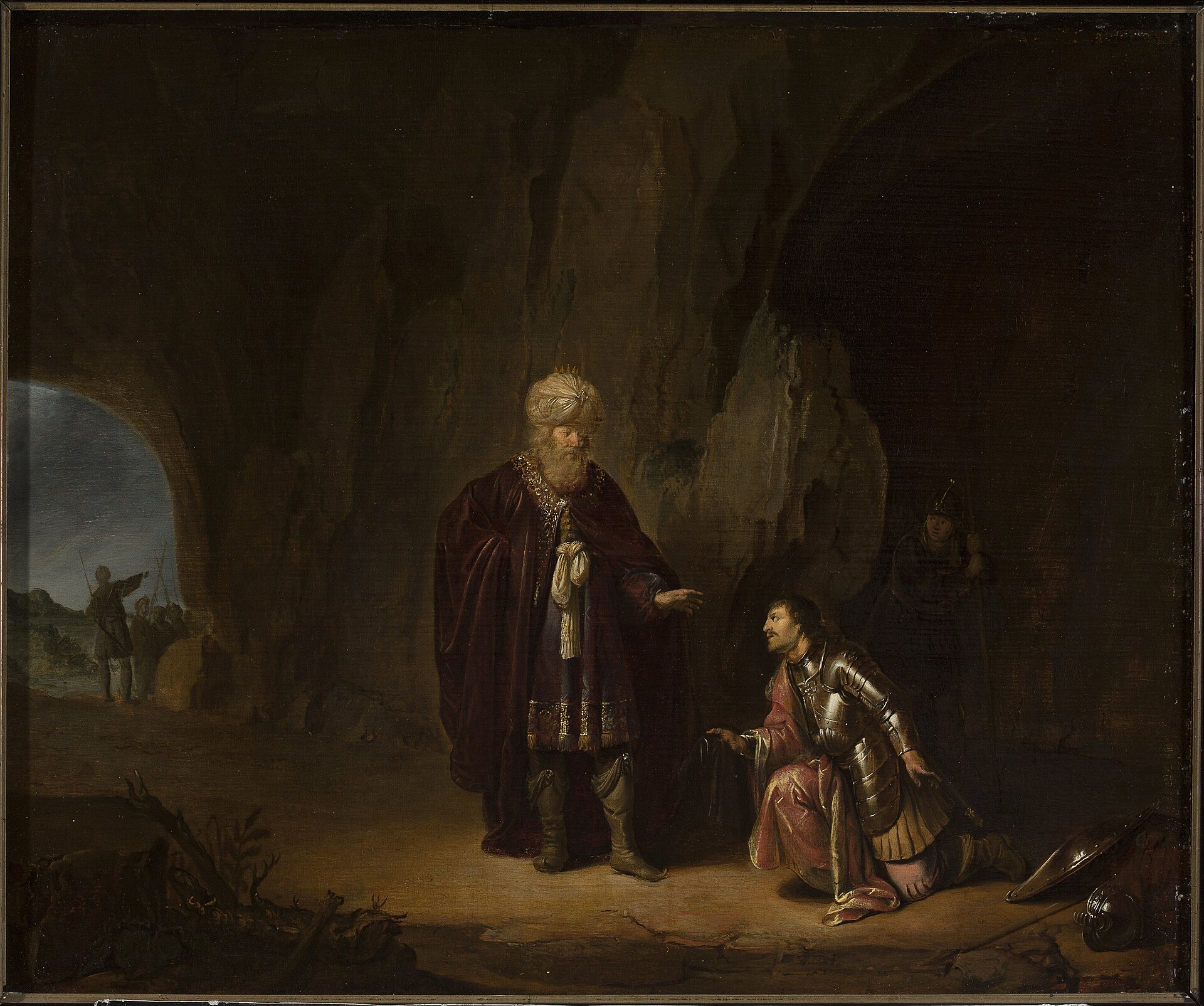
King Ahab wanted the vineyard beside his palace, and Naboth refused to sell “the inheritance of my fathers” (1 Kings 21:3). Jezebel had two scoundrels accuse him falsely, and the elders and nobles of his city stoned him. Ahab then went down to take the vineyard.
Tell him that this is what the LORD says: ‘Have you not murdered a man and seized his land?’ Then tell him that this is also what the LORD says: ‘In the place where the dogs licked up the blood of Naboth, there also the dogs will lick up your blood—yes, yours!’”
1 Kings 21:19BSB God sends Elijah to name the murder and the seizure that a court had dressed as law.
Joseph in the prisonGenesis 39
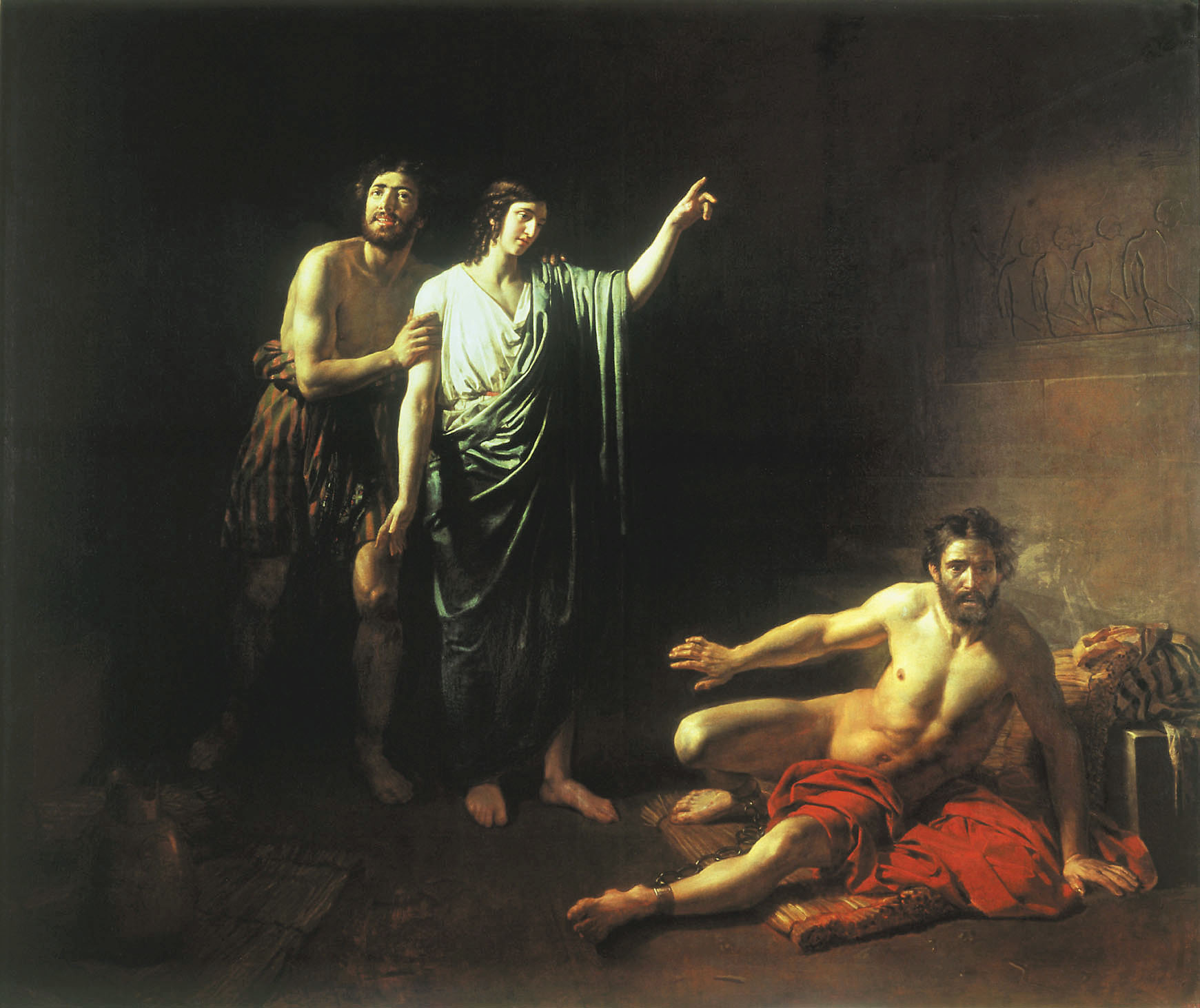
Potiphar's wife accused Joseph of a crime he had refused to commit. Joseph told the cupbearer in the prison, “even here I have done nothing for which they should have put me in this dungeon” (Genesis 40:15). The cupbearer was restored and forgot him.
So Joseph’s master took him and had him thrown into the prison where the king’s prisoners were confined. While Joseph was there in the prison,
Genesis 39:20BSB The verse records the false charge that sent an innocent slave to the king's prison.
Read the story of Joseph in the Prison 10 sections, 16 verses set out
The widow and the unjust judgeLuke 18
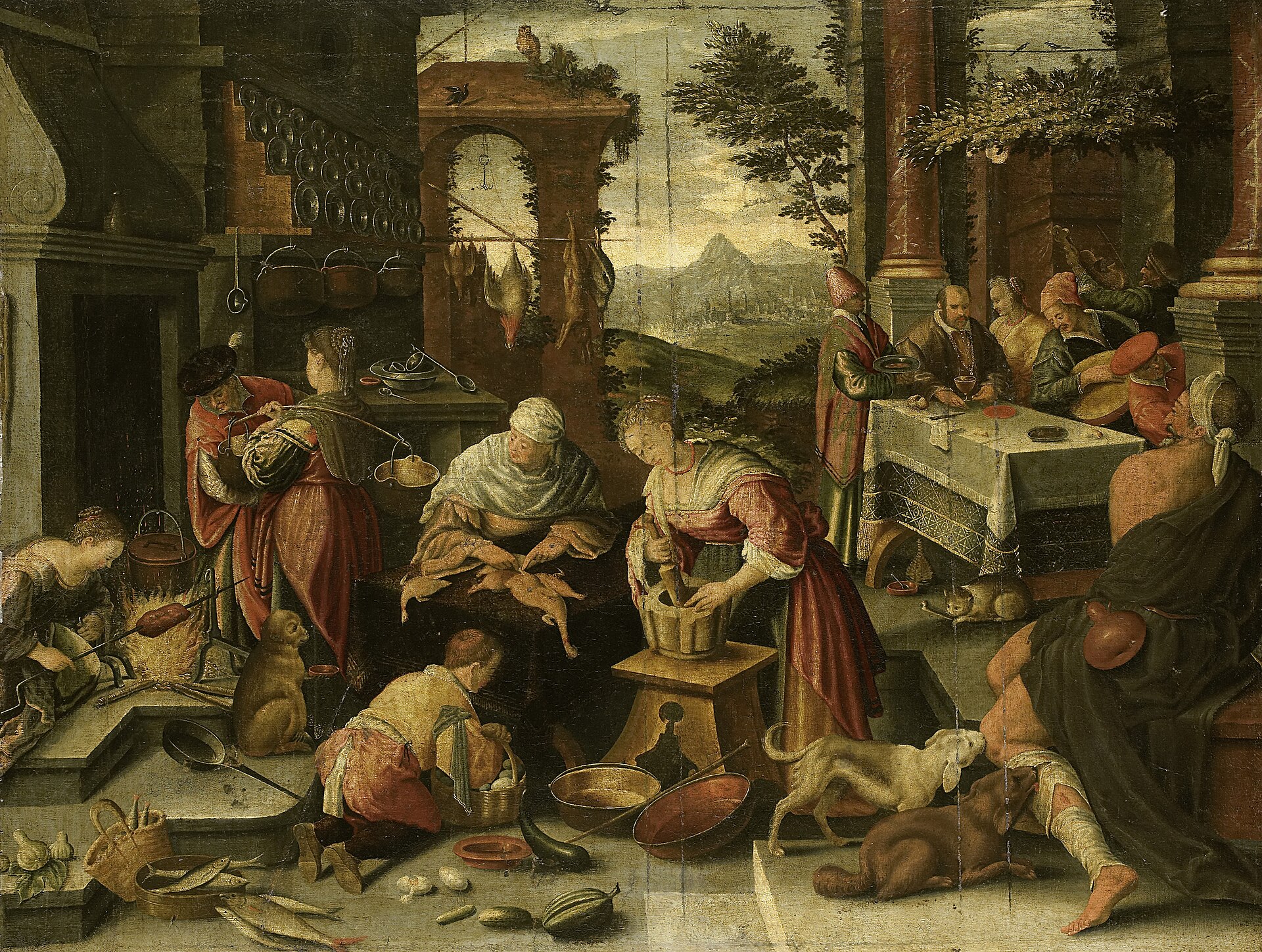
Jesus told of a judge who neither feared God nor respected men. A widow in that town kept coming to him, and at last he gave her justice so that she would stop wearing him out (Luke 18:2 to 5). Jesus told the parable so that His disciples would always pray and not lose heart.
And there was a widow in that town who kept appealing to him, ‘Give me justice against my adversary.’
Luke 18:3BSB The widow's plea is the cry of every wronged person who has no one else to hear it.
Read the story of The Persistent Widow 8 sections, 20 verses set out
Naboth's vineyard (1 Kings 21), Joseph in the prison (Genesis 39), The widow and the unjust judge (Luke 18)
Genesis 39:20, Luke 18:3
Injustice in the Church's History
Two accounts tell of a bishop tried before a proconsul and a campaign in Parliament against the slave trade.
Polycarp before the proconsulSecond century
Polycarp, bishop of Smyrna, was arrested in old age and brought into the stadium. The proconsul promised to set him free if he would reproach Christ. His church recorded his answer: “Eighty and six years have I served Him, and He never did me any injury: how then can I blaspheme my King and my Saviour?” He was put to death at Smyrna.
Read the story of Polycarp: Eighty-Six Years 8 sections, 3 verses set out
The campaign against the slave trade1785 to 1807
John Newton, who had once commanded slave ships, published his account of the trade in 1788. Olaudah Equiano, an African who had been sold, printed his own narrative in London in 1789. William Wilberforce first moved the question in the House of Commons that year. The Act of 1807 abolished the British trade, and slavery stood in the colonies until 1833.
Read the story of Wilberforce and the Slave Trade 8 sections, 9 verses set out
Voices on Injustice, by Century
Five quotations from the fourth century to the nineteenth, each placed in the century of its writer's death and under the line it teaches.
died 397 · Ambrose of Milan
Letter 63.100
A fourth-century reading: the command to leave vengeance to God guards the wronged from sinning in their own anger.
The quotation1 quotation
“This is written lest another's wrath draw you into sin when you want to offer resistance, when you want to be avenged. You can take the fault from him and from yourself if you decide to yield to the other.”
Ambrose of Milan · Letter 63.100 · on Romans 12:19Patristic
died 407 · John Chrysostom
Homily on Ephesians 16
A fifth-century reading: gentleness toward the one who wronged you sets up a court in his own heart that condemns him.
The quotation1 quotation
“Because we do not so deeply touch the souls of those who have wronged us by revenging ourselves, as by pardoning them, and thus shaming them and putting them out of countenance. For by the other course we shall be doing no good, either to ourselves or to them, but shall be doing harm to both by seeking ourselves for retaliation, like the rulers of the Jews, and by kindling up the wrath that is in them; but if we return injustice with gentleness, we shall disarm all his anger, and shall be setting up in his breast a tribunal which will give a verdict in our favor, and will condemn him more severely than we ourselves could. For he will convict and will pass sentence upon himself, and will look for every pretext for repaying the share of long-suffering granted him with fuller measure.”
John Chrysostom · Homily on Ephesians 16 · on Ephesians 4:32Patristic
1509 to 1564 · John Calvin
Commentaries
A sixteenth-century reading: the more a person is oppressed and without human help, the more God inclines to help him.
The quotation1 quotation
“He does not without cause allege before God the oppressions which he endured as a plea for obtaining the divine favor; for nothing is more suitable to the nature of God than to succor the afflicted: and the more severely any one is oppressed, and the more destitute he is of the resources of human aid, the more inclined is God graciously to help him.”
John Calvin · Commentaries · on Psalm 86:1Reformed
1662 to 1714 · Matthew Henry
Commentary on the Whole Bible
An eighteenth-century reading: wrong done to harmless people grieves all who care for the people of God.
The quotation1 quotation
“Note, Doing wrong to harmless people, as it is an iniquity in itself, so it is a great grievance to all that are concerned for God's Jerusalem, who sigh and cry for abominations of this kind.”
Matthew Henry · Commentary on the Whole Bible · on Habakkuk 1:2Puritan
1834 to 1892 · Charles Spurgeon
The Treasury of David, Vol. 4
A nineteenth-century reading: the cry of “how long?” is the complaint of the righteous in every age.
The quotation1 quotation
“Lord, how long shall the wicked, how long shall the wicked triumph? Shall wrong for ever rule? Are slavery, robbery, tyranny, never to cease? Since there is certainly a just God in heaven, armed with almighty power, surely there must be sooner or later an end to the ascendancy of evil, innocence must one day find a defender. This ‘how long?’ of the text is the bitter complaint of all the righteous in all ages, and expresses wonder caused by that great enigma of providence, the existence and predominance of evil. The sound ‘how long?’ is very akin to howling, as if it were one of the saddest of all the utterances in which misery bemoans itself. Many a time has this bitter complaint been heard in the dungeons of the Inquisition, at the whipping posts of slavery, and in the prisons of oppression. In due time God will publish his reply, but the full end is not yet.”
Charles Spurgeon · The Treasury of David, Vol. 4 · on Psalm 94:3
John Calvin, Matthew Henry, Charles Spurgeon
How Injustice Has Been Taught
Cyprian in the third century and Basil in the fourth taught how the wronged should bear injustice and how the church must refuse its gains.
Cyprian taught that the certainty of God's vengeance makes the persecuted patient.1 paragraph
Cyprian of Carthage wrote his Address to Demetrianus about Christians who were seized for their faith. None of them, he wrote, “makes resistance, nor avenges himself against your unrighteous violence.” He gave the reason: “Our certainty of a vengeance to follow makes us patient.” He grounded that patience in Romans 12:19.
Basil taught that a gift to the poor paid for by unjust gain is not acceptable to God.1 paragraph
Basil of Caesarea wrote a work On Mercy and Justice. In it he said, “Benefactions to the needy, financed by unjust gains, are not acceptable with God”. Of a gift from “the fruits of injustice and rapine”, he said it would be better “not to possess such wealth and not to make an offering”.
The Studies of Injustice
Each study takes one part of injustice into more depth.
The texts
3 studies
- Passages and psalms · 17 verses set outBetrayed by a Friend
Psalm 55:12 to 14 and Psalm 41:9 are prayers of a man wronged by a close friend he had trusted.
- Passages and psalms · 17 verses set outHow Long Must I Call for Help?
Habakkuk 1:1 to 2:4 records a prophet's prayer about violence and bent courts in Judah, and the LORD's replies to it.
- Passages and psalms · 24 verses set outWhen the Wicked Prosper
Psalm 73 is Asaph's account of how he nearly gave up on God when he saw the wicked prosper, and of what brought him back.
- Passages and psalms · 17 verses set outBetrayed by a Friend
The stories
1 study
- Stories · 16 verses set outJoseph in the Prison
Genesis 39:19 to 40:23 follows Joseph from his master's anger to the day Pharaoh's cupbearer forgot him.
- Stories · 16 verses set outJoseph in the Prison
The words
1 study
- Symbols and words · 18 verses set outThe Words Chamas and Adikia
Chamas in the Hebrew Bible and adikia in the New Testament are the chief nouns for violence, oppression and injustice.
- Symbols and words · 18 verses set outThe Words Chamas and Adikia
The practice
1 study
- Passages and psalms · 11 verses set outVengeance Is Mine
Romans 12:17 to 21 closes Paul's commands in Romans 12 with what a believer is to do when others do him evil.
- Passages and psalms · 11 verses set outVengeance Is Mine

How Long Must I Call for Help?, When the Wicked Prosper, Joseph in the Prison, The Words Chamas and Adikia, Vengeance Is Mine
Where Readers Disagree
Six readings answer three questions, each with its holders, the work that argues it and the objection raised against it.
Whether every wrong a person suffers has a sin of his own behind it
Read the study of The Retribution Teaching and Its Limits 10 sections, 17 verses set out
| Reading | Held by | Work | Objection |
|---|---|---|---|
| Every suffering has a sin behind it | Eliphaz, Bildad and Zophar; Rav Ami (The friends' wisdom in Job; the Babylonian Talmud) | Job 4:7 to 8, Job 8:4, Job 11:6; Babylonian Talmud, Shabbat 55a | The LORD's verdict at Job 42:7, and the Talmud's own conclusion at Shabbat 55b that Rav Ami's saying is refuted. |
| The cause is often hidden, and the reckoning waits for the judgment | Rabbi Yannai; Augustine; John Calvin; Charles Spurgeon (The Mishnah; the Latin fathers; Reformed preaching) | Mishnah Avot 4:15; Augustine, The City of God 1.8; Calvin on John 9:2 to 3; Spurgeon, Sermon 408 | It leaves God's justice unseen in this life; Augustine answers that some sins are punished now so that providence is seen. |
When God brings about justice for those who cry to Him
Read the story of The Persistent Widow 8 sections, 20 verses set out
| Reading | Held by | Work | Objection |
|---|---|---|---|
| The promised justice is near, in God's saving of the Christians from the general destruction | John Wesley (Methodist) | John Wesley, Explanatory Notes upon the New Testament (1755), on Luke 18:7 | Luke 18:8 ties the justice to the coming of the Son of Man. |
| The promised justice comes at the end, after long delay | Jamieson, Fausset and Brown (Protestant commentary of the nineteenth century) | Jamieson, Fausset and Brown, Commentary Critical and Explanatory on the Whole Bible (1871), on Luke 18:8 | Luke 18:8 promises that God will carry out justice promptly. |
What the wronged may do against the wrongdoer
Read the debate An Eye for an Eye in the Law of Moses 12 sections, 23 verses set out
| Reading | Held by | Work | Objection |
|---|---|---|---|
| Private revenge is forbidden, and the ruler's sword still punishes wrong | Augustine; John Calvin (The Catholic and Reformed churches) | Augustine, Our Lord's Sermon on the Mount 1.19; Calvin on Exodus 21:24 | Jesus speaks without exception in Matthew 5:39, and the ruler's office is brought in from other passages. |
| Every use of force against him is forbidden | Menno Simons; Leo Tolstoy (The Anabaptists; the Christian non-resistance movement) | Menno Simons, A Humble and Christian Defense; Leo Tolstoy, The Kingdom of God Is Within You (1894) | Struck by an officer in John 18:22 to 23, Jesus asked why He was struck and did not offer the other cheek. |
The Verses and Essay of the Former Injustice Page
Five verses the former subject page on injustice gathered stand here, with its essay as it was written.
Law
You must not mistreat any widow or orphan.
The command stands first because the Law named the widow and the orphan as the people most easily wronged.
Exodus 22:22BSB
Wisdom
“Why does the Almighty not reserve times for judgment? Why may those who know Him never see His days?
Job's question stands here because it asks why God does not set a day of judgment now.
Job 24:1BSB
For I envied the arrogant when I saw the prosperity of the wicked.
The verse stands here because Asaph confesses the envy that the sight of prosperous wrongdoers stirred in him.
Psalm 73:3BSB
Again I looked, and I considered all the oppression taking place under the sun. I saw the tears of the oppressed, and they had no comforter; the power lay in the hands of their oppressors, and there was no comforter.
The verse stands here because it names the loneliness of the oppressed, who have no one to comfort them.
Prophets
Woe to those who enact unjust statutes and issue oppressive decrees,
The woe stands last because it shows that a law itself can be the instrument of injustice.
Isaiah 10:1BSB
Job 24:1, Psalm 73:3, Ecclesiastes 4:1, Isaiah 10:1
The essay of the subject page Injustice, which stood at /tag/injustice9 paragraphs
The Bible does not pretend injustice is rare or temporary. From its earliest pages to its last, wrong wins for a while, and Scripture is honest about how long "a while" can feel.
The very first murder is also the first recorded injustice. Cain kills his brother Abel, and God tells Cain that Abel's blood is crying out to him from the ground (Genesis 4:10). Injustice, from the opening chapters, is something God hears even when no human court does.
The law given at Sinai builds protection for the most vulnerable directly into Israel's identity. God commands, in his own voice, that widows and orphans must not be afflicted, warning that he himself will hear their cry if they are (Exodus 22:22-23). Justice was not left to be figured out later. It was written into the foundation.
Even so, Israel's own history is full of failures against that standard. King Ahab wants Naboth's vineyard, and when Naboth refuses to sell his family's inheritance, Ahab's wife Jezebel arranges false charges and has him stoned to death (1 Kings 21). The prophet Elijah is sent to confront the king directly: a picture of a God who does not let power quietly get away with murder dressed up as legal process.
The wisdom and prophetic books wrestle openly with how long injustice is allowed to stand. Job asks bluntly why the wicked live on, grow old, and increase in power while the innocent suffer (Job 21; 24:1). The psalmist admits he nearly stumbled watching the arrogant prosper while he himself struggled to stay faithful (Psalm 73:2-3). The Preacher looks at the tears of the oppressed and finds, with unusual bluntness, that they have no one to comfort them (Ecclesiastes 4:1). Scripture does not rush past this. It sits in the discomfort before it answers it.
The prophets refuse to let injustice hide behind religion or law. Isaiah pronounces a woe on those who write unjust laws and use legislation itself to rob the poor (Isaiah 10:1-2). Amos, preaching to a nation that kept its religious festivals while crushing the needy, delivers one of Scripture's most quoted lines: "let justice run down as waters, and righteousness as a mighty stream" (Amos 5:24). Habakkuk simply asks God why he tolerates it, and waits (honestly, out loud), for an answer (Habakkuk 1:2-4).
Jesus enters this story and, in the end, becomes its clearest victim. He is arrested on false testimony, tried in an irregular night session, and handed over by a governor who declares him innocent and crucifies him anyway (Luke 23:4, 24). Where judgment was looked for, there was oppression instead. The cross is the Bible's starkest picture of injustice, and, at the very same time, the place where God turns humanity's worst wrong into the world's only rescue.
Jesus also tells a parable about a widow who keeps demanding justice from a corrupt judge until, worn down, he finally gives it to her: not because he is good, but because she will not stop asking (Luke 18:1-8). The point is not that God is like the unjust judge. It is that if even an unjust judge eventually acts, how much more will a good Father act for those who cry out to him day and night?
Injustice is real, and Scripture never tells its readers to pretend otherwise. But it also insists that wrong winning for a while is not wrong winning forever. God sees, God hears, and God has already shown, at the cross, exactly how far he is willing to go to make it right.
Sources
Scripture is the Berean Standard Bible.
- STEP Bible brief lexicons of Extended Strongs for Hebrew and for Greek (Tyndale House, Cambridge), CC BY 4.0, with the Strong's glosses.
- The Martyrdom of Polycarp, chapter 9, translated by Alexander Roberts and James Donaldson, Ante-Nicene Fathers, volume 1 (Buffalo: Christian Literature Publishing, 1885)
- Thomas Clarkson, The History of the Rise, Progress, and Accomplishment of the Abolition of the African Slave-Trade by the British Parliament (London, 1808)
- John Newton, Thoughts upon the African Slave Trade (London: J. Buckland and J. Johnson, 1788)
- Olaudah Equiano, The Interesting Narrative of the Life of Olaudah Equiano, or Gustavus Vassa, the African (London, printed for the author, 1789)
- Cyprian of Carthage, Treatise 5, An Address to Demetrianus.
- Basil of Caesarea, On Mercy and Justice.
- Ambrose of Milan, Letter 63, section 100, on Romans 12:19.
- John Chrysostom, Homilies on Ephesians, Homily 16, on Ephesians 4:32.
- John Calvin, Commentary on the Book of Psalms, on Psalm 86:1.
- Matthew Henry, Commentary on the Whole Bible (1710), on Habakkuk 1:2.
- Charles Spurgeon, The Treasury of David, volume 4 (1874), on Psalm 94:3.
- Augustine, Our Lord's Sermon on the Mount 1.19; John Calvin on Exodus 21:24; Menno Simons, A Humble and Christian Defense; Leo Tolstoy, The Kingdom of God Is Within You (1894)
- John Wesley, Explanatory Notes upon the New Testament (1755), on Luke 18:7; Jamieson, Fausset and Brown, Commentary Critical and Explanatory on the Whole Bible (1871), on Luke 18:8.
- Job 4:7 to 8, Job 8:4 and Job 11:6; Babylonian Talmud, Shabbat 55a; Mishnah Avot 4:15; Augustine, The City of God 1.8; Calvin on John 9:2 to 3; Spurgeon, Sermon 408.
- The subject page Injustice (/tag/injustice), its essay.
Keep Studying
Studies12
In this trial6
People and groups23
Show the next 6 titles
Show the next 6 titles
Doctrines5
Subjects4