
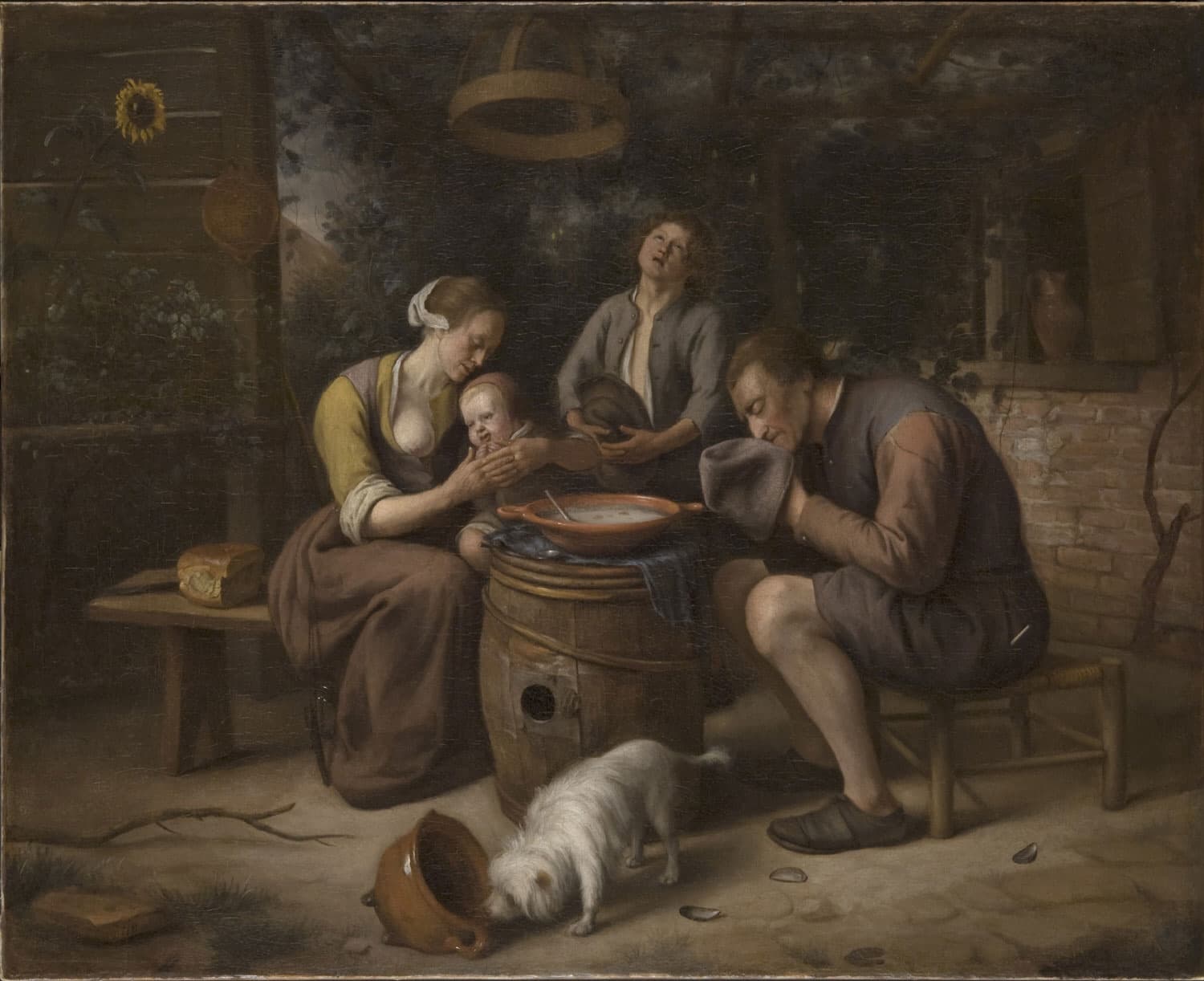
1 Thessalonians 5 · Value 29 of 41 · Featured Study
Prayer
Prayer in Scripture is speech to God, and Paul names its kinds as petitions, prayers, intercessions and thanksgiving, offered for everyone.
In Greek the command “Pray without ceasing” is two words.
Pray without ceasing.
- Anchor text
- 1 Thessalonians 5:12 to 28 “But we ask you, brothers…”
- Its opposite
- Prayer for show, and prayer that cherishes sin
- Hold in memory
- 1 Thessalonians 5:17, Colossians 4:2
Summary
Scripture records prayer made by one person alone and by the gathered people of God. Israel's kings, prophets and psalmists prayed. Jesus withdrew to pray before dawn and through whole nights, and the Gospels record His prayers in Gethsemane and on the cross. After He was taken up, the apostles and the women with them continued in prayer in an upper room in Jerusalem.
- Jesus taught His disciples to address God as Father when they pray.
- Believers come to the Father through Christ, who intercedes for them now.
- The church is told to pray without ceasing, for all people and for one another.
- God refuses the prayer of those who cherish sin or ask from wrong motives.
What Prayer Is
Two Hebrew words and two Greek words carry most of what Scripture says of prayer.
Prayer runs through Scripture from the psalms of Israel to the bowls of incense before the throne, and every believer is told to keep at it. This study of prayer asks what Scripture means by prayer, why God's people pray to a Father who already knows their need, and what it means to keep praying at all times. It gives the Hebrew and Greek words, the key texts, the ground of prayer in God, Christ's own prayer, the people who prayed, the practice and its opposite. It ends with the stories, the church's history, the voices and the questions on which readers disagree.
Tefillah, prayer
72 uses in the canon
Its lexicon gloss is intercession and supplication, and a psalmist asks, “May my prayer be set before You like incense.”
Palal, to pray
84 uses in the canon
Job prayed with it for the friends who had accused him: “After Job had prayed for his friends, the LORD restored his prosperity and doubled his former possessions.”
Proseuche, prayer
35 uses in the canon
Luke uses it of the church in Jerusalem: “They devoted themselves to the apostles’ teaching and to the fellowship, to the breaking of bread and to prayer.”
Proseuchomai, to pray
85 uses in the canon
Paul used it to ask the church at Thessalonica to pray for him and his companions: “Brothers, pray for us as well.”
Tefillah, prayer, Palal, to pray, Proseuche, prayer, Proseuchomai, to pray, The Words Tefillah and Proseuche, the study in brief
The Key Texts of Prayer
The histories, the prophets, the Gospels and the letters each give a command or a promise about prayer.
History
and if My people who are called by My name humble themselves and pray and seek My face and turn from their wicked ways, then I will hear from heaven, forgive their sin, and heal their land.
The LORD gives this answer to Solomon at night, after the temple is finished.
Prophets
Then you will call upon Me and come and pray to Me, and I will listen to you. You will seek Me and find Me when you search for Me with all your heart.
Jeremiah's letter promises the exiles in Babylon that God will listen when they seek Him with all their heart.
Prophets
I will bring them to My holy mountain and make them joyful in My house of prayer. Their burnt offerings and sacrifices will be accepted on My altar, for My house will be called a house of prayer for all the nations.”
Isaiah names the temple a house of prayer open to the foreigners who hold fast to the covenant.
Isaiah 56:7BSB
Gospels
So keep watch at all times, and pray that you may have the strength to escape all that is about to happen and to stand before the Son of Man.”
Jesus joins watchfulness and prayer as the way His disciples are to wait for the Son of Man.
Luke 21:36BSB
Epistles
Devote yourselves to prayer, being watchful and thankful,
Paul writes it just before he asks the Colossians to pray for his own preaching.
Epistles
Be joyful in hope, patient in affliction, persistent in prayer.
The command stands in Paul's list of what sincere love does in the church.
Romans 12:12BSB
Jeremiah 29:12 to 13, Isaiah 56:7, Luke 21:36, Colossians 4:2, Romans 12:12
Prayer Rests on the God Who Hears
One psalm, two sayings of Jesus and two letters give the ground on which prayer stands.
The psalmist who asked “Hear my prayer, O LORD” (Psalm 102:1) said later in the same psalm that God “will not despise their prayer” (Psalm 102:17).
Scripture says that God hears and gives to those who ask, and that believers come to the Father through the Son and in the Spirit.
| Text | The Berean words |
|---|---|
| The God who hears and gives | |
| Psalm 66:19 | “But God has surely heard; He has attended to the sound of my prayer.” |
| Matthew 7:11 | “how much more will your Father in heaven give good things to those who ask Him!” |
| Access through the Son and the Spirit | |
| Ephesians 2:18 | “For through Him we both have access to the Father by one Spirit.” |
| John 14:13 | “And I will do whatever you ask in My name, so that the Father may be glorified in the Son.” |
| Romans 8:27 | “the Spirit intercedes for the saints according to the will of God” |
A table of five texts in two groups, each with its Berean words.
Christ and Prayer
The Gospels record His own habit of prayer, His teaching on it and His prayer at His death, and Hebrews His prayer for His people after it.
He prayed alone and through the nightMark 1 and Luke 6
Mark records that Jesus got up “while it was still dark” and went to a solitary place to pray (Mark 1:35). Before He chose the twelve, “He spent the night in prayer to God” (Luke 6:12).
Yet He frequently withdrew to the wilderness to pray.
Luke 5:16BSB Luke shows the withdrawal to pray as His habit, kept in the middle of crowds and healing.
Read the page on Jesus 33 sections, 35 verses set out
He taught His disciples to prayLuke 11
One day in a place where Jesus had just finished praying, one of His disciples requested, “Lord, teach us to pray, just as John taught his disciples.”
Luke 11:1BSB The disciples ask to be taught after they have watched Jesus pray.
Jesus answered with a prayer that begins, “Father, hallowed be Your name. Your kingdom come” (Luke 11:2).
He prayed in His agony and on the crossLuke 22 and 23
In Gethsemane Jesus told His disciples, “Sit here while I go over there and pray” (Matthew 26:36). Luke records that “in His anguish, He prayed more earnestly, and His sweat became like drops of blood falling to the ground” (Luke 22:44).
Then Jesus said, “Father, forgive them, for they do not know what they are doing.” And they divided up His garments by casting lots.
Luke 23:34BSB On the cross Jesus prays for the men who are crucifying Him.
Read the story of the Crucifixion 12 sections, 12 verses set out
He intercedes for His people nowHebrews 7
On the night He was betrayed Jesus told Peter, “I have prayed for you, Simon, that your faith will not fail” (Luke 22:32). He also prayed for “those who will believe in Me through their message” (John 17:20).
Therefore He is able to save completely those who draw near to God through Him, since He always lives to intercede for them.
Hebrews 7:25BSB Hebrews places Christ's prayer for His people in the present, after His resurrection.
Read the study of the Priest 11 sections, 12 verses set out
He taught His disciples to pray (Luke 11), He prayed in His agony and on the cross (Luke 22 and 23), He intercedes for His people now (Hebrews 7)
Luke 23:34, Hebrews 7:25
Prayer Through the Bible
Prayer runs through the patriarchs, the law, the psalms, the Gospels and the letters.
O You who listen to prayer, all people will come to You.The psalm names God by what He does when His people pray, and it opens His hearing to all people.
Prayer enters the canon as a corporate act, not a private technique: "then began men to call upon the name of Jehovah" (Genesis 4:26) describes a community, not a method. The patriarchal narratives show it as argument and struggle — Abraham bargaining over Sodom, Jacob refusing to release the wrestler at Peniel until blessed. Moses stands in the gap after the golden calf and, uniquely, speaks with God "face to face, as a man speaketh unto his friend." Hannah's silent, grief-driven petition becomes the template Israel returns to for personal need; Solomon's temple dedication, Hezekiah's and Nehemiah's court prayers, and Daniel's fixed three-times-daily discipline in exile show the practice scaling from tabernacle to empire without losing its address. The Psalms institutionalize rhythm — morning, evening, and noon — and root confidence not in technique but in God's character: "thou that hearest prayer" (Psalm 65:2), "Jehovah is nigh unto all them that call upon him" (Psalm 145:18).
Jesus receives this inheritance and intensifies it rather than replacing it. The model prayer he gives (Matthew 6:9 following) is built from Israel's own vocabulary — kingdom, daily bread, forgiveness, deliverance — while his instruction to pray "in secret" targets the performative piety of his day, not prayer itself. He promises persistence answered (Matthew 7:7's ask/seek/knock; Luke 18:1's parable of the unjust judge, spoken "to the end that they ought always to pray, and not to faint") and in Gethsemane embodies a prayer that outruns any formula — agony, repetition, and submission ("not my will, but thine, be done") held together in one scene. John 17 shows him functioning as intercessor for the church before the cross is even reached, praying not for himself but for those the Father gave him.
The early church treats prayer as the engine of its corporate life, not an individual add-on: Acts 2:42 lists it alongside the apostles' teaching, fellowship, and the breaking of bread as a defining devotion, and Acts 4:31 has a prayed-over room physically shaken. Paul locates the Spirit as a co-intercessor inside human weakness — "the Spirit himself maketh intercession for us with groanings which cannot be uttered" (Romans 8:26) — and repeatedly commands unceasing, thankful prayer (Philippians 4:6, 1 Thessalonians 5:17, Ephesians 6:18's "praying always... in the Spirit"). Hebrews reframes the act itself: access is now bold, not tentative, because it rests on a high priest who has already gone in (Hebrews 4:16). James ties prayer to confession, physical healing, and Elijah's ordinary humanity as proof that "the supplication of a righteous man availeth much in its working" (James 5:16, ASV; KJV "the effectual fervent prayer of a righteous man availeth much"); John makes confidence conditional on asking "according to his will" (1 John 5:14) rather than on the asker's certainty.
Scripture holds these postures together without flattening any of them into a formula. Mark 11:24's language of receiving before the answer is seen sits beside Luke 18's insistence on repeated, unanswered-for-a-while asking; Daniel's disciplined daily rhythm sits beside Gethsemane's single desperate night. Two of these are places this site plants a flag rather than leaving the reader to guess. On persistence: the biblical pattern is sustained asking until breakthrough — Luke 18's importunate widow and Daniel's twenty-one-day fast are read here as normative, against the once-and-believe teaching that treats a repeated request as evidence of unbelief. On declaration: Job 22:28 and Mark 11:23 do describe a real authority in the believer's speech, but one exercised under Spirit-discernment rather than applied as a formula — this site holds declaration as real but disciplined, and rejects the Word-of-Faith framing in which confession itself is the creative mechanism. The streams that read those verses more permissively are named on the sources page rather than erased, but the site's own position is stated, not hidden. What the canon does not leave ambiguous is the address itself: prayer throughout is conversation with a Father who hears, mediated by a Son who intercedes, and carried by a Spirit who groans within — not a technique to master but a relationship the whole Bible describes as already open.
Who Prayed
Four people and one church of the Bible prayed in grief, in a fish, in prison and for a friend in chains.
When he heard that the wall of Jerusalem lay broken, “I sat down and wept. I mourned for days, fasting and praying before the God of heaven.”
Nehemiah 1:4In the inner cell at Philippi, “About midnight Paul and Silas were praying and singing hymns to God.”
Acts 16:25
Peter, Paul and Silas
The Practice of Prayer
Scripture names six practices of prayer, each in the words of the verse that gives it.
- 1Keep set times“Morning, noon, and night, I cry out in distress, and He hears my voice.”Psalm 55:17
- 2Pray in secret“But when you pray, go into your inner room, shut your door, and pray to your Father, who is unseen.”Matthew 6:6
- 3Watch and pray“Watch and pray so that you will not enter into temptation.”Matthew 26:41
- 4Pray for your persecutors“But I tell you, love your enemies and pray for those who persecute you,”Matthew 5:44
- 5Ask in faith“But he must ask in faith, without doubting,”James 1:6
- 6Forgive first“And when you stand to pray, if you hold anything against another, forgive it.”Mark 11:25
Pray in secret, Watch and pray, Pray for your persecutors, Ask in faith, Forgive first
Prayer God Refuses
Scripture names prayer made for show, prayer of many words and prayer that holds on to sin.
Through Isaiah the LORD told Jerusalem, “even though you multiply your prayers, I will not listen. Your hands are covered with blood” (Isaiah 1:15). Jesus warned against those who “love to pray standing in the synagogues and on the street corners to be seen by men” (Matthew 6:5), and against those who “babble on like pagans” (Matthew 6:7).
Whoever turns his ear away from hearing the law, even his prayer is detestable.The proverb makes a refusal to hear God's law a refusal of the prayer of the one who will not hear.
And when you do ask, you do not receive, because you ask with wrong motives, that you may squander it on your pleasures.James traces unanswered asking to the motive behind it.
Proverbs 28:9, James 4:3
Prayer in the Stories of the Bible
Three stories tell of a childless wife at Shiloh, an exile at his window and a widow before a judge.
Hannah at Shiloh1 Samuel 1
Hannah had no children. At Shiloh she vowed that if the LORD gave her a son, “I will dedicate him to the LORD all the days of his life” (1 Samuel 1:11). She prayed in her heart without a sound, so the priest Eli thought she was drunk (1 Samuel 1:13). In time she bore a son, Samuel (1 Samuel 1:20).
I prayed for this boy, and since the LORD has granted me what I asked of Him,
1 Samuel 1:27BSB Hannah brings the boy to Eli as the answer to her prayer.
Daniel at his windowDaniel 6
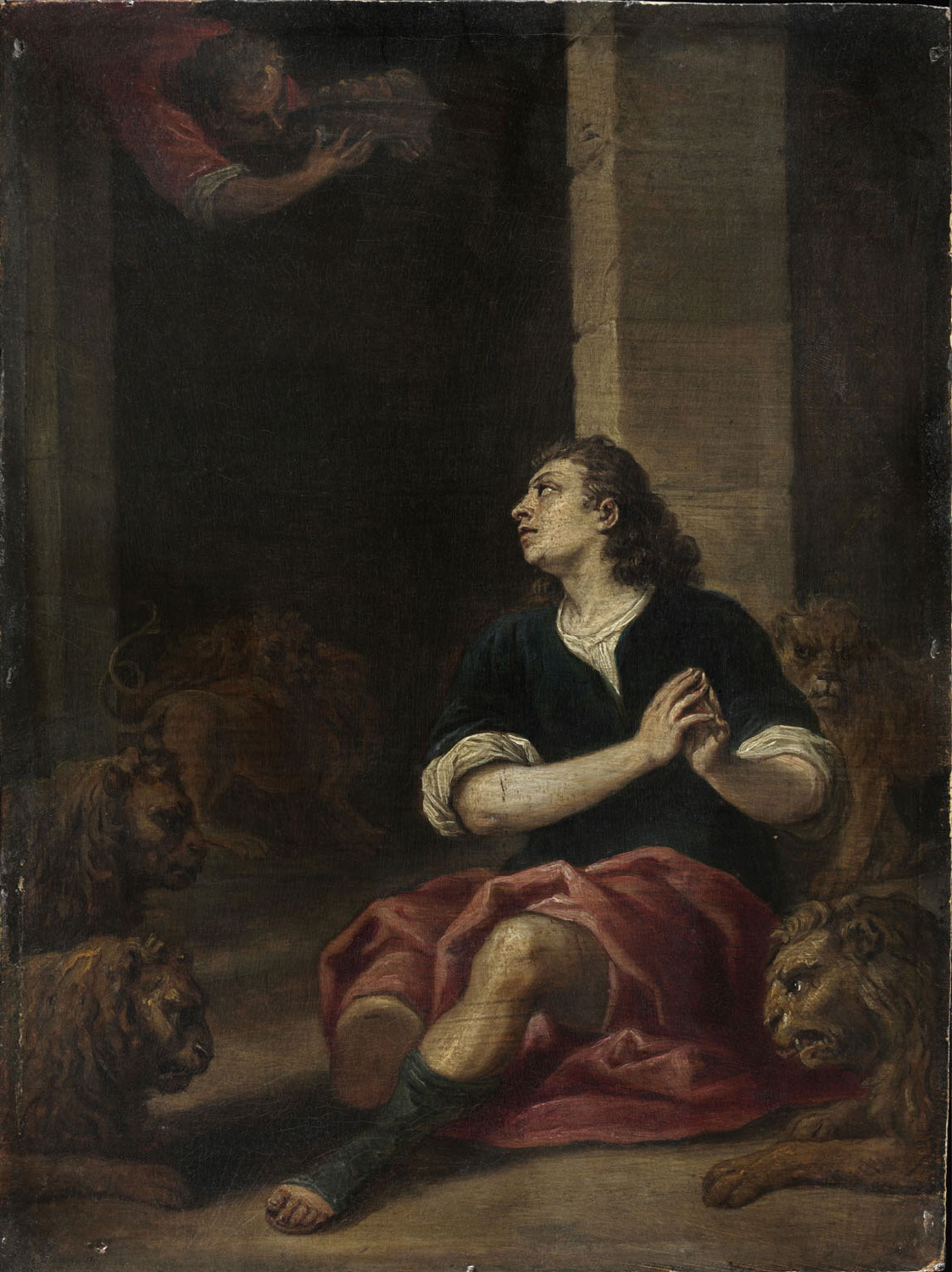
King Darius signed a decree that for thirty days anyone who petitions “any god or man except you, O king” would be thrown into the den of lions (Daniel 6:7). Daniel's accusers found him praying, and he was thrown into the den. At dawn Daniel told the king, “My God sent His angel and shut the mouths of the lions” (Daniel 6:22).
Now when Daniel learned that the document had been signed, he went into his house, where the windows of his upper room opened toward Jerusalem, and three times a day he got down on his knees, prayed, and gave thanks to his God, just as he had done before.
Daniel 6:10BSB Daniel keeps his habit of prayer after the decree is signed.
Read the study of Daniel's Three Times a Day 10 sections, 15 verses set out
The widow and the judgeLuke 18
Jesus told of a judge “who neither feared God nor respected men” and a widow who kept appealing to him, “Give me justice against my adversary” (Luke 18:2 to 3). For a while he refused. Later he said to himself that because she kept pestering him, “I will give her justice”, so that she would stop wearing him out (Luke 18:4 to 5).
Then Jesus told them a parable about their need to pray at all times and not lose heart:
Luke 18:1BSB Luke gives the reason for the parable before Jesus begins it.
Read the study of the Persistent Widow 8 sections, 12 verses set out
Daniel at his window (Daniel 6), The widow and the judge (Luke 18)
Prayer in the Church's History
Three accounts tell of an early manual that set the Lord's Prayer three times a day, a watch of prayer begun in 1727 and a noon meeting in New York.
The DidacheChapter 8
The Didache, an early manual of the church, tells its readers to fast “on the fourth day and the Preparation”, unlike the hypocrites. It tells them not to pray “as the hypocrites; but as the Lord commanded in His Gospel”, and gives the Lord's Prayer with the words “Thrice in the day thus pray.” The translation is M. B. Riddle's, in the Ante-Nicene Fathers (1886), and the manual's own date is not known.
Read the study of the Lord's Prayer 11 sections, 9 verses set out
The Hourly Intercession at Herrnhut1727
J. E. Hutton's History of the Moravian Church (1909) records that the Brethren of Herrnhut took communion together at Berthelsdorf on 13 August 1727. On 27 August they arranged “a system of Hourly Intercession”, so that “the incense of intercessory prayer should rise continually day and night”, and each Brother or Sister took a turn. Hutton adds, “It is said to have lasted without interruption for over a hundred years.”
The noon meeting on Fulton Street1857
A handbill headed “HOW OFTEN SHALL I PRAY?” invited “business men generally” to a weekly meeting “from 12 to 1 o'clock” behind the North Dutch Church in New York. On 23 September 1857 the church's missionary, Jeremiah Lanphier, waited half an hour before one man came, and six came in all. Twenty came the next week and forty the week after, and the meeting voted to gather every day. Talbot W. Chambers recorded it in 1858.
The Hourly Intercession at Herrnhut (1727), The noon meeting on Fulton Street (1857)
Voices on Prayer, by Century
Five quotations from the second century to the eighteenth, each under the line it teaches.
died 108 · Ignatius of Antioch
Epistle of Ignatius to Polycarp
A second-century reading: a bishop is charged to give himself to prayer and to ask for more understanding than he has.
The quotation1 quotation
“Having obtained good proof that thy mind is fixed in God as upon an immoveable rock, I loudly glorify [His name] that I have been thought worthy [to behold] thy blameless face, which may I ever enjoy in God! I entreat thee, by the grace with which thou art clothed, to press forward in thy course, and to exhort all that they may be saved. Maintain thy position with all care, both in the flesh and spirit. Have a regard to preserve unity, than which nothing is better. Bear with all, even as the Lord does with thee. Support all in love, as also thou doest. Give thyself to prayer without ceasing. Implore additional understanding to what thou already hast. Be watchful, possessing a sleepless spirit. Speak to every man separately, as God enables thee. Bear the infirmities of all, as being a perfect athlete [in the Christian life]: where the labour is great, the gain is all the more.”
Ignatius of Antioch · Epistle of Ignatius to Polycarp · on 1 Thessalonians 5:17Patristic
died 215 · Clement of Alexandria
The Stromata Book 7
A third-century reading: God is near the one who calls on Him in the silence of the soul, even before he has finished speaking.
The quotation1 quotation
“If he but form the thought in the secret chamber of his soul, and call on the Father ‘with unspoken groanings,’ He is near, and is at his side, while yet speaking.”
Clement of Alexandria · The Stromata Book 7 · on Romans 8:26Patristic
died 444 · Cyril of Alexandria
Catena Aurea by Aquinas
A fifth-century reading: the Son, who lacked nothing, prayed to teach His disciples to be earnest in prayer.
The quotation1 quotation
“Now whereas He possesses every good in abundance, why does He pray, since He is full, and has altogether need of nothing? To this we answer, that it befits Him, according to the manner of His dispensation in the flesh, to follow human observances at the time convenient for them. For if He eats and drinks, He rightly was used to pray, that He might teach us not to be lukewarm in this duty, but to be the more diligent and earnest in our prayers.”
Cyril of Alexandria · Catena Aurea by Aquinas · on Luke 11:1Patristic
died 735 · Bede
Homilies on the Gospels 2.14
An eighth-century reading: God wants to be asked so that He may give.
The quotation1 quotation
“God loves to be asked, so that he can give.”
Bede · Homilies on the Gospels 2.14 · on James 5:16Patristic
1662 to 1714 · Matthew Henry
Commentary on the Whole Bible
An eighteenth-century reading: Jesus prayed alone to set His people an example of secret prayer.
The quotation1 quotation
“He prayed, prayed alone; to set us an example of secret prayer. Though as God he was prayed to, as man he prayed. Though he was glorifying God, and doing good, in his public work, yet he found time to be alone with his Father; and thus it became him to fulfil all righteousness.”
Matthew Henry · Commentary on the Whole Bible · on Mark 1:35Puritan
Cyril of Alexandria, Bede, Matthew Henry
How Prayer Has Been Taught
Origen in the third century, Augustine in the fifth and Calvin in the sixteenth taught why to pray, how long and at what hours.
Origen taught that the prayer of Jesus shows that prayer is never in vain.1 paragraph
In his treatise On Prayer (13.1) Origen wrote that “Jesus prayed and did not pray in vain, since he received what he asked for in prayer when he might have done so without prayer”. He went on, “If so, who among us would neglect to pray?”
Augustine taught that long prayer and many words are two different things.1 paragraph
Augustine wrote to Proba (Letter 130, translated by J. G. Cunningham, 1887) that “to spend a long time in prayer is not, as some think, the same thing as to pray with much speaking”. He added that “the brethren in Egypt are reported to have very frequent prayers, but these very brief”.
Calvin taught that set hours of prayer support weakness and never discharge the rest of the day.1 paragraph
In the Institutes, book 3, chapter 20, section 50, translated by Henry Beveridge (1845), Calvin set hours for prayer on rising, at meals and on going to rest. He warned that this “must not be a superstitious observance of hours, by which, as it were, performing a task to God, we think we are discharged as to other hours”.
Where the Science Speaks
A trial of prayer by strangers for heart bypass patients found that it had no effect on their recovery.
Benson and others (2006) randomly assigned patients in six American hospitals to three groups of about six hundred each and measured whether each patient recovered without complications.
Prayer and the Mind, the study in brief
The Studies of Prayer
Each study takes one part of prayer into more depth.
The texts
2 studies
- Passages and psalms · 9 verses set outPray Without Ceasing
1 Thessalonians 5:17 is the second of three short commands that Paul gives near the close of his first letter to the church at Thessalonica.
- Doctrines · 9 verses set outThe Lord's Prayer
Jesus taught the prayer in the Sermon on the Mount, and Luke records a shorter form of it.
- Passages and psalms · 9 verses set outPray Without Ceasing
The stories
2 studies
- Stories · 15 verses set outDaniel Prays Three Times a Day
Daniel 6 records a thirty-day ban on prayer under Darius the Mede and the night Daniel spent in a den of lions.
- Stories · 12 verses set outThe Persistent Widow
Luke 18:1 to 8 is a parable of Jesus set in a town court, told to His disciples about prayer.
- Stories · 15 verses set outDaniel Prays Three Times a Day
The words
1 study
- Symbols and words · 12 verses set outThe Words Tefillah and Proseuche
Tefillah and proseuche run through Scripture from the prayers of Israel's kings and psalmists to the worship of heaven.
- Symbols and words · 12 verses set outThe Words Tefillah and Proseuche
The science
1 study
- Doctrines · 7 verses set outPrayer and the Mind
Twelve published studies measured the sick who were prayed for and the people who pray, from 1988 to 2016.
- Doctrines · 7 verses set outPrayer and the Mind
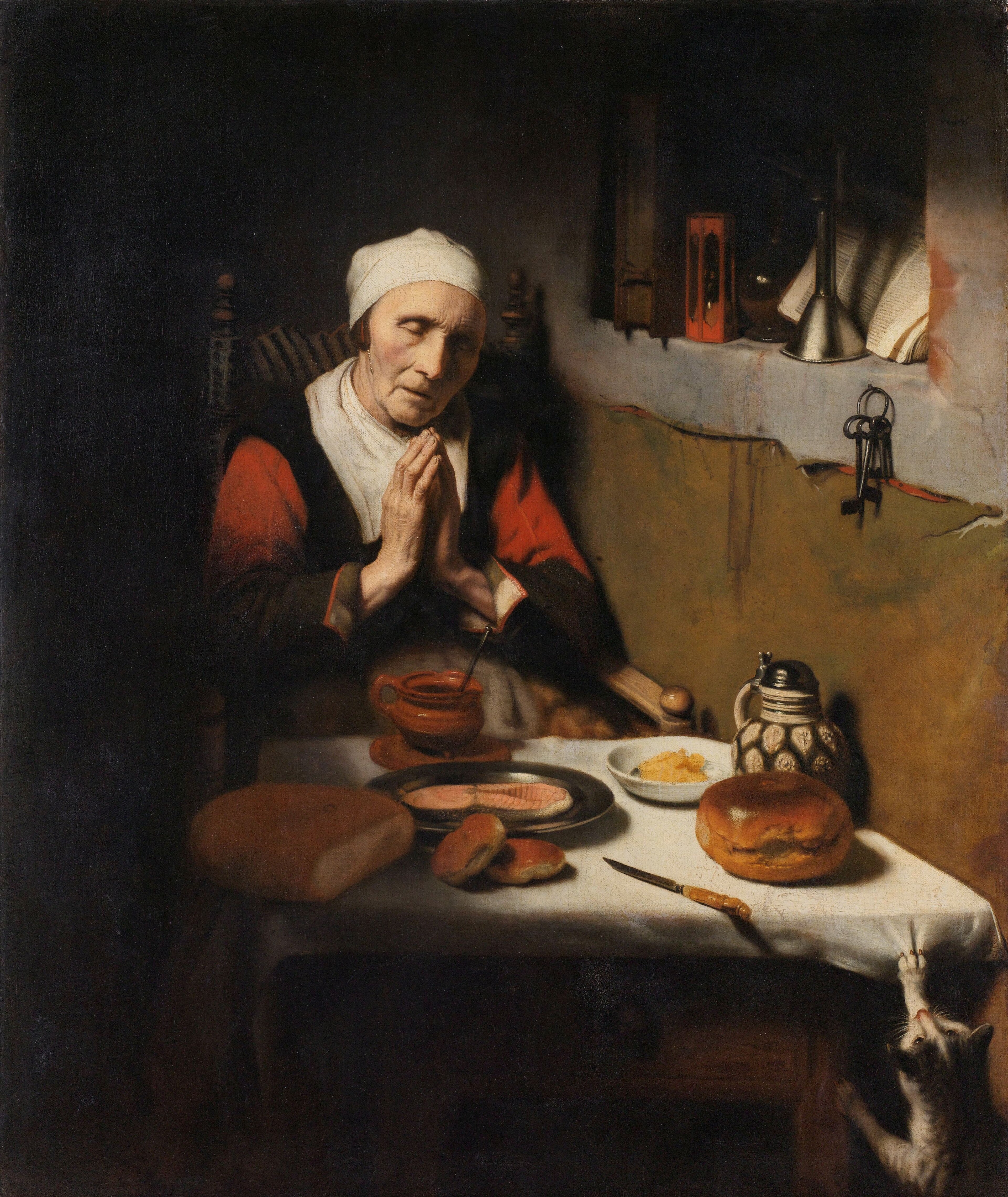
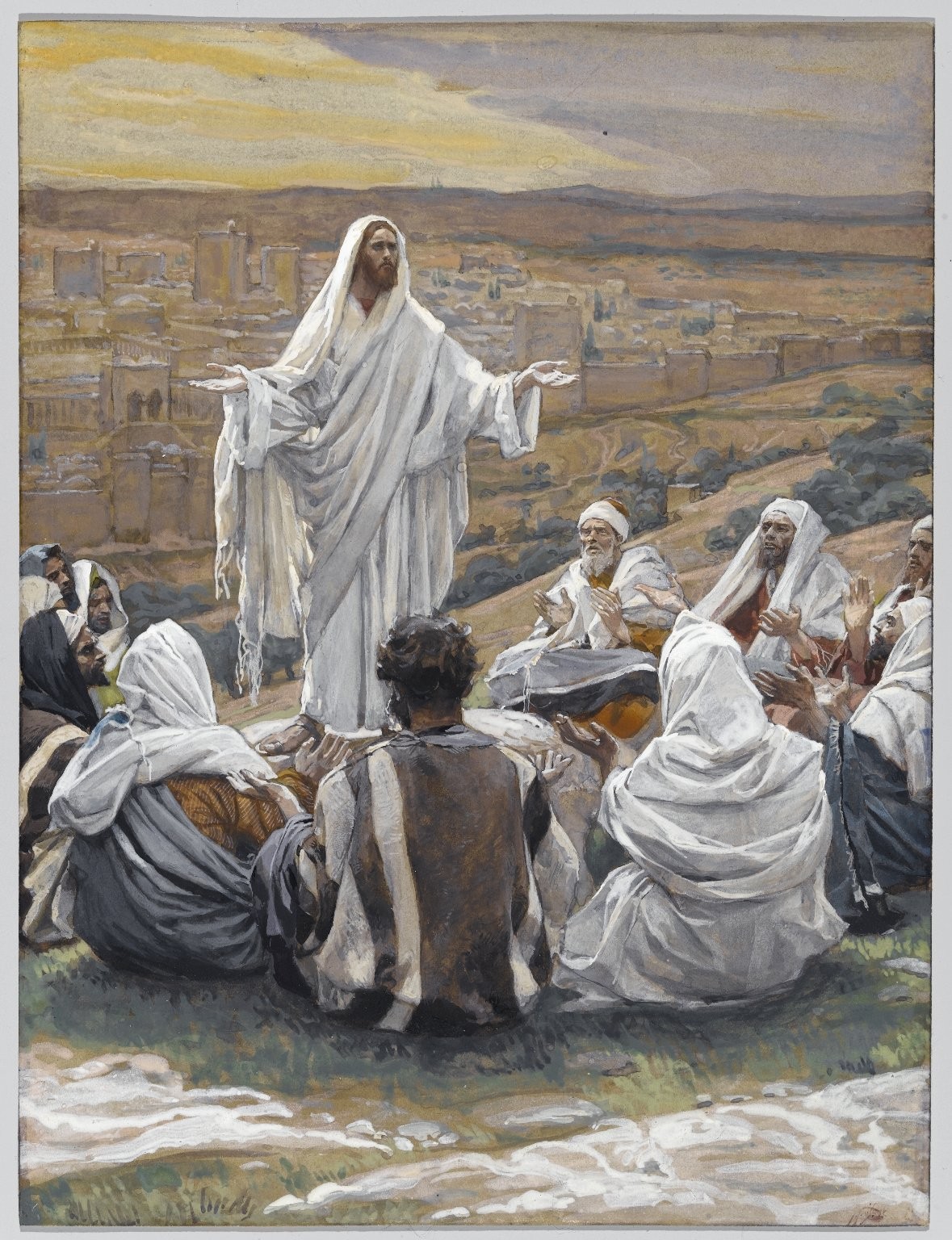
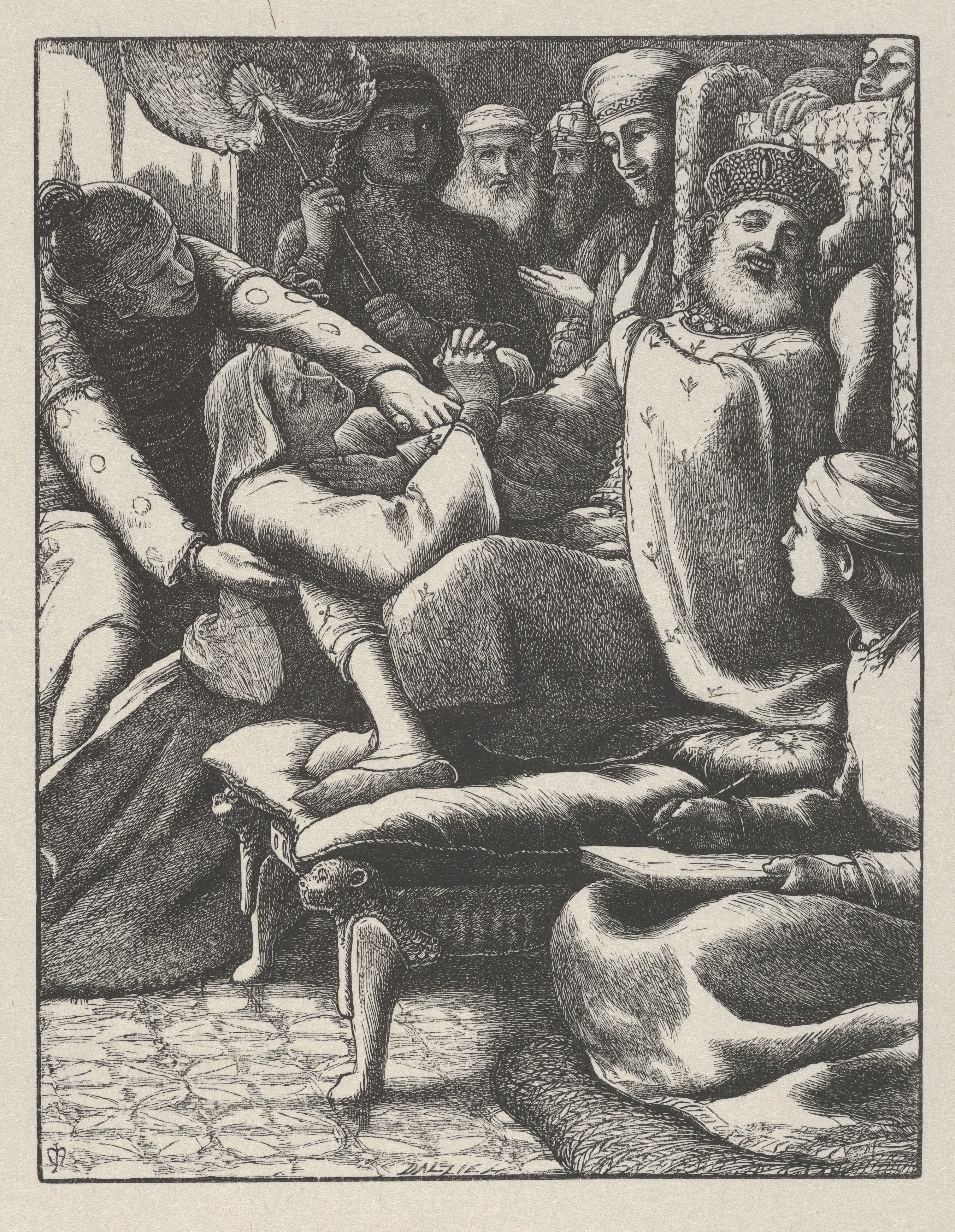
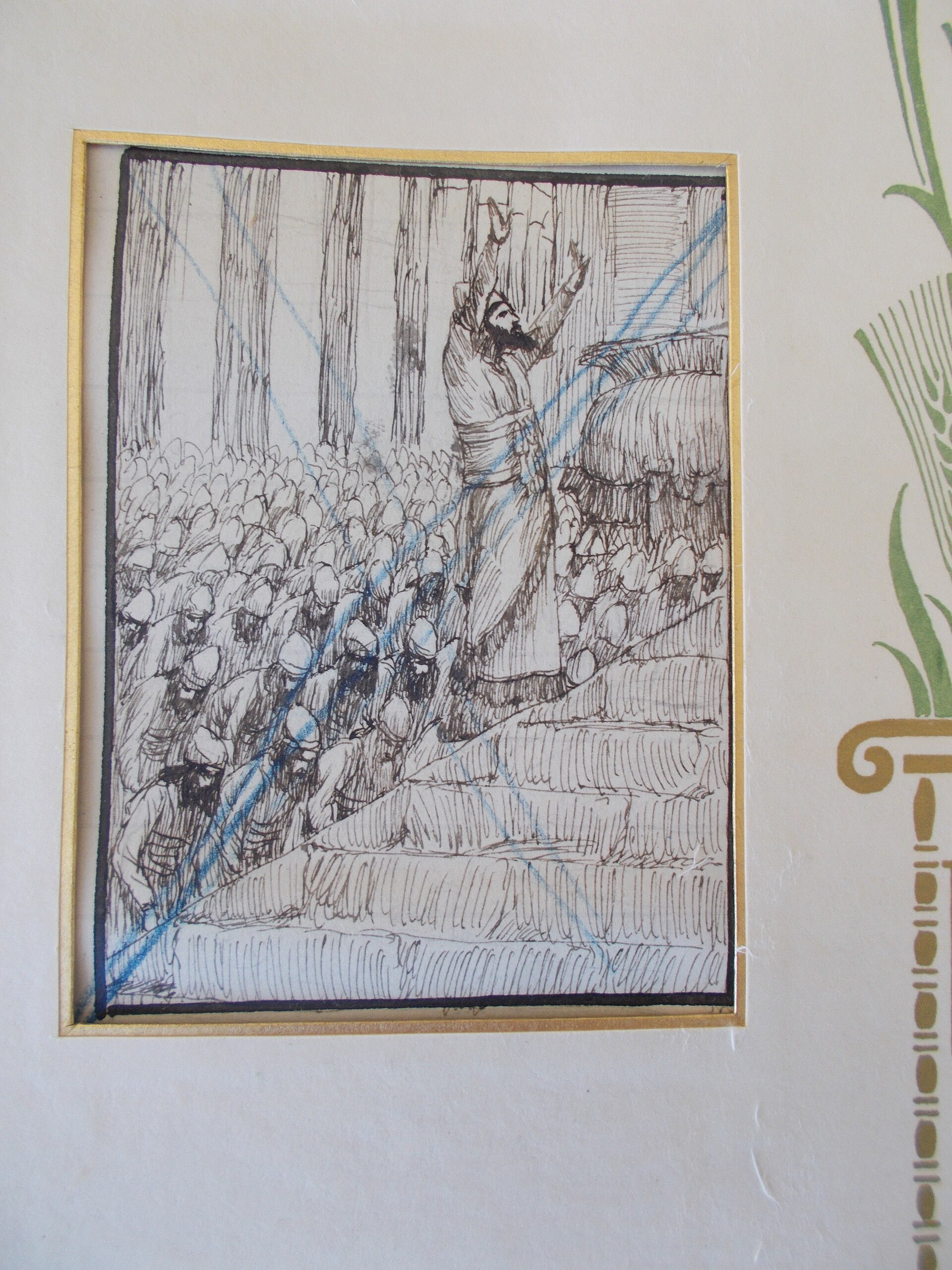
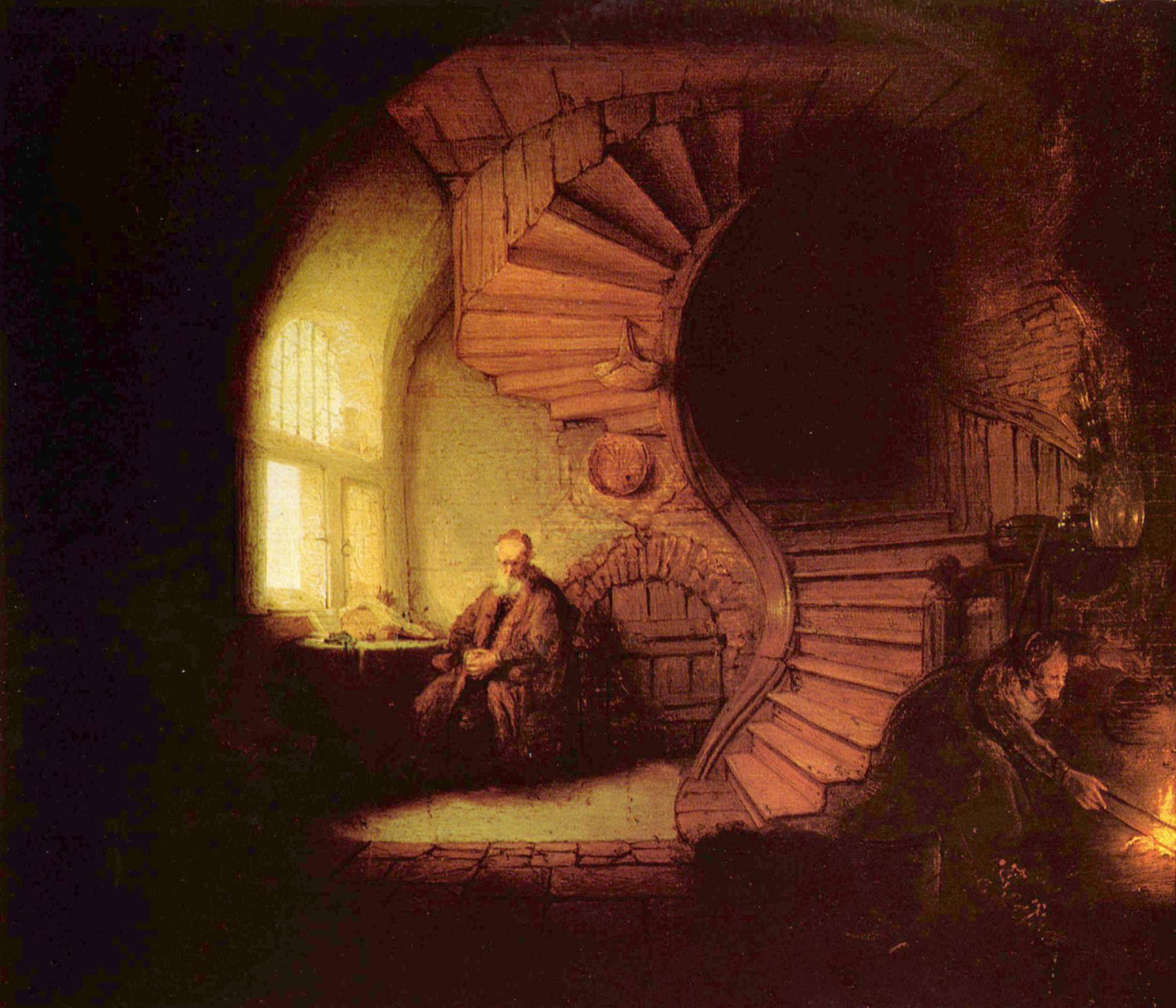
The Lord's Prayer, Daniel Prays Three Times a Day, The Persistent Widow, The Words Tefillah and Proseuche, Prayer and the Mind
Where Readers Disagree
Six readings answer three questions, each with its holders, the work that argues it and the objection raised against it.
What Pray without ceasing asks
Read the study of Pray Without Ceasing 9 sections, 9 verses set out
| Reading | Held by | Work | Objection |
|---|---|---|---|
| The continual desire of the heart, with words kept for stated hours | Augustine of Hippo (Latin patristic) | Augustine, Letter 130 to Proba, chapter 9, section 18 (translated by J. G. Cunningham, 1887) | Matthew Henry read the command as stated times kept without lapse, so that “nothing else we do should hinder prayer in its proper season”. |
| Prayer kept at its stated times without lapse | Matthew Henry; Jamieson, Fausset and Brown (English Presbyterian; Scottish Presbyterian commentary) | Henry, Commentary on the Whole Bible (1710), on 1 Thessalonians 5:17; Jamieson, Fausset and Brown, Commentary Critical and Explanatory (1871), on 1 Thessalonians 5:17 | Augustine held that the command reaches past the hours of words to a desire that does not stop, since “if thy desire continues uninterrupted, thy prayer continueth also”. |
Why pray if the Father knows our needs
Read the study of Jesus on Prayer
| Reading | Held by | Work | Objection |
|---|---|---|---|
| Prayer is for the sake of the one who prays | John Calvin (Reformed) | Calvin, Institutes of the Christian Religion, book 3, chapter 20, section 3, translated by Henry Beveridge (1845) | Aquinas answered that prayer also obtains what God has disposed to give through it, so it does more than shape the one who prays. |
| God has disposed to give certain things through prayer | Thomas Aquinas; Bede (Scholastic; Anglo-Saxon monastic) | Aquinas, Summa Theologiae, II-II question 83, article 2 (English Dominican translation, 1920); Bede, Homilies on the Gospels, book 2, homily 14 | Calvin granted that God “wakes and watches for us” and “sometimes even assists us unasked”, so the gift does not wait on the asking. |
Whether the saints in heaven pray for us
Read the study of the Priest 11 sections, 12 verses set out
| Reading | Held by | Work | Objection |
|---|---|---|---|
| They pray for those still on earth | Thomas Aquinas (Scholastic) | Aquinas, Summa Theologiae, II-II question 83, article 11 (English Dominican translation, 1920) | Calvin answered that Scripture “calls us away from all others to Christ alone” as the way of access to the Father. |
| Prayer goes to the Father through Christ alone | John Calvin; Jamieson, Fausset and Brown (Reformed; Scottish Presbyterian commentary) | Calvin, Institutes, book 3, chapter 20, section 21, translated by Henry Beveridge (1845); Jamieson, Fausset and Brown, Commentary Critical and Explanatory (1871), on Revelation 8:3 | Aquinas held that prayers for others proceed from charity, so “the greater the charity of the saints in heaven, the more they pray for wayfarers”. |
Sources
Scripture is the Berean Standard Bible.
- STEP Bible TBESH and TBESG glosses (Tyndale House, Cambridge, CC BY 4.0), the Greek glosses based on Abbott-Smith (1922), with the Strong's definitions (1890) the rows carry.
- STEP Bible, the tagged Hebrew and Greek texts (Tyndale House, Cambridge), CC BY 4.0.
- The Didache, chapter 8, translated by M. B. Riddle, Ante-Nicene Fathers, volume 7 (Buffalo: Christian Literature Publishing, 1886)
- J. E. Hutton, A History of the Moravian Church (1909), pages 210 to 211.
- Talbot W. Chambers, The Noon Prayer Meeting of the North Dutch Church, Fulton Street, New York (1858), pages 41 to 44.
- H. Benson, J. A. Dusek, J. B. Sherwood and others, Study of the Therapeutic Effects of Intercessory Prayer (STEP) in cardiac bypass patients, American Heart Journal 151: 934 to 942 (2006)
- Origen, On Prayer 13.1, in a modern English translation.
- Augustine of Hippo, Letter 130, to Proba, chapter 10, translated by J. G. Cunningham, Nicene and Post-Nicene Fathers, first series, volume 1 (Buffalo: Christian Literature Publishing, 1887)
- John Calvin, Institutes of the Christian Religion, book 3, chapter 20, sections 3, 21 and 50, translated by Henry Beveridge (1845)
- Thomas Aquinas, Summa Theologiae, II-II question 83, articles 2 and 11, English Dominican translation, second edition (1920)
- Ignatius of Antioch, Epistle to Polycarp (Ante-Nicene Fathers, volume 1)
- Clement of Alexandria, The Stromata, book 7, on Romans 8:26 (Ante-Nicene Fathers, volume 2)
- Cyril of Alexandria on Luke 11:1, in Thomas Aquinas, Catena Aurea, English translation (Oxford, 1841)
- Bede, Homilies on the Gospels, book 2, homily 14.
- Matthew Henry, Commentary on the Whole Bible (1710), on Mark 1:35.
- Robert Jamieson, A. R. Fausset and David Brown, Commentary Critical and Explanatory on the Whole Bible (1871), on Revelation 8:3.
- Marcus Brown, Prayer (the theme text of /themes/prayer, moved byte for byte)
Keep Studying
Studies8
In this value6
People and groups21
Show the next 6 titles
Show the next 6 titles
Places1
Subjects1
Symbols2