
Isaiah 10:1
in Isaiah 10Woe to those who enact unjust statutes and issue oppressive decrees,
BSB
The same verse in ASV and KJV ▾
ASV
Woe unto them that decree unrighteous decrees, and to the writers that write perverseness;
KJV
Woe unto them that decree unrighteous decrees, and that write grievousness which they have prescribed;
⋯
This verse in Isaiah 10
Commentary
9 notes on this verse"Woe to those who establish unjust laws and write injustice." Most people still believe that these things are said against the ten tribes who lived in Samaria, because they too joined in the previous crimes. But to us it seems that the prophetic word is crying out against the judges of the tribe of Judah and Jerusalem, namely the Scribes and the Pharisees, because they have written unjust laws against God's law and have undermined the truth of justice with their traditions.
This site's exposition
Woe unto them that decree unrighteous decrees
on Isaiah 10:1-4
The last of the chapter's woes turns from surrounding nations to Judah's own courts, judges who decree unrighteous decrees and write grievousness into law to rob the widow and the fatherless under color of legal process. The question that follows is a courtroom question turned back on the judges themselves: what will ye do in the day of visitation, and to whom will ye flee for help? Verse 4 closes with the refrain that has run since chapter 9, his hand is stretched out still, tying this woe to the series of national judgments already pronounced.
The record, by era
The Medieval Church1 voice
Woe to them that make wicked laws. Here he begins to threaten against foreign enemies who persecute them bodily: and first, against those who lay waste, second, against those who rejoice in this laying waste: in the year that king Achaz died (Isa 14:28). The …
The Reformation1 voice
This ought to be carefully observed, for they who are elevated to the highest rank imagine that they are exempted from the ordinary lot of other men, and that they are not bound to give account to God; and therefore he threatens that they will have this privilege, that they will be the first that are punished.
The Puritans and the Awakening2 voices
Woe unto them that decree unrighteous decrees,....
No people had statutes and judgments to righteous as they had, and yet corrupt judges found ways to turn aside the needy from judgment, to hinder them from coming at their right and recovering what was their due, because they were needy and poor, and such as they could get nothing by nor expect any bribes from.
The Nineteenth Century1 voice
A commentator
Albert Barnes1798–1870
Notes, Explanatory and Practical, on the Old and New Testaments (1832-1869)
Wo unto them that decree unrighteous decrees - To those who frame statutes that are oppressive and iniquitous. The prophet here refers, doubtless, to the rulers and judges of the land of Judea. A similar description he had before given; Isa 1:10, Isa 1:23, ... And that write ... - Hebrew, ‘And to the writers who write violence.’ The word translated “grievousness,” עמל ‛âmâl, denotes properly “wearisome labor, trouble, oppression, injustice.” Here, it evidently refers to the judges who declared oppressive and unjust sentences, and caused them to be recorded.
2 more voices on this verse
The Nineteenth Century1 voice
A commentator
Jamieson, Fausset & Brown1802–1910
Commentary Critical and Explanatory on the Whole Bible (1871)
proposed
them that decree--namely, unrighteous judges. write grievousness, &c.--not the scribes, but the magistrates who caused unjust decisions (literally, "injustice" or "grievousness") to be recorded by them (Isa 65:6) [MAURER], (Isa 1:10, 23).
quarantine:debris (2026-07-29) — starts-lowercase
Modern Voices1 voice
A commentator
GK ChestertonAlarms and Discursions, The Steward of the Chiltern Hundreds (1910) (1910)
proposed
For the robbers have not vanished from the old high forests to the west of the great city. The thieves have not vanished; they have grown so large that they are invisible. You do not see the word "Asia" written across a map of that …
How the passage was read
What the Jewish commentators add
Woe unto them that sign oppressive decrees, and to those who write a grievous enactment.
This section is reception history: how the passage was read and kept in the Jewish tradition. Where a reading parts from an essential of the Christian faith, the section says so at that point.
Texts and citation data: Sefaria; each excerpt follows its version’s licence. 5 further sources are cited on this chapter that carry no English text this site may quote or only restate the verse.
The words behind it
7 Hebrew wordsEvery Hebrew word of this verse in the order it stands, with what it means and the door to its own study. The last column counts the times a word stands in the whole Bible: the rarer the word, the more the places it appears belong together.
| Hebrew | Sound | Meaning | Word study | In the Bible |
|---|---|---|---|---|
| ה֥וֹי | ho | woe to! | H1945 → | 51 times |
| הַחֹֽקְקִ֖ים | hachokekim | those [who] decree | H2710 → | 19 times |
| חִקְקֵי־ | chikei- | decrees of | H2711 → | |
| אָ֑וֶן | ʾaven | wickedness | H205 → | 77 times |
| וּֽמְכַתְּבִ֥ים | umekhatevim | and writers | H3789 → | 224 times |
| עָמָ֖ל | ʾamal | [who] trouble | H5999 → | 55 times |
| כִּתֵּֽבוּ׃ | kitevu | they wrote | H3789 → | 224 times |
ה֥וֹיwoe to!
hoH1945 →51 times
הַחֹֽקְקִ֖יםthose [who] decree
hachokekimH2710 →19 times
חִקְקֵי־decrees of
chikei-H2711 →
אָ֑וֶןwickedness
ʾavenH205 →77 times
וּֽמְכַתְּבִ֥יםand writers
umekhatevimH3789 →224 times
עָמָ֖ל[who] trouble
ʾamalH5999 →55 times
כִּתֵּֽבוּ׃they wrote
kitevuH3789 →224 times
A shaded row is a word that stands 400 times or fewer in the Bible.
The walk
8 stopsEach card is a verse this one points to, and under it the verses that one points to in turn. Where several paths arrive at the same place, that place is listed first: the text keeps returning to it.
Through
Matthew 23:23Woe to you, scribes and Pharisees, you hypocrites! You pay tithes of mint, dill, and cumin. But you have disregarded the weightier matters of the law: justice, mercy, and faithfulness. You should have practiced…
it leads to
- Luke 11:42
Woe to you Pharisees! You pay tithes of mint, rue, and every herb, but you disregard justice and the love of God. You should have practiced the latter without neglecting the former.
- Micah 6:8
He has shown you, O man, what is good. And what does the LORD require of you but to act justly, to love mercy, and to walk humbly with your God?
- Hosea 6:6
For I desire mercy, not sacrifice, and the knowledge of God rather than burnt offerings.
- Matthew 9:13
But go and learn what this means: ‘I desire mercy, not sacrifice.’ For I have not come to call the righteous, but sinners.”
- Matthew 5:19–20
So then, whoever breaks one of the least of these commandments and teaches others to do likewise will be called least in the kingdom of heaven; but whoever practices and teaches them will be…
- Luke 11:42
Through
Luke 11:52Woe to you experts in the law! For you have taken away the key to knowledge. You yourselves have not entered, and you have hindered those who were entering.”
it leads to
- Matthew 23:13
Woe to you, scribes and Pharisees, you hypocrites! You shut the kingdom of heaven in men’s faces. You yourselves do not enter, nor will you let in those who wish to enter.
- Malachi 2:7
For the lips of a priest should preserve knowledge, and people should seek instruction from his mouth, because he is the messenger of the LORD of Hosts.
- Acts 4:17–18
But to keep this message from spreading any further among the people, we must warn them not to speak to anyone in this name.”
- Matthew 23:13
Where this verse is studied
On this page
About Isaiah
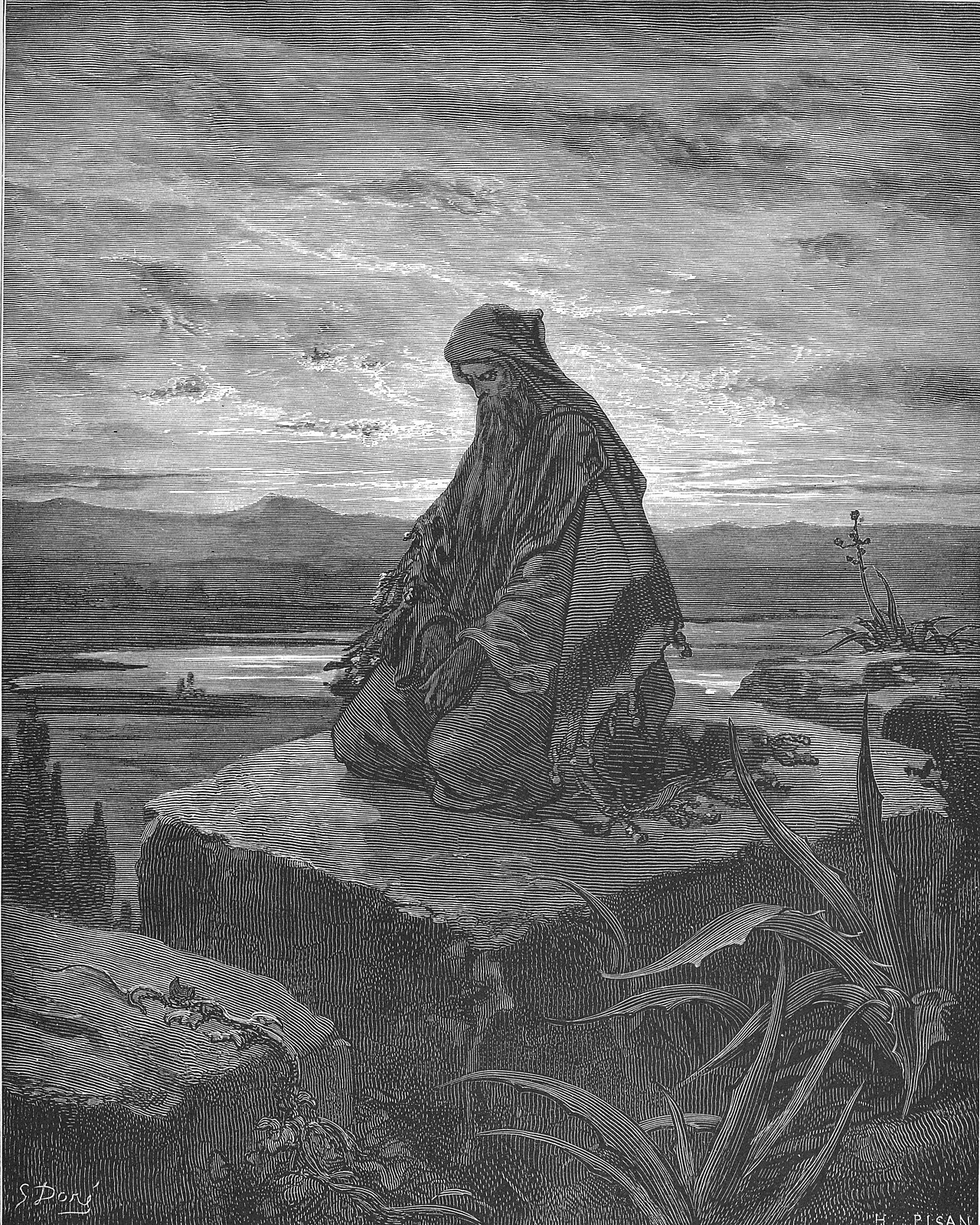
This page draws on 9 works. Open the list of works
This page draws on Albert Barnes, Notes on the Book of Isaiah; Albert Barnes, Notes, Explanatory and Practical, on the Old and New Testaments (1832-1869); GK Chesterton, Alarms and Discursions, The Steward of the Chiltern Hundreds (1910); Jamieson, Fausset & Brown, Commentary Critical and Explanatory on the Whole Bible; Jerome, Commentary on Isaiah; John Calvin, Commentaries; John Gill, Exposition of the Old Testament (1748-1763); Matthew Henry, Commentary on the Whole Bible and Thomas Aquinas, Commentary on Isaiah.