
Ezekiel 16:13
in Ezekiel 16So you were adorned with gold and silver, and your clothing was made of fine linen, silk, and embroidered cloth. You ate fine flour, honey, and oil. You became very beautiful and rose to be queen.
BSB
The same verse in ASV and KJV ▾
ASV
Thus wast thou decked with gold and silver; and thy raiment was of fine linen, and silk, and broidered work; thou didst eat fine flour, and honey, and oil; and thou wast exceeding beautiful, and thou didst prosper unto royal estate.
KJV
Thus wast thou decked with gold and silver; and thy raiment was of fine linen, and silk, and broidered work; thou didst eat fine flour, and honey, and oil: and thou wast exceeding beautiful, and thou didst prosper into a kingdom.
⋯
This verse in Ezekiel 16
Commentary
9 notes on this verseA commentator
Albert Barnes1798–1870
Notes, Explanatory and Practical, on the Old and New Testaments (1832-1869)
Fine flour, and honey, and oil - These were the choicest kinds of food. Into a kingdom - This part of the description refers to the reigns of David and Solomon, when the kingdom of Israel (still undivided) attained its highest pitch of grandeur.
This site's exposition
Then washed I thee with water
on Ezekiel 16:9-14
The Lord himself washes, anoints, clothes and crowns the bride, fine linen and silk, gold and silver, until her renown for beauty spreads among the nations. The chapter is explicit about the source of it: it was perfect through my comeliness, which I had put upon thee. Henry reads the section as Israel's prosperity under David and Solomon, and Barnes adds that naming every ornament makes the coming betrayal weigh as heavily as it does; nothing here was self-made.
The record, by era
The Church Fathers1 voice
(Verse 13.) And you are adorned with gold and silver. We have often said that gold pertains to the mind, and silver to eloquence. May the Lord grant us to receive divine understanding and wisdom, and to bring forth with eloquence what we conceive in our minds, and by no means to make an idol out of them as heretics do, of whom it is written: 'I gave them silver and gold, but they made a Baal out of silver and gold' (Hosea 2:8). And this, according to spiritual understanding, is more suited to the adornment of women.
The Puritans and the Awakening2 voices
Thus wast thou decked with gold and silver,....
We need not be particular in the application of these. Her wardrobe was well furnished with rich apparel; they had embroidered work to wear, shoes of fine badgers' skins, linen girdles, and silk veils, bracelets and necklaces, jewels and ear-rings, and even a beautiful crown, or coronet.
The Nineteenth Century2 voices
A commentator
Jamieson, Fausset & Brown1802–1910
Commentary Critical and Explanatory on the Whole Bible (1871)
proposed
flour . . . honey . . . oil--These three mixed form the sweetest cakes; not dry bread and leeks as in Egypt. From raiment He passes to food (De 32:13, 14). exceeding beautiful-- Ps 48:2, the city; also, Ps 29:2, the temple. prosper into a kingdom--exercising empire over surrounding nations.
quarantine:debris (2026-07-29) — starts-lowercase
THE root of Israel's nation was originally a lone man whose family and dependants formed a small Bedouin tribe wandering throughout the plains of Canaan. God separated and selected Abraham, who was in no way distinct from others in his parentage, and declared that in him and in his seed should all the nations of the earth be blessed. When the tribe had somewhat multiplied, God found them in Egypt, a herd of slaves helplessly crushed beneath the foot of Pharaoh. They were sorely burdened with labors for which they received no reward.
2 more voices on this verse
The Nineteenth Century2 voices
THE root of Israel's nation was originally a lone man whose family and dependants formed a small Bedouin tribe wandering throughout the plains of Canaan. God separated and selected Abraham, who was in no way distinct from others in his parentage, and declared that in him and in his seed should all the nations of the earth be blessed. When the tribe had somewhat multiplied, God found them in Egypt, a herd of slaves helplessly crushed beneath the foot of Pharaoh. They were sorely burdened with labors for which they received no reward. They were without spirit to resent the oppressions of their taskmasters and without power to succeed had the energy been there. Yet God brought them out of Egypt. He led them through the wilderness, chased out powerful nations before them, settled them in the most fertile country and there multiplied them at such an extraordinary rate, and enriched and endowed them with such power that the little kingdom of Israel became famous among the nations of the earth! And in the days of Solomon its scepter was respected far and wide. The nations of the earth stood still and wondered how so small a monarchy had come to be so exceedingly rich and great. It was entirely through the favor of Jehovah that these great blessings had been received. He had a favor to Abraham's race. He revealed Himself to them and not to others. He chose them to be His people and made them the custodians of His Law. His worship was kept up among them and while they were faithful to Him they were a happy and a prosperous people whose renown went forth to Tarshish and the isles—and the excellence of whose laws and government was respected and admired even by such distant nations as those which were governed by the queen of the South. The beauty of the nation consisted entirely in what God had done for it—its comeliness was a comeliness which Jehovah had put upon it.
Thus wast thou decked, etc. - The Targum understands all this of the tabernacle service, the book of the law, the sacerdotal vestments, etc. Thou didst prosper into a kingdom - Here the figure explains itself: by this wretched infant, the low estate of the Jewish nation in its origin is pointed out; by the growing up of this child into woman’s estate, the increase and multiplication of the people; by her being decked out and ornamented, her tabernacle service, and religious ordinances; by her betrothing and consequent marriage, the covenant which God made with the Jews; by her fornication and adulteries, their apostasy from God, and the establishment of idolatrous worship, with all its abominable rites; by her fornication and whoredoms with the Egyptians and Assyrians, the sinful alliances which the Jews made with those nations, and the incorporation of their idolatrous worship with that of Jehovah; by her lovers being brought against her, and stripping her naked, the delivery of the Jews into the hands of the Egyptians, Assyrians, and Chaldeans, who stripped them of all their excellencies, and at last carried them into captivity. This is the key to the whole of this long chapter of metaphors; and the reader will do well to forget the figures, and look at the facts. The language and figures may in many places appear to us exceptionable: but these are quite in conformity to those times and places, and to every reader and hearer would appear perfectly appropriate, nor would engender either a thought or passion of an irregular or improper kind. Custom sanctions the mode, and prevents the abuse. Among naked savages irregular passions and propensities are not known to predominate above those in civilized life. And why? Because such sights are customary, and therefore in themselves innocent. […]
How the passage was read
What the Jewish commentators add
On the verses either side of this one
And I put a nose ring on your nose [Jonathan renders:] And I placed the ark of My covenant among you.
This section is reception history: how the passage was read and kept in the Jewish tradition. Where a reading parts from an essential of the Christian faith, the section says so at that point.
Texts and citation data: Sefaria; each excerpt follows its version’s licence. 3 further sources are cited on this chapter that carry no English text this site may quote or only restate the verse.
The words behind it
16 Hebrew wordsEvery Hebrew word of this verse in the order it stands, with what it means and the door to its own study. The last column counts the times a word stands in the whole Bible: the rarer the word, the more the places it appears belong together.
| Hebrew | Sound | Meaning | Word study | In the Bible |
|---|---|---|---|---|
| וַתַּעְדִּ֞י | vata'di | and you ornamented yourself | H5710 → | 10 times |
| זָהָ֣ב | zahav | gold | H2091 → | 389 times |
| וָכֶ֗סֶף | vakhesef | and silver | H3701 → | 403 times |
| וּמַלְבּוּשֵׁךְ֙ | umalbushekh | and clothing your | H4403 → | |
| שֵׁ֤שׁ | sheshi | [was] fine linen | H8336 → | 41 times |
| וָמֶ֙שִׁי֙ | vameshi | and silk | H4897 → | |
| וְרִקְמָ֔ה | verikmah | and multicolored cloth | H7553 → | 12 times |
| סֹ֧לֶת | solet | fine flour | H5560 → | 53 times |
| וּדְבַ֛שׁ | udevash | and honey | H1706 → | 54 times |
| וָשֶׁ֖מֶן | vashemen | and oil | H8081 → | 193 times |
| אָכָ֑לְתְּ | ʾakhalti | you ate | H398 → | 810 times |
| וַתִּ֙יפִי֙ | vatifi | and you were beautiful | H3302 → | |
| בִּמְאֹ֣ד | bimod | with muchness | H3966 → | 300 times |
| מְאֹ֔ד | meod | muchness | H3966 → | 300 times |
| וַֽתִּצְלְחִ֖י | vatitzlechi | and you prospered | H6743 → | 65 times |
| לִמְלוּכָֽה׃ | limlukhah | into kingship | H4410 → |
וַתַּעְדִּ֞יand you ornamented yourself
vata'diH5710 →10 times
זָהָ֣בgold
zahavH2091 →389 times
וָכֶ֗סֶףand silver
vakhesefH3701 →403 times
וּמַלְבּוּשֵׁךְ֙and clothing your
umalbushekhH4403 →
שֵׁ֤שׁ[was] fine linen
sheshiH8336 →41 times
וָמֶ֙שִׁי֙and silk
vameshiH4897 →
וְרִקְמָ֔הand multicolored cloth
verikmahH7553 →12 times
סֹ֧לֶתfine flour
soletH5560 →53 times
וּדְבַ֛שׁand honey
udevashH1706 →54 times
וָשֶׁ֖מֶןand oil
vashemenH8081 →193 times
אָכָ֑לְתְּyou ate
ʾakhaltiH398 →810 times
וַתִּ֙יפִי֙and you were beautiful
vatifiH3302 →
בִּמְאֹ֣דwith muchness
bimodH3966 →300 times
מְאֹ֔דmuchness
meodH3966 →300 times
וַֽתִּצְלְחִ֖יand you prospered
vatitzlechiH6743 →65 times
לִמְלוּכָֽה׃into kingship
limlukhahH4410 →
A shaded row is a word that stands 400 times or fewer in the Bible.
The walk
8 stopsEach card is a verse this one points to, and under it the verses that one points to in turn. Where several paths arrive at the same place, that place is listed first: the text keeps returning to it.
Through
Psalms 48:2Beautiful in loftiness, the joy of all the earth, like the peaks of Zaphon is Mount Zion, the city of the great King.
it leads to
- Psalms 50:2
From Zion, perfect in beauty, God shines forth.
- Matthew 5:35
or by the earth, for it is His footstool; or by Jerusalem, for it is the city of the great King.
- Lamentations 2:15
All who pass by clap their hands at you in scorn. They hiss and shake their heads at the Daughter of Jerusalem: “Is this the city that was called the perfection of beauty, the…
- Psalms 50:2
Through
Psalms 50:2From Zion, perfect in beauty, God shines forth.
it leads to
- Psalms 48:2
Beautiful in loftiness, the joy of all the earth, like the peaks of Zaphon is Mount Zion, the city of the great King.
- Revelation 21:23
And the city has no need of sun or moon to shine on it, because the glory of God illuminates the city, and the Lamb is its lamp.
- Psalms 80:1
Hear us, O Shepherd of Israel, who leads Joseph like a flock; You who sit enthroned between the cherubim, shine forth
- Revelation 1:16
He held in His right hand seven stars, and a sharp double-edged sword came from His mouth. His face was like the sun shining at its brightest.
- Psalms 48:2
Through
1 Kings 4:21And Solomon reigned over all the kingdoms from the Euphrates to the land of the Philistines, as far as the border of Egypt. These kingdoms offered tribute and served Solomon all the days of…
it leads to
- Genesis 15:18
On that day the LORD made a covenant with Abram, saying, “To your descendants I have given this land—from the river of Egypt to the great River Euphrates—
- Genesis 15:18
Where this verse is studied
On this page
About Ezekiel
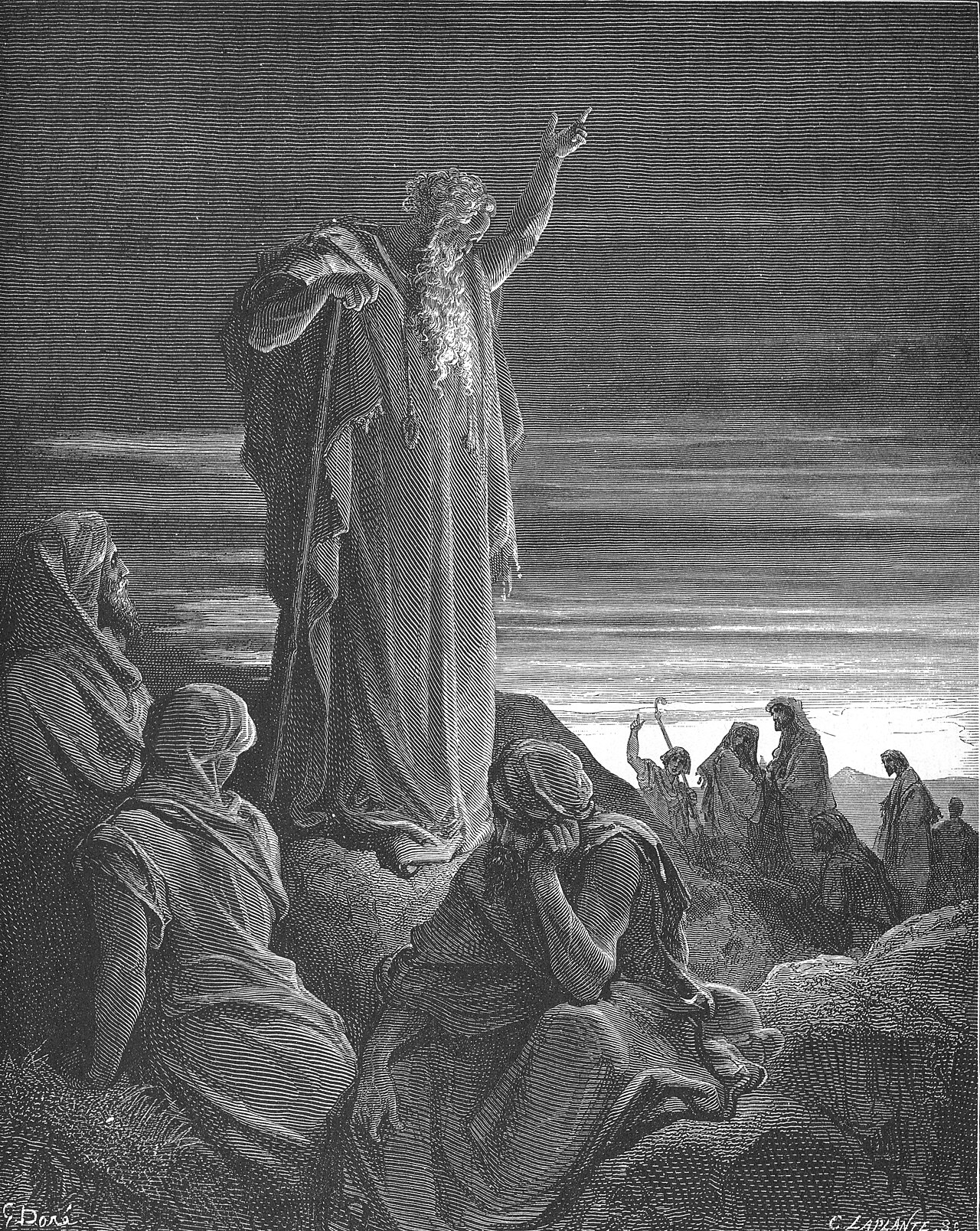
This page draws on Adam Clarke, Commentary on the Bible; Albert Barnes, Notes, Explanatory and Practical, on the Old and New Testaments (1832-1869); Albert Barnes, Notes on the Old Testament; Charles Spurgeon, The Metropolitan Tabernacle Pulpit, Sermon No. 813: “The Privileged Man” (lightly modernized text, CCEL edition); Jamieson, Fausset & Brown, Commentary Critical and Explanatory on the Whole Bible; Jerome, Commentary on Ezekiel; John Gill, Exposition of the Old Testament (1748-1763) and Matthew Henry, Commentary on the Whole Bible.