
On this page, 7 sections
The one drawing
Across the canon
11 passages
Where Scripture speaks
The passages this subject stands on, in canon order.
This is the account of Noah. Noah was a righteous man, blameless in his generation; Noah walked with God.No one in this house is greater than I am. He has withheld nothing from me except you, because you are his wife. So how could I do such a great evil and sin against God?”There was a man in the land of Uz whose name was Job. And this man was blameless and upright, fearing God and shunning evil.I will never say that you are right; I will maintain my integrity until I die.He who walks with integrity and practices righteousness, who speaks the truth from his heart,Vindicate me, O LORD! For I have walked with integrity; I have trusted in the LORD without wavering.The integrity of the upright guides them, but the perversity of the faithless destroys them.Thus the administrators and satraps sought a charge against Daniel concerning the kingdom, but they could find no charge or corruption, because he was trustworthy, and no negligence or corruption was found in him.Simply let your ‘Yes’ be ‘Yes,’ and your ‘No,’ ‘No.’ Anything more comes from the evil one.In this hope, I strive always to maintain a clear conscience before God and man.For we are taking great care to do what is right, not only in the eyes of the Lord, but also in the eyes of men.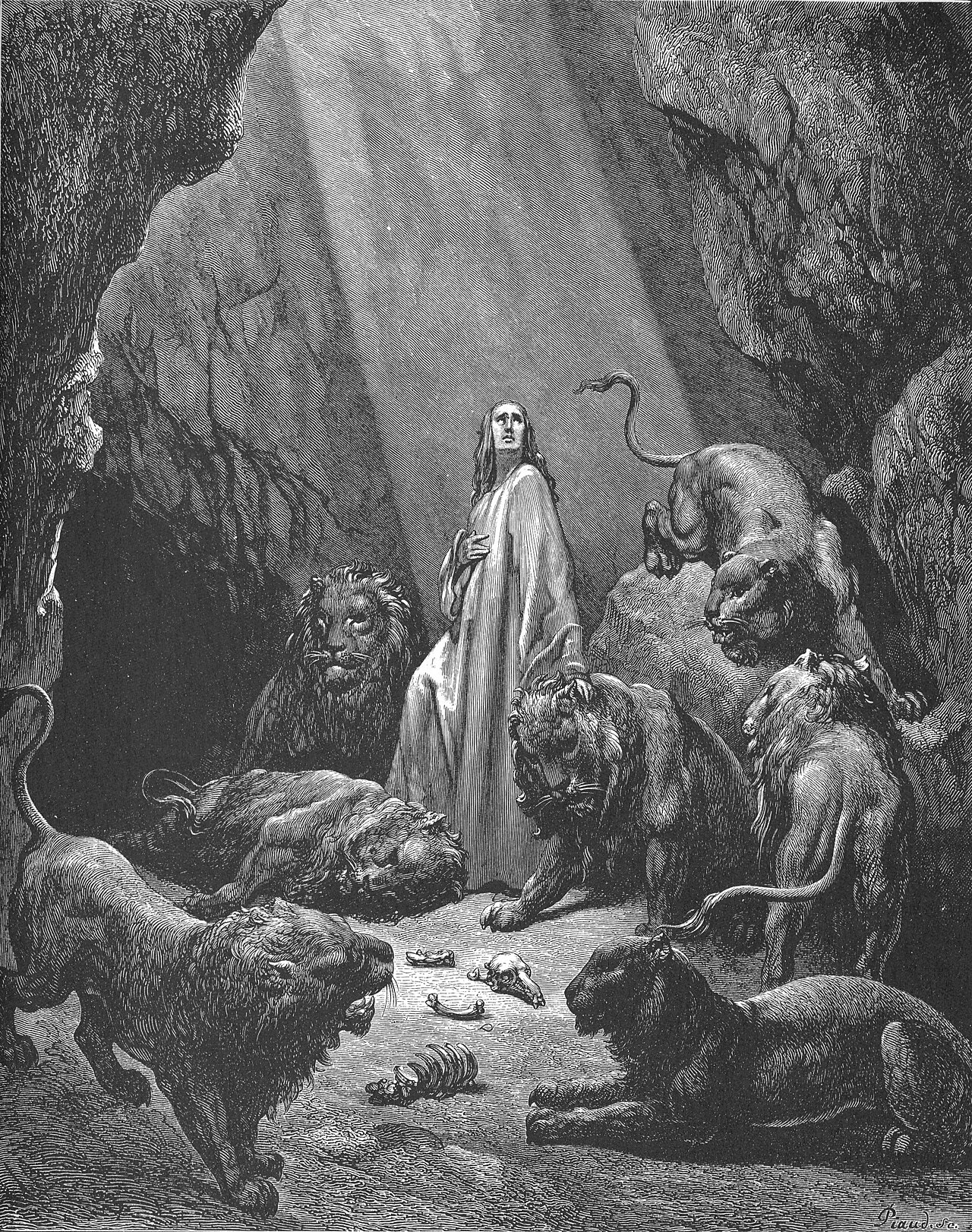
Integrity in Scripture, in full
Integrity means being whole: the same person whether anyone is watching or not. The Hebrew word behind it, tom, literally means completeness. A person of integrity is not divided into a public self and a private self; there is only one self, all the way through.
Noah is the first person Scripture describes this way. Before the flood, Genesis calls him "a just man and perfect in his generations" (Genesis 6:9): perfect not in the sense of sinless, but whole, undivided, walking with God when almost no one else was.
Job is the Bible's fullest case study in integrity under pressure. He is introduced, before anything happens to him, as "perfect and upright, and one that feared God, and eschewed evil" (Job 1:1). Then everything is taken from him (his children, his wealth, his health) and his own wife tells him to curse God and die. His answer is a vow: "till I die I will not remove mine integrity from me" (Job 27:5). His friends assume his suffering must be hiding some secret sin. The whole book is built to prove them wrong. Job's integrity was real, and losing everything else did not touch it.
Joseph shows integrity as a young man, alone, with no one watching. Sold into slavery and then propositioned repeatedly by his master's wife, he refuses: not because he fears getting caught, but because he will not "sin against God" (Genesis 39:9). Nobody was checking. That is exactly the point.
Daniel shows the same pattern later, in exile, under a foreign empire that wanted to erase everything distinctive about him. His enemies eventually search his whole public record for a single fault to use against him and come up empty: "they could find none occasion nor fault; forasmuch as he was faithful" (Daniel 6:4). The only way they can trap him is by turning his faithfulness itself into a crime.
The wisdom books treat integrity as protection, not just virtue. "He that walketh uprightly walketh surely" (Proverbs 10:9); "the integrity of the upright shall guide them" (Proverbs 11:3). David asks God to judge him precisely because he is willing to stake his case on his own integrity (Psalm 26:1): not sinless perfection, but an honest, undivided walk with God he is not afraid to have examined.
Jesus reduces the whole subject to one line: "let your communication be, Yea, yea; Nay, nay" (Matthew 5:37). No oaths needed to prop up your word. Just say what is true, and mean it, because a person of integrity does not need extra layers of promise to be believed.
Paul lived this out under constant suspicion, accused by enemies who questioned his honesty at every turn. His answer was simple: "herein do I exercise myself, to have always a conscience void of offence toward God, and toward men" (Acts 24:16). He planned even the church's finances so they would be honest not only before God but visibly, provably honest before people too (2 Corinthians 8:21).
Integrity, in the end, is not a performance kept up for others. It is what is left when performance stops: the person you actually are, in the dark, with no one to impress. Scripture holds up Noah, Job, Joseph, Daniel, and finally Christ himself as proof that this kind of wholeness is possible, and that God takes notice of it even when no one else does.
4 voices
What teachers have said
Sincerity will be our best security in the worst of times. Integrity and uprightness will be a man's preservation more than the wealth and honour of the world can be. These will preserve us to the heavenly kingdom.
Matthew Henry · Commentary on the Whole Bible, 1710
Where are those who assert that human nature is inclined toward evil? What fear, what tribunals and what laws made Job as he is?
John Chrysostom · Commentary on Job 1:1
Written before 407.
And the Lord said unto Satan, Hast thou considered my servant Job, that there is none like him in the earth, a perfect and an upright man, one that feareth God, and escheweth evil? and still he holdeth fast his integrity, although thou movedst me against him, to destroy him without cause.
Gregory the Dialogist · Morals on the Book of Job, Book III
Written before 604.
I will manage all my affairs with wisdom and integrity.
John Wesley · Explanatory Notes upon the Old Testament, 1765
Where it leads
Everything the site holds on integrity
On this page
Studies2
On this subject
On this book
The words underneath
Each card is one Hebrew or Greek word behind integrity. It gives the sense, the count across the canon, and the number in Strong's 1890 concordance.
naqi: innocent
Hebrew · H5355Strong's entry: innocent
integrity that has nothing to hide
43 times in the Old Testament · naqi, in full →
tamim: unblemished
Hebrew · H8549Strong's entry: entire (literally, figuratively or morally); also (as noun) integrity, truth
used of Noah, "perfect in his generations"
91 times in the Old Testament · tamim, in full →
tom: integrity
Hebrew · H8537Strong's entry: completeness; figuratively, prosperity; usually (morally) innocence
the noun in "he holdeth fast his integrity"
23 times in the Old Testament · tom, in full →
yashar: upright
Hebrew · H3477Strong's entry: straight (literally or figuratively)
the ordinary OT word for a righteous life
119 times in the Old Testament · yashar, in full →
Character
The subjects beside it
On this page
Subjects28