
Genesis 41:11
in Genesis 41One night both the chief baker and I had dreams, and each dream had its own meaning.
BSB
The same verse in ASV and KJV ▾
ASV
and we dreamed a dream in one night, I and he; we dreamed each man according to the interpretation of his dream.
KJV
And we dreamed a dream in one night, I and he; we dreamed each man according to the interpretation of his dream.
⋯
This verse in Genesis 41
Commentary
3 notes on this verseThis site's exposition
Today I recall my failures
on Genesis 41:9-13
The cupbearer speaks at last, and his first words are about his own failures. He describes Joseph as a young Hebrew serving the captain of the guard, words that put him at the bottom of every ladder in Egypt. Two years of silence end on the day Joseph becomes useful.
The record, by era
The Puritans and the Awakening1 voice
And we dreamed a dream in one night, I and he,.... In one and the same night: we dreamed each man according to the interpretation of his dream; they both dreamed exactly what should befall them, as it was interpreted to them; the dreams, the interpretation of them, and the events, answered to each other.
The Nineteenth Century1 voice
A commentator
Jamieson, Fausset & Brown1802–1910
Commentary Critical and Explanatory on the Whole Bible (1871)
proposed
then spake the chief butler unto Pharaoh, saying, I do remember my faults--This public acknowledgment of the merits of the young Hebrew would, tardy though it was, have reflected credit on the butler had it not been obviously made to ingratiate himself with his royal master.
quarantine:debris (2026-07-29) — starts-lowercase
How the passage was read
What the Jewish commentators add
I have previously explained this. 33 I.E. explains the meaning of each man according to the interpretation of his dreams in his comments on Gen.:5.
2 more on this passage, in their own words ▾
He interpreted it in accordance with the dream and consistent with its contents. Thus the words of Rashi.
I believe that Pharaoh is an adjective. What I.E. means by “adjective” is an adjectival noun, a descriptive term like melekh (king). Cf.
This section is reception history: how the passage was read and kept in the Jewish tradition. Where a reading parts from an essential of the Christian faith, the section says so at that point.
Texts and citation data: Sefaria; each excerpt follows its version’s licence. 4 further sources are cited on this chapter that carry no English text this site may quote or only restate the verse.
The words behind it
10 Hebrew wordsEvery Hebrew word of this verse in the order it stands, with what it means and the door to its own study. The last column counts the times a word stands in the whole Bible: the rarer the word, the more the places it appears belong together.
| Hebrew | Sound | Meaning | Word study | In the Bible |
|---|---|---|---|---|
| וַנַּֽחַלְמָ֥ה | vanachalmah | and we dreamed ! | H2492 → | 29 times |
| חֲל֛וֹם | chalom | a dream | H2472 → | 65 times |
| בְּלַ֥יְלָה | belaylah | in a night | H3915 → | 233 times |
| אֶחָ֖ד | ʾechad | one | H259 → | 971 times |
| אֲנִ֣י | ʾani | I | H589 → | 874 times |
| וָה֑וּא | vahu' | and he | H1931 → | 1879 times |
| אִ֛ישׁ | ʾish | each | H376 → | 1663 times |
| כְּפִתְר֥וֹן | kefitron | according to [the] interpretation of | H6623 → | 5 times |
| חֲלֹמ֖וֹ | chalomo | dream his | H2472 → | 65 times |
| חָלָֽמְנוּ׃ | chalamenu | we dreamed | H2492 → | 29 times |
וַנַּֽחַלְמָ֥הand we dreamed !
vanachalmahH2492 →29 times
חֲל֛וֹםa dream
chalomH2472 →65 times
בְּלַ֥יְלָהin a night
belaylahH3915 →233 times
אֶחָ֖דone
ʾechadH259 →971 times
אֲנִ֣יI
ʾaniH589 →874 times
וָה֑וּאand he
vahu'H1931 →1879 times
אִ֛ישׁeach
ʾishH376 →1663 times
כְּפִתְר֥וֹןaccording to [the] interpretation of
kefitronH6623 →5 times
חֲלֹמ֖וֹdream his
chalomoH2472 →65 times
חָלָֽמְנוּ׃we dreamed
chalamenuH2492 →29 times
A shaded row is a word that stands 400 times or fewer in the Bible.
Where this verse is studied
On this page
Studies1
About Genesis
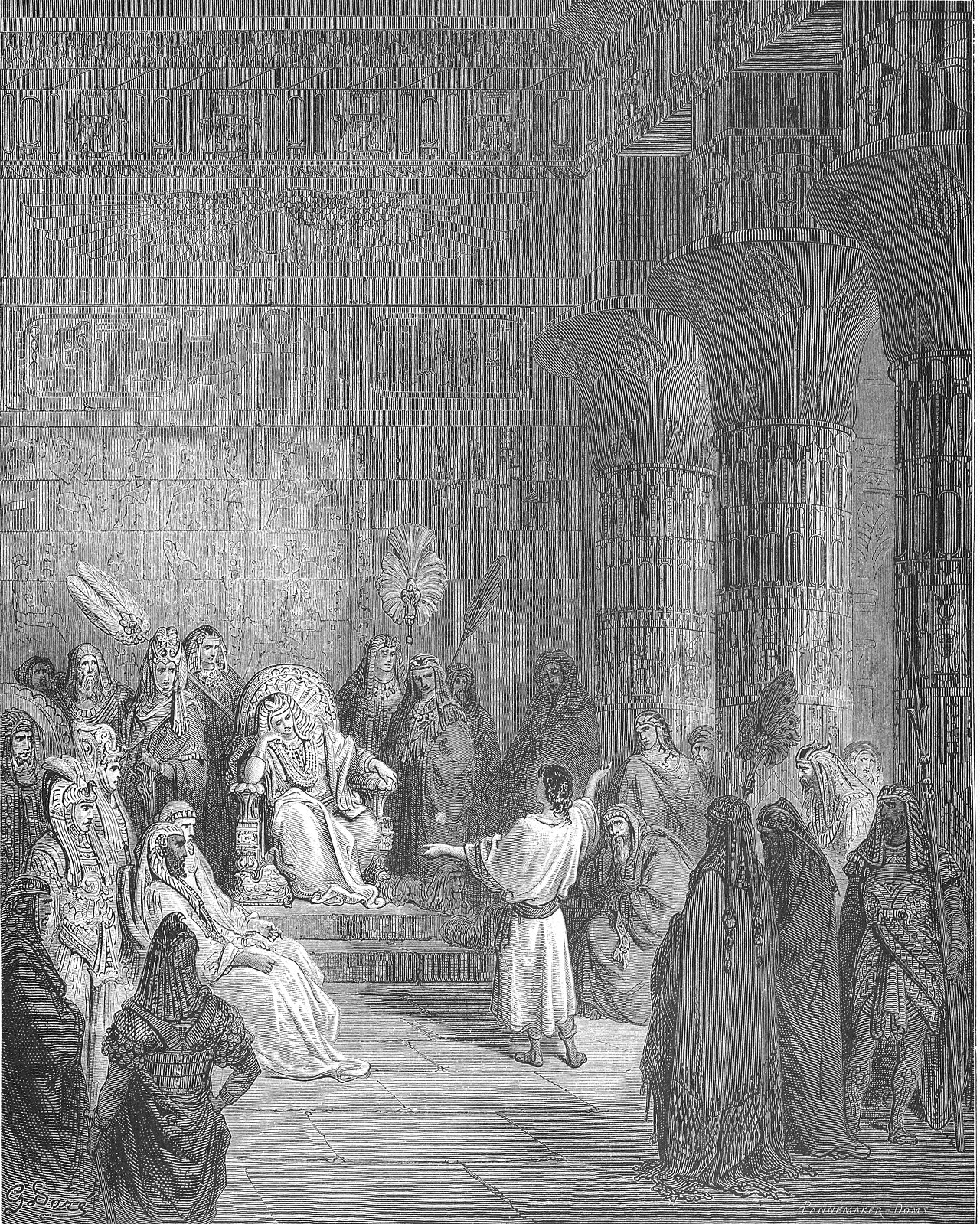
This page draws on Adam Clarke, Commentary on the Bible; Jamieson, Fausset & Brown, Commentary Critical and Explanatory on the Whole Bible; John Gill, Exposition of the Old Testament (1748-1763) and Matthew Henry, Commentary on the Whole Bible.