
Deuteronomy 4:32
in Deuteronomy 4Indeed, ask now from one end of the heavens to the other about the days that long preceded you, from the day that God created man on earth: Has anything as great as this ever happened or been reported?
BSB
The same verse in ASV and KJV ▾
ASV
For ask now of the days that are past, which were before thee, since the day that God created man upon the earth, and from the one end of heaven unto the other, whether there hath been any such thing as this great thing is, or hath been heard like it?
KJV
For ask now of the days that are past, which were before thee, since the day that God created man upon the earth, and ask from the one side of heaven unto the other, whether there hath been any such thing as this great thing is, or hath been heard like it?
⋯
This verse in Deuteronomy 4
Commentary
4 notes on this verseThis site's exposition
ask now from one end of the heavens to the other
on Deuteronomy 4:32-33
Moses sets no limit on the search, reaching back to "the day that God created man on earth" and across "from one end of the heavens to the other" for evidence. The claim tested is narrow and checkable, that a whole people "heard the voice of God speaking out of the fire" and lived. Exodus 20:19 records their plea for Moses to speak instead, and 5:24-26 repeats it.
The record, by era
The Puritans and the Awakening3 voices
For ask now of the days that are past, which were before thee,....
Here was the voice of one crying in the wilderness, to prepare the way of the Lord. Secondly, They heard it out of the midst of the fire, which showed that it was God himself that spoke to them, for who else could dwell with devouring fire? God spoke to Job out of the whirlwind, which was terrible; but to Israel out of the fire, which was more terrible.
This singular honour done them called for singular obedience from them. It might justly be expected that they should do more for God than other people, since God had done so much more for them.
The words behind it
28 Hebrew wordsEvery Hebrew word of this verse in the order it stands, with what it means and the door to its own study. The last column counts the times a word stands in the whole Bible: the rarer the word, the more the places it appears belong together.
| Hebrew | Sound | Meaning | Word study | In the Bible |
|---|---|---|---|---|
| כִּ֣י | ki | that | H3588 → | 4482 times |
| שְׁאַל־ | sheal- | ask | H7592 → | 171 times |
| נָא֩ | na' | please | H4994 → | |
| לְיָמִ֨ים | leyamim | to days | H3117 → | 2304 times |
| רִֽאשֹׁנִ֜ים | rishonim | former | H7223 → | 182 times |
| אֲשֶׁר־ | ʾasher- | which | H834 → | 5497 times |
| הָי֣וּ | hayu | they were | H1961 → | 3559 times |
| לְפָנֶ֗יךָ | lefaneikha | <to> before you | H6440 → | 2123 times |
| לְמִן־ | lemin- | <to> from | H4480 → | 1188 times |
| הַיּוֹם֙ | haiyom | the day | H3117 → | 2304 times |
| אֲשֶׁר֩ | ʾasher | when | H834 → | 5497 times |
| בָּרָ֨א | bara' | he created | H1254 → | |
| אֱלֹהִ֤ים׀ | ʾelohim | God | H430 → | 2601 times |
| אָדָם֙ | ʾadam | humankind | H120 → | 551 times |
| עַל־ | ʾal- | on | H5921 → | 5755 times |
| הָאָ֔רֶץ | haaretz | the earth | H776 → | 2504 times |
| וּלְמִקְצֵ֥ה | ulemiktzeh | and to from [the] end of | H7097 → | 97 times |
| הַשָּׁמַ֖יִם | hashamayim | the heavens | H8064 → | 421 times |
| וְעַד־ | vead- | and to | H5704 → | 1261 times |
| קְצֵ֣ה | ketzeh | [the] end of | H7097 → | 97 times |
| הַשָּׁמָ֑יִם | hashamayim | the heavens | H8064 → | 421 times |
| הֲנִֽהְיָ֗ה | hanihyah | ¿ has it happened | H1961 → | 3559 times |
| כַּדָּבָ֤ר | kadavar | like the thing | H1697 → | 1440 times |
| הַגָּדוֹל֙ | hagadol | <the> great | H1419 → | 526 times |
| הַזֶּ֔ה | hazeh | <the> this | H2088 → | 1180 times |
| א֖וֹ | ʾo | or | H176 → | 321 times |
| הֲנִשְׁמַ֥ע | hanishma' | ¿ has it been heard | H8085 → | 1159 times |
| כָּמֹֽהוּ׃ | kamohu | like it | H3644 → | 143 times |
כִּ֣יthat
kiH3588 →4482 times
שְׁאַל־ask
sheal-H7592 →171 times
נָא֩please
na'H4994 →
לְיָמִ֨יםto days
leyamimH3117 →2304 times
רִֽאשֹׁנִ֜יםformer
rishonimH7223 →182 times
אֲשֶׁר־which
ʾasher-H834 →5497 times
הָי֣וּthey were
hayuH1961 →3559 times
לְפָנֶ֗יךָ<to> before you
lefaneikhaH6440 →2123 times
לְמִן־<to> from
lemin-H4480 →1188 times
הַיּוֹם֙the day
haiyomH3117 →2304 times
אֲשֶׁר֩when
ʾasherH834 →5497 times
בָּרָ֨אhe created
bara'H1254 →
אֱלֹהִ֤ים׀God
ʾelohimH430 →2601 times
אָדָם֙humankind
ʾadamH120 →551 times
עַל־on
ʾal-H5921 →5755 times
הָאָ֔רֶץthe earth
haaretzH776 →2504 times
וּלְמִקְצֵ֥הand to from [the] end of
ulemiktzehH7097 →97 times
הַשָּׁמַ֖יִםthe heavens
hashamayimH8064 →421 times
וְעַד־and to
vead-H5704 →1261 times
קְצֵ֣ה[the] end of
ketzehH7097 →97 times
הַשָּׁמָ֑יִםthe heavens
hashamayimH8064 →421 times
הֲנִֽהְיָ֗ה¿ has it happened
hanihyahH1961 →3559 times
כַּדָּבָ֤רlike the thing
kadavarH1697 →1440 times
הַגָּדוֹל֙<the> great
hagadolH1419 →526 times
הַזֶּ֔ה<the> this
hazehH2088 →1180 times
א֖וֹor
ʾoH176 →321 times
הֲנִשְׁמַ֥ע¿ has it been heard
hanishma'H8085 →1159 times
כָּמֹֽהוּ׃like it
kamohuH3644 →143 times
A shaded row is a word that stands 400 times or fewer in the Bible.
The walk
8 stopsEach card is a verse this one points to, and under it the verses that one points to in turn. Where several paths arrive at the same place, that place is listed first: the text keeps returning to it.
Through
Matthew 24:31And He will send out His angels with a loud trumpet call, and they will gather His elect from the four winds, from one end of the heavens to the other.
it leads to
- 1 Thessalonians 4:16
For the Lord Himself will descend from heaven with a loud command, with the voice of an archangel, and with the trumpet of God, and the dead in Christ will be the first to…
- Mark 13:27
And He will send out the angels to gather His elect from the four winds, from the ends of the earth to the ends of heaven.
- Isaiah 27:13
And in that day a great ram’s horn will sound, and those who were perishing in Assyria will come forth with those who were exiles in Egypt. And they will worship the LORD on…
- 1 Corinthians 15:52
in an instant, in the twinkling of an eye, at the last trumpet. For the trumpet will sound, the dead will be raised imperishable, and we will be changed.
- Isaiah 11:12
He will raise a banner for the nations and gather the exiles of Israel; He will collect the scattered of Judah from the four corners of the earth.
- 1 Thessalonians 4:16
Through
Deuteronomy 32:7Remember the days of old; consider the years long past. Ask your father, and he will tell you, your elders, and they will inform you.
it leads to
- Psalms 78:3–4
that we have heard and known and our fathers have relayed to us.
- Job 8:8–10
Please inquire of past generations and consider the discoveries of their fathers.
- Psalms 44:1
We have heard with our ears, O God; our fathers have told us the work You did in their days, in the days of old.
- Psalms 78:3–4
Where this verse is studied
On this page
About Deuteronomy
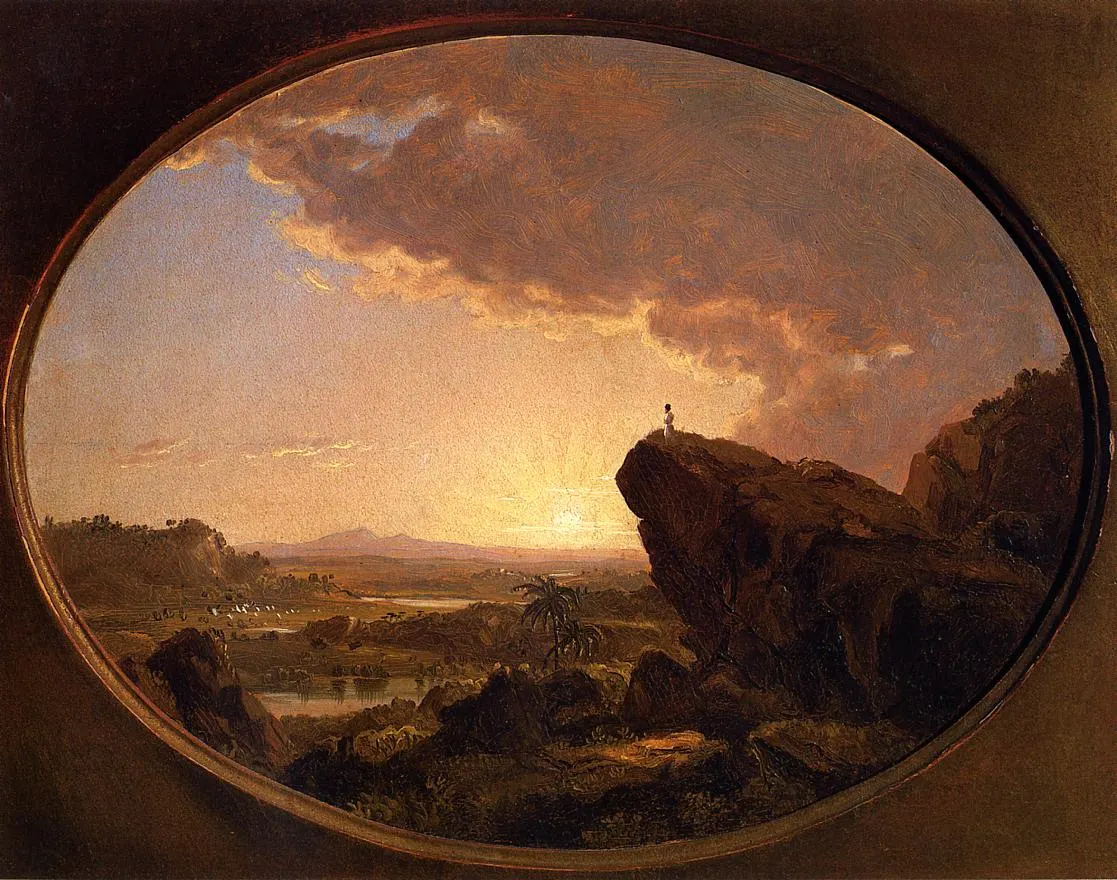
This page draws on Albert Barnes, Notes on the Old Testament; John Gill, Exposition of the Old Testament (1748-1763); Keil and Delitzsch, Biblical Commentary on the Old Testament: The Pentateuch and Matthew Henry, Commentary on the Whole Bible.