
Exodus 20 · Value 33 of 41 · Featured Study
Honour
Scripture commands honour to God, to father and mother, to rulers, to the aged and to one another.
Luther counted honour to parents the first and greatest of the commands that concern our neighbour.
- Anchor text
- Exodus 20:12 “Honor your father and mother, so that…”
- Its opposite
- Contempt for those God has set over us and for the aged
Summary
Honour in Scripture is owed first to God, and every honour owed to people rests on the place God has given them in the home, the nation and the church. Jesus kept this honour toward His Father in heaven and toward His mother on earth. The apostles taught it to households, to churches and to subjects of Rome.
- Of the ten words given at Sinai, the one on parents is the first to carry a promise (Ephesians 6:2).
- Honour includes provision as well as respect, so care for an aged parent is part of it.
- Honour toward people stops where it would require dishonour toward God.
What Honour Is
Two words carry the value through Scripture, the Hebrew noun kabod and the Greek noun time.
What does Scripture mean by honour, and to whom does it owe it? This study of honour answers from the text. It gives the Hebrew and Greek words, the reason honour is owed, the people Scripture names, and the way Christ gave honour in His life and in His death. It tells four stories from the Bible and three accounts from the early church. It gives the voices of the centuries, Luther's teaching on the commandment, the practice, and three questions on which readers disagree.
Kabod, honour and glory
200 uses in the canon
Kabod (H3519) is the noun Proverbs uses when it sets humility on the road to honour: “The fear of the LORD is the instruction of wisdom, and humility comes before honor.”
Time, honour and price
41 uses in the canon
Time (G5092) is the noun Paul uses when he asks the church to give honour to its own: “Outdo yourselves in honoring one another.”
Kabod, honour and glory, Time, honour and price, The Words Kabod and Time, the study in brief
The Key Texts of Honour
Texts from the Psalms to Revelation set honour in God's hands and in the worship of heaven.
Wisdom
You made him a little lower than the angels; You crowned him with glory and honor.
It stands here because the psalm makes honour a gift of God to man before it is a duty of man to anyone.
Psalm 8:5BSB
Prophets
Therefore the Lord said: “These people draw near to Me with their mouths and honor Me with their lips, but their hearts are far from Me. Their worship of Me is but rules taught by men.
It stands here as the prophet's charge against a worship that gives God words while the heart stays away.
Isaiah 29:13BSB
Gospels
Now He Himself had testified that a prophet has no honor in his own hometown.
It stands here because John records Jesus' own saying that honour is often withheld from the one who deserves it.
John 4:44BSB
Epistles
but glory, honor, and peace for everyone who does good, first for the Jew, then for the Greek.
It stands here because Paul sets honour among the gifts of God's final judgment, open to Jew and Greek alike.
Romans 2:10BSB
Epistles
Now to the King eternal, immortal, and invisible, the only God, be honor and glory forever and ever. Amen.
It stands here as the apostle's praise, which gives the highest honour to God alone and for ever.
Revelation
“Worthy are You, our Lord and God, to receive glory and honor and power, for You created all things; by Your will they exist and came to be.”
It stands here because the worship of heaven gives honour to God as the Creator of all things.
Isaiah 29:13, John 4:44, Romans 2:10, 1 Timothy 1:17, Revelation 4:11
Honour Owed to God and to Those He Has Set in Place
God stands first, and Proverbs and the letters name others to whom He directs honour.
The honour owed to people follows the place God has given each of them. It reaches from the parent who gave life to the wife who shares the gift of life.
God's own honour heads the list, and parents, church elders, wives and marriage follow it.
| The one honoured | Text | The Berean words |
|---|---|---|
| God | 1 Samuel 2:30 | “For I will honor those who honor Me, but those who despise Me will be disdained.” |
| Father and mother | Proverbs 23:22 | “Listen to your father who gave you life, and do not despise your mother when she is old.” |
| Elders who lead the church | 1 Timothy 5:17 | “Elders who lead effectively are worthy of double honor, especially those who work hard at preaching and teaching.” |
| A wife | 1 Peter 3:7 | “treat your wives with consideration as a delicate vessel, and with honor as fellow heirs of the gracious gift of life” |
| Marriage | Hebrews 13:4 | “Marriage should be honored by all and the marriage bed kept undefiled” |
Five texts from 1 Samuel 2:30 to Hebrews 13:4, each with the one honoured and its Berean words., Honour Your Father and Mother, the study in brief, Honour the King, the study in brief, Rise in the Presence of the Elderly, the study in brief
Christ and Honour
Texts from John and Hebrews follow the Son from His life on earth to the honour He now holds.
He honoured His FatherJohn 8
“I do not have a demon,” Jesus replied, “but I honor My Father, and you dishonor Me.
John 8:49BSB Jesus answers an insult by naming the honour He gives the Father, which governed His whole life.
Read the page on Jesus 33 sections, 35 verses set out
He taught that the Son is honoured with the FatherJohn 5
so that all may honor the Son just as they honor the Father. Whoever does not honor the Son does not honor the Father who sent Him.
John 5:23BSB The verse stands here because it makes the honour given to the Son the test of the honour given to God.
He taught where true honour comes fromJohn 5 and 12
In John 5:44 Jesus asked His opponents, “How can you believe if you accept glory from one another, yet do not seek the glory that comes from the only God?”
If anyone serves Me, he must follow Me; and where I am, My servant will be as well. If anyone serves Me, the Father will honor him.
John 12:26BSB Jesus promises His servants the one honour that cannot be lost, the honour the Father gives.
Read the page on Humility 15 sections, 2 verses set out
He provided for His mother from the crossJohn 19
When Jesus saw His mother and the disciple whom He loved standing nearby, He said to His mother, “Woman, here is your son.” Then He said to the disciple, “Here is your mother.” So from that hour, this disciple took her into his home.
John 19:26 to 27BSB In His dying hour Jesus gave His mother a home, so the duty to a parent was kept to the end.
Read the story of the Crucifixion 12 sections, 12 verses set out
He was crowned with glory and honourHebrews 2
But we see Jesus, who was made a little lower than the angels, now crowned with glory and honor because He suffered death, so that by the grace of God He might taste death for everyone.
Hebrews 2:9BSB Hebrews reads the words of Psalm 8 of Jesus, whose honour came through the death He suffered for others.
He taught that the Son is honoured with the Father (John 5), He taught where true honour comes from (John 5 and 12), He provided for His mother from the cross (John 19), He was crowned with glory and honour (Hebrews 2)
John 12:26, John 19:26 to 27, Hebrews 2:9
Who Showed Honour
Ruth, Solomon, Elisha and Peter gave honour to a mother-in-law, a mother, a master and to God.
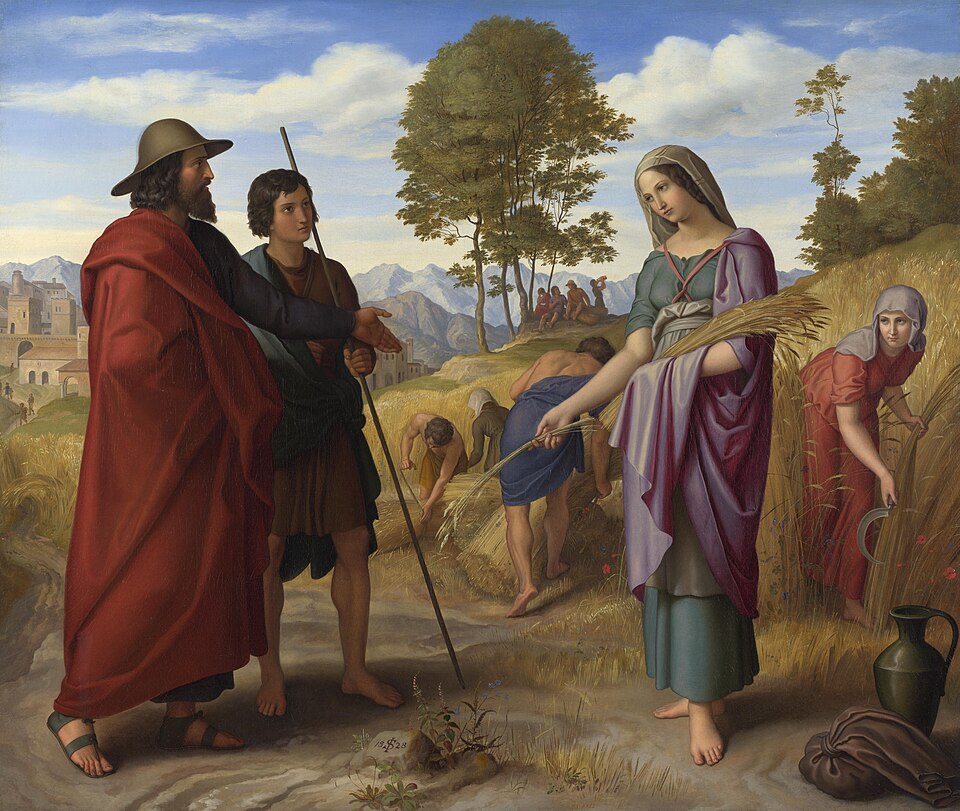
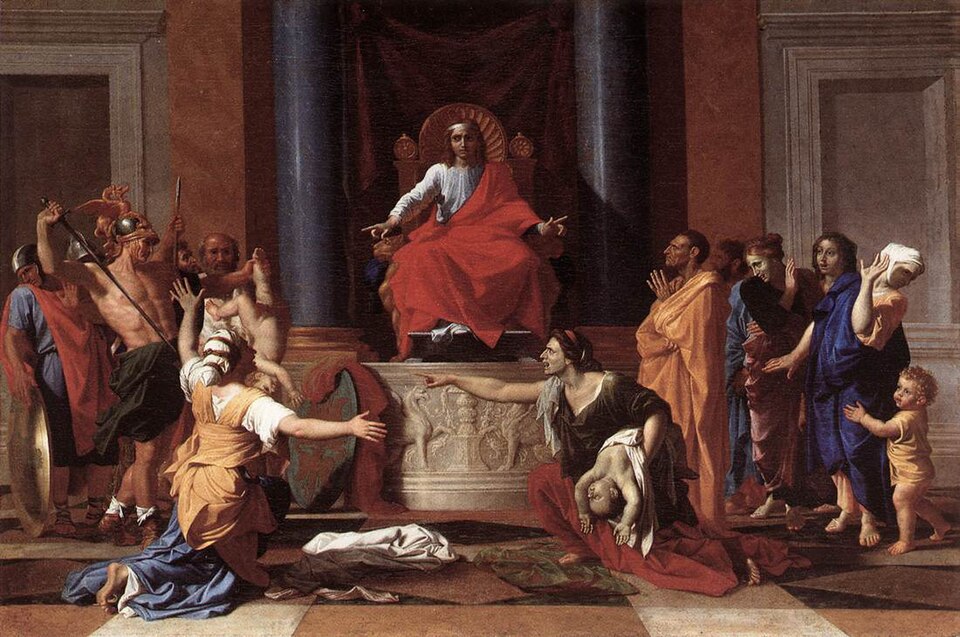
When his mother Bathsheba came to him, “The king stood up to greet her, bowed to her, and sat down on his throne.”
1 Kings 2:19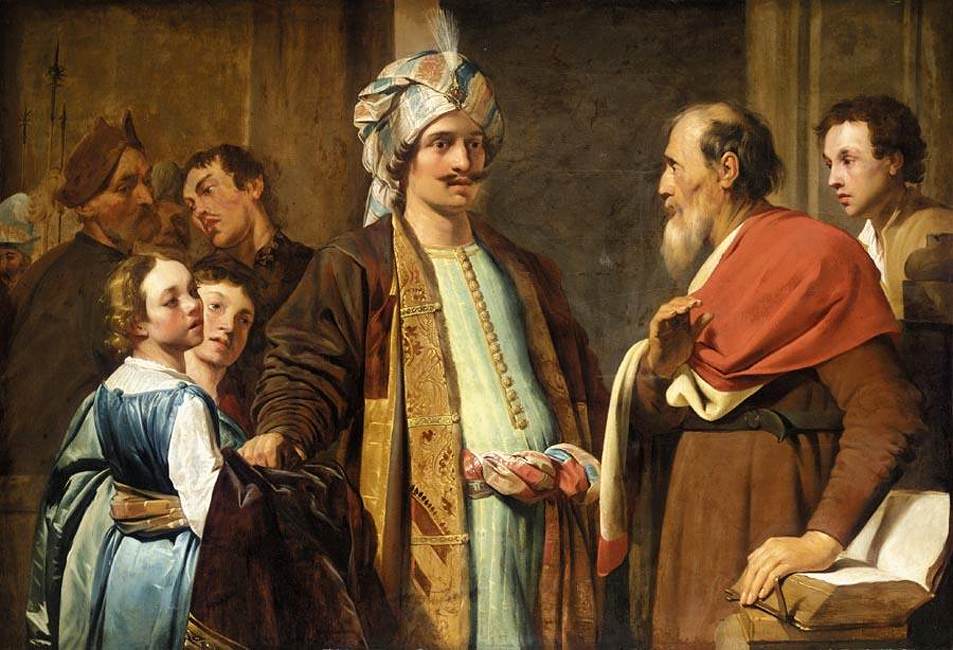
As Elijah was taken up, he cried, “My father, my father, the chariots and horsemen of Israel!”
2 Kings 2:12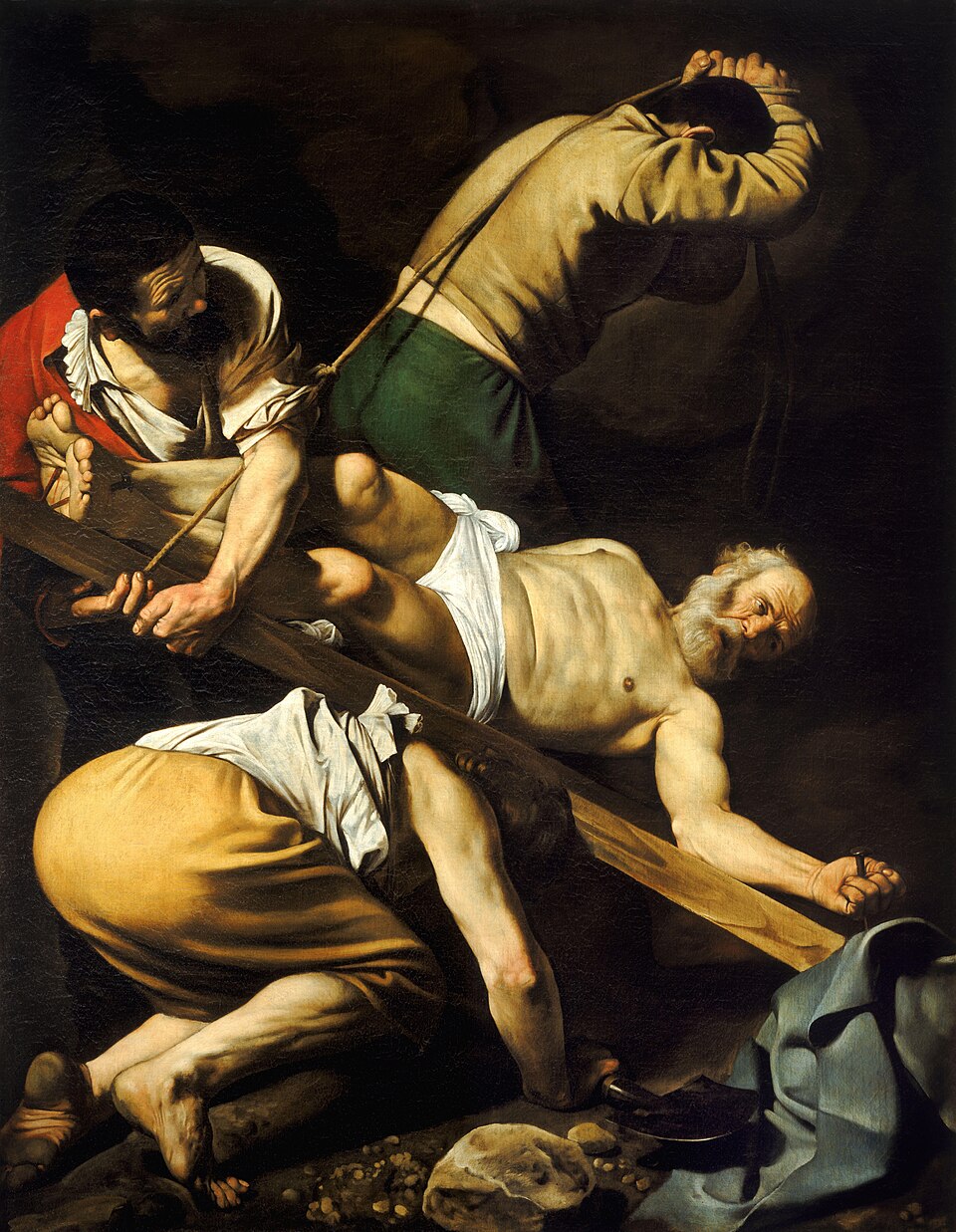
He refused the worship Cornelius offered him: “Stand up,” he said, “I am only a man myself.”
Acts 10:26
Elisha, Peter
The Practice of Honour
Scripture names four practices of honour, each in the words of the verse that gives it.
- 1Honour God with what you own“Honor the LORD with your wealth and with the firstfruits of all your harvest;”Proverbs 3:9
- 2Pray for those who govern“for kings and all those in authority”1 Timothy 2:2
- 3Speak no evil of a ruler“You must not blaspheme God or curse the ruler of your people.”Exodus 22:28
- 4Take the last place“But when you are invited, go and sit in the last place, so that your host will come and tell you, ‘Friend, move up to a better place.’”Luke 14:10
Pray for those who govern, Speak no evil of a ruler, Take the last place
What Stands Against Honour
Proverbs warns against scorn shown at home and against misplaced esteem.
Honour can be withheld from those who are owed it and given to those who are not. Proverbs warns that “honor does not befit a fool” (Proverbs 26:1).
He who assaults his father or evicts his mother is a son who brings shame and disgrace.The proverb names the son who turns on his parents as one who brings shame on himself.
As for the eye that mocks a father and scorns obedience to a mother, may the ravens of the valley pluck it out and young vultures devour it.The proverb stands here because it pictures the end of a life that scorns the parents who gave it.
Proverbs 19:26, Proverbs 30:17
Honour in the Stories of the Bible
Four stories tell of sons who covered their father, a ruler who honoured his, a priest who put his sons first and a man the king honoured.
Shem and Japheth cover their fatherGenesis 9
After the flood Noah drank wine from his vineyard and lay uncovered in his tent (Genesis 9:20 to 21). “And Ham, the father of Canaan, saw his father’s nakedness and told his two brothers outside” (Genesis 9:22).
Then Shem and Japheth took a garment and placed it across their shoulders, and walking backward, they covered their father’s nakedness. Their faces were turned away so that they did not see their father’s nakedness.
Genesis 9:23BSB The brothers keep honour toward a father at his worst.
Read the page on Noah 13 sections, 18 verses set out
Joseph brings his father to PharaohGenesis 46 and 47
God had made Joseph “ruler over all the land of Egypt” (Genesis 45:8) when he sent for his father. He met Jacob in Goshen, “embraced him, and wept profusely” (Genesis 46:29).
Then Joseph brought in his father Jacob and presented him before Pharaoh, and Jacob blessed Pharaoh.
Genesis 47:7BSB Joseph brings his aged father before the king, and the old man blesses Pharaoh.
Read the page on Joseph 13 sections, 18 verses set out
Eli puts his sons before God1 Samuel 2
Eli's sons Hophni and Phinehas, priests at Shiloh (1 Samuel 1:3), were “treating the LORD’s offering with contempt” (1 Samuel 2:17).
Why then do you kick at My sacrifice and offering that I have prescribed for My dwelling place? You have honored your sons more than Me by fattening yourselves with the best of all the offerings of My people Israel.’
1 Samuel 2:29BSB The charge names Eli's fault as honour given in the wrong order.
Read the page on Samuel 14 sections, 26 verses set out
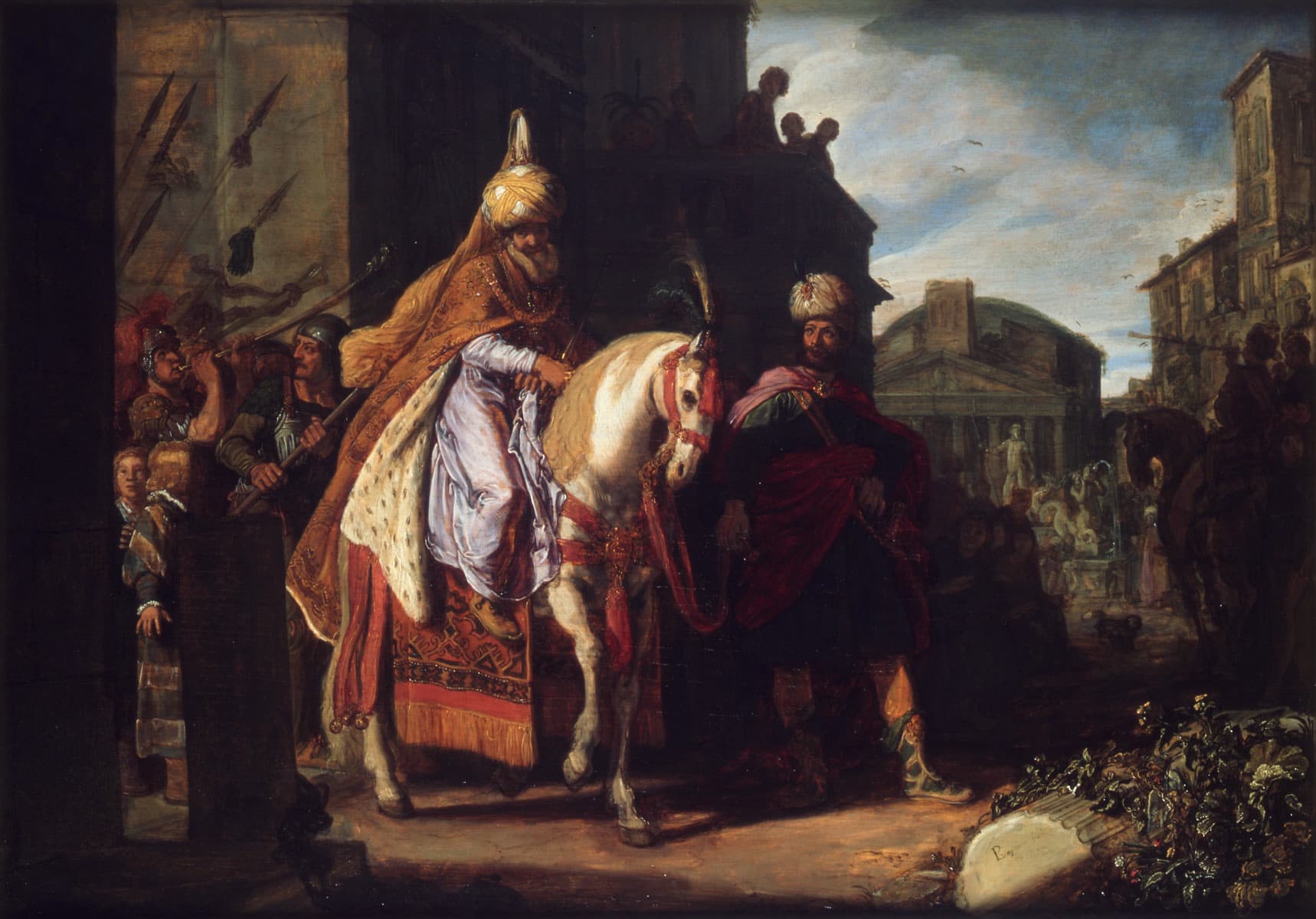
Mordecai is honoured by the kingEsther 6
King Xerxes learned that Mordecai had exposed a plot against his life and that “Nothing has been done for him” (Esther 6:3). Haman thought the reward was meant for himself (Esther 6:6).
So Haman took the robe and the horse, arrayed Mordecai, and paraded him through the city square, crying out before him, “This is what is done for the man whom the king is delighted to honor!”
Esther 6:11BSB Haman must call out the honour of the man he hated.
Joseph brings his father to Pharaoh (Genesis 46 and 47), Eli puts his sons before God (1 Samuel 2), Mordecai is honoured by the king (Esther 6)
1 Samuel 2:29, Esther 6:11
Honour in the Church's History
Three accounts tell of a teacher's word to an emperor, a mother who won over her mother-in-law and a bishop who turned an emperor away from the church.
Justin writes to the emperorthe second century
Justin addressed his First Apology to the emperor Antoninus Pius (chapter 17, translated by M. Dods and G. Reith, 1885). He wrote that Christians pay their taxes as Christ taught when He was asked about tribute to Caesar, and he told the emperor, “to God alone we render worship, but in other things we gladly serve you, acknowledging you as kings and rulers of men”.
Monica and her mother-in-lawthe fourth century
Augustine tells in his Confessions (book 9, chapter 9, translated by J. G. Pilkington, 1887) how servants' whispers first set his grandmother against his mother Monica. Monica “so conquered by submission, persevering in it with patience and meekness,” that the older woman herself told her son of the servants who had stirred the quarrel.
Ambrose and the emperor Theodosiusthe fourth century
Theodoret's Ecclesiastical History (book 5, chapter 17, translated by Blomfield Jackson, 1892) tells how Theodosius, angered by a riot in Thessalonica, let his soldiers kill without trial. Ambrose met him at the church porch in Milan, refused him entry and told him that “there is one Lord and Sovereign of mankind, Creator of the Universe.” Theodosius “bowed to the rebuke of Ambrose”.
Monica and her mother-in-law (the fourth century), Ambrose and the emperor Theodosius (the fourth century)
Voices on Honour, by Century
Six quotations from the second century to the eighteenth, each under the line it teaches.
died 202 · Irenaeus
Irenaeus Against Heresies Book 4
A second-century reading: those who do the good God gives will receive glory and honour.
The quotation1 quotation
“‘But glory and honour,’ he says, ‘to every one that doeth good.’ God therefore has given that which is good, as the apostle tells us in this Epistle, and they who work it shall receive glory and honour, because they have done that which is good when they had it in their power not to do it; but those who do it not shall receive the just judgment of God, because they did not work good when they had it in their power so to do.”
Irenaeus · Irenaeus Against Heresies Book 4 · on Romans 2:7Patristic
died 367 · Hilary of Poitiers
ON THE TRINITY 9.23
A fourth-century reading: the honour of the Son cannot be separated from the honour of God.
The quotation1 quotation
“It is only things of the same nature that are equal in honour; equality of honour denotes that there is no separation between the honoured. But with the revelation of the birth is combined, the demand for equality of honour. Since the Son is to be honoured as the Father, and since they seek not the honour of Him, Who is the only God, He is not excluded from the honour of the only God, for His honour is one and the same as that of God: just as He that honoureth not the Son, honoureth not the Father also, so he who seeks not the honour of the only God, seeks not the honour of Christ also. Accordingly the honour of Christ is inseparable from the honour of God.”
Hilary of Poitiers · On the Trinity 9.23 · on John 5:23Patristic
died 407 · John Chrysostom
HOMILIES ON 1 TIMOTHY 4
A fifth-century reading: God needs no honour from us, and honouring Him does us good.
The quotation1 quotation
“Now honor and glory are not mere words; and since He has honored us not by words only, but by what He has done for us, so let us honor Him by works and deeds. Yet this honor touches us, while that reaches not Him, for He needs not the honor that comes from us, we do need that which is from Him. In honoring Him, therefore, we do honor to ourselves. He who opens his eyes to gaze on the light of the sun, receives delight himself, as he admires the beauty of the star, but does no favor to that luminary, nor increases its splendor, for it continues what it was; much more is this true with respect to God. He who admires and honors God does so to his own salvation, and highest benefit; and how? Because he follows after virtue, and is honored by Him. For ‘them that honor Me,’ He says, ‘I will honor.’”
John Chrysostom · Homilies on 1 Timothy 4 · on 1 Samuel 2:30Patristic
died 420 · Jerome
LETTER 52.7
A fourth-century reading: a bishop is honoured as a father and gives his clergy their due honour.
The quotation1 quotation
“Be obedient to your bishop and obey him as your spiritual father. Sons love and slaves fear. ‘If I am a father,’ he says, ‘where is my honor? And if I am a master, where is my fear?’ In your case one man combines in himself many titles to your respect. He is at once monk, bishop and uncle. But the bishops also should know themselves to be priests, not lords. Let them render to the clergy the honor that is their due that the clergy may offer to them the respect which belongs to bishops.”
Jerome · LETTER 52.7 · on Malachi 1:6Patristic
died 444 · Cyril of Alexandria
Commentary on the Gospel of John, Book 3
A fifth-century reading: a love of honour from men kept the Pharisees from faith.
The quotation1 quotation
“He accuses the Pharisees of love of rule and of prizing honours from men, covertly hinting that they do exceeding ill, in unadvisedly putting the diseases of their own soul upon God Who can by no means know disease. Next He says that they, fast held by vain glory, thereby lose the fairest prize, meaning faith in Him: whereof Paul too speaketh clearly to us: for if (says he) I were yet pleasing men, I should not be Christ's servant.”
Cyril of Alexandria · Commentary on the Gospel of John, Book 3 · on John 5:44Patristic
1662 to 1714 · Matthew Henry
Commentary on the Whole Bible
An eighteenth-century reading: our estates belong to God, so we honour Him with them.
The quotation1 quotation
“His honour we must show forth and the honour we have for him. We must honour him, not only with our bodies and spirits which are his, but with our estates too, for they also are his: we and all our appurtenances must be devoted to his glory. Worldly wealth is but poor substance, yet, such as it is, we must honour God with it, and then, if ever, it becomes substantial.”
Matthew Henry · Commentary on the Whole Bible · on Proverbs 3:9 to 10Puritan
John Chrysostom, Jerome, Cyril of Alexandria, Matthew Henry
How Honour Has Been Taught
Martin Luther's Large Catechism taught what honour adds to love and whom the commandment names.
Luther taught that honour is higher than love because it adds reverence.1 paragraph
In the Large Catechism (translated by F. Bente and W. H. T. Dau, 1921), where the command to honour parents is the fourth, Luther wrote that God gave the estate of fatherhood and motherhood “the special distinction above all estates that are beneath it”. He held that “it is a far higher thing to honor than to love one”, since honour adds “modesty, humility, and deference as to a majesty there hidden”.
Luther taught that the commandment names fathers in the home, the nation and the church.1 paragraph
Luther found two kinds of fathers in the commandment, “fathers in blood and fathers in office”. He named them as “those to whom belongs the care of the family, and those to whom belongs the care of the country”. He added that “there are yet spiritual fathers”, those “who govern and guide us by the Word of God”.
The Studies of Honour
Each study takes one part of honour into more depth.
The texts
3 studies
- Passages and psalms · 10 verses set outHonour the King
Peter told the scattered churches to submit to the king and his governors, and Paul told the Roman church to submit to the governing authorities and pay what it owed them.
- Passages and psalms · 7 verses set outHonour Your Father and Mother
God commanded Israel at Sinai to honour father and mother, and Paul gave the same command with its promise to the children of the church at Ephesus.
- Passages and psalms · 8 verses set outRise in the Presence of the Elderly
The law of holiness told Israel to stand up before the grey-haired and to honour the aged, and it tied both duties to the fear of God.
- Passages and psalms · 10 verses set outHonour the King
The stories
1 study
- Stories · 18 verses set outThe Ten Commandments
God spoke ten words to the whole camp of Israel from Mount Sinai, and later wrote them on two tablets of stone.
- Stories · 18 verses set outThe Ten Commandments
The words
1 study
- Symbols and words · 12 verses set outThe Words Kabod and Time
The Hebrew and Greek words for honour also speak of heaviness and of worth.
- Symbols and words · 12 verses set outThe Words Kabod and Time
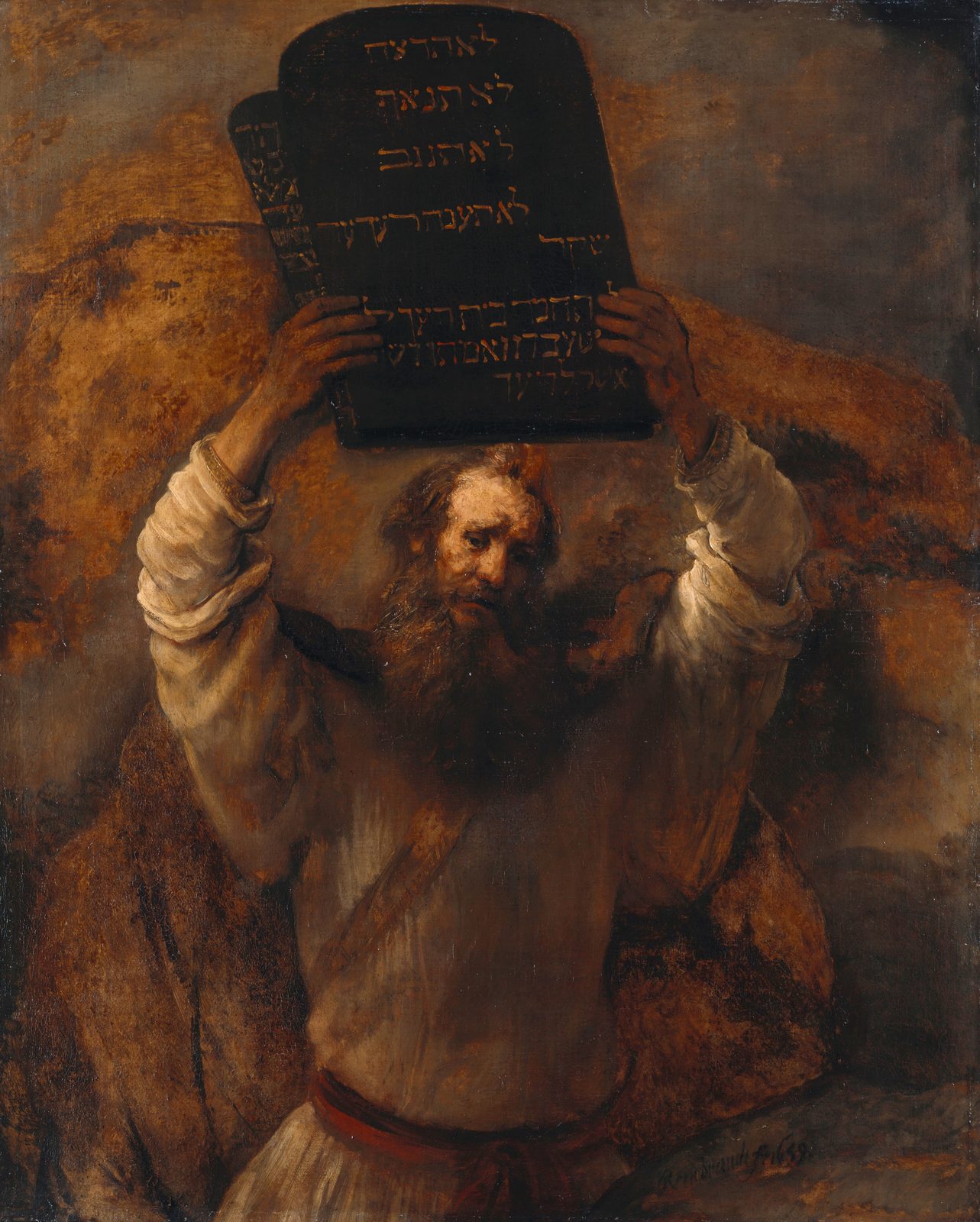
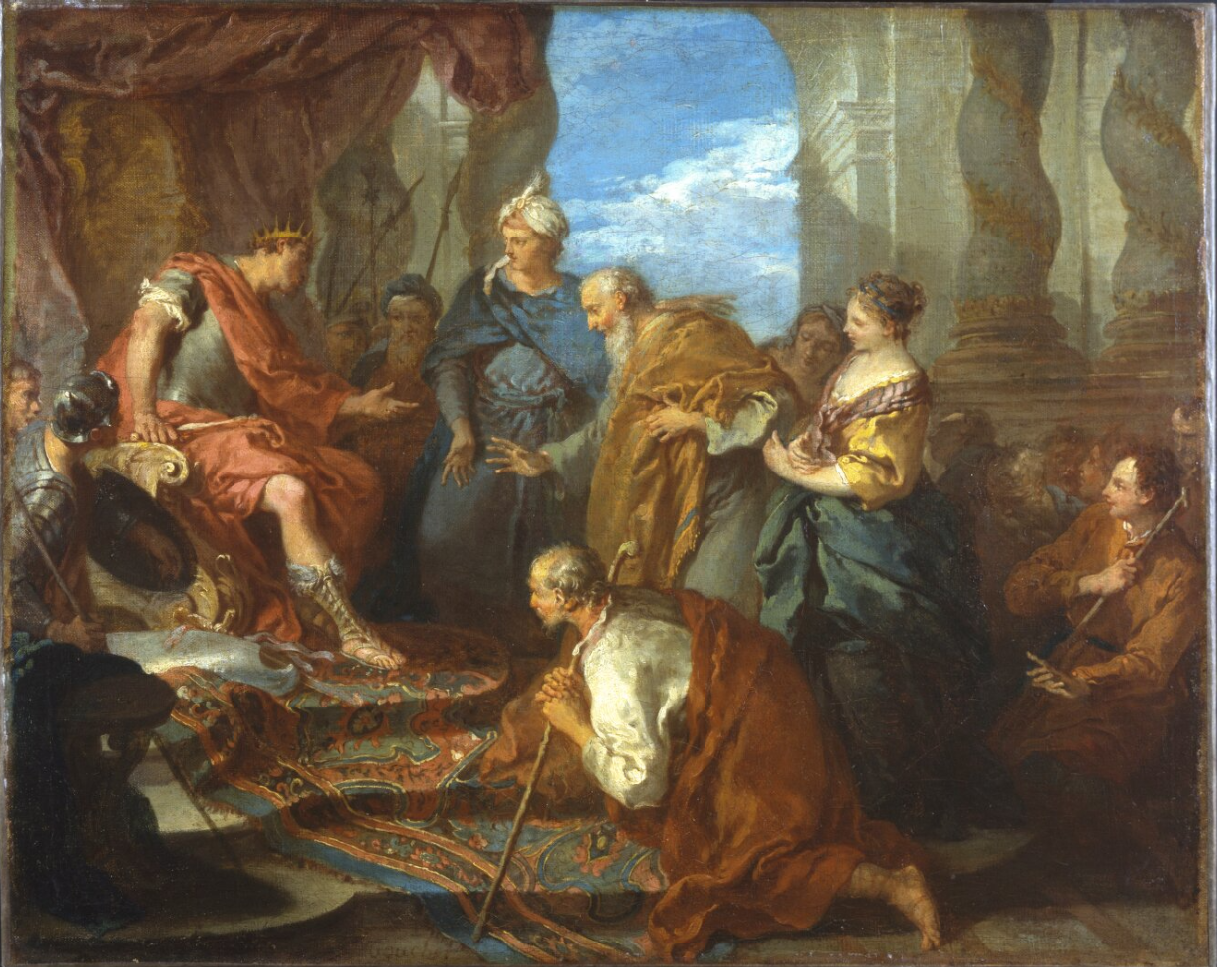
Honour Your Father and Mother, Rise in the Presence of the Elderly, The Ten Commandments, The Words Kabod and Time
Where Readers Disagree
Six readings answer three questions, each with its holders, the work that argues it and the objection raised against it.
Whom the commandment names
Read the study of the Numbering of the Ten Commandments 10 sections, 9 verses set out
| Reading | Held by | Work | Objection |
|---|---|---|---|
| Every superior in age, gifts and authority, as well as parents | The Westminster Assembly (Reformed) | The Westminster Larger Catechism, questions 124 and 127 (the Westminster Assembly, 1640s) | The commandment names father and mother, and Scripture gives rulers and elders their honour in other texts (Romans 13:7; 1 Timothy 5:17). |
| Parents, who are owed a respect no one else can claim | Adam Clarke (Methodist) | Adam Clarke, Commentary on the Bible (1832), on Exodus 20:12 | Naaman's servants called their master father (2 Kings 5:13), and the Larger Catechism reads the title as reaching every superior. |
Whether the call of Christ sets aside a parent's claim
Read the study of Tradition and Commandment
| Reading | Held by | Work | Objection |
|---|---|---|---|
| It does, and a believer may leave a pleading father to follow Christ | Jerome (Patristic) | Jerome, Letter 14, to Heliodorus, section 2 (NPNF 2.6, 1893) | Mark 7:11 to 12 rebukes the son who calls his support of his parents a gift devoted to God and gives them nothing. |
| Honour stands whether parents deserve it or not, and only a command against God is refused | John Calvin (Reformed) | Calvin, Institutes of the Christian Religion, book 2, chapter 8, sections 36 and 38 | Jesus said, “Anyone who loves his father or mother more than Me is not worthy of Me” (Matthew 10:37). |
What the promise of long life means
Read the study of Honour Your Father and Mother 7 sections, 7 verses set out
| Reading | Held by | Work | Objection |
|---|---|---|---|
| The present life, given as promised or replaced by a higher blessing | Jamieson, Fausset and Brown (Scottish Presbyterian commentary) | Jamieson, Fausset and Brown, Commentary Critical and Explanatory on the Whole Bible (1871), on Ephesians 6:3 | Jerome observed that many obedient children have died young and many irreverent ones have reached old age. |
| The land of promise, offered to those who have left the spiritual Egypt | Jerome (Patristic) | Jerome, Commentary on Ephesians, on Ephesians 6:1 to 3 | Paul gives the promise as “a long life on the earth” (Ephesians 6:3). |
Sources
Scripture is the Berean Standard Bible.
- STEP Bible, Translators Brief lexicon of Extended Strongs for Hebrew and for Greek (Tyndale House, Cambridge), CC BY 4.0, with the Strong's definitions (1890) the rows carry.
- Justin Martyr, First Apology, chapter 17, translated by M. Dods and G. Reith, ANF 1 (1885)
- Augustine of Hippo, Confessions, book 9, chapter 9, translated by J. G. Pilkington, NPNF 1.1 (1887)
- Theodoret, Ecclesiastical History, book 5, chapter 17, translated by Blomfield Jackson, NPNF 2.3 (1892)
- Martin Luther, The Large Catechism, the commandment to honour father and mother, translated by F. Bente and W. H. T. Dau (St. Louis: Concordia Publishing House, 1921)
- The Westminster Larger Catechism, questions 124 and 127, written by the Westminster Assembly in the 1640s.
- John Calvin, Institutes of the Christian Religion, book 2, chapter 8, sections 35 to 38, the English text of the Christian Classics Ethereal Library.
- Jerome, Letter 14, to Heliodorus, section 2, translated by W. H. Fremantle, G. Lewis and W. G. Martley, NPNF 2.6 (1893)
- Adam Clarke, Commentary on the Bible (1832), on Exodus 20:12.
- Robert Jamieson, A. R. Fausset and David Brown, Commentary Critical and Explanatory on the Whole Bible (1871), on Ephesians 6:3.
- Jerome, Commentary on Ephesians, on Ephesians 6:1 to 3.
- Irenaeus, Against Heresies, book 4, on Romans 2:7.
- Hilary of Poitiers, On the Trinity 9.23, on John 5:23.
- John Chrysostom, Homilies on 1 Timothy, homily 4, on 1 Samuel 2:30.
- Jerome, Letter 52, section 7, on Malachi 1:6, dated 394 in Nicene and Post-Nicene Fathers, second series, volume 6 (1893)
- The Catholic Encyclopedia, volume 8 (1910), the article St. Irenaeus.
- Cyril of Alexandria, Commentary on the Gospel of John, book 3, on John 5:44.
- Matthew Henry, Commentary on the Whole Bible (1710), on Proverbs 3:9 to 10.
Keep Studying
Studies6
In this value5
People and groups28
Show the next 6 titles
Show the next 6 titles
Doctrines7