
Judges 11:36
in Judges 11“My father,” she replied, “you have given your word to the LORD. Do to me as you have said, for the LORD has avenged you of your enemies, the Ammonites.”
BSB
The same verse in ASV and KJV ▾
ASV
And she said unto him, My father, thou hast opened thy mouth unto Jehovah; do unto me according to that which hath proceeded out of thy mouth, forasmuch as Jehovah hath taken vengeance for thee on thine enemies, even on the children of Ammon.
KJV
And she said unto him, My father, if thou hast opened thy mouth unto the Lord, do to me according to that which hath proceeded out of thy mouth; forasmuch as the Lord hath taken vengeance for thee of thine enemies, even of the children of Ammon.
⋯
This verse in Judges 11
Commentary
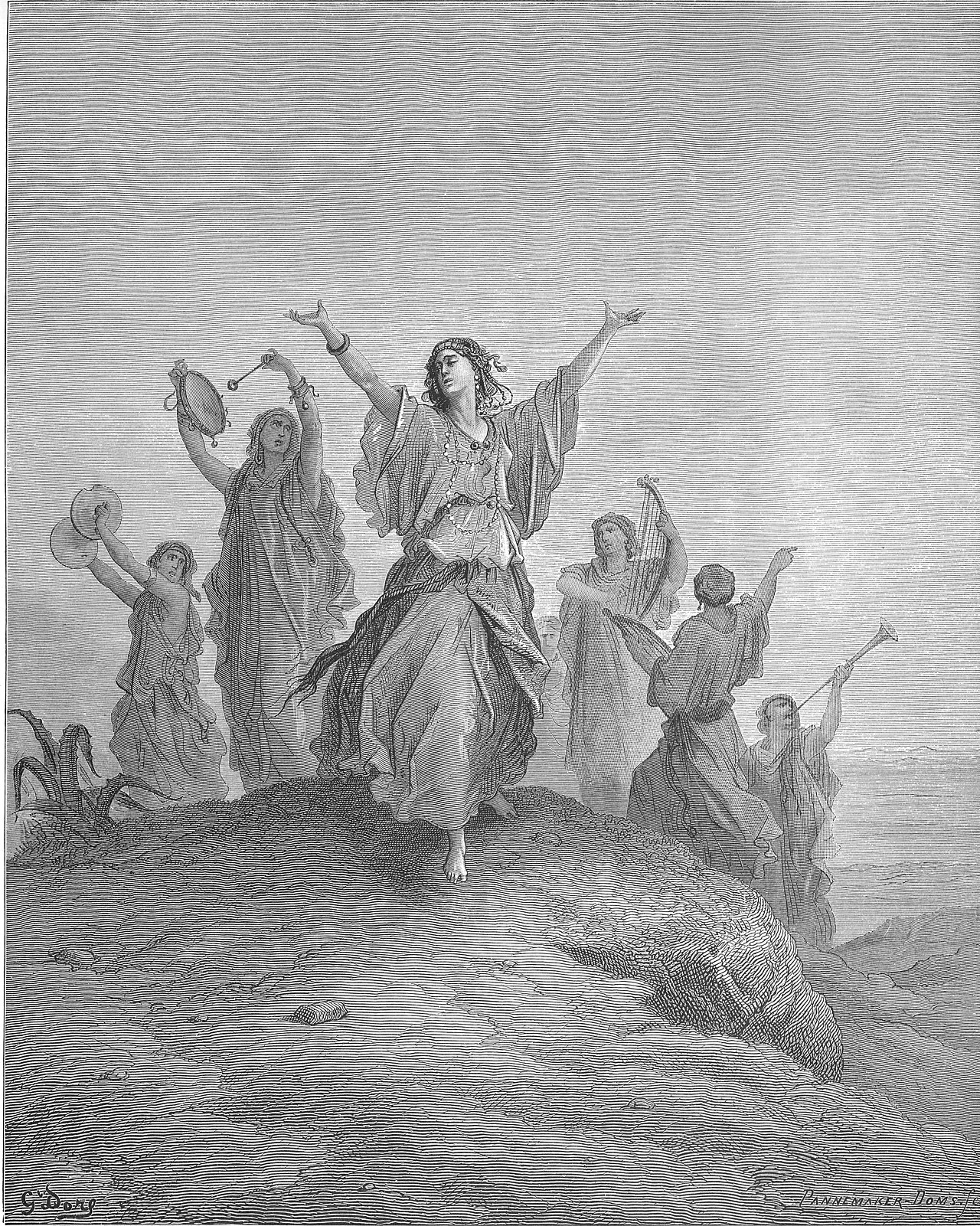
9 notes on this verseAnd she said unto him - What a pattern of filial piety and obedience! She was at once obedient, pious, and patriotic. A woman to have no offspring was considered to be in a state of the utmost degradation among the Hebrews; but she is regardless of all this, seeing her father is in safety, and her country delivered.
This site's exposition
he tore his clothes
on Judges 11:35-36
He tears his clothes and says he "cannot take it back," standing on Numbers 30:2 and Deuteronomy 23:21-23. The chapter never mentions Leviticus 27:1-8, where a person vowed to the LORD is redeemed by a valuation paid to the priest. Her answer asks for no release, and the reason she gives is the victory: "the LORD has avenged you of your enemies, the Ammonites."
This site's exposition
Do to me as you have said
Adam Clarke reads the daughter's answer as obedience joined to love of Israel, for her father has returned and the Ammonites are defeated. Matthew Henry says she set the people before her life. Albert Barnes sees in her word how deep the pagan idea of human sacrifice ran.
The record, by era
The Church Fathers1 voice
A commentator
Origen of AlexandriaCOMMENTARY ON THE GOSPEL OF JOHN 6.276-78 · Written before 253.
proposed
The remaining sacrifices, of which those relating to the law are a symbol, are akin to this sacrifice. But in addition, the other sacrifices akin to this sacrifice seem to me to be the shedding of the blood of the noble martyrs. It was not in vain that the disciple John saw them standing beside the heavenly altar. "But who is wise, that he shall understand these things?
The Puritans and the Awakening3 voices
Such a rare instance of one that preferred the public interest before life itself was never to be forgotten. Her sex forbade her to follow to the war, and so to expose her life in battle, in lieu of which she hazards it much more (and perhaps apprehended that she did so, having some intimation of his vow, and did it designedly; for he tells her,
quarantine:debris (2026-07-29) — unbalanced-parens
And she said unto him, my father, if thou hast opened thy mouth unto the Lord,....
The enterprise was difficult, and it was fit that so great an encouragement as this should be proposed to him that would undertake it. Now all agreed that Jephthah, the Gileadite, was a mighty man of valour, and very fit for that purpose, none so fit as he, but he lay under three disadvantages:-- 1.
The Nineteenth Century1 voice
A commentator
Jamieson, Fausset & Brown1802–1910
Commentary Critical and Explanatory on the Whole Bible (1871)
proposed
Jephthah came to Mizpeh unto his house, and, behold, his daughter came out to meet him with timbrels and with dances--The return of the victors was hailed, as usual, by the joyous acclaim of a female band (1Sa 18:6), the leader of whom was Jephthah's daughter.
1 more voice on this verse
The Nineteenth Century1 voice
A commentator
Albert Barnes1798–1870
Notes, Explanatory and Practical, on the Old and New Testaments (1832-1869)
proposed
The touching submission of Jephthah’s daughter to an inevitable fate shows how deeply-rooted at that time was the pagan notion of the propriety of human sacrifice.
The words behind it
22 Hebrew wordsEvery Hebrew word of this verse in the order it stands, with what it means and the door to its own study. The last column counts the times a word stands in the whole Bible: the rarer the word, the more the places it appears belong together.
| Hebrew | Sound | Meaning | Word study | In the Bible |
|---|---|---|---|---|
| וַתֹּ֣אמֶר | vatomer | and she said | H559 → | 5305 times |
| אֵלָ֗יו | ʾelav | to him | H413 → | 5510 times |
| אָבִי֙ | ʾavi | O father my | H1 → | 1212 times |
| פָּצִ֤יתָה | patzitah | you have opened | H6475 → | |
| אֶת־ | ʾet- | <obj.> | H853 → | 10935 times |
| פִּ֙יךָ֙ | pikha | mouth your | H6310 → | 498 times |
| אֶל־ | ʾel- | to | H413 → | 5510 times |
| יְהוָ֔ה | yahweh | Yahweh | H3068 → | 6520 times |
| עֲשֵׂ֣ה | ʾaseh | do | H6213 → | 2628 times |
| לִ֔י | li | to <the> me | ||
| כַּאֲשֶׁ֖ר | kaasher | just as | H834 → | 5497 times |
| יָצָ֣א | yatza' | it has come out | H3318 → | 1067 times |
| מִפִּ֑יךָ | mipikha | from mouth your | H6310 → | 498 times |
| אַחֲרֵ֡י | ʾacharei | after | H310 → | 715 times |
| אֲשֶׁ֣ר | ʾasher | that | H834 → | 5497 times |
| עָשָׂה֩ | ʾasah | he did | H6213 → | 2628 times |
| לְךָ֙ | lekha | for <the> you | ||
| יְהוָ֧ה | yahweh | Yahweh | H3068 → | 6520 times |
| נְקָמ֛וֹת | nekamot | vengeance<s> | H5360 → | |
| מֵאֹיְבֶ֖יךָ | meoyeveikha | from enemies your | H341 → | 282 times |
| מִבְּנֵ֥י | mibenei | from [the] people of | H1121 → | 4930 times |
| עַמּֽוֹן׃ | amon | Ammon | H5983 → | 106 times |
וַתֹּ֣אמֶרand she said
vatomerH559 →5305 times
אֵלָ֗יוto him
ʾelavH413 →5510 times
אָבִי֙O father my
ʾaviH1 →1212 times
פָּצִ֤יתָהyou have opened
patzitahH6475 →
אֶת־<obj.>
ʾet-H853 →10935 times
פִּ֙יךָ֙mouth your
pikhaH6310 →498 times
אֶל־to
ʾel-H413 →5510 times
יְהוָ֔הYahweh
yahwehH3068 →6520 times
עֲשֵׂ֣הdo
ʾasehH6213 →2628 times
לִ֔יto <the> me
li
כַּאֲשֶׁ֖רjust as
kaasherH834 →5497 times
יָצָ֣אit has come out
yatza'H3318 →1067 times
מִפִּ֑יךָfrom mouth your
mipikhaH6310 →498 times
אַחֲרֵ֡יafter
ʾachareiH310 →715 times
אֲשֶׁ֣רthat
ʾasherH834 →5497 times
עָשָׂה֩he did
ʾasahH6213 →2628 times
לְךָ֙for <the> you
lekha
יְהוָ֧הYahweh
yahwehH3068 →6520 times
נְקָמ֛וֹתvengeance<s>
nekamotH5360 →
מֵאֹיְבֶ֖יךָfrom enemies your
meoyeveikhaH341 →282 times
מִבְּנֵ֥יfrom [the] people of
mibeneiH1121 →4930 times
עַמּֽוֹן׃Ammon
amonH5983 →106 times
A shaded row is a word that stands 400 times or fewer in the Bible.
The walk
8 stopsEach card is a verse this one points to, and under it the verses that one points to in turn. Where several paths arrive at the same place, that place is listed first: the text keeps returning to it.
Through
Acts 21:13Then Paul answered, “Why are you weeping and breaking my heart? I am ready not only to be bound, but also to die in Jerusalem for the name of the Lord Jesus.”
it leads to
- Acts 20:24
But I consider my life of no value to me, if only I may finish my course and complete the ministry I have received from the Lord Jesus—the ministry of testifying to the good…
Reached by 3 separate paths from here.
- Philippians 1:20–21
I eagerly expect and hope that I will in no way be ashamed, but will have complete boldness so that now as always Christ will be exalted in my body, whether by life or…
- Philippians 2:17
But even if I am being poured out like a drink offering on the sacrifice and service of your faith, I am glad and rejoice with all of you.
- Romans 8:35–37
Who shall separate us from the love of Christ? Shall trouble or distress or persecution or famine or nakedness or danger or sword?
- 2 Timothy 4:6
For I am already being poured out like a drink offering, and the time of my departure is at hand.
- Acts 20:24
Through
2 Samuel 18:19Then Ahimaaz son of Zadok said, “Please let me run and tell the king the good news that the LORD has avenged him of his enemies.”
it leads to
- 2 Samuel 15:36
Indeed, their two sons, Ahimaaz son of Zadok and Jonathan son of Abiathar, are there with them. Send them to me with everything you hear.”
- 2 Samuel 15:36
Through
Philippians 2:30because he nearly died for the work of Christ, risking his life to make up for your deficit of service to me.
it leads to
- 1 Corinthians 16:17
I am glad that Stephanas, Fortunatus, and Achaicus have arrived, because they have supplied what was lacking from you.
- Philippians 4:10
Now I rejoice greatly in the Lord that at last you have revived your concern for me. You were indeed concerned, but you had no opportunity to show it.
- 1 Corinthians 16:17
About Judges
This page draws on Adam Clarke, Commentary on the Bible; Albert Barnes, Notes, Explanatory and Practical, on the Old and New Testaments; Albert Barnes, Notes, Explanatory and Practical, on the Old and New Testaments (1832-1869); Jamieson, Fausset & Brown, Commentary Critical and Explanatory on the Whole Bible; John Gill, Exposition of the Old Testament (1748-1763); Matthew Henry, Commentary on the Whole Bible and Origen of Alexandria, COMMENTARY ON THE GOSPEL OF JOHN 6.276-78.