
Deuteronomy 4:9
in Deuteronomy 4Only be on your guard and diligently watch yourselves, so that you do not forget the things your eyes have seen, and so that they do not slip from your heart as long as you live. Teach them to your children and grandchildren.
BSB
The same verse in ASV and KJV ▾
ASV
Only take heed to thyself, and keep thy soul diligently, lest thou forget the things which thine eyes saw, and lest they depart from thy heart all the days of thy life; but make them known unto thy children and thy children’s children;
KJV
Only take heed to thyself, and keep thy soul diligently, lest thou forget the things which thine eyes have seen, and lest they depart from thy heart all the days of thy life: but teach them thy sons, and thy sons’ sons;
⋯
This verse in Deuteronomy 4
Commentary
5 notes on this verseA commentator
Albert Barnes1798–1870
Notes, Explanatory and Practical, on the Old and New Testaments (1832-1869)
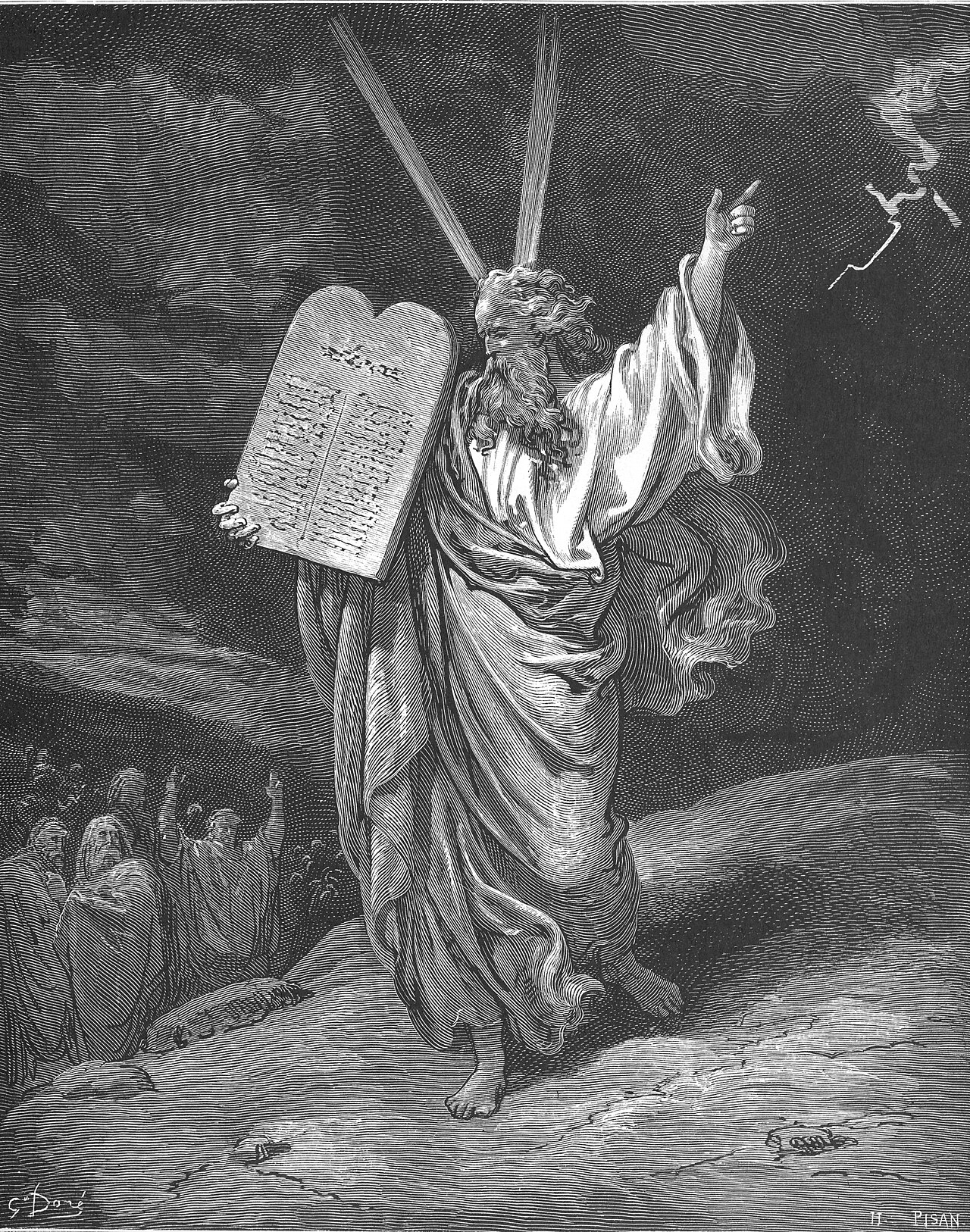
A full stop should end Deu 4:9; and Deu 4:10 begin, At the time that thou stoodest, etc. Deu 4:11 then ye came near, etc. Moses, exhorting to heedful observance of the Law, strives to renew the impressions of that tremendous scene which attended its promulgation at Sinai.
This site's exposition
Only take heed to thyself
on Deuteronomy 4:9-10
Verse 9 is the first of the nine times Deuteronomy says forget, and what stands at risk is the things which thine eyes have seen. The guard against losing them is teaching, and the reach is stated to two generations, thy sons and thy sons' sons, the same span chapter 6 opens with. Verse 10 fixes the day being remembered as Horeb, and the purpose God stated there was that they may learn to fear me all the days that they shall live, and that they may teach their children.
The record, by era
The Puritans and the Awakening1 voice
Only take heed to thyself,....
The Nineteenth Century2 voices
A commentator
Jamieson, Fausset & Brown1802–1910
Commentary Critical and Explanatory on the Whole Bible (1871)
proposed
The former, their national advantages, are described (De 4:7, 8), and they were twofold: 1. God's readiness to hear and aid them at all times; and 2. the excellence of that religion in which they were instructed, set forth in the "statutes and judgments so righteous" which the law of Moses contained.
Only take heed to thyself - Be circumspect and watchful. Keep thy soul diligently - Be mindful of thy eternal interests. Whatever becomes of the body, take care of the soul. Lest thou forget - God does his work that they may be had in everlasting remembrance; and he that forgets them, forgets his own mercies. Besides, if a man forget the work of God on his soul, he loses that work. Lest they depart from thy heart - It is not sufficient to lay up Divine things in the memory, they must be laid up in the heart. Thy word have I hidden in my heart, says David, that I might not sin against thee. The life of God in the soul of man can alone preserve the soul to life everlasting; and this grace must be retained all the days of our life. When Adam fell, his condition was not meliorated by the reflection that he had been once in paradise; nor does it avail Satan now that he was once an angel of light. Those who let the grace of God depart from their hearts, lose that grace; and those who lose the grace, fall from the grace; and as some have fallen and risen no more, so may others; therefore, take heed to thyself, etc. Were it impossible for men finally to fall from the grace of God, exhortations of this kind had never been given, because they would have been unnecessary, and God never does an unnecessary thing. But teach them thy sons - If a man know the worth of his own soul, he will feel the importance of the salvation of the souls of his family. Those who neglect family religion, neglect personal religion; if more attention were paid to the former, even among those called religious people, we should soon have a better state of civil society. On family religion God lays much stress; and no head of a family can neglect it without endangering the final salvation of his own soul. See the note at the conclusion of Gen 18:32 (note), Gen 19:38 (note), and Deu 6:7 (note).
The words behind it
23 Hebrew wordsEvery Hebrew word of this verse in the order it stands, with what it means and the door to its own study. The last column counts the times a word stands in the whole Bible: the rarer the word, the more the places it appears belong together.
| Hebrew | Sound | Meaning | Word study | In the Bible |
|---|---|---|---|---|
| רַ֡ק | rak | only | H7535 → | 109 times |
| הִשָּׁ֣מֶר | hishamer | take heed | H8104 → | 468 times |
| לְךָ֩ | lekha | to yourself | ||
| וּשְׁמֹ֨ר | ushemor | and guard | H8104 → | 468 times |
| נַפְשְׁךָ֜ | nafshekha | self your | H5315 → | 754 times |
| מְאֹ֗ד | meod | exceedingly | H3966 → | 300 times |
| פֶּן־ | pen- | lest | H6435 → | 133 times |
| תִּשְׁכַּ֨ח | tishkach | you should forget | H7911 → | 102 times |
| אֶת־ | ʾet- | <obj.> | H853 → | 10935 times |
| הַדְּבָרִ֜ים | hadevarim | the things | H1697 → | 1440 times |
| אֲשֶׁר־ | ʾasher- | which | H834 → | 5497 times |
| רָא֣וּ | rau | they have seen | H7200 → | 1300 times |
| עֵינֶ֗יךָ | ʾeineikha | eyes your | H5869 → | 887 times |
| וּפֶן־ | ufen- | and lest | H6435 → | 133 times |
| יָס֙וּרוּ֙ | yasuru | they should depart | H5493 → | 299 times |
| מִלְּבָ֣בְךָ֔ | milevavekha | from heart your | H3824 → | 252 times |
| כֹּ֖ל | kol | all | H3605 → | 5413 times |
| יְמֵ֣י | yemei | [the] days of | H3117 → | 2304 times |
| חַיֶּ֑יךָ | chaiyeikha | life your | H2416 → | 498 times |
| וְהוֹדַעְתָּ֥ם | vehoda'tam | and you will make known them | H3045 → | 945 times |
| לְבָנֶ֖יךָ | levaneikha | to children your | H1121 → | 4930 times |
| וְלִבְנֵ֥י | velivnei | and to [the] children of | H1121 → | 4930 times |
| בָנֶֽיךָ׃ | vaneikha | children your | H1121 → | 4930 times |
רַ֡קonly
rakH7535 →109 times
הִשָּׁ֣מֶרtake heed
hishamerH8104 →468 times
לְךָ֩to yourself
lekha
וּשְׁמֹ֨רand guard
ushemorH8104 →468 times
נַפְשְׁךָ֜self your
nafshekhaH5315 →754 times
מְאֹ֗דexceedingly
meodH3966 →300 times
פֶּן־lest
pen-H6435 →133 times
תִּשְׁכַּ֨חyou should forget
tishkachH7911 →102 times
אֶת־<obj.>
ʾet-H853 →10935 times
הַדְּבָרִ֜יםthe things
hadevarimH1697 →1440 times
אֲשֶׁר־which
ʾasher-H834 →5497 times
רָא֣וּthey have seen
rauH7200 →1300 times
עֵינֶ֗יךָeyes your
ʾeineikhaH5869 →887 times
וּפֶן־and lest
ufen-H6435 →133 times
יָס֙וּרוּ֙they should depart
yasuruH5493 →299 times
מִלְּבָ֣בְךָ֔from heart your
milevavekhaH3824 →252 times
כֹּ֖לall
kolH3605 →5413 times
יְמֵ֣י[the] days of
yemeiH3117 →2304 times
חַיֶּ֑יךָlife your
chaiyeikhaH2416 →498 times
וְהוֹדַעְתָּ֥םand you will make known them
vehoda'tamH3045 →945 times
לְבָנֶ֖יךָto children your
levaneikhaH1121 →4930 times
וְלִבְנֵ֥יand to [the] children of
velivneiH1121 →4930 times
בָנֶֽיךָ׃children your
vaneikhaH1121 →4930 times
A shaded row is a word that stands 400 times or fewer in the Bible.
The walk
8 stopsEach card is a verse this one points to, and under it the verses that one points to in turn. Where several paths arrive at the same place, that place is listed first: the text keeps returning to it.
Through
Deuteronomy 6:7And you shall teach them diligently to your children and speak of them when you sit at home and when you walk along the road, when you lie down and when you get up.
it leads to
- Ephesians 6:4
Fathers, do not provoke your children to wrath; instead, bring them up in the discipline and instruction of the Lord.
Reached by 2 separate paths from here.
- Deuteronomy 11:19
Teach them to your children, speaking about them when you sit at home and when you walk along the road, when you lie down and when you get up.
- Psalms 78:4–6
We will not hide them from their children, but will declare to the next generation the praises of the LORD and His might, and the wonders He has performed.
- 1 Peter 3:15
But in your hearts sanctify Christ as Lord. Always be prepared to give a defense to everyone who asks you the reason for the hope that is in you. But respond with gentleness and…
- Ephesians 6:4
Through
Genesis 18:19For I have chosen him, so that he will command his children and his household after him to keep the way of the LORD by doing what is right and just, in order that…
it leads to
- Deuteronomy 4:9–10
Only be on your guard and diligently watch yourselves, so that you do not forget the things your eyes have seen, and so that they do not slip from your heart as long as…
Reached by 3 separate paths from here.
- 1 Timothy 3:4–5
An overseer must manage his own household well and keep his children under control, with complete dignity.
- Deuteronomy 6:6–7
These words I am commanding you today are to be upon your hearts.
- 2 Timothy 3:15
From infancy you have known the Holy Scriptures, which are able to make you wise for salvation through faith in Christ Jesus.
- Deuteronomy 4:9–10
Where this verse is studied
On this page
About Deuteronomy
This page draws on Adam Clarke, Commentary on the Bible; Albert Barnes, Notes, Explanatory and Practical, on the Old and New Testaments (1832-1869); Jamieson, Fausset & Brown, Commentary Critical and Explanatory on the Whole Bible; John Gill, Exposition of the Old Testament (1748-1763); Keil and Delitzsch, Biblical Commentary on the Old Testament: The Pentateuch and Matthew Henry, Commentary on the Whole Bible.