
Judges 11:38
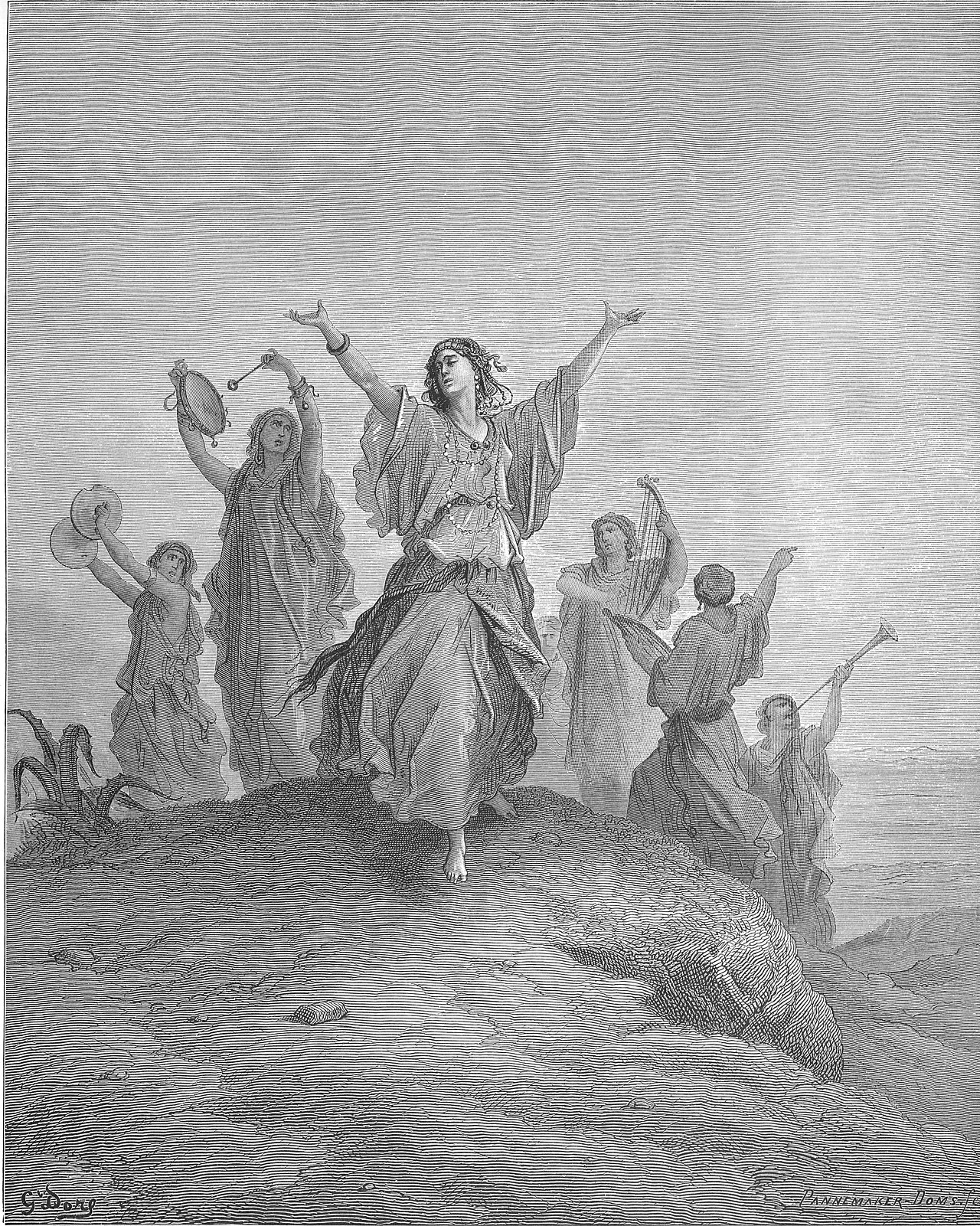
in Judges 11“Go,” he said. And he sent her away for two months. So she left with her friends and mourned her virginity upon the mountains.
BSB
The same verse in ASV and KJV ▾
ASV
And he said, Go. And he sent her away for two months: and she departed, she and her companions, and bewailed her virginity upon the mountains.
KJV
And he said, Go. And he sent her away for two months: and she went with her companions, and bewailed her virginity upon the mountains.
⋯
This verse in Judges 11
Commentary
6 notes on this verseThis site's exposition
mourn my virginity
on Judges 11:37-38
She asks for two months to "mourn my virginity," her virginity rather than her life, and that is the hinge of the dispute over her fate. Readers who hold that she died answer that a woman dying childless in Israel lost her name with her life, so the mourning fits either outcome. The mountains and friends are given no place name, and the text gives no reason for two months.
This site's exposition
he sent her away for two months
Jephthah grants the request in one word, and the two months are the length she asked. Her friends go with her into the mountains. Matthew Henry commends them as friends who wept with her as well as rejoiced.
The record, by era
The Puritans and the Awakening3 voices
And he said, go,....
The enterprise was difficult, and it was fit that so great an encouragement as this should be proposed to him that would undertake it. Now all agreed that Jephthah, the Gileadite, was a mighty man of valour, and very fit for that purpose, none so fit as he, but he lay under three disadvantages:-- 1.
Those are unworthy the name of friends that will only rejoice with us, and not weep with us. (7.) That heroic zeal for the honour of God and Israel, though alloyed with infirmity and indiscretion, is worthy to be had in perpetual remembrance.
The Nineteenth Century1 voice
A commentator
Jamieson, Fausset & Brown1802–1910
Commentary Critical and Explanatory on the Whole Bible (1871)
proposed
Jephthah came to Mizpeh unto his house, and, behold, his daughter came out to meet him with timbrels and with dances--The return of the victors was hailed, as usual, by the joyous acclaim of a female band (1Sa 18:6), the leader of whom was Jephthah's daughter.
The words behind it
14 Hebrew wordsEvery Hebrew word of this verse in the order it stands, with what it means and the door to its own study. The last column counts the times a word stands in the whole Bible: the rarer the word, the more the places it appears belong together.
| Hebrew | Sound | Meaning | Word study | In the Bible |
|---|---|---|---|---|
| וַיֹּ֣אמֶר | vaiyomer | and he said | H559 → | 5305 times |
| לֵ֔כִי | lekhi | go | H1980 → | 1546 times |
| וַיִּשְׁלַ֥ח | vaiyishlach | and he sent away | H7971 → | 845 times |
| אוֹתָ֖הּ | ʾotah | <obj.> her | H853 → | 10935 times |
| שְׁנֵ֣י | shenei | two | H8147 → | 768 times |
| חֳדָשִׁ֑ים | chodashim | months | H2320 → | 284 times |
| וַתֵּ֤לֶךְ | vatelekh | and she went | H1980 → | 1546 times |
| הִיא֙ | hi' | she | H1931 → | 1879 times |
| וְרֵ֣עוֹתֶ֔יהָ | vereoteiha | and companions her | H7464 → | |
| וַתֵּ֥בְךְּ | vatevek | and she wept | H1058 → | 114 times |
| עַל־ | ʾal- | on | H5921 → | 5755 times |
| בְּתוּלֶ֖יהָ | betuleiha | virginiti<es> her | H1331 → | |
| עַל־ | ʾal- | on | H5921 → | 5755 times |
| הֶהָרִֽים׃ | heharim | the mountains | H2022 → | 546 times |
וַיֹּ֣אמֶרand he said
vaiyomerH559 →5305 times
לֵ֔כִיgo
lekhiH1980 →1546 times
וַיִּשְׁלַ֥חand he sent away
vaiyishlachH7971 →845 times
אוֹתָ֖הּ<obj.> her
ʾotahH853 →10935 times
שְׁנֵ֣יtwo
sheneiH8147 →768 times
חֳדָשִׁ֑יםmonths
chodashimH2320 →284 times
וַתֵּ֤לֶךְand she went
vatelekhH1980 →1546 times
הִיא֙she
hi'H1931 →1879 times
וְרֵ֣עוֹתֶ֔יהָand companions her
vereoteihaH7464 →
וַתֵּ֥בְךְּand she wept
vatevekH1058 →114 times
עַל־on
ʾal-H5921 →5755 times
בְּתוּלֶ֖יהָvirginiti<es> her
betuleihaH1331 →
עַל־on
ʾal-H5921 →5755 times
הֶהָרִֽים׃the mountains
heharimH2022 →546 times
A shaded row is a word that stands 400 times or fewer in the Bible.
About Judges
This page draws on Jamieson, Fausset & Brown, Commentary Critical and Explanatory on the Whole Bible; John Gill, Exposition of the Old Testament; John Gill, Exposition of the Old Testament (1748-1763); Keil and Delitzsch, Biblical Commentary on the Old Testament: Joshua, Judges, Ruth and Matthew Henry, Commentary on the Whole Bible.