
Lachish
Summary
Judah's second city, besieged by Sennacherib in 701 BC, its siege carved on the walls of his palace at Nineveh and confirmed in the ground.
- Lachish was Judah's second city, a fortress in the Shephelah guarding the road to Jerusalem.
- Joshua's Israel captured it on the second day of a siege, but a king of Lachish still fought there for the Amorite coalition first.
- Sennacherib besieged Lachish in 701 BC and sent his field commander on from there to Jerusalem, demanding surrender.
- The Assyrian king's own carved record of that siege, the Lachish reliefs, was dug out of his palace at Nineveh and matches 2 Kings 18.
- Letters written by Judah's own officers in Lachish's last days before Babylon's conquest were found in its burned gate.
On this page
In Scripture
- Verses
- 22
- Books
- 7
Near Lachish
- The Valley of Elah18 km · 11 mi NE
- Ziklag21 km · 13 mi S
- Mamre23 km · 15 mi E
- Hebron24 km · 15 mi E
- Machpelah25 km · 16 mi E
- Emmaus33 km · 21 mi NE
Straight-line distances, computed from the gazetteer coordinates.
Where it is
the country around it
- Coordinates
- 31.5649° N, 34.8467° Efind it on the Atlas →
- Region
- Shephelah
- Kind of place
- City
4 places the record names with Lachish, the farthest 43 km away
- 1The king of Lachish joins the coalition against GibeonJoshua 10:3 · 24 kmTherefore Adoni-zedek king of Jerusalem sent word to Hoham king of Hebron, Piram king of Jarmuth, Japhia king of Lachish, and Debir king of Eglon, saying,
- 2Amaziah flees to Lachish, and is killed there2 Kings 14:19 · 41 kmAnd conspirators plotted against Amaziah in Jerusalem, and he fled to Lachish. But men were sent after him to Lachish, and they killed him there.
- 3Micah's wordplay: Lachish and the chariotMicah 1:13 · 43 kmHarness your chariot horses, O dweller of Lachish. You were the beginning of sin to the Daughter of Zion, for the transgressions of Israel were found in you.
- 4Returned exiles resettle Lachish and its fieldsNehemiah 11:30 · 36 kmZanoah, Adullam, and their villages; in Lachish and its fields; and in Azekah and its villages. So they settled from Beersheba all the way to the Valley of Hinnom.
- Located: the gazetteer fixes one site
- Placed: the point stands for an area, or is rounded
- A dashed line ends at a place the gazetteer does not fix
Not located: Assyria. The gazetteer records no location for it, so it is not marked.
Why Lachish matters
The siege of Lachish and the embassy to Jerusalem
2 Kings 18:13 to 19:8, and 2 Chronicles 32:9, in the order it happens
Read 2 Kings 18:13 to 19:8, and 2 Chronicles 32:9, in the order it happens
- Sennacherib takes Judah's fortified cities2 Kings 18:13In the fourteenth year of Hezekiah’s reign, Sennacherib king of Assyria attacked and captured all the fortified cities of Judah.
- Hezekiah sends his surrender to the king at Lachish2 Kings 18:14So Hezekiah king of Judah sent word to the king of Assyria at Lachish, saying, “I have done wrong; withdraw from me, and I will pay whatever you demand from me.” And the king of Assyria exacted from Hezekiah king of Judah three hundred talents of silver and thirty talents of gold.
- Sennacherib besieges Lachish and sends word to Jerusalem2 Chronicles 32:9Later, as Sennacherib king of Assyria and all his forces besieged Lachish, he sent his servants to Jerusalem with a message for King Hezekiah of Judah and all the people of Judah who were in Jerusalem:
- The field commander is sent from Lachish to Jerusalem2 Kings 18:17Nevertheless, the king of Assyria sent the Tartan, the Rabsaris, and the Rabshakeh, along with a great army, from Lachish to King Hezekiah at Jerusalem. They advanced up to Jerusalem and stationed themselves by the aqueduct of the upper pool, on the road to the Launderer’s Field.
- The Rabshakeh tells the people not to listen to Hezekiah2 Kings 18:29-30This is what the king says: Do not let Hezekiah deceive you; he cannot deliver you from my hand. Do not let Hezekiah persuade you to trust in the LORD when he says, ‘The LORD will surely deliver us; this city will not be given into the hand of the king of Assyria.’
- Isaiah's word: he will hear a rumor and return2 Kings 19:6-7who replied, “Tell your master that this is what the LORD says: ‘Do not be afraid of the words you have heard, with which the servants of the king of Assyria have blasphemed Me. Behold, I will put a spirit in him so that he will hear a rumor and return to his own land, where I will cause him to fall by the sword.’”
- The Rabshakeh finds the king has left Lachish for Libnah2 Kings 19:8When the Rabshakeh heard that the king of Assyria had left Lachish, he withdrew and found the king fighting against Libnah.
- The angel strikes the camp, and Sennacherib returns to Nineveh2 Kings 19:35-36And that very night the angel of the LORD went out and struck down 185,000 men in the camp of the Assyrians. When the people got up the next morning, there were all the dead bodies! So Sennacherib king of Assyria broke camp and withdrew. He returned to Nineveh and stayed there.
Isaiah 36 and 37 tell the same campaign in wording nearly identical to 2 Kings 18 and 19. The fuller exchange between Sennacherib, Hezekiah and Isaiah, and the angel who struck the Assyrian camp, is followed through on /place/jerusalem and /featured/assyria.
Assyria: the full studyWhat happened here, in order
in the order the canon tells it
- The king of Lachish joins the coalition against GibeonJoshua 10:3Therefore Adoni-zedek king of Jerusalem sent word to Hoham king of Hebron, Piram king of Jarmuth, Japhia king of Lachish, and Debir king of Eglon, saying,
- Joshua captures Lachish on the second dayJoshua 10:31-32And Joshua and all Israel with him moved on from Libnah to Lachish. They laid siege to it and fought against it. And the LORD delivered Lachish into the hand of Israel, and Joshua captured it on the second day. He put all the people to the sword, just as he had done to Libnah.
- Lachish's king counted among the thirty-one defeatedJoshua 12:11the king of Jarmuth, one; the king of Lachish, one;
- Lachish allotted to the tribe of JudahJoshua 15:39Lachish, Bozkath, Eglon,
- Amaziah flees to Lachish, and is killed there2 Kings 14:19And conspirators plotted against Amaziah in Jerusalem, and he fled to Lachish. But men were sent after him to Lachish, and they killed him there.
- Sennacherib attacks Judah's fortified cities2 Kings 18:13In the fourteenth year of Hezekiah’s reign, Sennacherib king of Assyria attacked and captured all the fortified cities of Judah.
- The Assyrian embassy leaves Lachish for Jerusalem2 Kings 18:17Nevertheless, the king of Assyria sent the Tartan, the Rabsaris, and the Rabshakeh, along with a great army, from Lachish to King Hezekiah at Jerusalem. They advanced up to Jerusalem and stationed themselves by the aqueduct of the upper pool, on the road to the Launderer’s Field.
- The Rabshakeh learns the king has moved on to Libnah2 Kings 19:8When the Rabshakeh heard that the king of Assyria had left Lachish, he withdrew and found the king fighting against Libnah.
- Sennacherib besieges Lachish and threatens Jerusalem by letter2 Chronicles 32:9Later, as Sennacherib king of Assyria and all his forces besieged Lachish, he sent his servants to Jerusalem with a message for King Hezekiah of Judah and all the people of Judah who were in Jerusalem:
- Micah's wordplay: Lachish and the chariotMicah 1:13Harness your chariot horses, O dweller of Lachish. You were the beginning of sin to the Daughter of Zion, for the transgressions of Israel were found in you.
- Lachish and Azekah, the last two cities still standingJeremiah 34:7as the army of the king of Babylon was fighting against Jerusalem and the remaining cities of Judah—against Lachish and Azekah. For these were the only fortified cities remaining in Judah.
- Returned exiles resettle Lachish and its fieldsNehemiah 11:30Zanoah, Adullam, and their villages; in Lachish and its fields; and in Azekah and its villages. So they settled from Beersheba all the way to the Valley of Hinnom.
Lachish in Scripture
22 verses name it, in 7 books
Open a book to read its mentions here. Text: Berean Standard Bible.
Old TestamentNew Testamentsegment width = share of mentions
Old Testament7 books · 22 mentions
Joshua10 mentions
- Joshua 10:3Therefore Adoni-zedek king of Jerusalem sent word to Hoham king of Hebron, Piram king of Jarmuth, Japhia king of Lachish, and Debir king of Eglon, saying,
- Joshua 10:5So the five kings of the Amorites—the kings of Jerusalem, Hebron, Jarmuth, Lachish, and Eglon—joined forces and advanced with all their armies. They camped before Gibeon and made war against it.
- Joshua 10:23So they brought the five kings out of the cave—the kings of Jerusalem, Hebron, Jarmuth, Lachish, and Eglon.
- Joshua 10:31And Joshua and all Israel with him moved on from Libnah to Lachish. They laid siege to it and fought against it.
- Joshua 10:32And the LORD delivered Lachish into the hand of Israel, and Joshua captured it on the second day. He put all the people to the sword, just as he had done to Libnah.
- Joshua 10:33At that time Horam king of Gezer went to help Lachish, but Joshua struck him down along with his people, leaving no survivors.
- Joshua 10:34So Joshua moved on from Lachish to Eglon, and all Israel with him. They laid siege to it and fought against it.
- Joshua 10:35That day they captured Eglon and put it to the sword, and Joshua devoted to destruction everyone in the city, just as he had done to Lachish.
2 further mentions in Joshua, read them in the book.
2 Kings4 mentions
- 2 Kings 14:19And conspirators plotted against Amaziah in Jerusalem, and he fled to Lachish. But men were sent after him to Lachish, and they killed him there.
- 2 Kings 18:14So Hezekiah king of Judah sent word to the king of Assyria at Lachish, saying, “I have done wrong; withdraw from me, and I will pay whatever you demand from me.” And the king of Assyria exacted from Hezekiah king of Judah three hundred talents of silver and thirty talents of gold.
- 2 Kings 18:17Nevertheless, the king of Assyria sent the Tartan, the Rabsaris, and the Rabshakeh, along with a great army, from Lachish to King Hezekiah at Jerusalem. They advanced up to Jerusalem and stationed themselves by the aqueduct of the upper pool, on the road to the Launderer’s Field.
- 2 Kings 19:8When the Rabshakeh heard that the king of Assyria had left Lachish, he withdrew and found the king fighting against Libnah.
2 Chronicles3 mentions
- 2 Chronicles 11:9Adoraim, Lachish, Azekah,
- 2 Chronicles 25:27From the time that Amaziah turned from following the LORD, a conspiracy was formed against him in Jerusalem, and he fled to Lachish. But men were sent after him to Lachish, and they killed him there.
- 2 Chronicles 32:9Later, as Sennacherib king of Assyria and all his forces besieged Lachish, he sent his servants to Jerusalem with a message for King Hezekiah of Judah and all the people of Judah who were in Jerusalem:
Nehemiah1 mention
Isaiah2 mentions
- Isaiah 36:2And the king of Assyria sent the Rabshakeh, with a great army, from Lachish to King Hezekiah at Jerusalem. And he stopped by the aqueduct of the upper pool, on the road to the Launderer’s Field.
- Isaiah 37:8When the Rabshakeh heard that the king of Assyria had left Lachish, he withdrew and found the king fighting against Libnah.
Jeremiah1 mention
Common questions
Where was Lachish, and why did it matter?
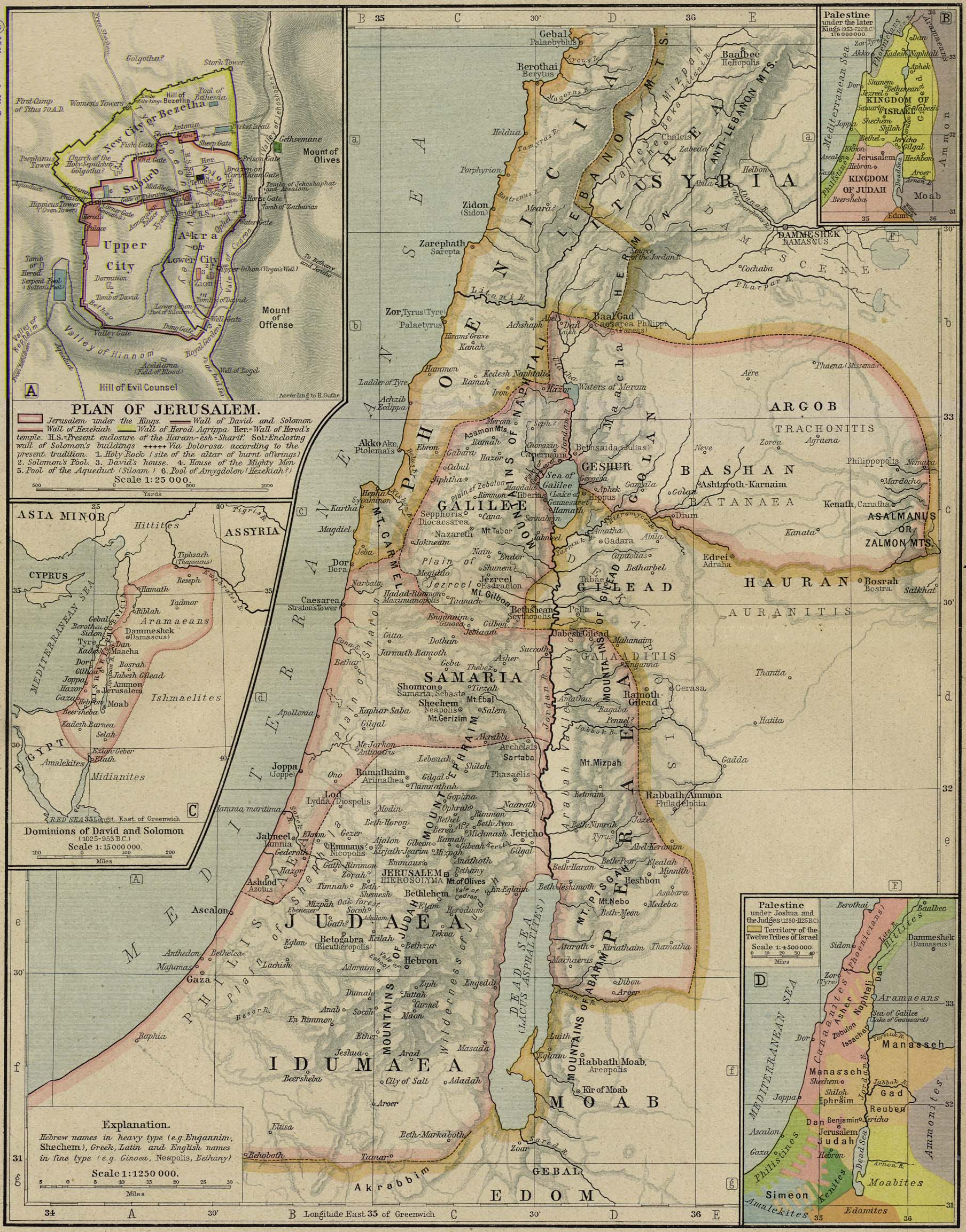
Lachish stood in the Shephelah, the low hills between the Philistine coast and the Judean highlands. It was Judah's second city by size and fortification, and it guarded the main road an invading army would take from the coast up into the hill country toward Jerusalem. Holding Lachish meant controlling that road.
What are the Lachish reliefs, and where are they now?
They are a series of carved stone panels from Sennacherib's palace at Nineveh, showing his 701 BC siege of Lachish in detail: the siege ramp, battering rams, archers, defenders on the wall, and deportees leaving the city, with an inscription naming Sennacherib and Lachish by name. Austen Henry Layard excavated them in 1847, and they are now in the British Museum.
Why did the Assyrian king negotiate from Lachish instead of marching straight on Jerusalem?
2 Kings 18 places Sennacherib at Lachish partway through his campaign, receiving Hezekiah's tribute there before sending his field commander on to Jerusalem with an army. Excavation has found the siege ramp Sennacherib's forces built against the city's southwest corner, the largest and best preserved Assyrian siege ramp yet found, which fits a king who took the time to reduce this fortress before turning toward the capital.
What are the Lachish Letters?
They are ostraca, pottery fragments with ink writing, exchanged between Judean military officers in Lachish's final weeks before Babylon's conquest. One is widely read as the writer watching for the signal fires of Lachish because Azekah's fires can no longer be seen, which lines up with Jeremiah's note that Lachish and Azekah were the last two fortified cities of Judah still standing, though that reading of the Azekah line depends on damaged ink. They were excavated from the city's burned gate-chamber in 1935 and 1938. The dig's director, James Leslie Starkey, was murdered on the road to Jerusalem in January 1938, and his team closed that season's excavation soon after; Olga Tufnell later published the full report.
Did Lachish actually fall to Sennacherib in 701 BC?
Yes. Unlike Jerusalem, which the Assyrian record itself never claims to have captured, Lachish was taken. The excavated destruction layer at the site and the Assyrian reliefs of the siege agree with each other, and both agree with 2 Kings 18's account of Sennacherib capturing Judah's fortified cities before he reached Jerusalem.
Sources cited
- OpenBible.info Bible Geocoding: Lachishread 2026-08-20The coordinates on this page. Used under CC-BY with attribution to OpenBible.info.
- Berean Standard BibleAll Scripture text on this page, from the site's own verse store. Public domain since 2023.
- The British Museum collection records for the Lachish reliefsThe Lachish reliefs from Sennacherib's palace at Nineveh, excavated by Austen Henry Layard in 1847.
- Harry Torczyner (Tur-Sinai), Lachish I: The Lachish Letters (1938)Publication of the ostraca excavated from the city's burned gate-chamber in 1935 and 1938.
- The Palestine Exploration Fund, James Leslie StarkeyStarkey's murder in January 1938 and the excavation's closing season.
Keep studying
Keep this page