
Romans 10 · Trial 11 of 21 · Featured Study
Shame and Guilt
Scripture follows shame and guilt from Eden to the cross and shows the way back to God for those who carry them.
Jeremiah charged the people of Jerusalem that “they do not even know how to blush” (Jeremiah 6:15).
As far as the east is from the west, so far has He removed our transgressions from us.
- Anchor text
- Romans 10:11 “…will never be put to shame.”
- The lament
- Psalm 25:20 “…me not be put to shame, for I…”
- Hold in memory
- Psalm 103:12, Micah 7:19
Summary
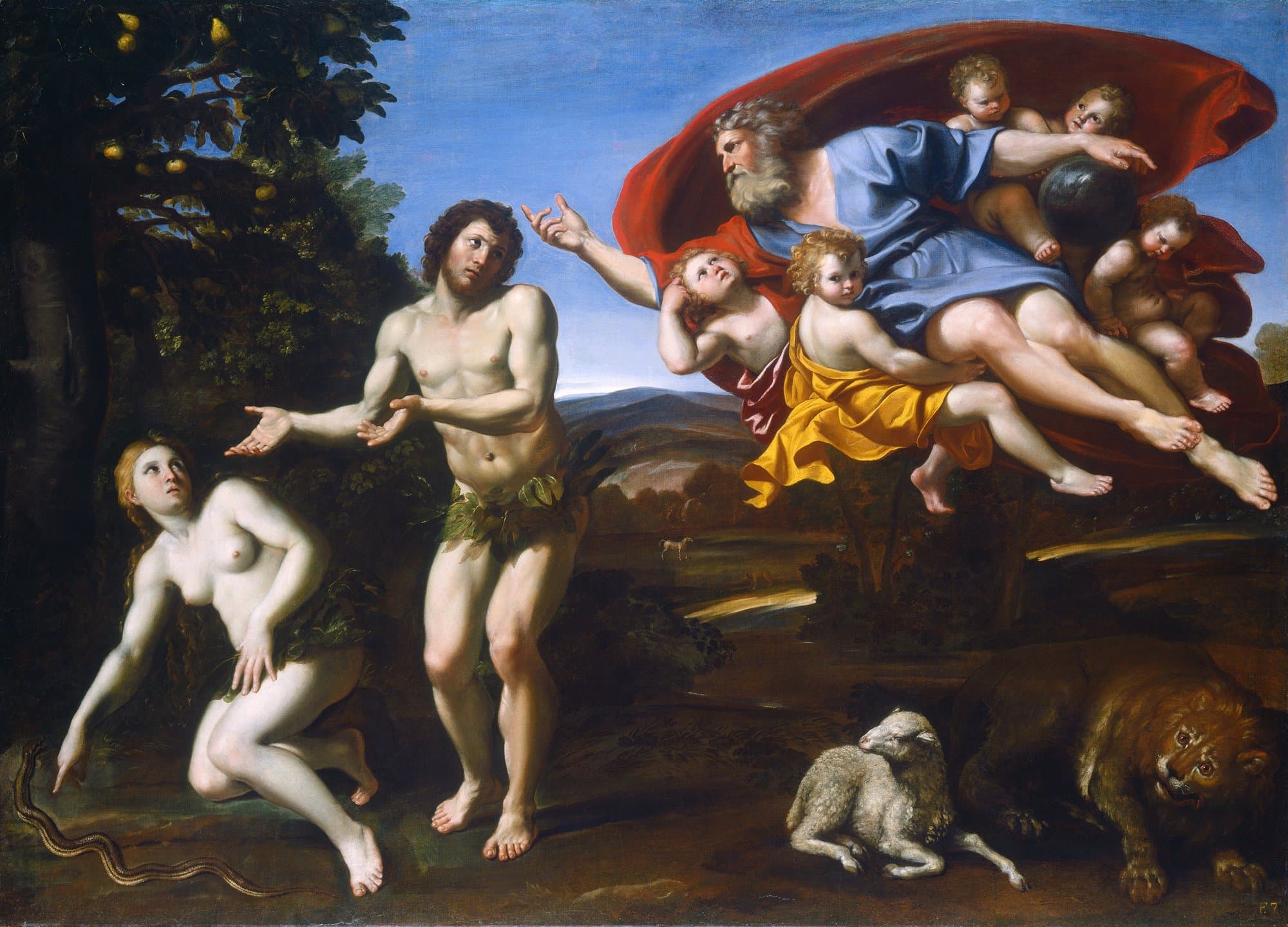
Adam and his wife hid from God on the day they first sinned. After them the faithful of Israel prayed to be kept from shame, the prophets promised its end, and the apostles told believers never to be ashamed of Christ. Crucifixion was a death of public disgrace in the Roman world. Scripture gives the guilty words of confession to pray and gives the disgraced promises to hold.
- Scripture counts every person guilty before God, for all have sinned (Romans 3:23).
- God clothed Adam and Eve with garments of skin that He made Himself (Genesis 3:21).
- Christ endured the cross, scorned its shame and bore the guilt of His people.
- God is faithful and just to forgive those who confess their sins (1 John 1:9).
- Scripture promises the faithful a double portion and everlasting joy in place of their shame.
What Shame and Guilt Are
Six Hebrew and Greek words name shame, disgrace and guilt, each with its count of uses.
This study asks what Scripture says to a person who carries shame or guilt, where both come from, where Christ bore them and what God gives the guilty and the disgraced to do. Scripture names them with two families of Hebrew and Greek words, traces both to the first sin, shows people of faith covered with shame and records the mockery Christ endured on the cross. The study gathers the laments, the promises and the practice of confession, and it sets out three questions on which readers disagree.
Buwsh, to be ashamed
127 uses in the canon
The Hebrew verb buwsh (H954) means to be ashamed, and its root sense is to grow pale. Before the fall “the man and his wife were both naked, and they were not ashamed.”
Bosheth, shame
30 uses in the canon
The Hebrew noun bosheth (H1322) names shame as a feeling, as a condition and as its cause. A psalm of lament says, “shame has covered my face.”
Asham, guilt
46 uses in the canon
The Hebrew noun asham (H817) means guilt and also the guilt offering, the sacrifice the Law set for a wrong. The Law says the one who sinned “must bring his guilt offering to the LORD for the sin he has committed.”
Aischyne, shame
6 uses in the canon
The Greek noun aischyne (G152) means shame or disgrace. Christ counsels the church at Laodicea to buy “white garments so that you may be clothed and your shameful nakedness not exposed.”
Epaischynomai, to be ashamed of
11 uses in the canon
The Greek verb epaischynomai (G1870) means to feel shame for something. Paul tells Timothy, “do not be ashamed of the testimony of our Lord, or of me, His prisoner.”
Kataischyno, to put to shame
13 uses in the canon
The Greek verb kataischyno (G2617) means to disgrace or to put to the blush, and Paul uses it in Romans 10:11. He also writes with it that “hope does not disappoint us.”
Buwsh, to be ashamed, Bosheth, shame, Asham, guilt, Aischyne, shame, Epaischynomai, to be ashamed of, Kataischyno, to put to shame, The Words Bosh and Aischyne, the study in brief
The Key Texts on Shame and Guilt
The laments, the prophets, the Gospels and the letters each speak to the one who carries shame.
Psalms of lament
In You, O LORD, I have taken refuge; let me never be put to shame; save me by Your righteousness.
The verse leads the laments because it asks never to be put to shame and grounds the plea in God's righteousness.
Psalm 31:1BSB
You know my reproach, my shame and disgrace. All my adversaries are before You.
It stands among the laments as a prayer that brings reproach and disgrace openly before God.
Psalm 69:19BSB
Prophets
Do not be afraid, for you will not be put to shame; do not be intimidated, for you will not be humiliated. For you will forget the shame of your youth and will remember no more the reproach of your widowhood.
It leads the prophets because it answers a shame carried since youth with God's word that it will be forgotten.
Isaiah 54:4BSB
Instead of shame, My people will have a double portion, and instead of humiliation, they will rejoice in their share; and so they will inherit a double portion in their land, and everlasting joy will be theirs.
It stands beside Isaiah 54:4 because it sets an inheritance where the shame had been.
Isaiah 61:7BSB
Gospels
If anyone is ashamed of Me and My words in this adulterous and sinful generation, the Son of Man will also be ashamed of him when He comes in His Father’s glory with the holy angels.”
It stands among the Gospels because it names the one shame Jesus warns His followers against.
Mark 8:38BSB
The son declared, ‘Father, I have sinned against heaven and against you. I am no longer worthy to be called your son.’
The returning son confesses his guilt to a father who has already run to meet him.
Luke 15:21BSB
Letters
Instead, they were longing for a better country, a heavenly one. Therefore God is not ashamed to be called their God, for He has prepared a city for them.
It stands among the letters because it speaks of God's own honour in the people who trust Him.
But if you suffer as a Christian, do not be ashamed, but glorify God that you bear that name.
It stands beside Hebrews 11:16 because it tells believers how to bear the reproach others lay on them for Christ.
1 Peter 4:16BSB
Isaiah 54:4, Isaiah 61:7, Mark 8:38, Luke 15:21, Hebrews 11:16, 1 Peter 4:16
Where Shame and Guilt Come From and Where Christ Bore Them
Scripture names the sources of shame and guilt under God's rule and the places where Christ bore them.
Therefore, just as sin entered the world through one man, and death through sin, so also death was passed on to all men, because all sinned.Paul traces sin and death to the first man, which makes the first sin the first source of guilt and shame.
for all have sinned and fall short of the glory of God,Paul's verdict makes guilt the condition of every person before God.
Where could I ever take my shame? And you would be like one of the fools in Israel! Please speak to the king, for he will not withhold me from you.”Tamar's plea to her half-brother Amnon shows shame laid on a person by another's sin.
The accuser is a fourth source. John hears a voice in heaven say that “the accuser of our brothers has been thrown down” (Revelation 12:10).
Therefore, there is now no condemnation for those who are in Christ Jesus.Paul's verdict for those in Christ Jesus answers every accusation under God's rule.
The Servant who did not hide His faceIsaiah 50
Isaiah's Servant says, “I offered My back to those who struck Me, and My cheeks to those who tore out My beard. I did not hide My face from scorn and spittle” (Isaiah 50:6).
Because the Lord GOD helps Me, I have not been disgraced; therefore I have set My face like flint, and I know that I will not be put to shame.
Isaiah 50:7BSB The Servant sets His face like flint because the Lord GOD helps Him, so the shame laid on Him does not overcome Him.
Mocked on the crossMark 15
In Mark 15:31 the chief priests and scribes mocked Him among themselves, saying, “He saved others, but He cannot save Himself!”
And those who passed by heaped abuse on Him, shaking their heads and saying, “Aha! You who are going to destroy the temple and rebuild it in three days, come down from the cross and save Yourself!”
Mark 15:29 to 30BSB It stands here because the abuse of the passers-by shows the public shame Christ bore on the cross.
Read the study of The Crucifixion 12 sections, 17 verses set out
He scorned its shameHebrews 12
The writer set the cross before readers who were in danger of growing weary and losing heart (Hebrews 12:3).
Let us fix our eyes on Jesus, the author and perfecter of our faith, who for the joy set before Him endured the cross, scorning its shame, and sat down at the right hand of the throne of God.
Hebrews 12:2BSB This is the verse that names the shame of the cross and tells what Christ did with it.
Read the study of Scorning Its Shame 6 sections, 10 verses set out
Made sin for His people2 Corinthians 5
Paul writes that Christ “redeemed us from the curse of the law by becoming a curse for us” (Galatians 3:13).
God made Him who knew no sin to be sin on our behalf, so that in Him we might become the righteousness of God.
2 Corinthians 5:21BSB The verse sets the guilt of sinners on Christ and His righteousness on them.
Outside the campHebrews 13
And so Jesus also suffered outside the city gate, to sanctify the people by His own blood. Therefore let us go to Him outside the camp, bearing the disgrace He bore.
Hebrews 13:12 to 13BSB Its call to share the disgrace that Christ bore carries His shame into the life of His people.
The High Priest who sympathizesHebrews 4
For we do not have a high priest who is unable to sympathize with our weaknesses, but we have one who was tempted in every way that we are, yet was without sin.
Hebrews 4:15BSB The verse tells the one who carries shame that the High Priest in heaven knows human weakness from within.
Mocked on the cross (Mark 15), He scorned its shame (Hebrews 12), Made sin for His people (2 Corinthians 5), Outside the camp (Hebrews 13), The High Priest who sympathizes (Hebrews 4)
2 Samuel 13:13, Romans 8:1, Isaiah 50:7, Mark 15:29 to 30, Hebrews 12:2, 2 Corinthians 5:21, Hebrews 13:12 to 13, Hebrews 4:15
The Fall & the Protoevangelium, the study in brief, Romans 3:23, 2 Samuel 13:13, Romans 8:1, the study in brief, The Servant who did not hide His face (Isaiah 50), Mocked on the cross (Mark 15), He scorned its shame (Hebrews 12) and 3 more
Who Carried Shame and Guilt
Four people of the Bible carried shame or guilt before God or before others, each in words of his own.
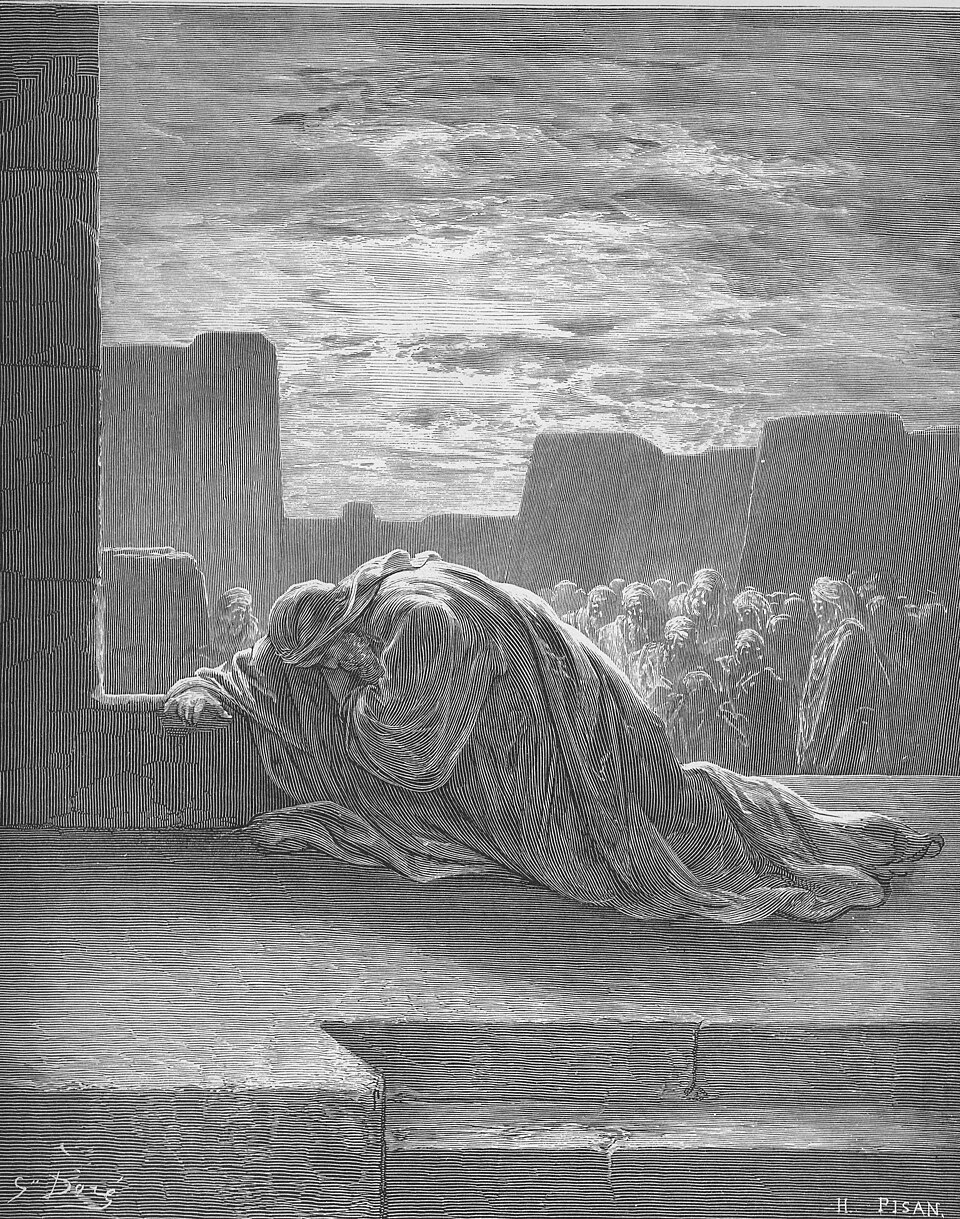
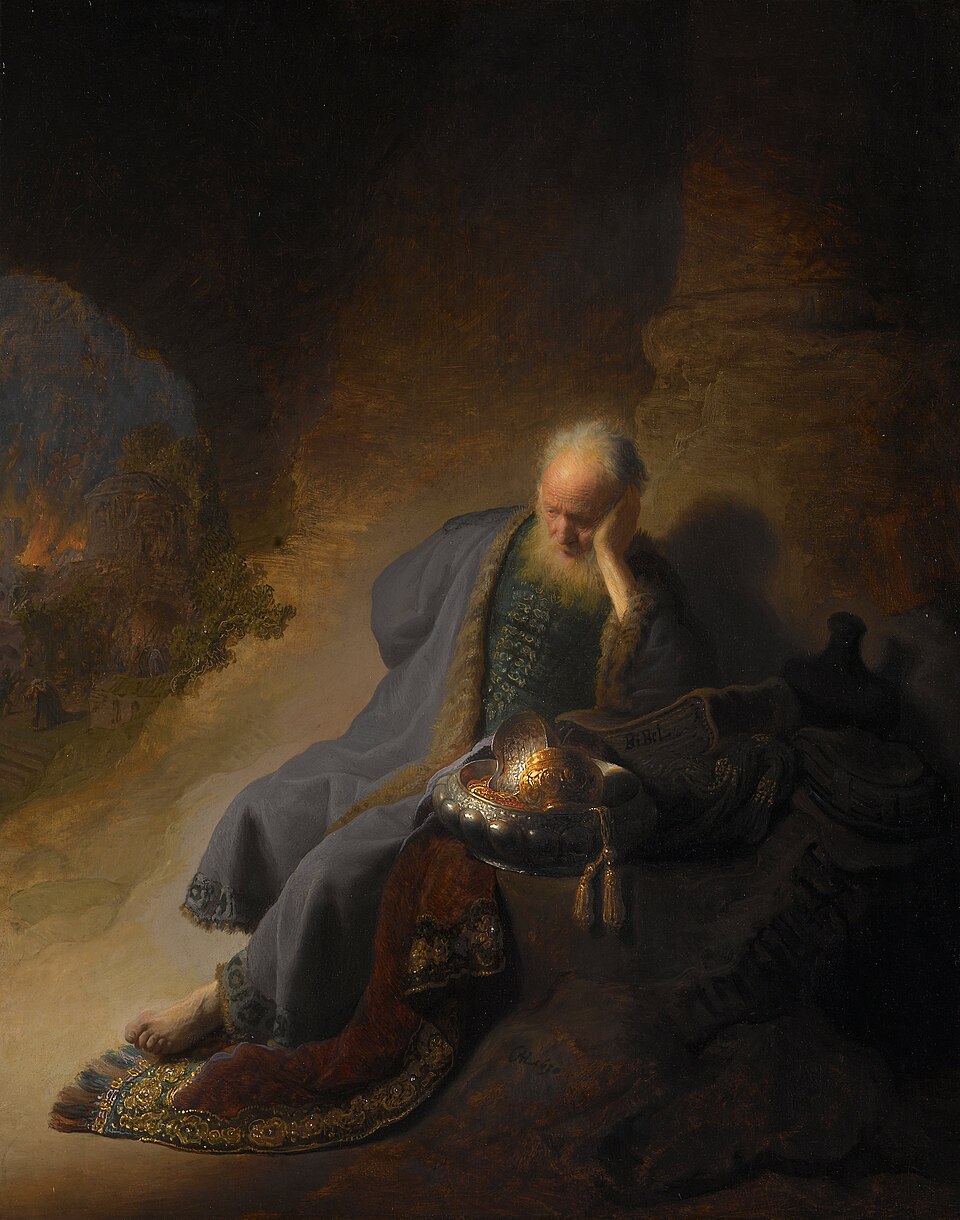
He asked why he was born “to see only trouble and sorrow, and to end my days in shame.”
Jeremiah 20:18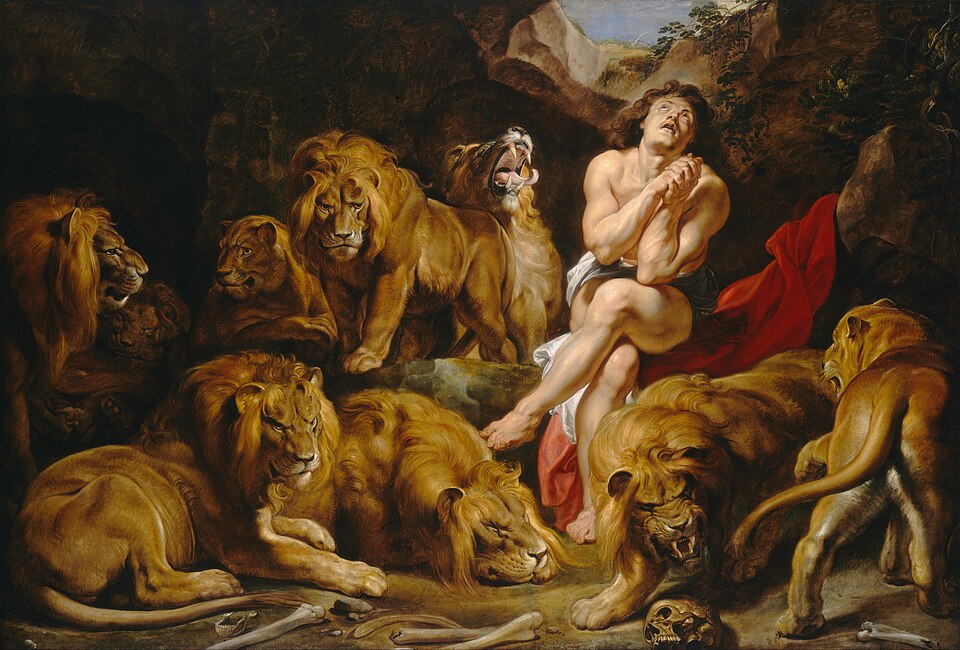
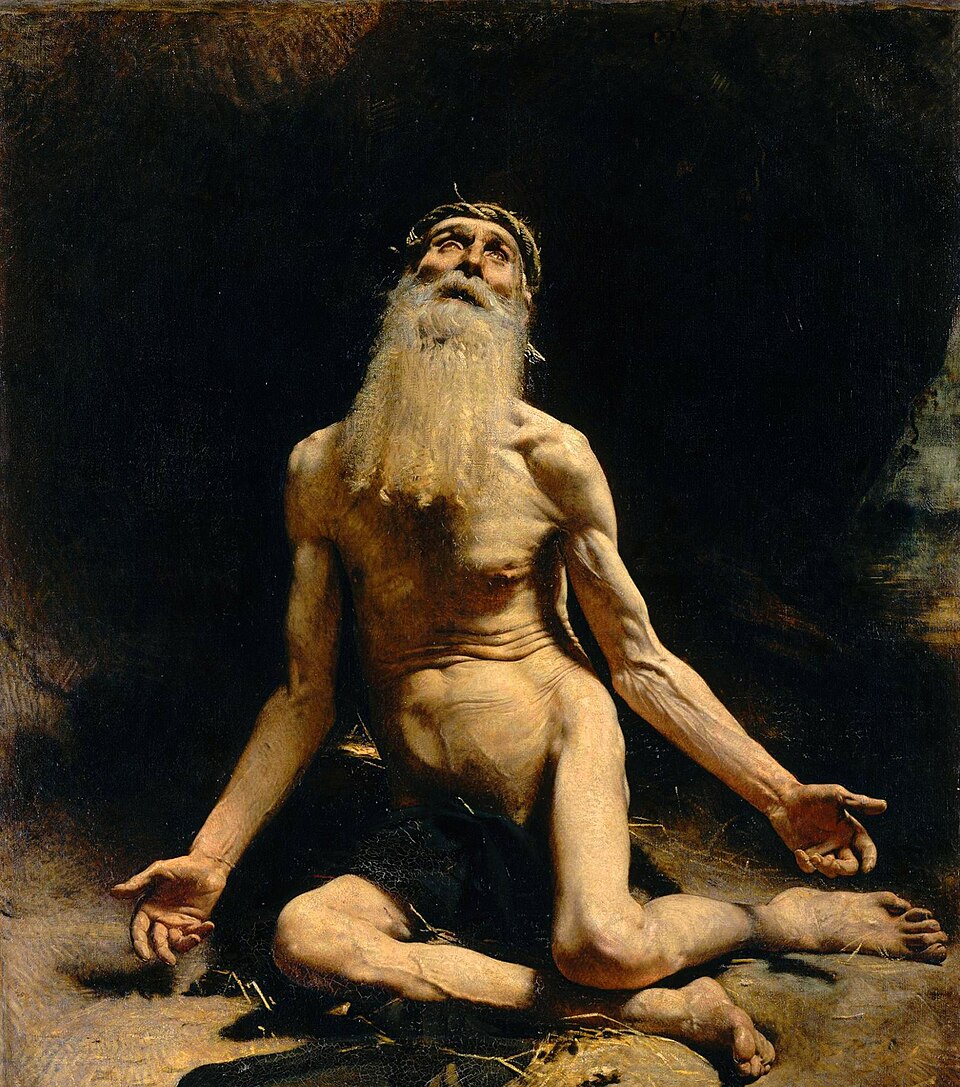
Daniel, Job
What Scripture Gives the Ashamed and the Guilty to Do
Scripture names six things to do with shame and guilt, each in the words of the verse that gives it.
- 1Confess your sins to God“If we confess our sins, He is faithful and just to forgive us our sins and to cleanse us from all unrighteousness.”1 John 1:9
- 2Look to Him“Those who look to Him are radiant with joy; their faces shall never be ashamed.”Psalm 34:5
- 3Draw near with a cleansed conscience“let us draw near with a sincere heart in full assurance of faith, having our hearts sprinkled to cleanse us from a guilty conscience”Hebrews 10:22
- 4Confess to one another and pray“Therefore confess your sins to each other and pray for each other so that you may be healed.”James 5:16
- 5Restore the fallen gently“if someone is caught in a trespass, you who are spiritual should restore him with a spirit of gentleness.”Galatians 6:1
- 6Press on from what is behind“Forgetting what is behind and straining toward what is ahead, I press on toward the goal”Philippians 3:13 to 14
Look to Him, Draw near with a cleansed conscience, Confess to one another and pray, Restore the fallen gently, Press on from what is behind
Where guilt or shame weighs on the mind for a long time, a pastor's counsel and a physician's care belong beside prayer.
The Lament of Psalm 25
David's psalm pleads twice against shame and prays about his enemies and his own sins.
David opens the psalm, “To You, O LORD, I lift up my soul” (Psalm 25:1).
in You, my God, I trust. Do not let me be put to shame; do not let my enemies exult over me.It stands first because the psalm's whole plea against shame begins here.
Remember not the sins of my youth, nor my rebellious acts; remember me according to Your loving devotion, because of Your goodness, O LORD.It stands beside the first plea because David brings his own sins into the prayer as well as his enemies.
Turn to me and be gracious, for I am lonely and afflicted. The troubles of my heart increase; free me from my distress. Consider my affliction and trouble, and take away all my sins.These verses stand together because they hold the lament's turn from loneliness to the plea for forgiveness.
Guard my soul and deliver me; let me not be put to shame, for I take refuge in You.It closes the lament because the psalm ends where it began, with the plea against shame.
Psalm 25:16 to 18, Psalm 25:20
Psalm 25:2, Psalm 25:7, Psalm 25:16 to 18, Psalm 25:20
Shame and Guilt in the Stories of the Bible
Four stories tell of a hiding in Eden, a king confronted, a woman at a Pharisee's table and an apostle restored.
Adam and Eve hideGenesis 3
After Adam and Eve ate from the tree God had forbidden, they sewed fig leaves into coverings. When they heard the LORD God in the garden, they hid. God called the man out and asked who had told him that he was naked. The man laid the blame on the woman, and the woman laid it on the serpent (Genesis 3:12 to 13).
Then the man and his wife heard the voice of the LORD God walking in the garden in the breeze of the day, and they hid themselves from the presence of the LORD God among the trees of the garden.
Genesis 3:8BSB The hiding among the trees is the first flight from God's presence that Scripture records.
Read the study of They Knew They Were Naked 7 sections, 8 verses set out
David confronted by Nathan2 Samuel 12
David took Bathsheba, the wife of Uriah, and then had Uriah killed in battle. The prophet Nathan told him a parable of a rich man who took a poor man's one lamb, and David condemned the rich man. In 2 Samuel 12:7 Nathan answered, “You are that man!”
Then David said to Nathan, “I have sinned against the LORD.” “The LORD has taken away your sin,” Nathan replied. “You will not die.
2 Samuel 12:13BSB David's confession and Nathan's reply turn the story from guilt to pardon.
The woman at the Pharisee's tableLuke 7
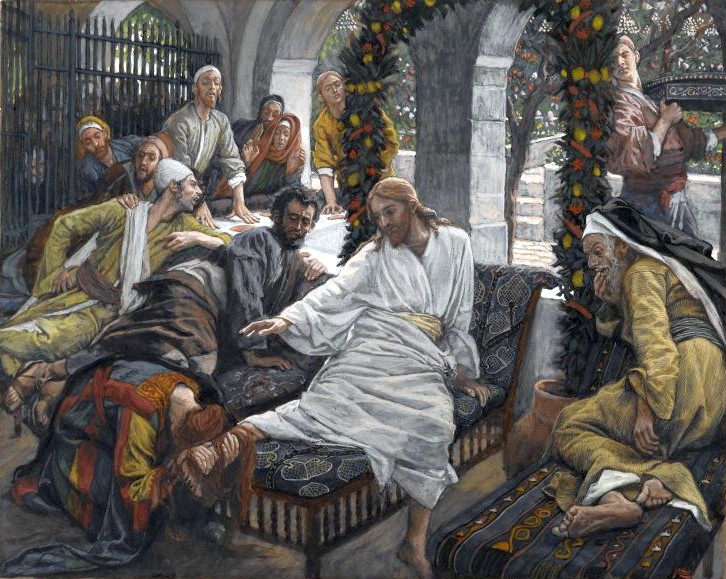
Jesus was dining in the house of a Pharisee named Simon when a woman known in the town as a sinner came with an alabaster jar of perfume. Simon said to himself that a prophet would know what kind of woman was touching Him. Jesus answered with a parable of two debtors and set her welcome of Him beside the welcome Simon had given.
As she stood behind Him at His feet weeping, she began to wet His feet with her tears and wipe them with her hair. Then she kissed His feet and anointed them with the perfume.
Luke 7:38BSB Her tears, her hair and her perfume show a love that did not hide from the eyes of the guests.
Read the story of The Woman Who Anointed His Feet 7 sections, 13 verses set out
Peter restored by the seaJohn 21
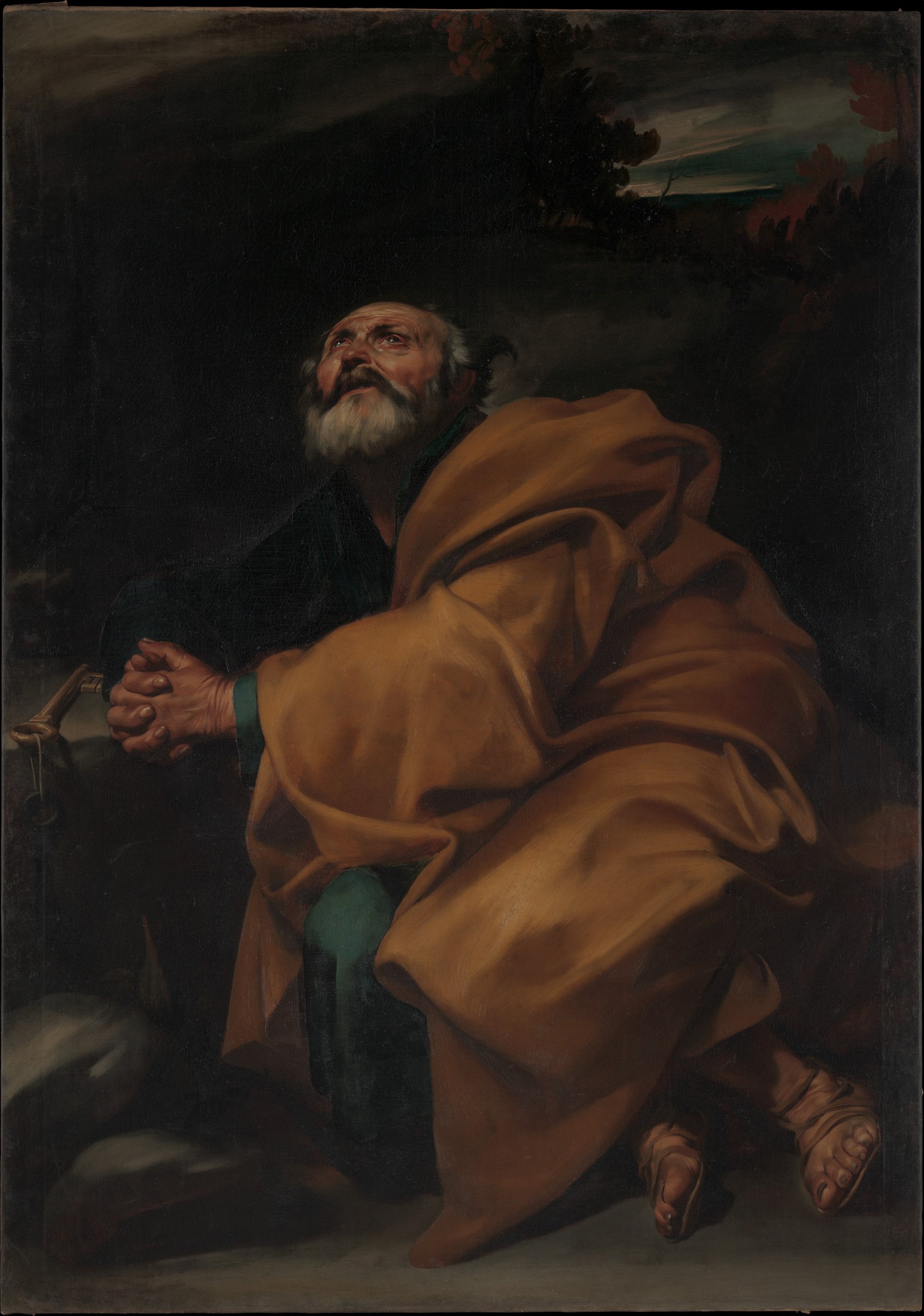
On the night of Jesus' arrest Peter denied three times that he knew Him, and when the rooster crowed “he went outside and wept bitterly” (Luke 22:62). After the resurrection Jesus met the disciples by the Sea of Tiberias and asked Peter three times whether he loved Him.
Jesus asked a third time, “Simon son of John, do you love Me?” Peter was deeply hurt that Jesus had asked him a third time, “Do you love Me?” “Lord, You know all things,” he replied. “You know I love You.” Jesus said to him, “Feed My sheep.
John 21:17BSB Jesus' three questions match Peter's three denials, and each answer is followed by a charge to care for His flock.
David confronted by Nathan (2 Samuel 12), The woman at the Pharisee's table (Luke 7), Peter restored by the sea (John 21)
Luke 7:38, John 21:17
Shame and Guilt in the Church's History
Two accounts tell of a teacher in a garden at Milan and a Bedford preacher who wrote of his guilt.
Augustine in the garden at MilanConfessions, book 8
In book 8 of his Confessions Augustine told of his struggle in a garden at Milan before he turned to Christ. In the translation of J. G. Pilkington (1887), he wrote that God was “redoubling the lashes of fear and shame” upon him. Then he heard a child's voice from a neighbouring house chanting, “Take up and read; take up and read,” and he took up the book of the apostle and read.
John Bunyan's Grace Abounding1666
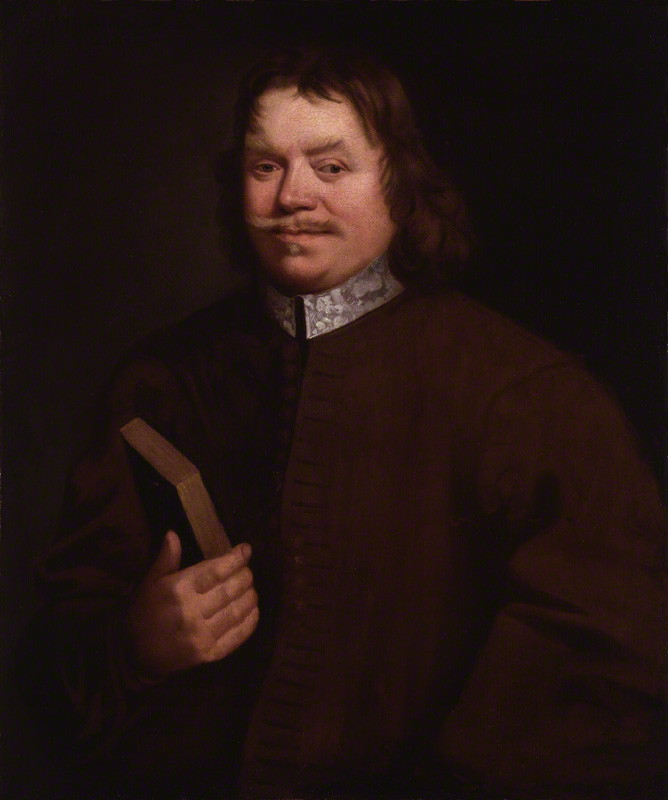
John Bunyan of Bedford wrote Grace Abounding to the Chief of Sinners while he was held in prison for preaching, and it was first printed in 1666. Its title takes up Paul's words that Christ came into the world to save sinners, “of whom I am the worst” (1 Timothy 1:15). The book tells how he came at last to peace with God through Christ.
Read the story of Grace Abounding 7 sections, 3 verses set out
Voices on Shame, by Century
Three quotations from the fourth century to the eighteenth, each under the line it teaches.
died 407 · John Chrysostom
Homily on Romans 2
A fourth-century reading: Paul said he was not ashamed of the gospel to teach a proud city to confess the Crucified.
The quotation1 quotation
“What sayest thou, O, Paul? When it were fitting to say, that I boast, and am proud, and luxuriate in it; thou sayest not this, but what is less than this, that thou art ‘not ashamed,’ which is not what we usually say of things very glorious. What then is this which he says, and why does he thus speak? while yet he exults over it more than over heaven. At least, in writing to the Galatians, he said, ‘God forbid that I should glory, save in the Cross of our Lord Jesus Christ.’ (Gal. vi. 14.) How then comes he here to say, not that I even glory, but that ‘I am not ashamed?’ The Romans were most anxiously eager about the things of the world, owing to their riches, their empire, their victories; and their kings they reckoned to be equal to the gods, and so they even called them. And for this cause too, they worshipped them with temples and with altars and with sacrifices. Since then they were thus puffed up, but Paul was going to preach Jesus, who was thought to be the carpenter's son, who was brought up in Judea, and that in the house of a mean woman, who had no body guards, who was not encircled in wealth, but even died as a culprit with robbers, and endured many other inglorious things; and it was likely that they were concealing themselves as not as yet knowing any of the unspeakable and great things: for this reason he says, ‘I am not ashamed,’ having still to teach them not to be ashamed. For he knew that if they succeeded in this, they would speedily go on and come to glorying also: and do you then, if you hear any one saying, Dost thou worship the Crucified? be not ashamed, and do not look down, but luxuriate in it, be bright-faced at it, and with the eyes of a free man, and with uplifted look, take up your confession; and if he say again, Dost thou worship the Crucified? say in reply to him, Yes! […]”
John Chrysostom · Homily on Romans 2 · on Romans 1:16Patristic
died 604 · Gregory the Dialogist
Morals on the Book of Job, Book 10, Section 27
A seventh-century reading: guilt not yet put away takes from the one who prays the confidence to lift up his face.
The quotation1 quotation
“There is a spot that pollutes the uplifted face, when consciousness of its own guilt accuses the mind intent; for it is forthwith dashed from all confidence of hope, if when busied in prayer it be stung with recollection of sin not yet subdued. For it distrusts its being able to obtain what it longs for, in that it bears in mind its still refusing to do what it has heard from God.”
Gregory the Dialogist · Morals on the Book of Job, Book 10, Section 27 · on 1 John 3:22Patristic
1662 to 1714 · Matthew Henry
Commentary on the Whole Bible
An eighteenth-century reading: the pardoned must fly to the grace of God to be kept from returning to the same sin.
The quotation1 quotation
“When God has pardoned our sins, if he leaves us to ourselves, we shall soon run as far in debt again as ever and plunge ourselves again into the same gulf; and therefore, when we have received the comfort of our remission, we must fly to the grace of God to be preserved from returning to folly again, and having our hearts again hardened through the deceitfulness of sin.”
Matthew Henry · Commentary on the Whole Bible · on Psalm 32:3Puritan
How Shame Has Been Taught
Cyril of Alexandria in the fifth century and John Calvin in the sixteenth taught what God does with the shame of His people.
Cyril taught that God takes away the shame of His people by making them new in Christ.1 paragraph
Cyril of Alexandria commented on Isaiah 54:4 to 5 in his Commentary on Isaiah. He wrote that God “makes the shame of widowhood disappear,” and that “we are being transformed in Christ into the newness of the holy and evangelical life.”
Calvin taught that the shame of a humbled sinner must not be left to overwhelm him.2 paragraphs
John Calvin commented on Joseph and his brothers in Genesis 45. He wrote, “By this example we are taught to take heed lest sadness should overwhelm those who are truly and seriously humbled under a sense of shame.”
On Psalm 25:2 he wrote that David's plea rests on “the ordinary doctrine of Scripture, namely, that they who trust in God shall never be ashamed.”
The Studies of Shame and Guilt
Each study takes one text, story, word or life of shame and guilt into more depth.
The texts
3 studies
- Passages and psalms · 10 verses set outScorning Its Shame
Hebrews 12:1 to 3 and Isaiah 53:3 tell how the Son of God bore the disgrace of the cross.
- Passages and psalms · 8 verses set outThey Knew They Were Naked
Genesis 3:7 to 21 records the first hour of human shame, from the opened eyes to the garments of skin.
- Passages and psalms · 4 verses set outWhose Sin Is Covered
Psalm 32 is a Maskil of David in eleven verses, from its two blessings to its call to rejoice.
- Passages and psalms · 10 verses set outScorning Its Shame
The stories
2 studies
- Stories · 3 verses set outGrace Abounding
Grace Abounding to the Chief of Sinners is the book in which John Bunyan told the story of his own conversion.
- Stories · 13 verses set outThe Woman Who Anointed His Feet
A sinful woman of the town wept over Jesus' feet at a Pharisee's dinner and heard that her sins were forgiven.
- Stories · 3 verses set outGrace Abounding
The words
1 study
- Symbols and words · 11 verses set outThe Words Bosh and Aischyne
The Hebrew verb bûwsh and the Greek noun aischýnē are Scripture's chief words for shame, the disgrace of one exposed before others.
- Symbols and words · 11 verses set outThe Words Bosh and Aischyne
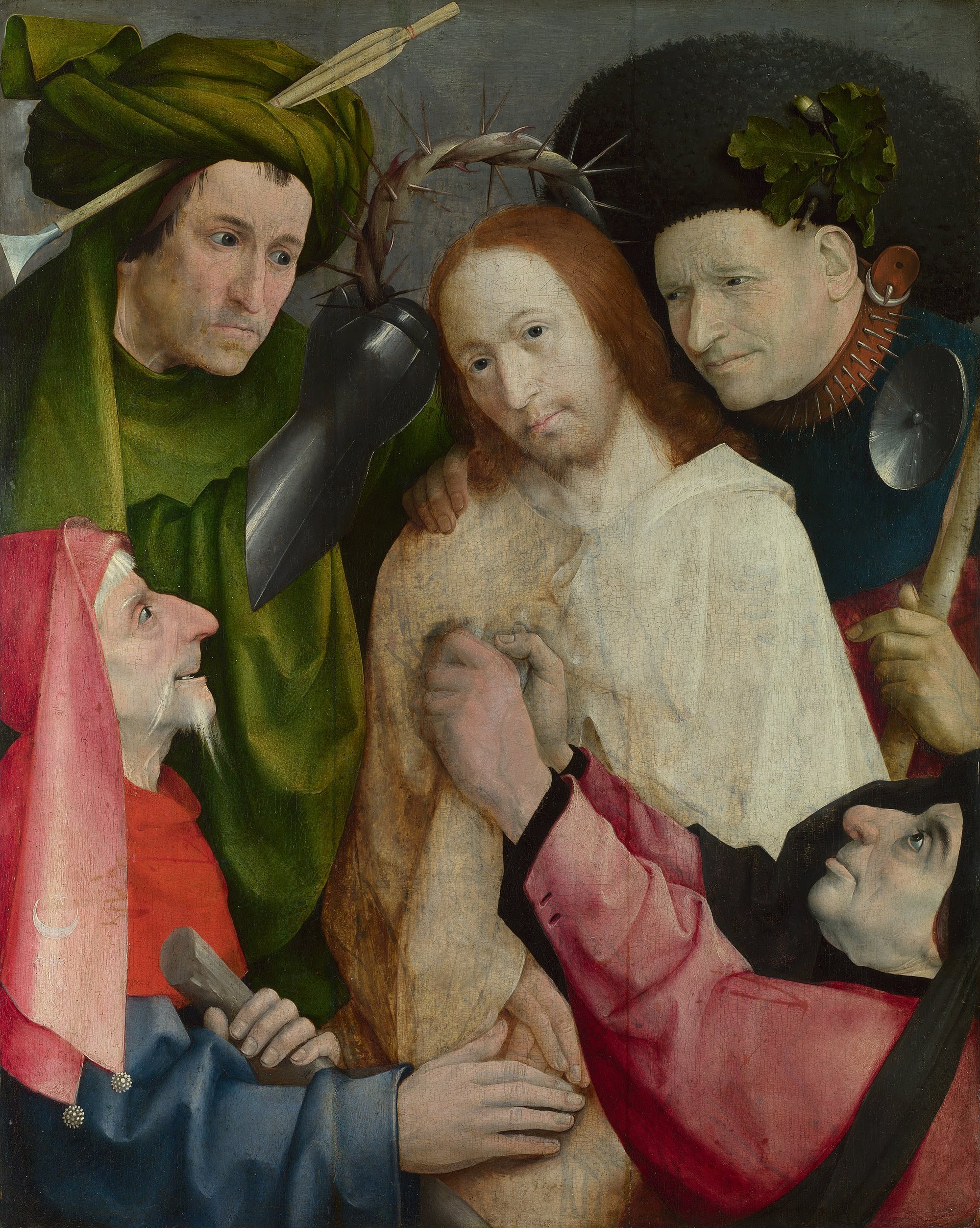
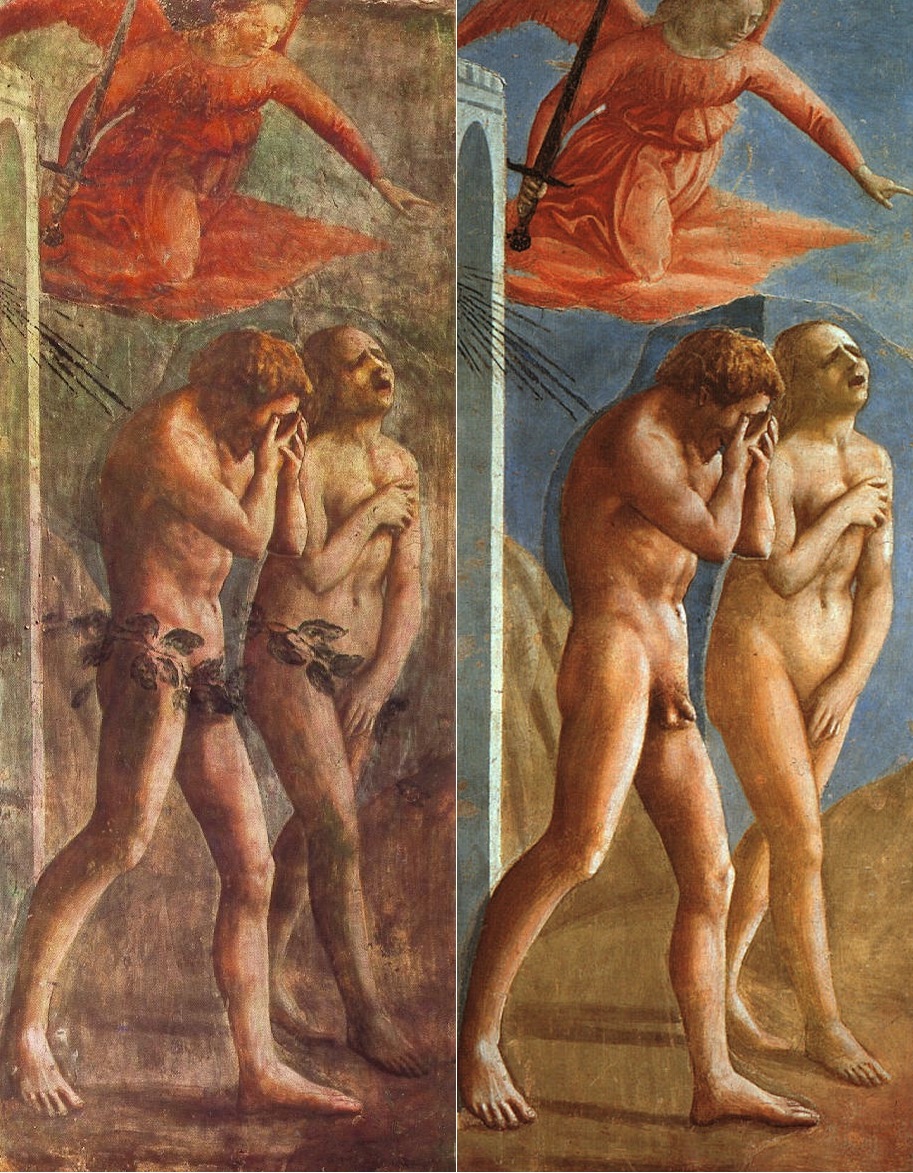
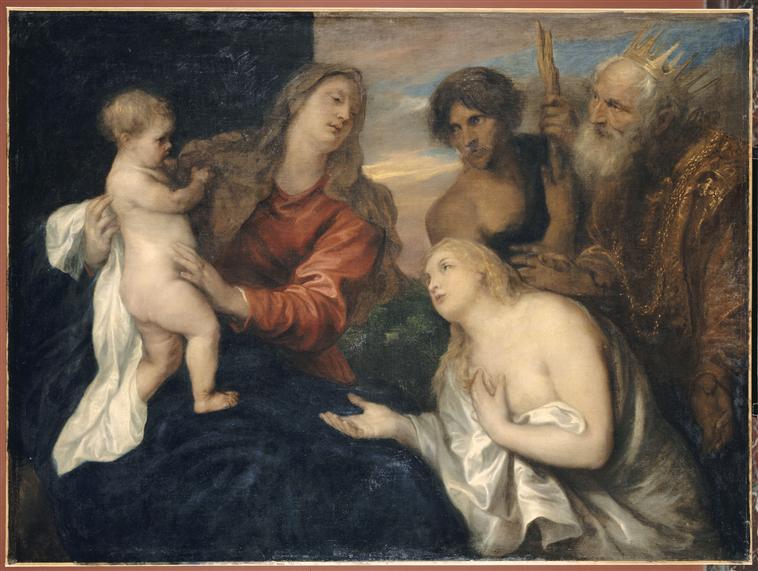
They Knew They Were Naked, Whose Sin Is Covered, Grace Abounding, The Woman Who Anointed His Feet, The Words Bosh and Aischyne
Where Readers Disagree
Eight readings answer three questions, each with its holders, the work that argues it and the objection raised against it.
What “for the joy set before Him” means (Hebrews 12:2)
Read the study of Scorning Its Shame 6 sections, 10 verses set out
| Reading | Held by | Work | Objection |
|---|---|---|---|
| The salvation He would win | Theodoret of Cyrus (Greek patristic writing) | Theodoret of Cyrus, Interpretation of Hebrews, on Hebrews 12:2 | Hebrews places Christ at God's right hand after the cross, so the joy may be His own exaltation as well as the salvation of His people. |
| The glory He gave up | Gregory, as printed in the Pseudo-Oecumenian Catena on Hebrews (Greek patristic writing) | The Pseudo-Oecumenian Catena on Hebrews, on Hebrews 12:2 | The joy is set before Him as the race is set before the runners of Hebrews 12:1, which reads more naturally as a joy ahead than a joy given up. |
What “will never be put to shame” promises (Romans 10:11)
| Reading | Held by | Work | Objection |
|---|---|---|---|
| Vindication at the judgment | Ambrosiaster (Latin patristic writing) | Ambrosiaster, Commentary on Paul's Epistles, on Romans 10:11 | Paul sets the verse beside confessing with the mouth (Romans 10:10), which points to the present life as well as the last day. |
| Boldness to confess Christ | Albert Barnes (American Presbyterian) | Albert Barnes, Notes, Explanatory and Practical (1832 to 1869), on Romans 10:11 | Isaiah 28:16, which Paul quotes, speaks of the one who trusts the stone God lays, so it promises God's faithfulness more than the believer's courage. |
| No flight in alarm | Jamieson, Fausset and Brown (Scottish Presbyterian commentary) | Jamieson, Fausset and Brown, Commentary Critical and Explanatory (1871), on Romans 10:11 | Paul quotes the Greek wording of Isaiah 28:16, and the Berean text renders the Hebrew that the one who believes “will never be shaken,” so the Hebrew does not settle what Paul meant. |
Boldness to confess Christ, No flight in alarm
What the garments of skin mean (Genesis 3:21)
Read the study of They Knew They Were Naked 7 sections, 8 verses set out
| Reading | Held by | Work | Objection |
|---|---|---|---|
| The first sacrifice | John Wesley; Adam Clarke; Jamieson, Fausset and Brown (Methodist; Scottish Presbyterian commentary) | John Wesley, Explanatory Notes upon the Old Testament (1765), on Genesis 3:21; Adam Clarke, Commentary (1832), on Genesis 3:21; Jamieson, Fausset and Brown (1871), on Genesis 3:21 | Genesis 3:21 names no sacrifice and no altar, and the first offerings the text records are those of Cain and Abel in Genesis 4. |
| The mortality of sinners | Origen of Alexandria; Augustine of Hippo (Greek and Latin patristic writing) | Origen, Homilies on Leviticus, homily 6; Augustine, On the Trinity, book 12, chapter 11 | The text says that the LORD God made the garments and clothed them, which reads as His provision for them more than as a sign of their death. |
| An open question | Ephrem the Syrian (Syriac patristic writing) | Ephrem the Syrian, Commentary on Genesis, on Genesis 3:21 | Ephrem asks whether the garments were made from animals at all, while garments of skin are made from the skins of animals in the plain sense of the words. |
The mortality of sinners, An open question
Every Text on Shame and Guilt
Two verses and two essays that the site's earlier shame pages gathered.
Two verses from Genesis and the Psalms.2 verses
“I heard Your voice in the garden,” he replied, “and I was afraid because I was naked; so I hid myself.”It stands in this fold because the earlier shame pages gathered it among their verses.
Surely none who wait for You will be put to shame; but those who are faithless without cause will be disgraced.It stands in this fold beside Genesis 3:10 because the earlier shame pages gathered both.
Two essays, carried as they stood.10 paragraphs
The shame page at /tag/shame carried the essay that follows.
Before sin, there was no shame. Adam and Eve were both naked, and were not ashamed (Genesis 2:25). Nakedness before God and each other was simply how things were; nothing needed to be hidden, because nothing was wrong. That innocence lasted exactly until the moment they disobeyed.
The instant they ate the forbidden fruit, the eyes of them both were opened, and they knew that they were naked (Genesis 3:7). Their first response was not confession; it was concealment. They sewed fig leaves together to cover themselves, then hid from God among the trees. When God called out to Adam, his answer revealed the new condition perfectly: he was afraid, because he was naked, and he hid himself (Genesis 3:10). Shame and hiding entered the world in the same breath.
Fig leaves were never going to be enough. They were a human solution to a problem only God could actually fix. So God made better coverings, killing an animal to clothe Adam and Eve with skins (Genesis 3:21): the first sacrifice in Scripture, offered so that shame could be covered rather than merely hidden. From that point forward, the Bible treats shame as something God covers, not something people are left to manage on their own.
Shame shows up throughout Scripture as more than an emotion; it is a condition tied to disgrace, exposure, and broken trust. The psalmists cried out repeatedly that those who wait on God would not be put to shame (Psalm 25:3), trusting that hope placed in Him would not end in humiliation. The prophet Isaiah promised Israel, exiled and disgraced, that a day was coming when they would forget the shame of their youth (Isaiah 54:4): not manage it, not explain it away, but actually forget it, because God himself would take it from them.
Not every kind of shame is the same. Jeremiah rebuked a people who had lost the capacity to feel it at all; they had committed abomination and were not at all ashamed, unable even to blush (Jeremiah 6:15). A conscience too seared to feel shame is not free; it is in worse danger than the person still wincing under it. Rightly felt shame can be the first honest step toward God. Wrongly carried shame, the kind that convinces a person they are permanently disqualified, is a weight Christ came to remove.
The cross is where shame meets its deepest reversal. Crucifixion was designed by Rome to be the most shameful death possible: public, humiliating, reserved for criminals and slaves. Hebrews says that Jesus endured the cross, despising the shame of it (Hebrews 12:2), not because it did not hurt him, but because he refused to let it be the last word. He took the most shameful death in the ancient world and turned it into the place where sinners get covered rather than exposed.
That is why Paul could write, without hesitation, that he was not ashamed of the gospel of Christ (Romans 1:16). The very message that centers on a shameful death became, in Christ, nothing to be ashamed of at all. What fig leaves could only hide, and what the law could only regulate, the gospel actually removes. The hiding that began in Eden ends at an empty tomb, where the one who bore the shame now offers, to everyone who comes to him, a covering that will never need mending again.
The topic page at /topics/shame carried the summary that follows.
Shame in Scripture is the experience of exposure and unworthiness that drives hiding — from Adam and Eve in the garden to Peter after the denial. The Bible names shame honestly and offers covering that goes beyond fig leaves: the robe of righteousness, the restoration of Peter by the charcoal fire, the word to the woman caught ("neither do I condemn thee"). Shame is answered not by minimising the wrong but by the God who draws near.
Sources
Scripture is the Berean Standard Bible.
- STEP Bible brief lexicons of Extended Strongs for Hebrew and for Greek (Tyndale House, Cambridge), CC BY 4.0, with the glosses of James Strong's concordance.
- Augustine of Hippo, Confessions, book 8, chapters 11 and 12, translated by J. G. Pilkington, Nicene and Post-Nicene Fathers, first series, volume 1 (Buffalo: Christian Literature Publishing, 1887)
- John Bunyan, Grace Abounding to the Chief of Sinners (first printed 1666), the Religious Tract Society edition of 1905, with Edmund Venables, Bunyan, John, Dictionary of National Biography, volume 7 (1886)
- John Chrysostom, Homilies on Romans, Homily 2, on Romans 1:16.
- Gregory the Great, Morals on the Book of Job, book 10, section 27.
- Theodoret of Cyrus, Interpretation of Hebrews, on Hebrews 12:2, in a modern English translation (cited under fifty words)
- The Pseudo-Oecumenian Catena on Hebrews, on Hebrews 12:2, citing Gregory.
- Matthew Henry, Commentary on the Whole Bible, on Psalm 32:3.
- Cyril of Alexandria, Commentary on Isaiah, on Isaiah 54:4 to 5.
- John Calvin, Commentaries, on Genesis 45:3 and on Psalm 25:2.
- Ambrosiaster, Commentary on Paul's Epistles, on Romans 10:11.
- Albert Barnes, Notes, Explanatory and Practical, on the Old and New Testaments (1832 to 1869), on Romans 10:11.
- Robert Jamieson, A. R. Fausset and David Brown, Commentary Critical and Explanatory on the Whole Bible (1871), on Romans 10:11 and Genesis 3:21.
- John Wesley, Explanatory Notes upon the Old Testament (1765), on Genesis 3:21.
- Adam Clarke, Commentary on the Bible (1832), on Genesis 3:21.
- Origen of Alexandria, Homilies on Leviticus, homily 6, on Genesis 3:21.
- Augustine of Hippo, On the Trinity, book 12, chapter 11, on Genesis 3:21.
- Ephrem the Syrian, Commentary on Genesis, on Genesis 3:21.
- The essay of /tag/shame, as it stood.
- The summary of /topics/shame, as it stood.
Keep Studying
Studies6
In this trial6
People and groups24
Show the next 6 titles
Symbols1
Doctrines6
Values2
Trials of life2