
Leviticus 23:44
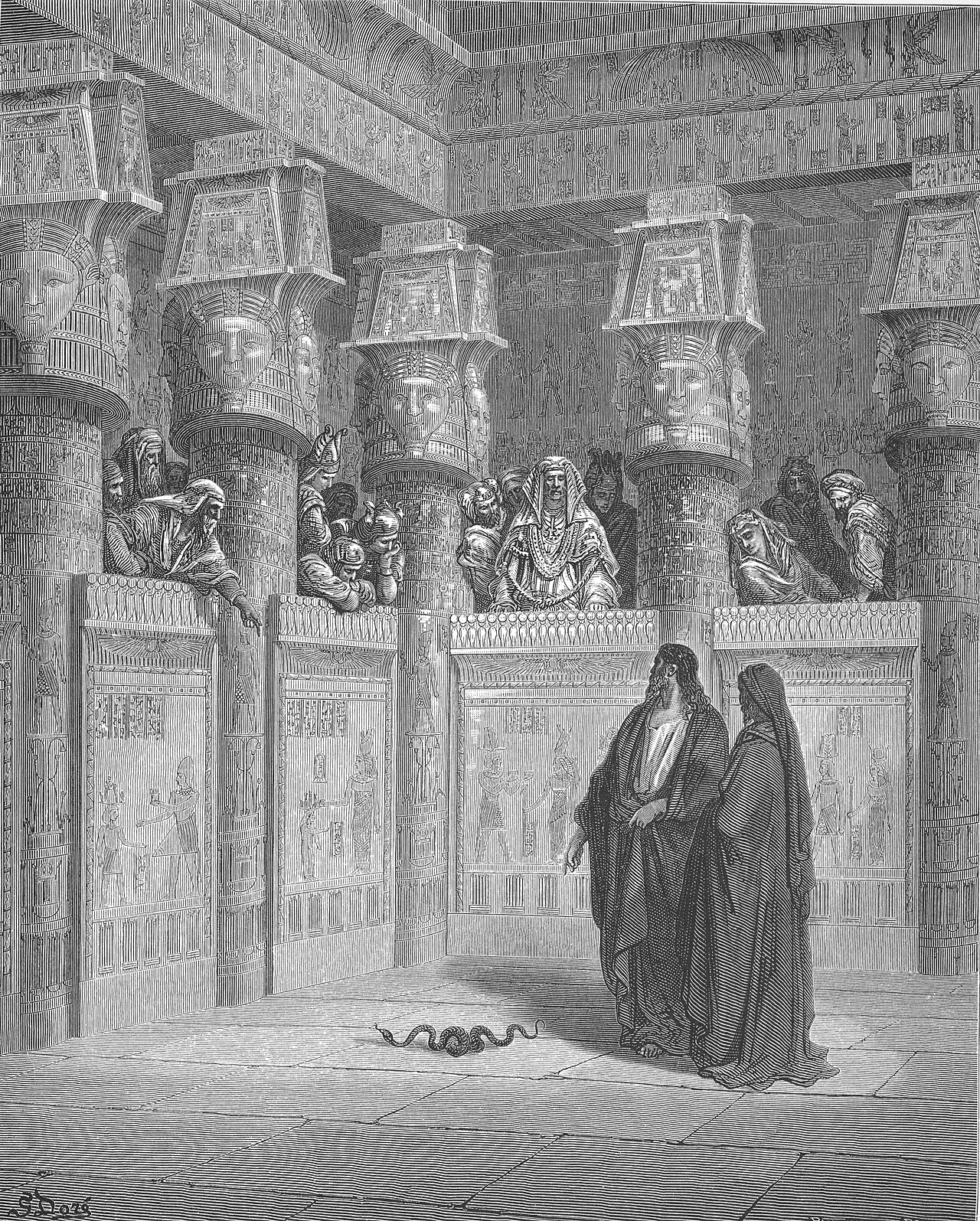
in Leviticus 23So Moses announced to the Israelites the appointed feasts of the LORD.
BSB
The same verse in ASV and KJV ▾
ASV
And Moses declared unto the children of Israel the set feasts of Jehovah.
KJV
And Moses declared unto the children of Israel the feasts of the Lord.
⋯
This verse in Leviticus 23
Commentary
5 notes on this verseA commentator
Jamieson, Fausset & Brown1802–1910
Commentary Critical and Explanatory on the Whole Bible (1871)
While the solid branches were reserved for the construction of the booths, the lighter branches were carried by men, who marched in triumphal procession, singing psalms and crying "Hosanna!" which signifies, "Save, we beseech thee!" (Ps 118:15, 25, 26). It was a season of great rejoicing.
This site's exposition
Ye shall dwell in booths seven days
on Leviticus 23:42-44
This is the one appointed time in the chapter whose reason the text states outright, that your generations may know that I made the children of Israel to dwell in booths when I brought them out of the land of Egypt. A settled nation with houses is ordered out of them for a week every year so that its children will ask why. The chapter that is almost entirely God speaking ends with a man speaking, since verse 44 has Moses declaring the feasts of the LORD to the people who will keep them.
The record, by era
The Puritans and the Awakening2 voices
And Moses declared unto the children of Israel the feasts of the Lord. The several feasts before recited, the order of them, the manner of observing them, and the time.
We have reason to be thankful that the feasts of the Lord, declared unto us, are not so numerous, nor the observance of them so burdensome and costly, as theirs then were, but more spiritual and significant, and surer sweeter earnests of the everlasting feast, at the last in-gathering, which we hope to be celebrating to eternity.
The Nineteenth Century1 voice
A commentator
Albert Barnes1798–1870
Notes, Explanatory and Practical, on the Old and New Testaments (1832-1869)
proposed
Feasts - Appointed times. See Lev 23:2 note.
How the passage was read
On Leviticus 23:1-44On Leviticus 23:1-44
The year Israel keeps
This chapter is the calendar of the whole Jewish year, and every feast in it is still on the calendar today. In order: the weekly Sabbath; Passover and Unleavened Bread in spring (now kept as the seder meal and a week without leavened bread); Firstfruits (the first sheaf of barley waved before God); Weeks, in Hebrew Shavuot, fifty days later (Christians know the Greek name: Pentecost); then in autumn the Day of Trumpets (now Rosh Hashanah, the Jewish new year, announced by the ram's-horn trumpet called a shofar), the Day of Atonement (Yom Kippur, the great fast), and Tabernacles, in Hebrew Sukkot, when families still build and eat in leafy backyard booths for a week, remembering the wilderness.
So when the New Testament says Jesus or Paul went up for “the feast,” it means one of these appointments: the same calendar, kept for over three thousand years.
This section is reception history: how the passage was read and kept in the Jewish tradition. Where a reading parts from an essential of the Christian faith, the section says so at that point.
Sources: The Feasts of the LORD (this site's study of all seven) · Mishnah Rosh Hashanah 1:1 (the four new years)
The words behind it
8 Hebrew wordsEvery Hebrew word of this verse in the order it stands, with what it means and the door to its own study. The last column counts the times a word stands in the whole Bible: the rarer the word, the more the places it appears belong together.
| Hebrew | Sound | Meaning | Word study | In the Bible |
|---|---|---|---|---|
| וַיְדַבֵּ֣ר | vaydaber | and he spoke | H1696 → | 1141 times |
| מֹשֶׁ֔ה | mosheh | Moses | H4872 → | 765 times |
| אֶת־ | ʾet- | <obj.> | H853 → | 10935 times |
| מֹעֲדֵ֖י | moadei | [the] appointed feasts of | H4150 → | 223 times |
| יְהוָ֑ה | yahweh | Yahweh | H3068 → | 6520 times |
| אֶל־ | ʾel- | to | H413 → | 5510 times |
| בְּנֵ֖י | benei | [the] people of | H1121 → | 4930 times |
| יִשְׂרָאֵֽל׃ פ | yisrael | Israel | H3478 → | 2507 times |
וַיְדַבֵּ֣רand he spoke
vaydaberH1696 →1141 times
מֹשֶׁ֔הMoses
moshehH4872 →765 times
אֶת־<obj.>
ʾet-H853 →10935 times
מֹעֲדֵ֖י[the] appointed feasts of
moadeiH4150 →223 times
יְהוָ֑הYahweh
yahwehH3068 →6520 times
אֶל־to
ʾel-H413 →5510 times
בְּנֵ֖י[the] people of
beneiH1121 →4930 times
יִשְׂרָאֵֽל׃ פIsrael
yisraelH3478 →2507 times
A shaded row is a word that stands 400 times or fewer in the Bible.
The walk
8 stopsEach card is a verse this one points to, and under it the verses that one points to in turn. Where several paths arrive at the same place, that place is listed first: the text keeps returning to it.
Through
Matthew 18:20For where two or three gather together in My name, there am I with them.”
it leads to
- 1 Corinthians 5:4
When you are assembled in the name of our Lord Jesus and I am with you in spirit, along with the power of the Lord Jesus,
- Revelation 21:3
And I heard a loud voice from the throne saying: “Behold, the dwelling place of God is with man, and He will dwell with them. They will be His people, and God Himself will…
- Matthew 28:20
and teaching them to obey all that I have commanded you. And surely I am with you always, even to the end of the age.”
- Zechariah 2:5
For I will be a wall of fire around it, declares the LORD, and I will be the glory within it.’”
- John 20:26
Eight days later, His disciples were once again inside with the doors locked, and Thomas was with them. Jesus came and stood among them and said, “Peace be with you.”
- 1 Corinthians 5:4
Through
Leviticus 21:24Moses told this to Aaron and his sons and to all the Israelites.
it leads to
- 1 Timothy 1:18
Timothy, my child, I entrust you with this command in keeping with the previous prophecies about you, so that by them you may fight the good fight,
- Malachi 2:1–7
“And now this decree is for you, O priests:
- 2 Timothy 2:2
And the things that you have heard me say among many witnesses, entrust these to faithful men who will be qualified to teach others as well.
- 1 Timothy 1:18
Where this verse is studied
About Leviticus
Who and where
1 name in this verse with a page on the site.
This page draws on Albert Barnes, Notes, Explanatory and Practical, on the Old and New Testaments (1832-1869); Jamieson, Fausset & Brown, Commentary Critical and Explanatory on the Whole Bible; John Gill, Exposition of the Old Testament (1748-1763); Keil and Delitzsch, Biblical Commentary on the Old Testament: The Pentateuch and Matthew Henry, Commentary on the Whole Bible.