
Exodus 23:9
in Exodus 23Do not oppress a foreign resident, since you yourselves know how it feels to be foreigners; for you were foreigners in the land of Egypt.
BSB
The same verse in ASV and KJV ▾
ASV
And a sojourner shalt thou not oppress: for ye know the heart of a sojourner, seeing ye were sojourners in the land of Egypt.
KJV
Also thou shalt not oppress a stranger: for ye know the heart of a stranger, seeing ye were strangers in the land of Egypt.
⋯
This verse in Exodus 23
Commentary
4 notes on this verseIt is an instance of the equity and goodness of our law, that, if an alien be tried for any crime except treason, the one half of his jury, if he desire it, shall be foreigners; they call it a trial per mediatatem linguae, a kind provision that strangers may not be oppressed. The reason here given is the same with that in ch. xxii.
This site's exposition
Do not oppress a foreign resident
The law against oppressing a foreigner stands twice in the Book of the Covenant, at 22:21 and here, and both times the reason is memory. The words “you yourselves know how it feels to be foreigners” ground the motive in what the hearers had felt.
The record, by era
The Puritans and the Awakening1 voice
Also thou shall not oppress a stranger,....
The Nineteenth Century1 voice
Ye know the heart of a stranger - Having been strangers yourselves, under severe, long continued, and cruel oppression, ye know the fears, cares, anxieties, and dismal forebodings which the heart of a stranger feels. What a forcible appeal to humanity and compassion!
How the passage was read
What the Jewish commentators add
On the verses either side of this one
This too. Like many of the previous laws. is mentioned because of that the poor of thy people may eat (v. 11).
This section is reception history: how the passage was read and kept in the Jewish tradition. Where a reading parts from an essential of the Christian faith, the section says so at that point.
Texts and citation data: Sefaria; each excerpt follows its version’s licence. 3 further sources are cited on this chapter that carry no English text this site may quote or only restate the verse.
The words behind it
13 Hebrew wordsEvery Hebrew word of this verse in the order it stands, with what it means and the door to its own study. The last column counts the times a word stands in the whole Bible: the rarer the word, the more the places it appears belong together.
| Hebrew | Sound | Meaning | Word study | In the Bible |
|---|---|---|---|---|
| וְגֵ֖ר | veger | and a sojourner | H1616 → | 92 times |
| לֹ֣א | lo' | not | H3808 → | 5168 times |
| תִלְחָ֑ץ | tilchatz | you must oppress | H3905 → | 19 times |
| וְאַתֶּ֗ם | veatem | and you | H859 → | 1094 times |
| יְדַעְתֶּם֙ | yeda'tem | you have known | H3045 → | 945 times |
| אֶת־ | ʾet- | <obj.> | H853 → | 10935 times |
| נֶ֣פֶשׁ | nefesh | [the] life of | H5315 → | 754 times |
| הַגֵּ֔ר | hager | the sojourner | H1616 → | 92 times |
| כִּֽי־ | ki- | for | H3588 → | 4482 times |
| גֵרִ֥ים | gerim | sojourners | H1616 → | 92 times |
| הֱיִיתֶ֖ם | heyitem | you were | H1961 → | 3559 times |
| בְּאֶ֥רֶץ | beeretz | in [the] land of | H776 → | 2504 times |
| מִצְרָֽיִם׃ | mitzrayim | Egypt | H4714 → | 641 times |
וְגֵ֖רand a sojourner
vegerH1616 →92 times
לֹ֣אnot
lo'H3808 →5168 times
תִלְחָ֑ץyou must oppress
tilchatzH3905 →19 times
וְאַתֶּ֗םand you
veatemH859 →1094 times
יְדַעְתֶּם֙you have known
yeda'temH3045 →945 times
אֶת־<obj.>
ʾet-H853 →10935 times
נֶ֣פֶשׁ[the] life of
nefeshH5315 →754 times
הַגֵּ֔רthe sojourner
hagerH1616 →92 times
כִּֽי־for
ki-H3588 →4482 times
גֵרִ֥יםsojourners
gerimH1616 →92 times
הֱיִיתֶ֖םyou were
heyitemH1961 →3559 times
בְּאֶ֥רֶץin [the] land of
beeretzH776 →2504 times
מִצְרָֽיִם׃Egypt
mitzrayimH4714 →641 times
A shaded row is a word that stands 400 times or fewer in the Bible.
The walk
8 stopsEach card is a verse this one points to, and under it the verses that one points to in turn. Where several paths arrive at the same place, that place is listed first: the text keeps returning to it.
Through
Deuteronomy 27:19‘Cursed is he who withholds justice from the foreigner, the fatherless, or the widow.’ And let all the people say, ‘Amen!’
it leads to
- Deuteronomy 10:18
He executes justice for the fatherless and widow, and He loves the foreigner, giving him food and clothing.
- Deuteronomy 24:17
Do not deny justice to the foreigner or the fatherless, and do not take a widow’s cloak as security.
- Deuteronomy 10:18
Through
Exodus 22:21You must not exploit or oppress a foreign resident, for you yourselves were foreigners in the land of Egypt.
it leads to
- Zechariah 7:10
Do not oppress the widow or the fatherless, the foreigner or the poor. And do not plot evil in your hearts against one another.’
Reached by 2 separate paths from here.
- Deuteronomy 10:19
So you also must love the foreigner, since you yourselves were foreigners in the land of Egypt.
- Leviticus 19:33
When a foreigner resides with you in your land, you must not oppress him.
- Zechariah 7:10
Through
Matthew 18:33Shouldn’t you have had mercy on your fellow servant, just as I had on you?’
it leads to
- Colossians 3:13
Bear with one another and forgive any complaint you may have against someone else. Forgive as the Lord forgave you.
- Matthew 6:12
And forgive us our debts, as we also have forgiven our debtors.
- Ephesians 4:32
Be kind and tenderhearted to one another, forgiving each other just as in Christ God forgave you.
- Colossians 3:13
Where this verse is studied
On this page
Studies16
On this verse
On this chapter
About Exodus
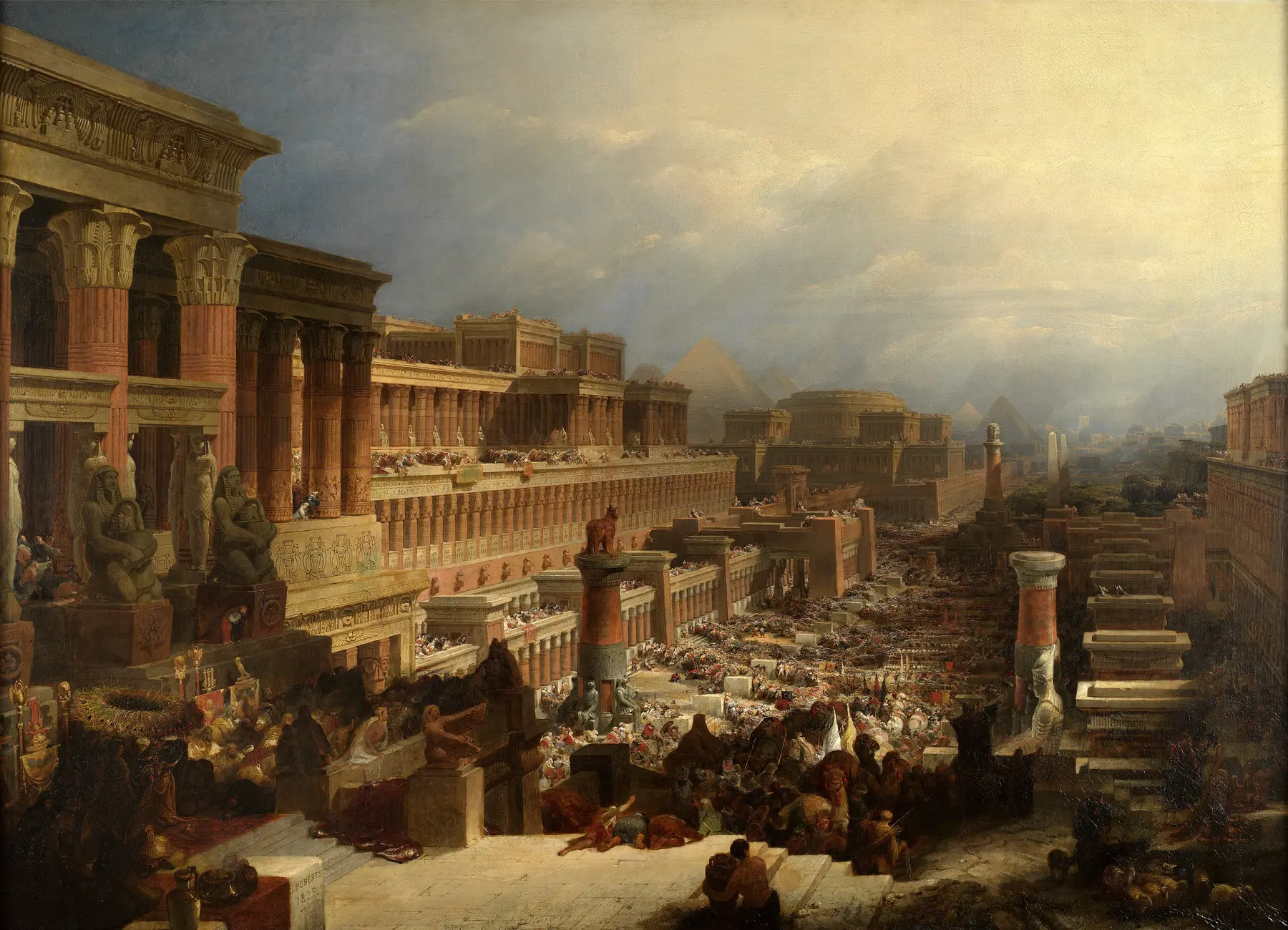
Who and where
1 name in this verse with a page on the site.
This page draws on Adam Clarke, Commentary on the Bible; John Gill, Exposition of the Old Testament (1748-1763); Keil and Delitzsch, Biblical Commentary on the Old Testament: The Pentateuch and Matthew Henry, Commentary on the Whole Bible.