
Joshua 8:2
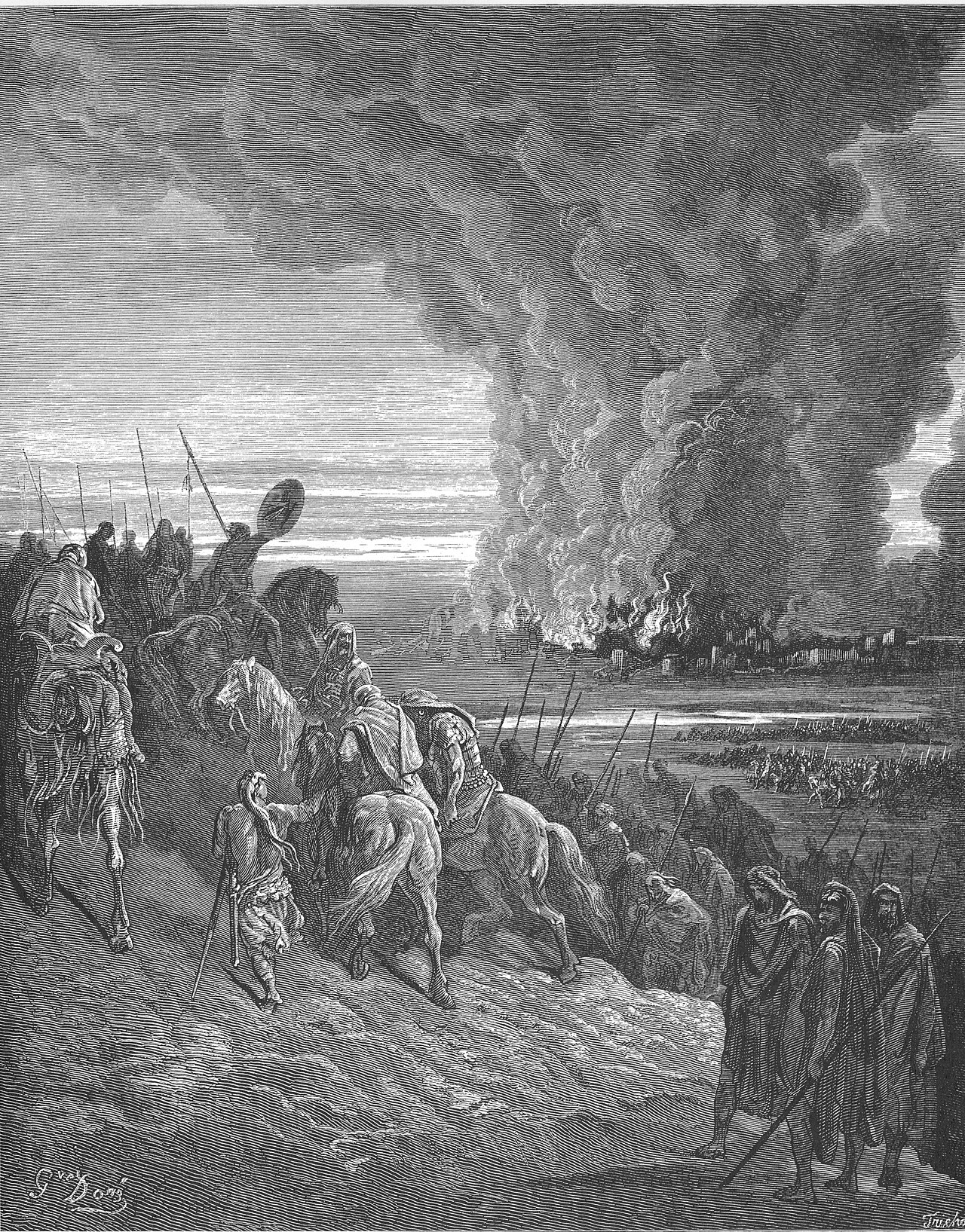
in Joshua 8And you shall do to Ai and its king as you did to Jericho and its king, except that you may carry off their plunder and livestock for yourselves. Set up an ambush behind the city.”
BSB
The same verse in ASV and KJV ▾
ASV
and thou shalt do to Ai and her king as thou didst unto Jericho and her king: only the spoil thereof, and the cattle thereof, shall ye take for a prey unto yourselves: set thee an ambush for the city behind it.
KJV
And thou shalt do to Ai and her king as thou didst unto Jericho and her king: only the spoil thereof, and the cattle thereof, shall ye take for a prey unto yourselves: lay thee an ambush for the city behind it.
⋯
This verse in Joshua 8
Commentary
5 notes on this verseAnd thou shalt do to Ai and her king as thou didst to Jericho and her king,.... Burn the one and slay the other: only the spoil thereof, and the cattle thereof, shall ye take for a prey unto yourselves; which they were not allowed to do at Jericho: lay thee an ambush for the city behind it; at the west side of it: some have called in question the lawfulness of the ambush, but, as this was appointed by the Lord, there is no room for it.
This site's exposition
Do not be afraid or discouraged
on Joshua 8:1-2
After the defeat God gives Joshua the words of 1:9 again. The ambush of verse 2 is God’s own instruction, where the plan that failed at 7:3 was the spies’. The plunder and livestock are granted to the people here, the same kind of goods Achan was stoned for taking.
This site's exposition
as you did to Jericho
John Wesley reads the order to treat Ai as Jericho was treated as meant to restore the dread of Israel that the defeat had weakened. Some have questioned whether an ambush is lawful. John Gill answers that the Lord appointed this one himself, so the question has no room here.
The record, by era
The Church Fathers1 voice
Inasmuch as God ordered Joshua to plant an ambush in their rear, that is, to plant warriors in hiding to ambush the enemy, we can learn that such treachery is not unjustly carried out by those who wage a just war. Thus, a just man, if he wishes to undertake a just war, ought to think chiefly in these matters about nothing else than whether it is right for him to do so, for it is not lawful for everyone to wage war. However, once he has undertaken a just war, it makes no difference to the justice of the war whether he wins in open warfare or by treachery. However, those just wars ought to be defined as those which avenge injuries, if the tribe or state which is about to be sought in war, either neglected to punish a crime improperly committed by its own countrymen or neglected to repay what had been lost through those injuries. Moreover, without doubt that type of war is just which God commands, since there is no iniquity in him and he knows what ought to be done to each person. In this type of war the general of the army or the people themselves are not to be deemed so much the instigator of the war as much as its agent.Joshua sent thirty thousand warriors to vanquish Ai.… We must consider whether every attempt at deception ought to be reckoned as a lie and, if so, whether a lie can be just, when someone who should be deceived is deceived. And if not even this kind of a lie is found to be just, we must still relate what transpired with the ambush to the truth with some other meaning.
The Puritans and the Awakening1 voice
Unto Jericho and her king - That is, overcome and destroy them. This was enjoined to chastise their last insolence, and the triumphs and blasphemies which doubtless their success had produced: and to revive the dread and terror which had been impressed upon the Canaanites by Jericho's ruin, and had been much abated by the late success of Ai.
The words behind it
17 Hebrew wordsEvery Hebrew word of this verse in the order it stands, with what it means and the door to its own study. The last column counts the times a word stands in the whole Bible: the rarer the word, the more the places it appears belong together.
| Hebrew | Sound | Meaning | Word study | In the Bible |
|---|---|---|---|---|
| וְעָשִׂ֨יתָ | veasita | and you will do | H6213 → | 2628 times |
| לָעַ֜י | laai | to <the> Ai | H5857 → | 40 times |
| וּלְמַלְכָּ֗הּ | ulemalkah | and to king its | H4428 → | 2525 times |
| כַּאֲשֶׁ֨ר | kaasher | just as | H834 → | 5497 times |
| עָשִׂ֤יתָ | ʾasita | you did | H6213 → | 2628 times |
| לִֽירִיחוֹ֙ | liricho | to Jericho | H3405 → | 57 times |
| וּלְמַלְכָּ֔הּ | ulemalkah | and to king its | H4428 → | 2525 times |
| רַק־ | rak- | only | H7535 → | 109 times |
| שְׁלָלָ֥הּ | shelalah | booty its | H7998 → | 73 times |
| וּבְהֶמְתָּ֖הּ | uvehemtah | and livestock its | H929 → | 190 times |
| תָּבֹ֣זּוּ | tavozu | you will plunder | H962 → | 43 times |
| לָכֶ֑ם | lakhem | for <the> yourselves | ||
| שִׂים־ | sim- | set | H7760 → | 584 times |
| לְךָ֥ | lekha | for <the> yourself | ||
| אֹרֵ֛ב | ʾorev | an ambush | H693 → | 41 times |
| לָעִ֖יר | lair | for the city | H5892 → | 1090 times |
| מֵאַחֲרֶֽיהָ׃ | meachareiha | <from> behind it | H310 → | 715 times |
וְעָשִׂ֨יתָand you will do
veasitaH6213 →2628 times
לָעַ֜יto <the> Ai
laaiH5857 →40 times
וּלְמַלְכָּ֗הּand to king its
ulemalkahH4428 →2525 times
כַּאֲשֶׁ֨רjust as
kaasherH834 →5497 times
עָשִׂ֤יתָyou did
ʾasitaH6213 →2628 times
לִֽירִיחוֹ֙to Jericho
lirichoH3405 →57 times
וּלְמַלְכָּ֔הּand to king its
ulemalkahH4428 →2525 times
רַק־only
rak-H7535 →109 times
שְׁלָלָ֥הּbooty its
shelalahH7998 →73 times
וּבְהֶמְתָּ֖הּand livestock its
uvehemtahH929 →190 times
תָּבֹ֣זּוּyou will plunder
tavozuH962 →43 times
לָכֶ֑םfor <the> yourselves
lakhem
שִׂים־set
sim-H7760 →584 times
לְךָ֥for <the> yourself
lekha
אֹרֵ֛בan ambush
ʾorevH693 →41 times
לָעִ֖ירfor the city
lairH5892 →1090 times
מֵאַחֲרֶֽיהָ׃<from> behind it
meachareihaH310 →715 times
A shaded row is a word that stands 400 times or fewer in the Bible.
The walk
8 stopsEach card is a verse this one points to, and under it the verses that one points to in turn. Where several paths arrive at the same place, that place is listed first: the text keeps returning to it.
Through
Proverbs 13:22A good man leaves an inheritance to his children’s children, but the sinner’s wealth is passed to the righteous.
it leads to
- Ecclesiastes 2:26
To the man who is pleasing in His sight, He gives wisdom and knowledge and joy, but to the sinner He assigns the task of gathering and accumulating that which he will hand over…
Reached by 2 separate paths from here.
- Job 27:16–17
Though he heaps up silver like dust and piles up a wardrobe like clay,
- Proverbs 28:8
He who increases his wealth by interest and usury lays it up for one who is kind to the poor.
- Psalms 37:25
I once was young and now am old, yet never have I seen the righteous abandoned or their children begging for bread.
- Psalms 112:2
His descendants will be mighty in the land; the generation of the upright will be blessed.
- Ecclesiastes 2:26
Through
Psalms 39:6Surely every man goes about like a phantom; surely he bustles in vain; he heaps up riches not knowing who will haul them away.
it leads to
- Luke 12:20–21
But God said to him, ‘You fool! This very night your life will be required of you. Then who will own what you have accumulated?’
- James 4:14
You do not even know what will happen tomorrow! What is your life? You are a mist that appears for a little while and then vanishes.
- Psalms 127:2
In vain you rise early and stay up late, toiling for bread to eat— for He gives sleep to His beloved.
- Luke 12:20–21
Where this verse is studied
About Joshua
Who and where
1 name in this verse with a page on the site.
This page draws on Augustine of Hippo, QUESTIONS ON JOSHUA 10-11; John Gill, Exposition of the Old Testament (1748-1763); John Gill, Exposition of the Old Testament; John Wesley, Explanatory Notes upon the Old Testament; Keil and Delitzsch, Biblical Commentary on the Old Testament: Joshua, Judges, Ruth and Matthew Henry, Commentary on the Whole Bible.