
2 Kings 17:34
in 2 Kings 17To this day they are still practicing their former customs. None of them worship the LORD or observe the statutes, ordinances, laws, and commandments that the LORD gave the descendants of Jacob, whom He named Israel.
BSB
The same verse in ASV and KJV ▾
ASV
Unto this day they do after the former manner: they fear not Jehovah, neither do they after their statutes, or after their ordinances, or after the law or after the commandment which Jehovah commanded the children of Jacob, whom he named Israel;
KJV
Unto this day they do after the former manners: they fear not the Lord, neither do they after their statutes, or after their ordinances, or after the law and commandment which the Lord commanded the children of Jacob, whom he named Israel;
⋯
This verse in 2 Kings 17
Commentary
9 notes on this verseA commentator
Albert Barnes1798–1870
Notes, Explanatory and Practical, on the Old and New Testaments (1832-1869)
They fear not the Lord - The new-comers in one sense feared Yahweh 2Ki 17:33, 2Ki 17:41. They acknowledged His name, admitted Him among their gods, and kept up His worship at the high place at Bethel according to the rites instituted by Jeroboam 2Ki 17:28. But in another sense they did not fear Him. To acknowledge Yahweh together with other gods is not really to acknowledge Him at all.
This site's exposition
the children of Jacob, whom he named Israel
Unto this day marks the writer's own present, a mixed worship still standing generations after the events it records. The verse names Jacob by his covenant name, Israel, the same renaming recorded at Gen 32:28, and sets the whole apparatus of statutes, ordinances, law and commandment against a people who keep none of it in full. The verse functions as a hinge, closing the historical report and opening the covenant recitation that follows.
The record, by era
The Puritans and the Awakening4 voices
They fear not - Though they pretended to fear, and serve both the Lord and idols, yet in truth they did not, and do not fear or worship the Lord, but their own calves, or other vain inventions: and God will not accept that mongrel and false worship, which they pretend to give to the true God.
Israel Subdued by Assyria. 1 In the twelfth year of Ahaz king of Judah began Hoshea the son of Elah to reign in Samaria over Israel nine years. 2 And he did that which was evil in the sight of the L ORD , but not as the kings of Israel that were before him.
quarantine:scripture (2026-07-29) — scripture-overlap:90%@v1-3
Of the covenant he made with them, and the charge he gave them upon that covenant, which is here very fully recited, that they should fear and serve the Lord Jehovah only, who had brought them up out of Egypt (
quarantine:debris (2026-07-29) — unbalanced-parens
Unto this day they do after the former manners,....
The Nineteenth Century1 voice
A commentator
Jamieson, Fausset & Brown1802–1910
Commentary Critical and Explanatory on the Whole Bible (1871)
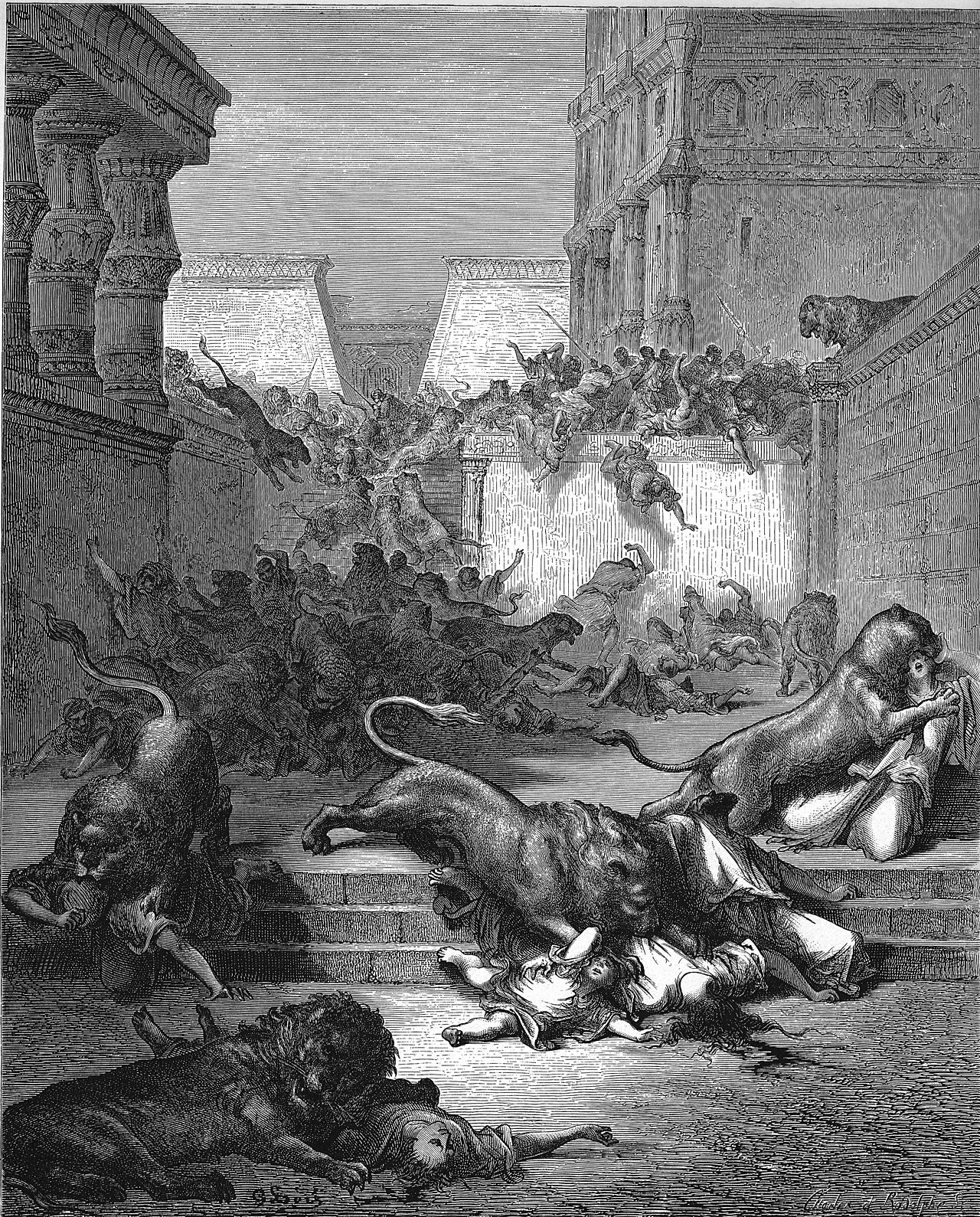
Their religion was a strange medley or compound of the service of God and the service of idols. Such was the first settlement of the people, afterwards called Samaritans, who were sent from Assyria to colonize the land, when the kingdom of Israel, after having continued three hundred fifty-six years, was overthrown.
2 more voices on this verse
The Nineteenth Century2 voices
A commentator
Charles Spurgeon1834–1892
The Metropolitan Tabernacle Pulpit, Sermon No. 2928: “Sham Conversion” (lightly modernized text, CCEL edition) · Written before 1892.
proposed
THE world is full of deceptions and counterfeits. We have had to protect ourselves by law against adulterations of the most common articles of food, but all the laws in the world will not be able to protect us against the constant, the almost universal deceit which is found in daily life. Men seem continually to be set on making the worse appear the better—putting the bitter for the sweet and the sweet for the bitter.
A commentator
Charles Spurgeon1834–1892
The Metropolitan Tabernacle Pulpit, Sermon No. 2928: “Sham Conversion” (lightly modernized text, CCEL edition) · Written before 1892.
proposed
THE world is full of deceptions and counterfeits. We have had to protect ourselves by law against adulterations of the most common articles of food, but all the laws in the world will not be able to protect us against the constant, the almost universal deceit which is found in daily life. Men seem continually to be set on making the worse appear the better—putting the bitter for the sweet and the sweet for the bitter. If any man shall go through this world with his eyes shut, believing all that he hears, he will find himself the dupe of a thousand knaves. You must keep your eyes open—you must carry a test with you by which you shall be able to discern between things that differ, or else in the ordinary affairs of life you will soon be brought to bankruptcy and poverty. In the highest regions, also, where we have to do with spiritual and eternal things, there are even worse cheats than anywhere else! That old enemy of God and man who is rightly said to be a liar from the beginning, takes care to use falsehood in order, if it were possible, to deceive even the very elect. If there is a Christ, he sets up an antichrist. If there is a Church of Christ, he makes a world's church that shall mimic it. If there is a Gospel, he, too, comes with his good news and sets up "another gospel, which is not another." In the matters which concern the inner man—in the work of the Holy Spirit upon the soul—Satan is also adept at deception there. He can imitate repentance with remorse. He can match faith with credulity. He can mimic assurance with presumption. He can give us the pleasures of this world instead of the joy of the Lord and, instead of a simple confidence in Christ, he can offer us that which may look remarkably like it, and yet, after all, be confidence in self.
The words behind it
27 Hebrew wordsEvery Hebrew word of this verse in the order it stands, with what it means and the door to its own study. The last column counts the times a word stands in the whole Bible: the rarer the word, the more the places it appears belong together.
| Hebrew | Sound | Meaning | Word study | In the Bible |
|---|---|---|---|---|
| עַ֣ד | ʾad | until | H5704 → | 1261 times |
| הַיּ֤וֹם | haiyom | the day | H3117 → | 2304 times |
| הַזֶּה֙ | hazeh | <the> this | H2088 → | 1180 times |
| הֵ֣ם | hem | they | H1992 → | 553 times |
| עֹשִׂ֔ים | ʾosim | [are] doing | H6213 → | 2628 times |
| כַּמִּשְׁפָּטִ֖ים | kamishpatim | according to the customs | H4941 → | 422 times |
| הָרִֽאשֹׁנִ֑ים | harishonim | <the> former | H7223 → | 182 times |
| אֵינָ֤ם | ʾeinam | not they | H369 → | 789 times |
| יְרֵאִים֙ | yereim | [are] fearing | H3373 → | 64 times |
| אֶת־ | ʾet- | <obj.> | H853 → | 10935 times |
| יְהוָ֔ה | yahweh | Yahweh | H3068 → | 6520 times |
| וְאֵינָ֣ם | veeinam | and not they | H369 → | 789 times |
| עֹשִׂ֗ים | ʾosim | [are] doing | H6213 → | 2628 times |
| כְּחֻקֹּתָם֙ | kechukotam | according to statutes their | H2708 → | 104 times |
| וּכְמִשְׁפָּטָ֔ם | ukhemishpatam | and according to judgment their | H4941 → | 422 times |
| וְכַתּוֹרָ֣ה | vekhatorah | and according to the law | H8451 → | 219 times |
| וְכַמִּצְוָ֗ה | vekhamitzvah | and according to the commandment | H4687 → | 181 times |
| אֲשֶׁ֨ר | ʾasher | which | H834 → | 5497 times |
| צִוָּ֤ה | tzivah | he commanded | H6680 → | 494 times |
| יְהוָה֙ | yahweh | Yahweh | H3068 → | 6520 times |
| אֶת־ | ʾet- | <obj.> | H853 → | 10935 times |
| בְּנֵ֣י | benei | [the] descendants of | H1121 → | 4930 times |
| יַעֲקֹ֔ב | yaako | Jacob | H3290 → | |
| אֲשֶׁר־ | ʾasher- | whom | H834 → | 5497 times |
| שָׂ֥ם | sam | he made | H7760 → | 584 times |
| שְׁמ֖וֹ | shemo | name his | H8034 → | 864 times |
| יִשְׂרָאֵֽל׃ | yisrael | Israel | H3478 → | 2507 times |
עַ֣דuntil
ʾadH5704 →1261 times
הַיּ֤וֹםthe day
haiyomH3117 →2304 times
הַזֶּה֙<the> this
hazehH2088 →1180 times
הֵ֣םthey
hemH1992 →553 times
עֹשִׂ֔ים[are] doing
ʾosimH6213 →2628 times
כַּמִּשְׁפָּטִ֖יםaccording to the customs
kamishpatimH4941 →422 times
הָרִֽאשֹׁנִ֑ים<the> former
harishonimH7223 →182 times
אֵינָ֤םnot they
ʾeinamH369 →789 times
יְרֵאִים֙[are] fearing
yereimH3373 →64 times
אֶת־<obj.>
ʾet-H853 →10935 times
יְהוָ֔הYahweh
yahwehH3068 →6520 times
וְאֵינָ֣םand not they
veeinamH369 →789 times
עֹשִׂ֗ים[are] doing
ʾosimH6213 →2628 times
כְּחֻקֹּתָם֙according to statutes their
kechukotamH2708 →104 times
וּכְמִשְׁפָּטָ֔םand according to judgment their
ukhemishpatamH4941 →422 times
וְכַתּוֹרָ֣הand according to the law
vekhatorahH8451 →219 times
וְכַמִּצְוָ֗הand according to the commandment
vekhamitzvahH4687 →181 times
אֲשֶׁ֨רwhich
ʾasherH834 →5497 times
צִוָּ֤הhe commanded
tzivahH6680 →494 times
יְהוָה֙Yahweh
yahwehH3068 →6520 times
אֶת־<obj.>
ʾet-H853 →10935 times
בְּנֵ֣י[the] descendants of
beneiH1121 →4930 times
יַעֲקֹ֔בJacob
yaakoH3290 →
אֲשֶׁר־whom
ʾasher-H834 →5497 times
שָׂ֥םhe made
samH7760 →584 times
שְׁמ֖וֹname his
shemoH8034 →864 times
יִשְׂרָאֵֽל׃Israel
yisraelH3478 →2507 times
A shaded row is a word that stands 400 times or fewer in the Bible.
The walk
8 stopsEach card is a verse this one points to, and under it the verses that one points to in turn. Where several paths arrive at the same place, that place is listed first: the text keeps returning to it.
Through
Genesis 32:28Then the man said, “Your name will no longer be Jacob, but Israel, because you have struggled with God and with men, and you have prevailed.”
it leads to
- Genesis 35:10
And God said to him, “Though your name is Jacob, you will no longer be called Jacob. Instead, your name will be Israel.” So God named him Israel.
Reached by 2 separate paths from here.
- Revelation 2:17
He who has an ear, let him hear what the Spirit says to the churches. To the one who overcomes, I will give the hidden manna. I will also give him a white stone…
- Isaiah 62:2–4
Nations will see your righteousness, and all kings your glory. You will be called by a new name that the mouth of the LORD will bestow.
- Hosea 12:3–5
In the womb he grasped his brother’s heel, and in his vigor he wrestled with God.
- Genesis 27:33–36
Isaac began to tremble violently and said, “Who was it, then, who hunted the game and brought it to me? Before you came in, I ate it all and blessed him—and indeed, he will…
- Genesis 35:10
Through
1 Kings 18:31And Elijah took twelve stones, one for each tribe of the sons of Jacob, to whom the word of the LORD had come and said, “Israel shall be your name.”
it leads to
- Genesis 32:28
Then the man said, “Your name will no longer be Jacob, but Israel, because you have struggled with God and with men, and you have prevailed.”
Reached by 2 separate paths from here.
- Genesis 32:28
Through
Genesis 35:10And God said to him, “Though your name is Jacob, you will no longer be called Jacob. Instead, your name will be Israel.” So God named him Israel.
it leads to
- Genesis 17:5
No longer will you be called Abram, but your name will be Abraham, for I have made you a father of many nations.
- Genesis 32:27–28
“What is your name?” the man asked. “Jacob,” he replied.
- Genesis 17:5
Where this verse is studied
On this page
Studies4
On this verse
On this chapter
About 2 Kings
Who and where
1 name in this verse with a page on the site.
This page draws on Albert Barnes, Notes, Explanatory and Practical, on the Old and New Testaments (1832-1869); Charles Spurgeon, The Metropolitan Tabernacle Pulpit, Sermon No. 2928: “Sham Conversion” (lightly modernized text, CCEL edition); Jamieson, Fausset & Brown, Commentary Critical and Explanatory on the Whole Bible; John Gill, Exposition of the Old Testament (1748-1763); John Wesley, Explanatory Notes upon the Old Testament and Matthew Henry, Commentary on the Whole Bible.