
2 Kings 17:33
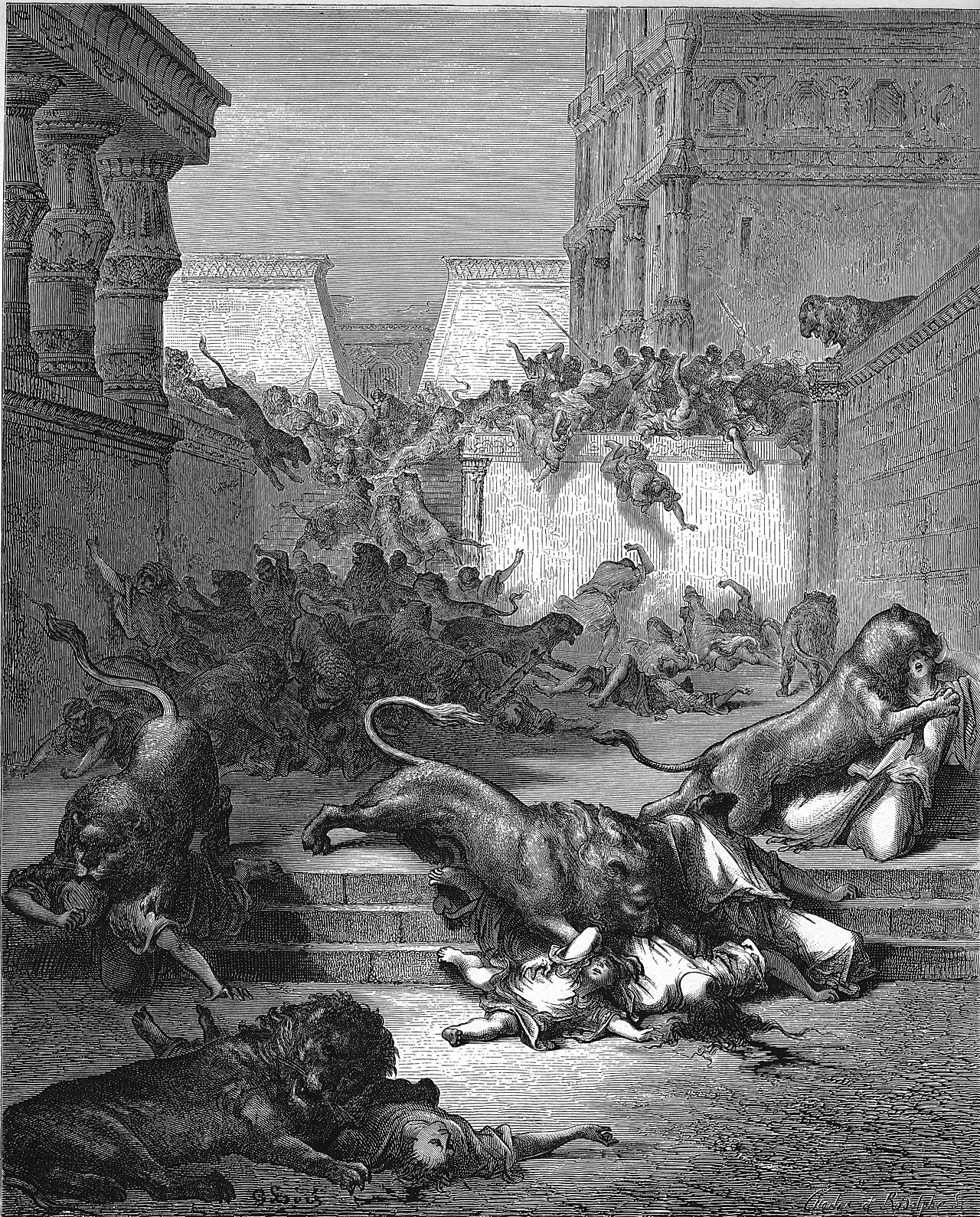
in 2 Kings 17They worshiped the LORD, but they also served their own gods according to the customs of the nations from which they had been carried away.
BSB
The same verse in ASV and KJV ▾
ASV
They feared Jehovah, and served their own gods, after the manner of the nations from among whom they had been carried away.
KJV
They feared the Lord, and served their own gods, after the manner of the nations whom they carried away from thence.
⋯
This verse in 2 Kings 17
Commentary
10 notes on this verseThey feared the Lord, and served their own gods,.... Worshipped both: after the manner of the nations whom they carried away from thence; the Israelites, whom they had carried captive from Samaria; they worshipped the Lord in their idols, as they did, who pretended to worship God in the calves; so they worshipped the supreme God in and by their idols, and made use of them as mediators with him.
This site's exposition
appointed for themselves priests of all sorts
on 2 Kings 17:32-33
Verse 33 states the result in one sentence that becomes this people's religious character: they worshiped the LORD, but they also served their own gods. The Gospel of John assumes this origin when Jesus meets a Samaritan woman at a well.
This site's exposition
served their own gods
Albert Barnes read the last clause as the customs of the settlers' home countries. John Gill read it as Israel's own manner, the worship of the LORD through images as the north had used the calves. Adam Clarke traced their fear to the lions.
The record, by era
The Church Fathers1 voice
How then did the Samaritans "know not" what they worshiped? Because they thought that God was local and partial; so at least they served Him, and so they sent to the Persians, and reported that "the God of this place is wroth with us," in this respect forming no higher opinion of Him than of their idols. Wherefore they continued to serve both Him and devils, joining things which ought not to be joined. The Jews, on the contrary, were free from this supposition, at least the greater part of them, and knew that He was God of the world. Therefore He saith, "Ye worship ye know not what; we know what we worship."
The Puritans and the Awakening2 voices
Israel Subdued by Assyria. 1 In the twelfth year of Ahaz king of Judah began Hoshea the son of Elah to reign in Samaria over Israel nine years. 2 And he did that which was evil in the sight of the L ORD , but not as the kings of Israel that were before him.
quarantine:scripture (2026-07-29) — scripture-overlap:90%@v1-3
): They feared the Lord, but they served their own gods. They all agreed to worship the God of the land according to the manner, to serve the Jewish festivals and rites of sacrificing, but every nation made gods of their own besides, not only for their private use in their own families, but to be put in the houses of their high places,
quarantine:debris (2026-07-29) — leading-punctuation+unbalanced-parens
The Nineteenth Century2 voices
A commentator
Albert Barnes1798–1870
Notes, Explanatory and Practical, on the Old and New Testaments (1832-1869)
Understand the passage thus: “They (the colonists) served their own gods after the manner of the nations from which they (the government) removed them,” i. e., after the manner of their own countrymen at home.
A commentator
Charles Spurgeon1834–1892
The Metropolitan Tabernacle Pulpit, Sermon No. 2928: “Sham Conversion” (lightly modernized text, CCEL edition) · Written before 1892.
proposed
THE world is full of deceptions and counterfeits. We have had to protect ourselves by law against adulterations of the most common articles of food, but all the laws in the world will not be able to protect us against the constant, the almost universal deceit which is found in daily life. Men seem continually to be set on making the worse appear the better—putting the bitter for the sweet and the sweet for the bitter.
2 more voices on this verse
The Nineteenth Century2 voices
A commentator
Charles Spurgeon1834–1892
The Metropolitan Tabernacle Pulpit, Sermon No. 2928: “Sham Conversion” (lightly modernized text, CCEL edition) · Written before 1892.
proposed
THE world is full of deceptions and counterfeits. We have had to protect ourselves by law against adulterations of the most common articles of food, but all the laws in the world will not be able to protect us against the constant, the almost universal deceit which is found in daily life. Men seem continually to be set on making the worse appear the better—putting the bitter for the sweet and the sweet for the bitter. If any man shall go through this world with his eyes shut, believing all that he hears, he will find himself the dupe of a thousand knaves. You must keep your eyes open—you must carry a test with you by which you shall be able to discern between things that differ, or else in the ordinary affairs of life you will soon be brought to bankruptcy and poverty. In the highest regions, also, where we have to do with spiritual and eternal things, there are even worse cheats than anywhere else! That old enemy of God and man who is rightly said to be a liar from the beginning, takes care to use falsehood in order, if it were possible, to deceive even the very elect. If there is a Christ, he sets up an antichrist. If there is a Church of Christ, he makes a world's church that shall mimic it. If there is a Gospel, he, too, comes with his good news and sets up "another gospel, which is not another." In the matters which concern the inner man—in the work of the Holy Spirit upon the soul—Satan is also adept at deception there. He can imitate repentance with remorse. He can match faith with credulity. He can mimic assurance with presumption. He can give us the pleasures of this world instead of the joy of the Lord and, instead of a simple confidence in Christ, he can offer us that which may look remarkably like it, and yet, after all, be confidence in self.
They feared the Lord, and served their own gods - They did not relinquish their own idolatry but incorporated the worship of the true God with that of their idols. They were afraid of Jehovah, who had sent lions among them; and therefore they offered him a sort of worship that he might not thus afflict them: but they served other gods, devoted themselves affectionately to them, because their worship was such as gratified their grossest passions, and most sinful propensities.
The words behind it
14 Hebrew wordsEvery Hebrew word of this verse in the order it stands, with what it means and the door to its own study. The last column counts the times a word stands in the whole Bible: the rarer the word, the more the places it appears belong together.
| Hebrew | Sound | Meaning | Word study | In the Bible |
|---|---|---|---|---|
| אֶת־ | ʾet- | <obj.> | H853 → | 10935 times |
| יְהוָ֖ה | yahweh | Yahweh | H3068 → | 6520 times |
| הָי֣וּ | hayu | they were | H1961 → | 3559 times |
| יְרֵאִ֑ים | yereim | fearing | H3373 → | 64 times |
| וְאֶת־ | veet | and <obj.> | H853 → | 10935 times |
| אֱלֹֽהֵיהֶם֙ | ʾeloheihem | own gods their | H430 → | 2601 times |
| הָי֣וּ | hayu | they were | H1961 → | 3559 times |
| עֹֽבְדִ֔ים | ʾoedim | serving | H5647 → | 288 times |
| כְּמִשְׁפַּט֙ | kemishpat | according to [the] custom of | H4941 → | 422 times |
| הַגּוֹיִ֔ם | hagoyim | the nations | H1471 → | 561 times |
| אֲשֶׁר־ | ʾasher- | which | H834 → | 5497 times |
| הִגְל֥וּ | higlu | they had taken into exile | H1540 → | 186 times |
| אֹתָ֖ם | ʾotam | <obj.> them | H853 → | 10935 times |
| מִשָּֽׁם׃ | misham | from there | H8033 → | 834 times |
אֶת־<obj.>
ʾet-H853 →10935 times
יְהוָ֖הYahweh
yahwehH3068 →6520 times
הָי֣וּthey were
hayuH1961 →3559 times
יְרֵאִ֑יםfearing
yereimH3373 →64 times
וְאֶת־and <obj.>
veetH853 →10935 times
אֱלֹֽהֵיהֶם֙own gods their
ʾeloheihemH430 →2601 times
הָי֣וּthey were
hayuH1961 →3559 times
עֹֽבְדִ֔יםserving
ʾoedimH5647 →288 times
כְּמִשְׁפַּט֙according to [the] custom of
kemishpatH4941 →422 times
הַגּוֹיִ֔םthe nations
hagoyimH1471 →561 times
אֲשֶׁר־which
ʾasher-H834 →5497 times
הִגְל֥וּthey had taken into exile
higluH1540 →186 times
אֹתָ֖ם<obj.> them
ʾotamH853 →10935 times
מִשָּֽׁם׃from there
mishamH8033 →834 times
A shaded row is a word that stands 400 times or fewer in the Bible.
The walk
8 stopsEach card is a verse this one points to, and under it the verses that one points to in turn. Where several paths arrive at the same place, that place is listed first: the text keeps returning to it.
Through
Matthew 6:24No one can serve two masters: Either he will hate the one and love the other, or he will be devoted to the one and despise the other. You cannot serve both God and…
it leads to
- 1 John 2:15–16
Do not love the world or anything in the world. If anyone loves the world, the love of the Father is not in him.
Reached by 2 separate paths from here.
- James 4:4
You adulteresses! Do you not know that friendship with the world is hostility toward God? Therefore, whoever chooses to be a friend of the world renders himself an enemy of God.
Reached by 2 separate paths from here.
- Joshua 24:15
But if it is unpleasing in your sight to serve the LORD, then choose for yourselves this day whom you will serve, whether the gods your fathers served beyond the Euphrates, or the gods…
Reached by 2 separate paths from here.
- Luke 16:13
No servant can serve two masters. Either he will hate the one and love the other, or he will be devoted to the one and despise the other. You cannot serve both God and…
- 1 Timothy 6:9–10
Those who want to be rich, however, fall into temptation and become ensnared by many foolish and harmful desires that plunge them into ruin and destruction.
- 1 John 2:15–16
Through
1 Kings 18:21Then Elijah approached all the people and said, “How long will you waver between two opinions? If the LORD is God, follow Him. But if Baal is God, follow him.” But the people did…
it leads to
- Matthew 6:24
No one can serve two masters: Either he will hate the one and love the other, or he will be devoted to the one and despise the other. You cannot serve both God and…
Reached by 3 separate paths from here.
- 1 Corinthians 10:21–22
You cannot drink the cup of the Lord and the cup of demons too; you cannot partake in the table of the Lord and the table of demons too.
- 2 Corinthians 6:14–16
Do not be unequally yoked with unbelievers. For what partnership can righteousness have with wickedness? Or what fellowship does light have with darkness?
- Matthew 6:24
Where this verse is studied
On this page
Studies11
About 2 Kings
This page draws on Adam Clarke, Commentary on the Bible; Albert Barnes, Notes, Explanatory and Practical, on the Old and New Testaments (1832-1869); Alfred Edersheim, Bible History: Old Testament; Charles Spurgeon, The Metropolitan Tabernacle Pulpit, Sermon No. 2928: “Sham Conversion” (lightly modernized text, CCEL edition); John Chrysostom, HOMILIES ON THE GOSPEL OF JOHN 33.1; John Gill, Exposition of the Old Testament (1748-1763); Keil, The Books of the Kings and Matthew Henry, Commentary on the Whole Bible.