
Luke 15 · Trial 19 of 21 · Featured Study
Parenting and Its Trials
Scripture speaks to the trials of raising children and to the sorrow of a child who turns away.
Proverbs puts the weight of this trial in one line: “A foolish son brings grief to his father and bitterness to her who bore him” (Proverbs 17:25).
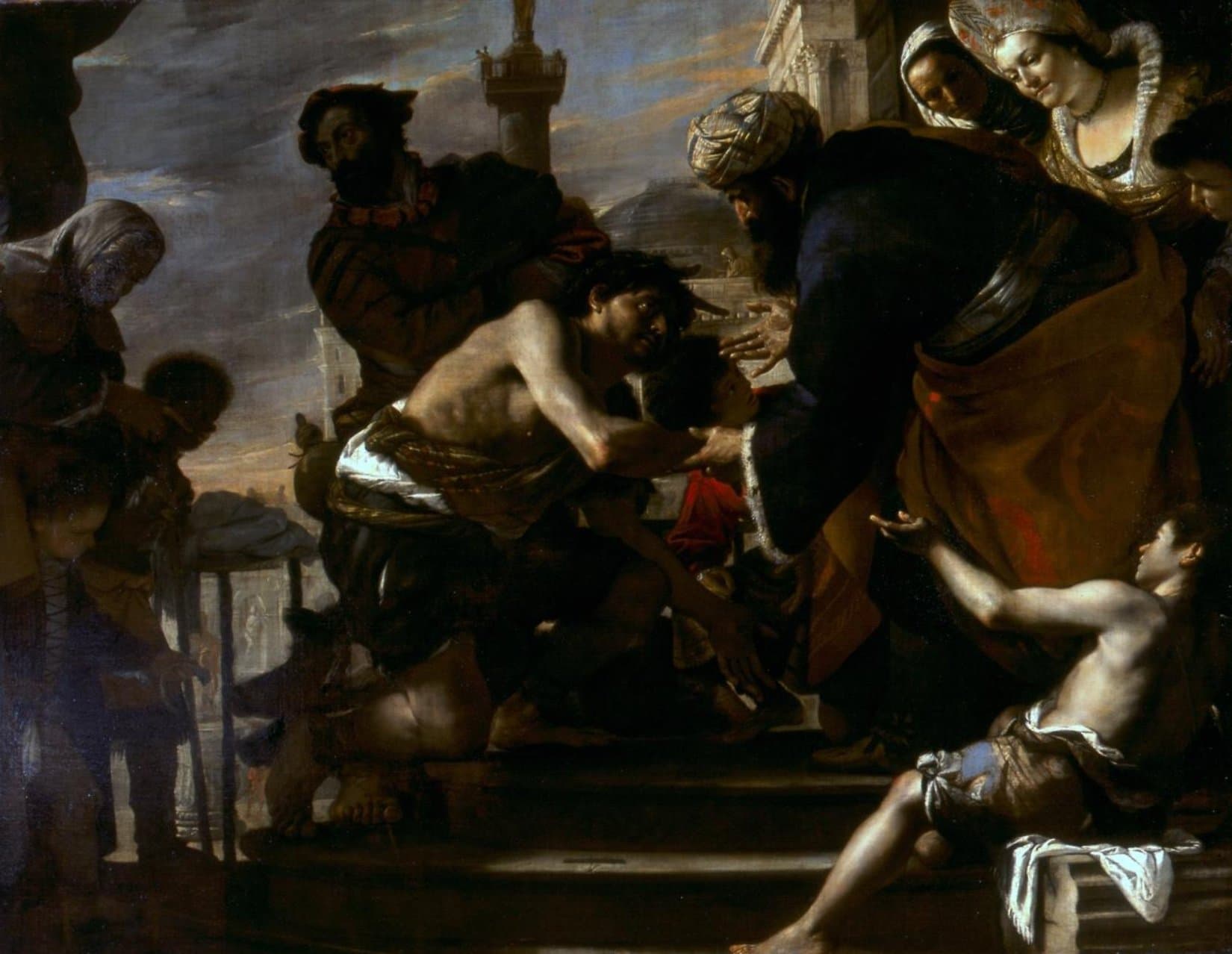
So he got up and went to his father. But while he was still in the distance, his father saw him and was filled with compassion. He ran to his son, embraced him, and kissed him.
- Anchor text
- Luke 15:20 “So he got up and went to his…”
- The lament
- Jeremiah 31:15 to 17 “This is what the LORD says: “A…”
- Hold in memory
- Luke 15:20, Psalm 127:3
Summary
The Bible tells of parents who taught, prayed for, corrected and wept over their children. It tells of their failures and their griefs. It shows the LORD as a Father with compassion for His people. It gives a troubled parent words to pray, things to do and the comfort of a Father who cares for His children.
- Parents in Israel were charged to pass on the knowledge of the LORD to their children in the course of daily life.
- Eli, David and Samuel each served God while a son of theirs turned aside from His ways.
- Christ took a son's place in a human family and bears His people's griefs as their high priest.
- In Jesus' parable of the lost son, the father's welcome pictures God's welcome of a repentant sinner.
- Christian teachers have differed on how firmly a parent should correct a child.
What the Trial of Parenting Is
Two Hebrew words and one Greek word name the dedication, the discipline and the training of a child.
This study asks what Scripture says to a parent who is troubled over a child, where that trouble comes from, and what God gives a parent to do in it. It sets out the Hebrew and Greek words for training and discipline and the key texts in their Berean words. It shows Christ's own place in a family, the parents and stories of the Bible who carried this weight, and the lament of Rachel for her children. It also gives the practices Scripture names, the voices of the church by century, and the three questions on which readers of these texts disagree.
Chanak, to dedicate or train up
5 uses in the canon
Moses uses chanak (H2596) of a house made ready for its use: “Has any man built a new house and not dedicated it?”
Musar, discipline
50 uses in the canon
Proverbs uses musar (H4148) of a father's correction: “He who spares the rod hates his son, but he who loves him disciplines him diligently.”
Paideuo, to train a child
13 uses in the canon
Hebrews uses paideuo (G3811) of the Father's training of His children: “For the Lord disciplines the one He loves.”
Chanak, to dedicate or train up, Musar, discipline, Paideuo, to train a child, The Word Chanak, the study in brief
The Key Texts for Parents
The law, the psalms, the prophets and the letters each give a parent a word to hold.
Law
And you shall teach them diligently to your children and speak of them when you sit at home and when you walk along the road, when you lie down and when you get up.
Moses gives Israel's parents their charge to teach the LORD's words to their children in every part of the day.
Wisdom
Children are indeed a heritage from the LORD, and the fruit of the womb is His reward.
The psalm names children a gift of the LORD, so a parent holds them as His before they are the parent's.
Psalm 127:3BSB
Prophets
“Can a woman forget her nursing child, or lack compassion for the son of her womb? Even if she could forget, I will not forget you!
The LORD answers Zion's fear of being forgotten by comparing His care to a mother's love for her child, and promising a love that outlasts even hers.
Isaiah 49:15BSB
And he will turn the hearts of the fathers to their children, and the hearts of the children to their fathers. Otherwise, I will come and strike the land with a curse.”
It stands here because the Old Testament ends by naming the healing of families as part of the LORD's coming work.
Malachi 4:6BSB
Letters
Fathers, do not provoke your children to wrath; instead, bring them up in the discipline and instruction of the Lord.
Paul gives fathers one thing to avoid and one thing to do, and both are set in the Lord.
I have no greater joy than to hear that my children are walking in the truth.
The writer, speaking of his children in the faith, names the joy every Christian parent hopes for.
3 John 1:4BSB
Psalm 127:3, Isaiah 49:15, Malachi 4:6, Ephesians 6:4, 3 John 1:4
Where the Trial Comes From and Where Christ Bore It
Five texts trace the trouble of the home to its causes and set it under God's rule, and four show Christ in a family's anxiety and grief.
The first family already knew both the pain of bearing children and the grief of a son lost to violence.
To the woman He said: “I will sharply increase your pain in childbirth; in pain you will bring forth children. Your desire will be for your husband, and he will rule over you.”The curse after the fall reaches into childbirth itself, so the bearing of children has carried pain from the beginning.
Then Cain said to his brother Abel, “Let us go out to the field.” And while they were in the field, Cain rose up against his brother Abel and killed him.The first brothers born into the world became the first killer and the first victim, and their parents bore both losses.
Foolishness is bound up in the heart of a child, but the rod of discipline drives it far from him.Proverbs traces a child's waywardness to a folly that is born in him and must be corrected.
The soul who sins is the one who will die. A son will not bear the iniquity of his father, and a father will not bear the iniquity of his son. The righteousness of the righteous man will fall upon him, and the wickedness of the wicked man will fall upon him.Ezekiel holds each person answerable for his own sin, so a parent does not carry a grown child's guilt, nor a child the parent's.
Over the whole of this trial stands a God who calls Himself a father and treats His people as a father treats his children.
As a father has compassion on his children, so the LORD has compassion on those who fear Him.It stands here because it grounds the whole trial in God's own fatherhood, which every earthly father only reflects.
Jesus grew up in a household of His own, and Hebrews names Him the high priest of His people.
His parents searched for HimLuke 2
When Jesus was twelve, Mary and Joseph went home from the Passover without Him and found Him “after three days” in the temple courts (Luke 2:46). He then went down to Nazareth with them and was obedient to them (Luke 2:51).
When His parents saw Him, they were astonished. “Child, why have You done this to us?” His mother asked. “Your father and I have been anxiously searching for You.”
Luke 2:48BSB Mary's words give a parent's fear for a missing child in Scripture's own voice, spoken to the Son of God.
He longed to gather Jerusalem's childrenMatthew 23
In His last days in the temple, Jesus mourned over a city that would not come to Him.
O Jerusalem, Jerusalem, who kills the prophets and stones those sent to her, how often I have longed to gather your children together, as a hen gathers her chicks under her wings, but you were unwilling!
Matthew 23:37BSB Jesus speaks of His longing in the words of a mother bird gathering her young, and of a refusal He would not force.
Read the page on Jesus 33 sections, 41 verses set out
He gave His mother a son from the crossJohn 19
When Jesus saw His mother and the disciple whom He loved standing nearby, He said to His mother, “Woman, here is your son.” Then He said to the disciple, “Here is your mother.” So from that hour, this disciple took her into his home.
John 19:26 to 27BSB In His dying hour Jesus provided for His mother's care, keeping the duty of a son while He bore the sin of the world.
Read the study of the Crucifixion 12 sections, 17 verses set out
He sympathizes as our high priestHebrews 4
For we do not have a high priest who is unable to sympathize with our weaknesses, but we have one who was tempted in every way that we are, yet was without sin.
Hebrews 4:15BSB The verse gives a troubled parent a high priest who has felt human weakness and is able to sympathize.
Read the page on Jesus 33 sections, 41 verses set out
He longed to gather Jerusalem's children (Matthew 23), He gave His mother a son from the cross (John 19), He sympathizes as our high priest (Hebrews 4)
Proverbs 22:15, Ezekiel 18:20, Psalm 103:13, Luke 2:48, Matthew 23:37, John 19:26 to 27, Hebrews 4:15
The Fall & the Protoevangelium, the study in brief, Proverbs 22:15, Ezekiel 18:20, Psalm 103:13, the study in brief, a paragraph, His parents searched for Him (Luke 2), He longed to gather Jerusalem's children (Matthew 23) and 2 more
Parents Who Carried It
Four parents of the Bible each carried a child before God, and each line gives the text.
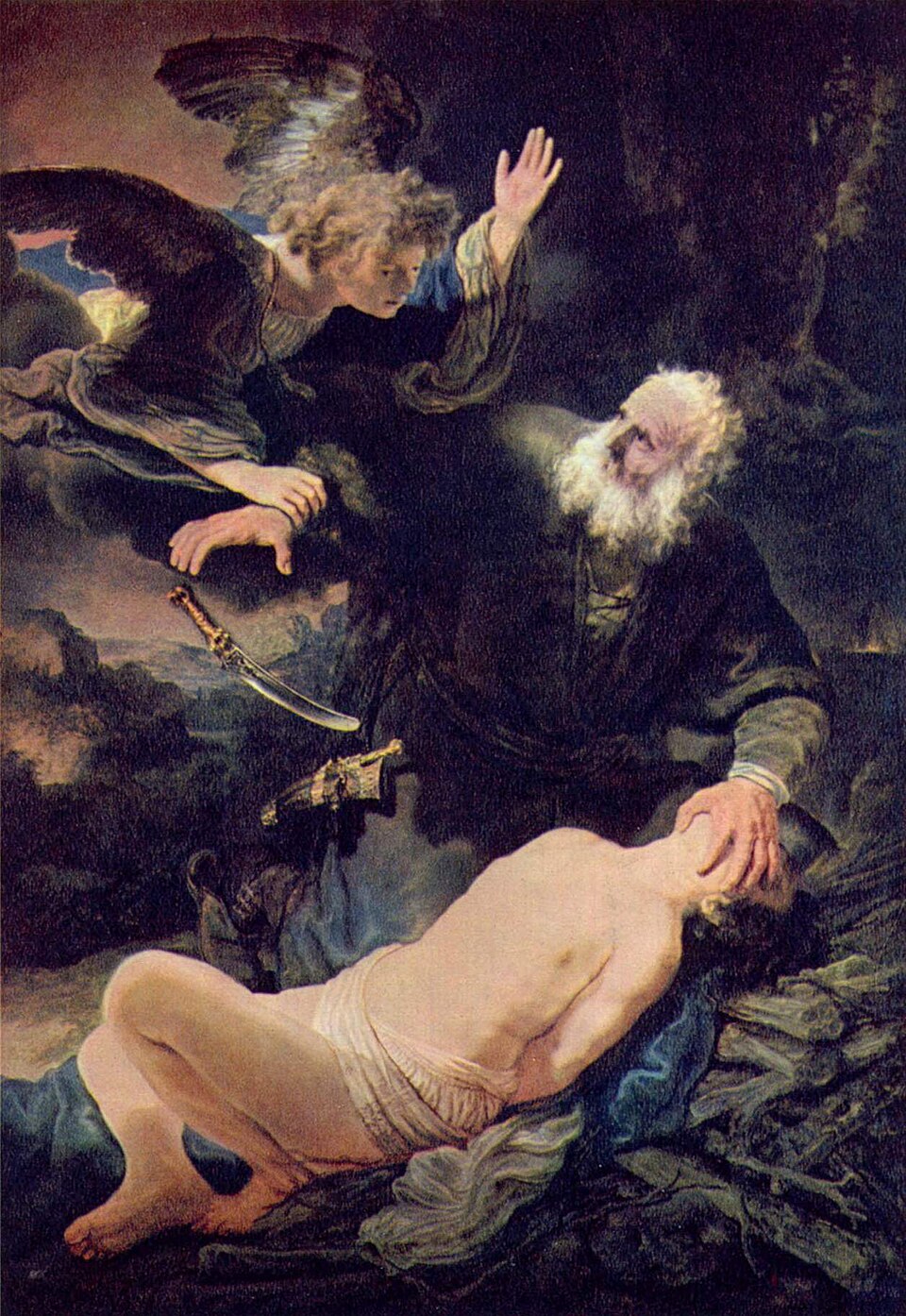
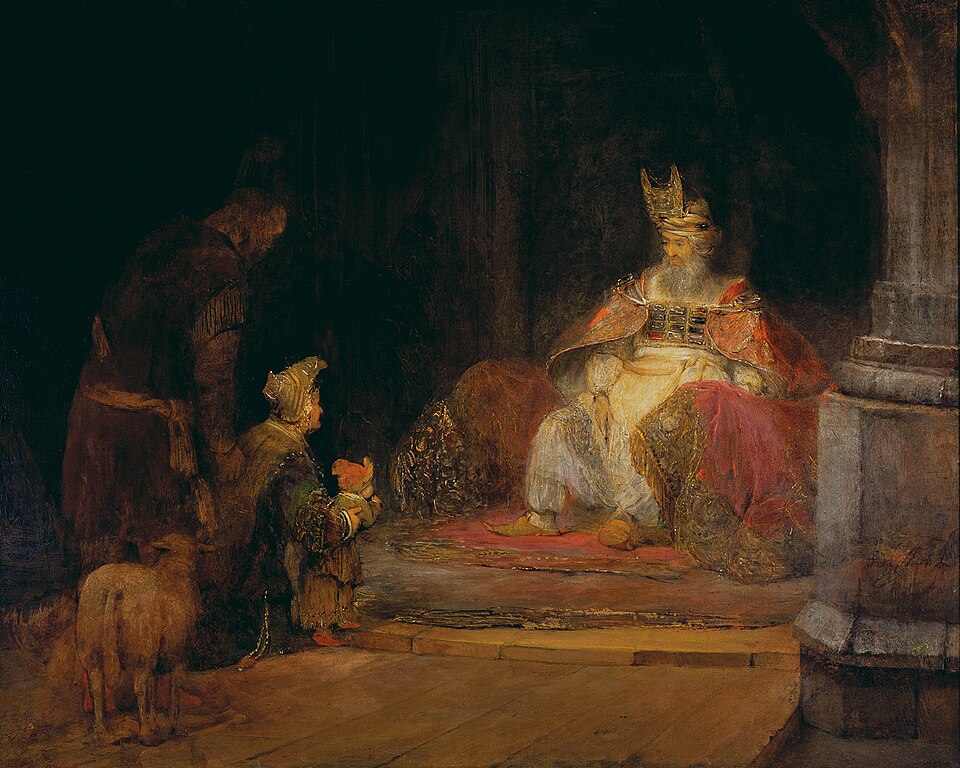
When Sarah told him to send Ishmael away, “this matter distressed Abraham greatly because it concerned his son Ishmael.”
Genesis 21:11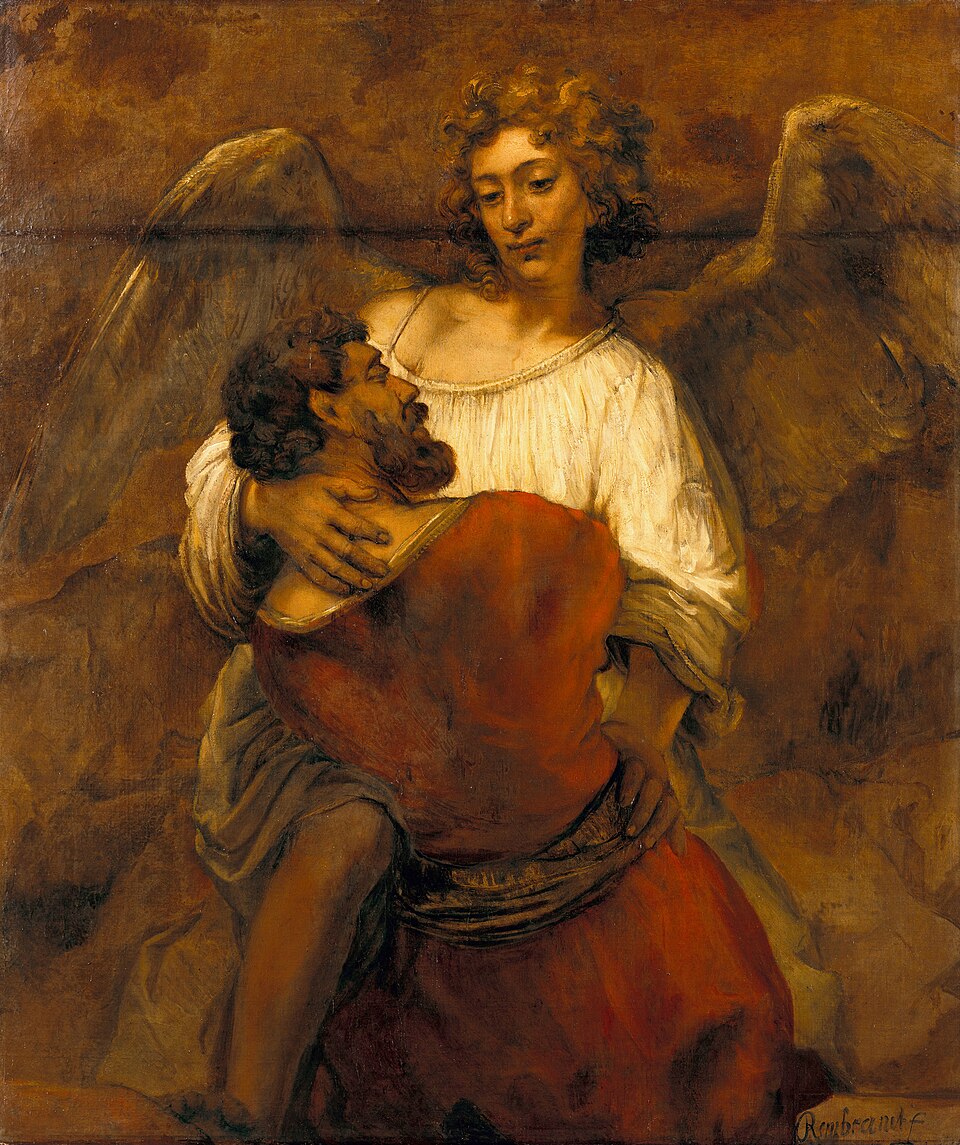
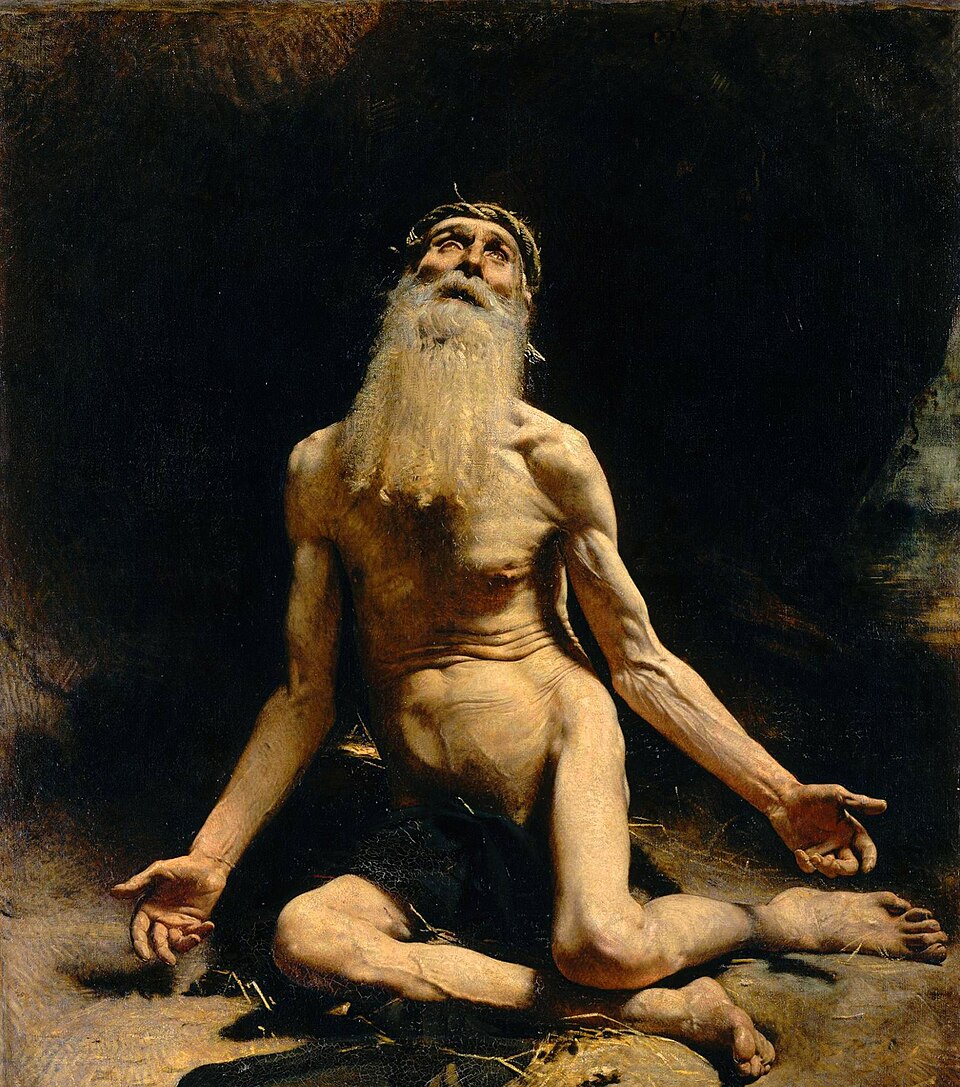
Job, Hannah
What to Do as a Troubled Parent
Scripture gives a troubled parent seven things to do, each in the words of the verse that gives it.
- 1Tell them what the LORD has done“We will not hide them from their children, but will declare to the next generation the praises of the LORD.”Psalm 78:4
- 2Pray for each child by name“And give my son Solomon a whole heart to keep and carry out all Your commandments.”1 Chronicles 29:19
- 3Correct them“Discipline your son, and he will give you rest; he will bring delight to your soul.”Proverbs 29:17
- 4Teach them the Scriptures early“From infancy you have known the Holy Scriptures, which are able to make you wise for salvation.”2 Timothy 3:15
- 5Keep praying for the one who straysJesus told a parable “about their need to pray at all times and not lose heart.”Luke 18:1
- 6Hand your fears to God“Cast all your anxiety on Him, because He cares for you.”1 Peter 5:7
- 7Trust the LORD to teach them“Then all your sons will be taught by the LORD, and great will be their prosperity.”Isaiah 54:13
Pray for each child by name, Correct them, Teach them the Scriptures early, Keep praying for the one who strays, Hand your fears to God, Trust the LORD to teach them
The Lament of Rachel
Three verses of Jeremiah 31 hold a mother's weeping for her children and the LORD's answer to it.
Jeremiah gives the grief of Israel's exile the voice of Rachel, the mother of Joseph and Benjamin (Genesis 35:24), weeping at Ramah.
This is what the LORD says: “A voice is heard in Ramah, mourning and great weeping, Rachel weeping for her children, and refusing to be comforted, because they are no more.”It stands first because it voices a parent's grief that will not be comforted.
This is what the LORD says: “Keep your voice from weeping and your eyes from tears, for the reward for your work will come, declares the LORD. Then your children will return from the land of the enemy.It stands here because God's answer to a grieving parent comes in the same breath as the grief.
So there is hope for your future, declares the LORD, and your children will return to their own land.It stands last because it turns the mother's grief toward hope for her children's future.
Jeremiah 31:16, Jeremiah 31:17
Parents in the Stories of the Bible
Four stories tell of a priest at Shiloh, a king at a city gate, a mother near Tyre and a father in Jesus' parable.
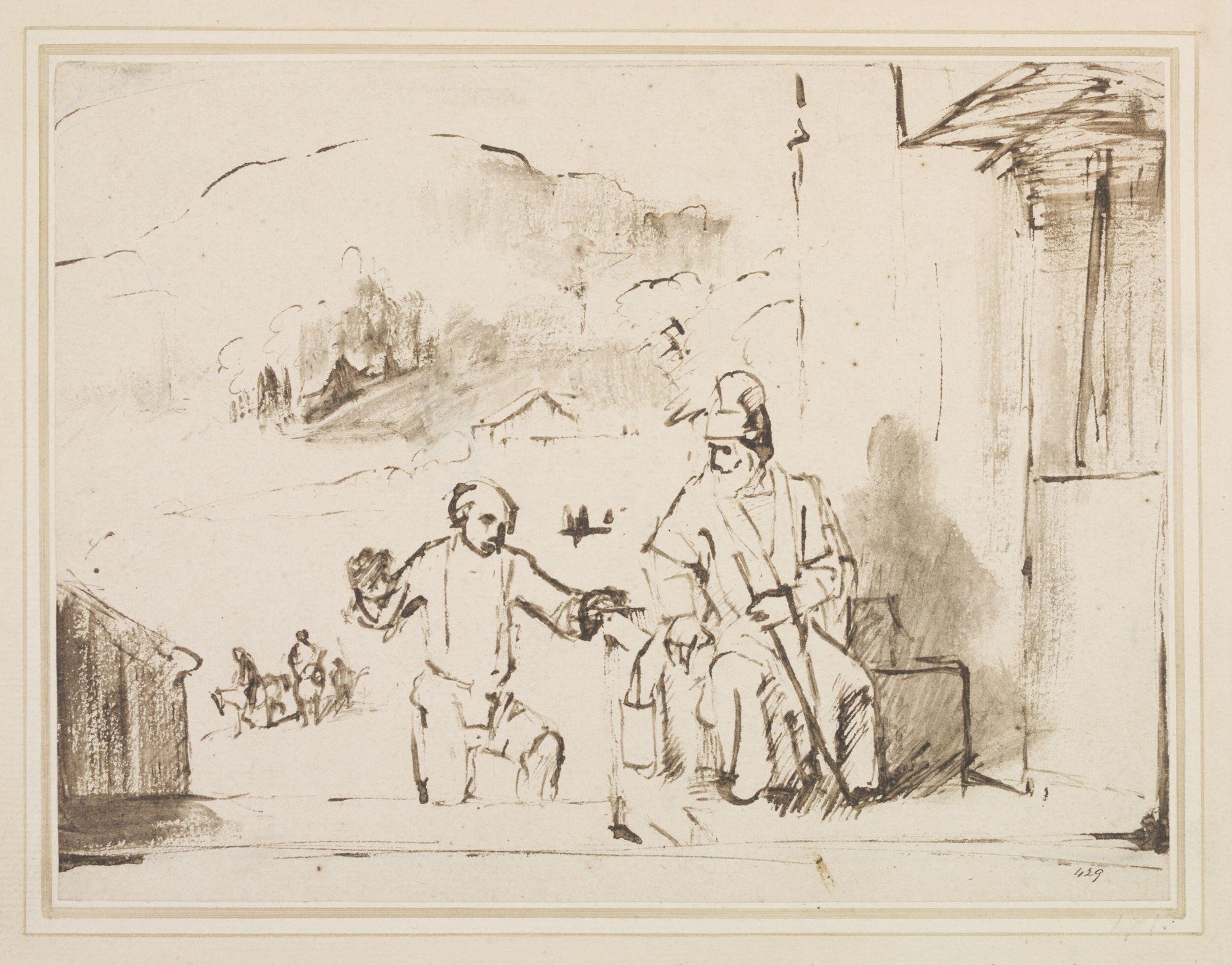
Eli and his sons1 Samuel 2 to 4
Eli's sons Hophni and Phinehas served as priests at Shiloh, took the people's offerings by force and slept with the women who served at the Tent of Meeting (1 Samuel 2:12 to 17, 22). Eli rebuked them, “But they would not listen to their father” (1 Samuel 2:25). Both sons died on the day the ark was taken, and Eli fell from his chair when he heard the news (1 Samuel 4:17 to 18).
I told him that I would judge his house forever for the iniquity of which he knows, because his sons blasphemed God and he did not restrain them.
1 Samuel 3:13BSB The LORD's word to Samuel names Eli's failure as a father in a single clause.
Read the story of Eli and His Sons 8 sections, 20 verses set out
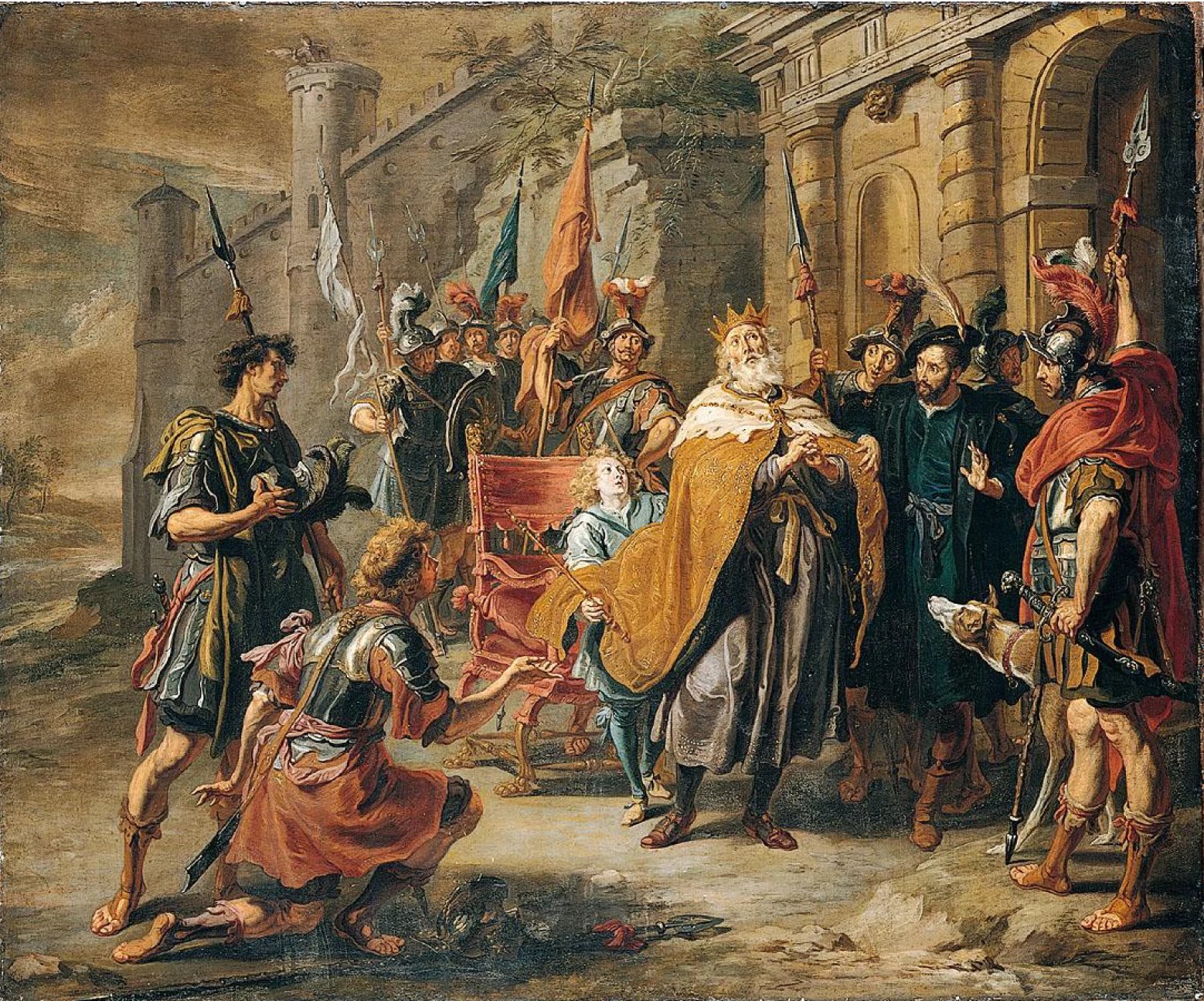
David and Absalom2 Samuel 18 to 19
Absalom rose against his father, and David fled from Jerusalem before him (2 Samuel 15:14). Before the battle the king commanded his officers, “Treat the young man Absalom gently for my sake” (2 Samuel 18:5). Joab and his armour-bearers killed Absalom (2 Samuel 18:14 to 15), and runners brought the news to David as he sat at the gate.
The king was shaken and went up to the gate chamber and wept. And as he walked, he cried out, “O my son Absalom! My son, my son Absalom! If only I had died instead of you, O Absalom, my son, my son!”
2 Samuel 18:33BSB David's cry is the grief of a father for a son who had risen against him.
Read the story of O Absalom, My Son 9 sections, 18 verses set out
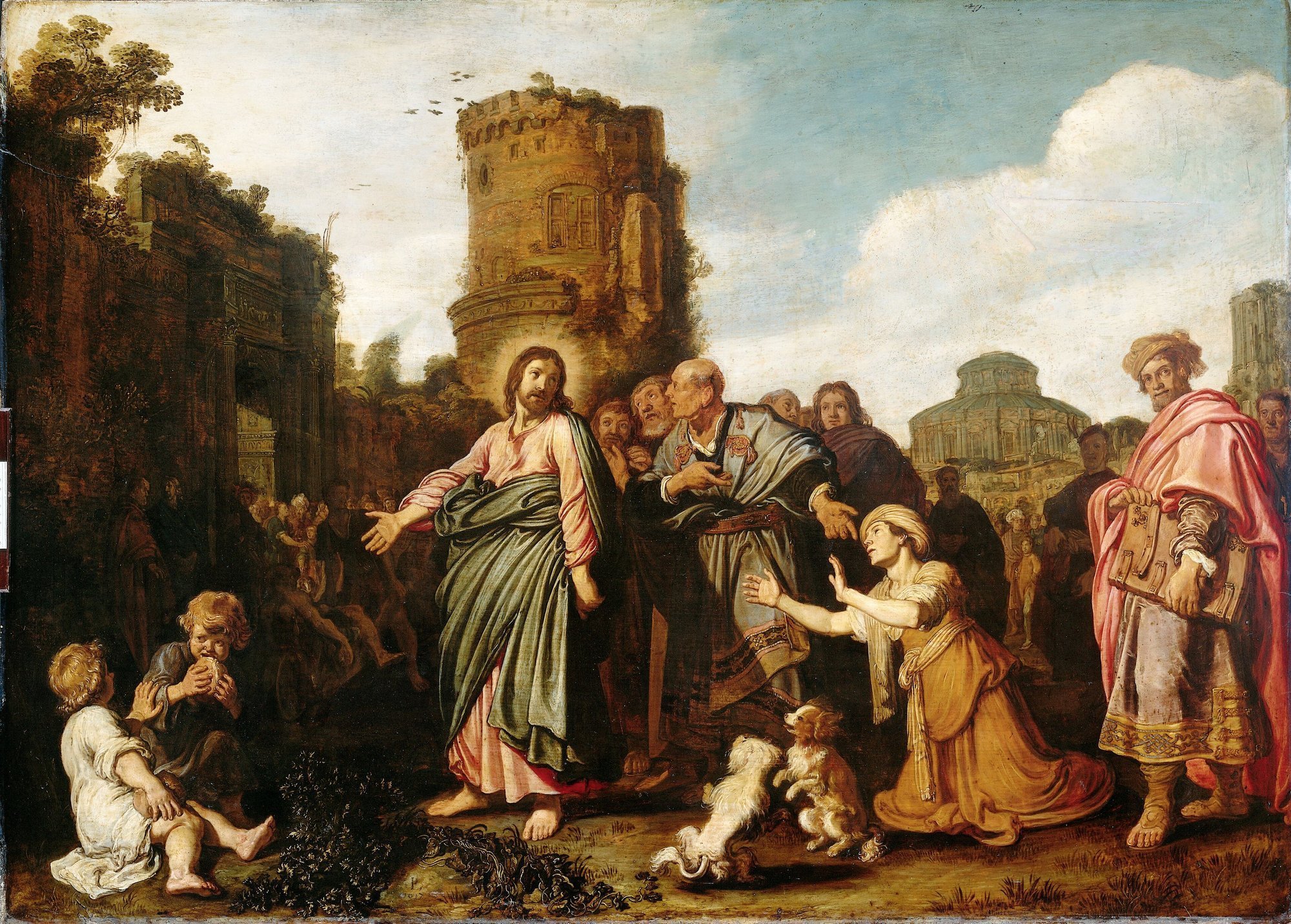
The mother from the region of TyreMark 7
A Greek woman of Syrophoenician origin fell at Jesus' feet and asked Him to drive a demon out of her little daughter (Mark 7:25 to 26). He answered that the children must first have their fill, and she replied, “Yes, Lord, even the dogs under the table eat the children’s crumbs” (Mark 7:28).
Then Jesus told her, “Because of this answer, you may go. The demon has left your daughter.”
Mark 7:29BSB Jesus' answer shows a mother's persistent plea for her child granted.
Read the story of The Mother Who Would Not Go Away 7 sections, 9 verses set out
The father of the lost sonLuke 15
In Jesus' parable a younger son asked for his share of the estate and squandered it in a distant country (Luke 15:12 to 13). When he came home and confessed that he had sinned, his father called for the best robe and the fattened calf, and the older son became angry and refused to go in (Luke 15:21 to 28).
For this son of mine was dead and is alive again! He was lost and is found!’ So they began to celebrate.
Luke 15:24BSB The father's words give the joy of a parent whose lost child has come home.
Read the story of The Prodigal's Return 8 sections, 31 verses set out
David and Absalom (2 Samuel 18 to 19), The mother from the region of Tyre (Mark 7), The father of the lost son (Luke 15)
Mark 7:29, Luke 15:24
Parents in the Church's History
Two accounts, from the fourth century and the eighteenth, tell of a mother's tears and a mother's rules.
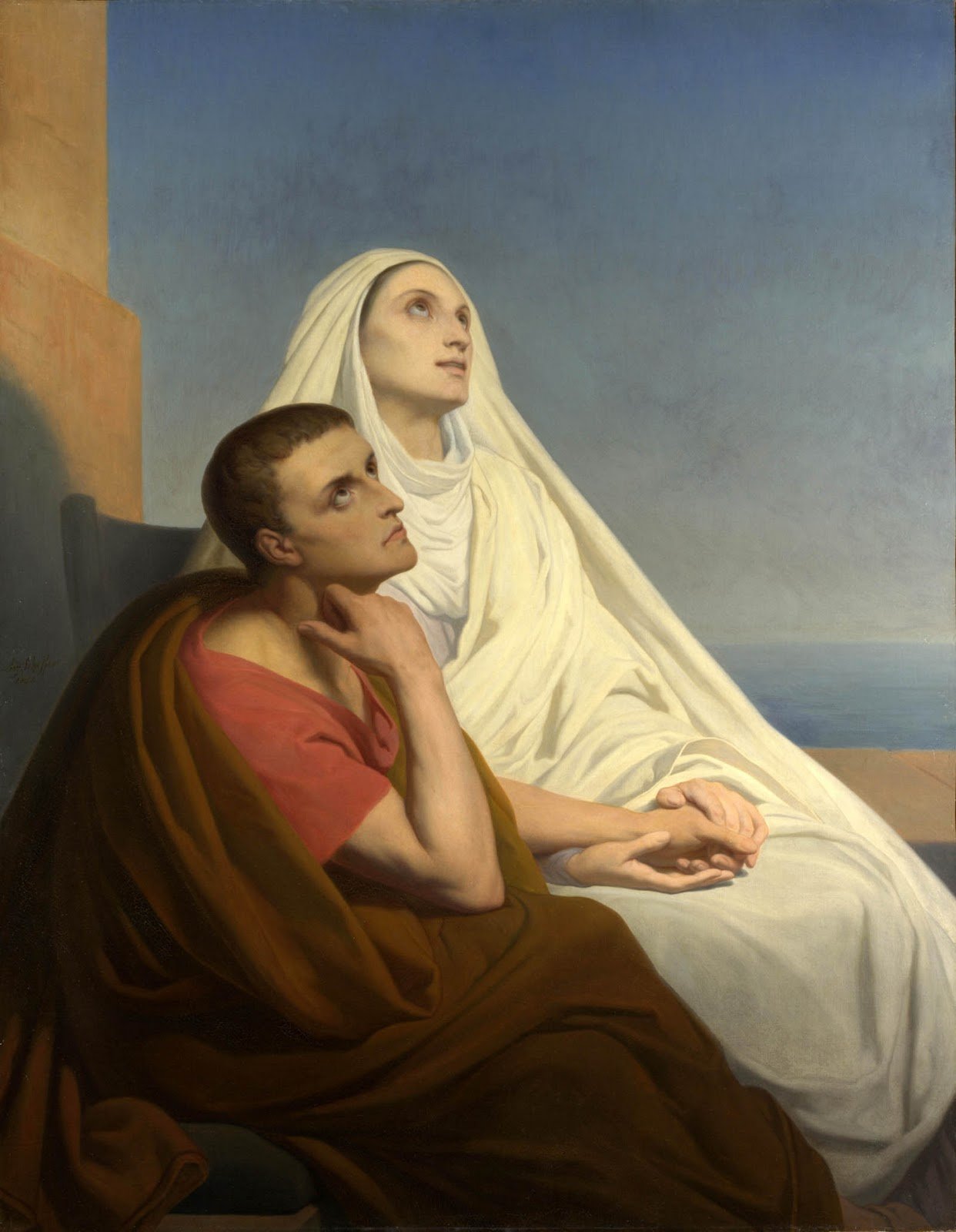
Monica and AugustineConfessions, books 3 and 9
Augustine wrote in his Confessions that he fell into the errors of the Manichaeans and stayed in them nearly nine years, while his mother Monica wept and prayed for him. A bishop she begged to reason with her son refused, told her to leave him alone for a time and pray, and said, “it is not possible that the son of these tears should perish” (book 3, chapter 12). Augustine was baptized, and Monica died at Ostia in “the fifty-sixth year of her age, and the thirty-third of mine” (book 9, chapter 11).
Read the story of Monica and Augustine 6 sections, 2 verses set out
Susanna Wesley's rules for her children1732
On 24 July 1732 Susanna Wesley sent her son John, at his request, “the principal rules I observed in educating my family”. Her children learned the Lord's Prayer as soon as they could speak and were taught to read at five, her son Samuel beginning at the first chapter of Genesis. She held that “the first thing to be done is to conquer their will and bring them to an obedient temper”. John Wesley printed the letter in his Journal.
Voices on Parenting, by Century
Three quotations from the third century to the fifth, each under the line it teaches.
died 220 · Tertullian
On Repentance
A third-century reading: the father of the lost son found him all the dearer for having lost him.
The quotation1 quotation
“That most gentle father, likewise, I will not pass over in silence, who calls his prodigal son home, and willingly receives him repentant after his indigence, slays his best fatted calf, and graces his joy with a banquet. Why not? He had found the son whom he had lost; he had felt him to be all the dearer of whom he had made a gain.”
Tertullian · On Repentance · on Luke 15:11Patristic
died 397 · Ambrose of Milan
Exposition of the Gospel of Luke
A fourth-century reading: the father who runs to the returning son is God, who sees the heart before the son arrives.
The quotation1 quotation
“Christ chooses those who stand. Rise and run to the church. Here is the Father, the Son and the Holy Spirit. He who hears you pondering in the secret places of the mind runs to you. When you are still far away, he sees you and runs to you. He sees in your heart. He runs, perhaps someone may hinder, and he embraces you. His foreknowledge is in the running, his mercy in the embrace and the disposition of fatherly love.”
Ambrose of Milan · Exposition of the Gospel of Luke · on Luke 15:20Patristic
died 420 · Jerome
Commentary on Ephesians 6:4
A fifth-century reading: Paul asked ordinary working parents to educate their children in the Lord's teaching.
The quotation1 quotation
“Instead of asking parents to give their children a fancy education in secular literature, instead of making them read comedies and recite the obscene writings of the theater, he asks the Ephesian laypersons, many of whom, as is common in a population, were engaged in the ordinary occupations of this life, that they should ‘educate their children in every doctrine and counsel of the Lord.’ Overseers and elders ought to take note of this.”
Jerome · Commentary on Ephesians 6:4 · on Ephesians 6:4Patristic
How Parenting Has Been Taught
John Chrysostom in the fourth century and John Wesley in the eighteenth preached on how to bring up a child in the Lord.
Chrysostom taught that a son is to be made a Christian before he is sent to a trade.1 paragraph
John Chrysostom preached on Ephesians 6:4 in his Homily 21 on Ephesians (translated by Gross Alexander, 1889). He told fathers that many provoke their children “by disinheriting them, and disowning them, and treating them overbearingly, not as free, but as slaves”. He urged them never to “deem it an unnecessary thing that he should be a diligent hearer of the divine Scriptures”. To the fear that this would make a boy a monk, he answered, “Make him a Christian”. He asked how it was not absurd to send children to trades and to school “and yet, not to bring them up in the chastening and admonition of the Lord”.
Wesley taught that the proverb on training a child is a general promise, and that training means curing the diseases of a child's nature.1 paragraph
John Wesley took this proverb as the text of his sermon On the Education of Children (Sermon 95 in the 1872 edition of his sermons). He granted the common saying that “Some of the best parents have the worst children”. He called the verse “a general, though not an universal, promise”. He named the diseases he held every child is born with, atheism, self-will, pride and love of the world. He taught parents to counter each, and reminded them “that God, not man, is the physician of souls”.
The Studies of Parenting
Each study takes one text, word or story of this trial into more depth.
The texts
2 studies, 1 linked page
- Passages and psalms · 8 verses set outDo Not Provoke Your Children
Ephesians 6:4 and Colossians 3:21 come from two letters written in chains (Ephesians 3:1; Colossians 4:18).
- Passages and psalms · 7 verses set outTrain Up a Child
Proverbs 22:6 speaks to parents in a proverb, and Deuteronomy 6:4 to 9 speaks to them in the law of the covenant.
- Doctrines · 17 verses set outThe Shema
Israel's confession, recited morning and evening, which Jesus named the first and greatest commandment.
- Passages and psalms · 8 verses set outDo Not Provoke Your Children
The stories
4 studies
- Stories · 20 verses set outEli and His Sons
Eli the priest rebuked his sons Hophni and Phinehas but did not restrain them, and the LORD judged his house.
- Stories · 2 verses set outMonica and Augustine
Monica of Tagaste was the mother of Augustine of Hippo, who told her story in his Confessions.
- Stories · 18 verses set outO Absalom, My Son
When the runners brought word that Absalom was dead, King David wept for the son who had risen against him.
- Stories · 9 verses set outThe Mother Who Would Not Go Away
Mark tells of a Greek woman of Syrophoenician origin who came to Jesus for her daughter's sake.
- Stories · 20 verses set outEli and His Sons
The words
1 study
- Symbols and words · 12 verses set outThe Word Chanak
Chanak is the Hebrew verb translated “dedicate” in Deuteronomy, Kings and Chronicles and “train up” in Proverbs 22:6.
- Symbols and words · 12 verses set outThe Word Chanak
The practice
1 linked page
- Doctrines · 30 verses set outMarriage and the Household
Genesis 2:24 makes a man and his wife one flesh, and Jesus and Paul both quote the verse.
- Doctrines · 30 verses set outMarriage and the Household

Train Up a Child, The Shema, Eli and His Sons, Monica and Augustine, O Absalom, My Son, The Mother Who Would Not Go Away, The Word Chanak, Marriage and the Household
Where Readers Disagree
Six readings answer three questions, each with its holder, the work that argues it and the objection raised against it.
Whether the proverb on training a child is a promise
Read the study of Train Up a Child 6 sections, 7 verses set out
| Reading | Held by | Work | Objection |
|---|---|---|---|
| It is a general promise that usually, though not always, comes true | John Wesley (Methodist) | John Wesley, Sermon 95, On the Education of Children, sections 1 and 2 (Sermons, 1872 edition) | The verse sets down its outcome without a condition, and readers who take it as a sure promise rest on that plain form. |
| It is a proverb, and God's grace or His leaving a person can change its outcome in old age | Bede (Latin early medieval commentary) | Bede, Commentary on Proverbs, chapter 22 | The verse names the parent's training as the cause of the outcome, where Bede's reading leaves the outcome to God's giving or withholding of grace. |
How a parent should correct a child
Read the study of Do Not Provoke Your Children 6 sections, 8 verses set out
| Reading | Held by | Work | Objection |
|---|---|---|---|
| Conquer the child's will early, so that later correction is seldom needed | Susanna Wesley (English Anglican, the mother of the Wesleys) | Susanna Wesley, letter to John Wesley of 24 July 1732, printed in The Journal of John Wesley | Paul's warning to fathers in Colossians 3:21 sets a child's discouragement against a parent's severity. |
| Treat children as free, and win their obedience through the instruction of the Lord | John Chrysostom (Greek patristic preaching) | John Chrysostom, Homily 21 on Ephesians, on Ephesians 6:4 (translated by Gross Alexander, 1889) | Proverbs counts firm correction as a sign of a father's love (Proverbs 13:24). |
Whether David's grief for Absalom was right
Read the story of O Absalom, My Son 9 sections, 18 verses set out
| Reading | Held by | Work | Objection |
|---|---|---|---|
| He grieved for his son's sins and the punishment they brought | Augustine of Hippo (Latin patristic writing) | Augustine of Hippo, On Christian Instruction, book 3, chapter 21, paragraph 30 | Joab charged the king, “You love those who hate you and hate those who love you!” (2 Samuel 19:6). |
| It was a father's natural grief, and Henry found no reason to think it came from concern for Absalom's eternal state | Matthew Henry (English Presbyterian) | Matthew Henry, Commentary on the Whole Bible (1710), on 2 Samuel 18:33 | Before the battle David's one charge to his officers was mercy for his son (2 Samuel 18:5), a care that reached past his own safety. |
Every Text on Parenting
Two verses of the site's older parenting page that stand nowhere else on this hub, in the Berean wording, and that page's essay, which names the rest of its verses.
An overseer must manage his own household well and keep his children under control, with complete dignity.Paul makes the order of a man's own household one test of his fitness to oversee the church.
Endure suffering as discipline; God is treating you as sons. For what son is not disciplined by his father?It stands here because Hebrews reads God's dealings with believers through a father's correction, the very work a parent knows.
The essay that stood on the tag page Parenting9 paragraphs
Scripture opens with parents. Adam and Eve name their children, watch one son kill another, and grieve. From the very first family, the Bible is honest that raising children is not simple, even in a world barely a generation old (Genesis 4:1-8).
God speaks of Abraham in a striking way before Isaac is even born: he chooses him because he knows Abraham will command his children and his household after him to keep the way of the LORD (Genesis 18:19). Parenting, in other words, was never just about food and shelter. It was about handing down the knowledge of God himself.
That charge becomes explicit at Sinai. Moses tells Israel to keep God's words in their own hearts first, and then teach them diligently to their children: talking about them at home, on the road, lying down, and rising up (Deuteronomy 6:6-7). The generations were never meant to drift apart from the faith. Each one was responsible to hand the next one the same living knowledge of God it had received.
The Psalms make the same commitment into a song. One generation tells the next what the LORD has done, so that no child grows up not knowing (Psalm 78:4-6). Children themselves are called a heritage from the LORD, not a burden to be managed but a gift to be received (Psalm 127:3).
Proverbs is the most practical book in Scripture on raising children, and it does not flinch from the subject of correction. It links real love for a son to a willingness to discipline him, and promises that training a child in the way he should go will not be forgotten even when he is old (Proverbs 13:24; 22:6). It also promises the other side of that coin, that correcting a son brings the parent rest, not only struggle (Proverbs 29:17).
The New Testament turns the same instruction around and speaks just as directly to parents. Paul tells fathers not to provoke their children to wrath, but to bring them up in the training and instruction of the Lord (Ephesians 6:4). He repeats the warning to the Colossians almost word for word; do not provoke your children, or they will lose heart (Colossians 3:21). Correction and love, in Paul's mind, were never opposites. A father who never corrects and a father who only provokes have both failed the same test.
Jesus himself was once a child under parents. Luke records, almost in passing, that after being found in the temple he went down to Nazareth and was subject to Mary and Joseph (Luke 2:51). The Son of God grew up obedient inside an ordinary human family, under ordinary human parents, before he ever taught a crowd or worked a miracle.
Behind every human parent stands the pattern of God's own fatherhood. Hebrews compares his discipline of believers directly to a father correcting a son he loves, arguing that a father who never corrects his child is not caring for him but neglecting him (Hebrews 12:5-11). The aim was never punishment for its own sake, but a child shaped into someone who can be trusted with what matters.
John captures the reward at the far end of all this labor in a single line: he has no greater joy than to hear that his children are walking in the truth (3 John 1:4). That, more than any method or rule, is what parenting in Scripture is finally aimed at: not children who simply obey, but children who grow up to know and love the same God their parents did.
Sources
Scripture is the Berean Standard Bible.
- STEP Bible brief lexicons of Extended Strongs for Hebrew and for Greek (Tyndale House, Cambridge), CC BY 4.0, with the Strong's glosses.
- John Chrysostom, Homily 21 on Ephesians, on Ephesians 6:1 to 4, in Gross Alexander's English (NPNF 1.13, 1889)
- John Wesley, Sermon 95, On the Education of Children, sections 1 to 15, The Sermons of John Wesley (1872 edition)
- The Journal of John Wesley, with the letter of Susanna Wesley to John Wesley of 24 July 1732 (print basis Chicago: Moody Press, 1951)
- Augustine of Hippo, Confessions, books 3 and 9, in J. G. Pilkington's English (NPNF 1.1, 1887)
- Tertullian, On Repentance, chapter 8.
- Ambrose of Milan, Exposition of the Gospel of Luke, on Luke 15:20.
- Jerome, Commentary on Ephesians, on Ephesians 6:4.
- Matthew Henry, Commentary on the Whole Bible (1710), on 2 Samuel 18:33.
- Bede, Commentary on Proverbs, chapter 22.
- Augustine of Hippo, On Christian Instruction, book 3, chapter 21, paragraph 30.
- The essay of the site's tag page Parenting (/tag/parenting), carried byte for byte.
Keep Studying
Studies9
In this trial7
People and groups18
Show the next 6 titles
Places1
Doctrines6