
1 Kings 11:7
in 1 Kings 11At that time on a hill east of Jerusalem, Solomon built a high place for Chemosh the abomination of Moab and for Molech the abomination of the Ammonites.
BSB
The same verse in ASV and KJV ▾
ASV
Then did Solomon build a high place for Chemosh the abomination of Moab, in the mount that is before Jerusalem, and for Molech the abomination of the children of Ammon.
KJV
Then did Solomon build an high place for Chemosh, the abomination of Moab, in the hill that is before Jerusalem, and for Molech, the abomination of the children of Ammon.
⋯
This verse in 1 Kings 11
Commentary
8 notes on this verseThen did Solomon build an high place for Chemosh, the abomination of Mesh,.... Of this idol see Gill on Jer 48:7, an high place for which he ordered to be built, or at least suffered it to be built, at the instigation of his Moabitish woman or women, 1Ki 11:1, this was built in the hill that is before Jerusalem; on the mount of Olives, as Jarchi, called from hence afterwards the mount of corruption, 2Ki 23:15 and for Molech, the abomination of the children of Ammon, 1Ki 11:5.
This site's exposition
an high place for Chemosh
on 1 Kings 11:7-8
The high places rise on the hill before Jerusalem, in full sight of the temple Solomon had just built for the name of the Lord, for Chemosh the abomination of Moab and for Molech the abomination of Ammon. Josiah will still be defiling these same mounts three centuries later at 2 Ki 23:13, the text's own note that Solomon's private accommodation to his wives' gods became public Judean worship for generations. The two altars are matched by the two nations of verse 1, Moab and Ammon, the sons of Lot's daughters, standing in shrines beside the house of the Lord.
The record, by era
The Church Fathers1 voice
A commentator
Augustine of HippoEXPOSITIONS OF THE PSALMS 127.1 · Written in the 5th century.
proposed
Solomon was in his time David's son, a great man, through whom many holy precepts and healthful admonitions and divine mysteries have been wrought by the Holy Spirit in the Scriptures. Solomon himself was a lover of women and was rejected by God: and this lust was so great a snare to him that he was induced by women even to sacrifice to idols, as Scripture witnesses concerning him. But if, by his fall, what was delivered through him were blotted out, it would be judged that he had himself delivered these precepts and not that they were delivered through him. The mercy of God, therefore, and his Spirit, excellently wrought that whatever of good was declared through Solomon, might be attributed to God; and the man's sin, to the man. What marvel that Solomon fell among God's people? Did not Adam fall in paradise? Did not an angel fall from heaven and become the devil? We are thereby taught that no hope must be placed in any human being.
The Puritans and the Awakening2 voices
An high place - That is, an altar upon the high place, as the manner of the Heathens was. The hill - In the mount of olives, which was nigh unto Jerusalem, 2 Sam. xv, 30, and from this act was called the mount of corruption, 2 Kings xxiii, 13.
), maintained their priests, and occasionally did himself attend their altars, making a jest of it, asking, "What harm is there in it? Are not all religions alike?" which (says bishop Patrick) has been the disease of some great wits.
quarantine:debris (2026-07-29) — leading-punctuation+unbalanced-parens
The Nineteenth Century2 voices
A commentator
Albert Barnes1798–1870
Notes, Explanatory and Practical, on the Old and New Testaments (1832-1869)
Chemosh (Num 21:29 note), seems to have been widely worshipped in Western Asia. His name occurs frequently on the “Moabite-Stone.” Car-Chemish, “the fort of Chemosh,” a great city of the northern Hittites, must have been under his protection. In Babylon he seems to have been known as Chomus-belus, or Chemosh-Bel. The hill - Olivet.
A commentator
Jamieson, Fausset & Brown1802–1910
Commentary Critical and Explanatory on the Whole Bible (1871)
Ashtoreth--Astarte, Milcom--Molech, and Chemosh--He built altars for these three; but, although he is described (1Ki 11:8) as doing the same for "all his strange wives," there is no evidence that they had idols distinct from these; and there is no trace whatever of Egyptian idolatry.
1 more voice on this verse
The Nineteenth Century1 voice
The hill that is before Jerusalem - This was the Mount of Olives.
The words behind it
16 Hebrew wordsEvery Hebrew word of this verse in the order it stands, with what it means and the door to its own study. The last column counts the times a word stands in the whole Bible: the rarer the word, the more the places it appears belong together.
| Hebrew | Sound | Meaning | Word study | In the Bible |
|---|---|---|---|---|
| אָז֩ | ʾaz | then | H227 → | 141 times |
| יִבְנֶ֨ה | yivneh | he built | H1129 → | 376 times |
| שְׁלֹמֹ֜ה | shelomoh | Solomon | H8010 → | 291 times |
| בָּמָ֗ה | bamah | a high place | H1116 → | 102 times |
| לִכְמוֹשׁ֙ | likhmovosh | for Chemosh | H3645 → | |
| שִׁקֻּ֣ץ | shikutz | [the] detestable thing of | H8251 → | 28 times |
| מוֹאָ֔ב | moav | Moab | H4124 → | |
| בָּהָ֕ר | bahar | on the mountain | H2022 → | 546 times |
| אֲשֶׁ֖ר | ʾasher | which | H834 → | 5497 times |
| עַל־ | ʾal- | [is] on | H5921 → | 5755 times |
| פְּנֵ֣י | penei | [the] face of | H6440 → | 2123 times |
| יְרוּשָׁלִָ֑ם | yerushalim | Jerusalem | H3389 → | 643 times |
| וּלְמֹ֕לֶךְ | ulemolekh | and for Molech | H4432 → | |
| שִׁקֻּ֖ץ | shikutz | [the] detestable thing of | H8251 → | 28 times |
| בְּנֵ֥י | benei | [the] people of | H1121 → | 4930 times |
| עַמּֽוֹן׃ | amon | Ammon | H5983 → |
אָז֩then
ʾazH227 →141 times
יִבְנֶ֨הhe built
yivnehH1129 →376 times
שְׁלֹמֹ֜הSolomon
shelomohH8010 →291 times
בָּמָ֗הa high place
bamahH1116 →102 times
לִכְמוֹשׁ֙for Chemosh
likhmovoshH3645 →
שִׁקֻּ֣ץ[the] detestable thing of
shikutzH8251 →28 times
מוֹאָ֔בMoab
moavH4124 →
בָּהָ֕רon the mountain
baharH2022 →546 times
אֲשֶׁ֖רwhich
ʾasherH834 →5497 times
עַל־[is] on
ʾal-H5921 →5755 times
פְּנֵ֣י[the] face of
peneiH6440 →2123 times
יְרוּשָׁלִָ֑םJerusalem
yerushalimH3389 →643 times
וּלְמֹ֕לֶךְand for Molech
ulemolekhH4432 →
שִׁקֻּ֖ץ[the] detestable thing of
shikutzH8251 →28 times
בְּנֵ֥י[the] people of
beneiH1121 →4930 times
עַמּֽוֹן׃Ammon
amonH5983 →
A shaded row is a word that stands 400 times or fewer in the Bible.
The walk
8 stopsEach card is a verse this one points to, and under it the verses that one points to in turn. Where several paths arrive at the same place, that place is listed first: the text keeps returning to it.
Through
Acts 7:43You have taken along the tabernacle of Molech and the star of your god Rephan, the idols you made to worship. Therefore I will send you into exile beyond Babylon.’
it leads to
- Amos 5:26–27
You have taken along Sakkuth your king and Kaiwan your star god, the idols you made for yourselves.
- Exodus 20:4–5
You shall not make for yourself an idol in the form of anything in the heavens above, on the earth below, or in the waters beneath.
- Amos 5:26–27
Through
Numbers 21:29Woe to you, O Moab! You are destroyed, O people of Chemosh! He gave up his sons as refugees, and his daughters into captivity to Sihon king of the Amorites.
it leads to
- Judges 11:24
Do you not possess whatever your god Chemosh grants you? So also, we possess whatever the LORD our God has granted us.
Reached by 2 separate paths from here.
- Jeremiah 48:46
Woe to you, O Moab! The people of Chemosh have perished; for your sons have been taken into exile and your daughters have gone into captivity.
- 2 Kings 23:13
The king also desecrated the high places east of Jerusalem, to the south of the Mount of Corruption, which King Solomon of Israel had built for Ashtoreth the abomination of the Sidonians, for Chemosh…
- Judges 11:24
Through
Judges 11:24Do you not possess whatever your god Chemosh grants you? So also, we possess whatever the LORD our God has granted us.
it leads to
- Micah 4:5
Though each of the peoples may walk in the name of his god, yet we will walk in the name of the LORD our God forever and ever.
- Psalms 78:55
He drove out nations before them and apportioned their inheritance; He settled the tribes of Israel in their tents.
- Numbers 21:29
Woe to you, O Moab! You are destroyed, O people of Chemosh! He gave up his sons as refugees, and his daughters into captivity to Sihon king of the Amorites.
- Micah 4:5
Where this verse is studied
On this page
Studies1
About 1 Kings
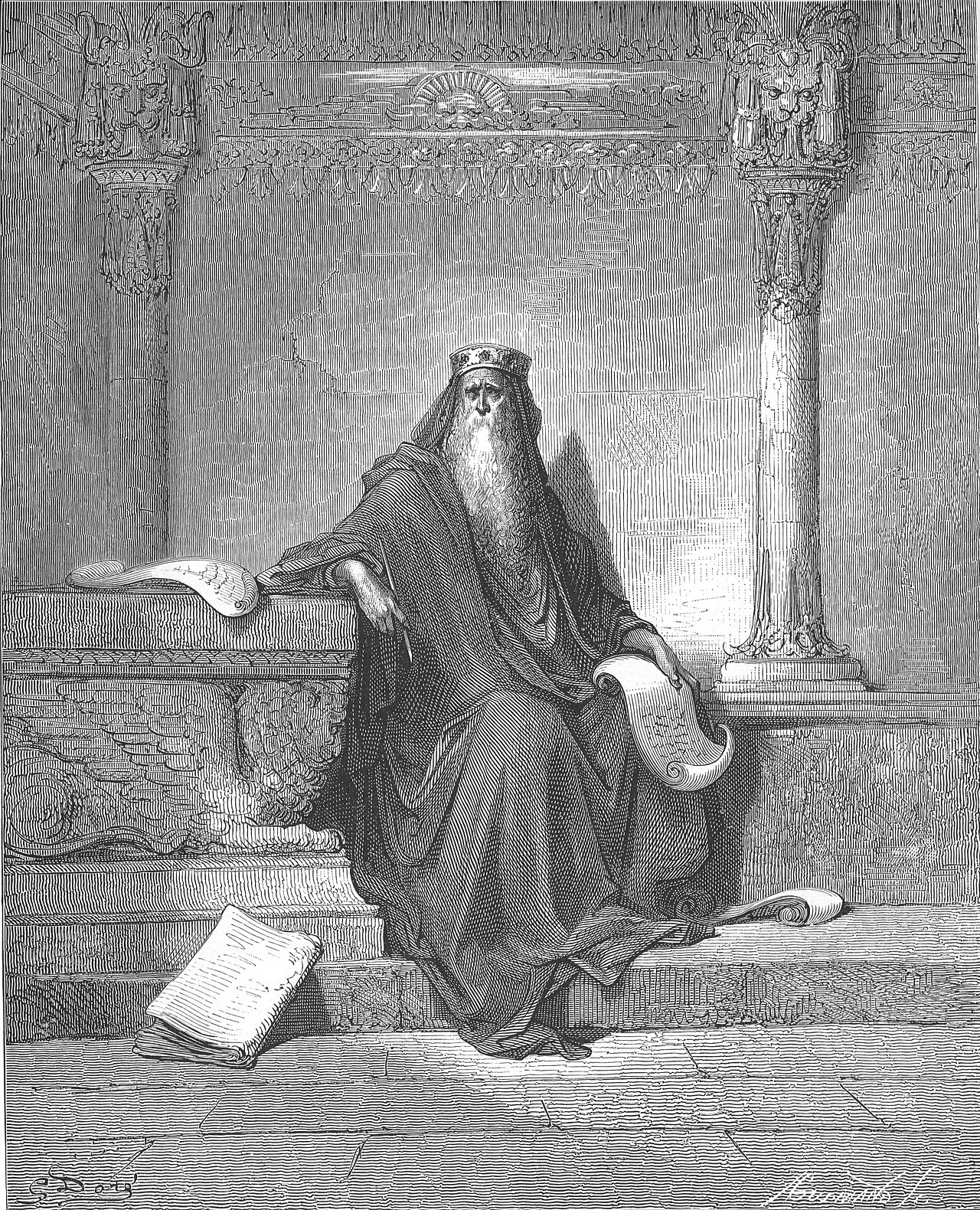
Who and where
3 names in this verse with a page on the site.
- PersonSolomonDavid's son and the third king of Israel; the temple-builder and wisdom-king, to whom Psalms 72 and 127 are ascribed.
- PlaceTransjordanMoabThe high country east of the Dead Sea, home of Lot's descendants, where Balak hired Balaam, where Ruth was born, and where Moses l…
- PlaceJerusalemJerusalemThe city David took from the Jebusites and made his capital, where Solomon built the temple, where Christ was crucified and rose,…
This page draws on 9 works. Open the list of works
This page draws on Adam Clarke, Commentary on the Bible; Albert Barnes, Notes, Explanatory and Practical, on the Old and New Testaments (1832-1869); Augustine of Hippo, EXPOSITIONS OF THE PSALMS 127.1; F. W. Farrar, The First Book of Kings (Expositor's Bible); Jamieson, Fausset & Brown, Commentary Critical and Explanatory on the Whole Bible; John Gill, Exposition of the Old Testament (1748-1763); John Wesley, Explanatory Notes upon the Old Testament; Keil, The Books of the Kings and Matthew Henry, Commentary on the Whole Bible.