
Proverbs 9 · Value 27 of 41 · Featured Study
Wisdom
Wisdom in Scripture is God's own gift to His people, and the New Testament finds it whole in Christ.
Jesus said that the queen of the South came “to hear the wisdom of Solomon” (Matthew 12:42).
The fear of the LORD is the beginning of wisdom, and knowledge of the Holy One is understanding.
- Anchor text
- Proverbs 9:1 to 18 “Wisdom has built…”
- Its opposite
- Folly, the way of the fool who despises instruction
- Hold in memory
- Proverbs 9:10, James 1:5
Summary
Wisdom in Scripture is skill for living well before God. Proverbs bids its reader get it at any cost. Job, the Psalms and the prophets ground it in God, and the apostles warn against a wisdom that leaves Him out. Paul finds the wisdom of God in the message of the cross, which the world counted foolish.
- God made the earth and the heavens with wisdom and hands it on to those who ask Him.
- Wisdom starts with reverence for the LORD and shows itself in hearing God's words and doing them.
- The Hebrew words for prudence can also mean cunning, so the same word may name sound judgment or a schemer's trick.
- Solomon received wisdom from God beyond any king and still turned his heart after other gods in his old age.
What Wisdom Is
Two Hebrew words and two Greek words carry wisdom and prudence through the canon.
Wisdom is one of the values Scripture asks of every believer, and it runs from the law of Moses to the letters of the apostles. The Old Testament's wisdom books teach it as skill for daily life, and the New Testament finds it in a crucified Messiah. This study of wisdom asks what Scripture means by the word, where wisdom comes from and how God's people are to gain it. It gives the words, the key texts, the ground of wisdom in God, Christ and wisdom, the people who held it, its practice and its opposite. It ends with the stories, the voices and the questions on which readers disagree.
Chokmah, skill and wisdom
153 uses in the canon
The Hebrew noun chokmah (H2451) is the Old Testament's chief word for wisdom. God says that He has “filled with a spirit of wisdom” the skilled craftsmen who made the priest's garments.
'Ormah, prudence and cunning
5 uses in the canon
The Hebrew noun 'ormah (H6195) cuts both ways, and Strong's dictionary defines it as trickery or, in a good sense, discretion. Wisdom claims it in Proverbs: “I, wisdom, dwell together with prudence.”
Sophia, wisdom
51 uses in the canon
The Greek noun sophia (G4678) covers wisdom “higher or lower, worldly or spiritual”, and 1 Corinthians uses it more than any other book. Paul closes his chapters on Israel with it: “O, the depth of the riches of the wisdom and knowledge of God!”
Phronimos, prudent and shrewd
14 uses in the canon
The Greek adjective phronimos (G5429) names practical good sense. Jesus used it of the wise builder and of the disciples He sent out: “be as shrewd as snakes and as innocent as doves.”
The lexicon in full1 table or figure, 1 paragraph
Proverbs, Ecclesiastes and Job hold most of the verses with chokmah, and sophia is spread across twelve books of the New Testament.
| Book | Verses |
|---|---|
| Chokmah (H2451) in the Hebrew Bible | |
| Proverbs | 41 |
| Ecclesiastes | 25 |
| Job | 18 |
| 1 Kings | 14 |
| 2 Chronicles | 9 |
| Exodus | 8 |
| Psalms | 7 |
| Isaiah | 5 |
| Jeremiah | 5 |
| Ezekiel | 5 |
| Daniel | 3 |
| Deuteronomy | 2 |
| 2 Samuel | 2 |
| 1 Chronicles | 1 |
| Sophia (G4678) in the New Testament | |
| 1 Corinthians | 15 |
| Luke | 6 |
| Colossians | 6 |
| Acts | 4 |
| James | 4 |
| Revelation | 4 |
| Matthew | 3 |
| Ephesians | 3 |
| Mark | 1 |
| Romans | 1 |
| 2 Corinthians | 1 |
| 2 Peter | 1 |
Exodus, Psalms, Isaiah, Jeremiah, Ezekiel, Daniel, Deuteronomy, 2 Samuel and 14 more
Scripture often sets wisdom beside understanding and knowledge in one verse, as in the saying “By wisdom a house is built and by understanding it is established” (Proverbs 24:3).
Chokmah, skill and wisdom, 'Ormah, prudence and cunning, Sophia, wisdom, Phronimos, prudent and shrewd, Bars from zero for 26 books in two groups, 14 for chokmah and 12 for sophia. Each bar counts the verses of that book in which the word stands., The Words Chokmah and Sophia, the study in brief, a paragraph
The Key Texts of Wisdom
Job, Proverbs, Ecclesiastes, the prophets and Paul each say where wisdom is found and what it is worth.
Wisdom
And He said to man, ‘Behold, the fear of the Lord, that is wisdom, and to turn away from evil is understanding.’”
Job's poem on the search for wisdom ends with God's own answer to where it is found.
Job 28:28BSB
Wisdom
Wisdom is supreme; so acquire wisdom. And whatever you may acquire, gain understanding.
The father of Proverbs ranks wisdom above every other thing his son can acquire.
Proverbs 4:7BSB
Wisdom
For wisdom, like money, is a shelter, and the advantage of knowledge is that wisdom preserves the life of its owner.
The Teacher weighs wisdom against money and finds that wisdom alone preserves its owner's life.
Prophets
The Spirit of the LORD will rest on Him—the Spirit of wisdom and understanding, the Spirit of counsel and strength, the Spirit of knowledge and fear of the LORD.
Isaiah names wisdom first among the gifts of the Spirit that will rest on the shoot from the stump of Jesse.
Isaiah 11:2BSB
Prophets
This is what the LORD says: “Let not the wise man boast in his wisdom, nor the strong man in his strength, nor the wealthy man in his riches. But let him who boasts boast in this, that he understands and knows Me, that I am the LORD, who exercises loving devotion, justice and righteousness on the earth—for I delight in these things,” declares the LORD.
Jeremiah forbids boasting in wisdom and sets the knowledge of the LORD in its place.
Epistles
Pay careful attention, then, to how you walk, not as unwise but as wise, redeeming the time, because the days are evil.
Paul makes wisdom a way of walking that uses the time well because the days are evil.
Epistles
Let the word of Christ richly dwell within you as you teach and admonish one another with all wisdom, and as you sing psalms, hymns, and spiritual songs with gratitude in your hearts to God.
Paul joins wisdom to the word of Christ dwelling in the church and to the songs it sings.
Proverbs 4:7, Ecclesiastes 7:12, Isaiah 11:2, Jeremiah 9:23 to 24, Ephesians 5:15 to 16, Colossians 3:16
Wisdom Belongs to God
Job, Daniel, Proverbs and the Psalms name God as the owner, the maker and the giver of wisdom.
Wisdom and strength belong to God; counsel and understanding are His.Job sets wisdom among the things that belong to God before any man can claim it.
For the LORD gives wisdom; from His mouth come knowledge and understanding.Proverbs names the LORD's mouth as the source of wisdom, knowledge and understanding for His people.
Daniel blessed God in Babylon with the same claim as Job, “for wisdom and power belong to Him” (Daniel 2:20).
Proverbs and the Psalms place wisdom at the founding of the world. “The LORD founded the earth by wisdom and established the heavens by understanding” (Proverbs 3:19), and the psalmist sang, “In wisdom You have made them all” (Psalm 104:24).
The study of the fear of the LORD follows that theme through Job, the Psalms, Proverbs, Ecclesiastes, Isaiah and Acts.
Christ and Wisdom
Jesus grew in wisdom, taught it in His parables and is named by Paul the wisdom of God in the cross.
He grew in wisdomLuke 2
Luke says of the boy at Nazareth, “He was filled with wisdom, and the grace of God was upon Him” (Luke 2:40). Years later the people of His hometown asked where He got “such wisdom and miraculous powers” (Matthew 13:54).
And Jesus grew in wisdom and stature, and in favor with God and man.
Luke 2:52BSB Luke sets this growth after the boy's questions in the temple, so Jesus' wisdom grew as He grew.
Read the page on Jesus 33 sections, 35 verses set out
He taught the wise builderMatthew 7
Jesus closed the Sermon on the Mount with two builders and two foundations. The foolish man of the parable hears the same words and builds on sand (Matthew 7:26).
Therefore everyone who hears these words of Mine and acts on them is like a wise man who built his house on the rock.
Matthew 7:24BSB Jesus defines the wise man by what he does with the words he has heard.
He is the wisdom of God in the cross1 Corinthians 1
Paul writes that “the world through its wisdom did not know Him”, and that God was pleased “through the foolishness of what was preached to save those who believe” (1 Corinthians 1:21).
but to those who are called, both Jews and Greeks, Christ the power of God and the wisdom of God.
1 Corinthians 1:24BSB The called among Jews and Greeks are the ones for whom the message of the cross shows God's power and wisdom.
He became wisdom for His peopleColossians 2
Paul writes that Christ “has become for us wisdom from God: our righteousness, holiness, and redemption” (1 Corinthians 1:30).
in whom are hidden all the treasures of wisdom and knowledge.
Colossians 2:3BSB Paul places every treasure of wisdom and knowledge in Christ for a church offered a hidden wisdom of men's making.
Read the study of Wisdom and Knowledge 9 sections, 9 verses set out
He taught the wise builder (Matthew 7), He is the wisdom of God in the cross (1 Corinthians 1), He became wisdom for His people (Colossians 2)
1 Corinthians 1:24, Colossians 2:3
Who Held Wisdom
Six people of the Bible are called wise for their counsel, their craft, their rule, their learning and their speech.
After he read Pharaoh's dreams and counselled him, Pharaoh said, “there is no one as discerning and wise as you.”
Genesis 41:39The LORD filled him “with the Spirit of God, with skill, ability, and knowledge in all kinds of craftsmanship.”
Exodus 31:3He “was filled with the spirit of wisdom because Moses had laid his hands on him,” and Israel obeyed him.
Deuteronomy 34:9The wise woman of Abel
She “went to all the people with her wise counsel,” and Joab's army left her city in peace.
2 Samuel 20:22God gave him and his three friends “knowledge and understanding in every kind of literature and wisdom.”
Daniel 1:17
Joshua, The wise woman of Abel, Daniel, Stephen
The Practice of Wisdom
Scripture names eight practices of wisdom, each in the words of the verse that gives it.
- 1Follow His precepts“all who follow His precepts gain rich understanding.”Psalm 111:10
- 2Ask God for it“asking God to fill you with the knowledge of His will in all spiritual wisdom and understanding”Colossians 1:9
- 3Keep His commands“Observe them carefully, for this will show your wisdom and understanding in the sight of the peoples”Deuteronomy 4:6
- 4Seek counsel“Plans fail for lack of counsel, but with many advisers they succeed.”Proverbs 15:22
- 5Keep wise company“He who walks with the wise will become wise, but the companion of fools will be destroyed.”Proverbs 13:20
- 6Number your days“So teach us to number our days, that we may present a heart of wisdom.”Psalm 90:12
- 7Fit the answer to the fool“Do not answer a fool according to his folly, or you yourself will be like him. Answer a fool according to his folly, lest he become wise in his own eyes.”Proverbs 26:4 to 5
- 8Act wisely toward outsiders“Act wisely toward outsiders, redeeming the time.”Colossians 4:5
Ask God for it, Keep His commands, Seek counsel, Keep wise company, Number your days, Fit the answer to the fool, Act wisely toward outsiders
The two sayings on answering a fool give opposite counsel side by side, so Proverbs itself asks its reader to judge which one fits the moment. John Wesley wrote of the saying on training a child (Proverbs 22:6) that “it generally, although not always, meets with the desired success” (Sermon 95, On the Education of Children).
What Stands Against Wisdom
Scripture sets folly against wisdom and warns of a wisdom that leaves God out.
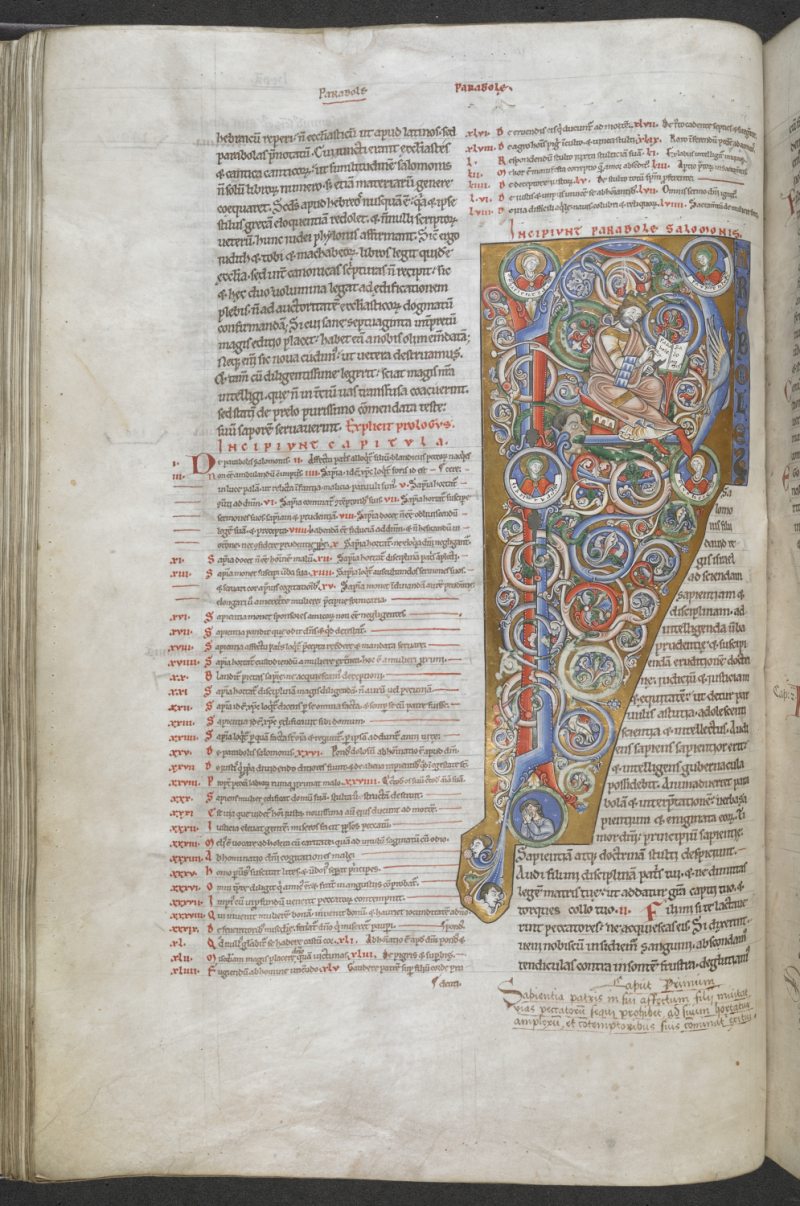
Proverbs pictures two women calling to the simple. Its ninth chapter opens, “Wisdom has built her house; she has carved out her seven pillars” (Proverbs 9:1). Across the way, “The woman named Folly is loud; she is naive and knows nothing” (Proverbs 9:13).
The fool trusts his own judgment, for “The way of a fool is right in his own eyes, but a wise man listens to counsel” (Proverbs 12:15). Paul warns that “the wisdom of this world is foolishness in God’s sight” (1 Corinthians 3:19).
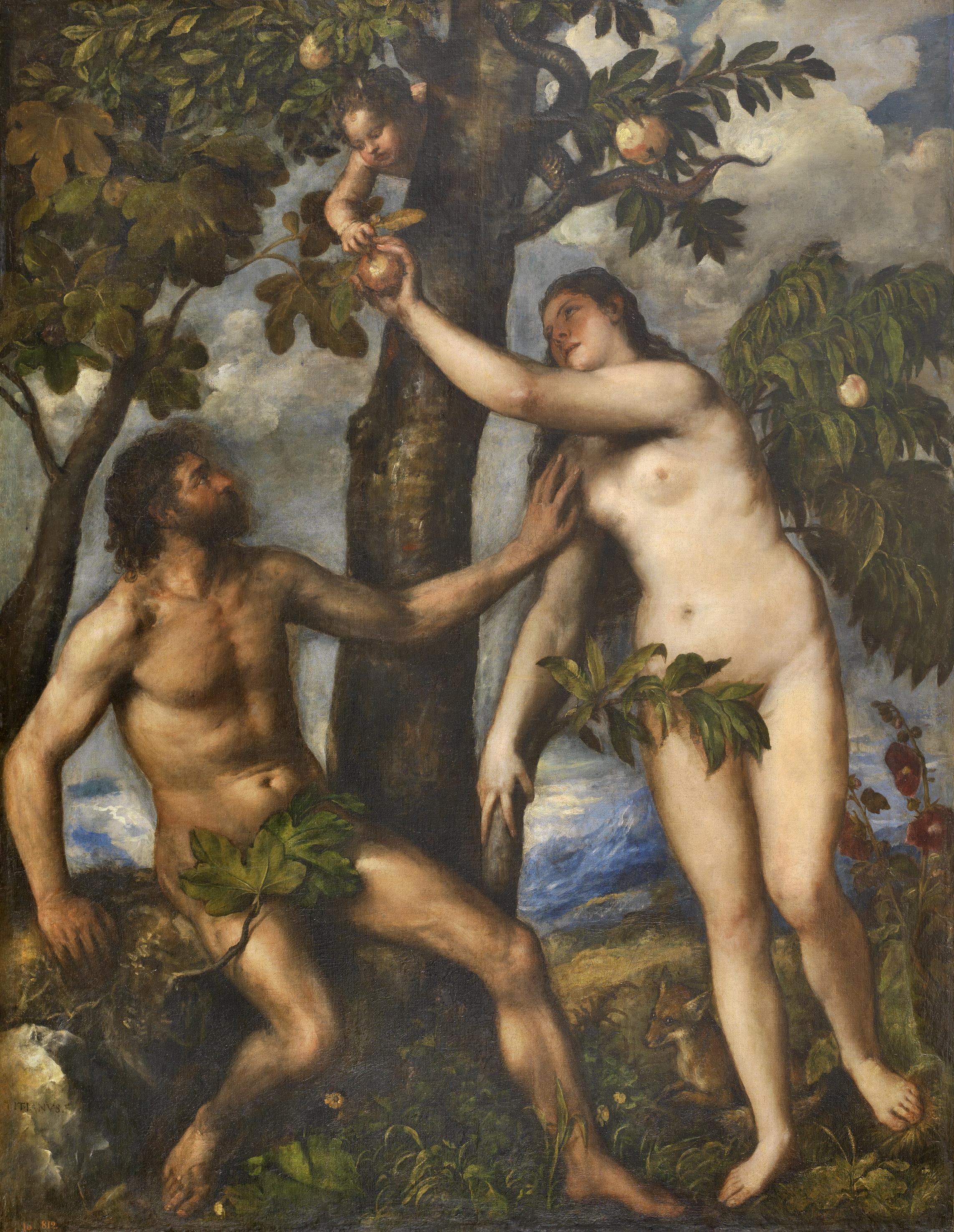
Wisdom can also be counterfeited. The serpent of Eden was “more crafty than any beast of the field” (Genesis 3:1), and the woman saw that the tree “was desirable for obtaining wisdom” (Genesis 3:6).
The fool says in his heart, “There is no God.” They are corrupt; their acts are vile. There is no one who does good.The psalm places folly in a heart that denies God before it shows in corrupt deeds.
Although they claimed to be wise, they became fools,Paul describes people who claimed wisdom while they turned from God to idols.
Psalm 14:1, Romans 1:22
Wisdom in the Stories of the Bible
Five stories tell of a wife who turned back a raid, a king's request and his first verdict, the same king's fall and his son's folly.
Abigail meets David1 Samuel 25
Nabal scolded the messengers David sent him, and David and about four hundred men strapped on their swords (1 Samuel 25:13). Nabal's wife Abigail, “an intelligent and beautiful woman” (1 Samuel 25:3), loaded bread, wine, meat and fruit on donkeys and went out to meet David on the road (1 Samuel 25:18).
Blessed is your discernment, and blessed are you, because today you kept me from bloodshed and from avenging myself by my own hand.
1 Samuel 25:33BSB David names her discernment as what kept him from shedding blood.
Read the study of Abigail 9 sections, 17 verses set out
Solomon asks at Gibeon1 Kings 3
At Gibeon the LORD appeared to the young king in a dream and bid him ask for what he wished (1 Kings 3:5). Solomon called himself “only a little child, not knowing how to go out or come in” (1 Kings 3:7). In 1 Kings he asks for a heart that listens, and in 2 Chronicles 1:10 for knowledge as well as wisdom. God added riches and honor that he had not asked for.
Therefore give Your servant an understanding heart to judge Your people and to discern between good and evil. For who is able to govern this great people of Yours?”
1 Kings 3:9BSB The request names the work the gift is for, the judging of God's people.
Read the study of Solomon's Request 11 sections, 6 verses set out
The two women and the child1 Kings 3
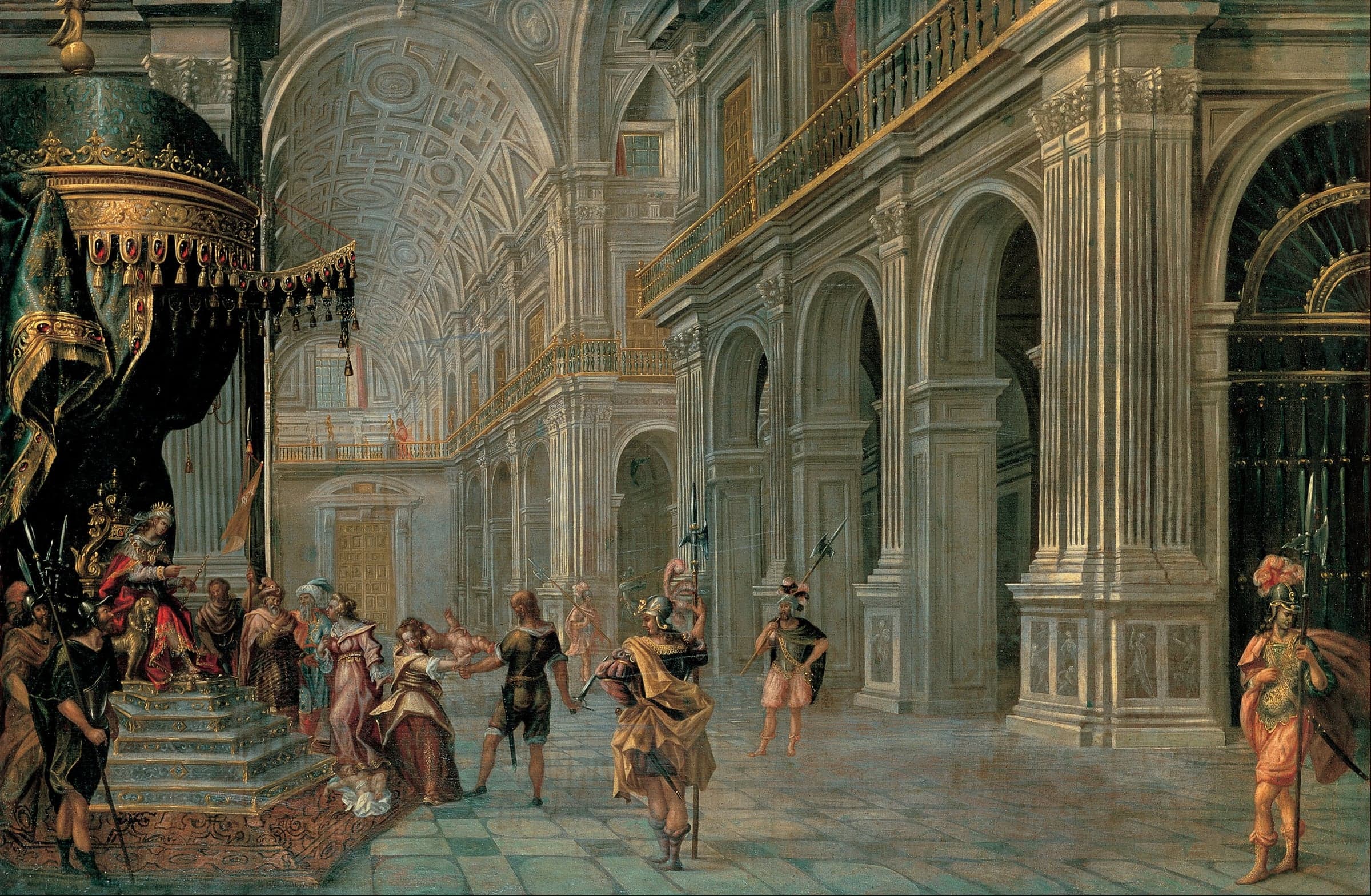
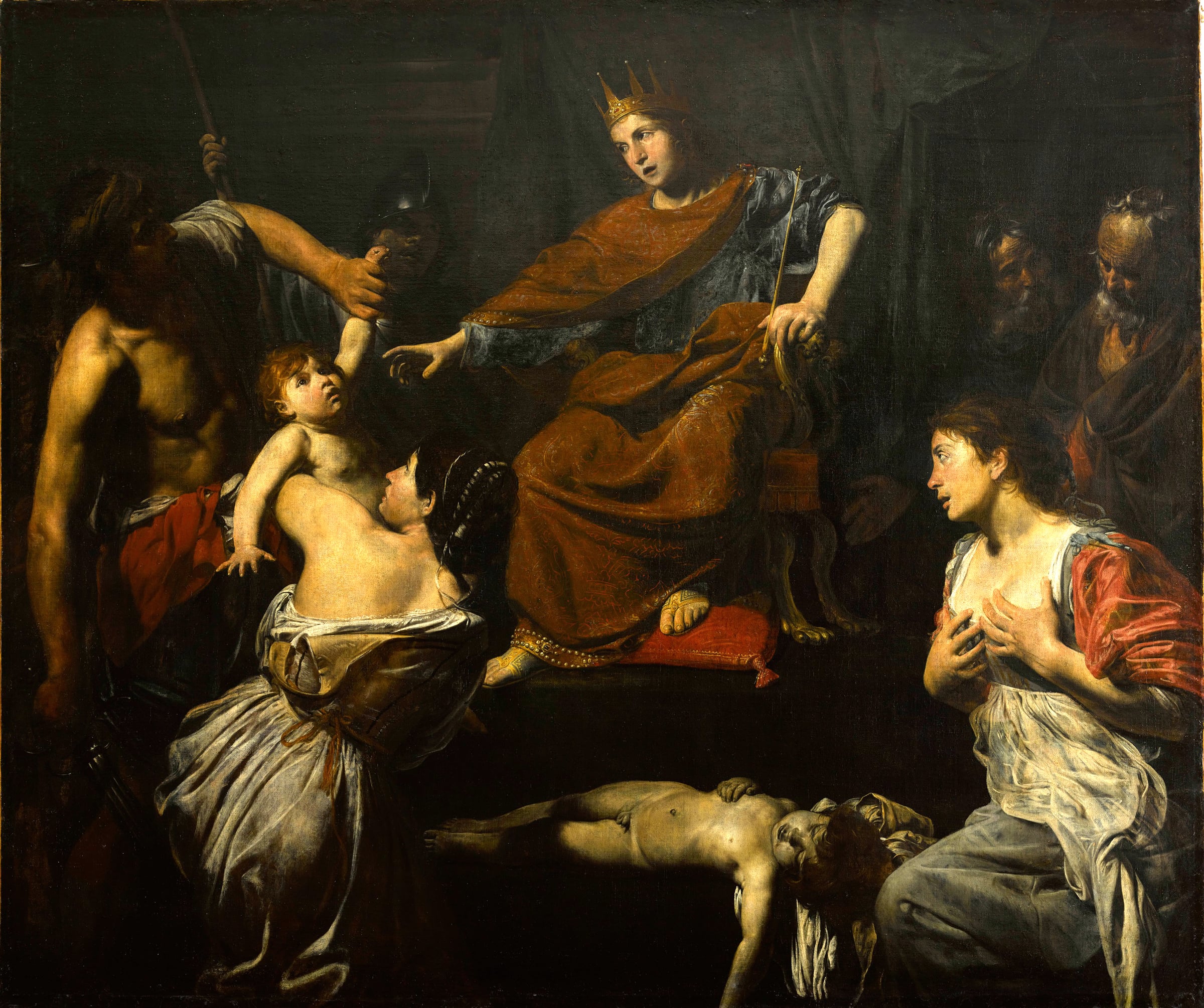
Two women who lived in one house came before the king with one living son between them, and there was no witness besides themselves (1 Kings 3:18). Solomon called for a sword and ordered the living child cut in two. One woman begged him to give the child to the other, and the other agreed to its death, so the king gave the child to the woman who pleaded for its life.
When all Israel heard of the judgment the king had given, they stood in awe of him, for they saw that the wisdom of God was in him to administer justice.
1 Kings 3:28BSB Israel saw in the verdict the gift God had promised the king at Gibeon.
Read the study of the Two Women and the Child 11 sections, 5 verses set out
Solomon's heart turns1 Kings 11
God gave Solomon “wisdom, exceedingly deep insight, and understanding beyond measure” (1 Kings 4:29). The same king “loved many foreign women” (1 Kings 11:1), and the LORD said to him, “I will tear the kingdom away from you” (1 Kings 11:11). Read side by side, the two chapters show that wisdom given does not keep a heart that turns from God.
For when Solomon grew old, his wives turned his heart after other gods, and he was not wholeheartedly devoted to the LORD his God, as his father David had been.
1 Kings 11:4BSB The narrator dates the turning to Solomon's old age and names his wives as its cause.
Read the page on Solomon 14 sections, 35 verses set out
Rehoboam and the elders1 Kings 12
When Israel asked Solomon's son for a lighter yoke, the elders told him that if he served the people and spoke kind words to them, “they will be your servants forever” (1 Kings 12:7). The text adds that “this turn of events was from the LORD” (1 Kings 12:15), and “the Israelites went home” (1 Kings 12:16).
But Rehoboam rejected the advice of the elders; instead, he consulted the young men who had grown up with him and served him.
1 Kings 12:8BSB The narrator sets the counsel of the young men against the counsel of the elders and records the king's choice.
Read the page on Jeroboam I and the Divided Kingdom 14 sections, 32 verses set out
Solomon asks at Gibeon (1 Kings 3), The two women and the child (1 Kings 3), Solomon's heart turns (1 Kings 11), Rehoboam and the elders (1 Kings 12)
1 Kings 3:28, 1 Kings 11:4, 1 Kings 12:8
Wisdom in the Church's History
Three accounts tell of a book that turned Augustine toward God, a night of counsel in the Egyptian desert and a pope's rule for pastors.
Augustine reads the Hortensius4th century
In his nineteenth year Augustine read Cicero's Hortensius, “an exhortation to philosophy”. He wrote in his Confessions (book 3, chapter 4, translated by J. G. Pilkington, 1887) that the book “changed my affections, and turned my prayers to Yourself, O Lord”. He added, “In Greek the love of wisdom is called philosophy, with which that book inflamed me.” In the same chapter he weighed the book against the apostle's warning about philosophy.
Antony on discretion4th century
John Cassian reports in his Conferences (the second, translated by C. S. Gibson, 1894) a night when elders came to Antony in Egypt to ask what keeps a monk from falling. Some named fasting and vigils, others poverty or solitude. Antony answered that strict men had fallen because “discretion alone was wanting”. Abba Moses then told of the old man Heron, who “preferred to be guided by his own judgment” and cast himself down a well.
Gregory's rule for pastors6th century
Gregory the Great opened his Pastoral Rule (translated by James Barmby, 1895) with a warning to men who would lead the church: “What rashness is it, then, for the unskilful to assume pastoral authority, since the government of souls is the art of arts!” In its third book he taught that “one and the same exhortation does not suit all”, so the teacher must shape his word to his hearers.
Antony on discretion (4th century), Gregory's rule for pastors (6th century)
Voices on Wisdom, by Century
Six quotations from the third century to the nineteenth, each under the line it teaches.
died 215 · Clement of Alexandria
The Stromata Book 1
A third-century reading: true philosophy is the teaching that agrees with the Lord.
The quotation1 quotation
“Paul says that the wisdom of God is teaching in conformity with the Lord, which will show that true philosophy is conveyed through the Son.”
Clement of Alexandria · The Stromata Book 1 · on 1 Corinthians 1:21Patristic
died 220 · Tertullian
Against Praxeas
A third-century reading: the phrase except Wisdom means except the Son, who is Christ.
The quotation1 quotation
“In Him, at any rate, and with Him, did (Wisdom) construct the universe, He not being ignorant of what she was making. ‘Except Wisdom,’ however, is a phrase of the same sense exactly as ‘except the Son,’ who is Christ, ‘the Wisdom and Power of God,’ according to the apostle, who only knows the mind of the Father. ‘For who knoweth the things that be in God, except the Spirit which is in Him? ‘ Not, observe, without Him. There was therefore One who caused God to be not alone, except ‘alone’ from all other gods.”
Tertullian · Against Praxeas · on 1 Corinthians 1:24Patristic
died 325 · Lucius Caecilius Firmianus Lactantius
The Divine Institutes Book 4
A fourth-century reading: the philosophers never found wisdom, because God hid it where the world sees only folly.
The quotation1 quotation
“Wherefore, if they were not wise who were so called, nor those of later times, who did not hesitate to confess their want of wisdom, what remains but that wisdom is to be sought elsewhere, since it has not been found where it was sought. But what can we suppose to have been the reason why it was not found, though sought with the greatest earnestness and labour by so many intellects, and during so many ages, unless it be that philosophers sought for it out of their own limits? And since they traversed and explored all parts, but nowhere found any wisdom, and it must of necessity be somewhere, it is evident that it ought especially to be sought there where the title of folly appears; under the covering of which God hides the treasury of wisdom and truth, lest the secret of His divine work should be exposed to view.”
Lucius Caecilius Firmianus Lactantius · The Divine Institutes Book 4 · on 1 Corinthians 1:20Patristic
died 397 · Ambrose of Milan
Exposition of the Gospel of Luke, 7.107
A fourth-century reading: the Wisdom who sends apostles and prophets is Christ.
The quotation1 quotation
“Therefore Wisdom sends apostles and prophets to them. Who is Wisdom if not Christ? Finally, in Matthew you have: Behold, I send you prophets and wise men.”
Ambrose of Milan · Exposition of the Gospel of Luke, 7.107 · on Luke 11:49Patristic
1662 to 1714 · Matthew Henry
Commentary on the Whole Bible
An eighteenth-century reading: men ask where money is found, and the better question is where wisdom is found.
The quotation1 quotation
“This is a question we should all put. While the most of men are asking, ‘Where shall money be found?’ we should ask, Where may wisdom be found? that we may seek it and find it, not vain philosophy, or carnal policy, but true religion; for that is the only true wisdom, that is it which best improves our faculties and best secures our spiritual and eternal welfare.”
Matthew Henry · Commentary on the Whole Bible · on Job 28:12Puritan
1834 to 1892 · Charles Spurgeon
The Treasury of David, Vol. 4
A nineteenth-century reading: a short life should be spent wisely, and only the Lord can teach a man to number his days.
The quotation1 quotation
“So teach us to number our days. Instruct us to set store by time, mourning for that time past wherein we have wrought the will of the flesh, using diligently the time present, which is the accepted hour and the day of salvation, and reckoning the time which lieth in the future to be too uncertain to allow us safely to delay any gracious work or prayer. Numeration is a child's exercise in arithmetic, but in order to number their days aright the best of men need the Lord's teaching. We are more anxious to count the stars than our days, and yet the latter is by far more practical. That we may apply our hearts unto wisdom. Men are led by reflections upon the brevity of time to give their earnest attention to eternal things; they become humble as they look into the grave which is so soon to be their bed, their passions cool in the presence of mortality, and they yield themselves up to the dictates of unerring wisdom; but this is only the case when the Lord himself is the teacher; he alone can teach to real and lasting profit. Thus Moses prayed that the dispensations of justice might be sanctified in mercy. ‘The law is our school master to bring us to Christ’, when the Lord himself speaks by the law. It is most meet that the heart which will so soon cease to beat should while it moves be regulated by wisdom's hand. A short life should be wisely spent. We have not enough time at our disposal to justify us in misspending a single quarter of an hour. Neither are we sure of enough life to justify us in procrastinating for a moment. If we were wise in heart we should see this, but mere head wisdom will not guide us aright.”
Charles Spurgeon · The Treasury of David, Vol. 4 · on Psalm 90:12
Lucius Caecilius Firmianus Lactantius, Ambrose of Milan, Matthew Henry, Charles Spurgeon
How Wisdom Has Been Taught
Justin in the second century, Aquinas in the thirteenth and Calvin in the sixteenth taught where wisdom is found and what it is.
Justin Martyr taught that every true saying belongs to Christ's people.1 paragraph
In his Second Apology (chapter 13, translated by Marcus Dods and George Reith, 1885) Justin Martyr wrote, “Whatever things were rightly said among all men, are the property of us Christians.”
Thomas Aquinas taught that the wise man judges all things by God, the highest cause.1 paragraph
In the Summa Theologiae (second part of the second part, question 45, article 1, English Dominican translation, 1920) Aquinas named God the highest cause. He wrote that the one who knows that cause “is said to be wise simply, because he is able to judge and set in order all things according to Divine rules”. In question 47 he called prudence “wisdom about human affairs” and, after Aristotle, named the prudent man “one who is capable of taking good counsel”.
John Calvin taught that wisdom has two parts, knowing God and knowing oneself.1 paragraph
Calvin opened the Institutes of the Christian Religion (book 1, chapter 1) with a sentence on wisdom. “Our wisdom, in so far as it ought to be deemed true and solid Wisdom, consists almost entirely of two parts: the knowledge of God and of ourselves.”
Where the Science Speaks
Psychologists measure a narrower wisdom than Scripture's, and their work stands beside it as corroboration only.
Paul Baltes and Ursula Staudinger (2000) defined wisdom for their measures as “an expert knowledge system concerning the fundamental pragmatics of life”. Monika Ardelt (2003) built a wisdom scale from interviews with 180 older adults.
The Studies of Wisdom
Each study takes one part of wisdom into more depth.
The texts
1 study
- Passages and psalms · 6 verses set outIf Any of You Lacks Wisdom
In the opening paragraph of his letter James promises wisdom from God to readers under testing and warns against a divided mind.
- Passages and psalms · 6 verses set outIf Any of You Lacks Wisdom
The stories
2 studies
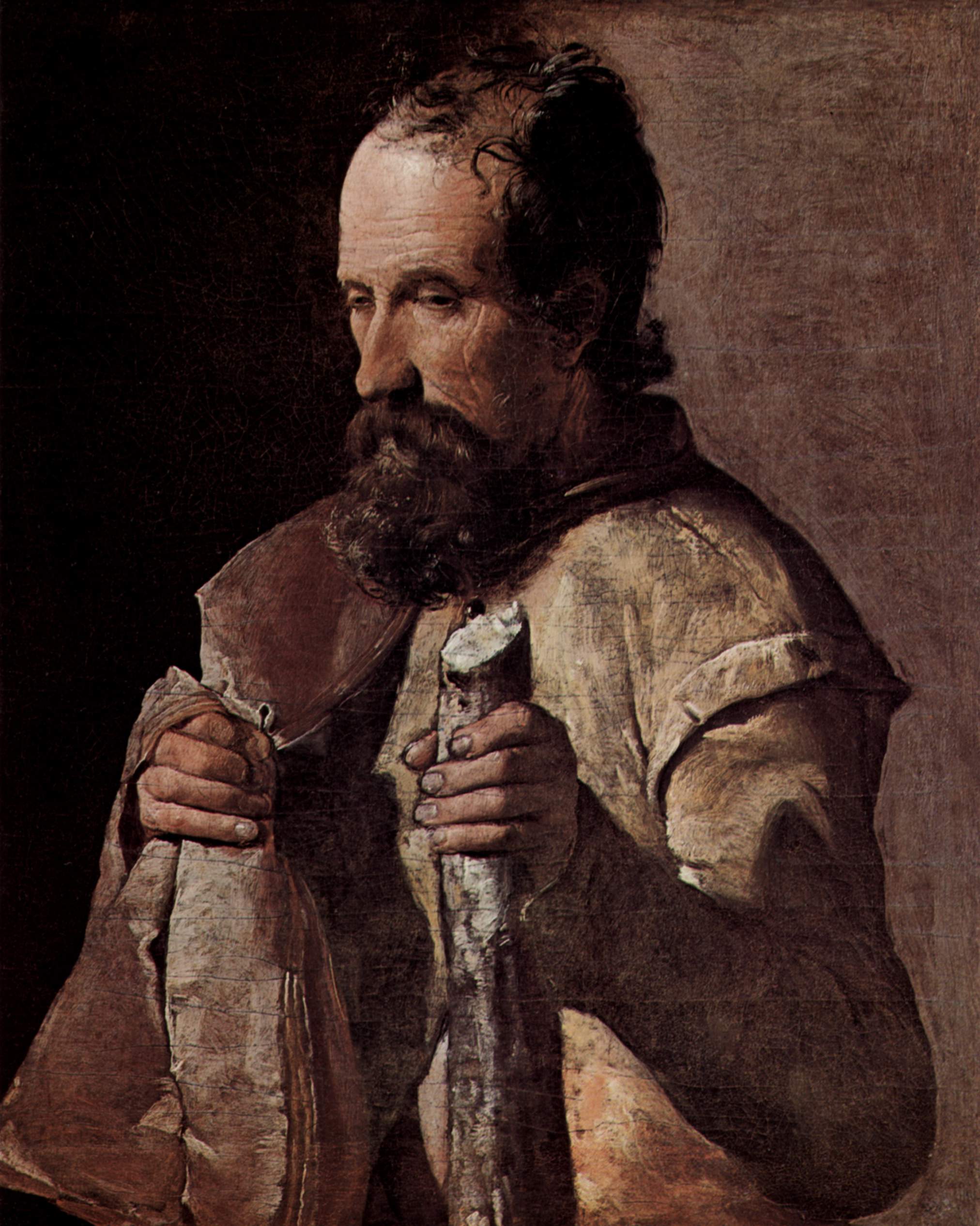
- Stories · 6 verses set outSolomon's Request
At Gibeon the LORD appeared to King Solomon in a dream, and Solomon asked Him for an understanding heart to judge His people.
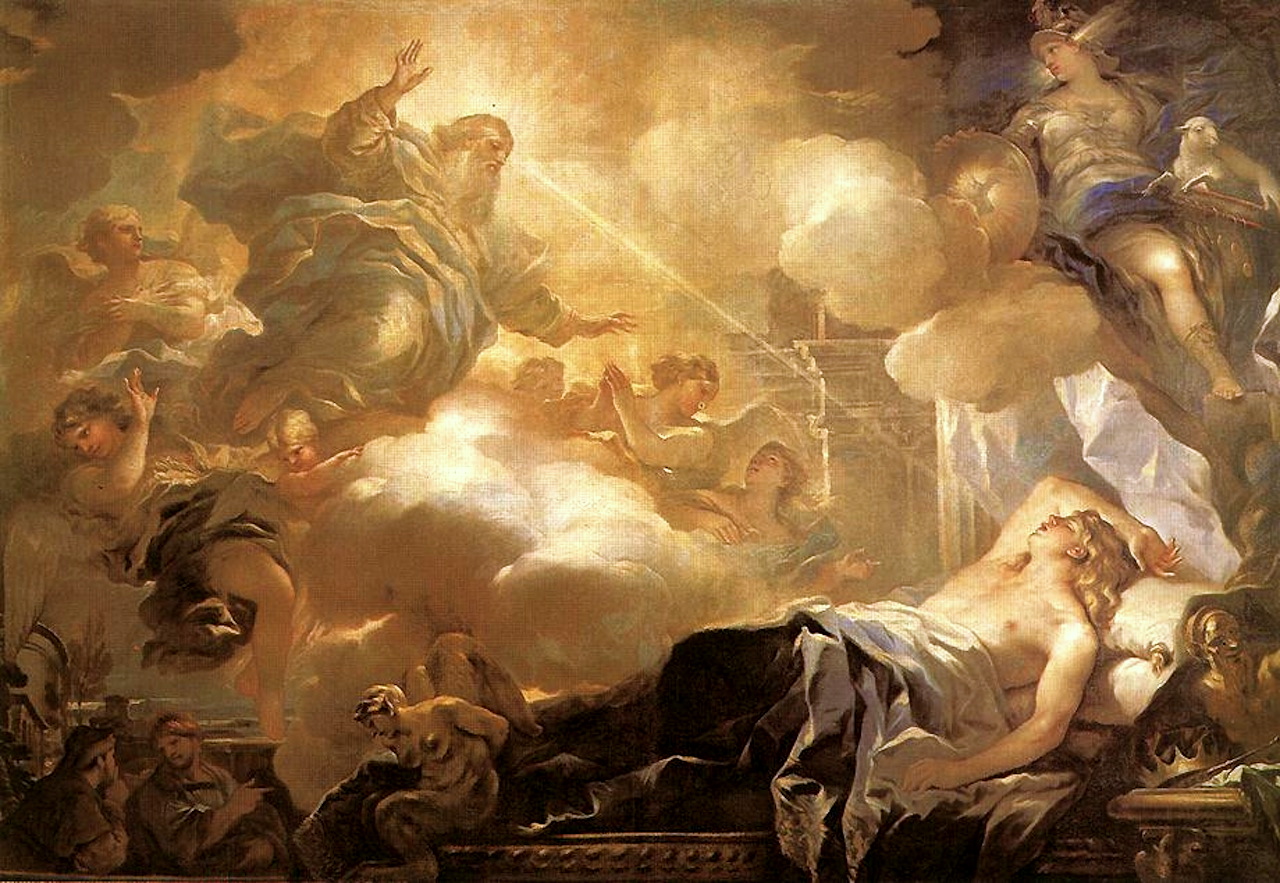
- Stories · 5 verses set outThe Two Women and the Child
Two women claimed one living baby before Solomon, and his ruling showed Israel the wisdom of God in him.
- Stories · 6 verses set outSolomon's Request
The words
2 studies
- Doctrines · 9 verses set outWisdom and Knowledge
Scripture pairs wisdom with knowledge from Bezalel's craft in Exodus to the letters of Paul.
- Symbols and words · 12 verses set outThe Words Chokmah and Sophia
The Bible's words for wisdom reach from the tailors of the tabernacle to Paul's praise of the depth of God's riches.
- Doctrines · 9 verses set outWisdom and Knowledge
Solomon's Request, The Two Women and the Child, Wisdom and Knowledge, The Words Chokmah and Sophia
Where Readers Disagree
Eight readings answer three questions, each with its holders, the work that argues it and the objection raised against it.
Whether Wisdom in Proverbs 8 is the Son of God
Read the study of Christ Our Wisdom
| Reading | Held by | Work | Objection |
|---|---|---|---|
| Wisdom is the Son, begotten before all creatures | Justin Martyr; Tertullian (Apologists of the second and third centuries) | Justin Martyr, Dialogue with Trypho 61 (translated by Dods and Reith, 1885); Tertullian, Against Praxeas | Proverbs 8:22 reads “The LORD created me as His first course”, and the Arians drew from it that the Son is a creature. |
| Wisdom is the Son, and the word created in Proverbs 8:22 is said of His manhood | Athanasius of Alexandria (Nicene) | Athanasius, Discourses against the Arians 2.20.51 (translated by Newman and Robertson, 1892) | Proverbs 8:30 sets Wisdom “a skilled craftsman at His side” in the making of the world, a scene before any incarnation. |
| The chapter pictures God's own wisdom as a person, and the New Testament shows Christ to be that Wisdom | Jamieson, Fausset and Brown (Scottish Presbyterian commentary) | Jamieson, Fausset and Brown, Commentary Critical and Explanatory on the Whole Bible (1871), on Job 28:12 | Paul names Christ the wisdom of God without any qualification (1 Corinthians 1:24). |
Wisdom is the Son, and the word created in Proverbs 8:22 is said of His manhood, The chapter pictures God's own wisdom as a person, and the New Testament shows Christ to be that Wisdom
Who wrote Proverbs and Ecclesiastes
Read the page Wisdom and the Poets
| Reading | Held by | Work | Objection |
|---|---|---|---|
| Solomon wrote Ecclesiastes, as Jewish and Christian tradition holds | A. C. Gaebelein (Protestant commentary) | Gaebelein, The Annotated Bible, introduction to Ecclesiastes | The Hebrew of Ecclesiastes carries late words and Aramaisms, among them the Persian loanwords pardes and pitgam. |
| Later hands wrote the books down | The rabbis of the Babylonian Talmud (Rabbinic) | Babylonian Talmud, Bava Batra 15a, which credits Hezekiah and his colleagues with writing Proverbs and Ecclesiastes | 1 Kings 4:32 says that Solomon “composed three thousand proverbs”, and the headings of Proverbs name him (Proverbs 1:1 and Proverbs 25:1). |
What Paul's wisdom of the world says of human learning
Read the study of Wisdom and Knowledge 9 sections, 9 verses set out
| Reading | Held by | Work | Objection |
|---|---|---|---|
| The gospel stands apart from the philosophers' schools | Tertullian (North African) | Tertullian, The Prescription against Heretics 7 (translated by Peter Holmes, 1885) | Paul quoted the Greek poets to the Athenians (Acts 17:28). |
| Whatever is true belongs to Christ's people | Justin Martyr; Augustine of Hippo (Patristic) | Justin Martyr, Second Apology 13 (1885); Augustine, On Christian Doctrine 2.40.60 (translated by James Shaw, 1887) | Paul warns against being taken captive “through philosophy and empty deception” (Colossians 2:8). |
| Paul's target is the wisdom that worldly men esteem when it is set against God's | Matthew Henry (English Presbyterian) | Henry, Commentary on the Whole Bible (1710), on 1 Corinthians 3:19 | Paul names the philosopher among the wise whom God has made foolish (1 Corinthians 1:20). |
Whatever is true belongs to Christ's people, Paul's target is the wisdom that worldly men esteem when it is set against God's
Sources
Scripture is the Berean Standard Bible.
- STEP Bible, Translators Brief lexicon of Extended Strongs for Hebrew and for Greek (Tyndale House, Cambridge), CC BY 4.0, with the Strong's definitions (1890) the rows carry.
- STEP Bible, Translators Amalgamated Hebrew Old Testament and Greek New Testament, the tagged texts (Tyndale House, Cambridge), CC BY 4.0.
- Augustine of Hippo, Confessions, book 3, chapter 4, translated by J. G. Pilkington, NPNF 1.1 (1887)
- Augustine of Hippo, On Christian Doctrine, book 2, chapter 40, section 60, translated by James Shaw, NPNF 1.2 (1887)
- John Cassian, Conferences, the second conference of Abbot Moses, chapters 2, 4 and 5, translated by C. S. Gibson, NPNF 2.11 (1894)
- Gregory the Great, Pastoral Rule, book 1, chapter 1, and book 3, prologue, translated by James Barmby, NPNF 2.12 (1895)
- Justin Martyr, Second Apology, chapter 13, and Dialogue with Trypho, chapter 61, translated by Marcus Dods and George Reith, ANF 1 (1885)
- Tertullian, The Prescription against Heretics, chapter 7, translated by Peter Holmes, ANF 3 (1885)
- Athanasius, Discourses against the Arians, book 2, chapter 20, section 51, translated by John Henry Newman and Archibald Robertson, NPNF 2.4 (1892)
- Thomas Aquinas, Summa Theologiae, II-II question 45, article 1, and question 47, article 2, English Dominican translation, second and revised edition (1920)
- John Calvin, Institutes of the Christian Religion, book 1, chapter 1, section 1 (the CCEL English edition; its translator is not printed on the page read)
- John Wesley, Sermon 95, On the Education of Children.
- A. C. Gaebelein, The Annotated Bible, introduction to Ecclesiastes (the volume's year was not opened)
- Babylonian Talmud, Bava Batra 15a, William Davidson English edition (Sefaria, CC BY-NC), cited and not quoted.
- Paul B. Baltes and Ursula M. Staudinger, Wisdom: a metaheuristic (pragmatic) to orchestrate mind and virtue toward excellence, American Psychologist 55, no. 1 (2000): 122 to 136.
- Monika Ardelt, Empirical assessment of a three-dimensional wisdom scale, Research on Aging 25, no. 3 (2003): 275 to 324.
- Tertullian, Against Praxeas, on 1 Corinthians 1:24 (Ante-Nicene Fathers, volume 3)
- Clement of Alexandria, The Stromata, book 1, on 1 Corinthians 1:21 (Ante-Nicene Fathers, volume 2)
- Lactantius, The Divine Institutes, book 4, on 1 Corinthians 1:20 (Ante-Nicene Fathers, volume 7)
- Ambrose of Milan, Exposition of the Gospel of Luke 7.107, on Luke 11:49.
- Matthew Henry, Commentary on the Whole Bible (1710), on Job 28:12 and on 1 Corinthians 3:19.
- Charles Spurgeon, The Treasury of David, volume 4 (1874), on Psalm 90:12.
- Robert Jamieson, A. R. Fausset and David Brown, Commentary Critical and Explanatory on the Whole Bible (1871), on Job 28:12.
Keep Studying
Studies10
In this value5
People and groups27
Show the next 6 titles
Show the next 6 titles
Doctrines4