
mannafest.faith
Psalms

Psalm 1

6 verses · BSB130 cross-references outward · 171 inwardPsalms book hub →

Speaks with:Psalms 119×2Psalms 26×1Proverbs 4×1Proverbs 13×1Joshua 1×1Jeremiah 17×1

Chapter summary

The gate of the Psalter: two ways and two ends.

Read the rest, the context and the outline

The gate of the Psalter: two ways and two ends. The blessed man walks not, stands not, sits not with the wicked; his delight is Jehovah's law, meditated day and night — a tree planted by streams of water, fruitful and unwithering. The wicked are not so: chaff which the wind driveth away, unable to stand in the judgment. Jehovah knoweth the way of the righteous; the way of the wicked shall perish.

Drawn from Jamieson, Fausset & Brown, Commentary Critical and Explanatory, Matthew Henry, Complete Commentary, John Wesley, Notes on the Old Testament and John Calvin, Commentaries.

Context

Poetry · David, Asaph, Sons of Korah, othersPsalms overview

Words in this chapter

Connections from this chapter

Bookends: the same words open and close1

The Psalter is framed on purpose. It opens with the wisdom portal of Psalms 1–2 — the two ways, and the enthroned Son — and closes with five straight hallelujah psalms (146–150) ending “let every thing that hath breath praise the LORD.” Torah at the door, praise at the end.

Psalms 150:6

Let everything that has breath praise the LORD! Hallelujah!

Wilson, The Editing of the Hebrew Psalter (1985) / 'Shape of the Book of Psalms' (1992); critique: Whybray, Reading the Psalms as a Book (1996)

Where scholars push back(1)

Psalms 150:6. Whybray (Reading the Psalms as a Book, 1996) argues the editorial shaping Wilson proposed is lighter than claimed and that the collection grew more loosely than a single designed frame.

The world behind this chapter

Psalms 1
When
Date unstated; placed as the doorway of Israel's songbook · Author and date unstated; the psalm was set first in the collection, likely when the Psalter was arranged after the exile
Where
The farmland and irrigation channels of Judah, and the seat of judgment at the city gate
Who first heard it
Israelites learning, from the first page, which of two roads a life can take

The history

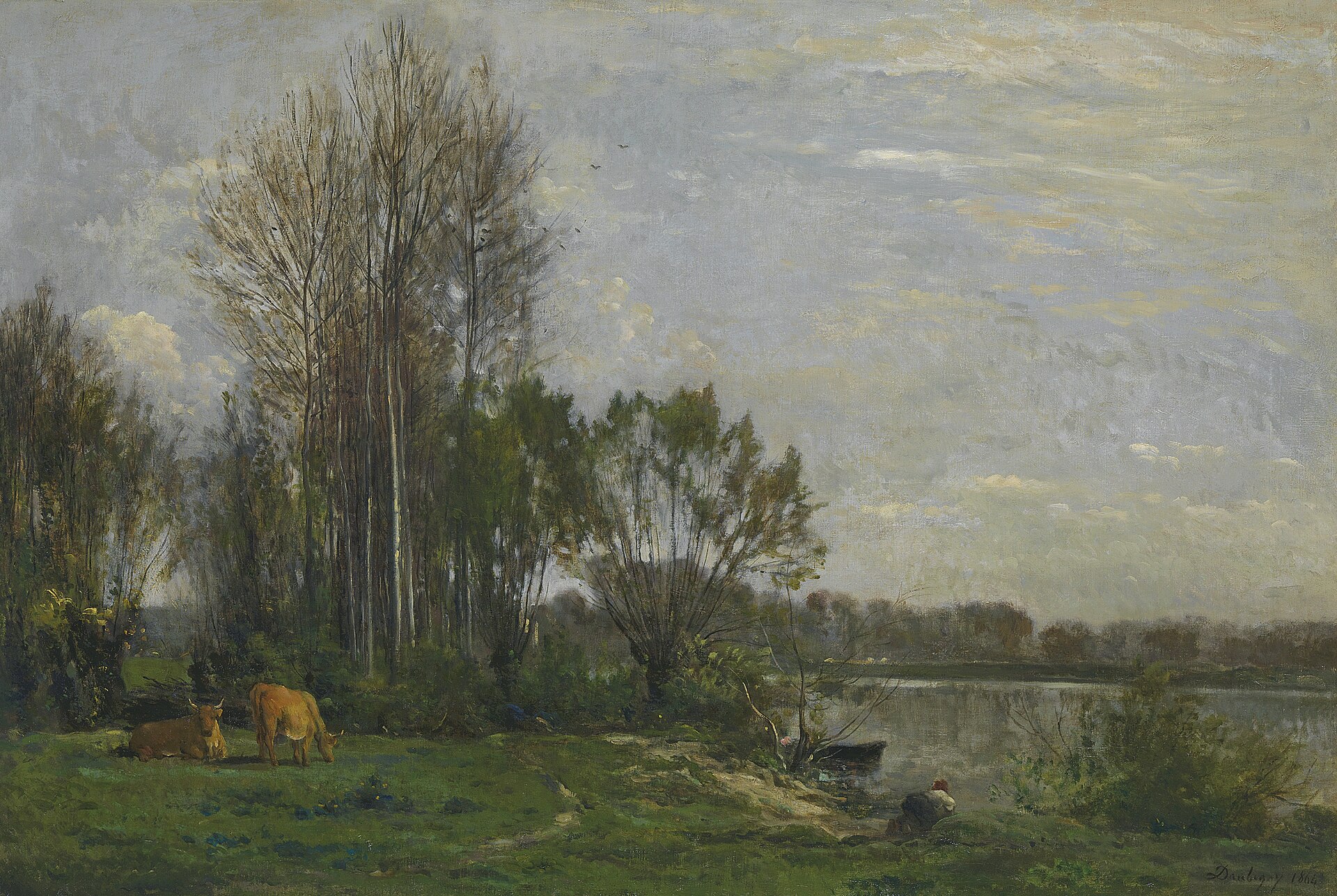
The tree in this psalm is not a wild one. It is planted beside channels of water — hand-dug ditches that carried water from a spring or stream out to an orchard. In a land where the rain falls only part of the year and the summer burns everything dry, a tree with its roots in a channel is a tree that does not care what the weather does. That is the whole picture: not a tree that gets lucky, but a tree put where the water is.

The chaff comes from the other end of the farming year. Grain was beaten out on a flat, hard threshing floor, usually on a rise where the wind could reach it. The farmer tossed the crushed heads into the air with a fork; the heavy kernels dropped straight down, and the light husks blew off the edge of the floor. Chaff was worthless — it did not even make good fodder. It was simply gone.

The last verse pictures a courtroom. Israel's judging was done in the open gateway of a walled town, where the elders sat on stone benches built into the passage and travelers, buyers, and witnesses all funneled past. To say the wicked "shall not stand in the judgment" is to say they will not survive the hearing at the gate.

The word rendered "meditate" describes a low murmur — the sound of a person reading half aloud to himself. Scrolls were scarce and expensive, so learning meant hearing, repeating, and muttering the words until they lived in memory.

What it meant to them

An Israelite opening this collection was told before a single prayer began that the songs ahead belong to a road, and there are only two. One life is rooted where the water runs; the other is husk waiting for wind.

It also quietly reframes what happiness is. The blessed man is not the one with the best harvest but the one whose delight is the Lord's instruction — a claim that landed on people who lived and died by the harvest.

Sources cited

  • Charles H. Spurgeon, The Treasury of David on Psalm 1
  • John H. Walton, Victor H. Matthews & Mark W. Chavalas, The IVP Bible Background Commentary: Old Testament

Every work MannaFest builds on →