
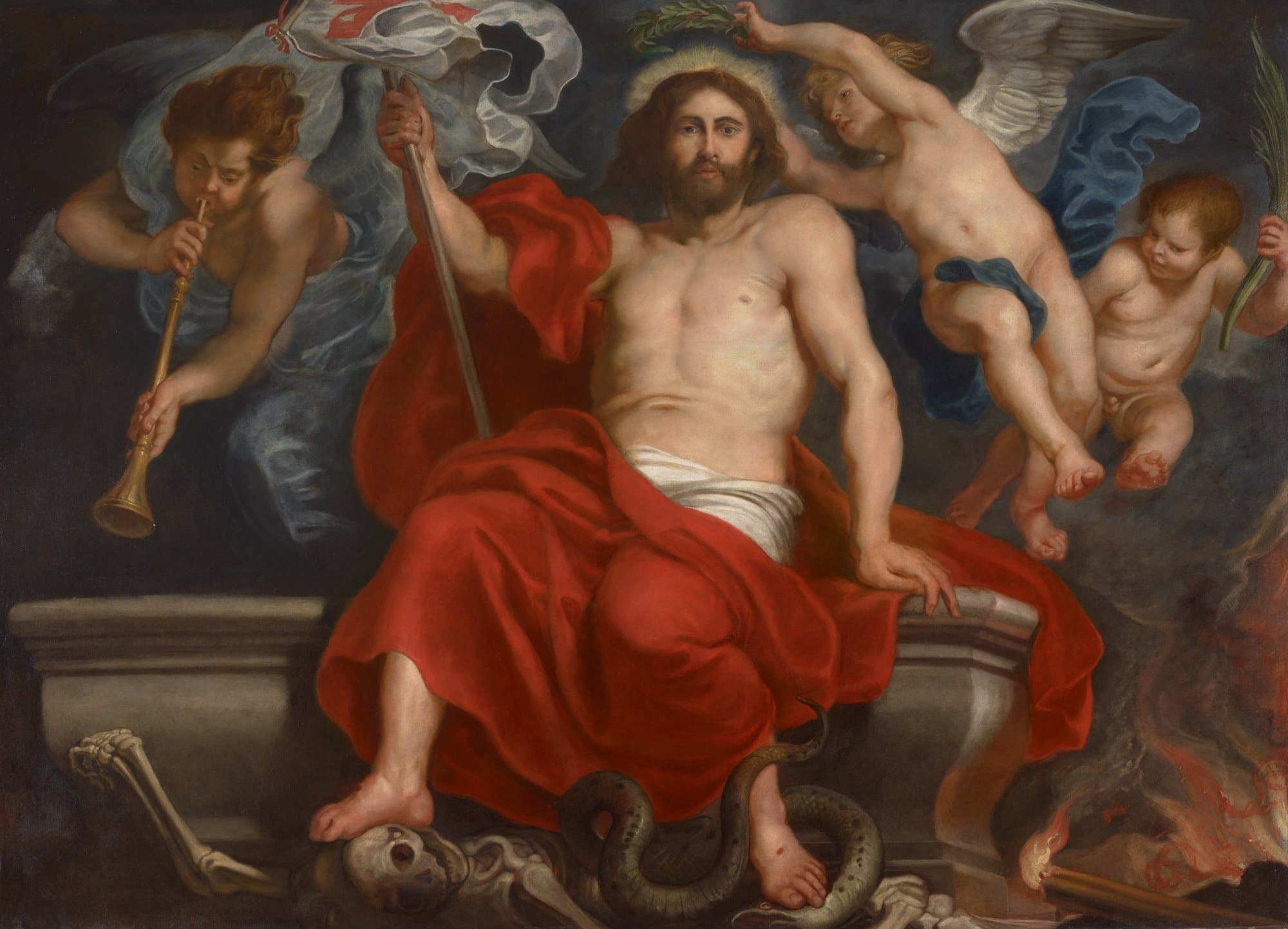
1 Corinthians 15 · Trial 9 of 21 · Featured Study
Death and Dying
Death came into the world through sin, and Scripture teaches that Christ has broken its power for those who belong to Him.
A psalm asks God, “who can praise You from Sheol?”
“Where, O Death, is your victory? Where, O Death, is your sting?”
- Anchor text
- 1 Corinthians 15:55 “Where, O Death, is your…”
- The lament
- Psalm 88:3 “For my soul is full of troubles, and…”
- Hold in memory
- 1 Corinthians 15:55
Summary
Scripture names death the penalty of sin and gives the dying words to pray their fear aloud. The Son of God took on flesh and blood, wept at a grave, prayed with loud cries and tears, died and rose again. Those who belong to Him still die, and the New Testament teaches them to grieve with hope. Christians have long prepared for death before it comes, by prayer and by the old books on dying well.
- God sets the number of every person's days.
- Believers still die and mourn their dead.
- Christ rose from the dead as the first of all who will rise.
- Scripture closes with death itself destroyed at the last judgment, when God makes all things new.
What Scripture Says to the One Who Faces Death
Three Hebrew words and three Greek words carry death and dying in Scripture.
Every person dies, and Scripture speaks to the one who faces it. This study of death and dying asks where death came from, who rules over it, what Christ did with it, and how a believer can die and grieve. It gives the Hebrew and Greek words, the key texts, the stories of Scripture and of the church and the teachers who wrote on death. It names the people who faced death in faith, what Scripture gives a dying person to do and the lament that voices the fear.
Maveth, death
The Hebrew noun maveth (H4194) names death, natural or violent, and at times the place of the dead. Isaiah promises of the LORD, “He will swallow up death forever.”
Muth, to die
The Hebrew verb muth (H4191) means to die, and in its causative form to kill. Genesis 5 uses it to close each life: “So Adam lived a total of 930 years, and then he died.”
Tsalmaveth, deep darkness
The Hebrew noun tsalmaveth (H6757) is glossed shade of death, and the King James Version renders it the shadow of death. The LORD asks Job, “Have you seen the gates of the shadow of death?”
Thanatos, death
The Greek noun thanatos (G2288) is the New Testament's word for death, literal and figurative. Paul names it first among the powers that cannot part believers from God's love: “neither death nor life.”
Apothnesko, to die
The Greek verb apothnesko (G599) means to die off. Hebrews uses it of the one death every person faces: “man is appointed to die once, and after that to face judgment.”
Koimao, to fall asleep
The Greek verb koimao (G2837) means to fall asleep and, figuratively, to die. Paul writes, “God will bring with Jesus those who have fallen asleep in Him.”
Maveth, death, Muth, to die, Tsalmaveth, deep darkness, Thanatos, death, Apothnesko, to die, Koimao, to fall asleep, The Words Maveth and Thanatos, the study in brief
The Key Texts on Death
Texts from the Law to Revelation say who rules death and what lies beyond it.
Law
See now that I am He; there is no God besides Me. I bring death and I give life; I wound and I heal, and there is no one who can deliver from My hand.
The verse stands here because every other text on death assumes the rule it claims for God.
Wisdom
It is better to enter a house of mourning than a house of feasting, since death is the end of every man, and the living should take this to heart.
The verse stands here because it shows Wisdom using death to teach the living.
Psalms
But God will redeem my life from Sheol, for He will surely take me to Himself. Selah
The verse stands here because it is the Psalter's clearest hope beyond the grave.
Psalm 49:15BSB
Prophets
And many who sleep in the dust of the earth will awake, some to everlasting life, but others to shame and everlasting contempt.
The verse stands here because it is the Old Testament's plainest word on the resurrection of the dead.
Daniel 12:2BSB
Gospels
Truly, truly, I tell you, whoever hears My word and believes Him who sent Me has eternal life and will not come under judgment. Indeed, he has crossed over from death to life.
The verse stands here because it is Jesus' own word on death and life.
John 5:24BSB
Epistles
And now He has revealed this grace through the appearing of our Savior, Christ Jesus, who has abolished death and illuminated the way to life and immortality through the gospel,
The verse stands here because it ties Christ's victory over death to the gospel the church preaches.
Revelation
And I heard a voice from heaven telling me to write, “Blessed are the dead—those who die in the Lord from this moment on.” “Yes,” says the Spirit, “they will rest from their labors, for their deeds will follow them.”
The verse stands here because it is Scripture's last blessing on the believing dead.
Ecclesiastes 7:2, Psalm 49:15, Daniel 12:2, John 5:24, 2 Timothy 1:10, Revelation 14:13
Where Death Comes From and What Christ Did with It
Scripture traces death to Adam's sin, sets every life under God's rule and shows Christ facing death and overcoming it.
Paul writes that the creation “was subjected to futility” and waits to “be set free from its bondage to decay” (Romans 8:20 to 21).
We know that the whole creation has been groaning together in the pains of childbirth until the present time.The verse stands here because it sets the death of every person inside that waiting.
Scripture says that God sets the length of every life and holds the day of every death.
| Text | What it says of God and our days | The Berean words |
|---|---|---|
| Job 14:5 | God fixes the limit of a life | “his days are determined and the number of his months is with You” |
| Psalm 139:16 | God wrote every day before the first | “all my days were written in Your book and ordained for me before one of them came to be” |
| Job 1:21 | God gives and takes away | “The LORD gave, and the LORD has taken away. Blessed be the name of the LORD.” |
| James 4:14 | A life is brief before Him | “You are a mist that appears for a little while and then vanishes.” |
He wept at the tomb of LazarusJohn 11
When Jesus came to Bethany, Lazarus “had already spent four days in the tomb” (John 11:17). When He saw Mary and the Jews with her weeping, He was deeply moved, and “Jesus wept” (John 11:35).
After Jesus had said this, He called out in a loud voice, “Lazarus, come out!” The man who had been dead came out with his hands and feet bound in strips of linen, and his face wrapped in a cloth. “Unwrap him and let him go,” Jesus told them.
John 11:43 to 44BSB The verses stand here because they show the Son's authority over death before His own death and rising.
He prayed with loud cries before His deathMatthew 26
In Gethsemane Jesus took Peter and the two sons of Zebedee with Him and told them, “My soul is consumed with sorrow to the point of death” (Matthew 26:38). Hebrews draws comfort from His suffering, since we have a high priest “who was tempted in every way that we are, yet was without sin” (Hebrews 4:15).
During the days of Jesus’ earthly life, He offered up prayers and petitions with loud cries and tears to the One who could save Him from death, and He was heard because of His reverence.
Hebrews 5:7BSB The verse stands here because it shows the Son praying as the dying pray.
He took flesh and blood in order to dieHebrews 2
The next verse names whom His death was to free: those “who all their lives were held in slavery by their fear of death” (Hebrews 2:15).
Now since the children have flesh and blood, He too shared in their humanity, so that by His death He might destroy him who holds the power of death, that is, the devil,
Hebrews 2:14BSB This verse stands here because the Trials page names it as the place where Christ bore death.
Read the study of the Fear of Death Destroyed 8 sections, 8 verses set out
He rose and rules over the graveRevelation 1
Paul wrote that “death came through a man” and that “the resurrection of the dead comes also through a man” (1 Corinthians 15:21). John later saw the risen Christ in a vision.
When I saw Him, I fell at His feet like a dead man. But He placed His right hand on me and said, “Do not be afraid. I am the First and the Last, the Living One. I was dead, and behold, now I am alive forever and ever! And I hold the keys of Death and of Hades.
Revelation 1:17 to 18BSB These verses stand here because the risen Christ speaks in them as Lord of the grave He once entered.
He prayed with loud cries before His death (Matthew 26), He took flesh and blood in order to die (Hebrews 2), He rose and rules over the grave (Revelation 1)
Hebrews 5:7, Hebrews 2:14, Revelation 1:17 to 18
Four texts from Job, the Psalms and James., The Fall & the Protoevangelium, the study in brief, He wept at the tomb of Lazarus (John 11), He prayed with loud cries before His death (Matthew 26), He took flesh and blood in order to die (Hebrews 2), He rose and rules over the grave (Revelation 1)
Five Who Faced Death in Faith
Scripture records how two patriarchs, two kings and an apostle faced death.
“At a ripe old age he breathed his last and died, old and contented, and was gathered to his people.”
Genesis 25:8He told Joseph, “Look, I am about to die, but God will be with you and bring you back to the land of your fathers.”
Genesis 48:21He told Solomon at the end of his reign, “I am about to go the way of all the earth.”
1 Kings 2:2Isaiah came to him in his illness with the word, “Put your house in order, for you are about to die; you will not recover.”
Isaiah 38:1He wrote to the Philippians, “For to me, to live is Christ, and to die is gain.”
Philippians 1:21
David, Hezekiah, Paul
What Scripture Gives the Dying to Do
Scripture gives four practices to the one who faces death and to those who keep watch.
- 1Ask to know the measure of your days“Show me, O LORD, my end and the measure of my days. Let me know how fleeting my life is.”Psalm 39:4
- 2Commit your spirit to God“Into Your hands I commit my spirit; You have redeemed me, O LORD, God of truth.”Psalm 31:5
- 3Call the elders to pray“He should call the elders of the church to pray over him and anoint him with oil in the name of the Lord.”James 5:14
- 4Grieve with hope“Brothers, we do not want you to be uninformed about those who sleep in death, so that you will not grieve like the rest, who are without hope.”1 Thessalonians 4:13
Commit your spirit to God, Call the elders to pray, Grieve with hope
The care of doctors, nurses and hospice workers stands beside prayer in the last illness and never in its place.
The Lament of Psalm 88
Psalm 88 and the song of Hezekiah in Isaiah 38 pray from the edge of the grave.
Scripture gives the dying words for their fear. Hezekiah wrote down his grief after his illness and recovery, when he had expected to lose the rest of his years (Isaiah 38:9).
Psalm 88 and Isaiah 38
For my soul is full of troubles, and my life draws near to Sheol. I am counted among those descending to the Pit. I am like a man without strength. I am forsaken among the dead, like the slain who lie in the grave, whom You remember no more, who are cut off from Your care.
The verses stand here because the page takes them as the trial's lament.
Do You work wonders for the dead? Do departed spirits rise up to praise You? Selah Can Your loving devotion be proclaimed in the grave, Your faithfulness in Abaddon? Will Your wonders be known in the darkness, or Your righteousness in the land of oblivion?
These verses stand here because they let the dying bring their hardest question to God.
I said, “In the prime of my life I must go through the gates of Sheol and be deprived of the remainder of my years.”
The verse stands here because it is Hezekiah's own record of the fear he felt.
Isaiah 38:10BSB
For Sheol cannot thank You; Death cannot praise You. Those who descend to the Pit cannot hope for Your faithfulness. The living, only the living, can thank You, as I do today; fathers will tell their children about Your faithfulness.
The passage stands here because Hezekiah's lament ends with it once God has healed him.
Psalm 88:3 to 5, Psalm 88:10 to 12, Isaiah 38:10, Isaiah 38:18 to 19
Death in the Stories of the Bible
Four stories tell of a prophet who died in sight of the promised land, a man who waited for the Christ, a thief beside Jesus and the first martyr.
The death of MosesDeuteronomy 34
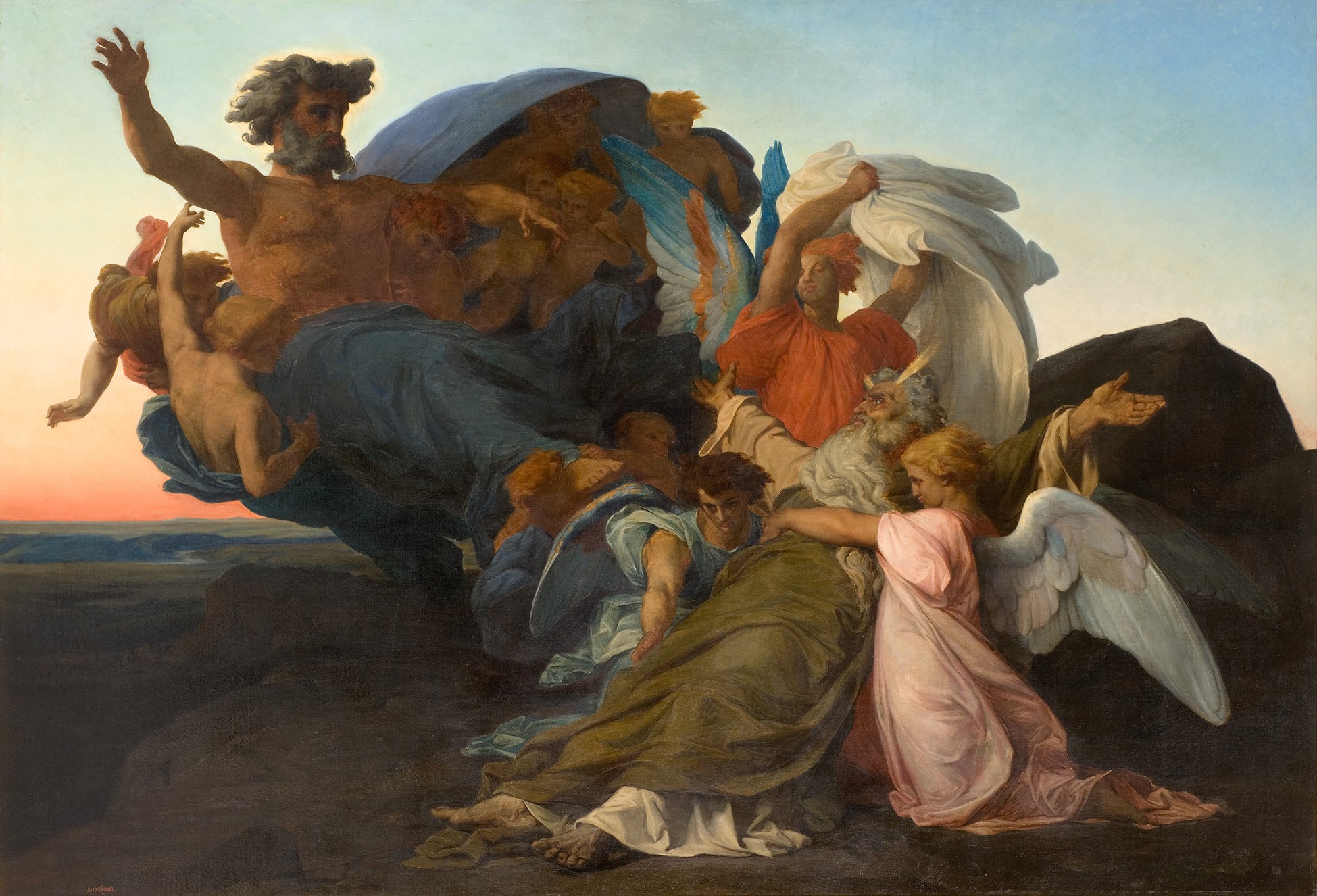
Moses went up from the plains of Moab to Mount Nebo, and the LORD showed him the land He had sworn to Abraham, Isaac and Jacob. The LORD told him, “I have let you see it with your own eyes, but you will not cross into it” (Deuteronomy 34:4).
So Moses the servant of the LORD died there in the land of Moab, as the LORD had said.
Deuteronomy 34:5BSB The verse stands here because it closes the life of Moses with his highest title.
Read the story of the Death of Moses 10 sections, 24 verses set out
Simeon in the templeLuke 2
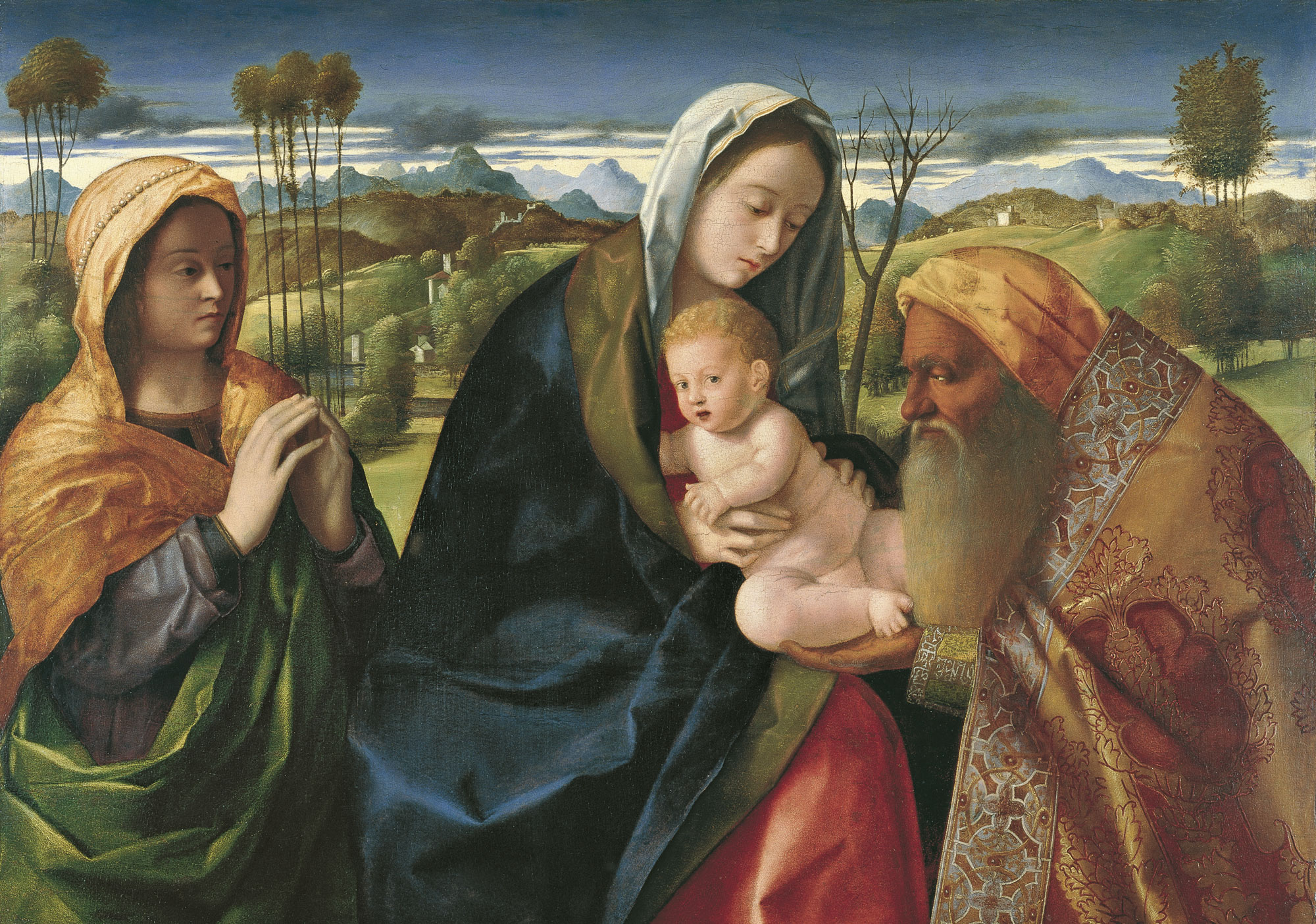
The Holy Spirit had revealed to Simeon that he would not see death before he had seen the Lord's Christ. Led by the Spirit into the temple courts, he took the child Jesus in his arms and blessed God (Luke 2:26 to 28).
“Sovereign Lord, as You have promised, You now dismiss Your servant in peace. For my eyes have seen Your salvation,
Luke 2:29 to 30BSB The verses stand here because they are the prayer of a man ready to die.
Read the story of Simeon 10 sections, 15 verses set out
The thief on the crossLuke 23
One of the two criminals crucified beside Jesus rebuked the other and turned to Jesus (Luke 23:42): “Jesus, remember me when You come into Your kingdom!”
And Jesus said to him, “Truly I tell you, today you will be with Me in Paradise.”
Luke 23:43BSB This verse stands here because readers on each side of the intermediate-state question turn to it.
Stephen falls asleepActs 7
When Stephen had finished his speech, his hearers dragged him out of the city and stoned him, and the witnesses laid their garments at the feet of a young man named Saul (Acts 7:57 to 58).
While they were stoning him, Stephen appealed, “Lord Jesus, receive my spirit.” Falling on his knees, he cried out in a loud voice, “Lord, do not hold this sin against them.” And when he had said this, he fell asleep.
Acts 7:59 to 60BSB These verses stand here because Luke records in them how the church's first martyr died.
Simeon in the temple (Luke 2), The thief on the cross (Luke 23), Stephen falls asleep (Acts 7)
Luke 23:43, Acts 7:59 to 60
Death in the Church's History
Three accounts tell of a bishop who would not deny Christ to save his life, a bishop who wrote to his people in a plague and a bishop who buried his brother.
Polycarp before the proconsulSecond century
The church at Smyrna wrote to the church at Philomelium of how its bishop Polycarp died, in a letter printed in the Ante-Nicene Fathers, volume 1 (1885). When the proconsul urged the old man to reproach Christ and go free, Polycarp answered, “Eighty and six years have I served Him, and He never did me any injury: how then can I blaspheme my King and my Saviour?” The proconsul then sentenced him to be burned.
Cyprian writes on the mortalityThird century
Cyprian of Carthage wrote his treatise On the Mortality while a plague struck Christians and pagans alike. He told his people, “Many of our people die in this mortality, that is, many of our people are liberated from this world.” He wrote that the plague tested whether the healthy would tend the sick, and said of its losses, “These are trainings for us, not deaths.”
Ambrose buries his brother379
Ambrose of Milan buried his brother Satyrus, who had given up his own office to manage the bishop's affairs and died on 17 October 379. In the funeral sermon Ambrose said, “I must rather rejoice that I had such a brother than grieve that I had lost a brother, for the former is a gift, the latter a debt to be paid.”
Cyprian writes on the mortality (Third century), Ambrose buries his brother (379)
Voices on Death from the Fourth, Fifth and Nineteenth Centuries
Athanasius, Augustine and Charles Spurgeon wrote on the believer's victory over death.
296 to 373 · Athanasius of Alexandria
A fourth-century reading: the faith of the cross makes a person despise what nature fears.
The reading1 paragraph
Athanasius of Alexandria wrote in On the Incarnation of the Word, chapter 28, “For man is by nature afraid of death and of the dissolution of the body”. He went on, “he who has put on the faith of the cross despises even what is naturally fearful and for Christ's sake is not afraid of death”.
died 430 · Augustine of Hippo
A fifth-century reading: the believer is rescued from death's power first and rejoices over it last.
The reading1 paragraph
Augustine of Hippo wrote in Against Julian that human nature “was subjected to an enemy as the just desert of sin”. He held that man is first rescued from that enemy's power and then helped in the conflict while his life lasts. He closed by saying that the victor is at last made blessed to reign, and at the very end asks death the question of 1 Corinthians 15:55.
1834 to 1892 · Charles Spurgeon
A nineteenth-century reading: the Bible speaks of death with glory and still owns its gloom.
The reading1 paragraph
Charles Spurgeon preached on 1 Corinthians 15:56 to 57 in 1855, in the sermon Thoughts on the Last Battle. He said of Scripture, “There is no straining of a fact, no glossing over a truth. However dark may be the subject, while it lights it up with brilliance, yet it does not deny the gloom connected with it”.
How Death Has Been Taught
Tertullian in the third century and John Wesley in the eighteenth wrote on what the resurrection undoes.
Tertullian taught that the life which answers death must restore the flesh that death dissolved.1 paragraph
Tertullian wrote in On the Resurrection of the Flesh that death rules by dissolving the flesh. He reasoned that “death's contrary, life, ought to produce the contrary effect, even the restoration of the flesh”.
Wesley read Paul's taunt as spoken to hades, the unseen world of souls, robbed of every captive it held.1 paragraph
John Wesley wrote on 1 Corinthians 15:55 in his Explanatory Notes upon the New Testament (1755). He said that hades, the place of separate souls, is robbed of all its spoils and that all its captives are set at liberty. He set hades, which concerns the soul, beside death, which concerns the body, and noted that Paul's Greek words are found in the Septuagint's rendering of Hosea 13:14.
The Studies of Death and Dying
Each study takes one part of death and dying into more depth.
The texts
3 studies
- Passages and psalms · 8 verses set outThe Fear of Death Destroyed
Hebrews 2:14 to 15 says that Jesus took on human nature in order to die, and that His death frees those held all their lives by the fear of death.
- Passages and psalms · 8 verses set outThe Valley of the Shadow
Psalm 23 tells how the LORD as shepherd leads the psalmist from green pastures, through a valley named for death, to a table and to the house of the LORD.
- Passages and psalms · 9 verses set outTo Die Is Gain
An apostle awaiting the verdict of a Roman court weighed the gain of dying against the need of a church.
- Passages and psalms · 8 verses set outThe Fear of Death Destroyed
The stories
1 study, 1 linked page
- Stories · 15 verses set outSimeon: Now Dismiss Your Servant
Luke 2:25 to 35 tells of Simeon, the first of two witnesses whom Luke sets beside the infant Jesus, before Anna.
- Stories · 24 verses set outThe death of Moses
The account of Deuteronomy 34, read with the sentence of Numbers 20, the handover of Numbers 27 and Deuteronomy 31, and the first words of Joshua.
- Stories · 15 verses set outSimeon: Now Dismiss Your Servant
The words
1 study
- Symbols and words · 13 verses set outThe Words Maveth and Thanatos
The Hebrew noun maveth and the Greek noun thanatos are the Bible's words for death.
- Symbols and words · 13 verses set outThe Words Maveth and Thanatos
The practice
1 study
- Subjects · 17 verses set outDying Well
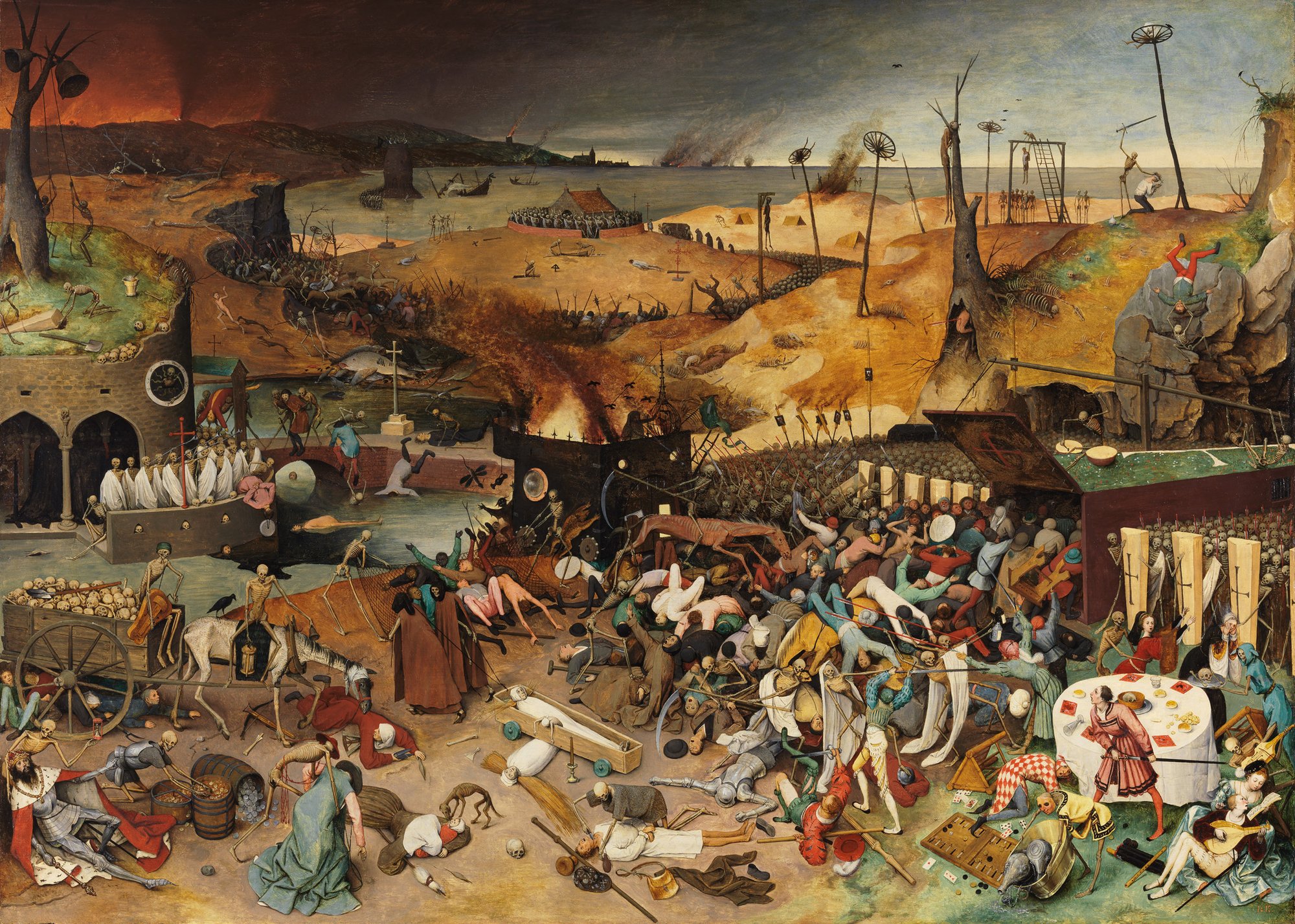
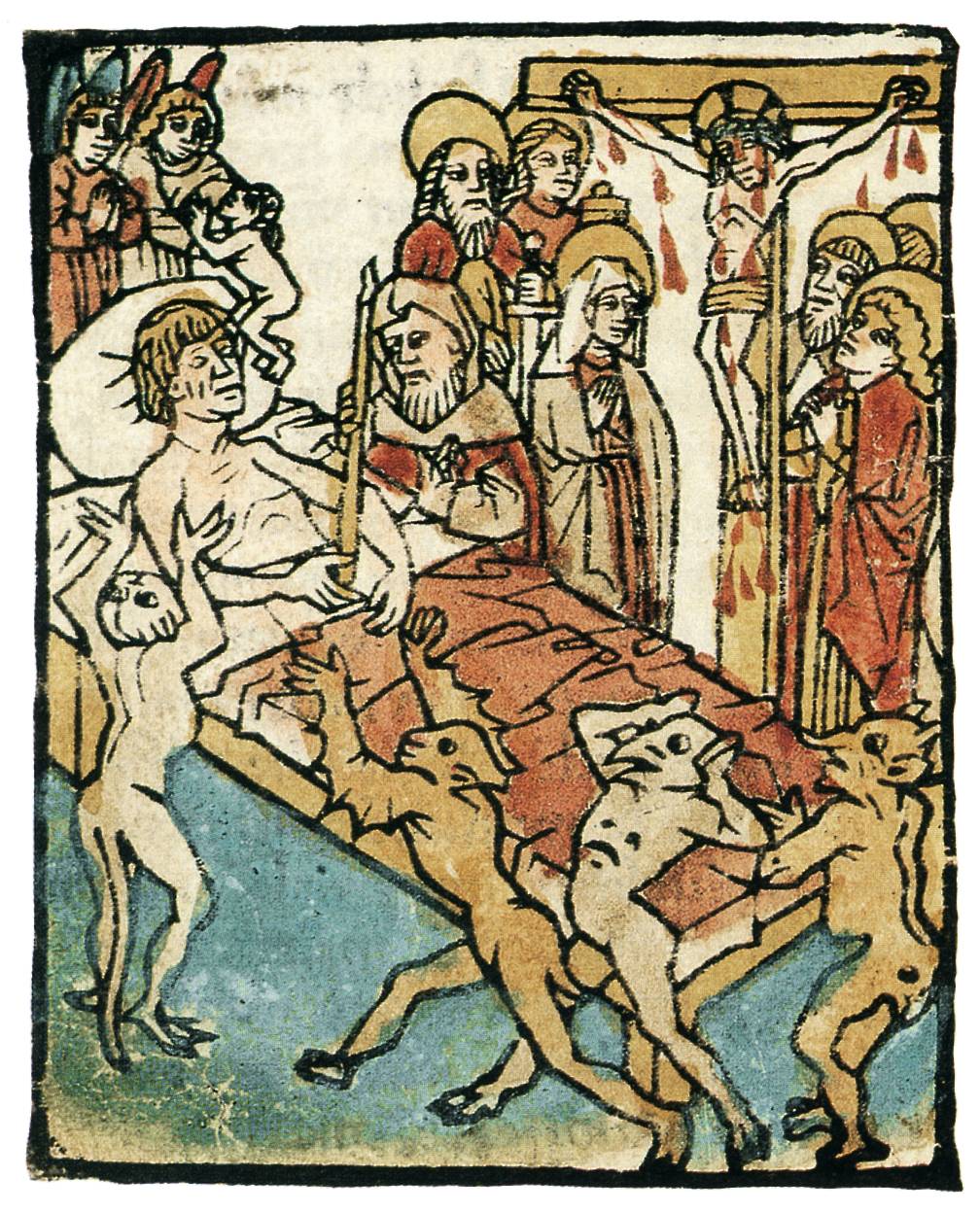
Scripture asks its readers to number their days, and Christian books on dying well taught the sick and those beside them how to meet death in faith.
- Subjects · 17 verses set outDying Well
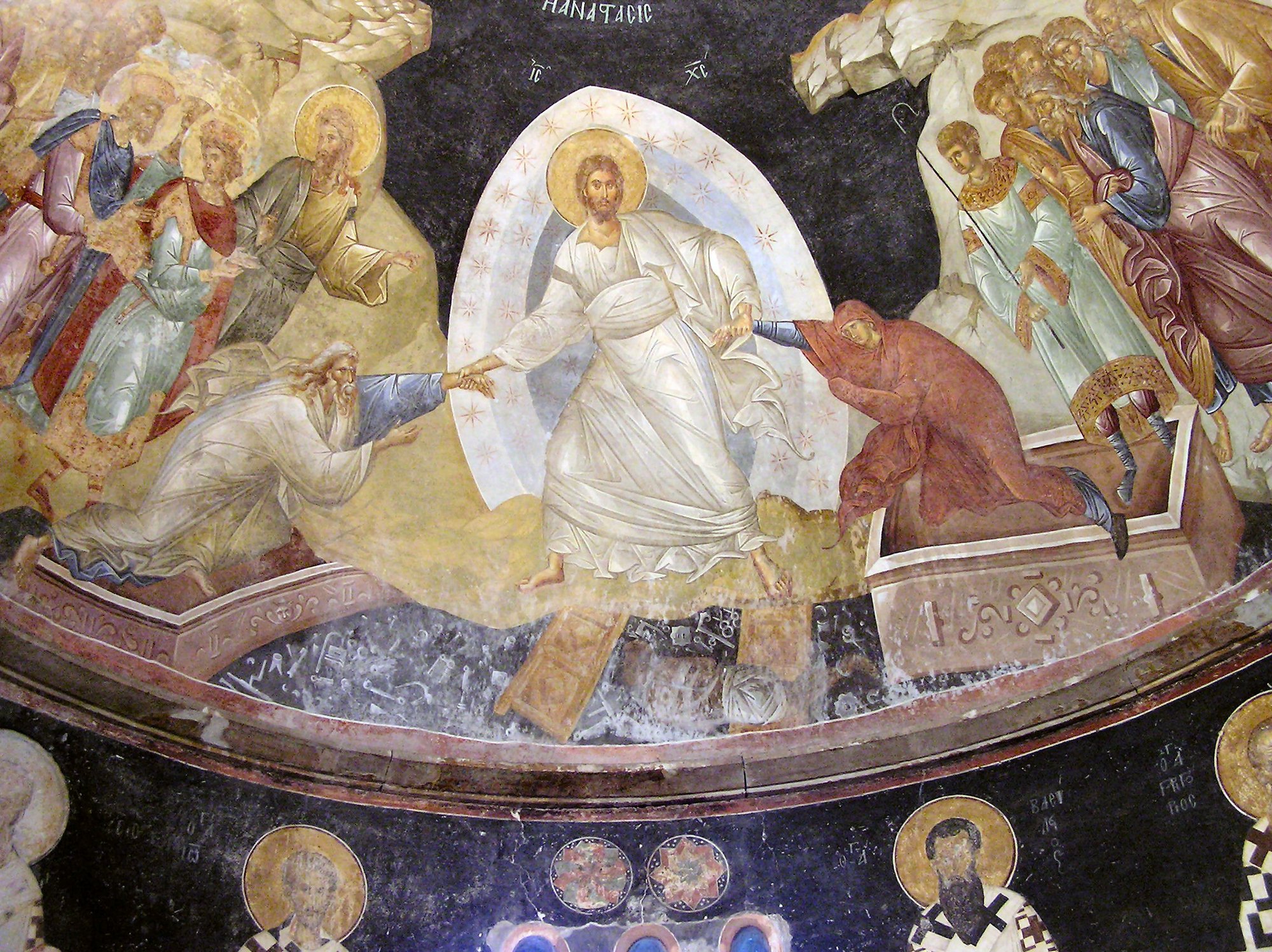
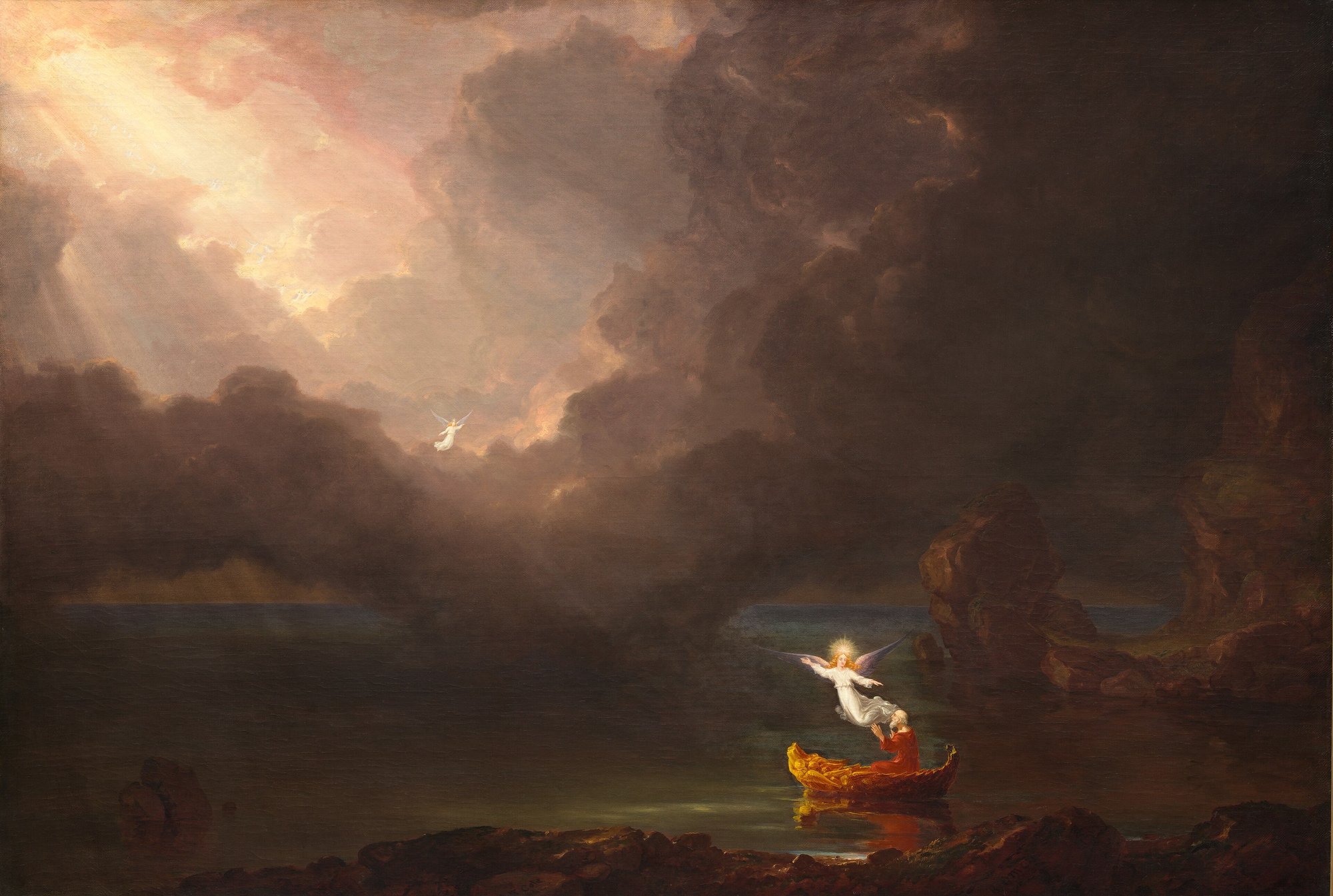
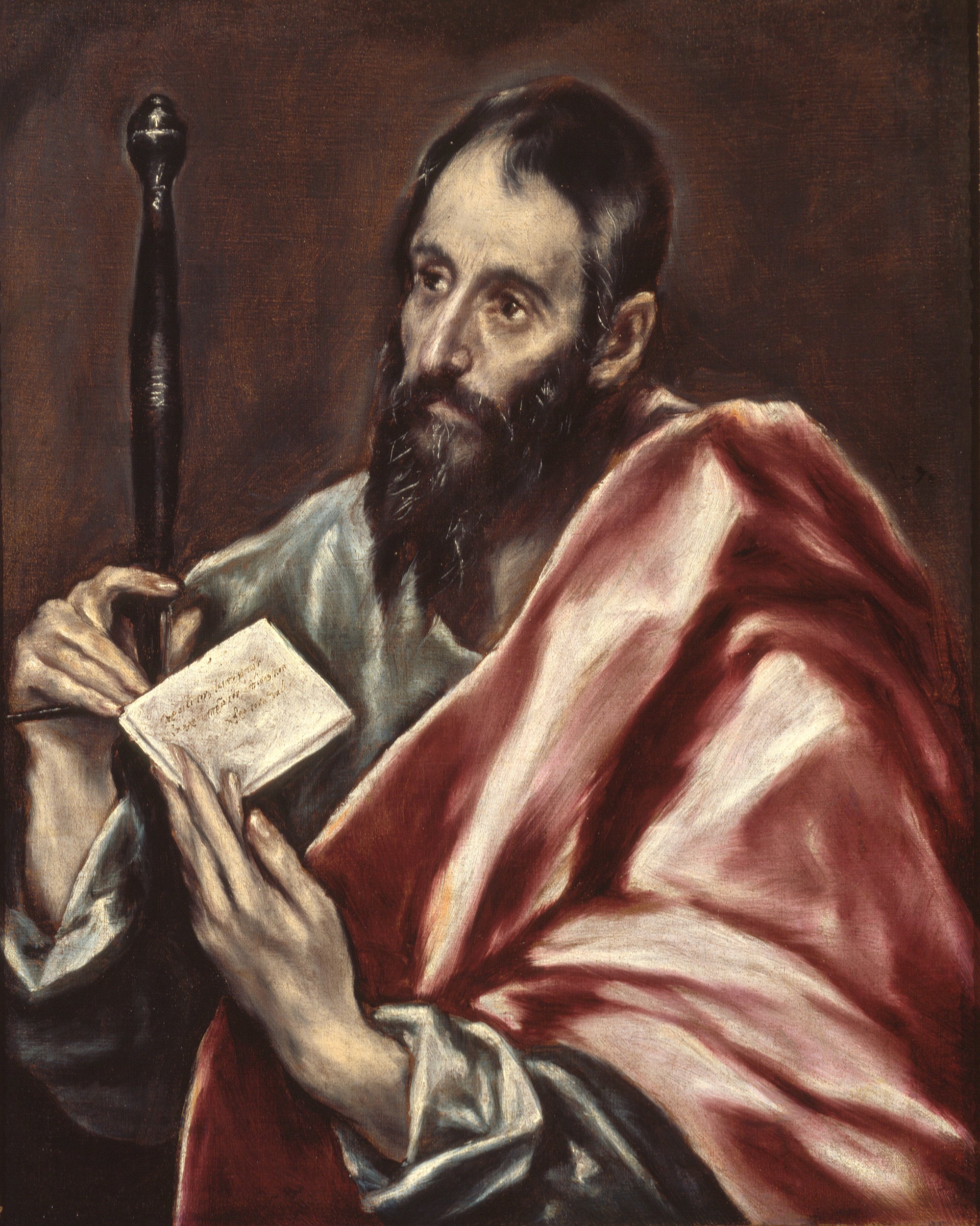
The Valley of the Shadow, To Die Is Gain, Simeon: Now Dismiss Your Servant, The death of Moses, The Words Maveth and Thanatos, Dying Well
Where Readers Disagree
Readers hold six readings on three questions about death, each with its holders, its works and the objection to it.
Where the believer's soul goes at death
Read the debate on the Intermediate State
| Reading | Held by | Work | Objection |
|---|---|---|---|
| To Paradise with Christ, from the day of death until the resurrection | John Wesley (Methodist) | John Wesley, Explanatory Notes upon the New Testament (1755), on Luke 23:43 | Scripture calls the believing dead those who sleep (1 Thessalonians 4:13). |
| Some souls are detained in purgatory and helped by the prayers of the faithful | The Council of Trent (Roman Catholic) | The Council of Trent, Session 25 (1563), Decree concerning Purgatory | Jesus promised the dying thief Paradise that same day (Luke 23:43), and Paul calls departing to be with Christ far better (Philippians 1:23). |
Whether Adam was made mortal
Read the study of the Fall 12 sections, 25 verses set out
| Reading | Held by | Work | Objection |
|---|---|---|---|
| Death is the just sentence on sin, and Adam would have passed to immortality without dying had he obeyed | Augustine of Hippo; the African synod against Pelagius and Celestius (Latin patristic) | Augustine, The City of God, book 13, chapter 1; the Code of Canons of the African Church, canon 109 | Genesis 3:22 speaks of the tree of life as what would let man live forever. |
| Adam was created mortal and would have died in the body whether he sinned or not | Pelagius and Celestius, as the synod's canon states the teaching it condemned (Pelagian) | The Code of Canons of the African Church, canon 109 | Paul says that death came into the world through sin (Romans 5:12) and calls death the wages of sin (Romans 6:23). |
Whether the believing dead should be mourned
Read the study of Dying Well 7 sections, 17 verses set out
| Reading | Held by | Work | Objection |
|---|---|---|---|
| They have gone ahead of us, and the living should long to follow them | Cyprian of Carthage (Latin patristic) | Cyprian, On the Mortality, section 20 | Jesus wept at the tomb of Lazarus (John 11:35), and God-fearing men mourned deeply over Stephen (Acts 8:2). |
| Natural grief is lawful, and tears for the dead can come from love | Ambrose of Milan (Latin patristic) | Ambrose, On the Death of Satyrus, book 1, section 10 | Paul writes so that believers will not grieve like those who have no hope (1 Thessalonians 4:13), and Cyprian feared that open mourning gave the pagans cause to reproach the Christian hope. |
Every Text on Death
The subject page on death gathered eleven verses beside its anchor and an essay, which stand here as it gave them.
The Law and the Writings
but you must not eat from the tree of the knowledge of good and evil; for in the day that you eat of it, you will surely die.”
The verse stands here because Scripture's teaching on death begins with this warning.
Genesis 2:17BSB
By the sweat of your brow you will eat your bread, until you return to the ground—because out of it were you taken. For dust you are, and to dust you shall return.”
The verse stands here because it is the curse behind every burial in Scripture.
Genesis 3:19BSB
But I know that my Redeemer lives, and in the end He will stand upon the earth.
The verse stands here because Job speaks it with death before him.
Job 19:25BSB
Even though I walk through the valley of the shadow of death, I will fear no evil, for You are with me; Your rod and Your staff, they comfort me.
The verse stands here because the study of the Valley of the Shadow is built on it.
Psalm 23:4BSB
Precious in the sight of the LORD is the death of His saints.
The verse stands here because it speaks to those who mourn a believer.
Psalm 116:15BSB
before the dust returns to the ground from which it came and the spirit returns to God who gave it.
The verse stands here because it answers the sentence of Genesis 3:19.
The Prophets and the New Testament
I will ransom them from the power of Sheol; I will redeem them from Death. Where, O Death, are your plagues? Where, O Sheol, is your sting? Compassion is hidden from My eyes.
The verse stands here because Paul takes up its taunt in 1 Corinthians 15:55.
Hosea 13:14BSB
Jesus said to her, “I am the resurrection and the life. Whoever believes in Me will live, even though he dies.
The verse stands here because Jesus spoke it at a grave to a grieving sister.
John 11:25BSB
For the wages of sin is death, but the gift of God is eternal life in Christ Jesus our Lord.
The verse stands here because the essay below quotes it.
Romans 6:23BSB
The last enemy to be destroyed is death.
The verse stands here because the anchor of this page comes from the same chapter.
‘He will wipe away every tear from their eyes,’ and there will be no more death or mourning or crying or pain, for the former things have passed away.”
The verse stands here because it is Scripture's last word on death.
Hosea 13:14, John 11:25, Romans 6:23, 1 Corinthians 15:26, Revelation 21:4
Death, as the subject page told it: an essay on death from Eden to the new city.8 paragraphs
Death entered the world as an intruder, not a design. When God finished creating, everything He had made was "very good" (Genesis 1:31). Death is not named among the good things. It shows up only after sin does, spoken as a warning before it ever becomes a fact: "in the day that thou eatest thereof thou shalt surely die" (Genesis 2:17).
Scripture treats death with total honesty. It never dresses it up as natural or neutral. Paul calls it flatly what it is ("the wages of sin is death" (Romans 6:23)) and traces its arrival to one man's disobedience, "for since by man came death" (1 Corinthians 15:21). Every grave since Eden is downstream of that first warning.
The Old Testament does not flinch from describing what dying feels like from the inside. Job, stripped of his children and his health in a single day, says of the grave that whoever goes down there does not come up again, not in this present order of things (Job 7:9). His words are not despair without hope; they are honesty about how final death looks from underneath it. The Psalms echo the same weight: in death there is no remembrance of God (Psalm 6:5), a cry from someone who knows exactly how much the grave silences.
Yet even inside the Old Testament, hope keeps surfacing. Job, in his lowest hour, still says, "I know that my redeemer liveth" (Job 19:25). The hope is not explained in full. It simply refuses to let the grave have the last word.
The New Testament explains why. Death is called "the last enemy that shall be destroyed" (1 Corinthians 15:26): an enemy, not a friend, and a defeated one. Jesus told Martha, grieving her brother, "I am the resurrection, and the life: he that believeth in me, though he were dead, yet shall he live" (John 11:25). Four days after Lazarus died, Jesus called him out of the tomb by name. It was a sign pointing past itself: to His own death and His own rising, which would settle the question for everyone who trusts Him.
Paul writes to a church frightened for loved ones who had already died, and tells them plainly not to sorrow as others which have no hope (1 Thessalonians 4:13). Christians grieve (Scripture never asks them not to) but they grieve toward a reunion, not into a void. Death for the believer is described as sleep, a word used nowhere for someone gone for good.
The strongest statement comes near the very end of the book. When death itself is finally undone, John sees it thrown into the lake of fire (Revelation 20:14) and hears the announcement that follows: "there shall be no more death, neither sorrow, nor crying" (Revelation 21:4). Death, which entered as an intruder in a garden, is evicted for good in a city.
None of this is possible apart from what happened at the cross and the empty tomb. Christ abolished death, and brought life and immortality to light through the gospel (2 Timothy 1:10). He did not merely teach about death from a safe distance; He walked into it Himself, and walked back out. That is why Paul can end his longest chapter on the subject not in dread but in a taunt aimed straight at the grave: "O death, where is thy sting?" (1 Corinthians 15:55). The sting is drawn because Christ absorbed it. For everyone joined to Him, death has become a doorway rather than a wall.
Sources
Scripture is the Berean Standard Bible.
- STEP Bible, Translators Brief lexicon of Extended Strongs for Hebrew and for Greek (Tyndale House, Cambridge), CC BY 4.0, with James Strong's Concise Dictionaries (1890) in its definitions.
- The Martyrdom of Polycarp, the opening greeting and chapters 9 and 12, translated by Alexander Roberts and James Donaldson, in the Ante-Nicene Fathers, volume 1 (Buffalo: Christian Literature Publishing Co., 1885)
- Cyprian of Carthage, Treatise 7, On the Mortality, sections 8, 15, 16 and 20, in Robert Ernest Wallis's translation, Ante-Nicene Fathers 5, 1886.
- Ambrose of Milan, On the Death of Satyrus, book 1, the translators' introduction and sections 3 and 10, translated by H. de Romestin, E. de Romestin and H. T. F. Duckworth, in the Nicene and Post-Nicene Fathers, second series, volume 10 (Buffalo: Christian Literature Publishing Co., 1896)
- Augustine of Hippo, The City of God, book 13, chapter 1, translated by Marcus Dods, in the Nicene and Post-Nicene Fathers, first series, volume 2 (Buffalo: Christian Literature Publishing Co., 1887)
- The Code of Canons of the African Church, canon 109, from the synod at Carthage against Pelagius and Celestius, translated by Henry Percival, in the Nicene and Post-Nicene Fathers, second series, volume 14 (Buffalo: Christian Literature Publishing Co., 1900)
- The Council of Trent, Session 25 (3 and 4 December 1563), Decree concerning Purgatory, in the English edition printed at papalencyclicals.net, pages 232 to 233.
- Athanasius of Alexandria, On the Incarnation of the Word, chapter 28.
- Augustine of Hippo, Against Julian.
- Charles Spurgeon, Thoughts on the Last Battle, Sermon No. 23 of The New Park Street Pulpit (1855), CCEL edition.
- Tertullian, On the Resurrection of the Flesh.
- John Wesley, Explanatory Notes upon the New Testament (1755), on 1 Corinthians 15:55 and Luke 23:43.
- The essay of the subject page on death, carried on this page as it stood.
Keep Studying
Studies6
In this trial6
People and groups18
Doctrines6
Subjects1
Values1