
Judges 9:45
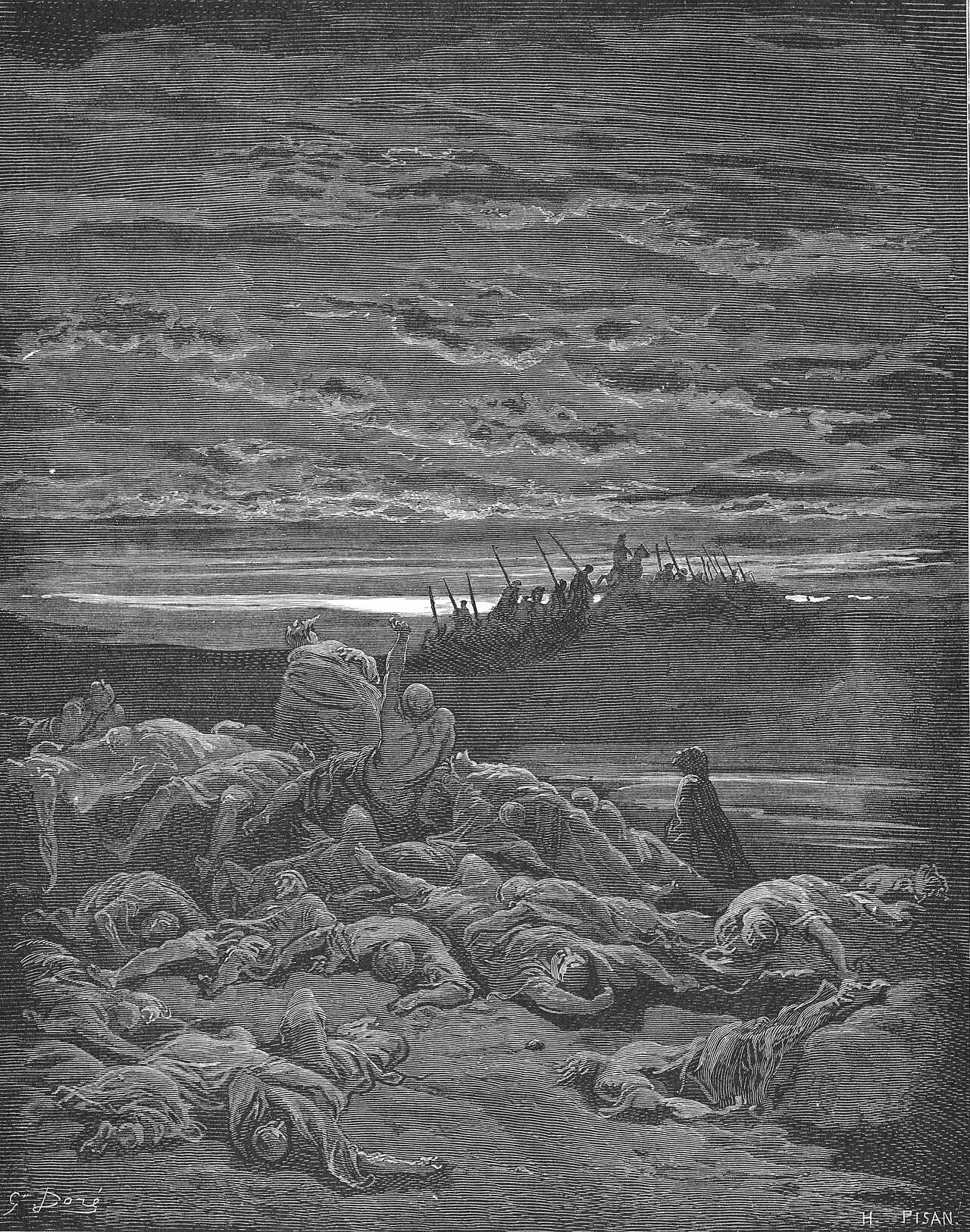
in Judges 9And all that day Abimelech fought against the city until he had captured it and killed its people. Then he demolished the city and sowed it with salt.
BSB
The same verse in ASV and KJV ▾
ASV
And Abimelech fought against the city all that day; and he took the city, and slew the people that were therein: and he beat down the city, and sowed it with salt.
KJV
And Abimelech fought against the city all that day; and he took the city, and slew the people that was therein, and beat down the city, and sowed it with salt.
⋯
This verse in Judges 9
Commentary
4 notes on this verseA commentator
Albert Barnes1798–1870
Notes, Explanatory and Practical, on the Old and New Testaments (1832-1869)
Sowed it with salt - Expressing by this action his hatred, and his wish, that when utterly destroyed as a city, it might not even be a fruitful field. Salt is the emblem of barrenness (see the marginal references).
The record, by era
The Puritans and the Awakening1 voice
And Abimelech fought against the city all that day,....
The Nineteenth Century2 voices
A commentator
Jamieson, Fausset & Brown1802–1910
Commentary Critical and Explanatory on the Whole Bible (1871)
proposed
The consequence was that he allowed himself to be drawn into an ambush, was defeated, the city of Shechem destroyed and strewn with salt. The people took refuge in the stronghold, which was set on fire, and all in it perished.
And sowed it with salt - Intending that the destruction of this city should be a perpetual memorial of his achievements. The salt was not designed to render it barren, as some have imagined; for who would think of cultivating a city? but as salt is an emblem of incorruption and perpetuity, it was no doubt designed to perpetuate the memorial of this transaction, and as a token that he wished this desolation to be eternal. This sowing a place with salt was a custom in different nations to express permanent desolation and abhorrence. Sigonius observes that when the city of Milan was taken, in a.d. 1162, the walls were razed, and it was sown with salt. And Brantome informs us that it was ancient custom in France to sow the house of a man with salt, who had been declared a traitor to his king. Charles IX., king of France, the most base and perfidious of human beings, caused the house of the Admiral Coligni (whom he and the Duke of Guise caused to be murdered, with thousands more of Protestants, on the eve of St. Bartholomew, 1572) to be sown with salt! How many houses have been since sown with salt in France by the just judgments of God, in revenge for the massacre of the Protestants on the eve of St. Bartholomew! Yet for all this God’s wrath is not turned away, but his hand is stretched out still.
The words behind it
19 Hebrew wordsEvery Hebrew word of this verse in the order it stands, with what it means and the door to its own study. The last column counts the times a word stands in the whole Bible: the rarer the word, the more the places it appears belong together.
| Hebrew | Sound | Meaning | Word study | In the Bible |
|---|---|---|---|---|
| וַאֲבִימֶ֜לֶךְ | vaavimelekh | and Abimelech | H40 → | 66 times |
| נִלְחָ֣ם | nilcham | [was] fighting | H3898 → | 177 times |
| בָּעִ֗יר | bair | against the city | H5892 → | 1090 times |
| כֹּ֚ל | kol | all | H3605 → | 5413 times |
| הַיּ֣וֹם | haiyom | the day | H3117 → | 2304 times |
| הַה֔וּא | hahu' | <the> that | H1931 → | 1879 times |
| וַיִּלְכֹּד֙ | vaiyilkod | and he captured | H3920 → | 121 times |
| אֶת־ | ʾet- | <obj.> | H853 → | 10935 times |
| הָעִ֔יר | hair | the city | H5892 → | 1090 times |
| וְאֶת־ | veet | and <obj.> | H853 → | 10935 times |
| הָעָ֥ם | haam | the people | H5971 → | 1873 times |
| אֲשֶׁר־ | ʾasher- | which | H834 → | 5497 times |
| בָּ֖הּ | bah | [was] in <the> it | ||
| הָרָ֑ג | harag | he killed | H2026 → | 167 times |
| וַיִּתֹּץ֙ | vaiyitotz | and he pulled down | H5422 → | 42 times |
| אֶת־ | ʾet- | <obj.> | H853 → | 10935 times |
| הָעִ֔יר | hair | the city | H5892 → | 1090 times |
| וַיִּזְרָעֶ֖הָ | vaiyizraeha | and he sowed it | H2232 → | |
| מֶֽלַח׃ פ | melach | salt | H4417 → |
וַאֲבִימֶ֜לֶךְand Abimelech
vaavimelekhH40 →66 times
נִלְחָ֣ם[was] fighting
nilchamH3898 →177 times
בָּעִ֗ירagainst the city
bairH5892 →1090 times
כֹּ֚לall
kolH3605 →5413 times
הַיּ֣וֹםthe day
haiyomH3117 →2304 times
הַה֔וּא<the> that
hahu'H1931 →1879 times
וַיִּלְכֹּד֙and he captured
vaiyilkodH3920 →121 times
אֶת־<obj.>
ʾet-H853 →10935 times
הָעִ֔ירthe city
hairH5892 →1090 times
וְאֶת־and <obj.>
veetH853 →10935 times
הָעָ֥םthe people
haamH5971 →1873 times
אֲשֶׁר־which
ʾasher-H834 →5497 times
בָּ֖הּ[was] in <the> it
bah
הָרָ֑גhe killed
haragH2026 →167 times
וַיִּתֹּץ֙and he pulled down
vaiyitotzH5422 →42 times
אֶת־<obj.>
ʾet-H853 →10935 times
הָעִ֔ירthe city
hairH5892 →1090 times
וַיִּזְרָעֶ֖הָand he sowed it
vaiyizraehaH2232 →
מֶֽלַח׃ פsalt
melachH4417 →
A shaded row is a word that stands 400 times or fewer in the Bible.
The walk
8 stopsEach card is a verse this one points to, and under it the verses that one points to in turn. Where several paths arrive at the same place, that place is listed first: the text keeps returning to it.
Through
James 2:13For judgment without mercy will be shown to anyone who has not been merciful. Mercy triumphs over judgment.
it leads to
- Matthew 5:7
Blessed are the merciful, for they will be shown mercy.
- Proverbs 21:13
Whoever shuts his ears to the cry of the poor, he too shall cry out and receive no answer.
- Matthew 6:15
But if you do not forgive men their trespasses, neither will your Father forgive yours.
- Luke 6:37
Do not judge, and you will not be judged. Do not condemn, and you will not be condemned. Forgive, and you will be forgiven.
- Ephesians 2:4–7
But because of His great love for us, God, who is rich in mercy,
- Matthew 5:7
Through
Zephaniah 2:9Therefore, as surely as I live,” declares the LORD of Hosts, the God of Israel, “surely Moab will be like Sodom and the Ammonites like Gomorrah—a place of weeds and salt pits, a perpetual…
it leads to
- Deuteronomy 29:23
All its soil will be a burning waste of sulfur and salt, unsown and unproductive, with no plant growing on it, just like the destruction of Sodom and Gomorrah, Admah and Zeboiim, which the…
Reached by 2 separate paths from here.
- Isaiah 15:1–9
This is the burden against Moab: Ar in Moab is ruined, destroyed in a night! Kir in Moab is devastated, destroyed in a night!
- Isaiah 11:14
They will swoop down on the slopes of the Philistines to the west; together they will plunder the sons of the east. They will lay their hands on Edom and Moab, and the Ammonites…
- Deuteronomy 29:23
About Judges
This page draws on Adam Clarke, Commentary on the Bible; Albert Barnes, Notes, Explanatory and Practical, on the Old and New Testaments (1832-1869); Jamieson, Fausset & Brown, Commentary Critical and Explanatory on the Whole Bible and John Gill, Exposition of the Old Testament (1748-1763).