
2 Samuel 12:31
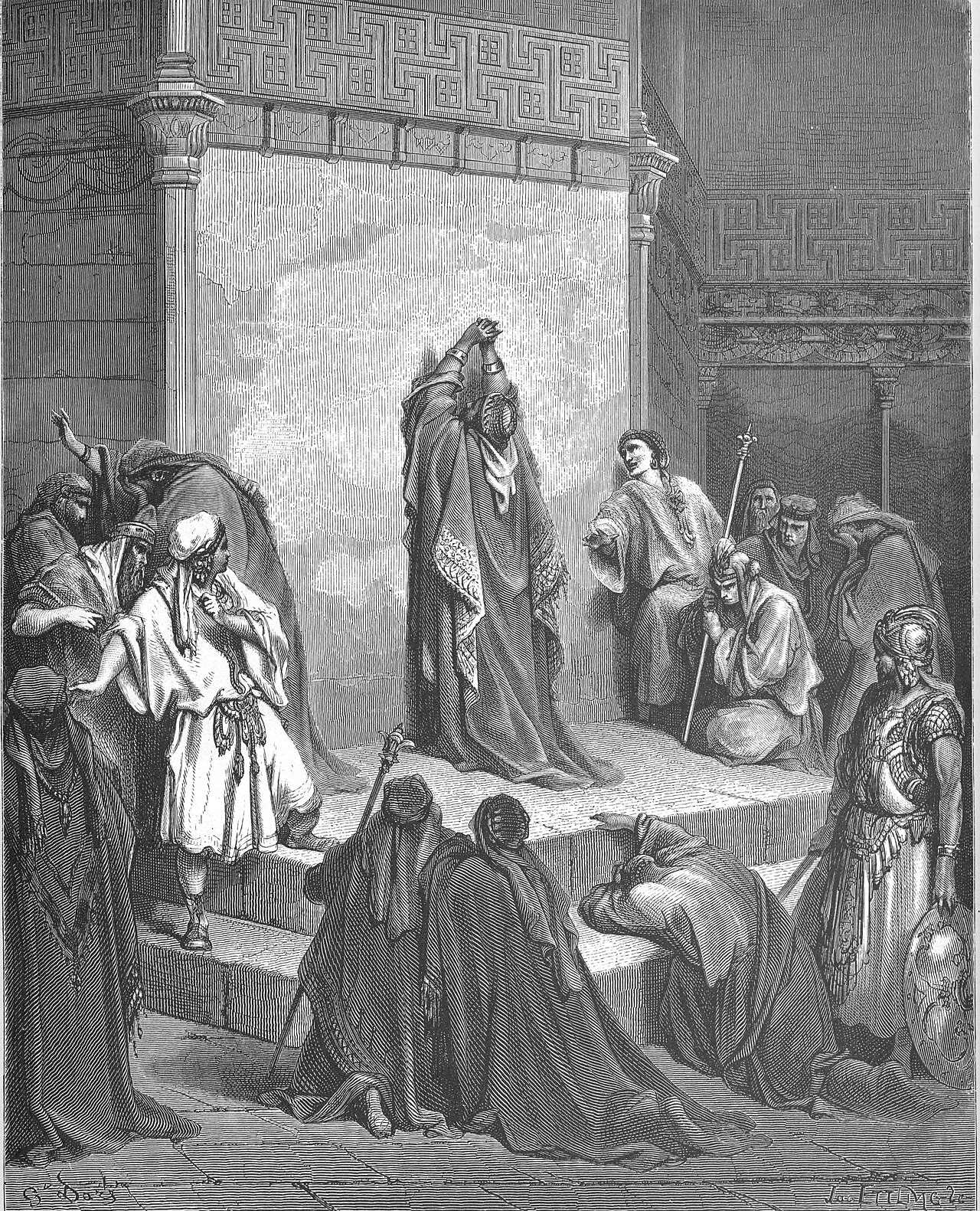
in 2 Samuel 12David brought out the people who were there and put them to work with saws, iron picks, and axes, and he made them work at the brick kilns. He did the same to all the Ammonite cities. Then David and all his troops returned to Jerusalem.
BSB
The same verse in ASV and KJV ▾
ASV
And he brought forth the people that were therein, and put them under saws, and under harrows of iron, and under axes of iron, and made them pass through the brickkiln: and thus did he unto all the cities of the children of Ammon. And David and all the people returned unto Jerusalem.
KJV
And he brought forth the people that were therein, and put them under saws, and under harrows of iron, and under axes of iron, and made them pass through the brickkiln: and thus did he unto all the cities of the children of Ammon. So David and all the people returned unto Jerusalem.
⋯
This verse in 2 Samuel 12
Commentary
8 notes on this verseA commentator
Albert Barnes1798–1870
Notes, Explanatory and Practical, on the Old and New Testaments (1832-1869)
For the saw as an implement of torture compare Heb 11:37. Harrows of iron - Or rather thrashing-machines (Isa 28:27; Isa 41:15, etc.). Axes - The word so rendered occurs only here and in 1Ch 20:3. It evidently means some cutting instrument.
This site's exposition
gathered all the people together
on 2 Samuel 12:29-31
David gathers the people, comes to Rabbah, and finishes what Joab began, taking the Ammonite king's crown, a talent of gold set with precious stones, onto his own head. Matthew Henry notes the irony of a man under such recent conviction reaching for a crown's glory rather than laying it at God's feet, a small echo of the same appetite chapter eleven exposed. The chapter's last verse records David putting the Ammonites to hard labour with saws and axes and the brickkiln, and John Wesley reads the harshness as the mark of a heart not yet fully returned to its former mercy. The chapter that opened with a shepherd's ewe lamb closes with a king's captured crown, the household sentence of verse ten still running its course through the chapters ahead.
This site's exposition
put them to work with saws, iron picks, and axes
Clarke says 1 Chronicles 20:3 reads he sawed where this verse reads he put, the two Hebrew words a part of one letter apart. He takes both as forced work with saws, picks and axes. Jamieson, Fausset and Brown read it as torture, repaying Ammonite cruelty at 1 Samuel 11:2.
The record, by era
The Puritans and the Awakening3 voices
And therefore it is probable, David exercised this cruelty whilst his heart was hardened, and impenitent; and when he was bereaved of that good spirit of God, which would have taught him more mercy.
13 And David said unto Nathan, I have sinned against the L ORD . And Nathan said unto David, The L ORD also hath put away thy sin; thou shalt not die. 14 Howbeit, because by this deed thou hast given great occasion to the enemies of the L ORD to blaspheme, the child also that is born unto thee shall surely die.
quarantine:scripture (2026-07-29) — scripture-overlap:90%@v13-14
And he brought forth the people that were therein,....
The Nineteenth Century2 voices
A commentator
Jamieson, Fausset & Brown1802–1910
Commentary Critical and Explanatory on the Whole Bible (1871)
proposed
he brought forth the people . . . and put them under saws, &c.--This excessive severity and employment of tortures, which the Hebrews on no other occasion are recorded to have practised, was an act of retributive justice on a people who were infamous for their cruelties (1Sa 11:2;
quarantine:debris (2026-07-29) — starts-lowercase+unbalanced-parens
He brought forth the people - And put them under saws. From this representation a great cry has been raised against “David’s unparalleled, if not diabolic, cruelty.” I believe this interpretation was chiefly taken from the parallel place, 1Ch 20:3, where it is said, he cut them with saws, and with axes, etc. Instead of וישר vaiyasar, he sawed, we have here (in Samuel) וישם vaiyasem, he put them; and these two words differ from each other only in a part of a single letter, ר resh for ם mem. And it is worthy of remark, that instead of וישר vaiyasar, he sawed, in 1Ch 20:3, six or seven MSS. collated by Dr. Kennicott have וישם vaiyasem, he put them; nor is there found any various reading in all the MSS. yet collated for the text in this chapter, that favors the common reading in Chronicles. The meaning therefore is, He made the people slaves, and employed them in sawing, making iron harrows, or mining, (for the word means both), and in hewing of wood, and making of brick. Sawing asunder, hacking, chopping, and hewing human beings, have no place in this text, no more than they had in David’s conduct towards the Ammonites. It is surprising, and a thing to be deplored, that in this and similar cases our translators had not been more careful to sift the sense of the original words by which they would have avoided a profusion of exceptionable meanings with which they have clothed many passages of the sacred writings. Though I believe our translation to be by far the best in any language, ancient or modern, yet I am satisfied it stands much in need of revision. Most of the advantages which our unbelievers have appeared to have over certain passages of Scripture, have arisen from an inaccurate or false translation of the terms in the original; and an appeal to this has generally silenced the gainsayers. […]
The words behind it
25 Hebrew wordsEvery Hebrew word of this verse in the order it stands, with what it means and the door to its own study. The last column counts the times a word stands in the whole Bible: the rarer the word, the more the places it appears belong together.
| Hebrew | Sound | Meaning | Word study | In the Bible |
|---|---|---|---|---|
| וְאֶת־ | veet | and <obj.> | H853 → | 10935 times |
| הָעָ֨ם | haam | the people | H5971 → | 1873 times |
| אֲשֶׁר־ | ʾasher- | which | H834 → | 5497 times |
| בָּ֜הּ | bah | [was] in <the> it | ||
| הוֹצִ֗יא | hotzi' | he brought out | H3318 → | 1067 times |
| וַיָּ֣שֶׂם | vaiyasem | and he set [them] | H7760 → | 584 times |
| בַּ֠מְּגֵרָה | bamegerah | at the saws | H4050 → | |
| וּבַחֲרִצֵ֨י | uvacharitzei | and at [the] picks of | H2757 → | |
| הַבַּרְזֶ֜ל | habarzel | <the> iron | H1270 → | 76 times |
| וּֽבְמַגְזְרֹ֣ת | uvemagzerot | and at [the] axes of | H4037 → | |
| הַבַּרְזֶ֗ל | habarzel | <the> iron | H1270 → | 76 times |
| וְהֶעֱבִ֤יר | veheevir | and he caused to pass | H5674 → | 556 times |
| אוֹתָם֙ | ʾotam | <obj.> them | H853 → | 10935 times |
| בַּמַּלְבֵּ֔ן | bamalken | in the brick mold[s] | H4404 → | |
| וְכֵ֣ן | vekhen | and thus | H3651 → | 771 times |
| יַעֲשֶׂ֔ה | yaaseh | he did | H6213 → | 2628 times |
| לְכֹ֖ל | lekhol | to all | H3605 → | 5413 times |
| עָרֵ֣י | ʾarei | [the] cities of | H5892 → | 1090 times |
| בְנֵֽי־ | venei- | [the] people of | H1121 → | 4930 times |
| עַמּ֑וֹן | amon | Ammon | H5983 → | 106 times |
| וַיָּ֧שָׁב | vaiyashov | and he returned | H7725 → | 1056 times |
| דָּוִ֛ד | david | David | H1732 → | 999 times |
| וְכָל־ | vekhol | and all | H3605 → | 5413 times |
| הָעָ֖ם | haam | the people | H5971 → | 1873 times |
| יְרוּשָׁלִָֽם׃ פ | yerushalim | Jerusalem | H3389 → | 643 times |
וְאֶת־and <obj.>
veetH853 →10935 times
הָעָ֨םthe people
haamH5971 →1873 times
אֲשֶׁר־which
ʾasher-H834 →5497 times
בָּ֜הּ[was] in <the> it
bah
הוֹצִ֗יאhe brought out
hotzi'H3318 →1067 times
וַיָּ֣שֶׂםand he set [them]
vaiyasemH7760 →584 times
בַּ֠מְּגֵרָהat the saws
bamegerahH4050 →
וּבַחֲרִצֵ֨יand at [the] picks of
uvacharitzeiH2757 →
הַבַּרְזֶ֜ל<the> iron
habarzelH1270 →76 times
וּֽבְמַגְזְרֹ֣תand at [the] axes of
uvemagzerotH4037 →
הַבַּרְזֶ֗ל<the> iron
habarzelH1270 →76 times
וְהֶעֱבִ֤ירand he caused to pass
veheevirH5674 →556 times
אוֹתָם֙<obj.> them
ʾotamH853 →10935 times
בַּמַּלְבֵּ֔ןin the brick mold[s]
bamalkenH4404 →
וְכֵ֣ןand thus
vekhenH3651 →771 times
יַעֲשֶׂ֔הhe did
yaasehH6213 →2628 times
לְכֹ֖לto all
lekholH3605 →5413 times
עָרֵ֣י[the] cities of
ʾareiH5892 →1090 times
בְנֵֽי־[the] people of
venei-H1121 →4930 times
עַמּ֑וֹןAmmon
amonH5983 →106 times
וַיָּ֧שָׁבand he returned
vaiyashovH7725 →1056 times
דָּוִ֛דDavid
davidH1732 →999 times
וְכָל־and all
vekholH3605 →5413 times
הָעָ֖םthe people
haamH5971 →1873 times
יְרוּשָׁלִָֽם׃ פJerusalem
yerushalimH3389 →643 times
A shaded row is a word that stands 400 times or fewer in the Bible.
The walk
8 stopsEach card is a verse this one points to, and under it the verses that one points to in turn. Where several paths arrive at the same place, that place is listed first: the text keeps returning to it.
Through
Amos 1:3This is what the LORD says: “For three transgressions of Damascus, even four, I will not revoke My judgment, because they threshed Gilead with sledges of iron.
it leads to
- Isaiah 8:4
For before the boy knows how to cry ‘Father’ or ‘Mother,’ the wealth of Damascus and the plunder of Samaria will be carried off by the king of Assyria.”
- 2 Kings 8:12
“Why is my lord weeping?” asked Hazael. “Because I know the evil you will do to the Israelites,” Elisha replied. “You will set fire to their fortresses, kill their young men with the sword,…
- 2 Kings 10:32–33
In those days the LORD began to reduce the size of Israel. Hazael defeated the Israelites throughout their territory
- Amos 2:6
This is what the LORD says: “For three transgressions of Israel, even four, I will not revoke My judgment, because they sell the righteous for silver and the needy for a pair of sandals.
- Amos 1:9
This is what the LORD says: “For three transgressions of Tyre, even four, I will not revoke My judgment, because they delivered up a whole congregation of exiles to Edom and broke a covenant…
- Isaiah 8:4
Through
2 Samuel 8:2David also defeated the Moabites, made them lie down on the ground, and measured them off with a cord. He measured off with two lengths those to be put to death, and with one…
it leads to
- Numbers 24:17
I see him, but not now; I behold him, but not near. A star will come forth from Jacob, and a scepter will arise from Israel. He will crush the skulls of Moab and…
- 1 Samuel 10:27
But some worthless men said, “How can this man save us?” So they despised him and brought him no gifts; but Saul remained silent about it.
- 2 Samuel 8:6
Then he placed garrisons in Aram of Damascus, and the Arameans became subject to David and brought him tribute. So the LORD made David victorious wherever he went.
- Numbers 24:17
Where this verse is studied
About 2 Samuel
Who and where
2 names in this verse with a page on the site.
This page draws on Adam Clarke, Commentary on the Bible; Albert Barnes, Notes, Explanatory and Practical, on the Old and New Testaments (1832-1869); Jamieson, Fausset & Brown, Commentary Critical and Explanatory on the Whole Bible; John Gill, Exposition of the Old Testament (1748-1763); John Wesley, Explanatory Notes upon the Old Testament and Matthew Henry, Commentary on the Whole Bible.