
Mark 9 · Trial 10 of 21 · Featured Study
Doubt
Doubt is the wavering of faith between belief and unbelief, and Scripture records it in prophets, apostles and a father who asked Jesus for help.
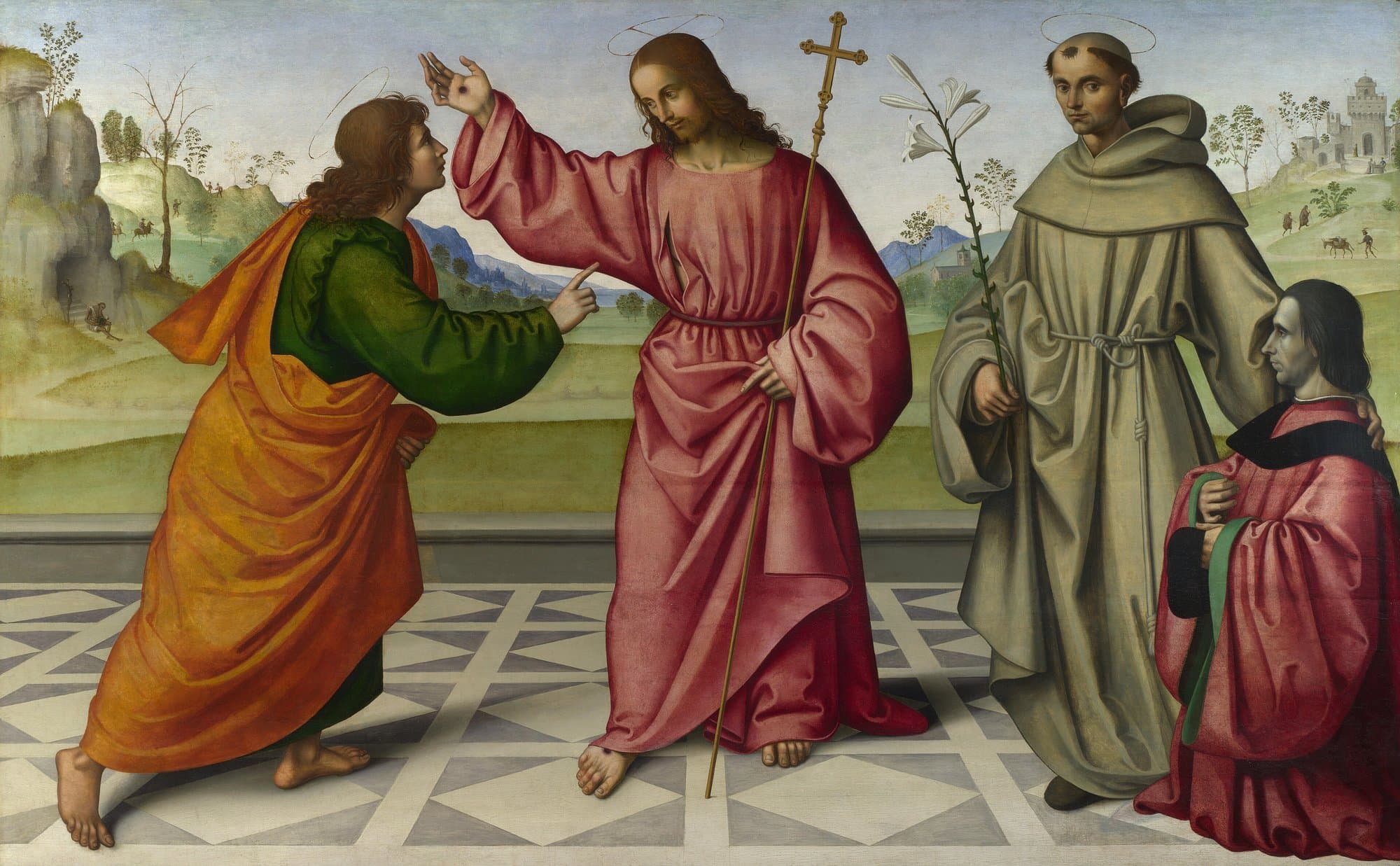
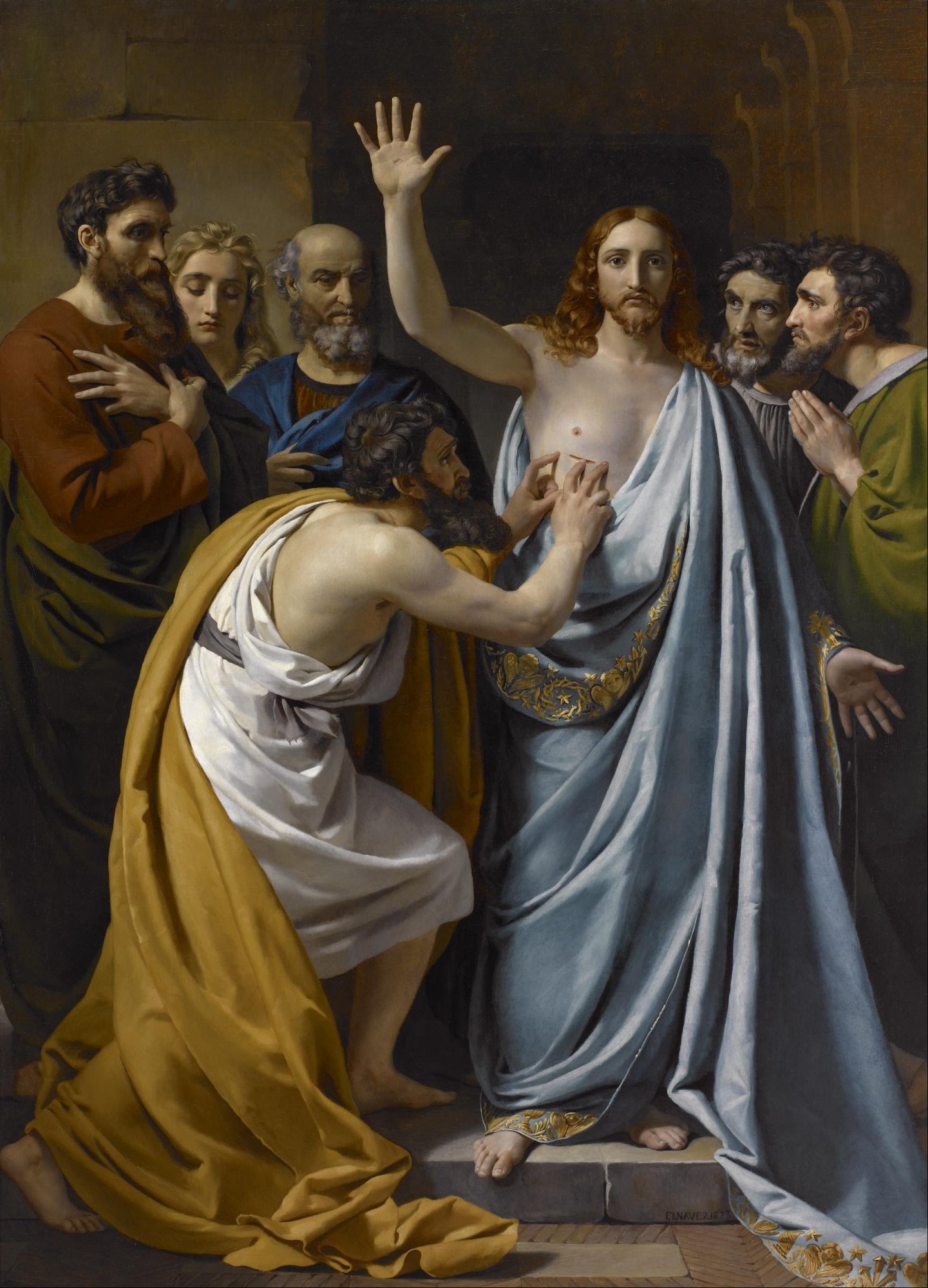
Thomas, who would not believe until he saw, answered the risen Jesus with the words “My Lord and my God!” (John 20:28).
Immediately the boy’s father cried out, “I do believe; help my unbelief!”
- Anchor text
- Mark 9:24 “Immediately the boy’s father cried out, “I…”
- The lament
- Psalm 77:7 to 9 “Will the Lord spurn us forever and…”
- Hold in memory
- Mark 9:24, Hebrews 11:6
Summary
Many of God's people doubted Him or His word. Sarah laughed at His promise, Gideon asked where His wonders had gone, and John the Baptist asked from prison whether Jesus was the One. Scripture keeps apart the honest struggle of a believer and the settled refusal to believe, which it calls sin.
- Jesus met honest doubters with patience, and He gave them reasons to believe.
- The church is to bear with weak faith and help the one who doubts.
- A doubter is told to bring the doubt to God in prayer.
- Faith grows by hearing God's word and by remembering what God has done.
- God kept His promises to Sarah and to Zechariah although each of them doubted.
What Scripture Says to the One Who Doubts
Four Greek words and one Hebrew verb name doubt, unbelief and little faith.
This study asks what Scripture says to a person who doubts. It shows where doubt comes from, where Christ met it and what God gives a doubter to do. It gives the Hebrew and Greek words for doubt and the key texts in their Berean words. It sets out the lament of Psalm 77 and the people and stories of doubt in the Bible and in the church. It also gives the voices of the church on doubt and three questions on which readers disagree.
Distazo, to waver
2 uses in the canon
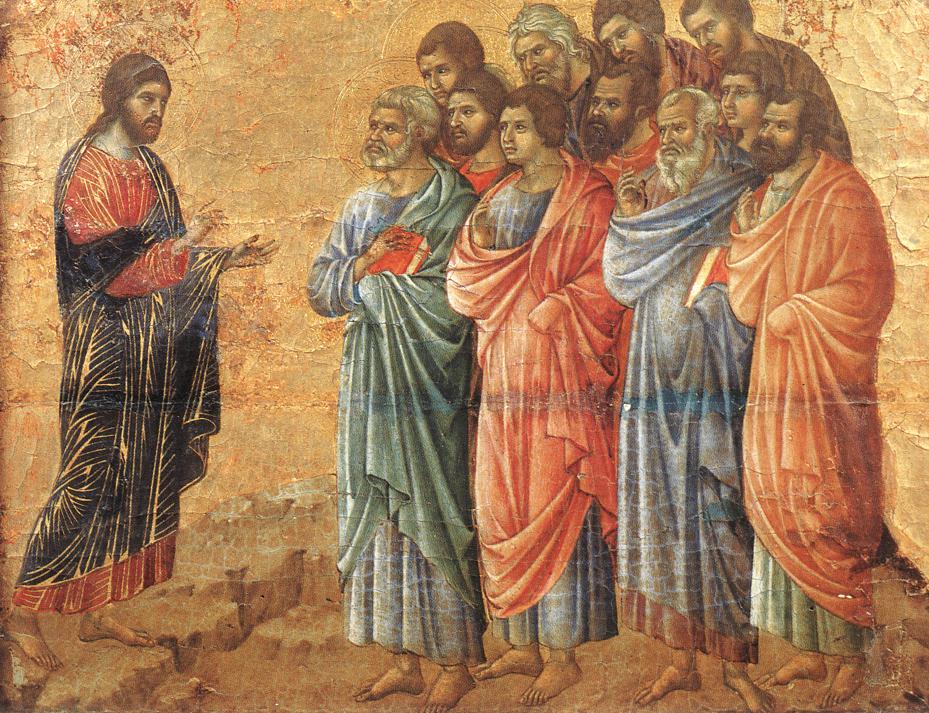
The Greek verb distazo (G1365) means to waver in opinion. After the resurrection the disciples met the Lord on a mountain in Galilee, and “they worshiped Him, but some doubted.”
Diakrino, to be divided
19 uses in the canon
The verb diakrino (G1252) first means to separate or to judge, and it can mean to dispute. In prayer it means to doubt. Jesus speaks of one who “has no doubt in his heart but believes that it will happen.”
Apistia, unbelief
10 uses in the canon
The noun apistia (G570) means unbelief. Mark says that Jesus “was amazed at their unbelief.”
Oligopistos, of little faith
5 uses in the canon
The adjective oligopistos (G3640) means of little faith. Every use is on the lips of Jesus, as in the storm: “You of little faith, why are you so afraid?”
Aman with not, to not believe
106 uses in the canon
The Hebrew verb aman (H539) means to be firm or faithful, and it also means to believe. With “not” it names unbelief. Psalm 78 says of Israel, “they did not believe God or rely on His salvation.”
Distazo, to waver, Diakrino, to be divided, Apistia, unbelief, Oligopistos, of little faith, Aman with not, to not believe, The Words Distazo and Diakrino, the study in brief
The Key Texts on Doubt
A psalm of lament, a prophet, a Gospel and the letters each speak to a doubting heart.
Psalms of lament
How long, O LORD? Will You forget me forever? How long will You hide Your face from me? How long must I wrestle in my soul, with sorrow in my heart each day? How long will my enemy dominate me?
David asks how long God will hide His face, so the lament gives doubt words to say to God.
Prophets
Why do you say, O Jacob, and why do you assert, O Israel, “My way is hidden from the LORD, and my claim is ignored by my God”? Do you not know? Have you not heard? The LORD is the everlasting God, the Creator of the ends of the earth. He will not grow tired or weary; His understanding is beyond searching out.
It answers the complaint that God has stopped seeing, which is the complaint of every doubter.
Gospels
The apostles said to the Lord, “Increase our faith!”
It shows that the remedy for small faith is to ask the Lord for more of it.
Luke 17:5BSB
Letters
And without faith it is impossible to please God, because anyone who approaches Him must believe that He exists and that He rewards those who earnestly seek Him.
It names the least that faith holds, which is the ground a doubter is asked to stand on.
Hebrews 11:6BSB
We also have the word of the prophets as confirmed beyond doubt. And you will do well to pay attention to it, as to a lamp shining in a dark place, until the day dawns and the morning star rises in your hearts.
It gives the doubter a sure word to hold until the light comes.
2 Peter 1:19BSB
Isaiah 40:27 to 28, Luke 17:5, Hebrews 11:6, 2 Peter 1:19
Where Doubt Comes From and Where Christ Met It
Scripture traces doubt to five sources under God's rule, and it shows Christ meeting doubt for His people.
Now the serpent was more crafty than any beast of the field that the LORD God had made. And he said to the woman, “Did God really say, ‘You must not eat from any tree in the garden?’”The serpent's first words question what God said, so doubt of God's word comes before the first sin.
But as for me, my feet had almost stumbled; my steps had nearly slipped. For I envied the arrogant when I saw the prosperity of the wicked.Asaph nearly slipped when he saw the wicked prosper, so a world out of joint can shake faith.
The god of this age has blinded the minds of unbelievers so they cannot see the light of the gospel of the glory of Christ, who is the image of God.Paul traces unbelief to an enemy who keeps the light of Christ from being seen.
False teaching is a fourth source. Paul names Hymenaeus and Philetus, who said the resurrection had already occurred and so upset the faith of some (2 Timothy 2:17 to 18). A person's own sin is a fifth.
See to it, brothers, that none of you has a wicked heart of unbelief that turns away from the living God.The letter calls a heart of unbelief that turns away from God wicked, so doubt can harden into refusal.
being confident of this, that He who began a good work in you will carry it on to completion until the day of Christ Jesus.Paul is sure that God will finish the work He began, so a believer's faith rests on God's hold.
The tempter's question in the wildernessMatthew 4
At His baptism a voice from heaven called Jesus “My beloved Son” (Matthew 3:17). After forty days in the wilderness the tempter came to Him.
The tempter came to Him and said, “If You are the Son of God, tell these stones to become bread.” But Jesus answered, “It is written: ‘Man shall not live on bread alone, but on every word that comes from the mouth of God.’”
Matthew 4:3 to 4BSB The tempter's “if” questions the Father's word, and Jesus meets it with the written word.
His cry from the crossMark 15
On the cross Jesus prayed the first line of Psalm 22. In Luke His last words are a prayer of trust: “Father, into Your hands I commit My Spirit” (Luke 23:46).
At the ninth hour, Jesus cried out in a loud voice, “Eloi, Eloi, lema sabachthani?” which means, “My God, My God, why have You forsaken Me?”
Mark 15:34BSB Jesus bore the darkness of being forsaken for His people, and He still called the Father “My God”.
Read the story of The Crucifixion 12 sections, 17 verses set out
His prayer for Peter's faithLuke 22
At the Last Supper Jesus warned Simon Peter that Satan wanted to sift the disciples like wheat.
Simon, Simon, Satan has asked to sift each of you like wheat. But I have prayed for you, Simon, that your faith will not fail. And when you have turned back, strengthen your brothers.”
Luke 22:31 to 32BSB Jesus prays that a disciple's faith will hold, and He sends the restored disciple to strengthen others.
His wounds shown to ThomasJohn 20
Thomas had refused to believe the other disciples. Eight days later Jesus came to them again and spoke to him.
Then Jesus said to Thomas, “Put your finger here and look at My hands. Reach out your hand and put it into My side. Stop doubting and believe.”
John 20:27BSB Jesus answered Thomas's demand with His own wounds and called him to believe.
His sympathy as High PriestHebrews 4
Hebrews was written to believers who were tempted to drift from the faith, and it points them to their high priest in heaven.
For we do not have a high priest who is unable to sympathize with our weaknesses, but we have one who was tempted in every way that we are, yet was without sin.
Hebrews 4:15BSB The verse tells the doubter that Christ knows human weakness from within and was tempted without sin.
His cry from the cross (Mark 15), His prayer for Peter's faith (Luke 22), His wounds shown to Thomas (John 20), His sympathy as High Priest (Hebrews 4)
2 Corinthians 4:4, Hebrews 3:12, Philippians 1:6, Matthew 4:3 to 4, Mark 15:34, Luke 22:31 to 32, John 20:27, Hebrews 4:15
The Fall & the Protoevangelium, the study in brief, Psalm 73:2 to 3, 2 Corinthians 4:4, Hebrews 3:12, Philippians 1:6, Providence, the study in brief, The tempter's question in the wilderness (Matthew 4), His cry from the cross (Mark 15) and 3 more
Who Walked Through Doubt
Five people of the Bible doubted God's promise, His presence or His justice.
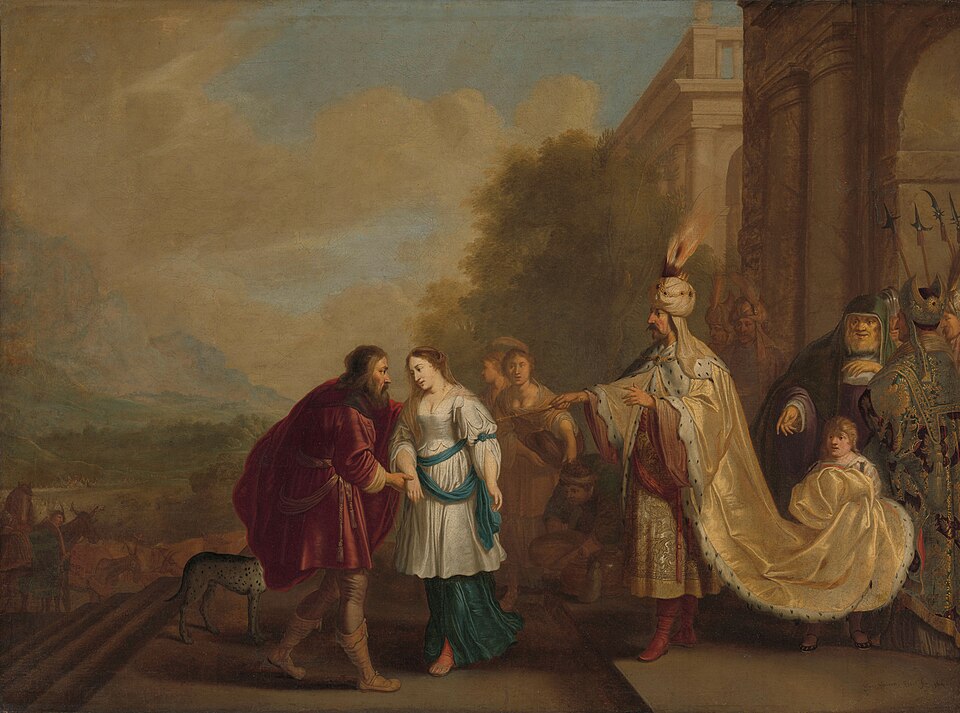
She laughed to herself and said, “After I am worn out and my master is old, will I now have this pleasure?”
Genesis 18:12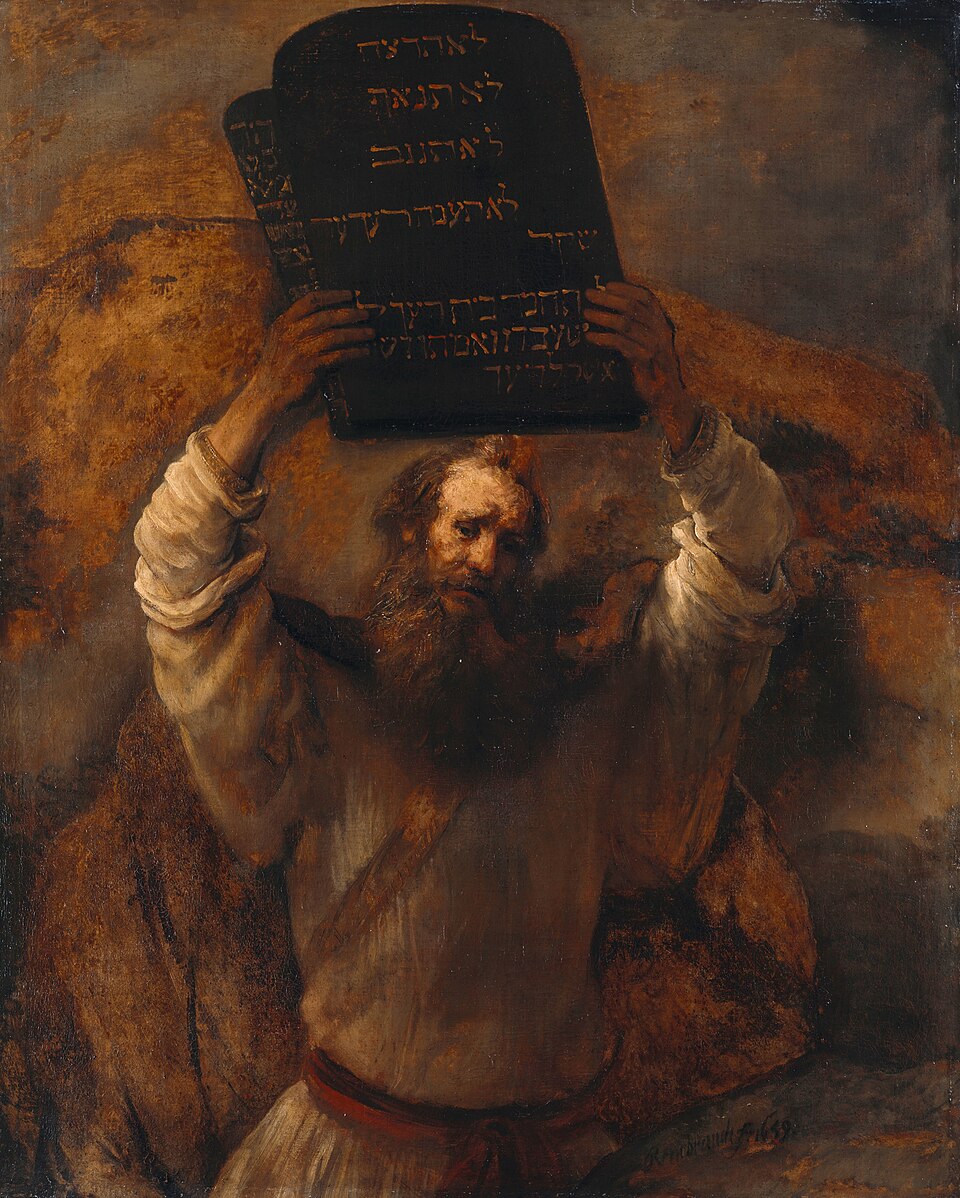
At Meribah the LORD told Moses and Aaron, “you did not trust Me to show My holiness in the sight of the Israelites.”
Numbers 20:12
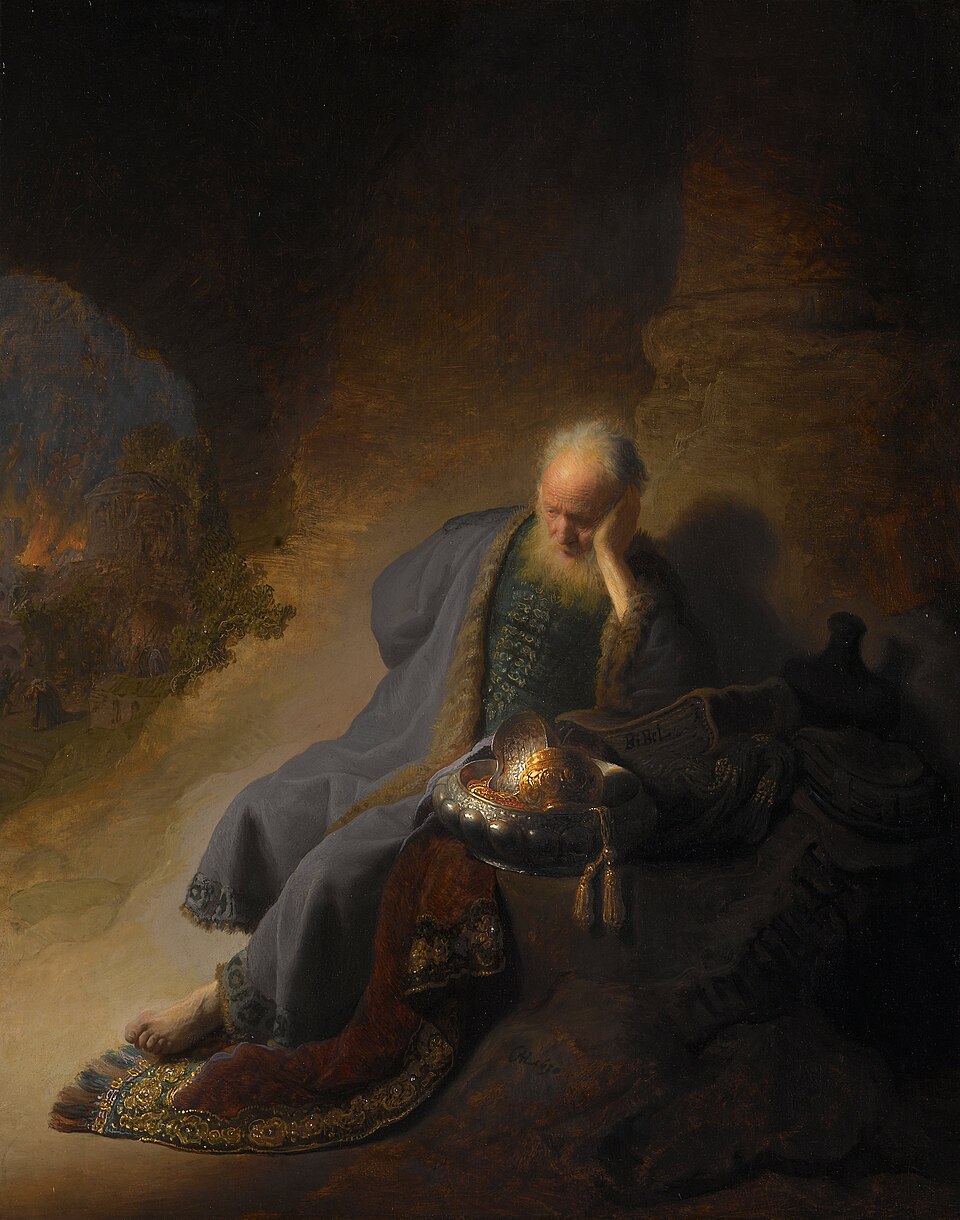
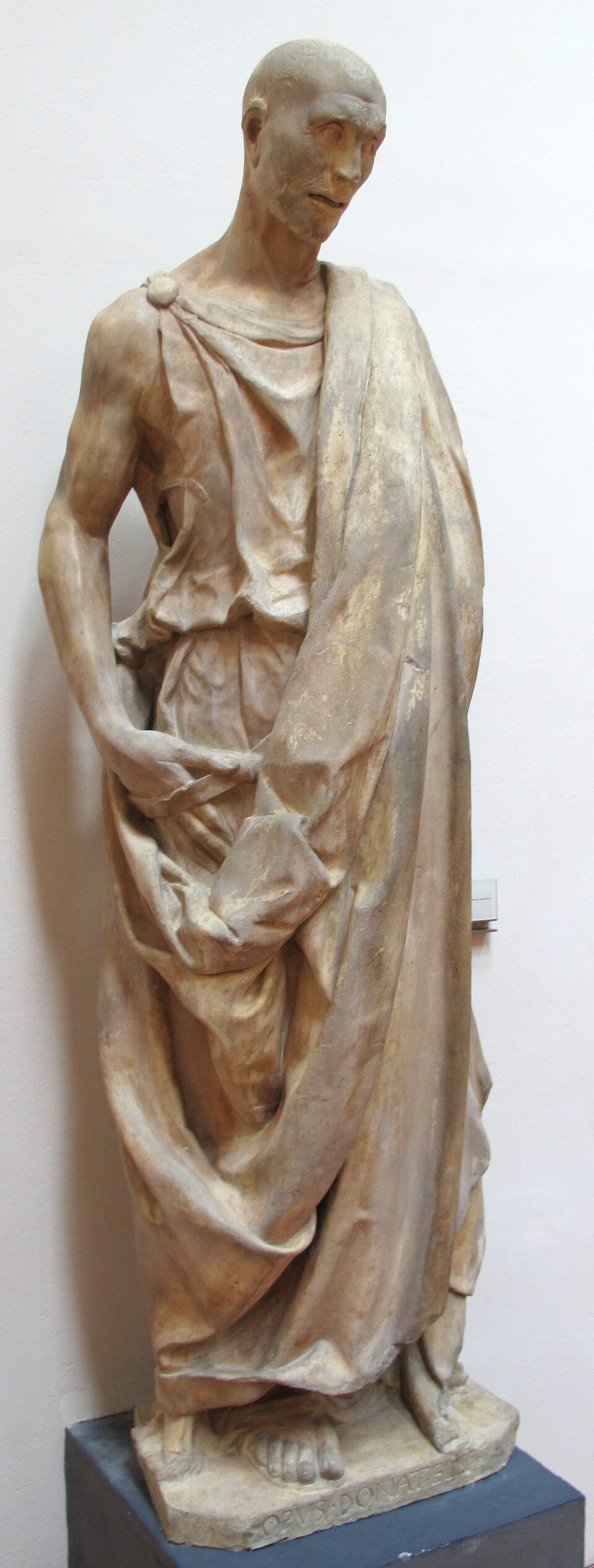
Gideon, Jeremiah, Habakkuk
What Scripture Gives the Doubter to Do
Scripture names six things to do in doubt, each in the words of the verse that gives it.
- 1Pray to the God who gives generously“Now if any of you lacks wisdom, he should ask God, who gives generously to all without finding fault, and it will be given to him.”James 1:5
- 2Hear the word of Christ“Consequently, faith comes by hearing, and hearing by the word of Christ.”Romans 10:17
- 3Remember what God has done“Remember the wonders He has done, His marvels, and the judgments He has pronounced”Psalm 105:5
- 4Examine the ScripturesThe Bereans “examined the Scriptures every day to see if these teachings were true.”Acts 17:11
- 5Exhort one another daily“But exhort one another daily, as long as it is called today, so that none of you may be hardened by sin’s deceitfulness.”Hebrews 3:13
- 6Fix your eyes on Jesus“Let us fix our eyes on Jesus, the author and perfecter of our faith”Hebrews 12:2
Hear the word of Christ, Remember what God has done, Examine the Scriptures, Exhort one another daily, Fix your eyes on Jesus
Where doubt comes with depression or with intrusive, obsessive fears, the care of a physician or a counsellor stands beside prayer and never in its place.
The Lament of Psalm 77
Asaph's prayer asks whether God's love and promise have failed, and it turns to remember the works of the LORD.
Asaph opens the psalm, “I cried out to God; I cried aloud to God to hear me” (Psalm 77:1). Through the night his “soul refused to be comforted” (Psalm 77:2).
“Will the Lord spurn us forever and never show His favor again? Is His loving devotion gone forever? Has His promise failed for all time? Has God forgotten to be gracious? Has His anger shut off His compassion?” SelahThe questions voice the doubt of a believer who fears that God's love and promise have failed.
So I said, “I am grieved that the right hand of the Most High has changed.” I will remember the works of the LORD; yes, I will remember Your wonders of old. I will reflect on all You have done and ponder Your mighty deeds.Asaph sets the memory of God's past wonders against his questions.
Your path led through the sea, Your way through the mighty waters, but Your footprints were not to be found. You led Your people like a flock by the hand of Moses and Aaron.It ends the lament with the exodus, so the memory of God's past rescue answers the present doubt.
Psalm 77:7 to 9, Psalm 77:10 to 12, Psalm 77:19 to 20, Mercy to Those Who Doubt, the study in brief, The Lament Form in the Psalter, the study in brief
Doubt in the Stories of the Bible
Four stories tell of a desperate father, a prophet in prison, a disciple on the water and the apostles at the empty tomb.
The father of the boy with a spiritMark 9
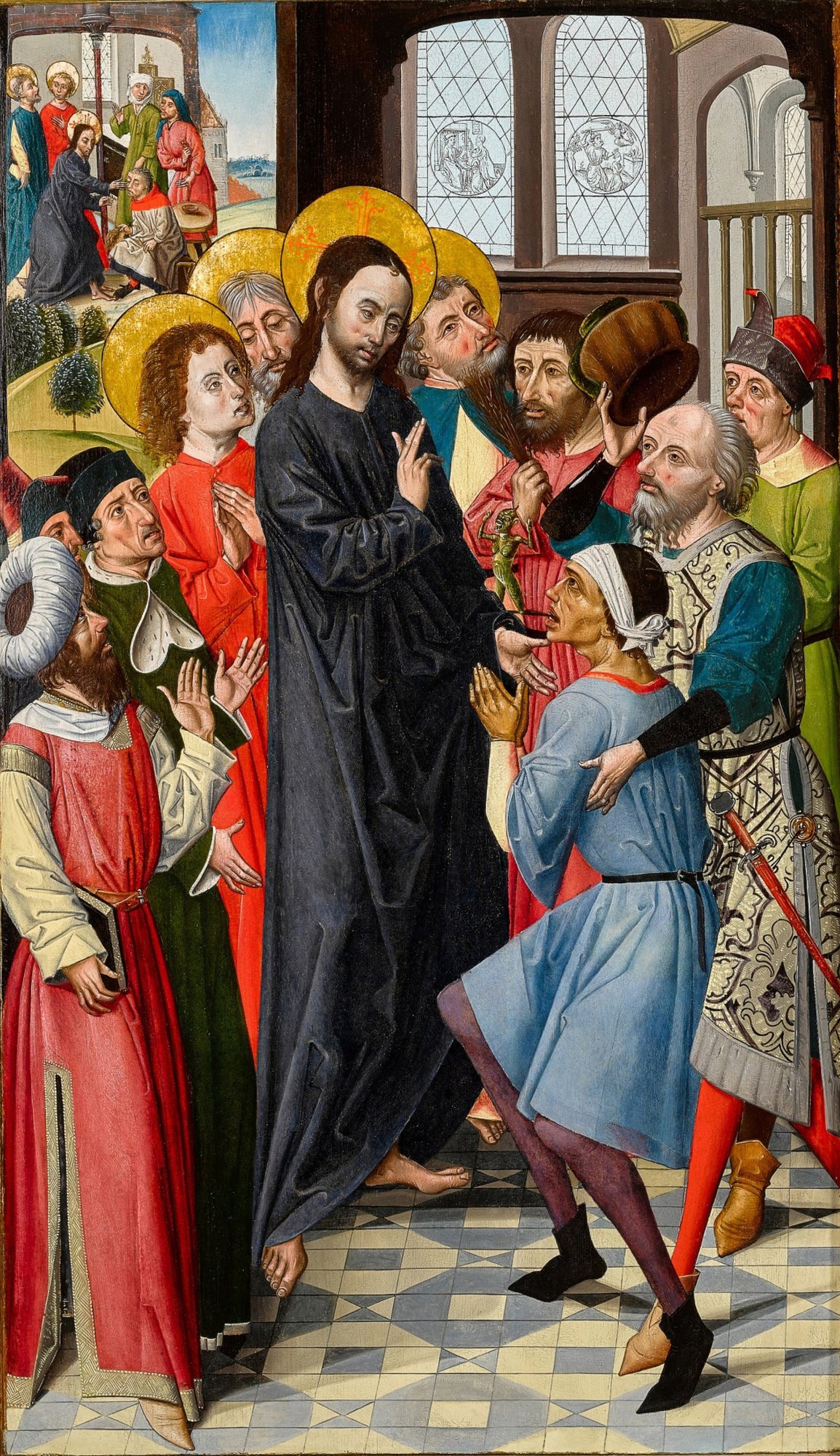
A father brought his son, whom a spirit threw into fire and water, and the disciples could not drive it out. He said to Jesus, “But if You can do anything, have compassion on us and help us” (Mark 9:22). Jesus echoed, “If You can?” and said in Mark 9:23, “All things are possible to him who believes!” The father confessed both his faith and his unbelief, and Jesus freed the boy and lifted him to his feet.
Read the story of I Believe; Help My Unbelief 10 sections, 17 verses set out
John the Baptist in prisonMatthew 11
In prison John heard about the works of Christ. In Matthew 11:3 he sent his disciples to ask, “Are You the One who was to come, or should we look for someone else?” Jesus sent them back to tell John what they heard and saw: the blind see, the lame walk and the dead are raised. He added a blessing on the one who does not fall away on account of Him.
Read the story of Are You the One Who Was to Come? 7 sections, 18 verses set out
Peter on the waterMatthew 14
Peter asked Jesus to command him to come on the water, and he walked toward Jesus. When he saw the strength of the wind he was afraid and began to sink, and he cried out to the Lord to save him (Matthew 14:30). In Matthew 14:31 Jesus took hold of him at once and asked, “You of little faith, why did you doubt?” Then the disciples in the boat worshiped Him.
The apostles and the women's reportLuke 24
The women came back from the tomb and told the apostles what they had found. “But their words seemed like nonsense to them, and they did not believe the women” (Luke 24:11). That evening Jesus stood among them and asked why doubts arose in their hearts. He showed them His hands and feet, and He ate a piece of broiled fish in front of them.
Read the story of The Empty Tomb 12 sections, 17 verses set out
John the Baptist in prison (Matthew 11), Peter on the water (Matthew 14), The apostles and the women's report (Luke 24)
Doubt in the Church's History
Two accounts tell of a teacher who doubted everything before his conversion and a prisoner who wrote of Doubting Castle.
Augustine's years of doubtConfessions, books 5 and 8
In his Confessions Augustine wrote that he once leaned toward the Academics, who held “that we ought to doubt everything”. He became a catechumen while still “doubting of everything and fluctuating between all” (book 5). Later, weeping, he heard a child's voice from a neighbouring house chanting, “Take up and read”. He opened the apostle's letters and read Romans 13:13 to 14. He wrote that then “all the gloom of doubt vanished away” (book 8).
Bunyan's Doubting Castle1678
John Bunyan wrote The Pilgrim's Progress while he was imprisoned, and it was published in 1678. In it Giant Despair finds Christian and Hopeful, who have lost their way, and shuts them in the dungeon of Doubting Castle. They lie there from Wednesday morning till Saturday night. After they pray through Saturday night, Christian remembers “a Key in my bosom called Promise, that will, I am persuaded, open any Lock in Doubting Castle.”
Voices on Doubt, by Century
Five quotations in the order of their authors' deaths, from the second century to 1714, each under the line it teaches.
died 160 · Shepherd of Hermas
Shepherd of Hermas, Commandment 9
A believer should ask the Lord without doubting, because He has compassion on His own creature.
The quotation1 quotation
“Put away doubting from you and do not hesitate to ask of the Lord, saying to yourself, ‘How can I ask of the Lord and receive from Him, seeing I have sinned so much against Him?’ Do not thus reason with yourself, but with all your heart turn to the Lord and ask of Him without doubting, and you will know the multitude of His tender mercies; that He will never leave you, but fulfil the request of your soul. For He is not like men, who remember evils done against them; but He Himself remembers not evils, and has compassion on His own creature. ... For those who doubt regarding God are double-souled, and obtain not one of their requests. But those who are perfect in faith ask everything, trusting in the Lord; and they obtain, because they ask nothing doubting, and not being double-souled. For every double-souled man, even if he repent, will with difficulty be saved.”
Shepherd of Hermas · Shepherd of Hermas, Commandment 9 · on James 1:8Patristic
died 407 · John Chrysostom
Homily on Romans VIII
Faith needs strength to thrust aside the suggestions of unbelief, as Abraham did when he did not stagger at God's promise.
The quotation1 quotation
“For God neither gave any proof nor made any sign, but there were only bare words promising such things as nature did not hold out any hopes of. Yet still he says, ‘he staggered not.’ He does not say, ‘He did not disbelieve,’ but, ‘He staggered not,’ that is, he neither doubted nor hesitated though the hindrances were so great. From this we learn, that if God promise even countless impossibilities, and he that heareth doth not receive them, it is not the nature of things that is to blame, but the unreasonableness of him who receiveth them not. ‘But was strong in faith.’ See the pertinacity of Paul. For since this discourse was about them that work and them that believe, he shows that the believer works more than the other, and requires more power, and great strength, and sustains no common degree of labor. For they counted faith worthless, as having no labor in it. Insisting then upon this, he shows that it is not only he that succeeds in temperance, or any other virtue of this sort, but he that displays faith also who requires even greater power. For as the one needs strength to beat off the reasonings of intemperance, so hath the faithful also need of a soul endued with power, that he may thrust aside the suggestions of unbelief. How then did he become ‘strong?’ By trusting the matter, he replies, to faith and not to reasonings: else he had fallen. But how came he to thrive in faith itself? By giving glory to God, he says.”
John Chrysostom · Homily on Romans VIII · on Romans 4:20Patristic
died 435 · John Cassian
CONFERENCE OF ABBOT PAPHNUTIUS 16
The father's prayer shows faith kept whole by the Lord's aid and never by its own strength.
The quotation1 quotation
“Seeing that his faith was being driven by the waves of unbelief on the rocks which would cause a fearful shipwreck, he asks of the Lord an aid to his faith, saying ‘Lord, help me in my unbelief.’ So thoroughly did the apostles and those who live in the gospel realize that everything which is good is brought to completion by the aid of the Lord, and not imagine that they could preserve their faith unharmed by their own strength or free will, that they prayed that it might be helped and granted to them by the Lord.”
John Cassian · Conference of Abbot Paphnutius 16 · on Mark 9:24Patristic
died 735 · Bede
On the Gospel of Mark
The father's cry shows faith growing from small beginnings, since no one becomes great all at once.
The quotation1 quotation
“And immediately the father of the child cried out with tears, saying: I believe, Lord; help my unbelief. No one becomes supreme suddenly: but in good conduct, everyone begins from the smallest things, so as to reach the great. For the beginnings of virtue are …”
Bede · On the Gospel of Mark · on Mark 9:24Patristic
1662 to 1714 · Matthew Henry
Commentary on the Whole Bible
Those who complain of unbelief must look to Christ for grace against it.
The quotation1 quotation
“Those that complain of unbelief, must look up to Christ for grace to help them against it, and his grace shall be sufficient for them. ‘Help mine unbelief, help me to a pardon for it, help me with power against it; help out what is wanting in my faith with thy grace, the strength of which is perfected in our weakness.’ VIII.”
Matthew Henry · Commentary on the Whole Bible · on Mark 9:24Puritan
John Cassian, Bede, Matthew Henry
How Doubt Has Been Taught
J. C. Ryle in 1856 and Charles Spurgeon in 1872 taught how weak faith is tried and kept.
Ryle taught that faith and unbelief are mixed in Christ's best disciples, and that Christ rules every storm that tries them.2 paragraphs
J. C. Ryle commented on Matthew 14:22 to 36 in his Expository Thoughts on the Gospels: Matthew (1856). He wrote that the passage shows “the mixture of faith and unbelief in his best disciples.”
He wrote that Christ “may allow his people to be tried for a season, and to be tossed to and fro by storms of trouble”. He added, “never let them forget that winds, and waves and storms are all Christ’s servants.”
Spurgeon taught that new faith is weak and open to attack, and that it calls for compassion.2 paragraphs
Charles Spurgeon preached on Mark 9:24 in the sermon “Faith's Dawn and Its Clouds”, sermon 1033 of The Metropolitan Tabernacle Pulpit (1872). He said, “The weakness of newborn faith, therefore, calls for the compassion of all who love the souls of men.”
He warned that “at such times Satan is frequently very active.” He also said, “Bunyan very wisely placed the Slough of Despond at the very commencement of the spiritual journey.”
Where the Science Speaks
A study of older Christians in the United States measured religious doubt beside depression over three years.
The study followed 639 Christian older adults in the United States between 2001 and 2004. A rise in religious doubt went with a rise in depression over time. Support from a pastor eased that link for men (L. Upenieks, R. Bonhag and A. C. McGowan, International Psychogeriatrics, 2024).
The Studies of Doubt
Each study takes one part of doubt into more depth.
The texts
1 study
- Passages and psalms · 11 verses set outMercy to Those Who Doubt
Jude 1:20 to 23 is the closing charge of Jude, set between the apostles' warning of scoffers and the doxology.
- Passages and psalms · 11 verses set outMercy to Those Who Doubt
The stories
1 study
- Stories · 18 verses set outAre You the One Who Was to Come?
Matthew 11:2 to 19 tells of John's messengers, the reply Jesus sent from His works and His praise of John.
- Stories · 18 verses set outAre You the One Who Was to Come?
The words
1 study
- Symbols and words · 22 verses set outThe Words Distazo and Diakrino
The Greek verbs distazo and diakrino stand behind the word doubt in the Gospels and the letters, and only the first always means to doubt.
- Symbols and words · 22 verses set outThe Words Distazo and Diakrino
The practice
2 studies
- Debates · 9 verses set outIs Doubt Sin?
James 1:6 warns the believer who doubts when he prays, and Jude 1:22 commands mercy for those who doubt.
- Subjects · 11 verses set outThe Reasons a Doubter Can Weigh
Luke, John, Paul and Peter each name in their own words the grounds a reader can weigh before believing.
- Debates · 9 verses set outIs Doubt Sin?
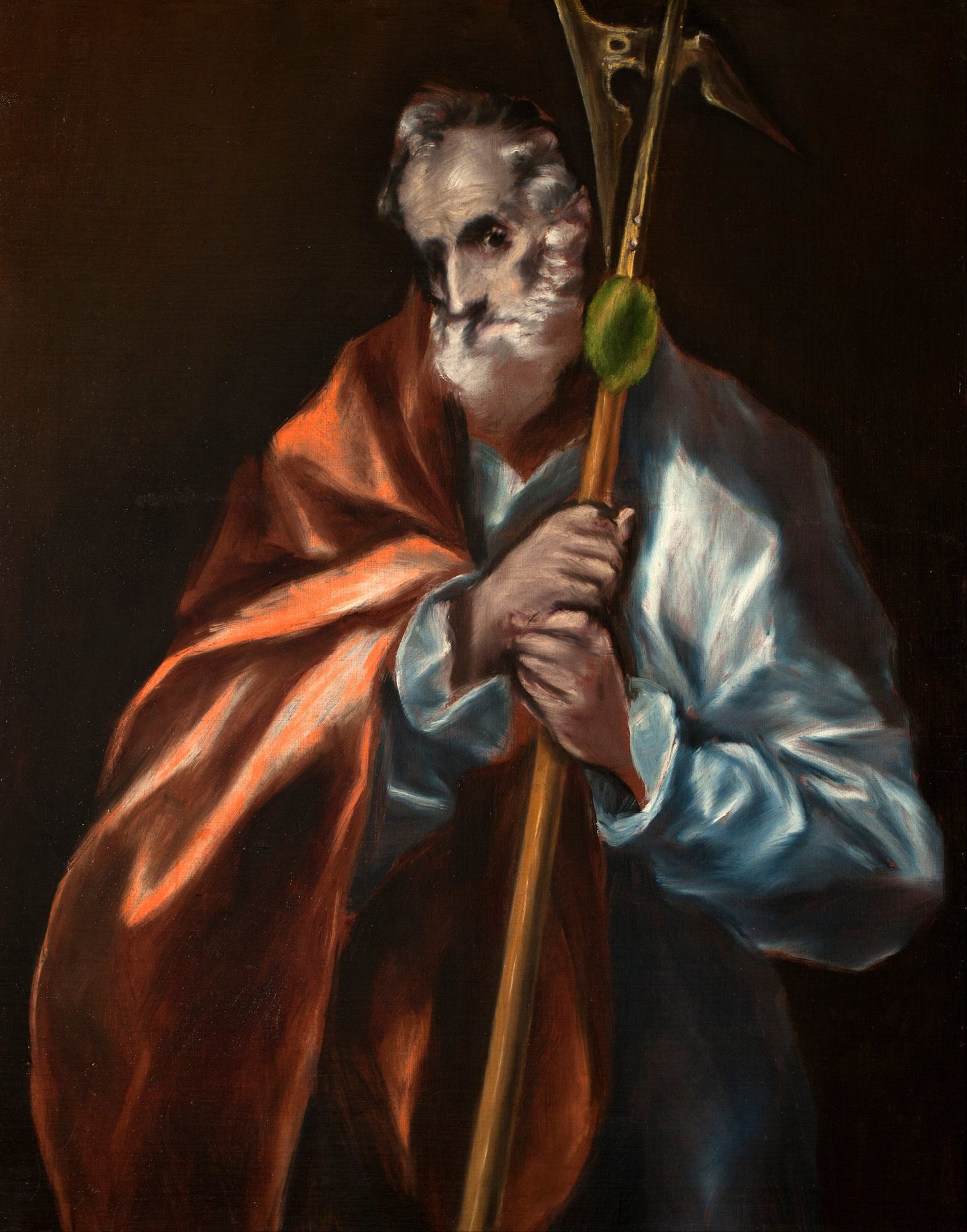
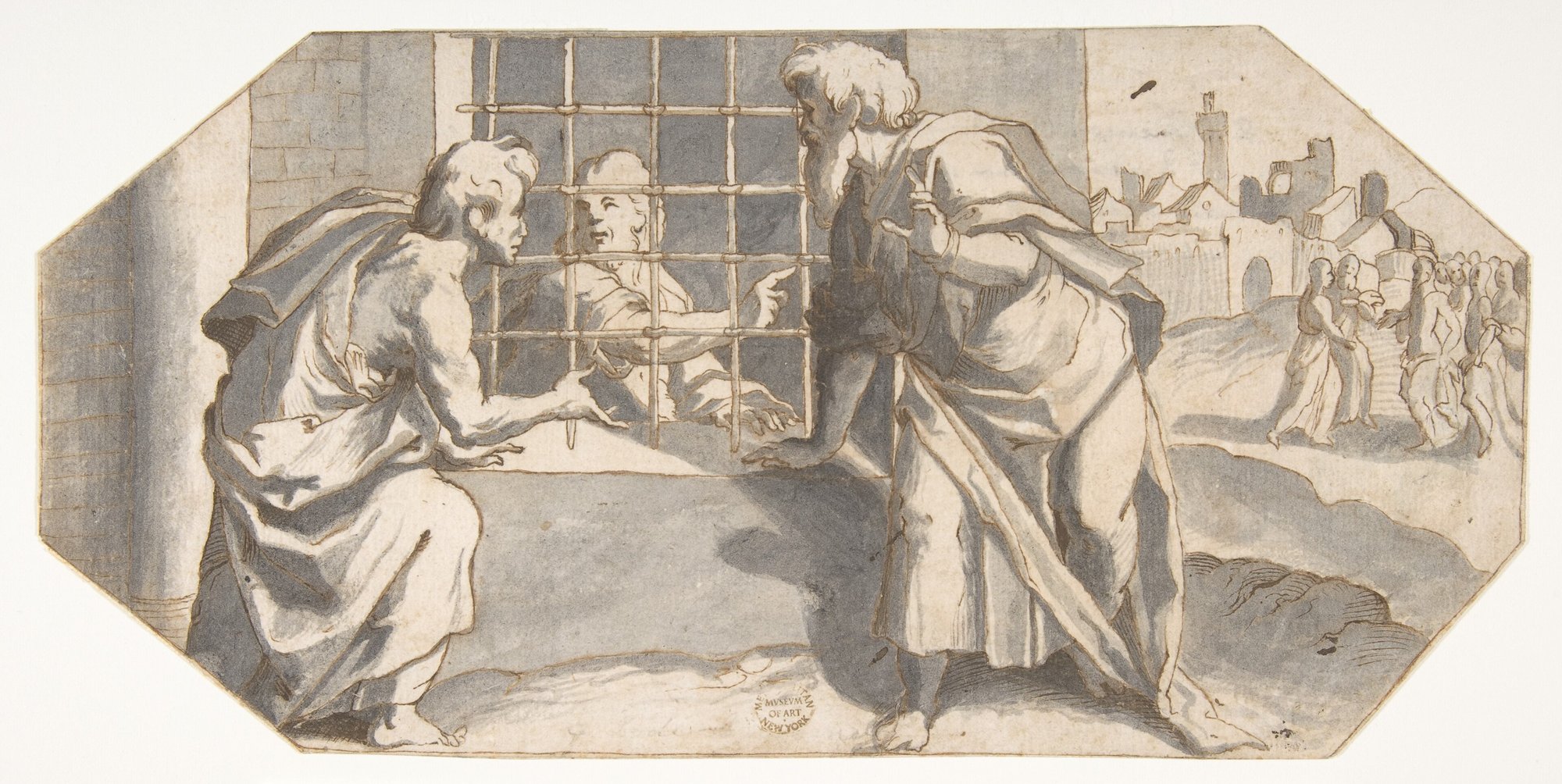
Are You the One Who Was to Come?, The Words Distazo and Diakrino, Is Doubt Sin?, The Reasons a Doubter Can Weigh
Where Readers Disagree
Six readings answer three questions, each with its holders, the work that argues it and the objection raised against it.
Whether doubt is a sin
Read the debate Is Doubt Sin? 7 sections, 9 verses set out
| Reading | Held by | Work | Objection |
|---|---|---|---|
| Doubt in prayer is a form of pride and double-mindedness to be condemned | Cyril of Alexandria; the Shepherd of Hermas (Greek patristic writing; early Roman Christian writing) | Cyril of Alexandria, on James 1:6, from the catena; The Shepherd of Hermas, Commandment 9 | Paul tells the church, “Accept him whose faith is weak, without passing judgment on his opinions” (Romans 14:1). |
| The weakest faith is far from unbelief, and the believer who wavers is still a believer | Charles Spurgeon (English Baptist) | Charles Spurgeon, Little Faith and Great Faith, The Metropolitan Tabernacle Pulpit, sermon 2173 (1890) | Paul writes that “everything that is not from faith is sin” (Romans 14:23). |
Whether John the Baptist doubted
Read the story Are You the One Who Was to Come? 7 sections, 18 verses set out
| Reading | Held by | Work | Objection |
|---|---|---|---|
| John did not doubt, and he sent the question for his disciples' sake | J. C. Ryle; Charles Spurgeon (Anglican evangelical; English Baptist) | J. C. Ryle, Expository Thoughts on the Gospels: Matthew (1856), on Matthew 11:1 to 15; Charles Spurgeon, Preaching for the Poor, The New Park Street Pulpit, sermon 114 (1857) | Jesus told the messengers to take His answer back to John himself (Matthew 11:4). |
| John knew who Jesus was and asked whether He would go down to death | Gregory the Great; Ambrose of Milan, who reports the reading (Latin patristic writing) | Gregory the Great, Forty Gospel Homilies, homily 6; Ambrose of Milan, on Luke 7:19, in the Catena Aurea | John's question asks only whether Jesus is the One who was to come, and it says nothing of His death (Matthew 11:3). |
Who doubted on the mountain in Galilee
Read the study The Words Distazo and Diakrino 7 sections, 22 verses set out
| Reading | Held by | Work | Objection |
|---|---|---|---|
| Some of the Eleven, slow to believe because they had not expected the resurrection | Albert Barnes; Adam Clarke (American Presbyterian; Methodist) | Albert Barnes, Notes (1832 to 1869), on Matthew 28:17; Adam Clarke, Commentary on the Bible (1832), on Matthew 28:17 | John records that the disciples had already seen the risen Lord twice in Jerusalem (John 20:19 to 26). |
| Others with the Eleven, perhaps among the five hundred to whom the Lord appeared | Matthew Henry; Jamieson, Fausset and Brown (English Presbyterian; Scottish Presbyterian commentary) | Matthew Henry, Commentary on the Whole Bible (1710), on Matthew 28:17; Jamieson, Fausset and Brown, Commentary Critical and Explanatory (1871), on Matthew 28:17 | Matthew names only the eleven disciples as going to the mountain (Matthew 28:16). |
Every Text on Doubt
Four of the twelve verses the subject page Doubt gathered stand here, with its essay and the topic page's description as they were written.
Four verses, from Sarah to James.4 verses
And the LORD asked Abraham, “Why did Sarah laugh and say, ‘Can I really bear a child when I am old?’Her laughter shows how hard the promise was to believe in old age.
Then Gideon said to God, “If You are going to save Israel by my hand, as You have said,It shows a man God had called still asking for proof before he acted.
“How can I be sure of this?” Zechariah asked the angel. “I am an old man, and my wife is well along in years.”It shows a priest's doubt met with silence while the promise still came true.
But he must ask in faith, without doubting, because he who doubts is like a wave of the sea, blown and tossed by the wind.It warns that doubt in prayer leaves a person unsteady.
Two essays, carried as they stood.12 paragraphs
The subject page at /tag/doubt carried the essay that follows.
Doubt shows up early in Scripture and it is never hidden. The Bible does not present faith as a straight, easy road walked by people who never once wondered if God was really there. It shows honest people, often godly ones, wrestling out loud with uncertainty, and it treats their questions seriously enough to record the answers.
Sarah is among the first. Told she will bear a son in her old age, she laughs within herself, and when confronted, denies it out of fear (Genesis 18:13-15). Her doubt does not cancel the promise. Isaac is born anyway, on God's own timetable rather than hers.
Zechariah, a priest, is told by an angel that his elderly wife will bear a son. His response is a question: "Whereby shall I know this? for I am an old man" (Luke 1:18). He is struck silent for his unbelief, but the child is still given; doubt did not cancel the promise, though it cost Zechariah his voice for a season.
Thomas is the New Testament's most famous doubter, and for good reason. Told that Jesus had risen, he refused to believe secondhand: unless he could see the print of the nails and touch them himself, he would not believe (John 20:25). A week later, Jesus appeared and let him touch the wounds Himself. Jesus did not scold him away; He met the doubt where it stood, with evidence, and Thomas answered, "My Lord and my God" (John 20:28).
Peter's doubt is more physical. Walking toward Jesus on the water, he takes his eyes off Him, notices the wind, and begins to sink. Jesus catches him and asks, "O thou of little faith, wherefore didst thou doubt?" (Matthew 14:31). The question is not rhetorical scorn. It is a diagnosis; Peter's fear grew the moment his attention moved off Christ and onto the storm.
Even a man Jesus calls the greatest born of women had a moment like this. From prison, John the Baptist sends messengers to ask Jesus directly, "Art thou he that should come, or do we look for another?" (Matthew 11:3). Jesus does not rebuke him. He points John back to the evidence (the blind seeing, the lame walking, the dead raised) and lets the facts answer the question.
James addresses doubt head-on as a practical matter of prayer. Someone who asks God for wisdom should ask "in faith, nothing wavering," because the doubter is compared to "a wave of the sea driven with the wind and tossed" (James 1:6). The image is not a threat aimed at anyone who has ever wondered. It describes what happens when doubt is left unanchored, with nothing solid underneath it.
That anchor is the whole point. Scripture never asks a person to manufacture certainty out of nothing. It points doubt toward something outside the doubter: a promise kept, a wound that can be touched, a work that can be seen. Faith, in these accounts, is less a feeling to be worked up and more a decision to trust a Person whose track record is already there to examine.
That is why doubt and faith are not always opposites in the way they first appear. Even the father of a suffering boy cries out to Jesus, "Lord, I believe; help thou mine unbelief" (Mark 9:24), holding both in the same breath, and Jesus heals his son anyway. The road to Christ does not require a doubt-free start. It only requires bringing the doubt to Him instead of carrying it alone; He does not turn away an honest question, and He has never once needed a person's faith to be perfect before He was willing to answer it.
The topic page at /topics/doubt carried the description that follows.
Doubt in Scripture is the struggle to believe when the evidence feels absent, silent, or contradictory. The Bible does not rebuke honest questions but meets the named doubters (Thomas, Gideon, John the Baptist) with evidence, presence, and patience. Doubt is addressed by remembering what God has already said and done — not by pretending certainty is easy.
Sources
Scripture is the Berean Standard Bible.
- STEP Bible brief lexicons of Extended Strongs for Hebrew and for Greek (Tyndale House, Cambridge), CC BY 4.0, with the Strong's glosses.
- The Shepherd of Hermas, Commandment 9, on James 1:6 to 8.
- John Cassian, Conferences, the Conference of Abbot Paphnutius, chapter 16, on Mark 9:24.
- Cyril of Alexandria, on James 1:6, in a catena on the Catholic Epistles (cited as a holder; not quoted)
- John Chrysostom, Homilies on Romans, homily 8, on Romans 4:20.
- Matthew Henry, Commentary on the Whole Bible (1710), on Mark 9:24 and Matthew 28:17.
- Adam Clarke, Commentary on the Bible (1832), on Matthew 28:17.
- Bede, On the Gospel of Mark, on Mark 9:24 (English translation, cited under fifty words)
- J. C. Ryle, Expository Thoughts on the Gospels: Matthew (1856), on Matthew 11:1 to 15 and 14:22 to 36.
- Charles Spurgeon, Faith's Dawn and Its Clouds, The Metropolitan Tabernacle Pulpit, sermon 1033 (1872), on Mark 9:24.
- Charles Spurgeon, Little Faith and Great Faith, The Metropolitan Tabernacle Pulpit, sermon 2173 (1890), on Matthew 14:31.
- Charles Spurgeon, Preaching for the Poor, The New Park Street Pulpit, sermon 114 (1857), on Matthew 11:5.
- Gregory the Great, Forty Gospel Homilies, homily 6, on Matthew 11:2 to 3.
- Ambrose of Milan, on Luke 7:19, in Thomas Aquinas, Catena Aurea on Matthew (English translation)
- Albert Barnes, Notes, Explanatory and Practical, on the Old and New Testaments (1832 to 1869), on Matthew 28:17.
- Robert Jamieson, A. R. Fausset and David Brown, Commentary Critical and Explanatory on the Whole Bible (1871), on Matthew 28:17.
- Augustine of Hippo, Confessions, book 5, chapters 10 and 14, and book 8, chapter 12, translated by J. G. Pilkington, Nicene and Post-Nicene Fathers, First Series, volume 1, edited by Philip Schaff (Buffalo: Christian Literature Publishing Co., 1887)
- John Bunyan, The Pilgrim's Progress from This World to That Which Is to Come, part 1 (1678), sections 291 to 292, Doubting Castle.
- L. Upenieks, R. Bonhag and A. C. McGowan, Religious Doubt and Depression in Later Life: Gender Differences in the Buffering Role of Supportive Pastoral Relationships, International Psychogeriatrics 36, no. 8 (2024): 643 to 654.
Keep Studying
Studies10
In this trial5
People and groups25