
Judges 9:5
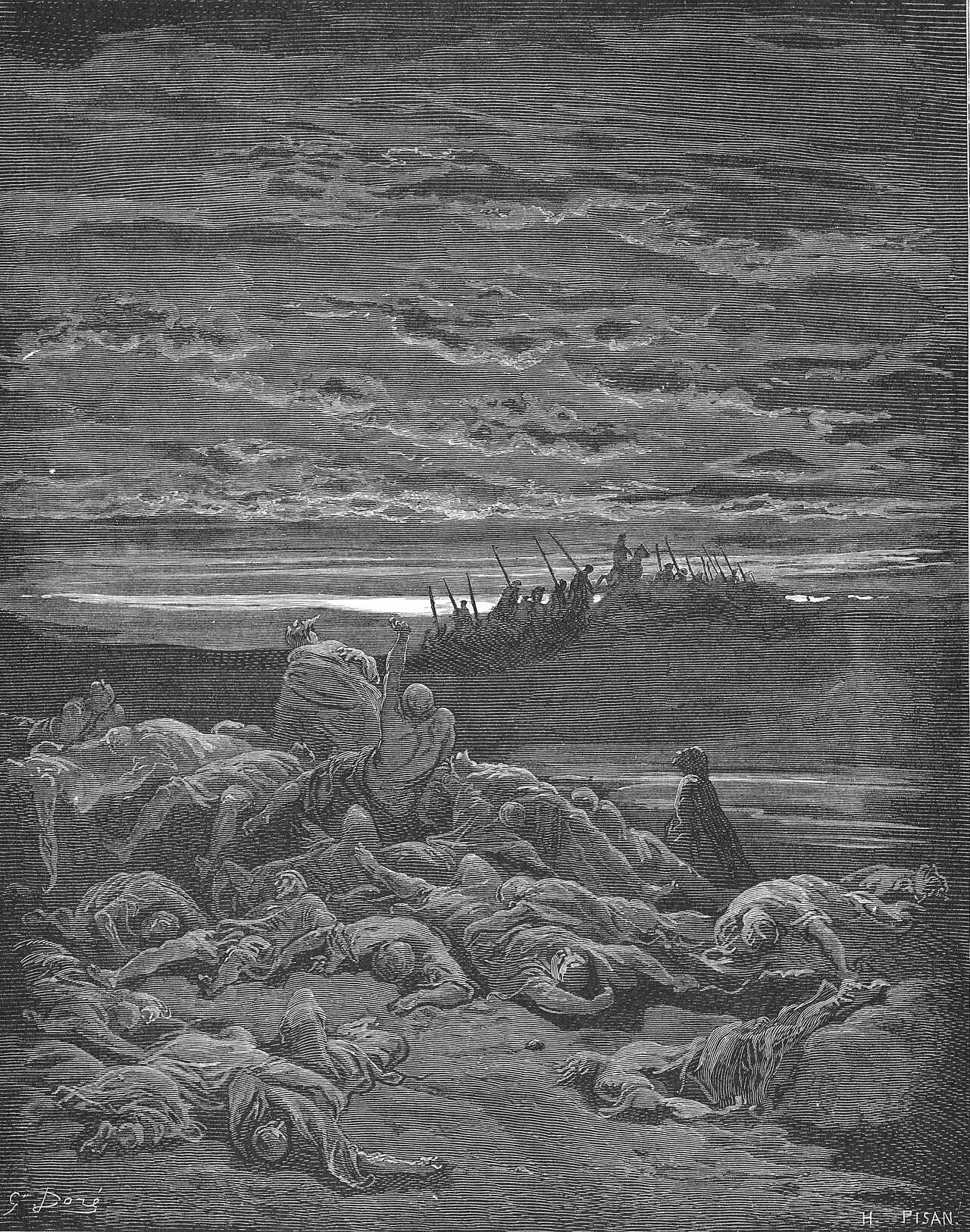
in Judges 9He went to his father’s house in Ophrah, and on one stone murdered his seventy brothers, the sons of Jerubbaal. But Jotham, the youngest son of Jerubbaal, survived, because he hid himself.
BSB
The same verse in ASV and KJV ▾
ASV
And he went unto his father’s house at Ophrah, and slew his brethren the sons of Jerubbaal, being threescore and ten persons, upon one stone: but Jotham the youngest son of Jerubbaal was left; for he hid himself.
KJV
And he went unto his father’s house at Ophrah, and slew his brethren the sons of Jerubbaal, being threescore and ten persons, upon one stone: notwithstanding yet Jotham the youngest son of Jerubbaal was left; for he hid himself.
⋯
This verse in Judges 9
Commentary
8 notes on this verseAnd he went to his father's house at Ophrah,.... Which, according to Bunting (a), was ten miles from Shechem: and slew his brethren the sons of Jerubbaal, being seventy persons, upon one stone: in which he was assisted by the ruffians he had hired with seventy pieces of silver; these were laid one after another upon one and the same stone, as being convenient for the execution of them; or as serving as an altar on which they were sacrificed to Baal, out of whose temple the money was taken to hire the executioners with.
This site's exposition
seventy shekels of silver from the temple of Baal-berith
on Judges 9:4-5
The silver comes from the temple of Baal-berith, the god Israel took up when Gideon died at 8:33, so the shrine funds the coup. Seventy shekels buy seventy deaths, one a brother, and the "worthless and reckless men" hired are the following Jephthah gathers at 11:3. The killing "on one stone" reads as an execution, and Jotham survives by hiding, as Joash later does at 2 Kings 11:2.
This site's exposition
on one stone murdered his seventy brothers
John Gill offers two readings of the one stone: a convenient block for execution, or an altar on which the sons were offered to Baal, whose temple paid the killers. Adam Clarke calls this the usual way to secure a stolen throne, removing every man with a better right. Jotham's hiding keeps one witness alive.
The record, by era
The Puritans and the Awakening2 voices
), dealt plainly with the Shechemites, and his speech, which is here recorded, shows him to have been a man of such great ingenuity and wisdom, and really such an accomplished gentleman, that we cannot but the more lament the fall of Gideon's sons.
quarantine:debris (2026-07-29) — leading-punctuation+unbalanced-parens
His brethren -- the only persons who were likely to hinder him in establishing his tyranny. Threescore and ten - Wanting one, who is here expressed. Jotham was left - Whereby he would signify, that this was an act of justice, in cutting them all off in an orderly manner, for some supposed crime, probably, as designing sedition and rebellion.
The Nineteenth Century3 voices
Slew his brethren - His brothers by the father’s side, Jdg 8:30. This was a usual way of securing an ill-gotten throne; the person who had no right destroying all those that had right, that he might have no competitors. Yet Jotham - was left - That is, all the seventy were killed except Jotham, if there were not seventy besides Jotham.
A commentator
Jamieson, Fausset & Brown1802–1910
Commentary Critical and Explanatory on the Whole Bible (1871)
proposed
This latter view is the more probable, from the Shechemites (Jud 9:24) aiding in it. threescore and ten persons--A round number is used, but it is evident that two are wanting to complete that number.
A commentator
Albert Barnes1798–1870
Notes, Explanatory and Practical, on the Old and New Testaments (1832-1869)
proposed
Such wholesale slaughters have always been common in Eastern monarchies, and are among the fruits of polygamy.
The words behind it
21 Hebrew wordsEvery Hebrew word of this verse in the order it stands, with what it means and the door to its own study. The last column counts the times a word stands in the whole Bible: the rarer the word, the more the places it appears belong together.
| Hebrew | Sound | Meaning | Word study | In the Bible |
|---|---|---|---|---|
| וַיָּבֹ֤א | vaiyavo' | and he went | H935 → | 2568 times |
| בֵית־ | veit- | [the] house of | H1004 → | 2046 times |
| אָבִיו֙ | ʾaviv | father his | H1 → | 1212 times |
| עָפְרָ֔תָה | ʾaferatah | Ophrah towards | H6084 → | 8 times |
| וַֽיַּהֲרֹ֞ג | vaiyaharog | and he killed | H2026 → | 167 times |
| אֶת־ | ʾet- | <obj.> | H853 → | 10935 times |
| אֶחָ֧יו | ʾechav | brothers his | H251 → | 630 times |
| בְּנֵֽי־ | benei- | [the] sons of | H1121 → | 4930 times |
| יְרֻבַּ֛עַל | yerubaal | Jerub-Baal | H3378 → | 14 times |
| שִׁבְּעִ֥ים | shivim | seventy | H7657 → | 91 times |
| אִ֖ישׁ | ʾish | man | H376 → | 1663 times |
| עַל־ | ʾal- | on | H5921 → | 5755 times |
| אֶ֣בֶן | ʾeven | stone | H68 → | 273 times |
| אֶחָ֑ת | ʾechat | one | H259 → | 971 times |
| וַיִּוָּתֵ֞ר | vaiyivater | and he was left | H3498 → | 106 times |
| יוֹתָ֧ם | yotam | Jotham | H3147 → | 24 times |
| בֶּן־ | ben- | [the] son of | H1121 → | 4930 times |
| יְרֻבַּ֛עַל | yerubaal | Jerub-Baal | H3378 → | 14 times |
| הַקָּטֹ֖ן | hakaton | <the> young | H6996 → | 101 times |
| כִּ֥י | ki | for | H3588 → | 4482 times |
| נֶחְבָּֽא׃ ס | nechba' | he hid himself | H2244 → |
וַיָּבֹ֤אand he went
vaiyavo'H935 →2568 times
בֵית־[the] house of
veit-H1004 →2046 times
אָבִיו֙father his
ʾavivH1 →1212 times
עָפְרָ֔תָהOphrah towards
ʾaferatahH6084 →8 times
וַֽיַּהֲרֹ֞גand he killed
vaiyaharogH2026 →167 times
אֶת־<obj.>
ʾet-H853 →10935 times
אֶחָ֧יוbrothers his
ʾechavH251 →630 times
בְּנֵֽי־[the] sons of
benei-H1121 →4930 times
יְרֻבַּ֛עַלJerub-Baal
yerubaalH3378 →14 times
שִׁבְּעִ֥יםseventy
shivimH7657 →91 times
אִ֖ישׁman
ʾishH376 →1663 times
עַל־on
ʾal-H5921 →5755 times
אֶ֣בֶןstone
ʾevenH68 →273 times
אֶחָ֑תone
ʾechatH259 →971 times
וַיִּוָּתֵ֞רand he was left
vaiyivaterH3498 →106 times
יוֹתָ֧םJotham
yotamH3147 →24 times
בֶּן־[the] son of
ben-H1121 →4930 times
יְרֻבַּ֛עַלJerub-Baal
yerubaalH3378 →14 times
הַקָּטֹ֖ן<the> young
hakatonH6996 →101 times
כִּ֥יfor
kiH3588 →4482 times
נֶחְבָּֽא׃ סhe hid himself
nechba'H2244 →
A shaded row is a word that stands 400 times or fewer in the Bible.
The walk
8 stopsEach card is a verse this one points to, and under it the verses that one points to in turn. Where several paths arrive at the same place, that place is listed first: the text keeps returning to it.
Through
Judges 6:24So Gideon built an altar to the LORD there and called it The LORD Is Peace. To this day it stands in Ophrah of the Abiezrites.
it leads to
- Genesis 22:14
And Abraham called that place The LORD Will Provide. So to this day it is said, “On the mountain of the LORD it will be provided.”
- Exodus 17:15
And Moses built an altar and named it The LORD Is My Banner.
- Ezekiel 48:35
The perimeter of the city will be 18,000 cubits, and from that day on the name of the city will be: THE LORD IS THERE.”
- Judges 8:32
Later, Gideon son of Joash died at a ripe old age and was buried in the tomb of his father Joash in Ophrah of the Abiezrites.
- Genesis 22:14
Through
Matthew 2:20“Get up!” he said. “Take the Child and His mother and go to the land of Israel, for those seeking the Child’s life are now dead.”
it leads to
- Exodus 4:19
Now the LORD had said to Moses in Midian, “Go back to Egypt, for all the men who sought to kill you are dead.”
- 1 Kings 12:1–3
Then Rehoboam went to Shechem, for all Israel had gone there to make him king.
- Matthew 2:13
When the Magi had gone, an angel of the Lord appeared to Joseph in a dream. “Get up!” he said. “Take the Child and His mother and flee to Egypt. Stay there until I…
- Exodus 4:19
Through
2 Kings 10:17When Jehu came to Samaria, he struck down everyone belonging to Ahab who remained there, until he had destroyed them, according to the word that the LORD had spoken to Elijah.
it leads to
- 2 Chronicles 22:8
So while Jehu was executing judgment on the house of Ahab, he found the rulers of Judah and the sons of Ahaziah’s brothers who were serving Ahaziah, and he killed them.
Reached by 2 separate paths from here.
- 2 Chronicles 22:8
About Judges
This page draws on Adam Clarke, Commentary on the Bible; Albert Barnes, Notes, Explanatory and Practical, on the Old and New Testaments (1832-1869); Jamieson, Fausset & Brown, Commentary Critical and Explanatory on the Whole Bible; John Gill, Exposition of the Old Testament (1748-1763); John Gill, Exposition of the Old Testament; John Wesley, Explanatory Notes upon the Old Testament; Keil and Delitzsch, Biblical Commentary on the Old Testament: Joshua, Judges, Ruth and Matthew Henry, Commentary on the Whole Bible.