
Judges 9:39
in Judges 9So Gaal went out before the leaders of Shechem and fought against Abimelech,
BSB
The same verse in ASV and KJV ▾
ASV
And Gaal went out before the men of Shechem, and fought with Abimelech.
KJV
And Gaal went out before the men of Shechem, and fought with Abimelech.
⋯
This verse in Judges 9
Commentary
4 notes on this verseThis site's exposition
come along by the plain of Meonenim
on Judges 9:37-39
Meonenim means the soothsayers, so the second company comes past the diviners' oak, a landmark carrying the name of the practice Deuteronomy 18:10 to 14 forbids outright. Zebul then throws Gaal's own sentence back at him, where is now thy mouth, and pushes him out of the gate to fight. Gaal goes out before the men of Shechem, and the town he talked into a rebellion is the only army he has.
The record, by era
The Puritans and the Awakening2 voices
And Gaal went out before the men of Shechem,.... At the head of them, to meet Abimelech, having gathered together as many, and put them in as good order, as he could, and the time would admit of: and fought with Abimelech; without the city.
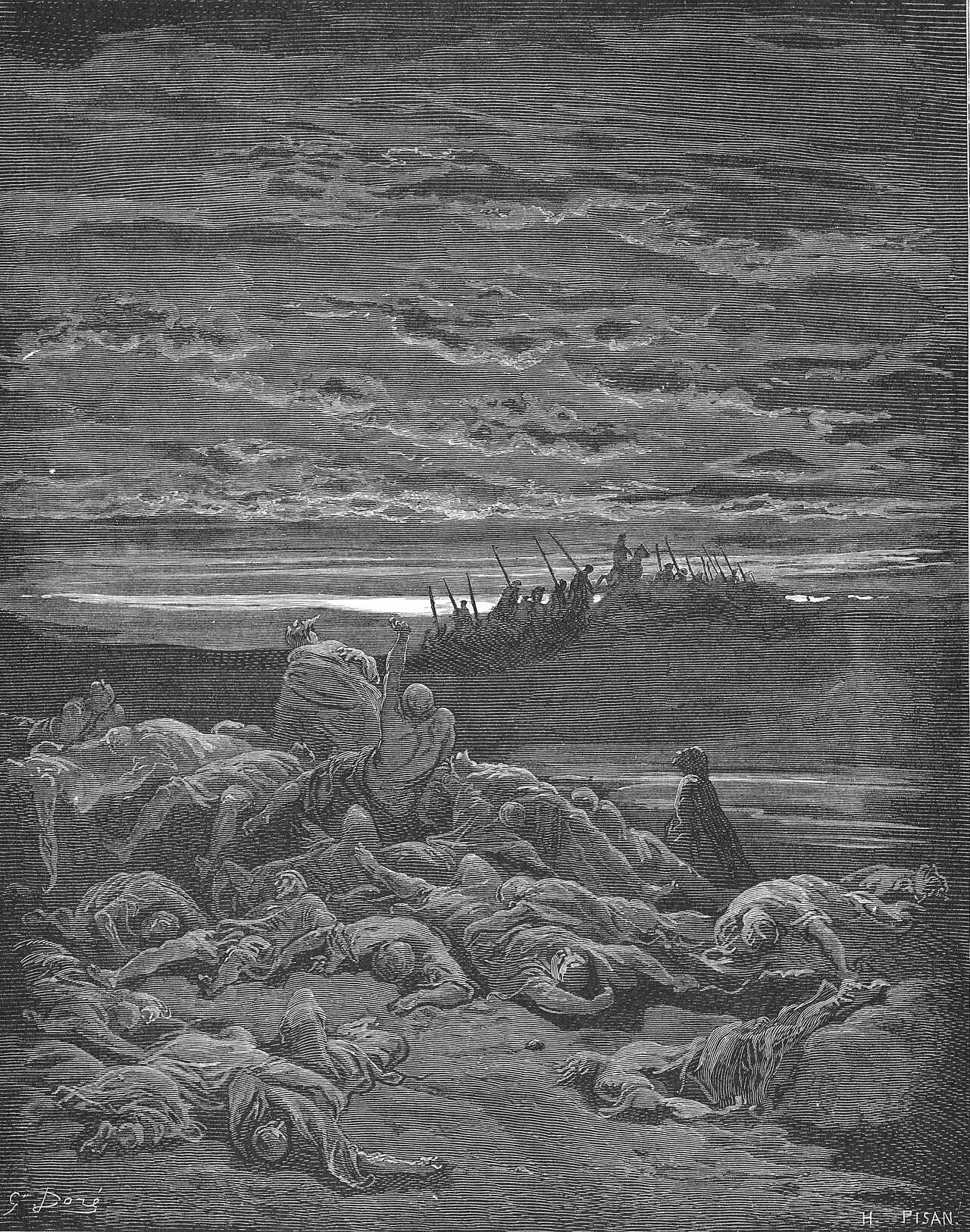
In this action the Shechemites' loss was considerable: Many were overthrown and wounded, the common effect of popular tumults, in which the inconsiderate multitude are often drawn into fatal snare by those that promise them glorious success.
The Nineteenth Century1 voice
A commentator
Jamieson, Fausset & Brown1802–1910
Commentary Critical and Explanatory on the Whole Bible (1871)
proposed
The consequence was that he allowed himself to be drawn into an ambush, was defeated, the city of Shechem destroyed and strewn with salt. The people took refuge in the stronghold, which was set on fire, and all in it perished.
The words behind it
7 Hebrew wordsEvery Hebrew word of this verse in the order it stands, with what it means and the door to its own study. The last column counts the times a word stands in the whole Bible: the rarer the word, the more the places it appears belong together.
| Hebrew | Sound | Meaning | Word study | In the Bible |
|---|---|---|---|---|
| וַיֵּ֣צֵא | vaiyetze' | and he went out | H3318 → | 1067 times |
| גַ֔עַל | gaal | Gaal | H1603 → | 9 times |
| לִפְנֵ֖י | lifnei | <to> before | H6440 → | 2123 times |
| בַּעֲלֵ֣י | baalei | [the] citizens of | H1167 → | 84 times |
| שְׁכֶ֑ם | shekhem | Shechem | H7927 → | 63 times |
| וַיִּלָּ֖חֶם | vaiyilachem | and he fought | H3898 → | 177 times |
| בַּאֲבִימֶֽלֶךְ׃ | baavimelekh | against Abimelech | H40 → | 66 times |
וַיֵּ֣צֵאand he went out
vaiyetze'H3318 →1067 times
גַ֔עַלGaal
gaalH1603 →9 times
לִפְנֵ֖י<to> before
lifneiH6440 →2123 times
בַּעֲלֵ֣י[the] citizens of
baaleiH1167 →84 times
שְׁכֶ֑םShechem
shekhemH7927 →63 times
וַיִּלָּ֖חֶםand he fought
vaiyilachemH3898 →177 times
בַּאֲבִימֶֽלֶךְ׃against Abimelech
baavimelekhH40 →66 times
A shaded row is a word that stands 400 times or fewer in the Bible.
About Judges
Who and where
1 name in this verse with a page on the site.
This page draws on Adam Clarke, Commentary on the Bible; Jamieson, Fausset & Brown, Commentary Critical and Explanatory on the Whole Bible; John Gill, Exposition of the Old Testament (1748-1763); Keil and Delitzsch, Biblical Commentary on the Old Testament: Joshua, Judges, Ruth and Matthew Henry, Commentary on the Whole Bible.