
Judges 21:19
in Judges 21“But look,” they said, “there is a yearly feast to the LORD in Shiloh, which is north of Bethel east of the road that goes up from Bethel to Shechem, and south of Lebonah.”
BSB
The same verse in ASV and KJV ▾
ASV
And they said, Behold, there is a feast of Jehovah from year to year in Shiloh, which is on the north of Beth-el, on the east side of the highway that goeth up from Beth-el to Shechem, and on the south of Lebonah.
KJV
Then they said, Behold, there is a feast of the Lord in Shiloh yearly in a place which is on the north side of Beth–el, on the east side of the highway that goeth up from Beth–el to Shechem, and on the south of Lebonah.
⋯
This verse in Judges 21
Commentary
7 notes on this verseThen they said,.... Some of the elders that sat in council debating this matter, and considering of ways and means to assist their brethren the Benjaminites, and preserve their tribe from being lost: behold, there is a feast of the Lord in Shiloh yearly; where the tabernacle then was, and before which the males of Israel were obliged to appear three times of the year; and this was one of them, as is clear by its being called a feast of the Lord; and therefore cannot design any civil festival or fair kept for trade and commerce.
This site's exposition
there is a feast of the Lord in Shiloh yearly
on Judges 21:19-21
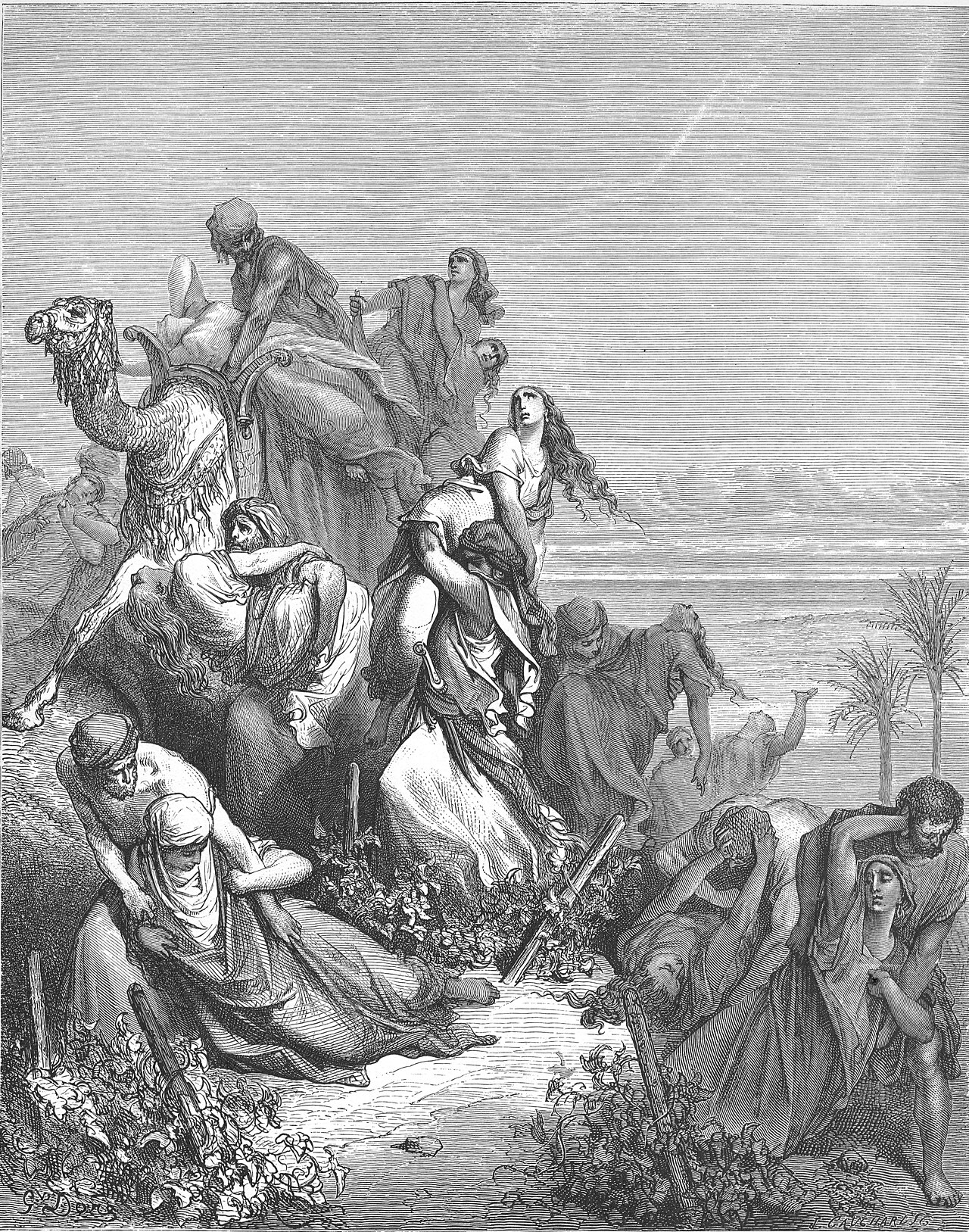
The feast is fixed by four landmarks, north of Bethel, east of the highway that runs from Bethel to Shechem, and south of Lebonah, which is more direction than a man living in the land would need. Which feast it was is not stated, and Barnes takes it for one of the three pilgrim feasts while Gill argues from the title feast of the Lord that it cannot be a fair or a market. Shiloh kept a yearly gathering that Elkanah is still keeping at 1 Samuel 1:3, and the elders turn the dance of its daughters into an ambush, with Benjamin told to lie in wait in the vineyards.
The record, by era
The Church Fathers1 voice
But relenting at having laid so hard a sentence on their brothers, they moderated their severity so as to give them in marriage those maidens that had lost their parents, whose fathers had been slain for their sins, or to give them the means of finding a wife by a raid. Because of the villainy of so foul a deed, they who had violated another's marriage rights were shown to be unworthy to ask for marriage. But for fear that one tribe might perish from the people, they connived at the deceit.
The Puritans and the Awakening2 voices
), for that feast (bishop Patrick says) was the only season wherein the Jewish virgins were allowed to dance, and that not so much for their own recreation as to express their holy joy, as David when he danced before the ark, otherwise the present melancholy posture of public affairs would have made dancing unseasonable, as Isa. xxii. The dancing was very modest and chaste.
quarantine:debris (2026-07-29) — leading-punctuation+unbalanced-parens
6 And the children of Israel repented them for Benjamin their brother, and said, There is one tribe cut off from Israel this day. 7 How shall we do for wives for them that remain, seeing we have sworn by the L ORD that we will not give them of our daughters to wives? 8 And they said, What one is there of the tribes of Israel that came not up to Mizpeh to the L ORD ?
quarantine:scripture (2026-07-29) — scripture-overlap:95%@v6-8
The Nineteenth Century2 voices
A commentator
Albert Barnes1798–1870
Notes, Explanatory and Practical, on the Old and New Testaments (1832-1869)
The Feast was probably the Passover, or one of the three great Jewish Feasts. In these unsettled times men went up to Shiloh (Seilun) only once a year 1Sa 1:3 instead of thrice; only the males kept the Feasts, and therefore the virgins of Shiloh would naturally be the only maidens present, and the public festival would be a likely occasion for their festive dances. It is, however, possible that some particular feast unique to Shiloh is meant, like the yearly sacrifice of David’s family in Bethlehem 1Sa 20:29.
There is a feast of the Lord - What this feast was is not known: it might be either the passover, pentecost, or the feast of tabernacles, or indeed some other peculiar to this place. All the above feasts were celebrated at that time of the year when the vines were in full leaf; therefore the Benjamites might easily conceal themselves in the vineyards; and the circumstances will answer to any of those feasts. On the east side of the highway, etc. - I can see no reason for this minute description, unless it intimates that this feast was to be held this year in rather a different place to that which was usual: and, as the Benjamites had been shut up in their strong hold in Rimmon, they might not have heard of this alteration; and it was necessary, in such a case, to give them the most circumstantial information, that they might succeed in their enterprise without being discovered.
The words behind it
20 Hebrew wordsEvery Hebrew word of this verse in the order it stands, with what it means and the door to its own study. The last column counts the times a word stands in the whole Bible: the rarer the word, the more the places it appears belong together.
| Hebrew | Sound | Meaning | Word study | In the Bible |
|---|---|---|---|---|
| וַיֹּאמְר֡וּ | vaiyomeru | and they said | H559 → | 5305 times |
| הִנֵּה֩ | hineh | here! | H2009 → | 843 times |
| חַג־ | chag- | [the] festival of | H2282 → | |
| יְהוָ֨ה | yahweh | Yahweh | H3068 → | 6520 times |
| בְּשִׁל֜וֹ | beshilo | [is] in Shiloh | H7887 → | 32 times |
| מִיָּמִ֣ים׀ | miyamim | from days | H3117 → | 2304 times |
| יָמִ֗ימָה | yamimah | days towards | H3117 → | 2304 times |
| אֲשֶׁ֞ר | ʾasher | which | H834 → | 5497 times |
| מִצְּפ֤וֹנָה | mitzefonah | [is] from north -ward | H6828 → | 153 times |
| לְבֵֽית־ | leveit- | of Beth- | H1008 → | 142 times |
| אֵל֙ | ʾel | -el | H1008 → | 142 times |
| מִזְרְחָ֣ה | mizrechah | [the] rising of towards | H4217 → | 74 times |
| הַשֶּׁ֔מֶשׁ | hashemesh | the sun | H8121 → | 134 times |
| לִמְסִלָּ֔ה | limsilah | of [the] highway | H4546 → | 27 times |
| הָעֹלָ֥ה | haolah | which goes up | H5927 → | 890 times |
| מִבֵּֽית־ | mibeit- | from Beth- | H1008 → | 142 times |
| אֵ֖ל | ʾel | -el | H1008 → | 142 times |
| שְׁכֶ֑מָה | shekhemah | Shechem towards | H7927 → | 63 times |
| וּמִנֶּ֖גֶב | uminegev | and from [the] south | H5045 → | 112 times |
| לִלְבוֹנָֽה׃ | lilvonah | to Lebonah | H3829 → |
וַיֹּאמְר֡וּand they said
vaiyomeruH559 →5305 times
הִנֵּה֩here!
hinehH2009 →843 times
חַג־[the] festival of
chag-H2282 →
יְהוָ֨הYahweh
yahwehH3068 →6520 times
בְּשִׁל֜וֹ[is] in Shiloh
beshiloH7887 →32 times
מִיָּמִ֣ים׀from days
miyamimH3117 →2304 times
יָמִ֗ימָהdays towards
yamimahH3117 →2304 times
אֲשֶׁ֞רwhich
ʾasherH834 →5497 times
מִצְּפ֤וֹנָה[is] from north -ward
mitzefonahH6828 →153 times
לְבֵֽית־of Beth-
leveit-H1008 →142 times
אֵל֙-el
ʾelH1008 →142 times
מִזְרְחָ֣ה[the] rising of towards
mizrechahH4217 →74 times
הַשֶּׁ֔מֶשׁthe sun
hashemeshH8121 →134 times
לִמְסִלָּ֔הof [the] highway
limsilahH4546 →27 times
הָעֹלָ֥הwhich goes up
haolahH5927 →890 times
מִבֵּֽית־from Beth-
mibeit-H1008 →142 times
אֵ֖ל-el
ʾelH1008 →142 times
שְׁכֶ֑מָהShechem towards
shekhemahH7927 →63 times
וּמִנֶּ֖גֶבand from [the] south
uminegevH5045 →112 times
לִלְבוֹנָֽה׃to Lebonah
lilvonahH3829 →
A shaded row is a word that stands 400 times or fewer in the Bible.
The walk
8 stopsEach card is a verse this one points to, and under it the verses that one points to in turn. Where several paths arrive at the same place, that place is listed first: the text keeps returning to it.
Through
John 5:1Some time later there was a feast of the Jews, and Jesus went up to Jerusalem.
it leads to
- Deuteronomy 16:16
Three times a year all your men are to appear before the LORD your God in the place He will choose: at the Feast of Unleavened Bread, the Feast of Weeks, and the Feast…
- Exodus 23:14–17
Three times a year you are to celebrate a feast to Me.
- Leviticus 23:2–4
“Speak to the Israelites and say to them, ‘These are My appointed feasts, the feasts of the LORD that you are to proclaim as sacred assemblies.
- Exodus 34:23
Three times a year all your males are to appear before the Lord GOD, the God of Israel.
- Deuteronomy 16:16
Through
Leviticus 23:4These are the LORD’s appointed feasts, the sacred assemblies you are to proclaim at their appointed times.
it leads to
- Exodus 23:14
Three times a year you are to celebrate a feast to Me.
- Leviticus 23:37
These are the LORD’s appointed feasts, which you are to proclaim as sacred assemblies for presenting offerings by fire to the LORD—burnt offerings and grain offerings, sacrifices and drink offerings, each on its designated…
- Exodus 23:14
Through
Numbers 28:26On the day of firstfruits, when you present an offering of new grain to the LORD during the Feast of Weeks, you are to hold a sacred assembly; you must not do any regular…
it leads to
- Exodus 34:22
And you are to celebrate the Feast of Weeks with the firstfruits of the wheat harvest, and the Feast of Ingathering at the turn of the year.
- Exodus 23:16
You are also to keep the Feast of Harvest with the firstfruits of the produce from what you sow in the field. And keep the Feast of Ingathering at the end of the year,…
- Exodus 34:22
Where this verse is studied
On this page
Studies1
About Judges
Who and where
3 names in this verse with a page on the site.
- PlaceEphraimShilohWhere the tabernacle rested through the judges' era; Hannah prayed here, Samuel heard his name in the night, and its later ruin be…
- PlaceCentral hill countryBethelThe house of God, where Jacob saw the ladder and heard the promise, where he returned to raise an altar, and where Jeroboam’s gold…
- PlaceCentral hill countryShechemThe city between Ebal and Gerizim where Abram built his first altar in the land, where Joshua set the people to choose whom they w…
This page draws on Adam Clarke, Commentary on the Bible; Albert Barnes, Notes on the Old Testament; Albert Barnes, Notes, Explanatory and Practical, on the Old and New Testaments (1832-1869); Ambrose of Milan, On the Duties of the Clergy 3.19.115; John Gill, Exposition of the Old Testament (1748-1763); John Gill, Exposition of the Old Testament and Matthew Henry, Commentary on the Whole Bible.