
Judges 21:16
in Judges 21Then the elders of the congregation said, “What should we do about wives for those who remain, since the women of Benjamin have been destroyed?”
BSB
The same verse in ASV and KJV ▾
ASV
Then the elders of the congregation said, How shall we do for wives for them that remain, seeing the women are destroyed out of Benjamin?
KJV
Then the elders of the congregation said, How shall we do for wives for them that remain, seeing the women are destroyed out of Benjamin?
⋯
This verse in Judges 21
Commentary
4 notes on this verseThis site's exposition
Then the elders of the congregation said
on Judges 21:16-18
The elders add a reason, “There must be heirs for the survivors of Benjamin”. Verse 18 gives the oath in its sharpest form, “Cursed is he who gives a wife to a Benjamite”, in the form of Deuteronomy 27. They keep its letter and look for another road.
The record, by era
The Puritans and the Awakening2 voices
6 And the children of Israel repented them for Benjamin their brother, and said, There is one tribe cut off from Israel this day. 7 How shall we do for wives for them that remain, seeing we have sworn by the L ORD that we will not give them of our daughters to wives? 8 And they said, What one is there of the tribes of Israel that came not up to Mizpeh to the L ORD ?
quarantine:scripture (2026-07-29) — scripture-overlap:95%@v6-8
Then the elders of the congregation said....
The Nineteenth Century1 voice
A commentator
Jamieson, Fausset & Brown1802–1910
Commentary Critical and Explanatory on the Whole Bible (1871)
proposed
the elders of the congregation said, How shall we do for wives for them that remain--Though the young women of Jabesh-gilead had been carefully spared, the supply was found inadequate, and some other expedient must be resorted to.
quarantine:debris (2026-07-29) — starts-lowercase
How the passage was read
What the Jewish commentators add
On the verses either side of this one
The survivors must inherit the ancestral property The tribe's ancestral property remains unclaimed; let us devise a plan whereby they may father children, so that the property will fall into the possession of the remaining survivors, and a tribe will not be obliterated from Yisroel.
This section is reception history: how the passage was read and kept in the Jewish tradition. Where a reading parts from an essential of the Christian faith, the section says so at that point.
Texts and citation data: Sefaria; each excerpt follows its version’s licence. 6 further sources are cited on this chapter that carry no English text this site may quote or only restate the verse.
The words behind it
11 Hebrew wordsEvery Hebrew word of this verse in the order it stands, with what it means and the door to its own study. The last column counts the times a word stands in the whole Bible: the rarer the word, the more the places it appears belong together.
| Hebrew | Sound | Meaning | Word study | In the Bible |
|---|---|---|---|---|
| וַיֹּֽאמְר֨וּ | vaiyomeru | and they said | H559 → | 5305 times |
| זִקְנֵ֣י | ziknei | [the] elders of | H2205 → | 178 times |
| הָעֵדָ֔ה | haedah | the congregation | H5712 → | 149 times |
| מַה־ | mah- | what? | H4100 → | 752 times |
| נַּעֲשֶׂ֥ה | naaseh | will we do | H6213 → | 2628 times |
| לַנּוֹתָרִ֖ים | lanotarim | for <the> [those who] remain | H3498 → | 106 times |
| לְנָשִׁ֑ים | lenashim | for wives | H802 → | 781 times |
| כִּֽי־ | ki- | for | H3588 → | 4482 times |
| נִשְׁמְדָ֥ה | nishmedah | she is destroyed | H8045 → | |
| מִבִּנְיָמִ֖ן | mibinyamin | from Benjamin | H1144 → | 166 times |
| אִשָּֽׁה׃ | ʾishah | woman | H802 → | 781 times |
וַיֹּֽאמְר֨וּand they said
vaiyomeruH559 →5305 times
זִקְנֵ֣י[the] elders of
zikneiH2205 →178 times
הָעֵדָ֔הthe congregation
haedahH5712 →149 times
מַה־what?
mah-H4100 →752 times
נַּעֲשֶׂ֥הwill we do
naasehH6213 →2628 times
לַנּוֹתָרִ֖יםfor <the> [those who] remain
lanotarimH3498 →106 times
לְנָשִׁ֑יםfor wives
lenashimH802 →781 times
כִּֽי־for
ki-H3588 →4482 times
נִשְׁמְדָ֥הshe is destroyed
nishmedahH8045 →
מִבִּנְיָמִ֖ןfrom Benjamin
mibinyaminH1144 →166 times
אִשָּֽׁה׃woman
ʾishahH802 →781 times
A shaded row is a word that stands 400 times or fewer in the Bible.
Where this verse is studied
On this page
About Judges
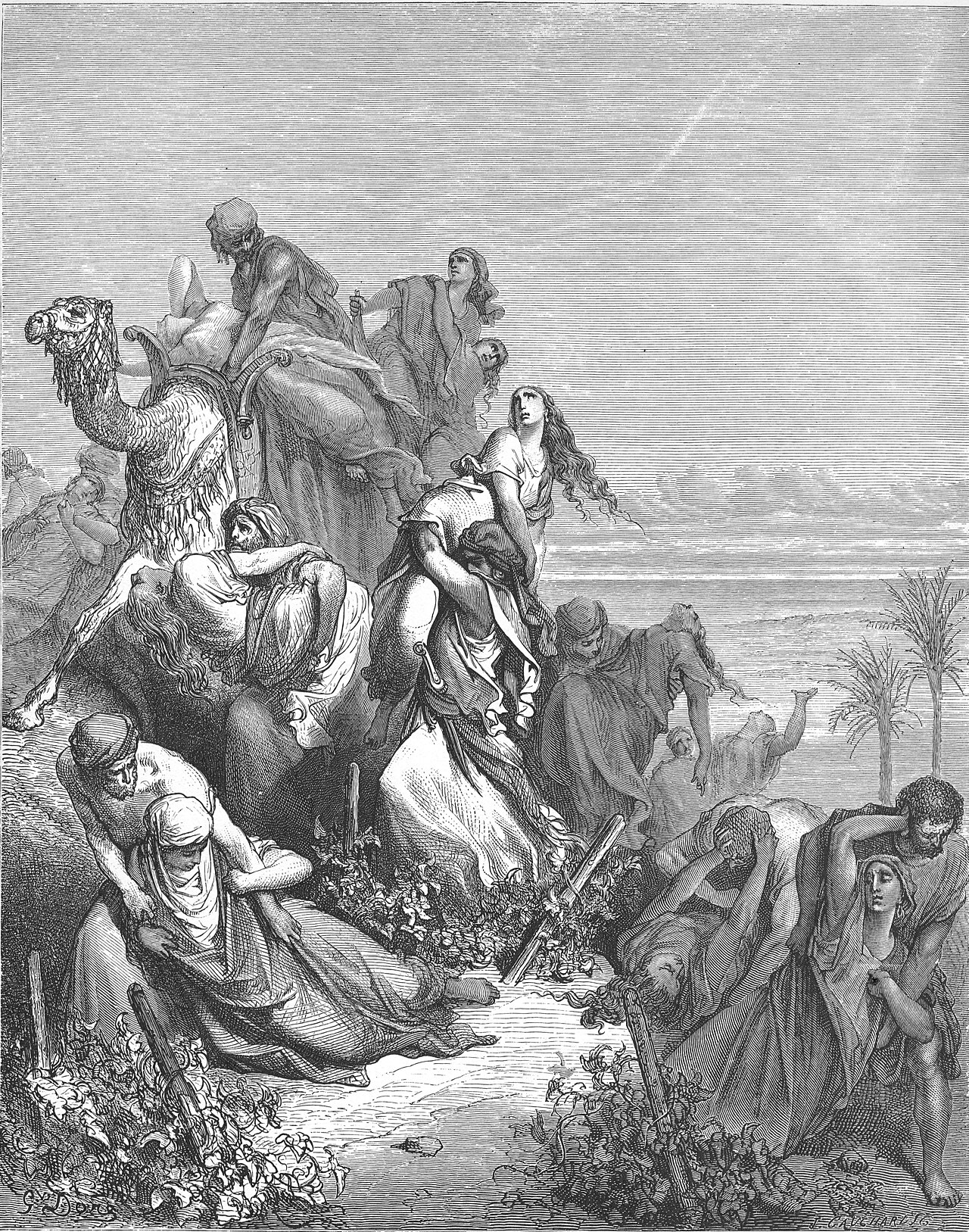
This page draws on Albert Barnes, Notes on the Old Testament; Jamieson, Fausset & Brown, Commentary Critical and Explanatory on the Whole Bible; John Gill, Exposition of the Old Testament (1748-1763) and Matthew Henry, Commentary on the Whole Bible.