
Deuteronomy 7:1
in Deuteronomy 7When the LORD your God brings you into the land that you are entering to possess, and He drives out before you many nations—the Hittites, Girgashites, Amorites, Canaanites, Perizzites, Hivites, and Jebusites, seven nations larger and stronger than you—
BSB
The same verse in ASV and KJV ▾
ASV
When Jehovah thy God shall bring thee into the land whither thou goest to possess it, and shall cast out many nations before thee, the Hittite, and the Girgashite, and the Amorite, and the Canaanite, and the Perizzite, and the Hivite, and the Jebusite, seven nations greater and mightier than thou;
KJV
When the Lord thy God shall bring thee into the land whither thou goest to possess it, and hath cast out many nations before thee, the Hittites, and the Girgashites, and the Amorites, and the Canaanites, and the Perizzites, and the Hivites, and the Jebusites, seven nations greater and mightier than thou;
⋯
This verse in Deuteronomy 7
Commentary
8 notes on this verseThese are the seven nations whose lands the Lord promised to give to the children of Israel when they left Egypt. We must accept the fact that, according to the apostle, all the things that happened to them in a figure were written for our instruction.… The reason that they are said to be much more numerous is that there are more vices than virtues. Therefore in the list they are counted as seven nations, to be sure, but when it is a question of destroying them they are said to be innumerable.
This site's exposition
seven nations greater and mightier
on Deuteronomy 7:1-2
Seven nations are named here and Genesis 15:19-21 had named ten to Abraham. Commentators account for the difference by the centuries of war and absorption that fall between the promise and the possession. Verse 2 gives the command in three parts, utterly destroy them, make no covenant with them, and shew no mercy unto them, and it supplies no ground at this point; the ground arrives at verses 7 and 8. Genesis 15:16 had already fixed the timing by the iniquity of the Amorites, which was not yet full in Abraham's day.
The record, by era
The Puritans and the Awakening4 voices
Seven nations - There were ten in Gen. xv, 19-21. But this being some hundreds of years after, it is not strange if three of them were either destroyed by foreign or domestick wars, or by cohabitation and marriage united with, and swallowed up in the rest.
), seven in all, and seven to one are great odds. They are specified, that Israel might know the bounds and limits of their commission: hitherto their severity must come, but no further; nor must they, under colour of this commission, kill all that came in their way; no, here must its waves be stayed.
quarantine:debris (2026-07-29) — leading-punctuation+unbalanced-parens
When the Lord thy God shall bring thee into the land whither thou goest to possess it,....
(1.) God here engages to do his part. It is spoken of as a thing taken for granted that God would bring them into the land of promise, that he would cast out the nations before them, who were the present occupants of that land; no room was left to doubt of that. His power is irresistible, and therefore he can do it; his promise is inviolable, and therefore he will do it.
The Nineteenth Century1 voice
A commentator
Jamieson, Fausset & Brown1802–1910
Commentary Critical and Explanatory on the Whole Bible (1871)
proposed
They are supposed to be the same as the Avims. the Jebusites--resided about Jerusalem and the adjacent country. seven nations greater and mightier than thou--Ten were formerly mentioned (Ge 15:19-21).
1 more voice on this verse
The Nineteenth Century1 voice
Seven nations greater and mightier than thou - In several places of the Hebrew text, each of these seven nations is not enumerated, some one or other being left out, which the Septuagint in general supply. How these nations were distributed over the land of Canaan previously to the entering in of the Israelites, the reader may see in the note on Jos 3:10 (note).
How the passage was read
What the Jewish commentators add
ונשל This is an expression denoting casting away, and throwing to a distance, and similar is, (Deuteronomy:5) “and the iron flies off" (ונשל).
This section is reception history: how the passage was read and kept in the Jewish tradition. Where a reading parts from an essential of the Christian faith, the section says so at that point.
Texts and citation data: Sefaria; each excerpt follows its version’s licence. 5 further sources are cited on this chapter that carry no English text this site may quote or only restate the verse.
The words behind it
27 Hebrew wordsEvery Hebrew word of this verse in the order it stands, with what it means and the door to its own study. The last column counts the times a word stands in the whole Bible: the rarer the word, the more the places it appears belong together.
| Hebrew | Sound | Meaning | Word study | In the Bible |
|---|---|---|---|---|
| כִּ֤י | ki | if | H3588 → | 4482 times |
| יְבִֽיאֲךָ֙ | yeviakha | he will bring you | H935 → | 2568 times |
| יְהוָ֣ה | yahweh | Yahweh | H3068 → | 6520 times |
| אֱלֹהֶ֔יךָ | ʾeloheikha | God your | H430 → | 2601 times |
| אֶל־ | ʾel- | into | H413 → | 5510 times |
| הָאָ֕רֶץ | haaretz | the land | H776 → | 2504 times |
| אֲשֶׁר־ | ʾasher- | where | H834 → | 5497 times |
| אַתָּ֥ה | ʾatah | you | H859 → | 1094 times |
| בָא־ | va'- | [are] about to go | H935 → | 2568 times |
| שָׁ֖מָּה | shamah | there towards | H8033 → | 834 times |
| לְרִשְׁתָּ֑הּ | lerishtah | to take possession of it | H3423 → | 231 times |
| וְנָשַׁ֣ל | venashal | and he will clear away | H5394 → | 7 times |
| גּֽוֹיִם־ | goyim- | nations | H1471 → | 561 times |
| רַבִּ֣ים׀ | rabim | many | H7227 → | 454 times |
| מִפָּנֶ֡יךָ | mipaneikha | from before you | H6440 → | 2123 times |
| הַֽחִתִּי֩ | hachiti | the Hittite[s] | H2850 → | |
| וְהַגִּרְגָּשִׁ֨י | vehagirgashi | and the Girgashite[s] | H1622 → | |
| וְהָאֱמֹרִ֜י | vehaemori | and the Amorite[s] | H567 → | 87 times |
| וְהַכְּנַעֲנִ֣י | vehakenaani | and the Canaanite[s] | H3669 → | 73 times |
| וְהַפְּרִזִּ֗י | vehapperizi | and the Perizzite[s] | H6522 → | |
| וְהַֽחִוִּי֙ | vehachivi | and the Hivite[s] | H2340 → | |
| וְהַיְבוּסִ֔י | vehayvusi | and the Jebusite[s] | H2983 → | |
| שִׁבְעָ֣ה | shivah | seven | H7651 → | 394 times |
| גוֹיִ֔ם | goyim | nations | H1471 → | 561 times |
| רַבִּ֥ים | rabim | great | H7227 → | 454 times |
| וַעֲצוּמִ֖ים | vaatzumim | and mighty | H6099 → | 31 times |
| מִמֶּֽךָּ׃ | mimeka | more than you | H4480 → | 1188 times |
כִּ֤יif
kiH3588 →4482 times
יְבִֽיאֲךָ֙he will bring you
yeviakhaH935 →2568 times
יְהוָ֣הYahweh
yahwehH3068 →6520 times
אֱלֹהֶ֔יךָGod your
ʾeloheikhaH430 →2601 times
אֶל־into
ʾel-H413 →5510 times
הָאָ֕רֶץthe land
haaretzH776 →2504 times
אֲשֶׁר־where
ʾasher-H834 →5497 times
אַתָּ֥הyou
ʾatahH859 →1094 times
בָא־[are] about to go
va'-H935 →2568 times
שָׁ֖מָּהthere towards
shamahH8033 →834 times
לְרִשְׁתָּ֑הּto take possession of it
lerishtahH3423 →231 times
וְנָשַׁ֣לand he will clear away
venashalH5394 →7 times
גּֽוֹיִם־nations
goyim-H1471 →561 times
רַבִּ֣ים׀many
rabimH7227 →454 times
מִפָּנֶ֡יךָfrom before you
mipaneikhaH6440 →2123 times
הַֽחִתִּי֩the Hittite[s]
hachitiH2850 →
וְהַגִּרְגָּשִׁ֨יand the Girgashite[s]
vehagirgashiH1622 →
וְהָאֱמֹרִ֜יand the Amorite[s]
vehaemoriH567 →87 times
וְהַכְּנַעֲנִ֣יand the Canaanite[s]
vehakenaaniH3669 →73 times
וְהַפְּרִזִּ֗יand the Perizzite[s]
vehapperiziH6522 →
וְהַֽחִוִּי֙and the Hivite[s]
vehachiviH2340 →
וְהַיְבוּסִ֔יand the Jebusite[s]
vehayvusiH2983 →
שִׁבְעָ֣הseven
shivahH7651 →394 times
גוֹיִ֔םnations
goyimH1471 →561 times
רַבִּ֥יםgreat
rabimH7227 →454 times
וַעֲצוּמִ֖יםand mighty
vaatzumimH6099 →31 times
מִמֶּֽךָּ׃more than you
mimekaH4480 →1188 times
A shaded row is a word that stands 400 times or fewer in the Bible.
The walk
8 stopsEach card is a verse this one points to, and under it the verses that one points to in turn. Where several paths arrive at the same place, that place is listed first: the text keeps returning to it.
Through
Deuteronomy 20:1When you go out to war against your enemies and see horses, chariots, and an army larger than yours, do not be afraid of them; for the LORD your God, who brought you out…
it leads to
- 2 Chronicles 32:7–8
“Be strong and courageous! Do not be afraid or discouraged before the king of Assyria and the vast army with him, for there is a greater One with us than with him.
- Deuteronomy 31:8
The LORD Himself goes before you; He will be with you. He will never leave you nor forsake you. Do not be afraid or discouraged.”
- Psalms 20:7
Some trust in chariots and others in horses, but we trust in the name of the LORD our God.
- Deuteronomy 31:6
Be strong and courageous; do not be afraid or terrified of them, for it is the LORD your God who goes with you; He will never leave you nor forsake you.”
- Romans 8:31
What then shall we say in response to these things? If God is for us, who can be against us?
- 2 Chronicles 32:7–8
Through
Deuteronomy 31:3The LORD your God Himself will cross over ahead of you. He will destroy these nations before you, and you will dispossess them. Joshua will cross ahead of you, as the LORD has said.
it leads to
- Deuteronomy 9:3
But understand that today the LORD your God goes across ahead of you as a consuming fire; He will destroy them and subdue them before you. And you will drive them out and annihilate…
- Deuteronomy 9:3
Through
Acts 13:19And having vanquished seven nations in Canaan, He gave their land to His people as an inheritance.
it leads to
- Psalms 78:55
He drove out nations before them and apportioned their inheritance; He settled the tribes of Israel in their tents.
- Psalms 78:55
Through
Deuteronomy 4:38to drive out before you nations greater and mightier than you, and to bring you into their land and give it to you for your inheritance, as it is this day.
it leads to
- Deuteronomy 11:23
then the LORD will drive out all these nations before you, and you will dispossess nations greater and stronger than you.
Reached by 2 separate paths from here.
- Deuteronomy 11:23
About Deuteronomy
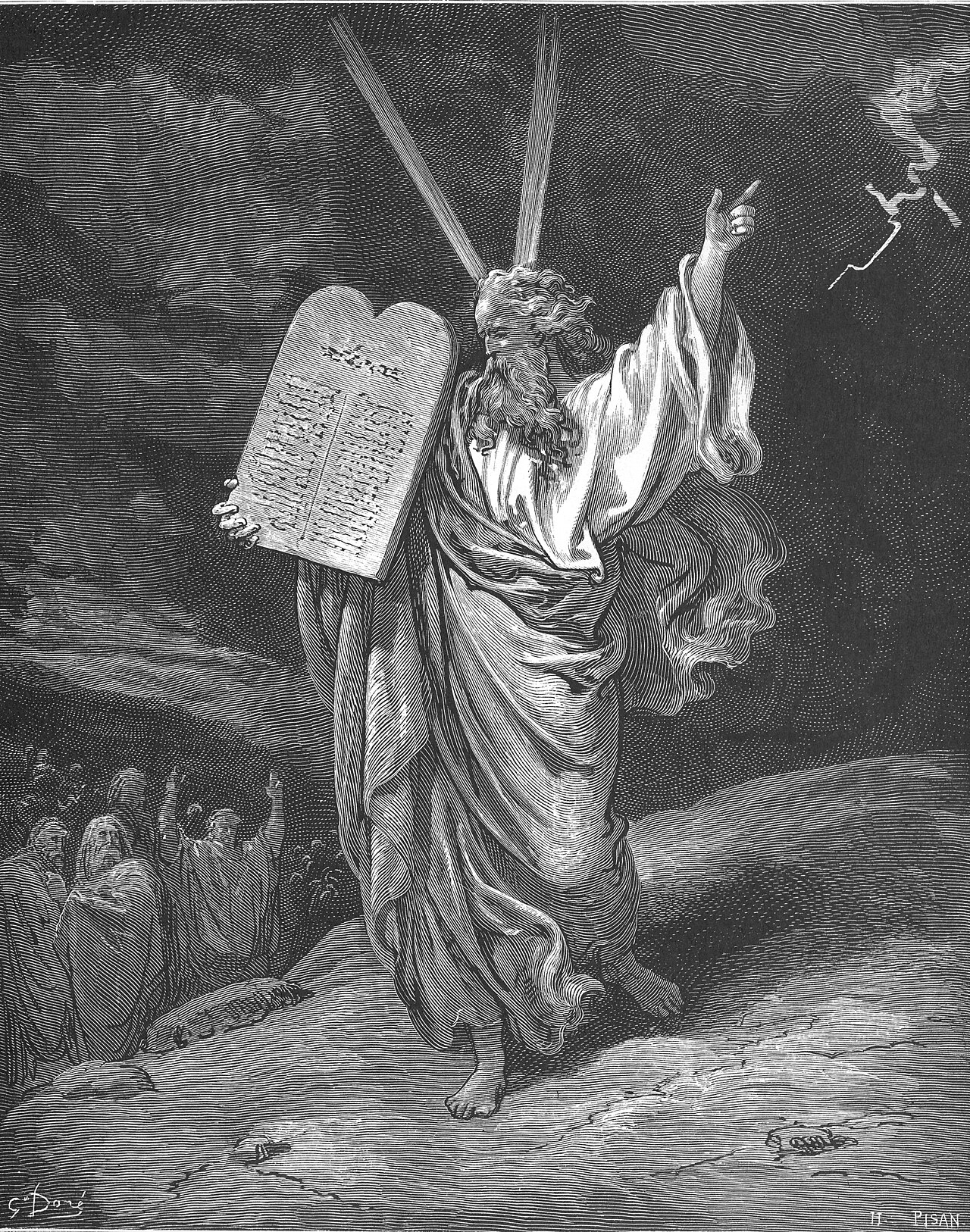
This page draws on Adam Clarke, Commentary on the Bible; Jamieson, Fausset & Brown, Commentary Critical and Explanatory on the Whole Bible; John Cassian, CONFERENCE 5.16.1-2; John Gill, Exposition of the Old Testament; John Gill, Exposition of the Old Testament (1748-1763); John Wesley, Explanatory Notes upon the Old Testament; Keil and Delitzsch, Biblical Commentary on the Old Testament: The Pentateuch and Matthew Henry, Commentary on the Whole Bible.