
Deuteronomy 10:1
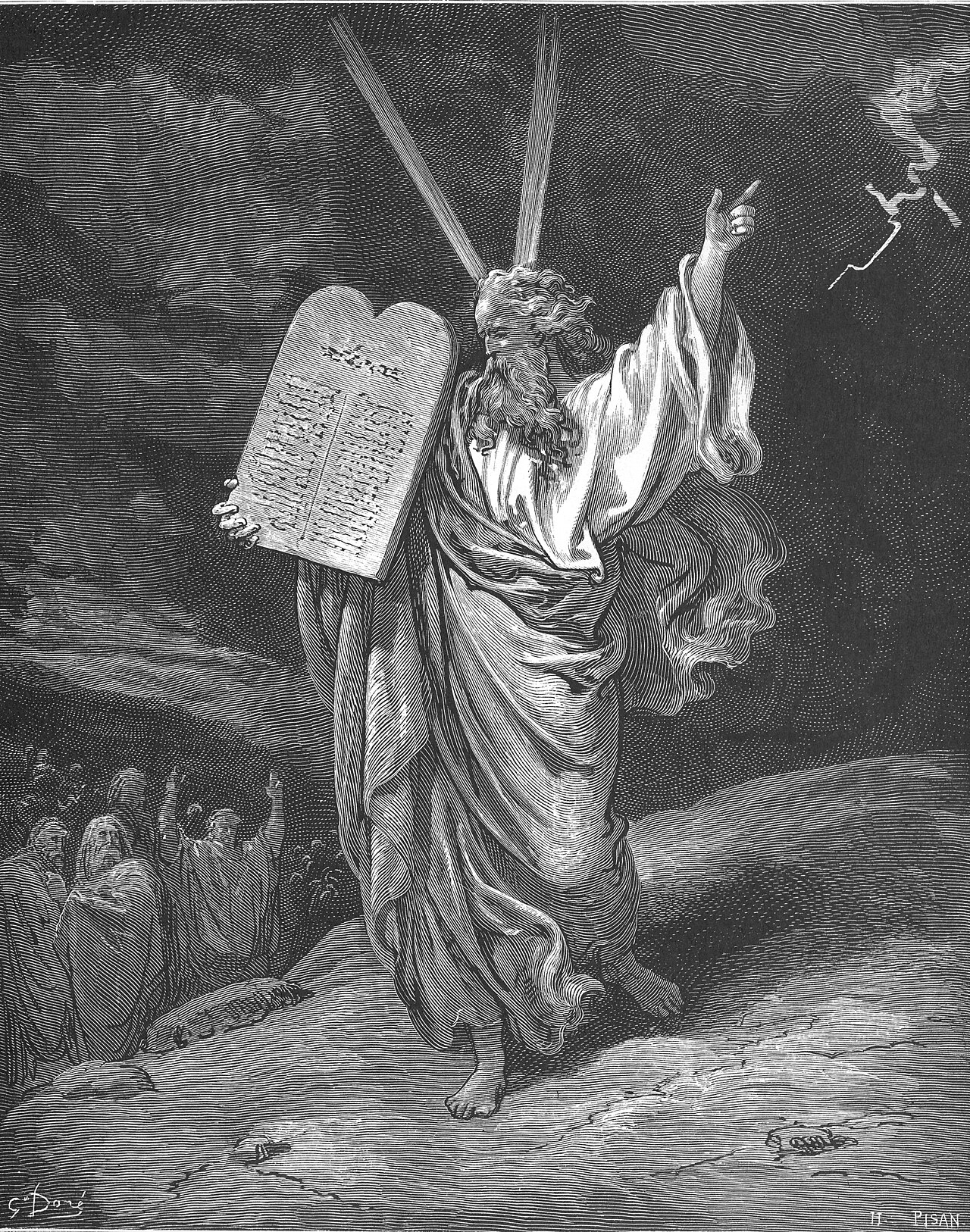
in Deuteronomy 10At that time the LORD said to me, “Chisel out two stone tablets like the originals, come up to Me on the mountain, and make an ark of wood.
BSB
The same verse in ASV and KJV ▾
ASV
At that time Jehovah said unto me, Hew thee two tables of stone like unto the first, and come up unto me into the mount, and make thee an ark of wood.
KJV
At that time the Lord said unto me, Hew thee two tables of stone like unto the first, and come up unto me into the mount, and make thee an ark of wood.
⋯
This verse in Deuteronomy 10
Commentary
6 notes on this verseA commentator
Albert Barnes1798–1870
Notes, Explanatory and Practical, on the Old and New Testaments (1832-1869)
These verses are closely connected with the preceding chapter, and state very briefly the results of the intercession of Moses recorded in Deu 9:25-29. The people are reminded that all their blessings and privileges, forfeited by apostasy as soon as bestowed, were only now their own by a new and most unmerited act of grace on the part of God, won from Him by the self-sacrificing mediation of Moses himself Deu 10:10. Deu 10:1-5. The order for making the ark and tabernacle was evidently given before the apostasy of the people (Exo.
This site's exposition
Hew thee two tables of stone
on Deuteronomy 10:1-3
God writes and Moses quarries. The first tables at Exodus 32:16 were the work of God and the writing of God, and here the man supplies the stone while the writing stays God's, which is the one part of the pair the breaking did not change. Moses also makes an ark of shittim wood before Bezaleel builds the ark of Exodus 37:1, and readers have long divided over whether this is a plain chest made to hold the tables until the tabernacle stood or the same ark told out of its order.
The record, by era
The Puritans and the Awakening2 voices
At that time the Lord said unto me,....
Note, God's putting his law in our reconciliation to God and the best earnest of our happiness in him. Moses is told to hew the tables; for the law prepares the heart by conviction and humiliation for the grace of God, but it is only that grace that then writes the law in it.
The Nineteenth Century2 voices
A commentator
Jamieson, Fausset & Brown1802–1910
Commentary Critical and Explanatory on the Whole Bible (1871)
At that time the Lord said unto me, Hew thee two tables of stone like unto the first--It was when God had been pacified through the intercessions of Moses with the people who had so greatly offended Him by the worship of the golden calf.
Hew thee two tables of stone - See the notes on Exo 34:1.
How the passage was read
What the Jewish commentators add
‘HEW THEE TWO TABLETS OF STONE.’ After I cast myself down in prayer before G-d for forty days and forty nights, He was reconciled with me that He would write the second Tablets.
This section is reception history: how the passage was read and kept in the Jewish tradition. Where a reading parts from an essential of the Christian faith, the section says so at that point.
Texts and citation data: Sefaria; each excerpt follows its version’s licence. 6 further sources are cited on this chapter that carry no English text this site may quote or only restate the verse.
The words behind it
18 Hebrew wordsEvery Hebrew word of this verse in the order it stands, with what it means and the door to its own study. The last column counts the times a word stands in the whole Bible: the rarer the word, the more the places it appears belong together.
| Hebrew | Sound | Meaning | Word study | In the Bible |
|---|---|---|---|---|
| בָּעֵ֨ת | baet | at the time | H6256 → | 296 times |
| הַהִ֜וא | hahiv' | <the> that | H1931 → | 1879 times |
| אָמַ֧ר | ʾamar | he said | H559 → | 5305 times |
| יְהוָ֣ה | yahweh | Yahweh | H3068 → | 6520 times |
| אֵלַ֗י | ʾelai | to me | H413 → | 5510 times |
| פְּסָל־ | pesol- | cut out | H6458 → | |
| לְךָ֞ | lekha | for <the> yourself | ||
| שְׁנֵֽי־ | shenei- | two | H8147 → | 768 times |
| לֻוחֹ֤ת | luchot | tablets of | H3871 → | 43 times |
| אֲבָנִים֙ | ʾavanim | stone<s> | H68 → | 273 times |
| כָּרִ֣אשֹׁנִ֔ים | karishonim | like the former [tablets] | H7223 → | 182 times |
| וַעֲלֵ֥ה | vaaleh | and come up | H5927 → | 890 times |
| אֵלַ֖י | ʾelai | to me | H413 → | 5510 times |
| הָהָ֑רָה | haharah | the mountain towards | H2022 → | 546 times |
| וְעָשִׂ֥יתָ | veasita | and you will make | H6213 → | 2628 times |
| לְּךָ֖ | lekha | for <the> yourself | ||
| אֲר֥וֹן | ʾaron | an ark of | H727 → | 202 times |
| עֵֽץ׃ | ʾetz | wood | H6086 → | 328 times |
בָּעֵ֨תat the time
baetH6256 →296 times
הַהִ֜וא<the> that
hahiv'H1931 →1879 times
אָמַ֧רhe said
ʾamarH559 →5305 times
יְהוָ֣הYahweh
yahwehH3068 →6520 times
אֵלַ֗יto me
ʾelaiH413 →5510 times
פְּסָל־cut out
pesol-H6458 →
לְךָ֞for <the> yourself
lekha
שְׁנֵֽי־two
shenei-H8147 →768 times
לֻוחֹ֤תtablets of
luchotH3871 →43 times
אֲבָנִים֙stone<s>
ʾavanimH68 →273 times
כָּרִ֣אשֹׁנִ֔יםlike the former [tablets]
karishonimH7223 →182 times
וַעֲלֵ֥הand come up
vaalehH5927 →890 times
אֵלַ֖יto me
ʾelaiH413 →5510 times
הָהָ֑רָהthe mountain towards
haharahH2022 →546 times
וְעָשִׂ֥יתָand you will make
veasitaH6213 →2628 times
לְּךָ֖for <the> yourself
lekha
אֲר֥וֹןan ark of
ʾaronH727 →202 times
עֵֽץ׃wood
ʾetzH6086 →328 times
A shaded row is a word that stands 400 times or fewer in the Bible.
The walk
5 stopsEach card is a verse this one points to, and under it the verses that one points to in turn. Where several paths arrive at the same place, that place is listed first: the text keeps returning to it.
Through
Hebrews 9:4containing the golden altar of incense and the gold-covered ark of the covenant. Inside the ark were the gold jar of manna, Aaron’s staff that had budded, and the stone tablets of the covenant.
it leads to
- Numbers 17:10
The LORD said to Moses, “Put Aaron’s staff back in front of the Testimony, to be kept as a sign for the rebellious, so that you may put an end to their grumbling against…
- Leviticus 16:12
Then he must take a censer full of burning coals from the altar before the LORD, and two handfuls of finely ground fragrant incense, and take them inside the veil.
- Exodus 26:33
And hang the veil from the clasps and place the ark of the Testimony behind the veil. So the veil will separate the Holy Place from the Most Holy Place.
- Exodus 40:3
Put the ark of the Testimony in it and screen off the ark with the veil.
- 2 Chronicles 5:10
There was nothing in the ark except the two tablets that Moses had placed in it at Horeb, where the LORD had made a covenant with the Israelites after they had come out of…
- Numbers 17:10
Where this verse is studied
On this page
About Deuteronomy
This page draws on Adam Clarke, Commentary on the Bible; Albert Barnes, Notes, Explanatory and Practical, on the Old and New Testaments (1832-1869); Jamieson, Fausset & Brown, Commentary Critical and Explanatory on the Whole Bible; John Calvin, Commentary on the Four Last Books of Moses Arranged in the Form of a Harmony; John Gill, Exposition of the Old Testament (1748-1763); Keil and Delitzsch, Biblical Commentary on the Old Testament: The Pentateuch and Matthew Henry, Commentary on the Whole Bible.