
2 Kings 17:2
in 2 Kings 17And he did evil in the sight of the LORD, but not like the kings of Israel who preceded him.
BSB
The same verse in ASV and KJV ▾
ASV
And he did that which was evil in the sight of Jehovah, yet not as the kings of Israel that were before him.
KJV
And he did that which was evil in the sight of the Lord, but not as the kings of Israel that were before him.
⋯
This verse in 2 Kings 17
Commentary
6 notes on this verseA commentator
Albert Barnes1798–1870
Notes, Explanatory and Practical, on the Old and New Testaments (1832-1869)
Not as the kings of Israel that were before him - The repentance of a nation like that of an individual, may be “too late.” God is long-suffering; but after national sins have reached a certain height, after admonitions and warnings have been repeatedly rejected, after lesser punishments have failed - judgment begins to fall. Forces have been set in motion, which nothing but a miracle could stop; and God does not see fit to work a miracle in such a case. Compare Butler, ‘Analogy, ‘ Pt. I ch. 2 end.
This site's exposition
Hoshea the son of Elah
on 2 Kings 17:1-2
Hoshea reigns as the last king of the northern throne, and the historian allows him one comparative mercy: evil, but not as the kings of Israel that were before him. The judgment that follows in this chapter falls anyway, because national sin can reach a point where a milder king no longer turns it back. Nine dynasties and their kings stand behind him, and this chapter closes the account on all of them at once.
The record, by era
The Puritans and the Awakening3 voices
But not, &c. - For he neither worshipped Baal, as many of his predecessors did; nor compelled the people to worship the calves; (one of them, that of Daniel, being destroyed, or carried away before, as the Hebrew writers affirm;) nor, as some add, hindered those by force, who were minded to go to Jerusalem to worship.
And he did that which was evil in the sight of the Lord, but not as the kings of Israel that were before him.
God would hereby show that in bringing this ruin upon them he designed to punish, 1. Not only the sins of that generation, but of the foregoing ages, and to reckon for the iniquities of their fathers, who had been long in filing the measure and treasuring up wrath against this day of wrath. Not only the sins of their kings, but the sins of the people.
The Nineteenth Century1 voice
A commentator
Jamieson, Fausset & Brown1802–1910
Commentary Critical and Explanatory on the Whole Bible (1871)
proposed
Yet, through the influence of the nineteen princes who had swayed the scepter before him (all of whom had been zealous patrons of idolatry, and many of whom had been also infamous for personal crimes), the whole nation had become so completely demoralized that the righteous judgment of an angry Providence impended over it.
How the passage was read
What the Jewish commentators add
On the verses either side of this one
In the twelfth year of Achaz, etc. It is impossible to say that Hoshei'a became king in the twelfth year of Achaz, because in the fourth year of Achaz, he assassinated Pekach and reigned in his place, 1 See above,:30.
This section is reception history: how the passage was read and kept in the Jewish tradition. Where a reading parts from an essential of the Christian faith, the section says so at that point.
Texts and citation data: Sefaria; each excerpt follows its version’s licence. 5 further sources are cited on this chapter that carry no English text this site may quote or only restate the verse.
The words behind it
11 Hebrew wordsEvery Hebrew word of this verse in the order it stands, with what it means and the door to its own study. The last column counts the times a word stands in the whole Bible: the rarer the word, the more the places it appears belong together.
| Hebrew | Sound | Meaning | Word study | In the Bible |
|---|---|---|---|---|
| וַיַּ֥עַשׂ | vaiyaas | and he did | H6213 → | 2628 times |
| הָרַ֖ע | hara' | the evil | H7451 → | 662 times |
| בְּעֵינֵ֣י | beeinei | in [the] eyes of | H5869 → | 887 times |
| יְהוָ֑ה | yahweh | Yahweh | H3068 → | 6520 times |
| רַ֗ק | rak | only | H7535 → | 109 times |
| לֹ֚א | lo' | not | H3808 → | 5168 times |
| כְּמַלְכֵ֣י | kemalkhei | like [the] kings of | H4428 → | 2525 times |
| יִשְׂרָאֵ֔ל | yisrael | Israel | H3478 → | 2507 times |
| אֲשֶׁ֥ר | ʾasher | who | H834 → | 5497 times |
| הָי֖וּ | hayu | they were | H1961 → | 3559 times |
| לְפָנָֽיו׃ | lefanav | <to> before him | H6440 → | 2123 times |
וַיַּ֥עַשׂand he did
vaiyaasH6213 →2628 times
הָרַ֖עthe evil
hara'H7451 →662 times
בְּעֵינֵ֣יin [the] eyes of
beeineiH5869 →887 times
יְהוָ֑הYahweh
yahwehH3068 →6520 times
רַ֗קonly
rakH7535 →109 times
לֹ֚אnot
lo'H3808 →5168 times
כְּמַלְכֵ֣יlike [the] kings of
kemalkheiH4428 →2525 times
יִשְׂרָאֵ֔לIsrael
yisraelH3478 →2507 times
אֲשֶׁ֥רwho
ʾasherH834 →5497 times
הָי֖וּthey were
hayuH1961 →3559 times
לְפָנָֽיו׃<to> before him
lefanavH6440 →2123 times
A shaded row is a word that stands 400 times or fewer in the Bible.
The walk
8 stopsEach card is a verse this one points to, and under it the verses that one points to in turn. Where several paths arrive at the same place, that place is listed first: the text keeps returning to it.
Through
2 Kings 10:31Yet Jehu was not careful to follow the instruction of the LORD, the God of Israel, with all his heart. He did not turn away from the sins that Jeroboam had caused Israel to…
it leads to
- 2 Kings 10:29
but he did not turn away from the sins that Jeroboam son of Nebat had caused Israel to commit—the worship of the golden calves at Bethel and Dan.
Reached by 3 separate paths from here.
- Proverbs 4:23
Guard your heart with all diligence, for from it flow springs of life.
- Hebrews 2:1
We must pay closer attention, therefore, to what we have heard, so that we do not drift away.
- Psalms 78:10
They failed to keep God’s covenant and refused to live by His law.
- 2 Kings 10:29
Through
2 Kings 15:24And he did evil in the sight of the LORD and did not turn away from the sins that Jeroboam son of Nebat had caused Israel to commit.
it leads to
- 2 Kings 15:9
And he did evil in the sight of the LORD, as his fathers had done. He did not turn away from the sins that Jeroboam son of Nebat had caused Israel to commit.
- 2 Kings 15:18
And he did evil in the sight of the LORD, and throughout his reign he did not turn away from the sins that Jeroboam son of Nebat had caused Israel to commit.
- 2 Kings 15:9
Through
2 Kings 13:2And he did evil in the sight of the LORD and followed the sins that Jeroboam son of Nebat had caused Israel to commit; he did not turn away from them.
it leads to
- 1 Kings 12:26–33
Jeroboam said in his heart, “Now the kingdom might revert to the house of David.
- 1 Kings 12:26–33
Through
2 Kings 13:11And he did evil in the sight of the LORD and did not turn away from all the sins that Jeroboam son of Nebat had caused Israel to commit, but he walked in them.
it leads to
- 2 Kings 13:2
And he did evil in the sight of the LORD and followed the sins that Jeroboam son of Nebat had caused Israel to commit; he did not turn away from them.
- 2 Kings 13:2
Where this verse is studied
On this page
Studies4
On this verse
On this chapter
About 2 Kings
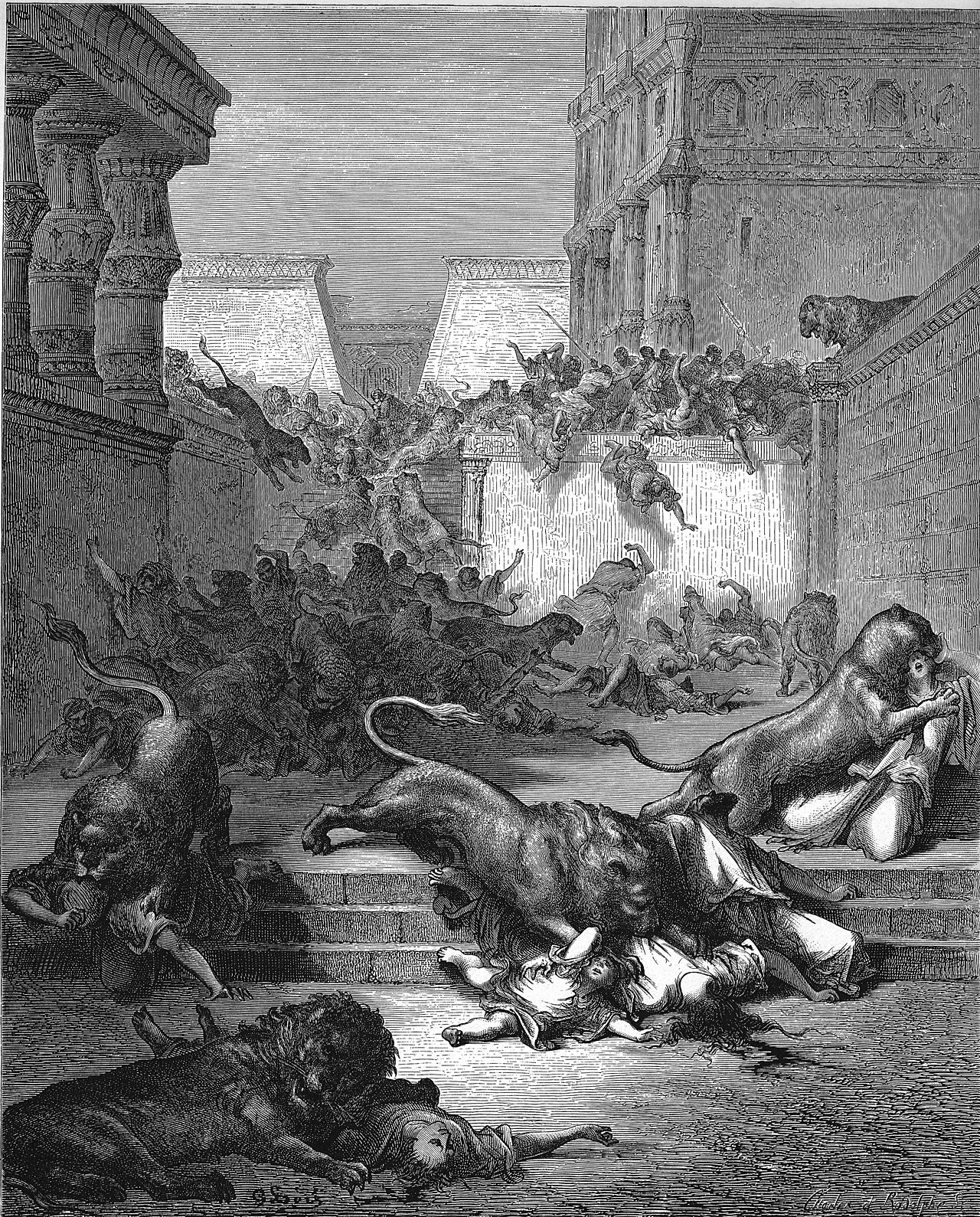
This page draws on Albert Barnes, Notes, Explanatory and Practical, on the Old and New Testaments (1832-1869); Albert Barnes, Notes on the Old Testament; Jamieson, Fausset & Brown, Commentary Critical and Explanatory on the Whole Bible; John Gill, Exposition of the Old Testament (1748-1763); John Wesley, Explanatory Notes upon the Old Testament; Keil, The Books of the Kings and Matthew Henry, Commentary on the Whole Bible.