
Leviticus 16:31
in Leviticus 16It is a Sabbath of complete rest for you, that you may humble yourselves; it is a permanent statute.
BSB
The same verse in ASV and KJV ▾
ASV
It is a sabbath of solemn rest unto you, and ye shall afflict your souls; it is a statute for ever.
KJV
It shall be a sabbath of rest unto you, and ye shall afflict your souls, by a statute for ever.
⋯
This verse in Leviticus 16
Commentary
5 notes on this verseThe work of humiliation for sin requires such a close application of mind, and such a fixed engagement of the whole man, as will not allow us to turn aside to any other work. The day of atonement seems to be that sabbath spoken of by the prophet ( Isa. lviii. 13 ), for it is the same with the fast spoken of in the verses before.
This site's exposition
in the seventh month, on the tenth day of the month
on Leviticus 16:29-31
The date is fixed, the tenth day of the seventh month, and Leviticus 23:27 lists it among the appointed times. The people do nothing all day except afflict their souls, so the one day the nation is cleansed is the one day it is given no work to do. The rule binds the stranger that sojourneth among them on the same terms as one of their own country.
The record, by era
The Puritans and the Awakening2 voices
It shall be a sabbath of rest unto you,....
The annual repetition of the sacrifices showed that there was in them only a faint and feeble effort towards making atonement; it could be done effectually only by the offering up of the body of Christ once for all, and that once was sufficient; that sacrifice needed not to be repeated. Let us see what there was of gospel in all this.
The Nineteenth Century1 voice
A commentator
Jamieson, Fausset & Brown1802–1910
Commentary Critical and Explanatory on the Whole Bible (1871)
proposed
The rehearsal of these passages appointing the solemn ceremonial was very appropriate, and the details of the successive parts of it (above all the spectacle of the public departure of the scapegoat under the care of its leader) must have produced salutary impressions both of sin and of duty that would not be soon effaced.
How the passage was read
On Leviticus 16:1-34On Leviticus 16:1-34
The day Israel still fasts
This chapter founds the Day of Atonement, in Hebrew Yom Kippur, the most solemn day of the Jewish year: the one day the high priest entered the innermost room of the sanctuary with blood for the nation's sins. With no Temple standing since AD 70, the day is kept now as a full fast: roughly 25 hours with no food or drink, most of it spent in synagogue prayer, many wearing white.
The Mishnah (the first code of Jewish oral law, about AD 200) defines the day's five abstentions: eating and drinking, washing, anointing, leather shoes, and marital relations (Yoma 8:1). It also carries a saying worth any reader's time: the day atones for sins between a person and God, “but for sins between a person and his fellow, the Day of Atonement does not atone until he has appeased his fellow” (Yoma 8:9). Reconciliation with people is homework done before the day.
This section is reception history: how the passage was read and kept in the Jewish tradition. Where a reading parts from an essential of the Christian faith, the section says so at that point.
Sources: Mishnah Yoma 8:1 (the five abstentions) · Mishnah Yoma 8:9 (appease your fellow first) · The Day of Atonement (this site's study)
The words behind it
9 Hebrew wordsEvery Hebrew word of this verse in the order it stands, with what it means and the door to its own study. The last column counts the times a word stands in the whole Bible: the rarer the word, the more the places it appears belong together.
| Hebrew | Sound | Meaning | Word study | In the Bible |
|---|---|---|---|---|
| שַׁבַּ֨ת | shabat | [is] a sabbath of | H7676 → | 110 times |
| שַׁבָּת֥וֹן | shabaton | sabbath observance | H7677 → | 11 times |
| הִיא֙ | hi' | it | H1931 → | 1879 times |
| לָכֶ֔ם | lakhem | to <the> you | ||
| וְעִנִּיתֶ֖ם | veinitem | and you will afflict | H6031 → | 82 times |
| אֶת־ | ʾet- | <obj.> | H853 → | 10935 times |
| נַפְשֹׁתֵיכֶ֑ם | nafshoteikhem | selves your | H5315 → | 754 times |
| חֻקַּ֖ת | chukat | a statute of | H2708 → | 104 times |
| עוֹלָֽם׃ | olam | perpetuity | H5769 → | 438 times |
שַׁבַּ֨ת[is] a sabbath of
shabatH7676 →110 times
שַׁבָּת֥וֹןsabbath observance
shabatonH7677 →11 times
הִיא֙it
hi'H1931 →1879 times
לָכֶ֔םto <the> you
lakhem
וְעִנִּיתֶ֖םand you will afflict
veinitemH6031 →82 times
אֶת־<obj.>
ʾet-H853 →10935 times
נַפְשֹׁתֵיכֶ֑םselves your
nafshoteikhemH5315 →754 times
חֻקַּ֖תa statute of
chukatH2708 →104 times
עוֹלָֽם׃perpetuity
olamH5769 →438 times
A shaded row is a word that stands 400 times or fewer in the Bible.
The walk
8 stopsEach card is a verse this one points to, and under it the verses that one points to in turn. Where several paths arrive at the same place, that place is listed first: the text keeps returning to it.
Through
Exodus 31:15For six days work may be done, but the seventh day is a Sabbath of complete rest, holy to the LORD. Whoever does any work on the Sabbath day must surely be put to…
it leads to
- Leviticus 23:3
For six days work may be done, but the seventh day is a Sabbath of complete rest, a day of sacred assembly. You must not do any work; wherever you live, it is a…
Reached by 2 separate paths from here.
- Genesis 2:2
And by the seventh day God had finished the work He had been doing; so on that day He rested from all His work.
- Exodus 16:23
He told them, “This is what the LORD has said: ‘Tomorrow is to be a day of complete rest, a holy Sabbath to the LORD. So bake what you want to bake, and boil…
- Leviticus 23:3
Through
Exodus 35:2For six days work may be done, but the seventh day shall be your holy day, a Sabbath of complete rest to the LORD. Whoever does any work on that day must be put…
it leads to
- Exodus 34:21
Six days you shall labor, but on the seventh day you shall rest; even in the seasons of plowing and harvesting, you must rest.
Reached by 2 separate paths from here.
- Luke 13:14–15
But the synagogue leader was indignant that Jesus had healed on the Sabbath. “There are six days for work,” he told the crowd. “So come and be healed on those days and not on…
- Exodus 34:21
Through
Isaiah 58:5Is this the fast I have chosen: a day for a man to deny himself, to bow his head like a reed, and to spread out sackcloth and ashes? Will you call this a…
it leads to
- Daniel 9:3–19
So I turned my attention to the Lord God to seek Him by prayer and petition, with fasting, sackcloth, and ashes.
- Zechariah 7:5
“Ask all the people of the land and the priests, ‘When you fasted and mourned in the fifth and seventh months for these seventy years, was it really for Me that you fasted?
- Daniel 9:3–19
Through
Isaiah 58:3“Why have we fasted, and You have not seen? Why have we humbled ourselves, and You have not noticed?” “Behold, on the day of your fast, you do as you please, and you oppress…
it leads to
- Luke 18:9–12
To some who trusted in their own righteousness and viewed others with contempt, He also told this parable:
- Luke 18:9–12
Where this verse is studied
On this page
Studies10
On this chapter
About Leviticus
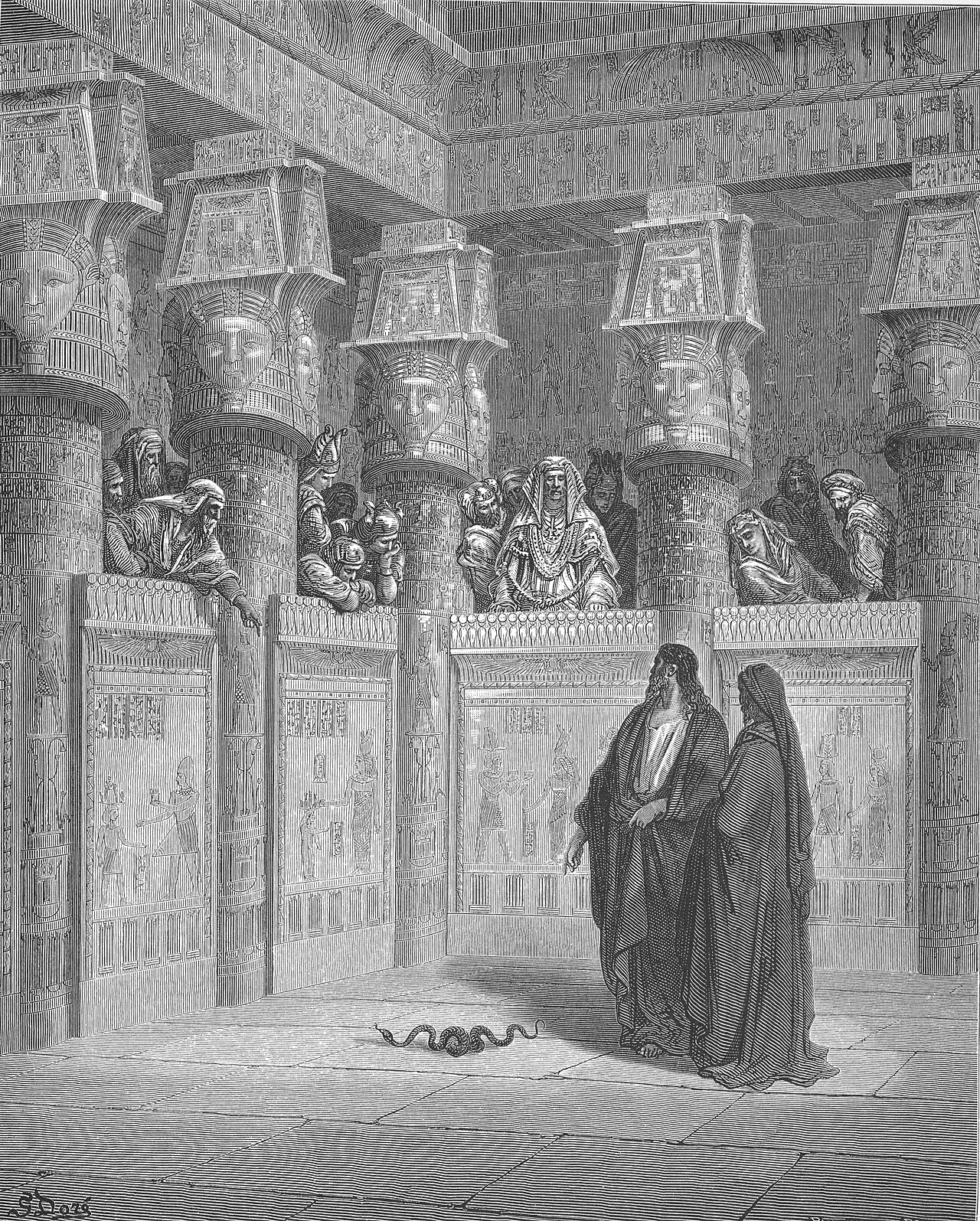
This page draws on Alfred Edersheim, The Temple: Its Ministry and Services; Jamieson, Fausset & Brown, Commentary Critical and Explanatory on the Whole Bible; John Gill, Exposition of the Old Testament (1748-1763) and Matthew Henry, Commentary on the Whole Bible.