
Leviticus 10:7
in Leviticus 10You shall not go outside the entrance to the Tent of Meeting, or you will die, for the LORD’s anointing oil is on you.” So they did as Moses instructed.
BSB
The same verse in ASV and KJV ▾
ASV
And ye shall not go out from the door of the tent of meeting, lest ye die; for the anointing oil of Jehovah is upon you. And they did according to the word of Moses.
KJV
And ye shall not go out from the door of the tabernacle of the congregation, lest ye die: for the anointing oil of the Lord is upon you. And they did according to the word of Moses.
⋯
This verse in Leviticus 10
Commentary
6 notes on this verseYe shall not go from the tabernacle - Where at this time they were, because this happened within seven days of their consecration. The oil of the Lord is upon you - You are persons consecrated peculiarly to God's service, which therefore it is just you should prefer before all funeral solemnities.
This site's exposition
Uncover not your heads, neither rend your clothes
on Leviticus 10:6-7
Aaron and his two remaining sons are forbidden the signs of grief, and the whole house of Israel is told to do the mourning in their place. They cannot leave the door of the tent because the seven days of their consecration are not finished, Leviticus 8:33, and because the anointing oil of the LORD is upon them. The words lest ye die fall at verses 6, 7 and 9, three of the five places the phrase occurs in the King James Bible, the first being Eve's answer to the serpent at Genesis 3:3.
The record, by era
The Puritans and the Awakening3 voices
It was afterwards forbidden to the high priest to use the ceremonies of mourning for the death of any friend whatsoever, though it were a father or mother ( ch. xxi. 11 ); yet it was allowed at the same time to the inferior priests to mourn for their near relations,
And ye shall not go out from the door of the tabernacle of the congregation, lest ye die,....
The reason given them is because the anointing oil of your God is upon you, the honour of which must be carefully preserved by your doing the duty of your office with cheerfulness. Note, Those that through grace have received the anointing ought not to disturb themselves with the sorrow of the world, which worketh death.
The Nineteenth Century1 voice
The anointing oil of the Lord is upon you - They were consecrated to the Divine service, and this required their constant attendance, and most willing and cheerful service.
The words behind it
15 Hebrew wordsEvery Hebrew word of this verse in the order it stands, with what it means and the door to its own study. The last column counts the times a word stands in the whole Bible: the rarer the word, the more the places it appears belong together.
| Hebrew | Sound | Meaning | Word study | In the Bible |
|---|---|---|---|---|
| וּמִפֶּתַח֩ | umipetach | and from [the] entrance of | H6607 → | 164 times |
| אֹ֨הֶל | ʾohel | [the] tent of | H168 → | 345 times |
| מוֹעֵ֜ד | moed | meeting | H4150 → | 223 times |
| לֹ֤א | lo' | not | H3808 → | 5168 times |
| תֵֽצְאוּ֙ | tetzeu | you must go out | H3318 → | 1067 times |
| פֶּן־ | pen- | lest | H6435 → | |
| תָּמֻ֔תוּ | tamutu | you should die | H4191 → | 839 times |
| כִּי־ | ki- | for | H3588 → | 4482 times |
| שֶׁ֛מֶן | shemen | [the] oil of | H8081 → | 193 times |
| מִשְׁחַ֥ת | mishchat | [the] anointing of | H4888 → | 26 times |
| יְהוָ֖ה | yahweh | Yahweh | H3068 → | 6520 times |
| עֲלֵיכֶ֑ם | ʾaleikhem | [is] on you | H5921 → | 5755 times |
| וַֽיַּעֲשׂ֖וּ | vaiyaasu | and they did | H6213 → | 2628 times |
| כִּדְבַ֥ר | kidvar | according to [the] word of | H1697 → | 1440 times |
| מֹשֶֽׁה׃ פ | mosheh | Moses | H4872 → | 765 times |
וּמִפֶּתַח֩and from [the] entrance of
umipetachH6607 →164 times
אֹ֨הֶל[the] tent of
ʾohelH168 →345 times
מוֹעֵ֜דmeeting
moedH4150 →223 times
לֹ֤אnot
lo'H3808 →5168 times
תֵֽצְאוּ֙you must go out
tetzeuH3318 →1067 times
פֶּן־lest
pen-H6435 →
תָּמֻ֔תוּyou should die
tamutuH4191 →839 times
כִּי־for
ki-H3588 →4482 times
שֶׁ֛מֶן[the] oil of
shemenH8081 →193 times
מִשְׁחַ֥ת[the] anointing of
mishchatH4888 →26 times
יְהוָ֖הYahweh
yahwehH3068 →6520 times
עֲלֵיכֶ֑ם[is] on you
ʾaleikhemH5921 →5755 times
וַֽיַּעֲשׂ֖וּand they did
vaiyaasuH6213 →2628 times
כִּדְבַ֥רaccording to [the] word of
kidvarH1697 →1440 times
מֹשֶֽׁה׃ פMoses
moshehH4872 →765 times
A shaded row is a word that stands 400 times or fewer in the Bible.
The walk
8 stopsEach card is a verse this one points to, and under it the verses that one points to in turn. Where several paths arrive at the same place, that place is listed first: the text keeps returning to it.
Through
Acts 10:38how God anointed Jesus of Nazareth with the Holy Spirit and with power, and how Jesus went around doing good and healing all who were oppressed by the devil, because God was with Him.
it leads to
- Luke 4:18
“The Spirit of the Lord is on Me, because He has anointed Me to preach good news to the poor. He has sent Me to proclaim liberty to the captives and recovery of sight…
- Isaiah 61:1–3
The Spirit of the Lord GOD is on Me, because the LORD has anointed Me to preach good news to the poor. He has sent Me to bind up the brokenhearted, to proclaim liberty…
- Acts 2:22
Men of Israel, listen to this message: Jesus of Nazareth was a man certified by God to you by miracles, wonders, and signs, which God did among you through Him, as you yourselves know.
- Isaiah 11:2
The Spirit of the LORD will rest on Him—the Spirit of wisdom and understanding, the Spirit of counsel and strength, the Spirit of knowledge and fear of the LORD.
- John 3:34
For the One whom God has sent speaks the words of God, for God gives the Spirit without limit.
- Luke 4:18
Through
2 Corinthians 1:21Now it is God who establishes both us and you in Christ. He anointed us,
it leads to
- 1 John 2:27
And as for you, the anointing you received from Him remains in you, and you do not need anyone to teach you. But just as His true and genuine anointing teaches you about all…
- 1 John 2:20
You, however, have an anointing from the Holy One, and all of you know the truth.
- 1 Peter 5:10
And after you have suffered for a little while, the God of all grace, who has called you to His eternal glory in Christ, will Himself restore you, secure you, strengthen you, and establish…
- 1 John 2:27
Where this verse is studied
On this page
About Leviticus
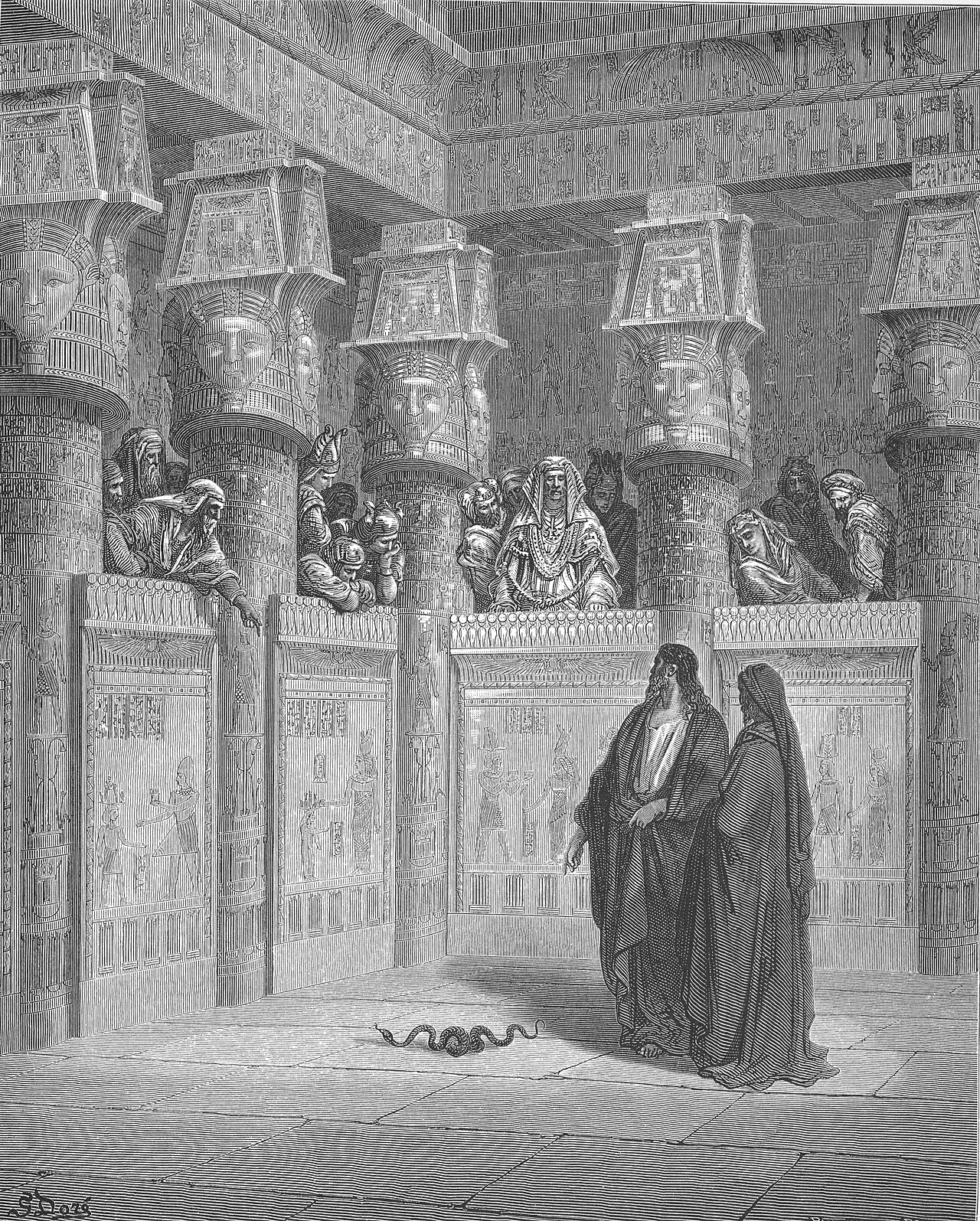
Who and where
1 name in this verse with a page on the site.
This page draws on Adam Clarke, Commentary on the Bible; Jamieson, Fausset & Brown, Commentary Critical and Explanatory on the Whole Bible; John Gill, Exposition of the Old Testament (1748-1763); John Wesley, Explanatory Notes upon the Old Testament and Matthew Henry, Commentary on the Whole Bible.