
Joel 2:17
in Joel 2Let the priests who minister before the LORD weep between the portico and the altar, saying, “Spare Your people, O LORD, and do not make Your heritage a reproach, an object of scorn among the nations. Why should they say among the peoples, ‘Where is their God?’”
BSB
The same verse in ASV and KJV ▾
ASV
Let the priests, the ministers of Jehovah, weep between the porch and the altar, and let them say, Spare thy people, O Jehovah, and give not thy heritage to reproach, that the nations should rule over them: wherefore should they say among the peoples, Where is their God?
KJV
Let the priests, the ministers of the Lord, weep between the porch and the altar, and let them say, Spare thy people, O Lord, and give not thine heritage to reproach, that the heathen should rule over them: wherefore should they say among the people, Where is their God?
⋯
This verse in Joel 2
Commentary
11 notes on this verseA commentator
Gregory of NazianzusIN DEFENSE OF HIS FLIGHT TO PONTUS, ORATION 2:89 · Written before 390.
Who will cry aloud, "Spare your people, O Lord, and do not give your heritage to reproach, that the nations should rule over them"? Noah, Job and Daniel stood together as men of prayer. Who will pray for us, that we might have a slight respite from warfare and recover ourselves?
This site's exposition
Blow the ram’s horn in Zion
on Joel 2:15-17
The call to "consecrate a fast" repeats 1:14 and widens it. The priests weep "between the portico and the altar", praying "Spare Your people, O LORD". Their plea "Where is their God" appeals to the LORD's name among the nations, as Moses pleaded after the golden calf at Exodus 32:12.
This site's exposition
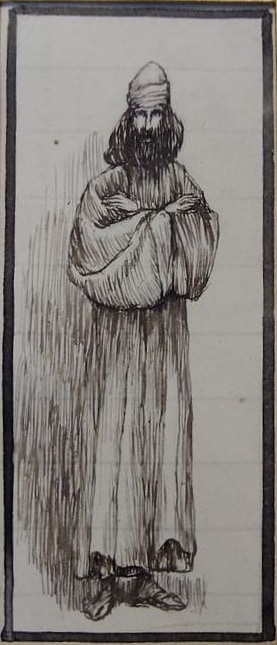
Let the priests who minister before the LORD weep
The priests stand between the portico and the altar, where they served between the people and the sanctuary. Their prayer appeals to the LORD's name among the nations. Matthew Henry recalls that Zechariah was killed in this same place, as Matthew 23:35 records.
The record, by era
The Church Fathers1 voice
(Verse 15 and following) Blow the trumpet in Zion: sanctify a fast, call a solemn assembly, gather the people: sanctify the congregation, assemble the elders, gather the children and those who still nurse at the breast. Let the bridegroom come out of his chamber, and the bride out of her closet: between the porch and the altar let the priests, the ministers of the Lord, weep and say: Spare, O Lord (Vulgate adds, spare), your people, and do not let your heritage become a reproach, that the nations should rule over them. Why do they say among the peoples, 'Where is their God?' LXX: Blow the trumpet in Zion, sanctify a fast, call a solemn assembly, gather the people, sanctify the congregation, assemble the elders, gather the children and nursing babes; let the bridegroom go out from his chamber, and the bride from her dressing room. Between the vestibule and the altar, let the priests, the ministers of the Lord, weep and say: 'Spare Your people, O Lord, and do not give Your heritage to reproach, that the nations should rule over them. Why should they say among the peoples, 'Where is their God?'" } Still he exhorts them to repentance, before the enemy army comes. Above, he said: Blow the trumpet in Zion, wail on my holy mountain, and so on, because the day of the Lord is coming, the day of darkness and gloom, the day of clouds and whirlwinds, announcing to you a numerous and powerful people that will come, which will overthrow your possessions and cities. Now because I am kind and merciful, patient, and abundant in mercy, I again command and say: Blow the trumpet in Zion, and preach repentance to the peoples; sanctify the fasting, preach healing, or gathering, of which we have already spoken: gather the people, so that the one who had sinned by being dispersed, having been gathered, may cease to sin. […]
The Puritans and the Awakening4 voices
It was between the porch and the altar that Zechariah the son of Jehoiada was put to death for his faithfulness; that precious blood God would require at their hands, and therefore, to turn away the judgment threatened for it, there they must weep. Words here are put into their mouths, which they might in their prayers enlarge upon.
To reproach - Famine, though by locusts is a reproach to this thine heritage; it will be greater reproach to be slaves to the nations signified by the locusts, therefore in mercy deliver us from both one and the other.
Let the priests, the ministers of the Lord, weep between the porch and the altar,....
A promise that, upon their repentance, God would remove the judgment, would repair the breaches made upon them by it, and restore unto them plenty of all good things,
3 more voices on this verse
The Nineteenth Century3 voices
A commentator
Albert Barnes1798–1870
Notes, Explanatory and Practical, on the Old and New Testaments (1832-1869)
Let the priests, the ministers of the Lord, weep between the porch and the altar - The porch in this, Solomon’s temple, was in fact a tower, in front of the holy of holies, of the same breadth with the temple, namely, 20 cubits, and its depth half its breadth, namely, 10 cubits 1Ki 6:3, and its height 120 cubits, the whole “overlaid within with pure gold” 2Ch 3:4. The brass altar for burnt-offerings stood in front of it 2Ch 8:
A commentator
Jamieson, Fausset & Brown1802–1910
Commentary Critical and Explanatory on the Whole Bible (1871)
proposed
The Margin translation, "use a byword against them," is not supported by the Hebrew. wherefore should they say . . . Where is their God?--that is, do not for thine own honor's sake, let the heathen sneer at the God of Israel, as unable to save His people (Ps 79:10;
quarantine:debris (2026-07-29) — unbalanced-parens
Let the priests - weep between the porch and the altar - The altar of burnt-offerings stood before the porch of the temple, 2Ch 8:12, and between them there was an open space of fifteen or twenty cubits. It was there that the priests prostrated themselves on such occasions. It was into this place that the priests brought the sacrifice or victim of atonement; and where the high priest laid his hands on the head of the victim confessing his sins. Let them say - The following was the form to be used on this occasion, “Spare thy people,” etc. And if this be done with a rent heart, etc., “then will the Lord be jealous for his land, and pity his people,” 2Ch 8:18. He will surely save, if ye seriously return to and penitently seek him.
The words behind it
24 Hebrew wordsEvery Hebrew word of this verse in the order it stands, with what it means and the door to its own study. The last column counts the times a word stands in the whole Bible: the rarer the word, the more the places it appears belong together.
| Hebrew | Sound | Meaning | Word study | In the Bible |
|---|---|---|---|---|
| בֵּ֤ין | bein | between | H996 → | |
| הָאוּלָם֙ | haulam | the porch | H197 → | |
| וְלַמִּזְבֵּ֔חַ | velamizbeach | and to the altar | H4196 → | |
| יִבְכּוּ֙ | yivku | let them weep | H1058 → | |
| הַכֹּ֣הֲנִ֔ים | hakohanim | the priests | H3548 → | 750 times |
| מְשָׁרְתֵ֖י | mesharetei | [the] servants of | H8334 → | 97 times |
| יְהוָ֑ה | yahweh | Yahweh | H3068 → | 6520 times |
| וְֽיֹאמְר֞וּ | veyomeru | and let them say | H559 → | 5305 times |
| ח֧וּסָה | chusah | have compassion ! | H2347 → | |
| יְהוָ֣ה | yahweh | O Yahweh | H3068 → | 6520 times |
| עַל־ | ʾal- | on | H5921 → | 5755 times |
| עַמֶּ֗ךָ | ʾamekha | people your | H5971 → | 1873 times |
| וְאַל־ | veal- | and may not | H408 → | 724 times |
| תִּתֵּ֨ן | titen | you make | H5414 → | 2011 times |
| נַחֲלָתְךָ֤ | nachalatekha | inheritance your | H5159 → | |
| לְחֶרְפָּה֙ | lecherpah | into a reproach | H2781 → | |
| לִמְשָׁל־ | limshol- | to mock | H4910 → | |
| בָּ֣ם | bam | on <the> them | ||
| גּוֹיִ֔ם | goyim | nations | H1471 → | 561 times |
| לָ֚מָּה | lamah | <to> why? | H4100 → | 752 times |
| יֹאמְר֣וּ | yomeru | will people say | H559 → | 5305 times |
| בָֽעַמִּ֔ים | vaamim | among the peoples | H5971 → | 1873 times |
| אַיֵּ֖ה | ʾaiyeh | where? | H346 → | |
| אֱלֹהֵיהֶֽם׃ | ʾeloheihem | [is] God their | H430 → | 2601 times |
בֵּ֤יןbetween
beinH996 →
הָאוּלָם֙the porch
haulamH197 →
וְלַמִּזְבֵּ֔חַand to the altar
velamizbeachH4196 →
יִבְכּוּ֙let them weep
yivkuH1058 →
הַכֹּ֣הֲנִ֔יםthe priests
hakohanimH3548 →750 times
מְשָׁרְתֵ֖י[the] servants of
meshareteiH8334 →97 times
יְהוָ֑הYahweh
yahwehH3068 →6520 times
וְֽיֹאמְר֞וּand let them say
veyomeruH559 →5305 times
ח֧וּסָהhave compassion !
chusahH2347 →
יְהוָ֣הO Yahweh
yahwehH3068 →6520 times
עַל־on
ʾal-H5921 →5755 times
עַמֶּ֗ךָpeople your
ʾamekhaH5971 →1873 times
וְאַל־and may not
veal-H408 →724 times
תִּתֵּ֨ןyou make
titenH5414 →2011 times
נַחֲלָתְךָ֤inheritance your
nachalatekhaH5159 →
לְחֶרְפָּה֙into a reproach
lecherpahH2781 →
לִמְשָׁל־to mock
limshol-H4910 →
בָּ֣םon <the> them
bam
גּוֹיִ֔םnations
goyimH1471 →561 times
לָ֚מָּה<to> why?
lamahH4100 →752 times
יֹאמְר֣וּwill people say
yomeruH559 →5305 times
בָֽעַמִּ֔יםamong the peoples
vaamimH5971 →1873 times
אַיֵּ֖הwhere?
ʾaiyehH346 →
אֱלֹהֵיהֶֽם׃[is] God their
ʾeloheihemH430 →2601 times
A shaded row is a word that stands 400 times or fewer in the Bible.
The walk
8 stopsEach card is a verse this one points to, and under it the verses that one points to in turn. Where several paths arrive at the same place, that place is listed first: the text keeps returning to it.
Through
Matthew 23:35And so upon you will come all the righteous blood shed on earth, from the blood of righteous Abel to the blood of Zechariah son of Berechiah, whom you murdered between the temple and…
it leads to
- 2 Chronicles 24:20–22
Then the Spirit of God came upon Zechariah son of Jehoiada the priest, who stood up before the people and said to them, “This is what God says: ‘Why do you transgress the commandments…
- Hebrews 11:4
By faith Abel offered God a better sacrifice than Cain did. By faith he was commended as righteous when God gave approval to his gifts. And by faith he still speaks, even though he…
- Zechariah 1:1
In the eighth month of the second year of Darius, the word of the LORD came to the prophet Zechariah son of Berechiah, the son of Iddo, saying:
- 2 Chronicles 24:20–22
Through
Ezekiel 8:16So He brought me to the inner court of the house of the LORD, and there at the entrance to the temple of the LORD, between the portico and the altar, were about twenty-five…
it leads to
- Deuteronomy 4:19
When you look to the heavens and see the sun and moon and stars—all the host of heaven—do not be enticed to bow down and worship what the LORD your God has apportioned to…
- Deuteronomy 17:3
and going to worship other gods, bowing down to them or to the sun or moon or any of the host of heaven—which I have forbidden—
- Jeremiah 32:33
They have turned their backs to Me and not their faces. Though I taught them again and again, they would not listen or respond to discipline.
- Deuteronomy 4:19
Through
Psalms 115:2Why should the nations say, “Where is their God?”
it leads to
- Psalms 42:10
Like the crushing of my bones, my enemies taunt me, while they say to me all day long, “Where is your God?”
Reached by 2 separate paths from here.
- Psalms 42:3
My tears have been my food both day and night, while men ask me all day long, “Where is your God?”
- Psalms 42:10
Where this verse is studied
On this page
Studies23
On this chapter
About Joel
This page draws on Adam Clarke, Commentary on the Bible; Albert Barnes, Notes, Explanatory and Practical, on the Old and New Testaments (1832-1869); Gregory of Nazianzus, IN DEFENSE OF HIS FLIGHT TO PONTUS, ORATION 2:89; Jamieson, Fausset & Brown, Commentary Critical and Explanatory on the Whole Bible; Jerome, Commentary on Joel; John Gill, Exposition of the Old Testament (1748-1763); John Wesley, Explanatory Notes upon the Old Testament and Matthew Henry, Commentary on the Whole Bible.