
Exodus 32:14
in Exodus 32So the LORD relented from the calamity He had threatened to bring on His people.
BSB
The same verse in ASV and KJV ▾
ASV
And Jehovah repented of the evil which he said he would do unto his people.
KJV
And the Lord repented of the evil which he thought to do unto his people.
⋯
This verse in Exodus 32
Commentary
2 notes on this verseA commentator
Charles Spurgeon1834–1892
The Metropolitan Tabernacle Pulpit, Sermon No. 2398: “Mediation of Moses” (lightly modernized text, CCEL edition) · Written before 1892.
I SUPPOSE that I need not say that this verse speaks after the manner of men. I do not know after what other manner we can speak. To speak of God after the manner of God is reserved for God, Himself, and mortal men could not comprehend such speech. In this sense, the Lord often speaks, not according to literal fact, but according to the appearance of things to us, in order that we may understand so far as the human can comprehend the Divine. The Lord's purposes never really change.
This site's exposition
Remember Abraham, Isaac, and Israel, thy servants
on Exodus 32:13-14
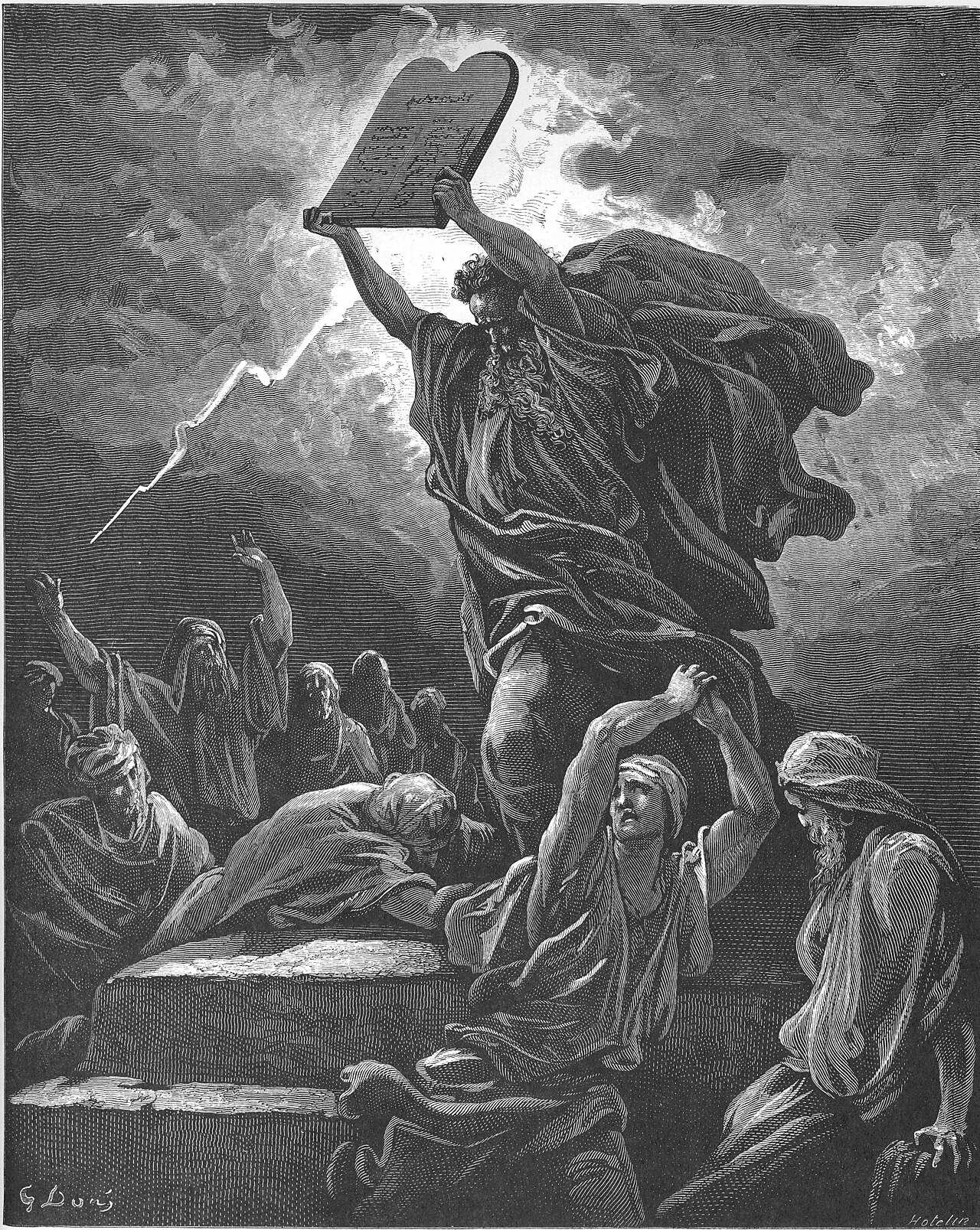
Moses' last argument is the oath God swore by his own self at Genesis 22:16, and he asks nothing on the ground of what the people deserve. The text then says the LORD repented of the evil which he thought to do unto his people, while Numbers 23:19 says God is not a man that he should repent. Readers have long divided here, some taking the language as spoken after the manner of men, which is how Charles Spurgeon takes it in his sermon on the mediation of Moses, and others reading a real turn made in answer to prayer.
How the passage was read
What the Jewish commentators add
Heaven forbid for the Lord to repent. 63 To change His mind. Medieval Jewish philosophers taught that God is unchanging.
This section is reception history: how the passage was read and kept in the Jewish tradition. Where a reading parts from an essential of the Christian faith, the section says so at that point.
Texts and citation data: Sefaria; each excerpt follows its version’s licence. 4 further sources are cited on this chapter that carry no English text this site may quote or only restate the verse.
The words behind it
8 Hebrew wordsEvery Hebrew word of this verse in the order it stands, with what it means and the door to its own study. The last column counts the times a word stands in the whole Bible: the rarer the word, the more the places it appears belong together.
| Hebrew | Sound | Meaning | Word study | In the Bible |
|---|---|---|---|---|
| וַיִּנָּ֖חֶם | vaiyinachem | and he relented | H5162 → | 108 times |
| יְהוָ֑ה | yahweh | Yahweh | H3068 → | 6520 times |
| עַל־ | ʾal- | on | H5921 → | 5755 times |
| הָ֣רָעָ֔ה | haraah | the harm | H7451 → | 662 times |
| אֲשֶׁ֥ר | ʾasher | which | H834 → | 5497 times |
| דִּבֶּ֖ר | diber | he had spoken | H1696 → | 1141 times |
| לַעֲשׂ֥וֹת | laasot | to do | H6213 → | 2628 times |
| לְעַמּֽוֹ׃ פ | leamo | to people his | H5971 → | 1873 times |
וַיִּנָּ֖חֶםand he relented
vaiyinachemH5162 →108 times
יְהוָ֑הYahweh
yahwehH3068 →6520 times
עַל־on
ʾal-H5921 →5755 times
הָ֣רָעָ֔הthe harm
haraahH7451 →662 times
אֲשֶׁ֥רwhich
ʾasherH834 →5497 times
דִּבֶּ֖רhe had spoken
diberH1696 →1141 times
לַעֲשׂ֥וֹתto do
laasotH6213 →2628 times
לְעַמּֽוֹ׃ פto people his
leamoH5971 →1873 times
A shaded row is a word that stands 400 times or fewer in the Bible.
The walk
8 stopsEach card is a verse this one points to, and under it the verses that one points to in turn. Where several paths arrive at the same place, that place is listed first: the text keeps returning to it.
Through
Jonah 4:2So he prayed to the LORD, saying, “O LORD, is this not what I said while I was still in my own country? This is why I was so quick to flee toward Tarshish.…
it leads to
- Psalms 86:15
But You, O Lord, are a compassionate and gracious God, slow to anger, abounding in loving devotion and faithfulness.
- Exodus 34:6–7
Then the LORD passed in front of Moses and called out: “The LORD, the LORD God, is compassionate and gracious, slow to anger, abounding in loving devotion and faithfulness,
- Numbers 14:18–19
‘The LORD is slow to anger and abounding in loving devotion, forgiving iniquity and transgression. Yet He will by no means leave the guilty unpunished; He will visit the iniquity of the fathers upon…
- Joel 2:13–14
So rend your hearts and not your garments, and return to the LORD your God. For He is gracious and compassionate, slow to anger, abounding in loving devotion. And He relents from sending disaster.
- Psalms 145:8
The LORD is gracious and compassionate, slow to anger and abounding in loving devotion.
- Psalms 86:15
Through
Jonah 3:10When God saw their actions—that they had turned from their evil ways—He relented from the disaster He had threatened to bring upon them.
it leads to
- Jeremiah 18:8
But if that nation I warned turns from its evil, then I will relent of the disaster I had planned to bring.
- 1 Kings 21:27–29
When Ahab heard these words, he tore his clothes, put on sackcloth, and fasted. He lay down in sackcloth and walked around meekly.
- Amos 7:6
So the LORD relented from this plan. “It will not happen either,” said the Lord GOD.
- Jeremiah 18:8
Where this verse is studied
About Exodus
This page draws on Charles Spurgeon, The Metropolitan Tabernacle Pulpit, Sermon No. 2398: “Mediation of Moses” (lightly modernized text, CCEL edition); Charles Spurgeon, The Metropolitan Tabernacle Pulpit, Sermon 2398, Mediation of Moses and Matthew Henry, Commentary on the Whole Bible.