
Deuteronomy 6:1
in Deuteronomy 6These are the commandments and statutes and ordinances that the LORD your God has instructed me to teach you to follow in the land that you are about to enter and possess,
BSB
The same verse in ASV and KJV ▾
ASV
Now this is the commandment, the statutes, and the ordinances, which Jehovah your God commanded to teach you, that ye might do them in the land whither ye go over to possess it;
KJV
Now these are the commandments, the statutes, and the judgments, which the Lord your God commanded to teach you, that ye might do them in the land whither ye go to possess it:
⋯
This verse in Deuteronomy 6
Commentary
5 notes on this verseThis site's exposition
Now these are the commandments, the statutes, and the judgments
on Deuteronomy 6:1-3
The charge is addressed to three generations at once, thee, and thy son, and thy son's son, before a single commandment is given. What it is for is stated twice, that thou mightest fear the LORD and that it may be well with thee, so obedience and welfare stand together rather than being traded against each other. The land is named as a place they do not hold yet.
The record, by era
The Puritans and the Awakening2 voices
Thus Christ's ministers are to teach his churches all that he has commanded, and neither more nor less, Matt. xxviii. That the end of their being taught was that they might do as they were taught (
quarantine:debris (2026-07-29) — unbalanced-parens
Now these are the commandments, the statutes, and the judgments,....
The Nineteenth Century2 voices
Now these are the commandments, etc. - See the difference between commandments, statutes, judgments, etc., pointed out, Lev 26:15 (note). Do them - That is, live in the continual practice of them; for by this they were to be distinguished from all the nations of the world, and all these were to be in force till the Son of God should come. Whither ye go. עברים oberim, whither ye pass over, referring to the river Jordan, across which they must pass to get into Canaan.
A commentator
Albert Barnes1798–1870
Notes, Explanatory and Practical, on the Old and New Testaments (1832-1869)
proposed
Moses proceeds to set forth more particularly and to enforce the cardinal and essential doctrines of the Decalogue, the nature and attributes of God, and the fitting mode of honoring and worshipping Him. Two objects are indicated Deu 6:2-3, the glory of God and the welfare of man, as the grand aims that he has in view.
The words behind it
17 Hebrew wordsEvery Hebrew word of this verse in the order it stands, with what it means and the door to its own study. The last column counts the times a word stands in the whole Bible: the rarer the word, the more the places it appears belong together.
| Hebrew | Sound | Meaning | Word study | In the Bible |
|---|---|---|---|---|
| וְזֹ֣את | vezot | and this | H2063 → | 603 times |
| הַמִּצְוָ֗ה | hamitzvah | [is] the commandment | H4687 → | 181 times |
| הַֽחֻקִּים֙ | hachukim | the statutes | H2706 → | 127 times |
| וְהַמִּשְׁפָּטִ֔ים | vehamishpatim | and the judgments | H4941 → | 422 times |
| אֲשֶׁ֥ר | ʾasher | which | H834 → | 5497 times |
| צִוָּ֛ה | tzivah | he has commanded | H6680 → | 494 times |
| יְהוָ֥ה | yahweh | Yahweh | H3068 → | 6520 times |
| אֱלֹהֵיכֶ֖ם | ʾeloheikhem | God your | H430 → | 2601 times |
| לְלַמֵּ֣ד | lelamed | to teach | H3925 → | 85 times |
| אֶתְכֶ֑ם | ʾetkhem | <obj.> you | H853 → | 10935 times |
| לַעֲשׂ֣וֹת | laasot | to observe | H6213 → | 2628 times |
| בָּאָ֔רֶץ | baaretz | in the land | H776 → | 2504 times |
| אֲשֶׁ֥ר | ʾasher | where | H834 → | 5497 times |
| אַתֶּ֛ם | ʾatem | you | H859 → | 1094 times |
| עֹבְרִ֥ים | ʾoerim | [are] about to pass over | H5674 → | 556 times |
| שָׁ֖מָּה | shamah | there towards | H8033 → | 834 times |
| לְרִשְׁתָּֽהּ׃ | lerishtah | to take possession of it | H3423 → | 231 times |
וְזֹ֣אתand this
vezotH2063 →603 times
הַמִּצְוָ֗ה[is] the commandment
hamitzvahH4687 →181 times
הַֽחֻקִּים֙the statutes
hachukimH2706 →127 times
וְהַמִּשְׁפָּטִ֔יםand the judgments
vehamishpatimH4941 →422 times
אֲשֶׁ֥רwhich
ʾasherH834 →5497 times
צִוָּ֛הhe has commanded
tzivahH6680 →494 times
יְהוָ֥הYahweh
yahwehH3068 →6520 times
אֱלֹהֵיכֶ֖םGod your
ʾeloheikhemH430 →2601 times
לְלַמֵּ֣דto teach
lelamedH3925 →85 times
אֶתְכֶ֑ם<obj.> you
ʾetkhemH853 →10935 times
לַעֲשׂ֣וֹתto observe
laasotH6213 →2628 times
בָּאָ֔רֶץin the land
baaretzH776 →2504 times
אֲשֶׁ֥רwhere
ʾasherH834 →5497 times
אַתֶּ֛םyou
ʾatemH859 →1094 times
עֹבְרִ֥ים[are] about to pass over
ʾoerimH5674 →556 times
שָׁ֖מָּהthere towards
shamahH8033 →834 times
לְרִשְׁתָּֽהּ׃to take possession of it
lerishtahH3423 →231 times
A shaded row is a word that stands 400 times or fewer in the Bible.
The walk
8 stopsEach card is a verse this one points to, and under it the verses that one points to in turn. Where several paths arrive at the same place, that place is listed first: the text keeps returning to it.
Through
Deuteronomy 4:1Hear now, O Israel, the statutes and ordinances I am teaching you to follow, so that you may live and may enter and take possession of the land that the LORD, the God of…
it leads to
- Romans 10:5
For concerning the righteousness that is by the law, Moses writes: “The man who does these things will live by them.”
- Ezekiel 20:11
And I gave them My statutes and made known to them My ordinances—for the man who does these things will live by them.
- Leviticus 18:5
Keep My statutes and My judgments, for the man who does these things will live by them. I am the LORD.
- Deuteronomy 8:1
You must carefully follow every commandment I am giving you today, so that you may live and multiply, and enter and possess the land that the LORD swore to give your fathers.
- Leviticus 22:31
You are to keep My commandments and practice them. I am the LORD.
- Romans 10:5
Through
Leviticus 27:34These are the commandments that the LORD gave to Moses for the Israelites on Mount Sinai.
it leads to
- Leviticus 26:46
These are the statutes, ordinances, and laws that the LORD established between Himself and the Israelites through Moses on Mount Sinai.
- Deuteronomy 4:45
These are the testimonies, statutes, and ordinances that Moses proclaimed to them after they had come out of Egypt,
Reached by 2 separate paths from here.
- Leviticus 26:46
Through
Deuteronomy 12:1These are the statutes and ordinances you must be careful to follow all the days you live in the land that the LORD, the God of your fathers, has given you to possess.
it leads to
- 1 Kings 8:40
so that they may fear You all the days they live in the land that You gave to our fathers.
- 1 Kings 8:40
Where this verse is studied
On this page
Studies5
On this chapter
About Deuteronomy
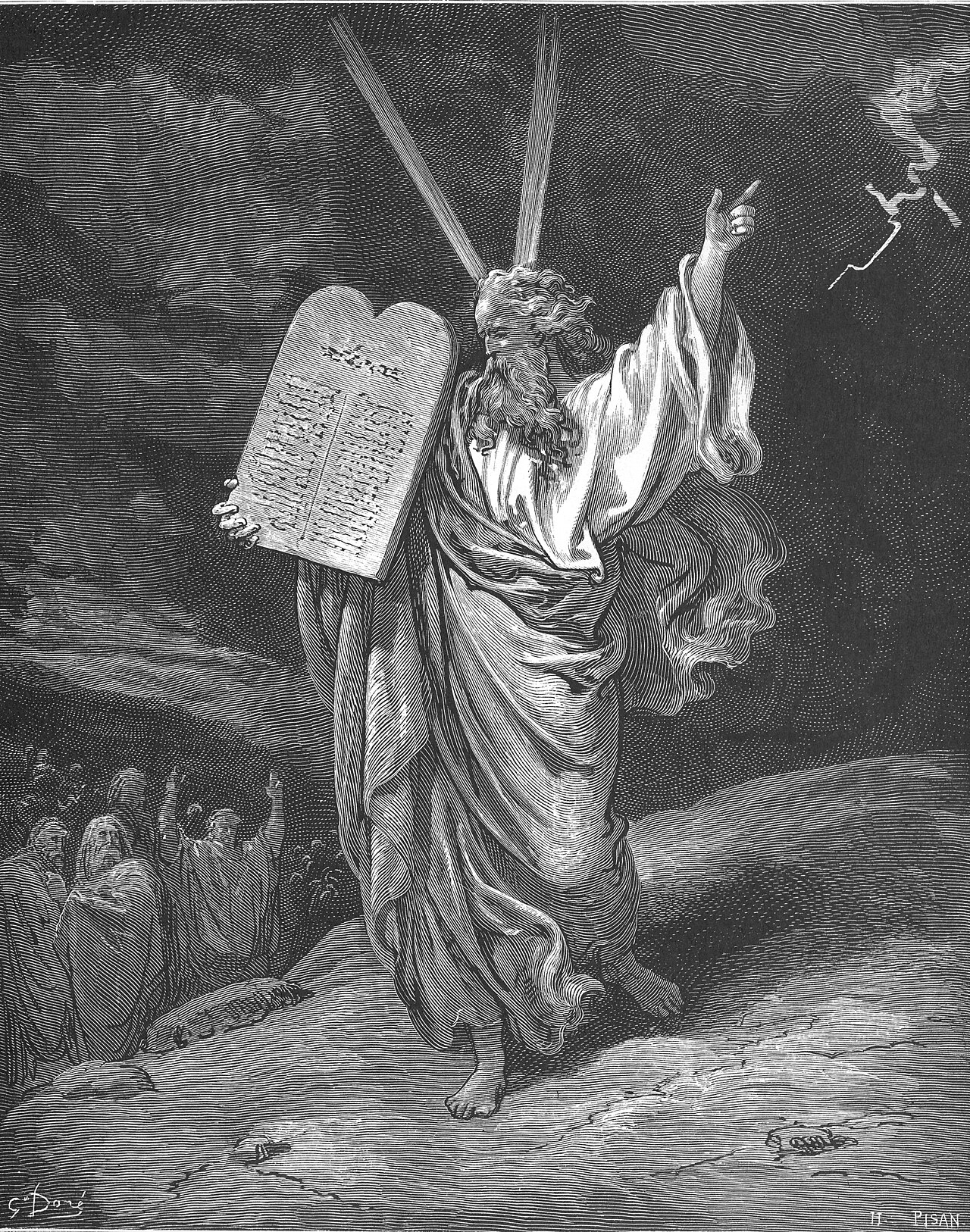
This page draws on Adam Clarke, Commentary on the Bible; Albert Barnes, Notes, Explanatory and Practical, on the Old and New Testaments (1832-1869); John Gill, Exposition of the Old Testament (1748-1763); Keil and Delitzsch, Biblical Commentary on the Old Testament: The Pentateuch and Matthew Henry, Commentary on the Whole Bible.