
Mark 10:45 · Value 31 of 41 · Featured Study
Servanthood
Servanthood in Scripture is using whatever power and place one has for the good of others, after the pattern of Jesus.
The church's deacons take their title from diakonos, the Greek word for an attendant who waits at table.
For even the Son of Man did not come to be served, but to serve, and to give His life as a ransom for many.”
- Anchor text
- Mark 10:45 “For even the Son of Man did not…”
- Its opposite
- Seeking to be served, and lording it over others
- Hold in memory
- Mark 10:45
Summary
Servanthood runs through Scripture from Israel's call to serve the LORD to the apostles who signed their letters as servants of Christ. The law asked Israel to serve God with all its heart, and God called Moses, David and the prophets His servants. Jesus answered His disciples' quarrels over rank, washed their feet at the supper and went to the cross. The church took up the pattern in its care of the poor and the sick.
- Jesus measured greatness among His followers by service, and He took the place of a servant Himself.
- The Hebrew verb for serving God is also the verb for work and for worship.
- A servant of God cannot serve a second master, so the service given to others is done for the Lord.
- Those whom Christ has set free are called to use their freedom to serve one another.
What Servanthood Is
Three words carry the value through Scripture, the Hebrew noun ebed and the Greek nouns doulos and diakonos.
What does Scripture mean by servanthood, and why does Jesus make it the mark of greatness among His people? This study of servanthood answers from the text. It gives the Hebrew and Greek words for the servant, the key texts and the ground of service in the God His people serve, and the way Christ served His disciples to His death. It names people who served, the practice and the opposite, the stories and three accounts from the church's history, the voices of the centuries and three questions on which readers disagree.
Ebed, a servant
799 uses in the canon
Ebed (H5650) is the title God gives Moses when He defends him before Aaron and Miriam: “But this is not so with My servant Moses; he is faithful in all My house.”
Doulos, a slave
129 uses in the canon
Doulos (G1401) is the word Jesus gives His disciples to say of themselves when their work is done: “We are unworthy servants; we have only done our duty.”
Diakonos, one who serves
29 uses in the canon
Diakonos (G1249) is the word Jesus uses for the great among His disciples: “whoever wants to become great among you must be your servant”.
Ebed, a servant, Doulos, a slave, Diakonos, one who serves, The Words Ebed and Doulos, the study in brief
The Key Texts of Servanthood
Texts from Deuteronomy to Galatians call God's people to serve Him and one another.
Law
And now, O Israel, what does the LORD your God ask of you but to fear the LORD your God by walking in all His ways, to love Him, to serve the LORD your God with all your heart and with all your soul,
It stands here because Moses sums up what the LORD asks of Israel, and serving Him with the whole heart is part of the sum.
History
But if it is unpleasing in your sight to serve the LORD, then choose for yourselves this day whom you will serve, whether the gods your fathers served beyond the Euphrates, or the gods of the Amorites in whose land you are living. As for me and my house, we will serve the LORD!”
It stands here because Joshua sets a household's choice of whom it will serve before the whole people.
Joshua 24:15BSB
Wisdom
Serve the LORD with gladness; come into His presence with joyful songs.
It stands here because the psalm joins the service of God to gladness and song.
Psalm 100:2BSB
Prophets
So you will again distinguish between the righteous and the wicked, between those who serve God and those who do not.”
It stands here because the last of the prophets divides the righteous from the wicked by whether they serve God.
Malachi 3:18BSB
Gospels
If anyone serves Me, he must follow Me; and where I am, My servant will be as well. If anyone serves Me, the Father will honor him.
It stands here because Jesus ties serving Him to following Him and promises the Father's honour to His servant.
John 12:26BSB
Epistles
For you, brothers, were called to freedom; but do not use your freedom as an opportunity for the flesh. Rather, serve one another in love.
It stands here because Paul turns the freedom of the gospel into service given in love.
Joshua 24:15, Psalm 100:2, Malachi 3:18, John 12:26, Galatians 5:13
Servanthood Answers the Lord Who Is Served
The law, the psalms, the Gospels and the letters ground service to others in the service owed to God.
When Moses asked Pharaoh to let Israel go, the Berean text renders God's purpose as “so that they may worship Me in the wilderness” (Exodus 7:16). The Hebrew verb there is abad (H5647), whose root sense is to work and which is rendered to serve, so the exodus set Israel free from one master in order to serve another.
Fear the LORD your God, serve Him only, and take your oaths in His name.Jesus answered the tempter with this text, so the command to serve God alone stands in both Testaments.
Scripture names God as the Master His people serve, and the letters carry that service into the life of the church.
| Text | The Berean words |
|---|---|
| The service of the LORD in Israel | |
| 1 Samuel 12:20 | “Even though you have committed all this evil, do not turn aside from following the LORD, but serve the LORD with all your heart.” |
| Psalm 2:11 | “Serve the LORD with fear, and rejoice with trembling.” |
| In the Gospels and the letters | |
| Matthew 6:24 | “No one can serve two masters: Either he will hate the one and love the other, or he will be devoted to the one and despise the other. You cannot serve both God and money.” |
| Romans 6:22 | “But now that you have been set free from sin and have become slaves to God, the fruit you reap leads to holiness, and the outcome is eternal life.” |
| Romans 12:11 | “Do not let your zeal subside; keep your spiritual fervor, serving the Lord.” |
| Hebrews 9:14 | “how much more will the blood of Christ, who through the eternal Spirit offered Himself unblemished to God, purify our consciences from works of death, so that we may serve the living God!” |
Romans 12:11, Hebrews 9:14
Six texts from 1 Samuel 12:20 to Hebrews 9:14, each in its Berean words., He Humbled Himself, the study in brief
Christ and Servanthood
Texts from John, Luke and Isaiah follow the Son's service from the supper to the cross and to His return.
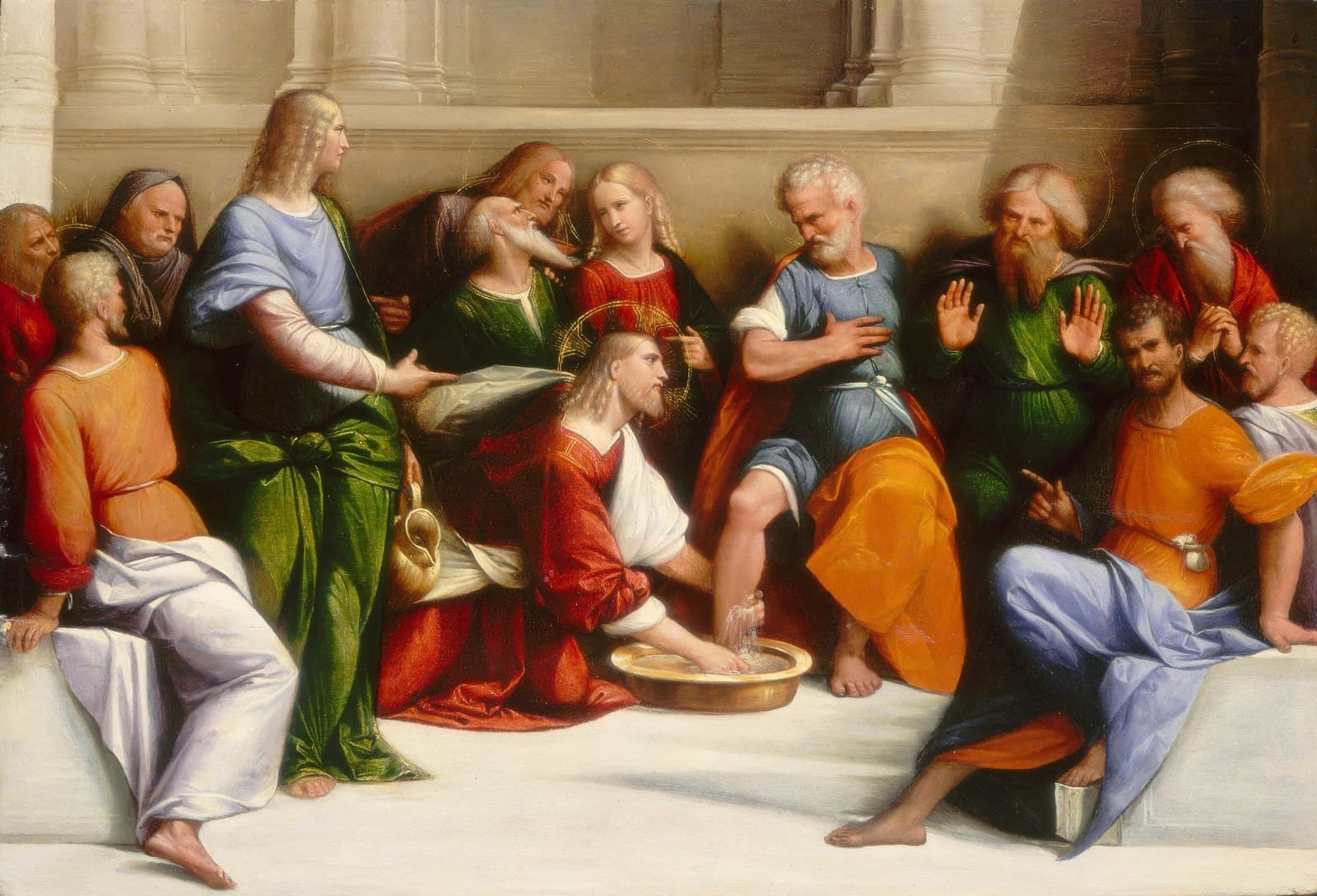
He washed His disciples' feetJohn 13
At the supper Jesus “got up from the supper, laid aside His outer garments, and wrapped a towel around His waist” (John 13:4). Then He washed the disciples' feet and dried them.
So if I, your Lord and Teacher, have washed your feet, you also should wash one another’s feet.
John 13:14BSB Jesus draws the duty of His disciples from what their Lord and Teacher had just done.
He was among them as one who servesLuke 22
At the same table “a dispute also arose among the disciples as to which of them would be considered the greatest” (Luke 22:24).
For who is greater, the one who reclines at the table or the one who serves? Is it not the one who reclines? But I am among you as one who serves.
Luke 22:27BSB Jesus answers the dispute by pointing to His own place at the table.
Read the page on Jesus 33 sections, 35 verses set out
He bore the sin of many as the ServantIsaiah 53
Isaiah names the coming one “My righteous Servant”, who “will justify many, and He will bear their iniquities” (Isaiah 53:11).
Therefore I will allot Him a portion with the great, and He will divide the spoils with the strong, because He has poured out His life unto death, and He was numbered with the transgressors. Yet He bore the sin of many and made intercession for the transgressors.
Isaiah 53:12BSB Isaiah carries the Servant's service to His death, the furthest point service can reach.
He will serve His servants at His returnLuke 12
Blessed are those servants whom the master finds on watch when he returns. Truly I tell you, he will dress himself to serve and will have them recline at the table, and he himself will come and wait on them.
Luke 12:37BSB It stands here because it shows that Christ's service of His own goes on past the cross to His return.
Read the study of The Son of Man Came to Serve 8 sections, 5 verses set out
He was among them as one who serves (Luke 22), He bore the sin of many as the Servant (Isaiah 53), He will serve His servants at His return (Luke 12)
Isaiah 53:12, Luke 12:37
Who Served
Elisha, the Seven, Phoebe and Timothy served a prophet, the widows, a church and an apostle.
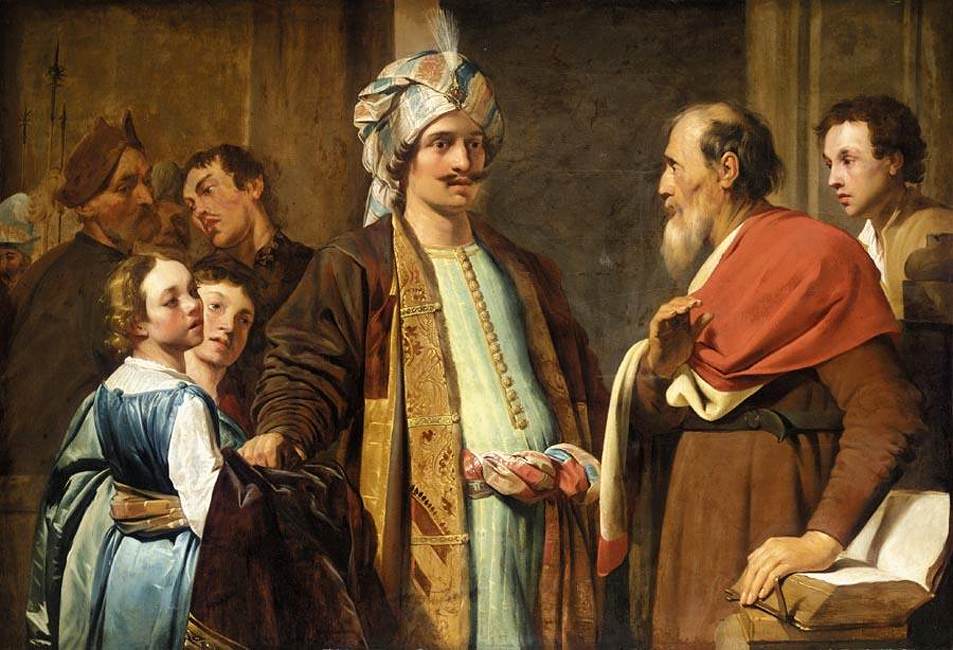
When three kings looked for a prophet of the LORD, Elisha was named as the man who “used to pour water on the hands of Elijah.”
2 Kings 3:11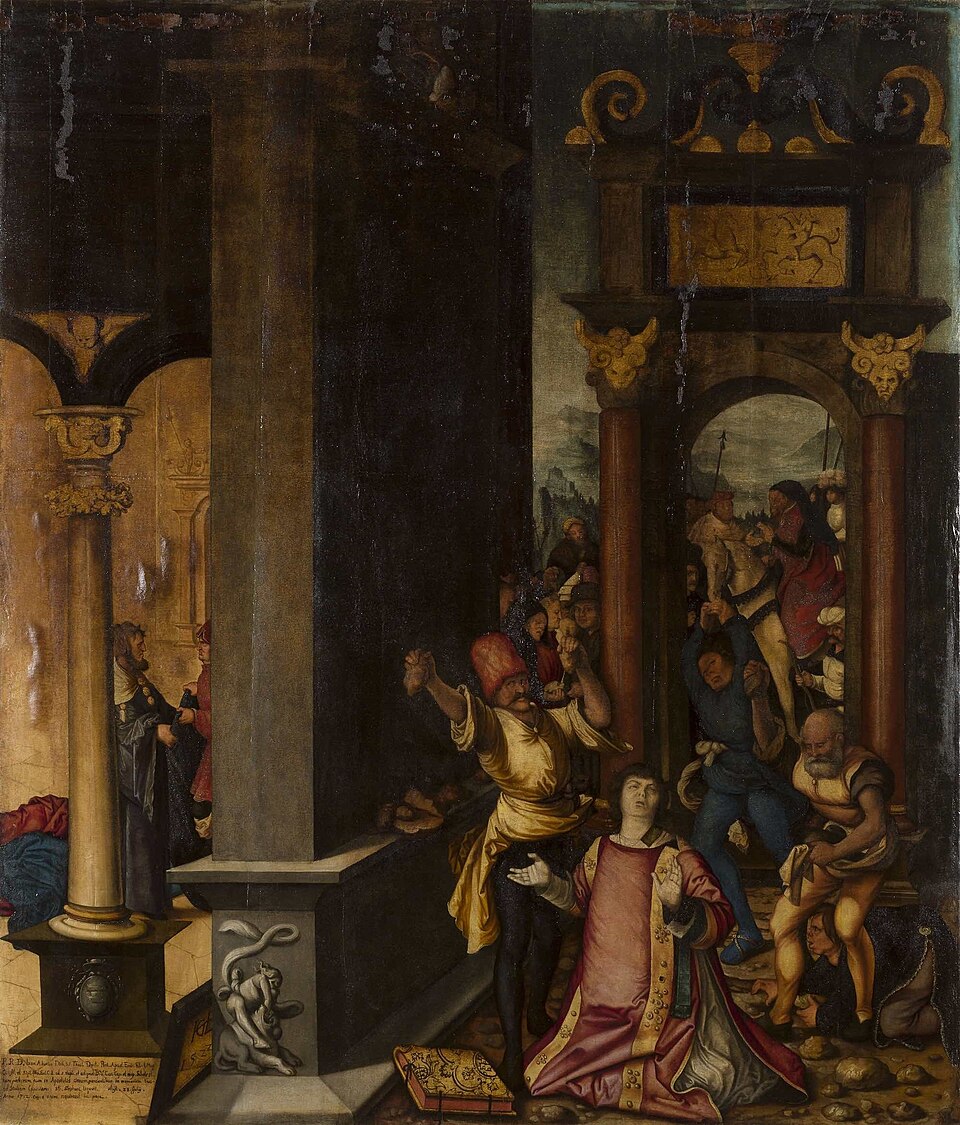
The apostles had the disciples choose seven men “full of the Spirit and wisdom” for the daily distribution to the widows.
Acts 6:3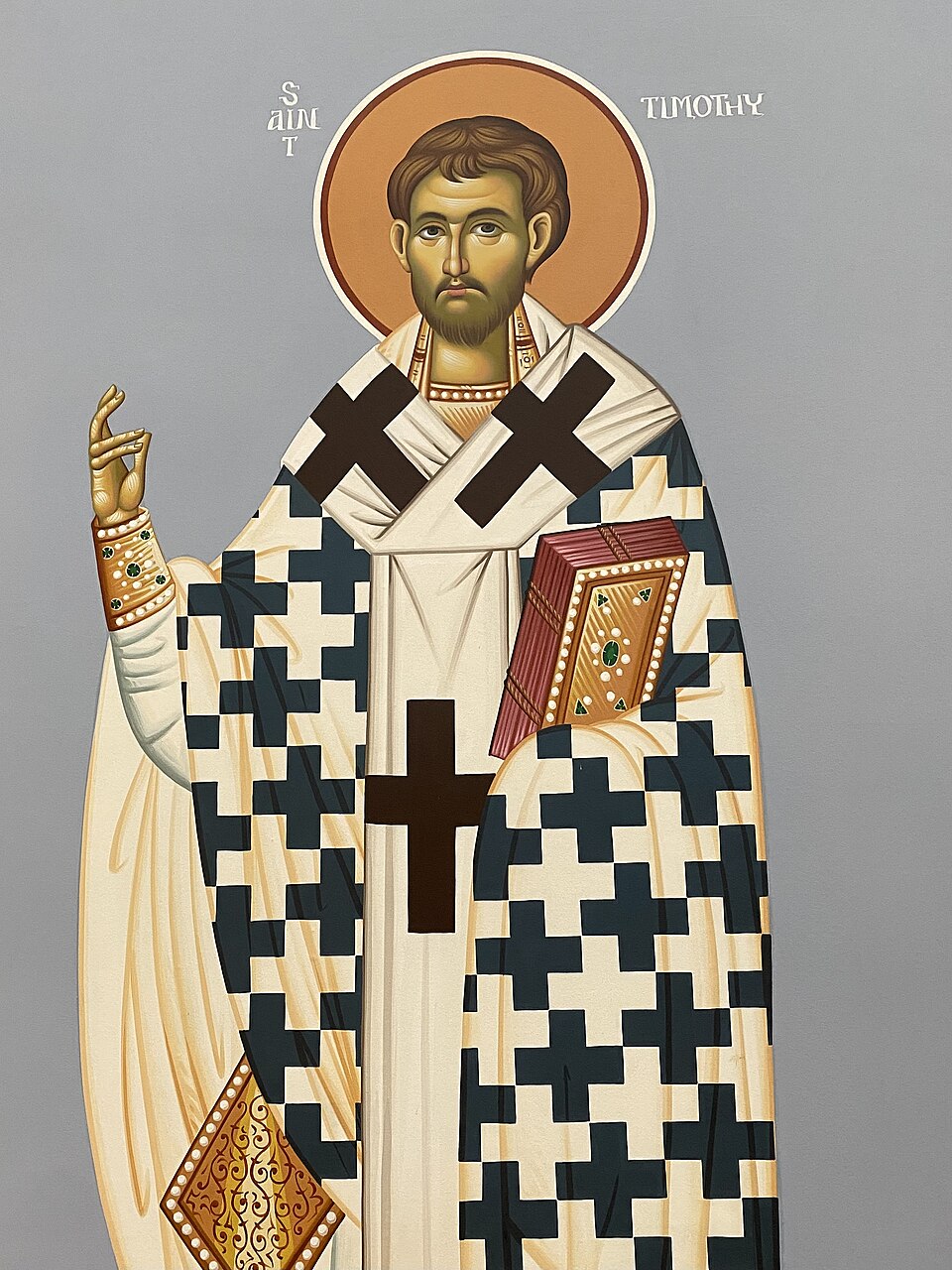
Paul writes of him that “as a child with his father he has served with me to advance the gospel.”
Philippians 2:22
Phoebe, Timothy
The Practice of Servanthood
Scripture names five practices of service, each in the words of the verse that gives it.
- 1Use your gift for others“each of you should use whatever gift he has received to serve one another.”1 Peter 4:10
- 2Serve in your own place“if it is serving, let him serve; if it is teaching, let him teach”Romans 12:7
- 3Work as for the Lord“Whatever you do, work at it with your whole being, for the Lord and not for men”Colossians 3:23
- 4Keep serving the saints“He will not forget your work and the love you have shown for His name as you have ministered to the saints”Hebrews 6:10
- 5Give up your rights to win others“Though I am free of obligation to anyone, I make myself a slave to everyone”1 Corinthians 9:19
Serve in your own place, Work as for the Lord, Keep serving the saints, Give up your rights to win others
What Stands Against Servanthood
Scripture names leaders who feed themselves, the love of the seat of honour and the love of being first.
Jesus said of the scribes and Pharisees, “They love the places of honor at banquets, the chief seats in the synagogues” (Matthew 23:6). He told His disciples instead, “The greatest among you shall be your servant” (Matthew 23:11).
“Son of man, prophesy against the shepherds of Israel. Prophesy and tell them that this is what the Lord GOD says: ‘Woe to the shepherds of Israel, who only feed themselves! Should not the shepherds feed their flock?It stands here because the prophet charges Israel's rulers with feeding themselves instead of the flock.
I have written to the church about this, but Diotrephes, who loves to be first, will not accept our instruction.It stands here because John names a church leader whose love of being first shut out the apostle's word.
Ezekiel 34:2, 3 John 1:9
Servanthood in the Stories of the Bible
Four stories tell of a king who would not serve, a captive girl, two brothers who asked for thrones and workers paid alike.
Rehoboam refuses the elders' counsel1 Kings 12
When Israel asked Solomon's son to lighten its yoke, the old men who had served his father told him to serve the people and win them. Rehoboam took the young men's advice instead, and ten tribes broke away from the house of David.
They replied, “If you will be a servant to these people and serve them this day, and if you will respond by speaking kind words to them, they will be your servants forever.”
1 Kings 12:7BSB The elders' counsel states the bargain of servant rule in one sentence.
The servant girl of Naaman's house2 Kings 5
Raiders from Aram had carried off a young Israelite girl, and she served the wife of Naaman, the commander who had leprosy. She told her mistress of the prophet in Samaria, and her word sent Naaman to Elisha and to the Jordan.
She said to her mistress, “If only my master would go to the prophet who is in Samaria, he would cure him of his leprosy.”
2 Kings 5:3BSB A captive's words show service given to the good of the master who held her.
James and John ask for the seats of honourMark 10
On the road up to Jerusalem, just after Jesus foretold His death a third time, James and John asked Him to give them the seats at His right and left in His glory. The other ten were angry with the two brothers, and Jesus called the Twelve together.
They answered, “Grant that one of us may sit at Your right hand and the other at Your left in Your glory.”
Mark 10:37BSB The brothers' request shows the rank the disciples still sought.
Read the study of The Son of Man Came to Serve 8 sections, 5 verses set out
The workers in the vineyardMatthew 20
In Jesus' parable a landowner hired workers at dawn for a denarius and went out again through the day, the last at the eleventh hour. At evening he paid the last first and gave every man a denarius, and those hired first grumbled against him.
So the last will be first, and the first will be last.”
Matthew 20:16BSB It stands here because the hub draws from this story the reversal of rank that service brings.
Read the study of The Last Will Be First 7 sections, 4 verses set out
The servant girl of Naaman's house (2 Kings 5), James and John ask for the seats of honour (Mark 10), The workers in the vineyard (Matthew 20)
Mark 10:37, Matthew 20:16
Servanthood in the Church's History
Three accounts tell of a deacon of Rome, a bishop who built a house for the sick and a preacher who began a mission to the poor of London.
Lawrence of Romethe third century
Ambrose of Milan tells in On the Duties of the Clergy (book 2, chapter 28, translated by H. de Romestin, 1896) how the martyr Lawrence was ordered to hand over the treasures of the church. “On the following day he brought the poor together.” Asked where the treasures were, “he pointed to the poor, saying: These are the treasures of the Church.”
Basil of Caesareathe fourth century
In his funeral oration for Basil (Oration 43, section 63, translated by Browne and Swallow, 1894), Gregory of Nazianzus sent his hearers outside Caesarea to see “the new city, the storehouse of piety”, a house for the sick and the lepers that Basil founded. Gregory says that Basil “saluted them as brethren” and took “the lead in approaching to tend them”.
William Booththe nineteenth century
George Scott Railton's Authoritative Life of General William Booth (1912) tells how Booth, a former Methodist minister, agreed in 1865 to take services “in a tent which had been erected in an old burial-ground in Whitechapel”. He came home and told his wife, “O Kate, I have found my destiny!” His Christian Mission was first called a “Salvation Army” at the end of 1878, and in 1890 he set out his plan for the poor of England in In Darkest England, and the Way Out.
Read the story of William Booth and the Salvation Army 6 sections, 0 verses set out
Basil of Caesarea (the fourth century), William Booth (the nineteenth century)
Voices on Servanthood, by Century
Three quotations from the fourth century to the eighteenth, each under the line it teaches.
died 397 · Ambrose of Milan
On the Holy Spirit, Book 1, Prologue 15
A fourth-century reading: to wash a brother's feet keeps the Lord's command and cleanses the one who serves.
The quotation1 quotation
“I, then, wish also myself to wash the feet of my brethren, I wish to fulfil the commandment of my Lord, I will not be ashamed in myself, nor disdain what He Himself did first. Good is the mystery of humility, because while washing the pollutions of others I wash away my own. But all were not able to exhaust this mystery. Abraham was, indeed, willing to wash feet, but because of a feeling of hospitality.”
Ambrose of Milan · On the Holy Spirit, Book 1, Prologue 15 · on John 13:14Patristic
died 444 · Cyril of Alexandria
Commentary on the Gospel of John, Book 9
A fifth-century reading: a servant who seeks more glory than his master has is covetous.
The quotation1 quotation
“He points out here what an inadmissible offense it would be for servants to refuse to be of the same mind as their own masters. Such a passionate longing for greater and higher things than our merits deserve is really covetousness and nothing else. And he would be perfectly just in bringing the same charge against the apostles, namely, of seeking to be on a higher level than he who commissioned them, if they acted like this. The mind of the One who sent them should be a sufficient yardstick of the glory they seek.”
Cyril of Alexandria · Commentary on the Gospel of John, Book 9 · on John 13:16Patristic
1662 to 1714 · Matthew Henry
Commentary on the Whole Bible
An eighteenth-century reading: Christ waited on His disciples like a servant at table.
The quotation1 quotation
“Now Christ was among his disciples just like one that waited at table. He was so far from taking state, or taking his ease, by commanding their attendance upon him, that he was ready to do any office of kindness and service for them; witness his washing their feet.”
Matthew Henry · Commentary on the Whole Bible · on Luke 22:26 to 27Puritan
How Servanthood Has Been Taught
The German reformer joined freedom in faith to the service of the neighbour.
Luther taught that the Christian is a free lord of all and a dutiful servant of all.1 paragraph
In Concerning Christian Liberty (1520), Luther set down two propositions. The first is “A Christian man is the most free lord of all, and subject to none”. The second is “a Christian man is the most dutiful servant of all, and subject to every one”. He found both in Christ, “at once free and a servant; at once in the form of God and in the form of a servant”.
Luther taught that faith makes the believer a Christ to his neighbour.1 paragraph
In the same treatise Luther held that the believer has been given every good thing in Christ without merit. His answer is to be, “I will therefore give myself as a sort of Christ, to my neighbour, as Christ has given Himself to me”. From love, he went on, comes “a cheerful, willing, free spirit, disposed to serve our neighbour voluntarily, without taking any account of gratitude or ingratitude, praise or blame, gain or loss”.
The Studies of Servanthood
Each study takes one part of servanthood into more depth.
The texts
2 studies
- Passages and psalms · 4 verses set outThe Last Will Be First
In the parable of the workers in the vineyard, the landowner pays the men hired last the same wage as those hired first.
- Passages and psalms · 5 verses set outThe Son of Man Came to Serve
James and John asked Jesus for the seats beside Him in His glory, and He answered that greatness among His followers is service.
- Passages and psalms · 4 verses set outThe Last Will Be First
The stories
1 study
- Stories · 0 verses set outWilliam Booth and the Salvation Army
William Booth began a mission in the East End of London in 1865 that became the Salvation Army.
- Stories · 0 verses set outWilliam Booth and the Salvation Army
The words
1 study
- Symbols and words · 5 verses set outThe Words Ebed and Doulos
The Hebrew ebed and the Greek doulos name a servant or a slave, and Scripture gives both words to those who serve God.
- Symbols and words · 5 verses set outThe Words Ebed and Doulos
The practice
2 studies
- Doctrines · 24 verses set outElders and Deacons
Elders led the believers in Jerusalem from the first years, and Paul greets the overseers and deacons of Philippi together.
- Subjects · 11 verses, 1 studyLeadership
Shepherding people you answer to God for.
- Doctrines · 24 verses set outElders and Deacons
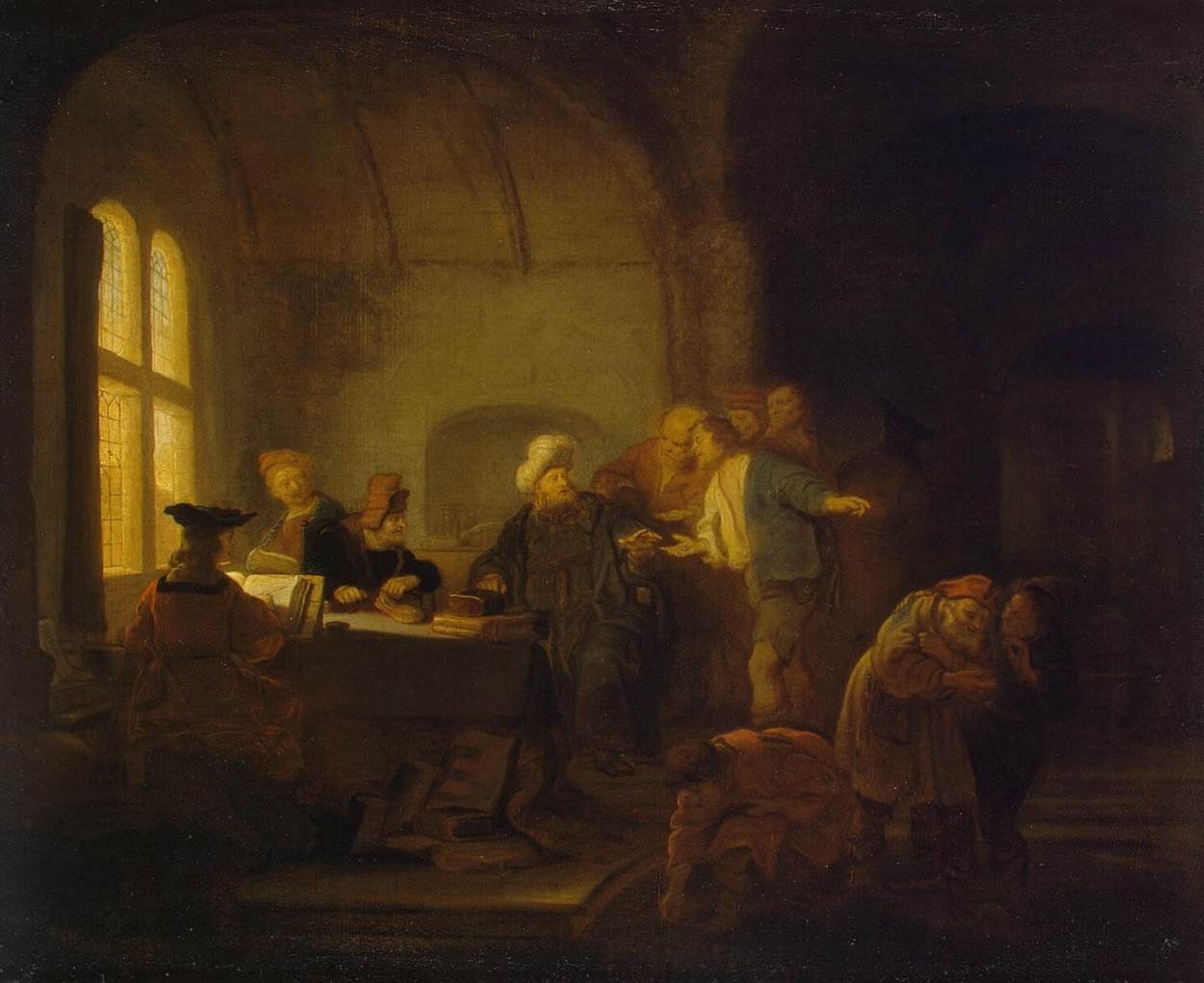
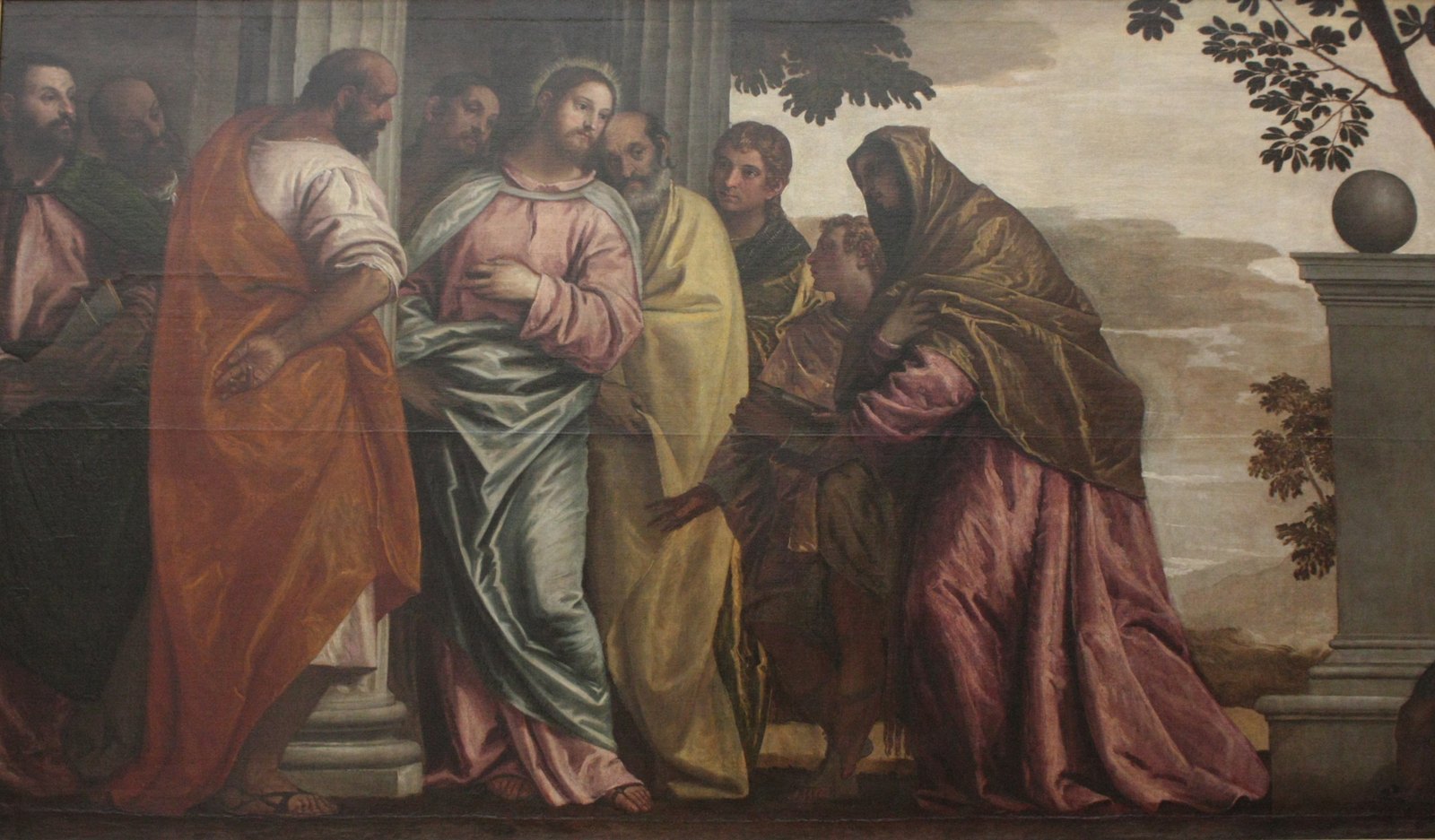
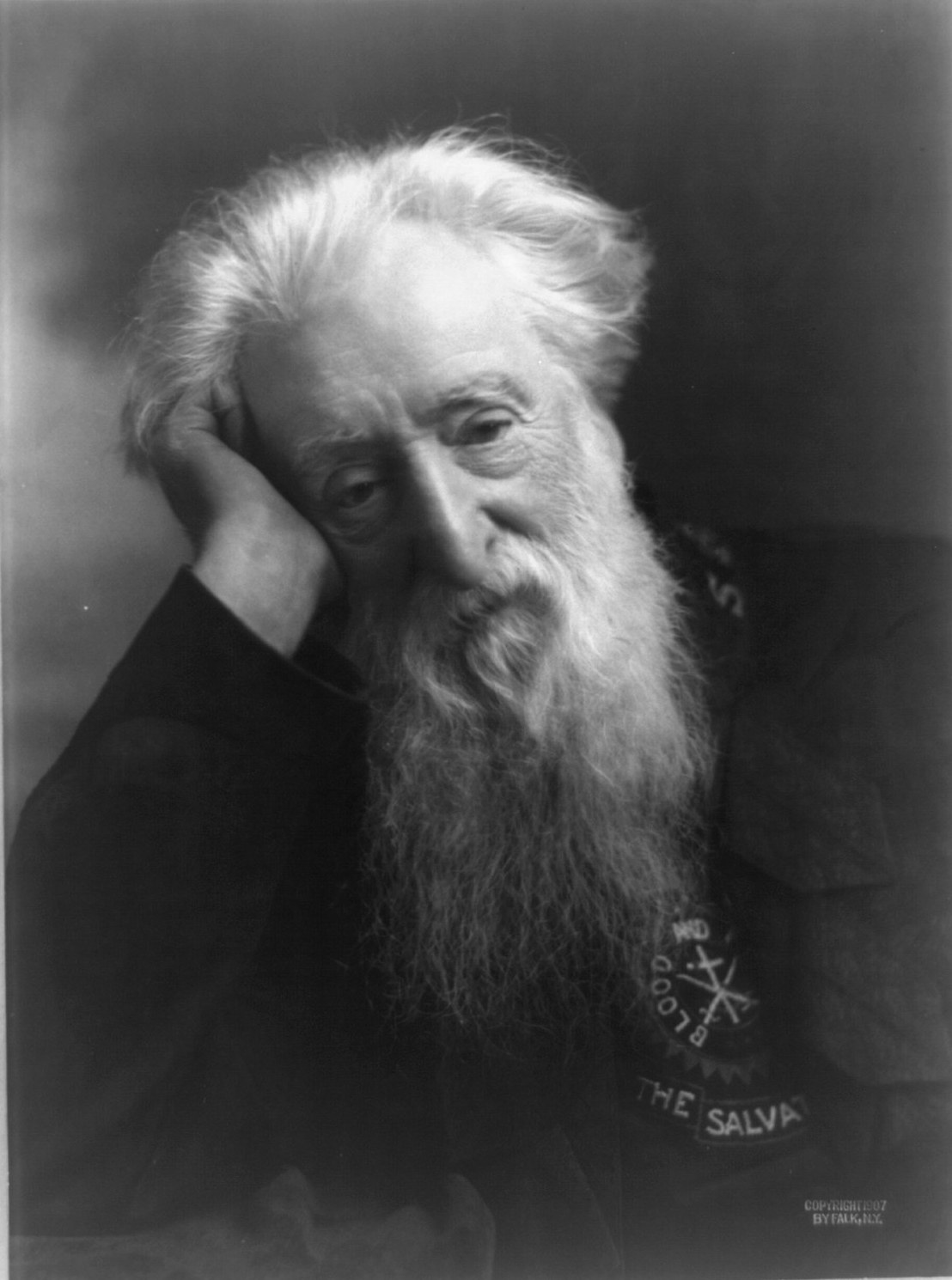
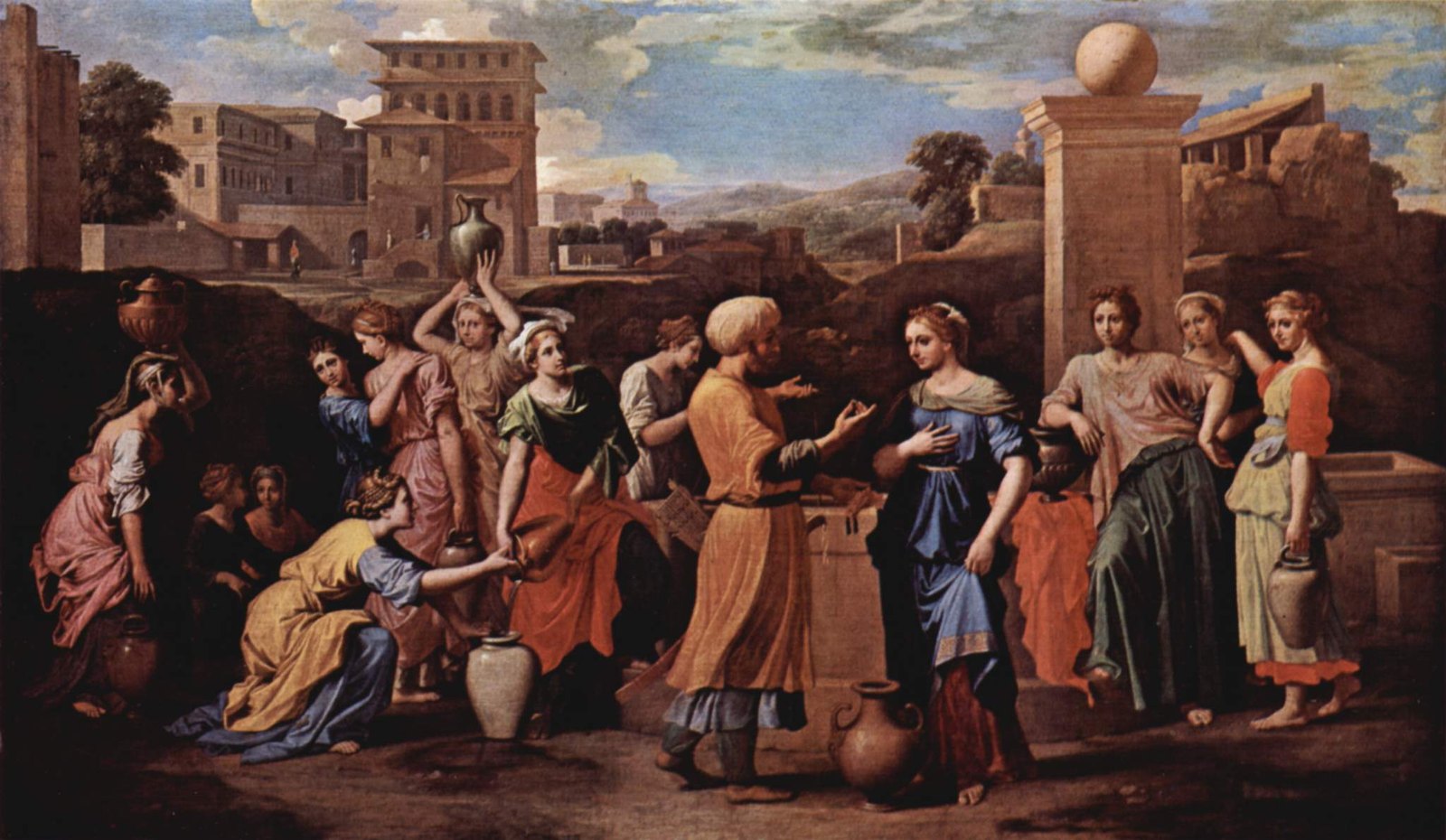
The Son of Man Came to Serve, William Booth and the Salvation Army, The Words Ebed and Doulos, Elders and Deacons, Leadership
Where Readers Disagree
Six readings answer three questions, each with its holders, the work that argues it and the objection raised against it.
Whether the washing of feet is a rite to keep
Read the study of the Foot-Washing
| Reading | Held by | Work | Objection |
|---|---|---|---|
| It belongs among the rites that follow baptism | Ambrose of Milan (Patristic) | Ambrose of Milan, On the Mysteries, chapter 6, sections 31 to 33 (Nicene and Post-Nicene Fathers, second series, volume 10, 1896) | Jesus says He gave an example (John 13:15), and no other text of the New Testament names the washing as a rite of the church. |
| It is an example of lifelong service and enjoins no ceremony | John Calvin; Matthew Henry (Reformed) | Calvin, Commentary on John, on John 13:15 (translated by William Pringle); Henry, Commentary on the Whole Bible (1710), on John 13:14 | Jesus gives the washing to His disciples in John 13:14 as a command, in the plain form of the act. |
Who the Servant of Isaiah 53 is
Read the study of the Suffering Servant
| Reading | Held by | Work | Objection |
|---|---|---|---|
| The people of Israel, suffering as one man in its dispersion | A Jewish teacher in debate with Origen (Jewish, as Origen reports it) | Origen, Against Celsus, book 1, chapter 55 (Ante-Nicene Fathers, volume 4, 1885) | Origen answered that the Servant is “led away unto death” because of the iniquities of God's people, so he must be someone other than that people. |
| One person, Jesus Christ, who bore the sins of those He heals | Origen of Alexandria (Patristic) | Origen, Against Celsus, book 1, chapter 55 (Ante-Nicene Fathers, volume 4, 1885) | Isaiah calls Israel itself the LORD's servant in the chapters before (Isaiah 41:8 and Isaiah 44:1). |
What the workers hired last stand for
Read the study of The Last Will Be First 7 sections, 4 verses set out
| Reading | Held by | Work | Objection |
|---|---|---|---|
| The Gentiles called after the Jews, or those who hear the call late in life | John Wesley (Methodist) | Wesley, Explanatory Notes upon the New Testament (1755), on Matthew 20:9 and Matthew 20:14 | The parable answers Peter's question about the Twelve's reward (Matthew 19:27), which concerns disciples and not nations. |
| The parable puts down a reckoning spirit among Christ's servants | Jamieson, Fausset and Brown (Scottish Presbyterian commentary) | Jamieson, Fausset and Brown, Commentary Critical and Explanatory (1871), on Matthew 20:10 | The order of hiring through the day, from dawn to the eleventh hour, invites a reading of the hours as times of calling. |
Sources
Scripture is the Berean Standard Bible.
- STEP Bible, Translators Brief lexicon of Extended Strongs for Hebrew and for Greek (Tyndale House, Cambridge), CC BY 4.0, with James Strong's definitions (1890)
- Ambrose of Milan, On the Duties of the Clergy, book 2, chapter 28, sections 140 and 141, translated by H. de Romestin, E. de Romestin and H. T. F. Duckworth, Nicene and Post-Nicene Fathers, second series, volume 10 (Buffalo: Christian Literature Publishing, 1896)
- Gregory of Nazianzus, Oration 43, the funeral oration on Basil the Great, section 63, translated by Charles Gordon Browne and James Edward Swallow, Nicene and Post-Nicene Fathers, second series, volume 7 (Buffalo: Christian Literature Publishing, 1894)
- Martin Luther, Concerning Christian Liberty (1520), English text of Project Gutenberg eBook 1911.
- Ambrose of Milan, On the Mysteries, chapter 6, sections 31 to 33, translated by H. de Romestin, E. de Romestin and H. T. F. Duckworth, Nicene and Post-Nicene Fathers, second series, volume 10 (Buffalo: Christian Literature Publishing, 1896)
- John Calvin, Commentary on the Gospel according to John, volume 2, on John 13:15, translated by William Pringle (Calvin Translation Society)
- Origen of Alexandria, Against Celsus, book 1, chapter 55, translated by Frederick Crombie, Ante-Nicene Fathers, volume 4 (Buffalo: Christian Literature Publishing, 1885)
- George Scott Railton, The Authoritative Life of General William Booth, Founder of the Salvation Army (1912), Chapters VII and IX and the table of important events.
- William Booth, In Darkest England, and the Way Out (London: The Salvation Army, 1890)
- John Wesley, Explanatory Notes upon the New Testament (1755), on Matthew 20:9 and Matthew 20:14.
- Robert Jamieson, A. R. Fausset and David Brown, Commentary Critical and Explanatory on the Whole Bible (1871), on Matthew 20:10.
- Matthew Henry, Commentary on the Whole Bible (1710), on John 13:14 and Luke 22:26 to 27.
- Ambrose of Milan, On the Holy Spirit, book 1, prologue 15, on John 13:14.
- Cyril of Alexandria, Commentary on the Gospel of John, book 9, on John 13:16.
Keep Studying
In this value5
People and groups22